- Category
- Nuts and seeds
- State
- Dry
- Usual unit
- g
What it is
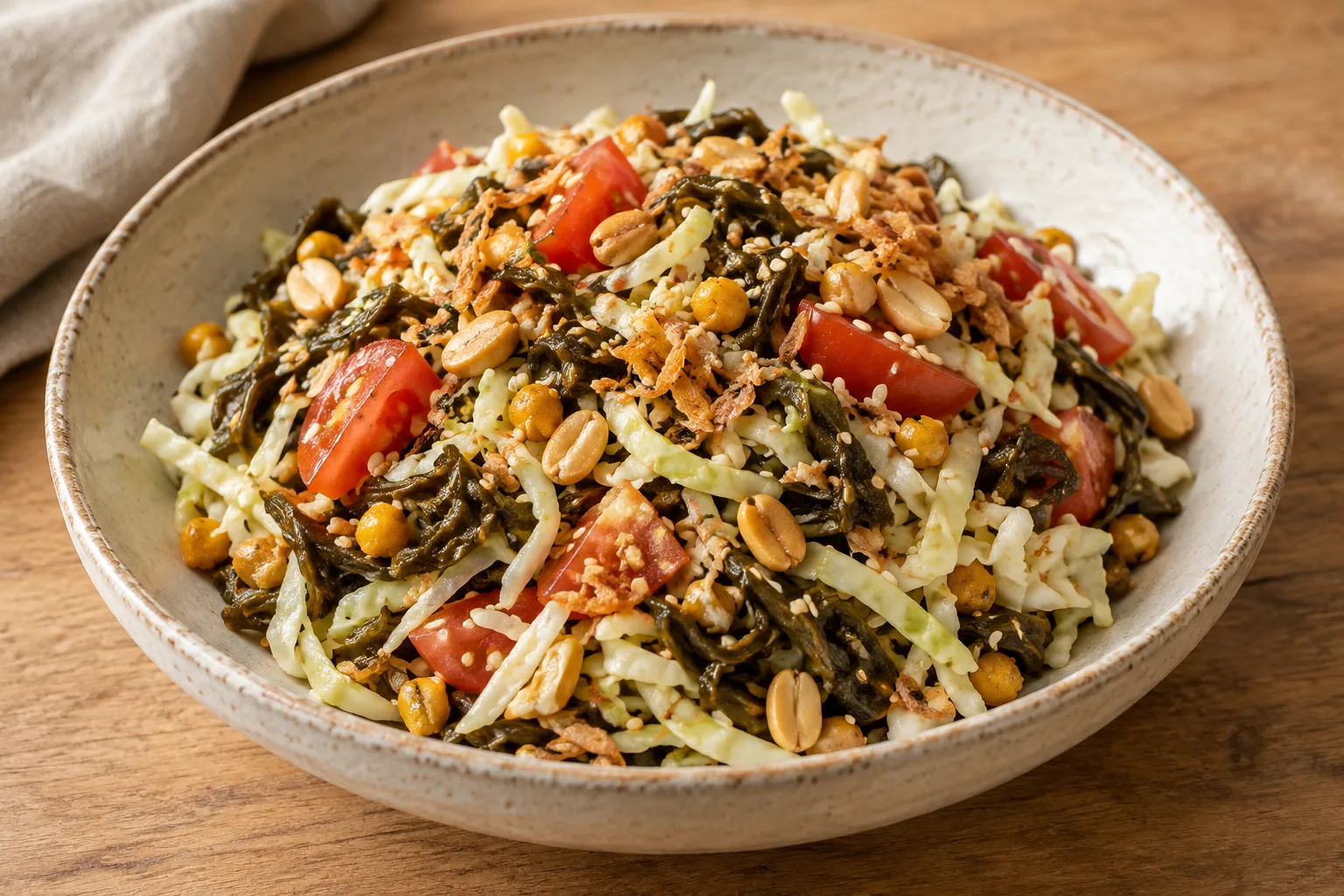
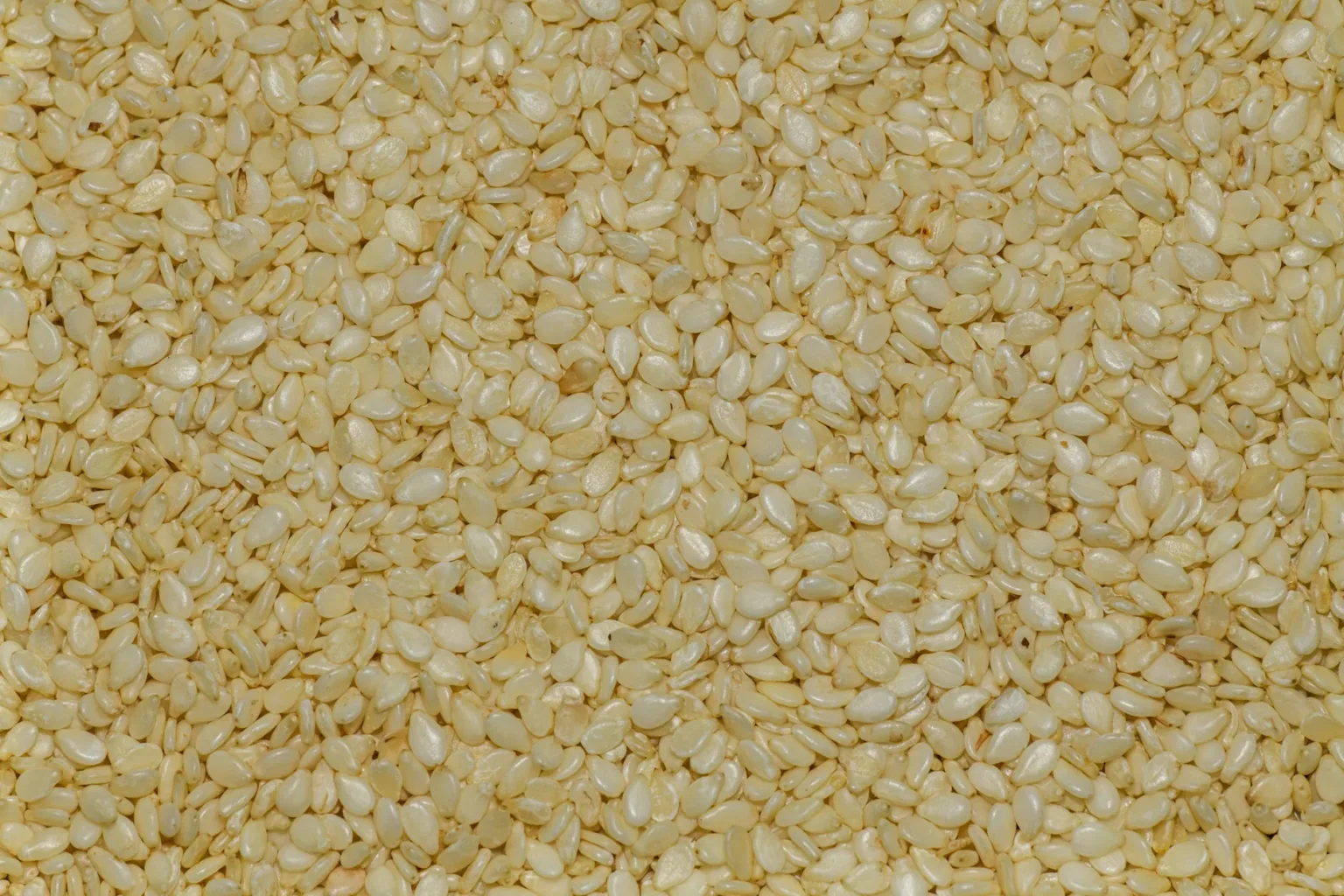
Toasted sesame seeds are edible sesame seeds that have been heated to develop a more pronounced aroma and flavor than untoasted seeds. They can be used whole for a crisp finish or crushed and mixed with other ingredients. Sesame seeds come in several colors, although pale sesame is common in many kitchens. Whether the seeds are already toasted matters when cooking: packaged toasted seeds can generally be used as they are, while untoasted seeds can be toasted before use. Toasted sesame works in both savory and sweet dishes, including salads, vegetables, rice and noodles as well as breads, biscuits and other baked goods. Its distinctive roasted character can make a small finishing sprinkle noticeable.
When to use it
Choose toasted sesame when you want a roasted aroma and a crisp texture without toasting seeds yourself. Sprinkle it over salads, sautéed vegetables, rice or noodles, or use it to finish soups and meat dishes. It also suits breads, biscuits and sweet baking. Because its flavor is more pronounced than that of untoasted sesame, use it when you want the seed's aroma to stand out. If a recipe tells you to toast sesame, check the package first: some seeds are already toasted, and heating them again can make their flavor overly strong.
How to use it
Check the package to confirm whether the seeds are already toasted, then use ready-to-use toasted seeds directly. For a quick finish, scatter them whole over salads, vegetables, rice, noodles or soup just before serving to preserve their contrast and crunch. They can also be mixed into bread or biscuit dough, or crushed so their flavor is distributed more evenly through a preparation. If you only have untoasted sesame, toast it before using and watch it closely: small seeds brown quickly, and excessive toasting can bring out bitter notes. Adjust the amount to taste, especially in delicate dishes, since toasted sesame has a stronger aroma than untoasted seeds.
Flavour and texture
Toasting deepens the aroma and gives sesame a more pronounced roasted, nut-like flavor with a slight sweetness. Whole seeds add a distinct crunch as a topping or when mixed into a dish. Flavor and appearance vary with seed type and color; darker varieties are often more intense and earthy than pale ones.
How to choose it
Look for a clear statement on the package that the seeds are toasted; the product name alone may not make this clear. Toasted sesame may look more golden and taste more pronounced than untoasted sesame, but color also depends on the variety. Choose a well-sealed package and check its product information and use instructions, especially if you need to check for sesame.
Storage
Follow the storage directions printed on the package, since there is no single shelf life that applies to all toasted sesame seeds. Keep the package closed between uses and avoid relying on a generic storage period. Before serving, check the seeds' appearance and smell; follow any specific instructions given for the product after opening.
Substitutions
Untoasted pale sesame can replace toasted seeds if you toast it before adding it; the result will have the character of freshly toasted seeds. Toasted black sesame is another option, but it can taste more intense and earthy and will change the dish's appearance. Neither alternative reproduces every nuance of the original ingredient.
Common mistakes
Do not assume sesame in a package is untoasted: some products are already toasted and need no further heat. Toasting them again or letting them brown too much can make them bitter. Another common mistake is adding the seeds too early when you want them to stay crisp, or choosing a dark variety while expecting exactly the same flavor as pale sesame.
Safety and allergens
This product contains sesame. Check the package label and the information for prepared dishes in which it is used, and follow the handling and storage instructions on the package.
Culinary uses
- crujiente y aromático para terminar platos
- ingrediente para panes, repostería y preparaciones dulces o saladas
Recommended techniques
- espolvorear justo antes de servir
- triturar o moler para incorporarlo a mezclas y masas
- mezclar con ingredientes cocidos o crudos
Pairs well with
- ensaladas y verduras salteadas
- arroz y fideos
- panes y galletas
- sopas y platos de carne
Frequently asked questions
Do toasted sesame seeds need to be toasted again?
No. If the package says they are toasted, you can use them directly. Heating them again may make their flavor too strong.
What dishes can I use toasted sesame in?
Use it as a crisp topping for salads, vegetables, rice, noodles and soups, or mix it into breads, biscuits and other sweet bakes.
Can I substitute toasted black sesame?
Yes, but black sesame may taste more intense and earthy, and it will change the color of the dish.
Ingredient allergens
Allergen listThere are no verified associations for these ingredients yet.
Estimated nutrition
- Fat
- 50 g
- Saturates
- 0 g
- Carbohydrate
- 28.6 g
- Sugars
- 0 g
- Fibre
- 14.3 g
- Protein
- 14.3 g
- Salt
- 0 g
Sources and review
Automatically researched, cross-checked and validated content. Sources consulted:
- ¿Por qué la muerte es origen de miedos y tabúes? doi.org/10.64628/aao.fccyk3qj3
- Gastronomía del Perú - Wikipedia, la enciclopedia libre es.wikipedia.org/wiki/Gastronom%C3%ADa_del_Per%C3%BA
- Empleo de semillas como ingrediente saciante: chía y sésamo | Anales de Veterinaria de Murcia doi.org/10.6018/analesvet.411681
- DISEÑO DE UN PRODUCTO ALIMENTICIO PARA EL ... upcommons.upc.edu/bitstreams/e99259de-56b1-479a-ae72-838b6287bd7d/download
- Conocé las propiedades culinarias del sésamo | Recetas Nestlé www.recetasnestle.com.ar/escuela-de-sabor/ingredientes/sesamo
- Semillas de Sésamo - Javi Recetas www.javirecetas.com/semillas-de-sesamo/
- El “lujo culinario”: elites, cocina y poder en el espacio Atlántico | OpenAlex openalex.org/W4408399161
- Graines de sésame : bienfaits, variétés et utilisations en cuisine – nutandme www.nutandme.com/blogs/blog/semillas-de-sesamo-beneficios-tipos-y-usos-en-la-cocina?srsltid=…
- El sésamo en la cocina japonesa - Muy Japones www.google.com/goto?url=CAESdgHrOzAVyp2qkFypmD5ML7aVg5FLp0UsFFPz4i6ec2oDMlEz7Um4bNZ32wEqEvmb…
- - YouTube www.youtube.com/watch?v=4coeMaOcEyM
- Graines de sésame : bienfaits, variétés et utilisations en cuisine – nutandme www.google.com/goto?url=CAES2AEB6zswFRqAMiOMJzAsa0k0NuZF9JiquP4mKWH9dMNA0x_FxMtHIS2SfOlfx-dz…
- Food allergen labelling and information requirements technical guidance - GOV.UK www.gov.uk/government/publications/food-allergen-labelling-and-information-requirements-tech…