- Category
- Meat
- State
- Fresh
- Usual unit
- unit
What it is
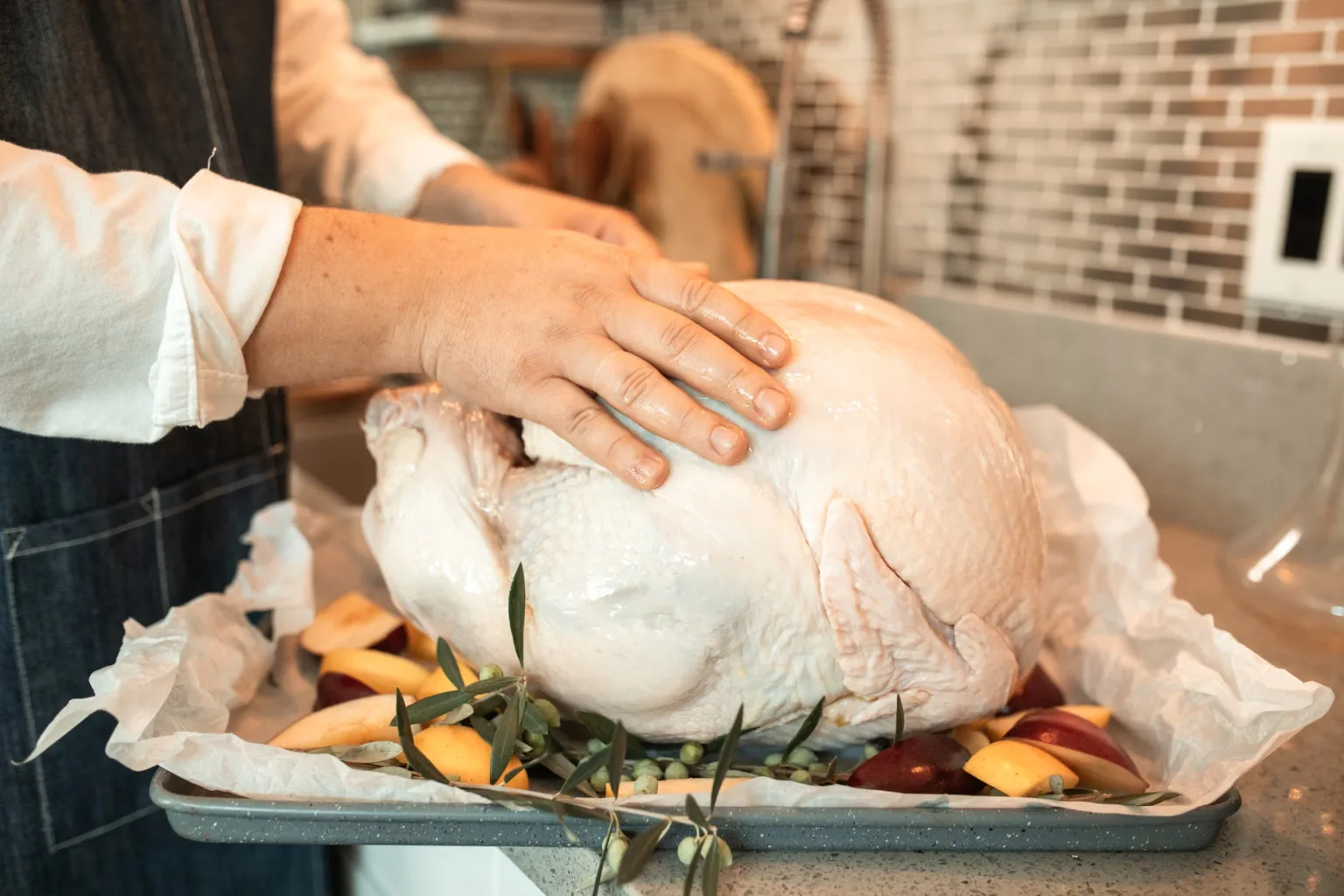
Turkey is poultry used in everyday meals as well as celebratory dishes. It is sold whole or in cuts, including breast and thigh, and also as processed products such as deli meat, sausages and burgers. In this guide, “fresh turkey” means refrigerated meat that is not presented as frozen; always check the label because the format and degree of processing vary. Breast and thigh do not cook in exactly the same way, so choose a cut to suit the dish and follow the product instructions. Whole birds and prepared turkey products also have distinct handling and cooking needs.
When to use it
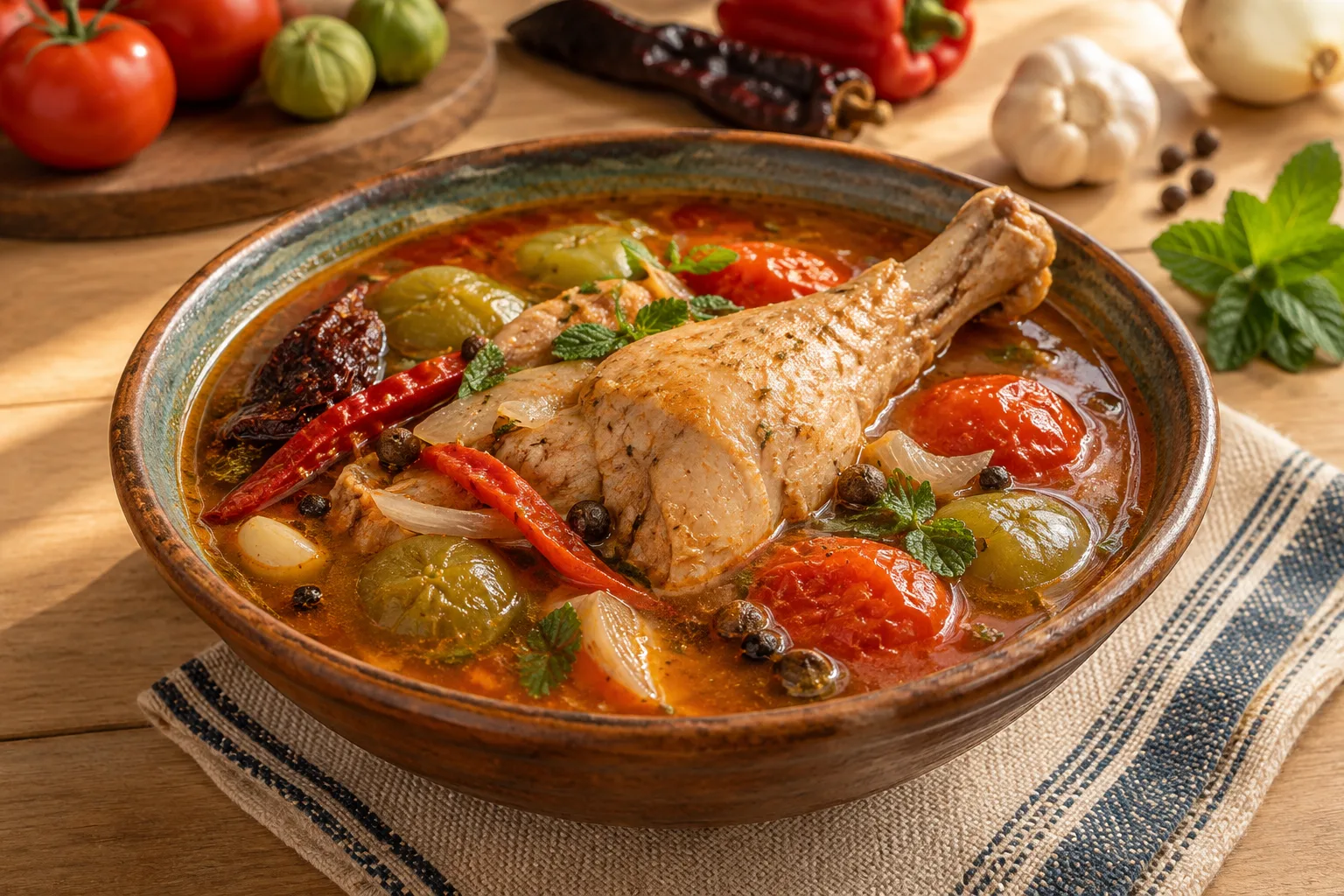
Turkey works as a celebratory centrepiece when cooked whole and roasted, but it can also feature in everyday cooking as stews, soups, rice dishes or griddled portions. Breast suits recipes that call for sliced portions; thigh can be a useful choice for longer-cooking dishes. Prepared products such as deli turkey or turkey burgers have different uses and should be handled and cooked according to their labels. Cut and size affect cooking, so do not automatically apply instructions for one portion to a whole bird.
How to use it
Before cooking, check the packaging and keep raw turkey separate from ready-to-eat foods. Roast it whole or in portions, grill or griddle cuts, boil it, or add it to stews and rice dishes. For a stuffed roast, the filling can combine dry ingredients with moister additions such as onion, butter or broth; do not assume the centre cooks at the same rate as the outside. Choose a method to suit the cut and follow the product’s cooking instructions and local official food-safety advice. Do not eat raw or undercooked poultry.
Flavour and texture
Turkey has a mild flavor that works with a range of seasonings. Breast and thigh have different textures, and the cut, age of the bird and cooking method can also affect tenderness and juiciness. Because meat can dry out if cooked poorly, match the method to the cut and check doneness using reliable guidance rather than judging by the browned exterior alone.
How to choose it
Turkey is available whole or in portions, fresh or frozen. Decide which cut you need and check the label for product condition, date and storage instructions. Choose an intact package and keep it separate from ready-to-eat foods. If buying a whole bird to roast, plan refrigerator space and thawing according to the package directions; do not thaw it at room temperature.
Storage
Keep fresh turkey refrigerated in its original packaging and separate from other foods to prevent contact or drips from contaminating them. If freezing it, follow the package directions and applicable official guidance. Thaw in the refrigerator or in a microwave if you will cook it immediately; never thaw it at room temperature. Refrigerate or freeze cooked leftovers according to local official guidance.
Substitutions
Chicken can replace turkey in many poultry dishes, although the cut and size may change how it cooks. Goose can also take the place of turkey in a celebratory roast, but its flavor and texture are different. In either case, do not simply copy timings for another cut; use guidance for the product you have.
Common mistakes
Do not thaw turkey at room temperature or handle it alongside ready-to-eat foods. Another common mistake is treating breast, thigh and a whole bird as if they need identical cooking. Avoid relying only on browned skin, overlooking the centre of a stuffed bird, or ignoring the package instructions.
Safety and allergens
Keep raw turkey separate from ready-to-eat foods and prevent its juices from contacting other food. Thaw in the refrigerator or in a microwave if cooking immediately, never at room temperature. Cook thoroughly and follow package directions and local official guidance. Wash hands, utensils and surfaces after handling raw poultry.
Culinary uses
- main dish
- ingredient for soups, stews and rice dishes
- sandwich and salad filling when sold as a prepared turkey product
Recommended techniques
- roasting
- braising or stewing
- grilling or griddling
- boiling
Pairs well with
- rice
- stuffing ingredients such as onion, butter and broth
- seasonings and herbs
Frequently asked questions
Is turkey sold fresh or frozen?
Yes. It is sold fresh or frozen, whole or in portions; check the product format and handling directions on the label.
How should I thaw turkey?
Thaw it in the refrigerator or in a microwave if you will cook it immediately. Do not thaw it at room temperature.
What can I cook with turkey?
It can be roasted, grilled, boiled or stewed, and used in rice dishes. Deli meat and other processed products have their own uses.
Ingredient allergens
Allergen listThere are no verified associations for these ingredients yet.
Estimated nutrition
- Fat
- 1.27 g
- Saturates
- 0.42 g
- Carbohydrate
- 6.78 g
- Sugars
- 1.69 g
- Fibre
- 1.3 g
- Protein
- 9.75 g
- Salt
- 1.3 g
Sources and review
Automatically researched, cross-checked and validated content. Sources consulted:
- Client Challenge doi.org/10.2307/jj.27939689.16
- The Essential Glossary of Cooking Terms for the Culinary Arts - Escoffier www.escoffier.edu/blog/culinary-arts/the-essential-glossary-of-cooking-terms-for-the-culinar…
- Food for Seniors | Focus: HOPE www.focushope.edu/programs/food-for-seniors/
- Expanded Food and Nutrition Education Program (EFNEP) | Community Nutrition | Extension/College of Agriculture, Health & Natural Resources | University of Connecticut communitynutrition.cahnr.uconn.edu/efnep/
- Para la ciudadanía www.aesan.gob.es/para-la-ciudadania
- Small scale meat farming: growing, finishing, processing extension.oregonstate.edu/es/node/148081/printable/print
- WHERE TO BUY NATURAL FOODS ... dmr.bsu.edu/digital/api/collection/PhyCul/id/22496/download
- Pavo- Gastronomía - Región de Murcia Digital www.regmurcia.com/servlet/s.Sl?r=ReP-23860-DETALLE_REPORTAJESPADRE&sit=c%2C543%2Cm%2C2717
- El pavo, el alimento versátil por excelencia que cuidamos en Cascajares - cascajares.eu/blog/el-pavo-el-alimento-versatil-por-excelencia-que-cuidamos-en-cascajares/
- El pavo | Consumer www.consumer.es/alimentacion/el-pavo.html
- Pavo de Acción de Gracias: historia, tradición y la receta más auténtica - GEO GASTRONÓMICA geogastronomica.com/pavo-de-accion-de-gracias-historia-tradicion-y-la-receta-mas-autentica/
- Pavo, pava y pavipollo www.directoalpaladar.com/ingredientes-y-alimentos/pavo-pava-y-pavipollo