- Category
- Sauces and condiments
- State
- Liquid
- Usual unit
- tablespoon
What it is
Vegetarian oyster sauce is a plant-based condiment intended to bring a deep, savory, oyster-style umami flavor without animal-derived ingredients in the particular product described as vegan. It is not a single standardized recipe. One commercial version combines maitake and kelp, while its ingredient list also includes soy tamari, sugar, salt, corn starch, shiitake powder and other ingredients. The name alone therefore does not tell you what is in every bottle. Use it to flavor stir-fries, marinades and sauces, and check the label on the specific product you have, especially if you need to avoid an ingredient or allergen.
When to use it
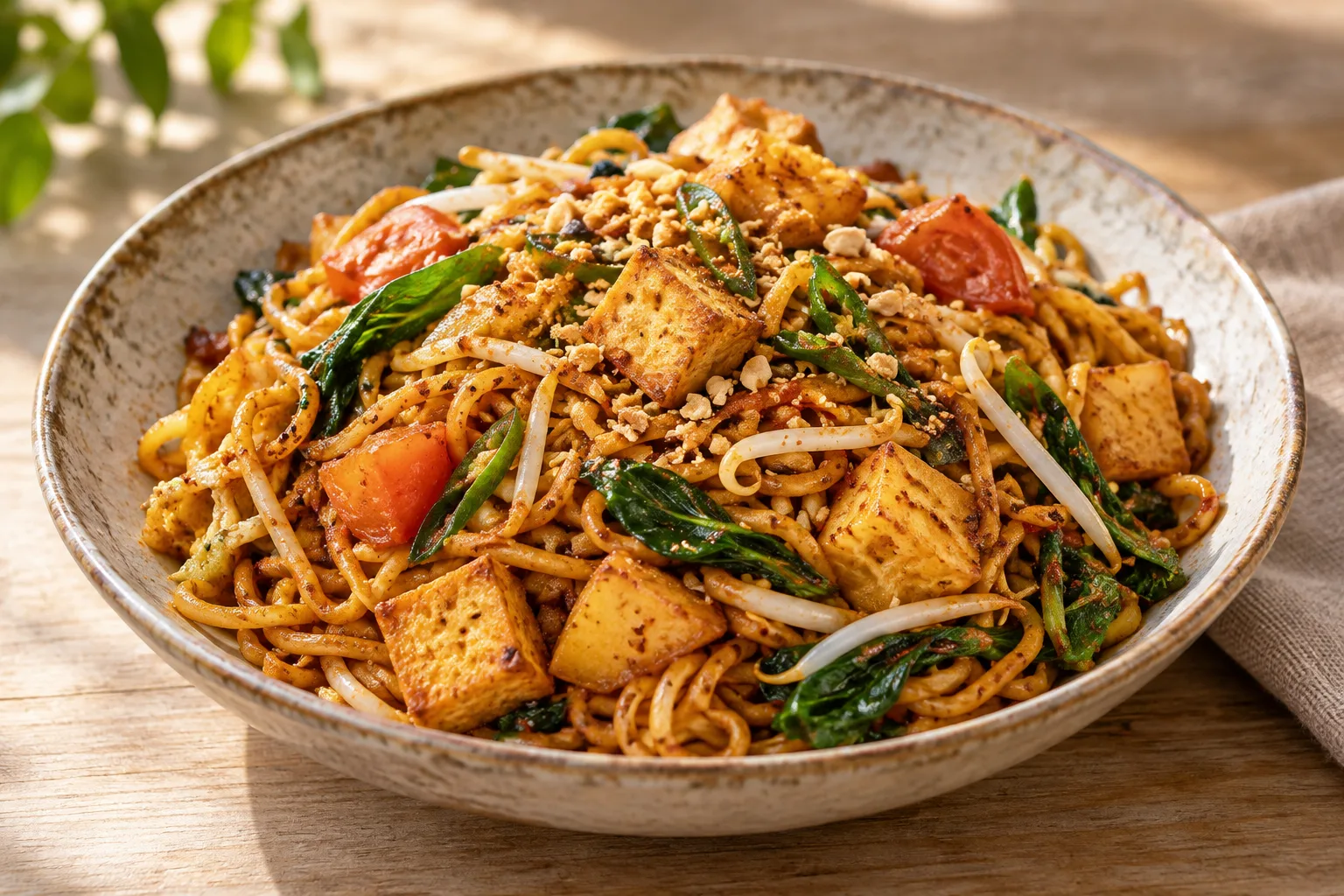
Use it when you want to add a savory, umami note to a stir-fry, marinade or sauce, particularly in Asian-inspired dishes. It can bring depth to vegetables, tofu, mushrooms or rice, and can also be included in a dipping sauce. Since flavor and ingredients depend on the product, start with a small amount and taste before adding more. If you are looking for a plant-based alternative to conventional oyster sauce, check that the specific product label confirms its plant-based composition; the name alone cannot verify the ingredients.
How to use it
Add the sauce gradually to a stir-fry as you toss the ingredients, or mix it into a marinade or dipping sauce. One commercial oyster-flavor formulation suggests using it in stir-fries, marinades and sauces; its product description also gives savory, salty, umami and sweet notes. Taste before making final adjustments, since commercial formulas can differ in ingredients and flavor. If substituting soy sauce, remember that it is thinner and may need a sweetness adjustment. Do not assume that every sauce sold under this name has the same composition: check the ingredient list on the jar.
Flavour and texture
The intended profile is savory and umami, and it may have sweet and earthy notes. One described commercial version combines maitake and kelp, which its product description associates with earthy and sweet notes; another product description lists salty, savory, umami and sweet notes. Texture and intensity depend on the specific commercial recipe, so do not assume they are the same across brands.
How to choose it
Read the ingredient list and allergen information on each product instead of relying only on its name or the word “vegetarian.” One commercial oyster-flavor sauce contains soy tamari along with other ingredients. Also check that the label confirms the plant-based quality you want and that the flavor and consistency suit your recipe. If an allergy or intolerance requires you to avoid an ingredient, verify the specific product on its packaging.
Storage
Follow the storage instructions printed on the package, both before and after opening. The available information about one commercial formulation does not establish a shelf life or storage temperature that applies to every brand. Keep the container closed and use clean utensils when serving; if the package gives specific instructions for after opening, follow those.
Substitutions
Soy sauce can provide saltiness and umami, but it is thinner than oyster sauce and may be less sweet; adjust the dish gradually. Hoisin sauce is thick and moderately sweet, with a more pronounced spice profile. Neither substitute guarantees the same flavor or consistency, so taste and adjust to the product and result you want.
Common mistakes
Do not add a large amount at the start: the flavor can dominate a dish, and intensity differs between products. Do not assume that “vegetarian” by itself identifies every ingredient or allergen. Check the specific bottle, taste before seasoning further, and remember that thinner or sweeter substitutes can change the result.
Safety and allergens
Ingredients depend on the product. If you have an allergy, check the ingredient list and allergen information on the package before consuming it; one commercial oyster-flavor sauce described here contains soy. Labels on packaged foods are an important source for checking allergenic ingredients.
Culinary uses
- Aporta un sabor salado y umami a salteados y marinadas.
- Funciona como condimento para salsas y platos de inspiración asiática.
Recommended techniques
- Incorporar en pequeñas cantidades a un salteado mientras se cocina.
- Mezclar en una marinada o salsa, ajustando el resto de los ingredientes al gusto.
Pairs well with
- Verduras salteadas, arroz y tofu.
- Setas, marinadas y salsas para mojar.
Frequently asked questions
Is vegetarian oyster sauce always vegan?
Do not infer that from the name alone. Check the specific product label and ingredient list to confirm that it meets your needs.
How do you use it?
It can be added to stir-fries, marinades and sauces. Add it gradually, taste the dish and adjust the flavor.
Does it contain soy?
That depends on the product. One commercial oyster-flavor sauce described here contains soy tamari; always check the label of the one you plan to use.
Ingredient allergens
Allergen listThere are no verified associations for these ingredients yet.
Estimated nutrition
- Fat
- 0.25 g
- Saturates
- 0.04 g
- Carbohydrate
- 10.9 g
- Sugars
- 0 g
- Fibre
- 0.3 g
- Protein
- 1.35 g
- Salt
- 6.82 g
Sources and review
Automatically researched, cross-checked and validated content. Sources consulted:
- ¿Por qué la muerte es origen de miedos y tabúes? doi.org/10.64628/aao.fccyk3qj3
- Gastronomía de El Salvador - Wikipedia, la enciclopedia libre es.wikipedia.org/wiki/Gastronom%C3%ADa_de_El_Salvador
- Agencia Española de Seguridad Alimentaria y Nutrición www.aesan.gob.es/
- Salsa de ostras | The Gourmet Journal www.thegourmetjournal.com/a-fondo/salsa-de-ostras/
- El “lujo culinario”: elites, cocina y poder en el espacio Atlántico | OpenAlex openalex.org/W4408399161
- Food Safety - Food Safety - European Commission food.ec.europa.eu/index_en
- Proveedores Profesionales Obtienen salsa de ostras vegetarianas Premium para Creaciones Llenas de Sabor spanish.alibaba.com/g/oyster-sauce-vegetarian.html
- Salsa sabor ostra – Lucky Foods luckyfood.com/es/products/oyster-flavor-sauce
- Información viva, receta para salsa de ostras naturales. www.10000recipe.com/es/6922832/Informaci%C3%B3n_viva_receta_para_salsa_de_ostras_naturales_?…
- Alternativas a la salsa de ostras | Kikkoman www.kikkoman.es/reportajes-gastronomicos/detail/can-oyster-sauce-be-replaced
- Setas de cardo con hoisin y salsa de ostras, una opción vegetariana de lujo – Gastronoming www.gastronoming.com/setas-de-cardo-con-hoisin-y-salsa-de-ostras-una-opcion-vegetariana-de-l…
- Descubre las ostras y la salsa de ostras | Recetas Nestlé www.recetasnestle.com.ec/escuela-de-sabor/trucos/salsa-de-ostras
- Amazon.es Los más vendidos: Los productos más populares en Salsa de ostras www.amazon.es/gp/bestsellers/grocery/6373061031
- ¿Cómo se usa la salsa de ostras? – deSIAMCuisine (Thailand) Co Ltd siam.recipes/es/blogs/news/how-do-you-use-oyster-sauce?srsltid=AYCX9vL3HjfXiIKjvCxPyX4kV_GCv…