Documentary synthesis prepared with AI assistance. It does not replace specialist review or certify kitchen testing. · Updated 31 October 2026
Between the Pacific and the Caribbean
Costa Rica lies in Central America, between the Pacific and Caribbean coasts. Its food draws on ingredients associated with both inland farms and coastal waters: rice and beans, corn, plantains, vegetables, tropical fruit, fish, and shellfish. Rather than a single fixed menu, the cuisine is recognizable through recurring ingredients that change in combination and preparation from one meal or place to another.
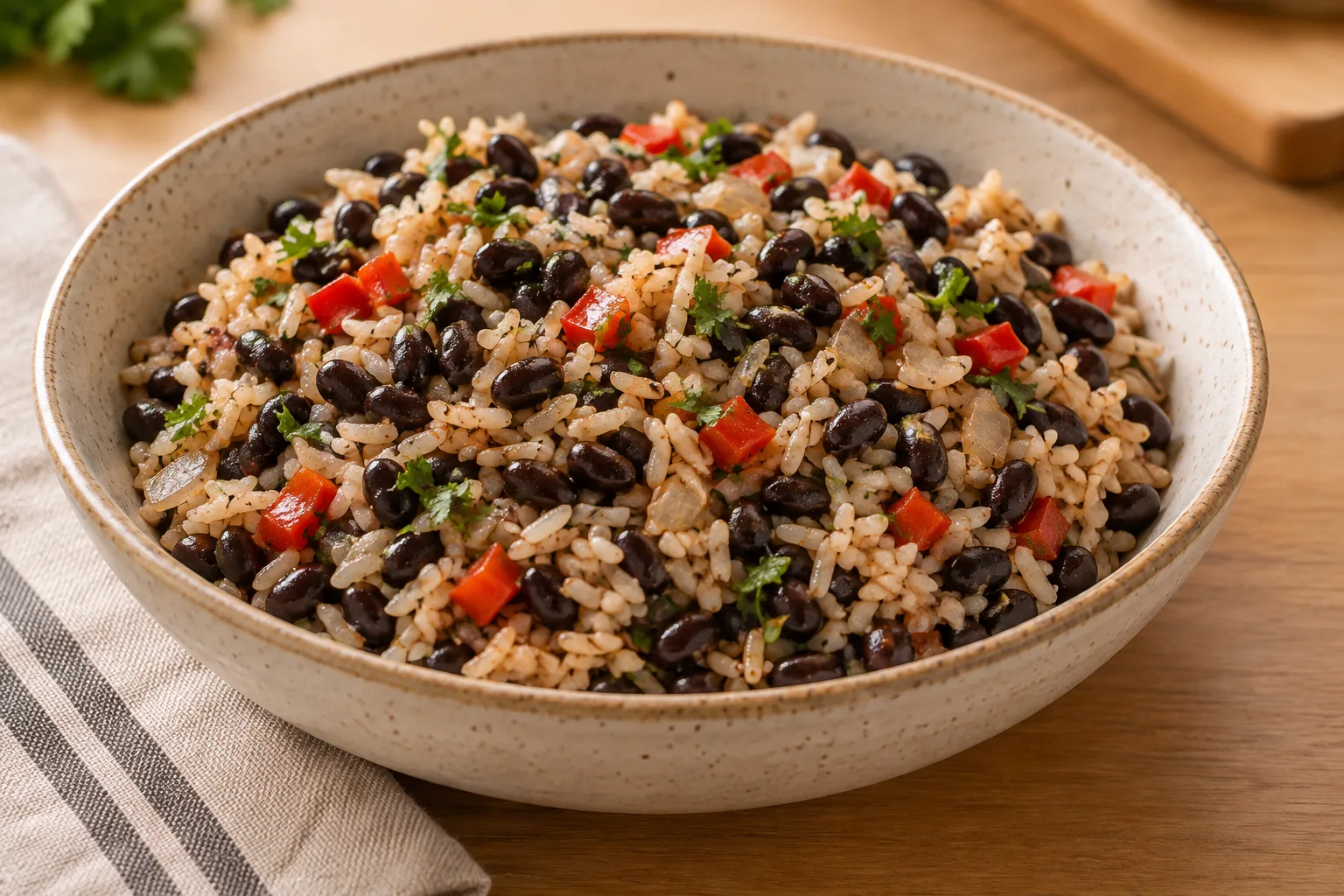
Rice and beans may be served separately beside salad and a protein, as in a casado, or stirred together with seasonings for gallo pinto. On the Caribbean coast, rice and beans cooked with coconut milk form a different preparation, often served with fish and fried plantain. Corn appears in tortillas and tamales; plantains may be fried, boiled, or cooked until sweet. Fresh fruit is eaten on its own and made into drinks. These dishes offer a practical way to understand Costa Rican cooking: a shared pantry, varied regional expressions, and foods suited to breakfast, lunch, gatherings, and celebrations.
Indigenous Foodways and Culinary Exchange
Corn was a major part of the diet of Indigenous peoples in Costa Rica before Spanish conquest. The Chorotega are specifically identified in the available accounts as a people for whom maize was important. Corn remains visible in contemporary preparations such as tortillas and tamales, although that continuity does not establish a single origin for the country’s entire cuisine. Spanish influence also forms part of the historical picture, alongside Indigenous ingredients and practices.
Many dishes belong to culinary traditions shared across Central America and beyond. Tamales are found throughout the region, with Costa Rican versions described as corn-based and wrapped in banana or plantain leaves. Gallo pinto, a mixture of rice and beans, is also shared with neighboring Nicaragua, and the two countries have differing claims and preferences concerning its ideal composition. On the Caribbean coast, foodways include Afro-Caribbean influences; accounts of rice and beans cooked in coconut milk also describe connections across the wider Caribbean. These histories are best understood as exchange and overlap, not exclusive ownership of dishes whose forms vary across communities and households.
Staples, Produce, and Condiments
Rice and beans are central everyday staples. Black and red beans appear in different dishes, sometimes cooked alongside rice and sometimes served separately. Corn is used for masa and tortillas. Potatoes and other vegetables, including cassava, squash, corn, and carrots, appear in soups and stews. Beef, pork, and chicken are common meats in the dishes documented here, while fish and shellfish are prominent in coastal cooking. Bananas and plantains have different roles: plantains are commonly cooked, while tropical fruits such as pineapple, papaya, and banana may be eaten fresh or made into blended drinks.
A distinctive condiment associated with Costa Rican cooking is Salsa Lizano, a savory sauce with sweet and tangy notes that is frequently added to gallo pinto. Its use helps distinguish the seasoned rice-and-bean mixture from plainer combinations of those staples. Tamal fillings vary and may include meat, rice, and vegetables; the corn masa and leaf wrapping make those ingredients part of a single steamed preparation. On the Caribbean coast, coconut milk changes the character of rice and beans, which are served with fish and fried plantain. The pantry is not simply a list of products: preparations bring familiar ingredients into different regional and meal-time combinations.
Mild Seasoning and Contrasting Textures
Many descriptions of Costa Rican food emphasize straightforward seasoning and the flavors of the main ingredients. Gallo pinto combines rice and beans with onion, sweet pepper, cilantro, and often Salsa Lizano. It is commonly served with eggs, cheese, or sour cream; fried ripe plantain adds a sweet contrast. A casado creates a different experience from the same basic pantry: its rice and beans generally sit beside salad and a serving of meat or fish, with optional plantain or tortillas.
Soups and stews bring together ingredients through simmering rather than mixing them into a fried rice-and-bean dish. Olla de carne is a beef stew with vegetables such as cassava, potato, corn, carrot, or plantain. Its broth and substantial pieces of meat and vegetables make it distinct from a plate of separately served components. Coastal cooking adds seafood, and Caribbean preparations use coconut milk with rice and beans. Ceviche offers another contrast: cut fish is marinated with citrus and combined with onion and cilantro, then served cold, often with crackers or tortilla chips. These examples show how texture and flavor arise from the dish’s ingredients and method, not from one national seasoning profile.
Festive Foods and Everyday Transmission
Costa Rican tamales are particularly associated with the Christmas season and other festive occasions. They are made from corn masa, filled in varying ways, wrapped in banana or plantain leaves, and steamed or boiled. Accounts describe family members preparing tamales together during the holidays. That shared labor and variation in fillings are part of the tradition; there is no single filling that defines every household’s version. Tamales also belong to a broader Central American food culture, with local forms differing from place to place.
Other foods fit gatherings and celebrations without being limited to a single holiday. Arroz con pollo is described as a meal for family gatherings and special occasions. Olla de carne is a large, substantial stew associated with sharing. Small portions called bocas are served at bars, taverns, and gatherings; patacones are one example. On the Caribbean coast, festive meals may include pork cracklings and mondongo soup as well as coconut rice and beans. During Lent, some people choose fish, seafood, or meat-free meals. Alongside these occasions, daily breakfasts of gallo pinto transmit food habits through ordinary household routines, rather than through formal ceremony.
Stir-Frying, Wrapping, Frying, and Simmering
Costa Rican preparations use a range of techniques suited to their ingredients. Gallo pinto is made by frying cooked rice and beans together with seasonings such as onion, sweet pepper, and cilantro; Salsa Lizano is often added. In a casado, by contrast, rice and beans are generally plated separately alongside the other components. The difference is not only in presentation: one preparation integrates the staples in a pan, while the other keeps them as distinct parts of a meal.
For tamales, masa and filling are enclosed in banana or plantain leaves and cooked with steam or boiling water. Patacones begin with slices of green plantain, which are fried, flattened, and fried again. This repeated frying makes them different from ripe plantains, which may be fried or baked and are sweet. Olla de carne is cooked in a large pot, with beef and vegetables simmered together in broth. Ceviche uses no comparable long cooking: cut fish is marinated in citrus with seasonings and served cold. Each method creates a different result—integrated grains, a leaf-wrapped filling, crisp plantain, a softened stew, or citrus-marinated fish.
From Breakfast Plates to Shared Meals
Gallo pinto is a familiar breakfast, often served with eggs and sometimes cheese, sour cream, avocado, or fried plantain. It may also be eaten at other times of day. For lunch, a casado brings rice, beans, salad, and a protein such as chicken, beef, or fish together on one plate. Plantain or tortillas may accompany it. Small family-run restaurants known as sodas serve these and other everyday dishes, providing one setting in which local meals are encountered outside the home.
Other occasions call for a different scale of cooking. Arroz con pollo is associated with family gatherings and special occasions, while a large pot of olla de carne can be shared among several people. Bocas are smaller portions served at bars and gatherings; patacones are a documented example. Fruit stands and coastal eateries offer further settings for snacks and meals. Puntarenas is associated with the Churchill, a cold dessert of shaved ice, syrup, condensed milk, powdered milk, and ice cream, sometimes with fruit. Together, these foods show how meals range from a habitual breakfast to a shared stew, a bar snack, or a sweet pause in a coastal town.
A Glossary of Costa Rican Dishes
These names identify specific preparations and eating settings documented in Costa Rica. Some dishes have close relatives elsewhere in Central America or Latin America, and recipes can vary by household and locality. The definitions below describe the forms indicated in the available evidence.
- Gallo pinto: Cooked rice and beans fried together with seasonings such as onion, sweet pepper, and cilantro; often served for breakfast.
- Casado: A composed meal, usually with rice, beans, salad, and a protein such as fish, chicken, or beef; plantain or tortillas may be included.
- Tamal: Corn masa and a variable filling enclosed in a banana or plantain leaf and steamed or boiled; a festive food, especially around Christmas.
- Olla de carne: Beef and vegetables simmered together in broth, including ingredients such as cassava, potato, corn, carrot, or plantain.
- Patacón: A slice of green plantain fried, flattened, and fried again; served as a snack or accompaniment.
- Churchill: A Puntarenas dessert made with shaved ice, syrup, condensed milk, powdered milk, and ice cream, sometimes with fruit.
- Soda: A small family-run restaurant, a setting where everyday Costa Rican meals such as casado may be served.
One country, many cuisines
Central Valley
The Central Valley is documented as a coffee-growing area, with Arabica coffee and varieties including Caturra and Geisha mentioned in accounts of the region. Coffee-farm visits are described as opportunities to learn about production and taste roasted coffee. This connection makes coffee an important regional reference, but the evidence does not establish it as a complete portrait of the Valley’s cooking or identify additional dishes as uniquely local.
Caribbean Coast
The Caribbean coast is associated with culinary traditions influenced by Afro-Caribbean communities. A documented meal pairs rice and beans cooked with coconut milk with fish and fried plantain. Festive food accounts also mention pork cracklings and mondongo soup. These are regional examples rather than a single uniform menu: preparations vary, and the dishes reflect wider connections across the Caribbean as well as local foodways.
Puntarenas
Puntarenas is identified with the Churchill, a cold dessert made from shaved ice, syrup, condensed milk, powdered milk, and ice cream. Fruit or additional syrup may also be included. This is a concrete local specialty documented for the area; it should not be taken as a summary of all Puntarenas cooking, for which the available evidence here offers fewer regional details.
Cook