Europe · Western Europe

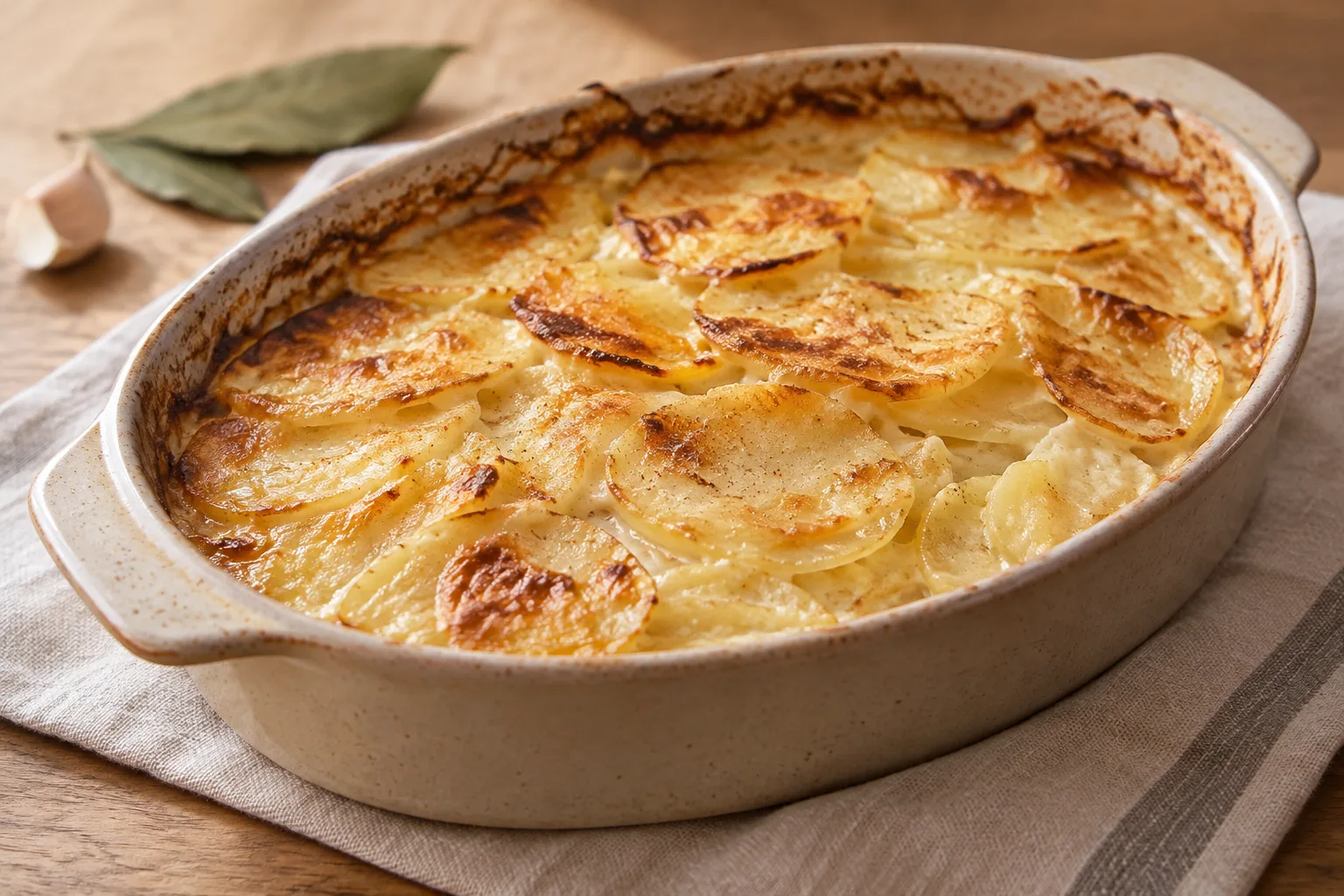
France

A route through three documented food landscapes—Brittany, Marseille in Provence, and Castelnaudary in Occitania—follows onions, fish, white beans and the techniques that shape particular dishes. These examples reveal distinct regional traditions without standing in for the whole of France: recipes vary by place, cook and occasion, and some origin stories remain uncertain.

Food and eating habits

How people eat in France

50 indicators exploring everyday meals, ingredients and food culture. Information is completed progressively from documented evidence.

50 of 50 indicators with documented information

Not all data are comparable: food supply, purchases and intake are different measures. Check the period, population and method for each finding. Qualitative descriptions do not establish percentages or amounts.

Timing and company

8/8
Timing and company — France
IndicatorFindings and context
Meal times
Quantitative findingSurvey

Peaks were around 8 h for breakfast outside weekends, 13 h for lunch and 20 h 15 for dinner.

Scope, method and limitations
Observation period
2009–2010
Unit
local clock time
Population or sample
Adults aged eighteen or older in metropolitan France.
Geographic scope
Collective peaks in local time, not every individual’s schedule.
Definition and method
National time-use survey from September to September; diaries in ten-minute intervals.
Comparison limitations
Historical metropolitan coverage; does not represent overseas territories or current habits. Very short episodes may be under-recorded.
Meals per day
Quantitative findingSurvey

A morning eating occasion was recorded for 64 % of those under twenty-five and 90 % of those aged fifty or older.

Scope, method and limitations
Observation period
2009–2010
Unit
% people with morning intake
Population or sample
Adults aged eighteen or older in metropolitan France.
Geographic scope
Morning participation between five and eleven; young participants are adults. Not mean meals per day.
Definition and method
National time-use survey from September to September; diaries in ten-minute intervals.
Comparison limitations
Historical metropolitan coverage; does not represent overseas territories or current habits. Very short episodes may be under-recorded.
Meal duration
Quantitative findingSurvey

Lunch in a workplace canteen lasted an average of 35 minutes and 24 seconds.

Scope, method and limitations
Observation period
2009–2010
Unit
minutes; seconds
Population or sample
Sample of three hundred and eighty-five employed adults aged eighteen to sixty-five; analysis of Monday-to-Friday days with lunch.
Geographic scope
Time at table in a workplace canteen, within a base of eighteen hundred and eighty-four lunches; excludes service and waiting.
Definition and method
CCAF survey: seven-day food diary, between October and July; analytical selection of employed participants and weekday lunches.
Comparison limitations
Partial historical coverage: employed subsample, not a whole-population mean. Excludes weekends and days without lunch; whether each day was actually worked is unknown.
Daily energy distribution
Quantitative findingObserved intake

Daily energy was distributed across breakfast 16 %, lunch 38 %, dinner 38 % and other eating occasions combined 8 %.

Scope, method and limitations
Observation period
2009–2010
Unit
% daily energy intake
Population or sample
Sample of three hundred and eighty-five employed adults aged eighteen to sixty-five; analysis of Monday-to-Friday days with lunch.
Geographic scope
Energy intake shares on days with lunch; grouping of other occasions as published by the authors.
Definition and method
CCAF survey: seven-day food diary, between October and July; analytical selection of employed participants and weekday lunches.
Comparison limitations
Partial historical coverage: employed subsample, not a whole-population mean. Excludes weekends and days without lunch; whether each day was actually worked is unknown.
Weekdays and weekends
Quantitative findingSurvey

On weekends, 24 more minutes per day were spent on meals than on weekdays.

Scope, method and limitations
Observation period
2009–2010
Unit
minutes/day difference
Population or sample
People aged fifteen or older in metropolitan France.
Geographic scope
Difference in cumulative daily meal time; not duration per meal or number of eating occasions.
Definition and method
National time-use survey from September to September; diaries in ten-minute intervals.
Comparison limitations
Historical metropolitan coverage; does not represent overseas territories or current habits. Very short episodes may be under-recorded.
Eating at home and away
Quantitative findingSurvey

19 % had visited a workplace canteen at least once during the five Monday-to-Friday days.

Scope, method and limitations
Observation period
2009–2010
Unit
% employed participants
Population or sample
Sample of three hundred and eighty-five employed adults aged eighteen to sixty-five; analysis of Monday-to-Friday days with lunch.
Geographic scope
Employed participants using workplace canteens; not a share of all meals or a complete location breakdown.
Definition and method
CCAF survey: seven-day food diary, between October and July; analytical selection of employed participants and weekday lunches.
Comparison limitations
Partial historical coverage: employed subsample, not a whole-population mean. Excludes weekends and days without lunch; whether each day was actually worked is unknown.
Cooking frequency
Quantitative findingSurvey

Mean time spent cooking was 53 minutes per day.

Scope, method and limitations
Observation period
2009–2010
Unit
minutes/day
Population or sample
Adults aged eighteen or older in metropolitan France.
Geographic scope
Daily cooking time; not cooking days per week or number of home-cooked meals.
Definition and method
National time-use survey from September to September; diaries in ten-minute intervals.
Comparison limitations
Historical metropolitan coverage; does not represent overseas territories or current habits. Very short episodes may be under-recorded.
Eating together
Quantitative findingSurvey

49 % ate alone in the morning, 23 % at midday and 19 % in the evening.

Scope, method and limitations
Observation period
2009–2010
Unit
% people eating alone
Population or sample
Adults aged eighteen or older in metropolitan France.
Geographic scope
People eating alone by time of day; no complete breakdown of companions.
Definition and method
National time-use survey from September to September; diaries in ten-minute intervals.
Comparison limitations
Historical metropolitan coverage; does not represent overseas territories or current habits. Very short episodes may be under-recorded.

Pantry and recipes

2/2
Pantry and recipes — France
IndicatorFindings and context
Most consumed ingredients
Quantitative findingObserved intake

For selected groups, mean intake was 130.7 g of vegetables, 129.9 g of fresh and dried fruit and 108.1 g of refined bread and dry bread products per person per day.

Scope, method and limitations
Observation period
2014–2015
Unit
g/person/day
Population or sample
Adults aged 18–79 in private households in mainland France excluding Corsica; CONSO sample of 2121 adults.
Geographic scope
Weighted means for everyone, including non-consumers; selected table groups, not a complete ranking or annual consumption.
Definition and method
INCA3, February 2014 to September 2015: three-stage national sampling and three non-consecutive 24-hour recalls; analytical base with at least two valid recalls.
Comparison limitations
Partial historical, self-reported short-recall coverage. Vegetables exclude soups and vegetable dishes; fruit excludes juices. Does not represent children, institutions, overseas territories or current habits.
Ingredient prevalence in recipes
Quantitative findingRecipe sample

Among the 6 examined published French recipes, butter and sugar each appeared in 3 recipes, and water in 2.

Scope, method and limitations
Observation period
2026
Unit
recipes
Population or sample
The six KitchenPause recipes linked to France and visible in Spanish on 1 November 2026.
Geographic scope
Frequency by exact ingredient ID in this dated catalogue; both tarte Tatin variants are retained.
Definition and method
Census of visible canonical recipes, one presence per ingredient per recipe; public lists checked. Ingredient aliases and variants are not merged.
Comparison limitations
Very small editorial sample, not representative of all French cooking or national intake; selected ingredients, not a complete inventory.

Cereals and plant foods

6/6
Cereals and plant foods — France
IndicatorFindings and context
Cereals and cereal products
Quantitative findingObserved intake

Mean intake of the refined pasta, rice, wheat and other cereals group was 62.7 g per person per day; the wholegrain and partly wholegrain group averaged 1.6 g.

Scope, method and limitations
Observation period
2014–2015
Unit
g/person/day
Population or sample
Adults aged 18–79 in private households in mainland France excluding Corsica; CONSO sample of 2121 adults.
Geographic scope
Weighted means for all adults including non-consumers. The refined category also includes flours and doughs; these are not dry-cereal weights or rice alone.
Definition and method
INCA3, February 2014 to September 2015: three-stage national sampling and three non-consecutive 24-hour recalls; analytical base with at least two valid recalls.
Comparison limitations
Partial historical coverage: group mean, not a species breakdown or usual frequency. Composite dishes are classified separately; no dry-weight equivalents or claim about current consumption.
Bread
Quantitative findingObserved intake

The refined bread and dry bread products group averaged 108.1 g per person per day; wholegrain or partly wholegrain products averaged 6.3 g.

Scope, method and limitations
Observation period
2014–2015
Unit
g/person/day
Population or sample
Adults aged 18–79 in private households in mainland France excluding Corsica; CONSO sample of 2121 adults.
Geographic scope
Weighted overall means. The first group includes white and sandwich breads, rusks, crackers and other bread products; it does not measure baguettes alone.
Definition and method
INCA3, February 2014 to September 2015: three-stage national sampling and three non-consecutive 24-hour recalls; analytical base with at least two valid recalls.
Comparison limitations
Partial historical coverage: group mean, not a species breakdown or usual frequency. Composite dishes are classified separately; no dry-weight equivalents or claim about current consumption.
Pulses
Quantitative findingObserved intake

The pulses group recorded mean intake of 7.7 g per person per day.

Scope, method and limitations
Observation period
2014–2015
Unit
g/person/day
Population or sample
Adults aged 18–79 in private households in mainland France excluding Corsica; CONSO sample of 2121 adults.
Geographic scope
Weighted mean for all adults including non-consumers. The category includes beans, chickpeas, lentils and broad beans; the figure is not a dry-pulse equivalent.
Definition and method
INCA3, February 2014 to September 2015: three-stage national sampling and three non-consecutive 24-hour recalls; analytical base with at least two valid recalls.
Comparison limitations
Partial historical coverage: group mean, not a species breakdown or usual frequency. Composite dishes are classified separately; no dry-weight equivalents or claim about current consumption.
Vegetables
Quantitative findingObserved intake

Mean intake of the vegetables group was 130.7 g per person per day.

Scope, method and limitations
Observation period
2014–2015
Unit
g/person/day
Population or sample
Adults aged 18–79 in private households in mainland France excluding Corsica; CONSO sample of 2121 adults.
Geographic scope
Weighted overall mean including non-consumers. Includes vegetables, mixtures, raw vegetables and canned or dried products; excludes the separate soup and vegetable-dish categories.
Definition and method
INCA3, February 2014 to September 2015: three-stage national sampling and three non-consecutive 24-hour recalls; analytical base with at least two valid recalls.
Comparison limitations
Partial historical coverage: group mean, not a species breakdown or usual frequency. Composite dishes are classified separately; no dry-weight equivalents or claim about current consumption.
Fruit
Quantitative findingObserved intake

Mean intake of fresh and dried fruit was 129.9 g per person per day; the separate stewed fruit and fruit in syrup category averaged 13.6 g.

Scope, method and limitations
Observation period
2014–2015
Unit
g/person/day
Population or sample
Adults aged 18–79 in private households in mainland France excluding Corsica; CONSO sample of 2121 adults.
Geographic scope
Weighted means for all adults including non-consumers. Dried fruit includes figs, apricots, dates and raisins. Excludes juices and the separate nuts, seeds and oil-rich fruit category.
Definition and method
INCA3, February 2014 to September 2015: three-stage national sampling and three non-consecutive 24-hour recalls; analytical base with at least two valid recalls.
Comparison limitations
Partial historical coverage: group mean, not a species breakdown or usual frequency. Composite dishes are classified separately; no dry-weight equivalents or claim about current consumption.
Potatoes, roots and tubers
Quantitative findingObserved intake

The potatoes and other tubers group recorded mean intake of 45.8 g per person per day.

Scope, method and limitations
Observation period
2014–2015
Unit
g/person/day
Population or sample
Adults aged 18–79 in private households in mainland France excluding Corsica; CONSO sample of 2121 adults.
Geographic scope
Weighted overall mean including non-consumers. The category includes fried and sautéed potatoes, sweet potato, taro, yam, cassava, tapioca and plantain; not potatoes alone or a uniform preparation.
Definition and method
INCA3, February 2014 to September 2015: three-stage national sampling and three non-consecutive 24-hour recalls; analytical base with at least two valid recalls.
Comparison limitations
Partial historical coverage: group mean, not a species breakdown or usual frequency. Composite dishes are classified separately; no dry-weight equivalents or claim about current consumption.

Protein foods

5/5
Protein foods — France
IndicatorFindings and context
Meat
Quantitative findingObserved intake

Mean daily intake per person was 47.3 g of meat excluding poultry, 26.0 g of poultry and 27.3 g of charcuterie, as separate categories.

Scope, method and limitations
Observation period
2014–2015
Unit
g/person/day
Population or sample
Adults aged 18–79 in private households in mainland France excluding Corsica; CONSO sample of 2121 adults.
Geographic scope
Weighted means for all adults including non-consumers. Published groups are retained; meat-based dishes and offal are classified separately.
Definition and method
INCA3, February 2014 to September 2015: three-stage national sampling and three non-consecutive 24-hour recalls; analytical base with at least two valid recalls.
Comparison limitations
Partial historical coverage: category means, not carcass weights, a species ranking or fresh-product share. Does not represent current habits or establish protein intake.
Fish and seafood
Quantitative findingObserved intake

The fish group averaged 23.0 g per person per day; the crustaceans and molluscs group averaged 3.7 g.

Scope, method and limitations
Observation period
2014–2015
Unit
g/person/day
Population or sample
Adults aged 18–79 in private households in mainland France excluding Corsica; CONSO sample of 2121 adults.
Geographic scope
Weighted overall means including non-consumers. Categories include processed products; the second group also includes snails. Fish-based dishes are counted separately.
Definition and method
INCA3, February 2014 to September 2015: three-stage national sampling and three non-consecutive 24-hour recalls; analytical base with at least two valid recalls.
Comparison limitations
Partial historical coverage: category means, not carcass weights, a species ranking or fresh-product share. Does not represent current habits or establish protein intake.
Eggs
Quantitative findingObserved intake

Mean intake of the eggs and egg-based dishes group was 12.6 g per person per day.

Scope, method and limitations
Observation period
2014–2015
Unit
g/person/day
Population or sample
Adults aged 18–79 in private households in mainland France excluding Corsica; CONSO sample of 2121 adults.
Geographic scope
Weighted mean for all adults including non-consumers. Includes whole eggs, whites, yolks and preparations such as omelettes; not an egg count or the isolated egg content of dishes.
Definition and method
INCA3, February 2014 to September 2015: three-stage national sampling and three non-consecutive 24-hour recalls; analytical base with at least two valid recalls.
Comparison limitations
Partial historical group coverage. Weight is not converted into egg counts or annual quantities; does not measure usual frequency or represent current habits.
Milk and dairy products
Quantitative findingObserved intake

Mean daily intake per person was 75.3 g of milk, 76.7 g of yoghurts and fromage blanc and 30.9 g of cheese, in separate groups.

Scope, method and limitations
Observation period
2014–2015
Unit
g/person/day
Population or sample
Adults aged 18–79 in private households in mainland France excluding Corsica; CONSO sample of 2121 adults.
Geographic scope
Weighted means for all adults including non-consumers. Survey categories contain different product forms; they are not total dairy intake, and milk grams are not converted to litres.
Definition and method
INCA3, February 2014 to September 2015: three-stage national sampling and three non-consecutive 24-hour recalls; analytical base with at least two valid recalls.
Comparison limitations
Partial historical coverage: excludes other dessert, ice-cream or fat categories; does not measure usual frequency or current habits.
Protein sources
Quantitative findingObserved intake

Meat, fish, eggs and foods based on them together supplied 41 % of protein. Cereal products and dairy products each supplied 15 %.

Scope, method and limitations
Observation period
2014–2015
Unit
% protein intake
Population or sample
Adults aged 18–79 in private households in mainland France excluding Corsica; CONSO sample of 2121 adults.
Geographic scope
Published contributions to protein intake, not percentages of people or food weight. Broad publication groupings; summary without a complete distribution of all sources.
Definition and method
Weighted 24-hour recalled intake matched to the composition table based on Ciqual 2016, using the middle-bound assumption. Nutrients are estimated, not measured in biological samples.
Comparison limitations
Partial historical coverage for 2014–2015. Excludes supplements and retains identified under- and over-reporters. Depends on recall and composition matching; not current advice or a complete partition.

Fats, flavours and condiments

3/3
Fats, flavours and condiments — France
IndicatorFindings and context
Cooking fats
Quantitative findingObserved intake

Mean consumed weight of products in the animal-fat group was 9.0 g per person per day; the plant-fat group averaged 7.5 g.

Scope, method and limitations
Observation period
2014–2015
Unit
g/person/day
Population or sample
Adults aged 18–79 in private households in mainland France excluding Corsica; CONSO sample of 2121 adults.
Geographic scope
Weighted means for all adults including non-consumers. The first group includes butter, other animal fats and cream; the second includes oils, margarines, mixtures and plant creams.
Definition and method
INCA3, February 2014 to September 2015: three-stage national sampling and three non-consecutive 24-hour recalls; analytical base with at least two valid recalls.
Comparison limitations
Partial historical coverage: product weight, not grams of pure lipid or quantities used only for cooking. No breakdown by oil or use frequency; current habits are not inferred.
Herbs and spices
Quantitative findingRecipe sample

Among the 6 French recipes in the examined catalogue, garlic appeared in 2; saffron, bay leaves, fennel seeds and vanilla pod each appeared in 1.

Scope, method and limitations
Observation period
2026
Unit
recipes
Population or sample
The six KitchenPause recipes linked to France and visible in Spanish on 1 November 2026.
Geographic scope
Presence of selected aromatic ingredients by exact ID, once per recipe. Both tarte Tatin variants are retained; not a complete ranking.
Definition and method
Census of visible canonical recipes, one presence per ingredient per recipe; public lists checked. Ingredient aliases and variants are not merged.
Comparison limitations
Very small editorial sample, not representative of all French cooking or national intake; selected ingredients, not a complete inventory.
Sauces and condiments
Quantitative findingObserved intake

The combined condiments, herbs, spices and sauces group recorded mean consumed weight of 24.8 g per person per day.

Scope, method and limitations
Observation period
2014–2015
Unit
g/person/day
Population or sample
Adults aged 18–79 in private households in mainland France excluding Corsica; CONSO sample of 2121 adults.
Geographic scope
Weighted overall mean including non-consumers. Broad category including salt, pepper, mustard, herbs, vinegars, sauces, coconut milk, cooking alcohol and dehydrated stocks.
Definition and method
INCA3, February 2014 to September 2015: three-stage national sampling and three non-consecutive 24-hour recalls; analytical base with at least two valid recalls.
Comparison limitations
Partial historical coverage: the aggregate is not a separate amount of sauce, herbs, spices or salt. Does not measure ingredient frequency or prevalence; not converted to sodium and not representative of current habits.

Meal composition

6/6
Meal composition — France
IndicatorFindings and context
Breakfast composition
Quantitative findingObserved intake

Breakfast accounted for 75.5 % of the milk group’s daily quantity and 79.2 % of that of breakfast cereals and cereal bars.

Scope, method and limitations
Observation period
2014–2015
Unit
% daily quantity of each food group
Population or sample
Adults aged 18–79 in private households in mainland France excluding Corsica; non-consumers of each food group are excluded.
Geographic scope
The denominator is each food group’s daily consumed quantity, not all food in that meal or the number of people.
Definition and method
INCA3, February 2014 to September 2015: 24-hour recalls; mean individual distributions of daily quantities across eating occasions, adjusted for age and sex.
Comparison limitations
Partial historical coverage of selected groups. Not a complete menu, serving size, percentage of people or current habits. Must not be multiplied by means with a different denominator.
Main meal composition
Quantitative findingObserved intake

Lunch accounted for 67.3 % of the daily quantity of meat excluding poultry and 55.3 % of that of vegetables.

Scope, method and limitations
Observation period
2014–2015
Unit
% daily quantity of each food group
Population or sample
Adults aged 18–79 in private households in mainland France excluding Corsica; non-consumers of each food group are excluded.
Geographic scope
The denominator is each food group’s daily consumed quantity, not all food in that meal or the number of people.
Definition and method
INCA3, February 2014 to September 2015: 24-hour recalls; mean individual distributions of daily quantities across eating occasions, adjusted for age and sex.
Comparison limitations
Partial historical coverage of selected groups. Not a complete menu, serving size, percentage of people or current habits. Must not be multiplied by means with a different denominator.
Dinner composition
Quantitative findingObserved intake

Dinner accounted for 85.2 % of the soups and broths group’s daily quantity.

Scope, method and limitations
Observation period
2014–2015
Unit
% daily quantity of each food group
Population or sample
Adults aged 18–79 in private households in mainland France excluding Corsica; non-consumers of each food group are excluded.
Geographic scope
The denominator is each food group’s daily consumed quantity, not all food in that meal or the number of people.
Definition and method
INCA3, February 2014 to September 2015: 24-hour recalls; mean individual distributions of daily quantities across eating occasions, adjusted for age and sex.
Comparison limitations
Partial historical coverage of selected groups. Not a complete menu, serving size, percentage of people or current habits. Must not be multiplied by means with a different denominator.
Appetisers and snacks
Quantitative findingObserved intake

The afternoon snack accounted for 21.3 % of the sweet pastries, cakes and biscuits group’s daily quantity; aperitifs accounted for 40.9 % of that of nuts, seeds and oil-rich fruit.

Scope, method and limitations
Observation period
2014–2015
Unit
% daily quantity of each food group
Population or sample
Adults aged 18–79 in private households in mainland France excluding Corsica; non-consumers of each food group are excluded.
Geographic scope
The denominator is each food group’s daily consumed quantity, not all food in that meal or the number of people.
Definition and method
INCA3, February 2014 to September 2015: 24-hour recalls; mean individual distributions of daily quantities across eating occasions, adjusted for age and sex.
Comparison limitations
Partial historical coverage of selected groups. Not a complete menu, serving size, percentage of people or current habits. Must not be multiplied by means with a different denominator.
Desserts and sweets
Quantitative findingObserved intake

The puddings and dessert creams group allocated 44.9 % of its daily quantity to lunch and 45.7 % to dinner.

Scope, method and limitations
Observation period
2014–2015
Unit
% daily quantity of each food group
Population or sample
Adults aged 18–79 in private households in mainland France excluding Corsica; non-consumers of each food group are excluded.
Geographic scope
The denominator is each food group’s daily consumed quantity, not all food in that meal or the number of people.
Definition and method
INCA3, February 2014 to September 2015: 24-hour recalls; mean individual distributions of daily quantities across eating occasions, adjusted for age and sex.
Comparison limitations
Partial historical coverage of selected groups. Not a complete menu, serving size, percentage of people or current habits. Must not be multiplied by means with a different denominator.
Portion sizes
Quantitative findingCultural context

The 2024 reference illustrates a portion with 1 egg for children aged 4–6, compared with 2 eggs as an adult portion example.

Scope, method and limitations
Observation period
2024 (guideline communication edition)
Unit
eggs/reference serving
Population or sample
Audience of French guidance for parents of children aged four to eleven; an example for ages four to six compared with adults.
Geographic scope
Reference serving example, not observed mean intake or the usual size of a French meal.
Definition and method
Institutional communication from September 2024 based on Anses and Haut Conseil de la santé publique work; an illustrative comparison in egg units.
Comparison limitations
Partial normative coverage. Date refers to the communication, not a survey period. Does not convert eggs into grams or establish an individual prescription or whole-population pattern.

Techniques and equipment

5/5
Techniques and equipment — France
IndicatorFindings and context
Cooking techniques
Qualitative descriptionRecipe sample

The catalogue’s cassoulet de Castelnaudary combines browning meat and oven cooking; its Marseille bouillabaisse starts by sweating onion and cooking tomato.

Scope, method and limitations
Observation period
2026 (published catalogue snapshot)
Population or sample
Published versions of French KitchenPause recipes, not French households.
Geographic scope
Qualitative examples of techniques in specific recipes.
Definition and method
Direct reading of the steps in versions archived in November 2026; selection of explicitly stated operations.
Comparison limitations
Partial coverage: no national frequency of baking, frying, steaming, boiling, griddle cooking or barbecue; no recipe-collection percentages calculated.
Vegetable preparation
Quantitative findingSurvey

In 2014–2015, 87.9% of households reported washing and 40.3% peeling the tomato, aubergine, pepper and courgette group before eating it cooked.

Scope, method and limitations
Observation period
2014–2015
Unit
% households
Population or sample
Mainland French households excluding Corsica, with someone under eighty; question answered by 4313 households.
Geographic scope
Preparation of a specific vegetable group intended for cooking.
Definition and method
INCA3 self-administered questionnaire, household-weighted estimates; Table 136, multiple responses, missing data included.
Comparison limitations
Partial coverage: not shares of vegetables eaten raw, boiled, roasted or sautéed. Washing and peeling can overlap; do not sum percentages or extrapolate to other vegetables or the present.
Food preservation
Quantitative findingSurvey

In 2014–2015, 6.1% of households reported cooling and storing vegetables at room temperature for later consumption.

Scope, method and limitations
Observation period
2014–2015
Unit
% households
Population or sample
4337 households answered the INCA3 cooling question; some answered only for certain foods.
Geographic scope
Vegetable cooling and storage for later consumption.
Definition and method
Self-administered questionnaire, household-weighted percentages; Figure83 and explanatory text.
Comparison limitations
Partial historical coverage. This is reported practice, not safety advice. Combined options do not separate refrigeration from freezing; drying, salting, pickling and canning are not quantified.
Fermented foods
Qualitative descriptionCultural context

Choucroute d’Alsace PGI is made by lactic fermentation of cabbage leaves cut into strips and placed with salt in vats; it can be sold raw or cooked after fermentation.

Scope, method and limitations
Observation period
2018 (specification edition)
Population or sample
Regional Choucroute d’Alsace PGI product, processed in Bas-Rhin and Haut-Rhin.
Geographic scope
Regional example of a fermented food and its ingredients.
Definition and method
Reading of the definition and process in the official specification published in 2018, not a consumption survey.
Comparison limitations
Partial qualitative coverage: no consumption frequency or prevalence of home fermentation in France. The date identifies the specification edition, not current prevalence.
Kitchen equipment
Quantitative findingSurvey

In 2017, 89.3% of households had a microwave and 91.9% a freezer.

Scope, method and limitations
Observation period
2017
Unit
% households
Population or sample
Metropolitan France; households with a reference person aged at least sixteen.
Geographic scope
Appliance ownership, not frequency of use.
Definition and method
SRCV-Silc household survey; provisional 2017 estimates published in TEF2019, all-household column.
Comparison limitations
Partial historical coverage: no oven or pressure-cooker data. A household can own both appliances; do not sum percentages or interpret ownership as cooking use or the current situation.

Drinks

3/3
Drinks — France
IndicatorFindings and context
Everyday drinks
Quantitative findingObserved intake

Daily means in 2014–2015: tap water 477.2 g; packaged water 424.8 g; non-alcoholic refreshment drinks 110.5 g; fruit and vegetable juices 63.9 g; hot beverages 485.9 g per person.

Scope, method and limitations
Observation period
2014–2015
Unit
g/person/day
Population or sample
Adults aged eighteen to seventy-nine in mainland France excluding Corsica; CONSO sample of 2121 people, including nonconsumers of each group.
Geographic scope
Selected beverage categories; means for the full study population, not consumers only.
Definition and method
INCA 3: three nonconsecutive twenty-four-hour recalls, at least two valid; individual, seasonal and day-type weighting. All-person mean-intake column, Table 37.
Comparison limitations
Partial historical coverage. Prepared-beverage weights, without conversion to millilitres or litres. Hot beverages combine coffee, tea, infusions and chocolate; BRSA covers more than sodas. Not total water from all foods or serving size per occasion.
Coffee and tea preparation
Quantitative findingSurvey

In 2014–2015, 50% of eligible households always or often heated water for hot beverages with an electric kettle; 95% confidence interval: 47–53%.

Scope, method and limitations
Observation period
2014–2015
Unit
% eligible households
Population or sample
3257 mainland French households excluding Corsica whose selected person was aged three to seventy-nine and drank hot beverages.
Geographic scope
Water-heating method for coffee, tea and herbal infusions in the eligible subgroup.
Definition and method
INCA 3 self-administered household question; household-weighted estimates, Figure 80. The published always-or-often category and interval are retained.
Comparison limitations
Partial historical coverage: not appliance ownership or the percentage of the entire population. No separation of coffee from tea, extraction method, cup size, added milk or sugar.
Drinks with meals
Quantitative findingObserved intake

In 2014–2015, mean shares of daily tap-water quantity were 30.9% at lunch and 27.7% at dinner; packaged-water shares were 27.5% and 23.7%. Breakfast accounted for 55.1% of daily hot-beverage quantity.

Scope, method and limitations
Observation period
2014–2015
Unit
% daily beverage-group quantity
Population or sample
Adults aged eighteen to seventy-nine who consumed each category in the mainland France INCA 3 sample excluding Corsica. Nonconsumers of each group are excluded.
Geographic scope
Distribution of individual daily quantity of each beverage across occasions, not the share of people drinking with a meal.
Definition and method
Twenty-four-hour recalls; mean individual shares adjusted for age and sex, Table 42. Each beverage group has its own consumer denominator.
Comparison limitations
Partial historical coverage. Not percentages of diners, meal composition or energy contribution. Do not multiply by whole-population means or sum different categories to create a total.

Nutrition and dietary patterns

3/3
Nutrition and dietary patterns — France
IndicatorFindings and context
Energy and nutrients
Quantitative findingObserved intake

Daily means in 2014–2015: total energy 2114.4 kcal; protein 83.2 g; available carbohydrate 240.1 g; fat 76.2 g; fibre 19.6 g per person.

Scope, method and limitations
Observation period
2014–2015
Unit
kcal/person/day; g/person/day
Population or sample
Adults aged eighteen to seventy-nine in mainland France excluding Corsica; CONSO sample of 2121 people.
Geographic scope
Estimated mean energy and selected nutrient intake, not dietary recommendations.
Definition and method
Twenty-four-hour recalls matched with Ciqual 2016 composition using the middle-bound assumption; weighted results, Table 60. Total energy includes alcohol; under- and overreporters retained.
Comparison limitations
Partial historical coverage, excluding supplements. Estimates derived from reported foods, not biological measurements or individual requirements. Do not add detailed nutrients to reconstruct totals or confuse grams with energy percentages.
Salt and sugars
Quantitative findingObserved intake

Daily means in 2014–2015: sodium 3181.4 mg; salt 8.0 g; total sugars 95.1 g per person.

Scope, method and limitations
Observation period
2014–2015
Unit
mg sodium/person/day; g salt/person/day; g total sugars/person/day
Population or sample
Adults aged eighteen to seventy-nine in mainland France excluding Corsica; CONSO sample of 2121 people.
Geographic scope
Sodium, salt and total sugars estimated as distinct quantities.
Definition and method
INCA 3 twenty-four-hour recalls and Ciqual 2016 composition, middle-bound assumption; Tables 60 and 61. Published sodium and salt values reproduced without our own conversion.
Comparison limitations
Partial historical coverage. Total sugars are not free or added sugars. Salt added at the table is captured only partly when spontaneously reported. Do not add sodium and salt or interpret means as recommendations.
Dietary patterns
Quantitative findingSurvey

In 2014–2015, 1.8% of adults reported following a vegetarian diet excluding at least meat.

Scope, method and limitations
Observation period
2014–2015
Unit
% adults
Population or sample
Adults aged eighteen to seventy-nine in mainland France excluding Corsica; 2288 adult self-administered-questionnaire participants, with 40 people meeting the criterion.
Geographic scope
Self-identification as vegetarian together with reported meat exclusion, using the survey definition.
Definition and method
INCA 3 self-administered question, weighted estimate; section 3.6.2. Questionnaire sample differs from the nutrient-intake sample.
Comparison limitations
Partial historical coverage. The definition does not require fish exclusion and is not equivalent to strict vegetarianism or veganism. Small subgroup; no current vegan or flexitarian proportions estimated here.

Shopping, prices and waste

7/7
Shopping, prices and waste — France
IndicatorFindings and context
Food expenditure
Quantitative findingSurvey

Food and non-alcoholic drinks accounted for 16.1% of household expenditure.

Scope, method and limitations
Observation period
2017
Unit
% of household expenditure
Population or sample
Ordinary households in France, including overseas departments.
Geographic scope
Share of total expenditure, not income; restaurants and hotels are separate.
Definition and method
Budget de famille survey; national table by living standard.
Comparison limitations
Partial historical coverage: no monthly per-person amount here. Denominator excludes taxes, major works, loan repayments and financial transfers between households.
Cost of a common basket
Quantitative findingPurchases

Advertised basket: EUR 25.90 including tax; spinach 500 g, leeks 1 kg, winter radishes 500 g, lamb’s lettuce 300 g, spaghetti squash 1 unit and carrots 1 kg.

Scope, method and limitations
Observation period
2026 (web observation; effective offer date unstated)
Unit
EUR per specified advertised basket
Population or sample
One Aux sœurs des champs offer, pickup in rue Principale, Inglange, France.
Geographic scope
Advertised price of that exact composition at the November observation; not a national basket.
Definition and method
Direct reading of archived HTML and current product-price markup; retrieval date supported by HTTP header. No purchase or price summation.
Comparison limitations
Single local observation; not a mean, complete weekly diet or cross-shop comparison. Price effective date unstated; retrieval does not substitute it. Squash weight unspecified.
Cost of specific meals
Quantitative findingPurchases

Castelnaudary cassoulet with duck and pork confit and green salad: EUR 22.50 per à-la-carte serving.

Scope, method and limitations
Observation period
2026 (menu metadata: March2026)
Unit
EUR per listed restaurant serving
Population or sample
Maison du Cassoulet, cours de la République, Castelnaudary; one establishment.
Geographic scope
Price of one advertised serving, not a national mean or home-cooking cost.
Definition and method
Reading and visual checking of the menu and version metadata.
Comparison limitations
Weight unstated. Not combined with the dessert set menu; historical price without current guarantee.
Grocery shopping locations
Quantitative findingSurvey

Fresh fruit: 53.9% of households reported supermarkets and 31.0% markets, pick-your-own or direct farmers. For bread, 78.2% reported local shops.

Scope, method and limitations
Observation period
2014–2015
Unit
% of households reporting purchase location
Population or sample
INCA3 sample of 4166 households in mainland France excluding Corsica.
Geographic scope
Reported locations by product category, not food-expenditure shares.
Definition and method
Household questionnaire, weighted table with confidence intervals; supermarkets include discount stores.
Comparison limitations
Partial historical coverage; combined market/pick-your-own/farmer category is not split; visits and online shares are not inferred.
Shopping frequency
Quantitative findingSurvey

At least weekly: supermarkets 41.5%, hypermarkets 40.0% and markets 26.6% of surveyed shoppers.

Scope, method and limitations
Observation period
2017
Unit
% of shoppers reporting at least weekly visits
Population or sample
Adults shopping often or sometimes: base 863 within a national survey of 1010 adults.
Geographic scope
Weekly channel visits; channels may overlap.
Definition and method
June telephone quota survey; frequency table over all shoppers in the base.
Comparison limitations
Not mean visits per week or mean basket size; not percentages restricted to each channel’s own customers.
Prepared food and delivery
Quantitative findingSurvey

At least a few times monthly: supermarket ready-meal meals 47%, personally collected takeaway 32% and home-delivered meals 26%.

Scope, method and limitations
Observation period
2023
Unit
% reporting meal type at least a few times per month
Population or sample
Online survey of 1035 adults in France.
Geographic scope
Meals at home in personal life; non-exclusive categories.
Definition and method
Quotas and weighting by sex, age, socioeconomic category and region; self-reported frequency.
Comparison limitations
Excludes professional-context meals including telework. Not shares of all meals, spending or a probability intake survey; categories are not added.
Household food waste
Quantitative findingSurvey

Total household food waste: 62 kg per person yearly, including inedible parts; wasted edible food was 19 kg per person yearly.

Scope, method and limitations
Observation period
2024
Unit
kg/person/year
Population or sample
France; food consumed within households at home.
Geographic scope
Separates total waste and edible fraction; not the whole food chain.
Definition and method
Official estimate using waste collection and composition, home composting and population; not individual dietary diaries.
Comparison limitations
Includes some inseparable packaging, slightly overstating food waste. Method changes prevent interpreting differences from older series as behaviour changes; no complete food/reason breakdown.

Seasons and celebrations

2/2
Seasons and celebrations — France
IndicatorFindings and context
Seasonal produce
Qualitative descriptionCultural context

In Ardèche, the documented regional calendar generally places chestnut harvesting from mid-September to mid-November. Button mushrooms have their peak season in October and November although they are available throughout the year.

Scope, method and limitations
Observation period
2018 regional guide; 2026 national editorial calendar
Population or sample
Ardèche chestnut growing and the French national food calendar; product examples, with no consumer sample.
Geographic scope
Regional harvesting window and culinary season for a cultivated product; not an import calendar.
Definition and method
Reading of a regional guide published in 2018 and the ministerial autumn calendar published in September 2026.
Comparison limitations
Partial coverage of two products. The Ardèche window is a historical documented reference, not a current harvest forecast; the calendars measure neither available quantities nor intake.
Celebration food
Qualitative descriptionCultural context

Candlemas is celebrated annually on 2 February and is associated with crêpes; in Breton tradition, sweet crêpes contain wheat flour, milk and eggs. In Marseille, the celebration is linked with navettes, dry boat-shaped biscuits flavoured with orange blossom.

Scope, method and limitations
Observation period
Annual fixed calendar; official pages read in 2026, national page updated 2025
Population or sample
Documented French culinary traditions with examples from Brittany and Marseille; no participation survey.
Geographic scope
Fixed annual date and festive foods with explicit ingredients and regional scope.
Definition and method
Cross-reading official national and Marseille tourism cultural pages; the crêpe page was updated in January 2025.
Comparison limitations
Partial calendar. It does not measure participation or impose a uniform recipe; navettes belong to the Marseille example. Origin legends are not presented as facts, and no specific event programme is guaranteed.
Explore its cuisines

France: Regional Tables, Slow-Cooked Beans and the Flavours of the Mediterranean

Documentary synthesis prepared with AI assistance. It does not replace specialist review or certify kitchen testing. · Updated 31 October 2026

A country read through particular foodways

France stretches across western Europe, from the Atlantic and the English Channel to the Mediterranean and the Pyrenees; the French state also includes overseas territories. That geography offers many possible culinary routes, but the dishes documented here belong to specific places rather than representing every French table. Brittany appears through its Roscoff onions; Marseille, in Provence, through the fish preparation called bouillabaisse; and Castelnaudary, in Occitania, through its version of cassoulet.

These are useful points of comparison because their central ingredients behave differently. Onions soften and deepen in a soup; several fish contribute to a broth and may be presented separately; white beans absorb the cooking liquid and juices in a substantial casserole. Each preparation also brings a different relationship between cooking and serving. The examples are not a complete national inventory, nor do they establish exclusive origins for dishes shared across neighbouring communities. Instead, they make visible how local products, remembered names, vessels and methods can give a preparation a recognisable regional character.

History, movement and stories with uncertain edges

Food histories rarely reduce to a single invention. The record of cassoulet illustrates why: accounts place its development in the Languedoc and connect it with several towns, including Castelnaudary, Carcassonne and Toulouse. A dramatic tale links the dish to a medieval siege, but the sources identify that account as legend rather than established history. Another local account describes changes in its beans and cooking vessel over time; the details and chronology differ between narratives. The safer historical point is that the dish evolved, and that the named town’s version has its own stated particulars.

Marseille’s fish soup also has a history of changing context. One account describes an everyday meal made by fishers from less marketable catch, while another traces the dish’s movement into Parisian restaurants in the late eighteenth century. The soup’s ingredients and status changed as cooks and settings changed; later versions include ingredients not present in the earliest described form. Such movement is evidence of exchange, not proof that a single modern recipe has remained unchanged. These histories help distinguish a documented local association from a definitive claim about who first created a dish.

Ingredients that define these three routes

A small set of documented ingredients opens onto very different cooking. In Brittany, Roscoff onions are identified as a regional product and as an option for the caramelised base of French onion soup. Their role is not merely decorative: slowly cooked onion contributes the soup’s concentrated, rounded flavour. That soup is commonly completed with broth, bread and grated cheese, though the precise cheese and broth can vary between recipes.

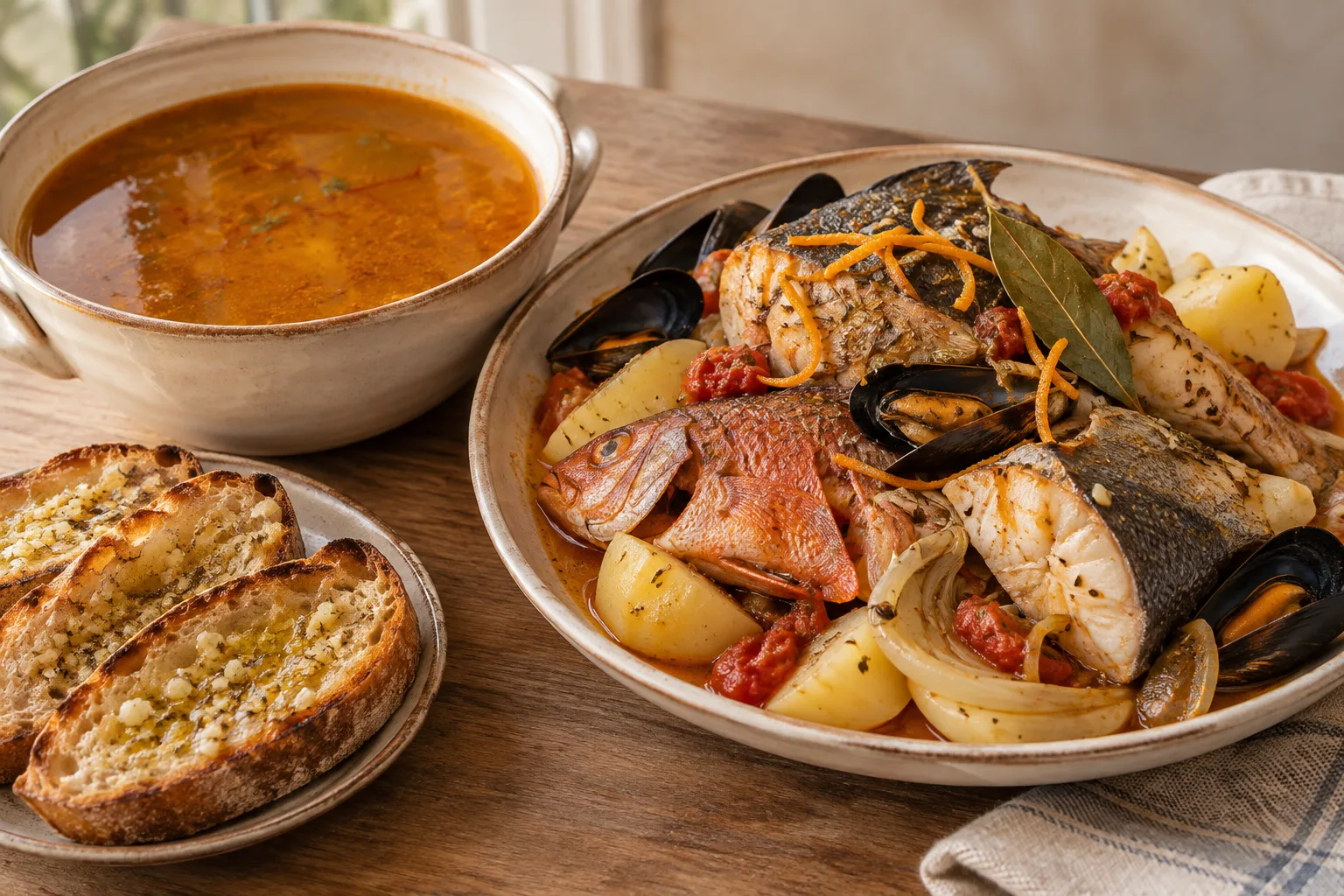
Marseille’s bouillabaisse draws on several fish, especially rock fish in accounts of the traditional preparation. Olive oil, tomato, garlic, onion, fennel and saffron appear in descriptions of its aromatic base; some versions also use orange peel or potatoes. The choice and number of fish are part of continuing discussion, so one list should not be treated as universal. In Castelnaudary’s cassoulet, white beans are joined by meats such as pork, sausage and duck confit. The local recipe also names lingot beans, pork skin and a poultry carcass or pork bones for stock. Ingredients may differ across versions; what matters here is the documented combination of beans, meat and long cooking.

From sweet onion to saffron broth and mellow beans

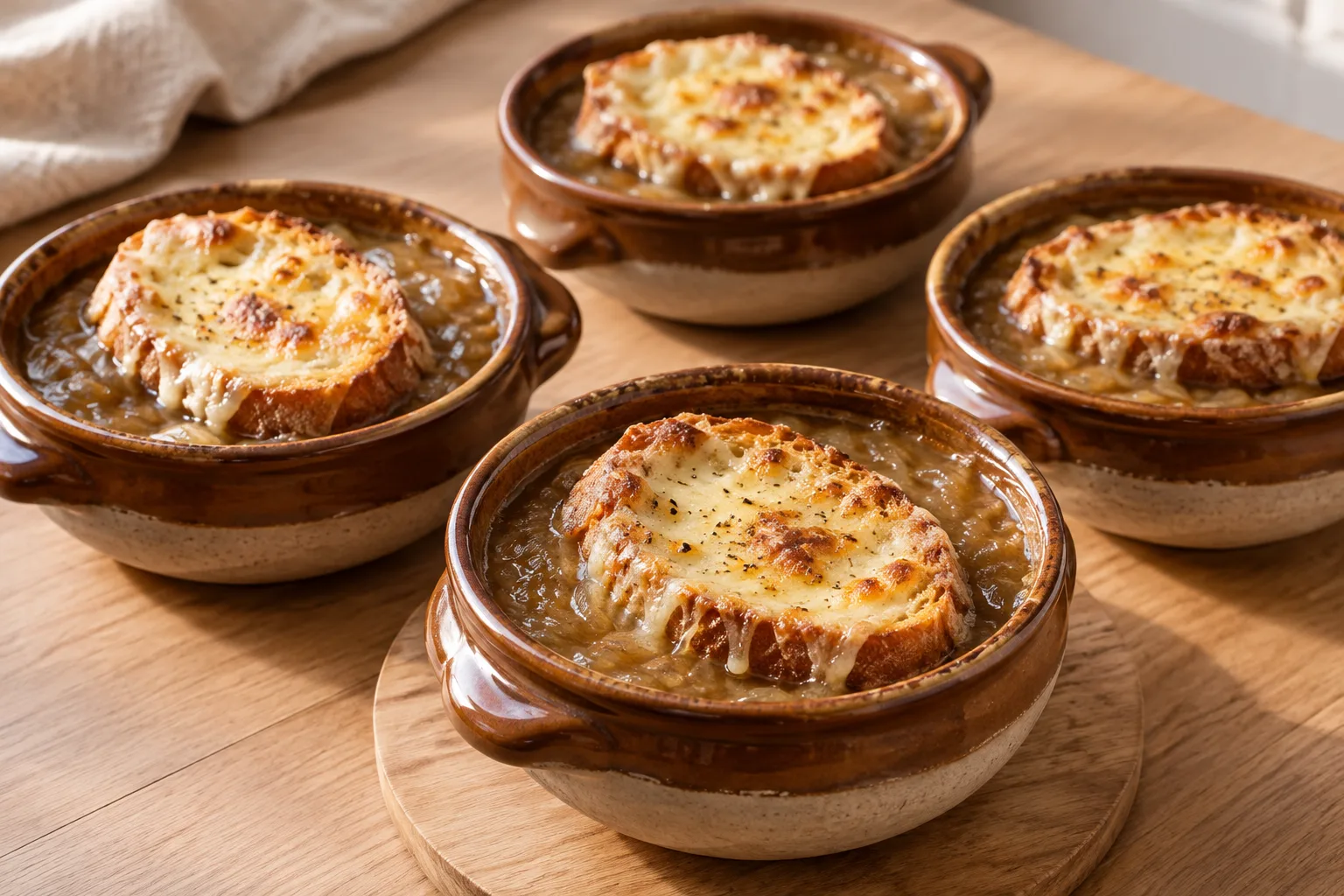
The flavours in these dishes are built through time and combination, not a single seasoning. In onion soup, sliced onions cook until softened and browned; how far they are caramelised affects the finished soup’s colour and sweetness. Broth gives the base another dimension, while toasted bread and melted cheese add a savoury, browned top. The result can be served as a gratin, but the underlying soup and its topping remain distinguishable parts of the preparation.

In bouillabaisse, fish, olive oil and the aromatics create a marine broth with the fragrance of fennel and saffron. Garlic and tomato bring further depth; orange peel is present in some documented versions, not all. The broth and fish may be presented in separate dishes, making the texture and flavour of each easier to notice. A garlicky, saffron-coloured rouille and bread accompany this service in Marseille-focused accounts. In cassoulet, slow cooking allows the white beans to take on the juices of the meats. A browned surface is a feature of some versions, while tenderness in the beans and the balance of beans, stock and meat remain central. These are related through their generosity, not through a single shared taste.

Local memory, changing recipes and occasions to gather

Tradition is visible both in what cooks prepare and in how a dish is kept associated with a place. Castelnaudary’s tourism account sets out a local cassoulet with specific beans, meats and a cassole, while acknowledging that the dish’s beginnings are unclear. Other accounts preserve neighbouring versions rather than a single standard. Castelnaudary also has a documented annual festival devoted to the dish. Such an event gives a local preparation a public occasion, but it does not make every family’s recipe identical or settle its contested history.

Marseille’s bouillabaisse carries a different memory: a fishers’ meal that became a recognised regional dish and appears in restaurant service as well as accounts of home cooking. Serving broth and fish separately is a notable way of presenting it, with bread and rouille alongside. The dish’s transformation from modest ingredients to a celebrated preparation is part of its story, not a reason to erase the earlier context. French onion soup, meanwhile, is described as a winter meal found in homes and bistros. These examples show several forms of transmission—daily cooking, restaurant practice, local storytelling and a town festival—without claiming one ritual or occasion for the whole country.

The work of simmering, layering and serving

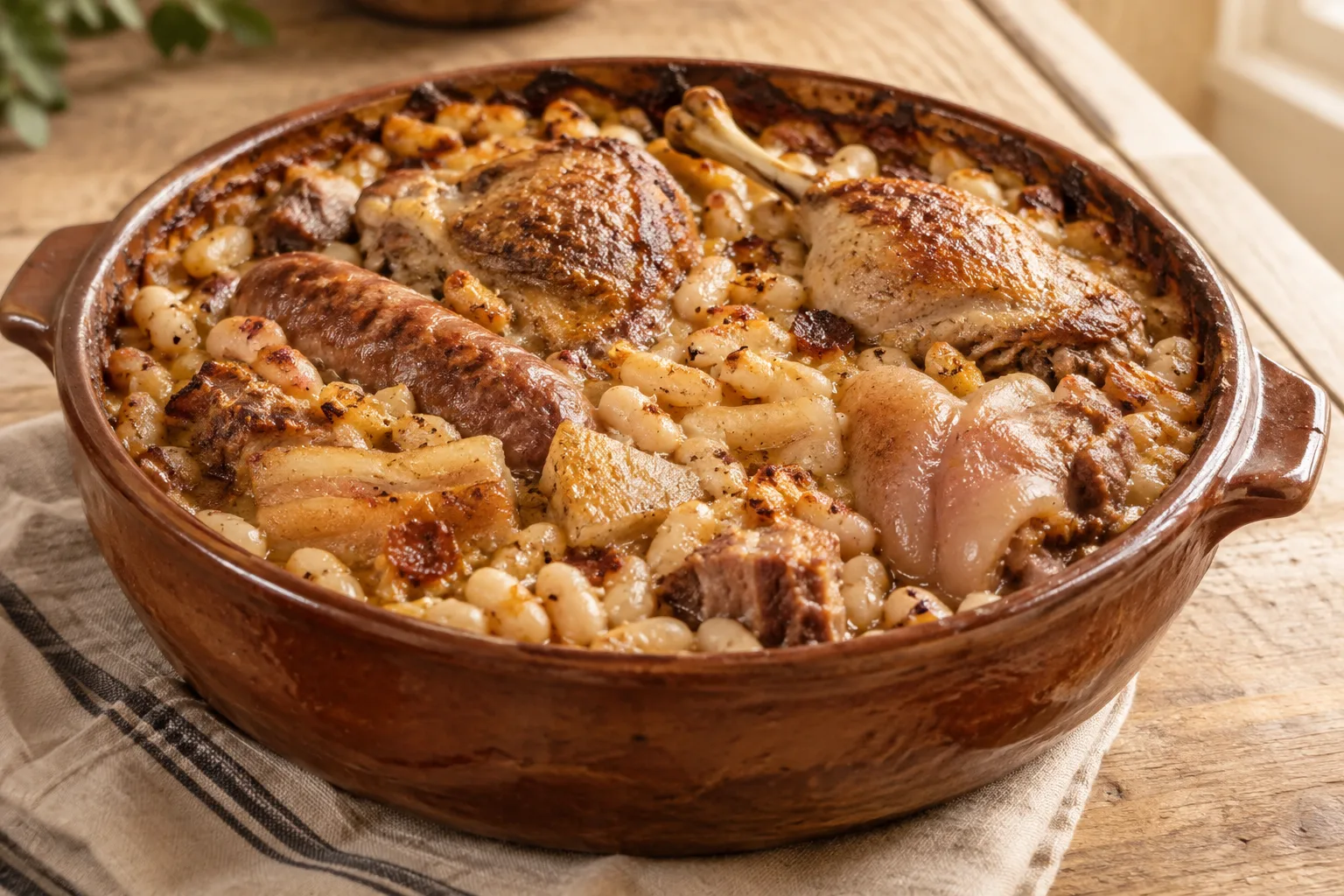
Each preparation teaches a different sequence. For cassoulet, dried beans are soaked and cooked; meats are prepared separately, often browned; then beans, meat and stock are assembled in an oven-safe earthenware vessel and cooked slowly. Castelnaudary’s account describes a browned crust forming on top and calls for the casserole to be served bubbling in its dish. The cassole is more than a serving prop: the vessel gives the dish its name and belongs to the way this version is prepared. Other recipes may use different timings and ingredient arrangements.

For bouillabaisse, the aromatic base and broth are built before fish are added. The fish should not be treated as interchangeable pieces: traditional descriptions emphasise several kinds, and a Marseille service may separate the liquid from the cooked fish. Some accounts use a vigorous boil at the start followed by gentler cooking; exact methods and species vary. Onion soup relies on patience at another stage: onions are cooked until softened and coloured before broth is added, then bread and cheese can be gratinated over the soup. In each case, sequence matters—whether the aim is to keep beans intact, cook fish appropriately, or bring out the sweetness of onions.

How the dish arrives shapes the meal

The act of serving can be as distinctive as what happens in the pot. In a Marseille-style bouillabaisse, accounts describe the broth in one vessel and the fish on a separate platter. Bread and rouille complete the presentation; diners can bring them together according to taste. This service makes the broth, the fish and the accompaniment visible as related but separate elements. Since recipes differ, the exact contents of a restaurant or household version should not be assumed from the name alone.

A Castelnaudary cassoulet arrives in a different manner: cooked and served in its earthenware casserole, hot and with its browned top intact. It is a substantial dish built for sharing portions from a common vessel. Onion soup offers a smaller-scale but similarly clear presentation: individual ovenproof bowls may carry bread and cheese gratinated on the surface, or the toasted topping may be served separately. These examples suggest three ways of organising a meal—platter and broth, shared casserole, and individual gratin—without prescribing a national table ritual. A winter supper, a restaurant meal, or a local festival can each give these preparations a setting, while the details remain particular to the dish and community.

A short vocabulary of dishes and vessels

The names below refer to concrete preparations and equipment documented in the regional routes above. They help distinguish a dish from a loose category such as “fish soup” or “bean stew.”

  • Bouillabaisse: A Provençal, particularly Marseille-associated, preparation of varied fish in an aromatic broth. Some traditional services present the broth and fish separately, with bread and rouille.
  • Cassoulet: A family of slow-cooked white-bean and meat preparations associated with Languedoc towns, including Castelnaudary. Versions and origin stories differ.
  • Cassole: The deep earthenware cooking vessel associated with cassoulet; the vessel’s name is linked to the dish’s name.
  • Rouille: A garlic-based, often saffron-coloured sauce served with bread alongside Marseille-style fish soup. Ingredients vary between recipes.
  • Soupe à l’oignon gratinée: French onion soup topped with bread and cheese and finished under heat until browned. It is distinct from the onion soup base before the topping is added.
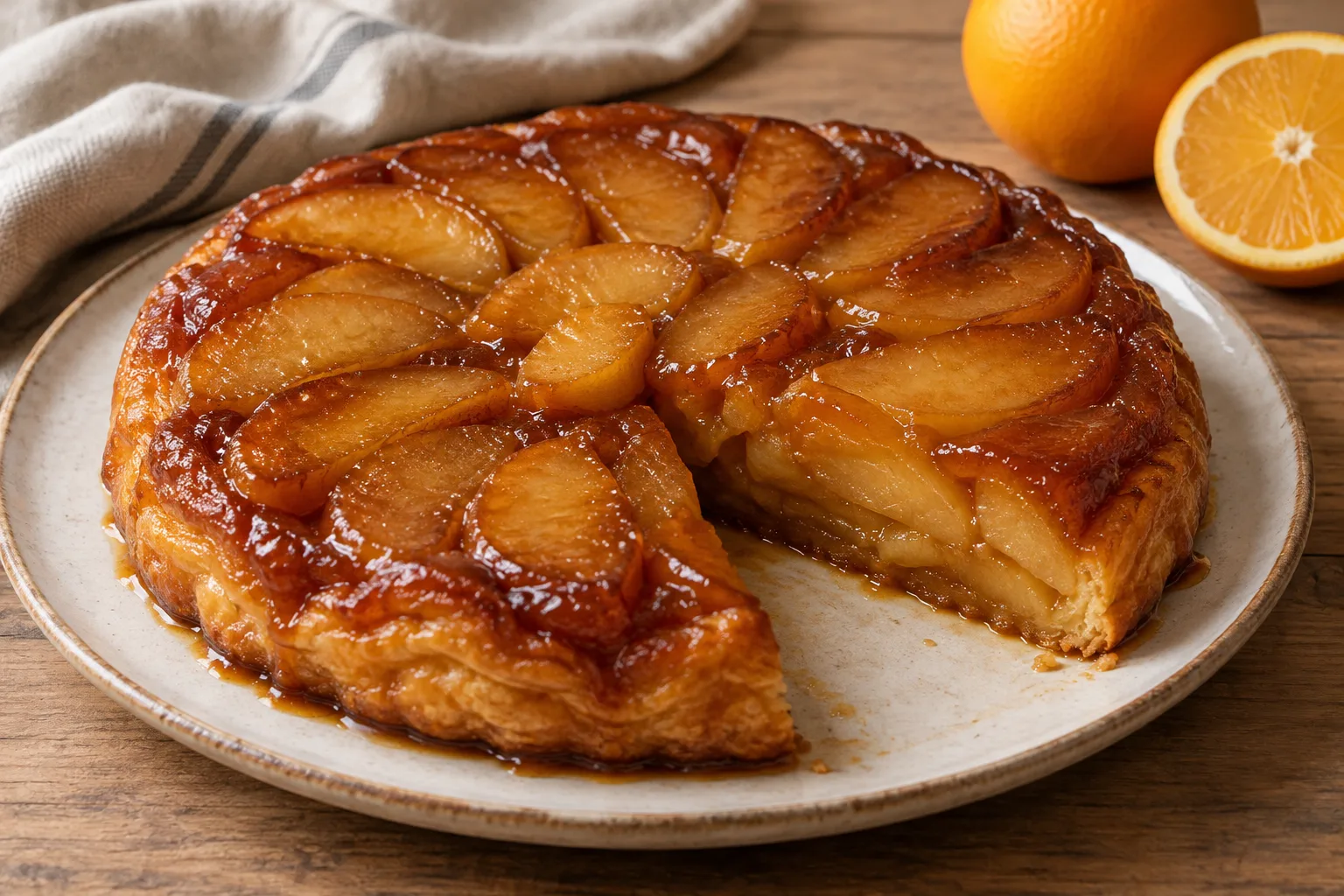
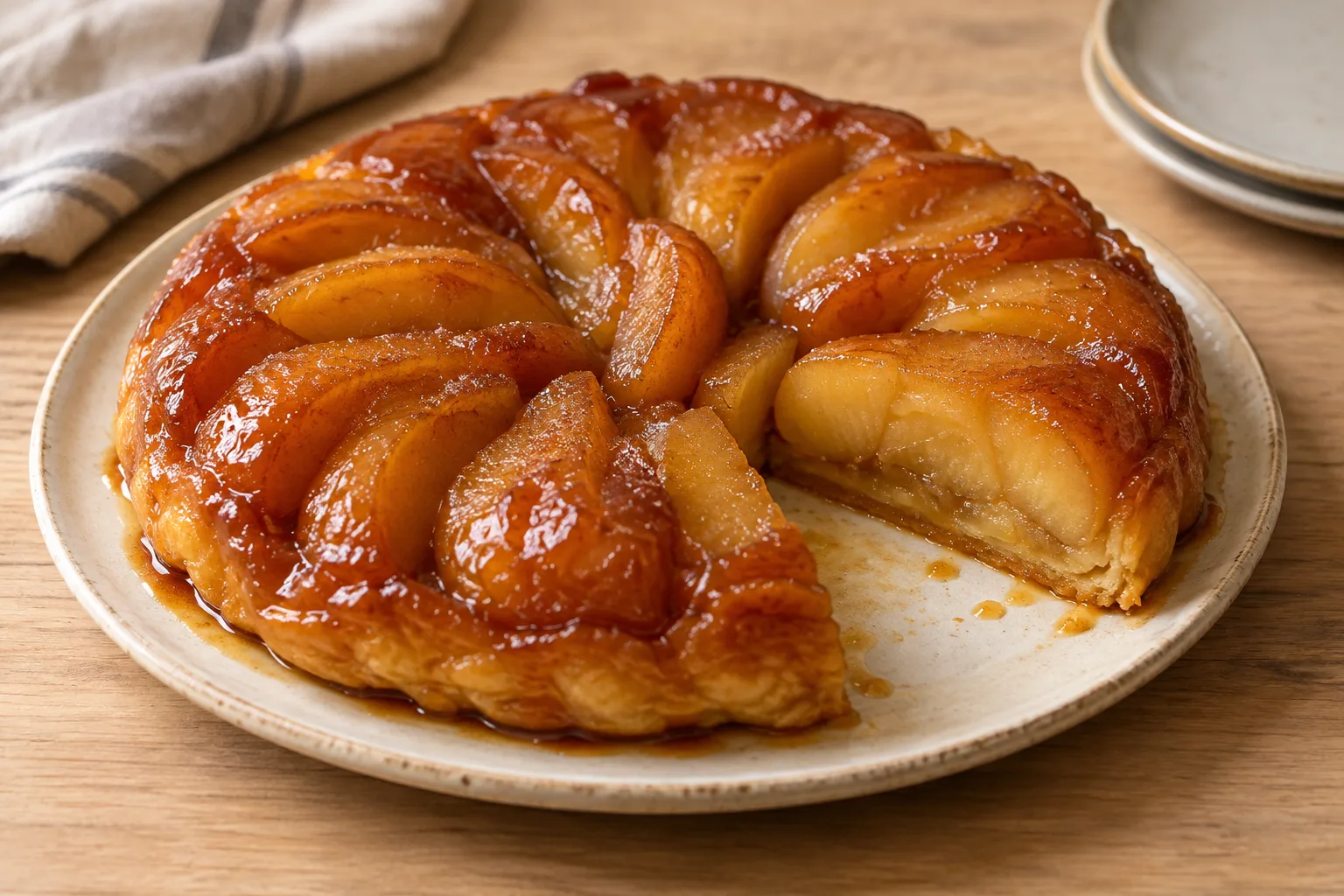
  • Tarte Tatin: An inverted apple tart associated with Lamotte-Beuvron in the Loire region: caramelised apples are covered with pastry, baked, then turned out for serving. Its popular origin story is disputed.

One country, many cuisines

Brittany

Brittany is documented here through Roscoff onions, identified as a regional product and as an ingredient that can form the browned, sweet base of French onion soup. This provides a specific connection between place and pantry; it does not imply that onion soup alone defines Breton cooking or that one onion variety is used in every version.

Occitania

Castelnaudary is associated with a particular cassoulet: white beans are combined with meats and stock, arranged in an earthenware cassole and cooked slowly. Accounts differ about the dish’s beginnings and preserve variations associated with nearby towns, so Castelnaudary’s version is best understood as a documented local expression rather than an exclusive claim to the entire dish.

Provence

Marseille anchors this documented Provençal route through bouillabaisse, a fish preparation associated with coastal fishing and the use of several kinds of fish in an aromatic broth. Accounts describe broth and fish served separately, often with bread and rouille. Species and recipes vary, and the dish’s changing history should not be reduced to one fixed ingredient list.

Cook
Read as an article ↗
Places and communities

One country, many cuisines

An initial selection of regions to explore. Culinary boundaries may differ from administrative divisions.

France

Brittany

Brittany is documented here through Roscoff onions, identified as a regional product and as an ingredient that can form the browned, sweet base of French onion soup. This provides a specific connection between place and pantry; it does not imply that onion soup alone defines Breton cooking or that one onion variety is used in every version.

France

Occitania

Castelnaudary is associated with a particular *cassoulet*: white beans are combined with meats and stock, arranged in an earthenware *cassole* and cooked slowly. Accounts differ about the dish’s beginnings and preserve variations associated with nearby towns, so Castelnaudary’s version is best understood as a documented local expression rather than an exclusive claim to the entire dish.

Cook · 1
France

Provence

Marseille anchors this documented Provençal route through *bouillabaisse*, a fish preparation associated with coastal fishing and the use of several kinds of fish in an aromatic broth. Accounts describe broth and fish served separately, often with bread and *rouille*. Species and recipes vary, and the dish’s changing history should not be reduced to one fixed ingredient list.

Cook · 1
Cook

Recipes connected with France

Each recipe documents one version. Geographic associations do not imply an exclusive origin.

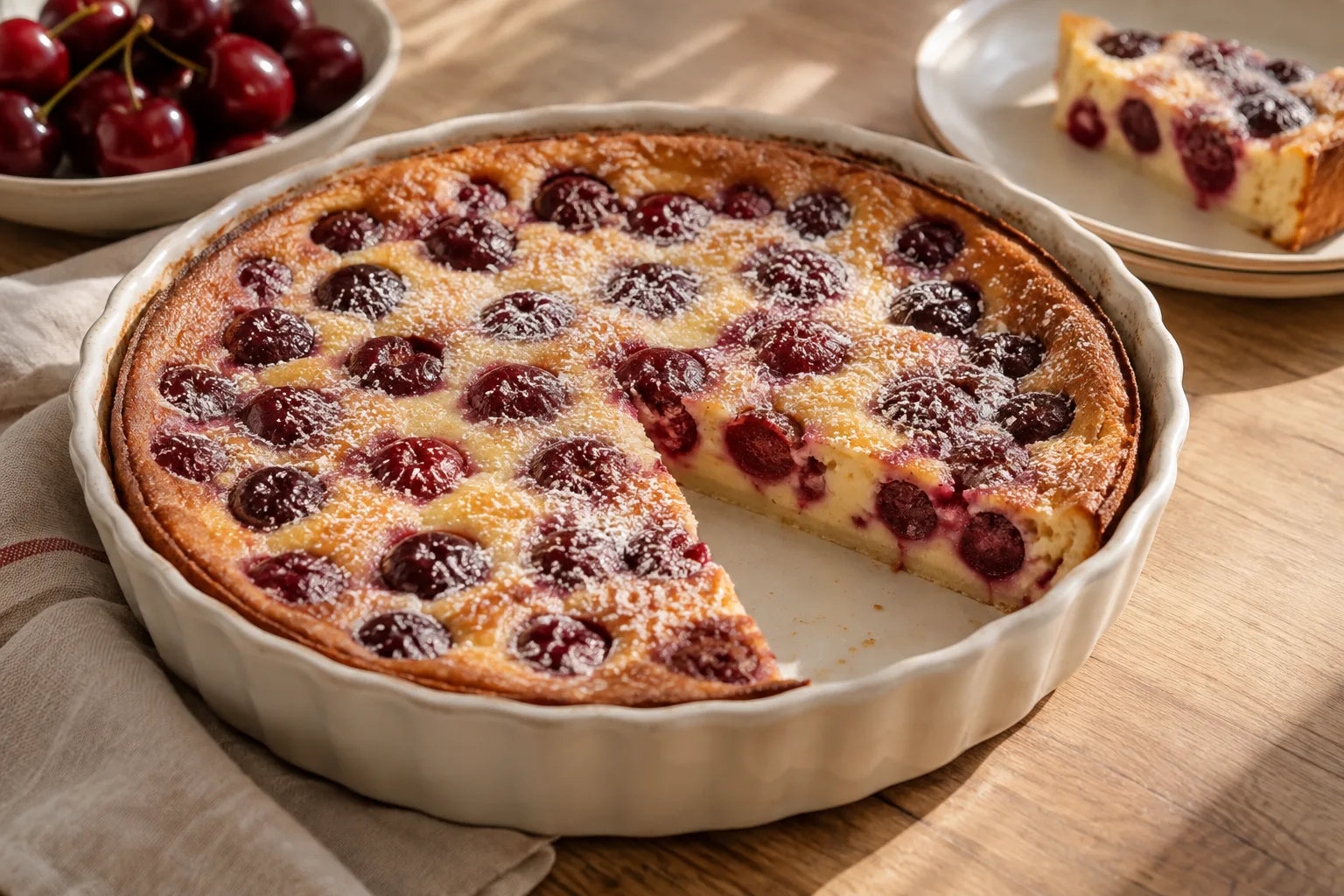
Cherry clafoutis
Image generated by the Kitchenpause team
70 minEasy

Cherry clafoutis

A French cherry tart with a soft, custardy batter, easy to make and delicious warm or cold.

View recipe
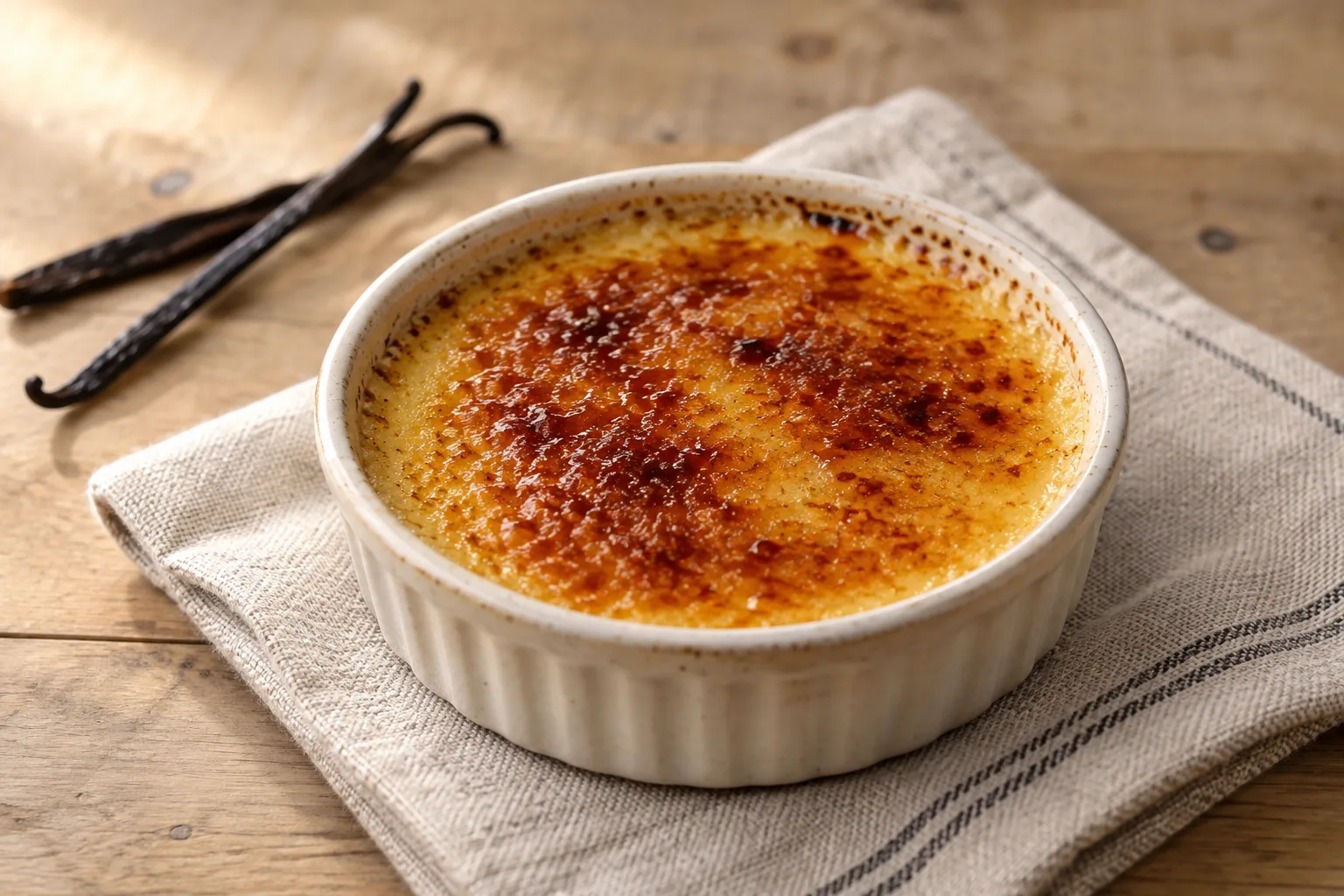
Crème brûlée
Image generated by the Kitchenpause team
45 minIntermediate

Crème brûlée

A French vanilla custard, gently baked and topped with a thin layer of caramelized sugar.

View recipe
Traditional Marseille Bouillabaisse
Image generated by the Kitchenpause team
50 minAdvanced

Traditional Marseille Bouillabaisse

A Provençal fish stew with rockfish, tomato, potatoes, fennel, saffron, and orange. To retain its Marseille character, use at least four fish species and serve the broth and fish separately, with garlic-rubbed toast.

View recipe
Castelnaudary Cassoulet
Image generated by the Kitchenpause team
995 minAdvanced

Castelnaudary Cassoulet

A French stew of white beans, duck confit and pork, slowly cooked and finished in the oven.

View recipe

Sources consulted

Read the sources and each document’s scope. A heritage inscription concerns a particular practice, not all of a country’s cuisine.

  1. Étude individuelle nationale des consommations alimentaires 3 (INCA3), juin 2017 www.vie-publique.fr/files/rapport/pdf/174000565.pdf Anses Consulted: November 1, 2026
  2. Le temps de l’alimentation en France — Insee Première 1417, 12 octobre 2012 www.insee.fr/fr/statistiques/1281016 Insee; Thibaut de Saint Pol et Layla Ricroch Consulted: November 1, 2026
  3. La restauration collective au travail conforte le modèle alimentaire français — Cahier de recherche 317, décembre 2014 www.credoc.fr/download/pdf/Rech/C317.pdf CRÉDOC; Thierry Mathé et Aurée Francou Consulted: November 1, 2026
  4. Le week-end reste un temps de partage et de repos — France, portrait social, édition 2014 www.insee.fr/fr/statistiques/fichier/1288517/FPORSOC14g_VE7_weekend.pdf Insee; Laura Castell Consulted: November 1, 2026
  5. KitchenPause — French published recipe sample, 1 November 2026 www.kitchenpause.com/es/cocinas/french KitchenPause Consulted: November 1, 2026
  6. Alimentation des enfants de 4 à 11 ans : une campagne d’information pour guider les parents — 10 septembre 2024 www.santepubliquefrance.fr/index.php/presse/alimentation-des-enfants-de-4-a-11-ans-une-campa… Santé publique France Consulted: November 1, 2026
  7. Choucroute d’Alsace IGP — cahier des charges, BO2018-28 info.agriculture.gouv.fr/boagri/document_administratif-fb421e70-2a57-41a7-b466-ca7470af182c/… INAO / Ministère de l’Agriculture Consulted: November 1, 2026
  8. Équipement des ménages — TEF2019, données2017 www.insee.fr/fr/statistiques/fichier/3676680/TEF2019_062.pdf Insee Consulted: November 1, 2026
  9. Le guide de la Châtaigne d’Ardèche AOP — 2018 www.parc-monts-ardeche.fr/wp-content/uploads/guide-chataigne-ardeche-aop.pdf Parc naturel régional des Monts d’Ardèche Consulted: November 2, 2026
  10. Panier de saison : les produits de l'automne agriculture.gouv.fr/panier-de-saison-les-produits-de-lautomne Ministère de l’Agriculture Consulted: November 2, 2026
  11. 5 minutes pour tout savoir sur les crêpes bretonnes www.france.fr/fr/article/5-minutes-pour-tout-savoir-sur-les-crepes-bretonnes/ Atout France — agence nationale du tourisme Consulted: November 2, 2026
  12. Les fêtes de la Chandeleur à Marseille www.marseille-tourisme.com/decouvrez-marseille/traditions/la-chandeleur-a-marseille/ Office de Tourisme de Marseille Consulted: November 2, 2026
  13. Structure des dépenses des ménages selon le niveau de vie —2017 www.insee.fr/fr/statistiques/2385825 Insee Consulted: November 2, 2026
  14. Panier de légumes — advertised offer observed2November2026 www.auxsoeursdeschamps.fr/commande-inglange/ Aux sœurs des champs Consulted: November 2, 2026
  15. Carte MDC — Mars2026 maisonducassoulet.com/wp-content/uploads/2026/03/Carte-MDC-Mars-2026.pdf Maison du Cassoulet,Castelnaudary Consulted: November 2, 2026
  16. Comportements et attitudes des consommateurs à l’égard du commerce alimentaire en2017 www.credoc.fr/download/pdf/Rech/C336.pdf CRÉDOC Consulted: November 2, 2026
  17. Livraisons à domicile, drive… le goût du moindre effort ? observatoirecetelem.com/wp-content/uploads/2023/04/rapport-harris-economie-de-la-flemme-t1s3… Harris Interactive / Observatoire Cetelem Consulted: November 2, 2026
  18. Déchets et gaspillage alimentaires en France en2024 www.statistiques.developpement-durable.gouv.fr/dechets-et-gaspillage-alimentaires-en-france-… SDES Consulted: November 2, 2026
  19. Les déchets alimentaires générés par la France — notice méthodologique,septembre2026 www.statistiques.developpement-durable.gouv.fr/media/9758/download?inline= SDES Consulted: November 2, 2026
  20. Receta de Cassoulet, un guiso francés tradicional espectacular - Recetas de ¡Escándalo! www.recetasdeescandalo.com/receta-de-cassoulet-un-guiso-frances-tradicional-espectacular/ recetasdeescandalo.com Consulted: September 30, 2026
  21. Cassoulet de Castelnaudary - Evelyne Ramelet - Receta - Canal Cocina canalcocina.es/receta/cassoulet-de-castelnaudary canalcocina.es Consulted: September 30, 2026
  22. Cassoulet, la receta del exquisito guiso francés con pato bonviveur.com/es/recetas/cassoulet bonviveur.com Consulted: September 30, 2026
  23. Cassoulet, un guiso francés en el Big Green Egg www.biggreenegg.eu/es/inspiracion/recetas/cassoulet biggreenegg.eu Consulted: September 30, 2026
  24. Cassoulet: El guiso clásico francés | Recetas Nestlé www.recetasnestle.cl/la-cocina-nestle/coccion-tecnicas/cassoulet recetasnestle.cl Consulted: September 30, 2026
  25. Francia - Wikipedia, la enciclopedia libre es.wikipedia.org/wiki/Francia es.wikipedia.org Consulted: October 30, 2026
  26. Cassoulet: El guiso clásico francés | Recetas Nestlé www.recetasnestle.com.co/blog-del-sabor/recetas-caseras/cassoulet recetasnestle.com.co Consulted: September 30, 2026
  27. Cassoulet de Castelnaudary - Oficina de Turismo de Castelnaudary www.castelnaudary-tourisme.com/es/gastronomie/le-cassoulet-de-castelnaudary/ castelnaudary-tourisme.com Consulted: September 30, 2026
  28. Cassoulet: todo lo que hay que saber sobre este plato francés www.finedininglovers.es/explorar/noticias/los-clasicos-de-la-cocina-francesa-el-cassoulet finedininglovers.es Consulted: September 30, 2026
  29. Así es la cassoulet, el plato típico francés que se asemeja a la fabada española: un rico guiso de alubias blancas y carne - Infobae www.infobae.com/espana/2026/07/14/asi-es-la-cassoulet-el-plato-tipico-frances-que-se-asemeja… infobae.com Consulted: September 30, 2026
  30. La auténtica Tarta Tatin francesa, desde cero — diegodoal diegodoal.com/recetas/tarta-tatin diegodoal.com Consulted: October 15, 2026
  31. Tarte Tatin o Tarta Tatin de manzana - Cravings Journal es.cravingsjournal.com/tarte-tatin-o-tarta-tatin-de-manzana/ es.cravingsjournal.com Consulted: October 15, 2026
  32. Tomando el postre en Francia: Tarte Tatin auténtica | Delicious Martha deliciousmartha.com/tarte-tatin-autentica/ deliciousmartha.com Consulted: October 15, 2026
  33. Tarta Tatin : receta e historia de un postre francés icónico www.cia-france.es/blog/cultura/receta-tarte-tatin cia-france.es Consulted: October 15, 2026
  34. Cómo hacer una tarta tatin - Blog de recetas de María Lunarillos www.marialunarillos.com/blog/como-hacer-tarta-tatin.html marialunarillos.com Consulted: October 15, 2026
  35. Tarta tatin de manzana. Receta de postre fácil, sencillo y delicioso www.directoalpaladar.com/postres/como-hacer-la-mejor-tarta-tatin-de-manzana-receta directoalpaladar.com Consulted: October 9, 2026
  36. Receta de la tarta tatin www.france.fr/es/articulo/sabores-del-valle-del-loira-la-tarta-tatin/ france.fr Consulted: October 15, 2026
  37. Tarta Tatin de manzana - Recetas de Miriam García / El invitado de invierno invitadoinvierno.com/tarta-tatin-de-manzana/ invitadoinvierno.com Consulted: October 15, 2026
  38. Tarta Tatin de manzana | Recetas | Gastronomía | EL PAÍS elpais.com/gastronomia/recetas/2017/12/05/receta/1512479471_919572.html elpais.com Consulted: October 9, 2026
  39. Tarta Tatin - Wikipedia, la enciclopedia libre es.wikipedia.org/wiki/Tarta_Tatin es.wikipedia.org Consulted: October 15, 2026
  40. La historia de la Tarta Tatin lapatisseriedumonde.com/es/recetas/tarta-tatin-historia lapatisseriedumonde.com Consulted: October 15, 2026
  41. Tarta Tatin De Manzana Tarte Tatin 🍎 - Cocina Francia cocinafrancia.com/2020/05/16/tarte-tatin-tarta-tatin/ cocinafrancia.com Consulted: October 9, 2026
  42. Tarta Tatin. Tatarea y tintinea mi dulce postre francés. Koketo koketo.es/tarta-tatin koketo.es Consulted: October 15, 2026
  43. El origen de la tarta Tatin www.directoalpaladar.com/cultura-gastronomica/el-origen-de-la-tarta-tatin directoalpaladar.com Consulted: October 15, 2026
  44. Receta de tarta tatin de tomate | Albal® www.albal.net/es/recetas/tarta-tatin-y-tomate albal.net Consulted: October 4, 2026
  45. La tarta Tatin: ¿el mejor postre del mundo? • Boroa Jatetxea www.boroa.com/tarta-tatin/ boroa.com Consulted: October 15, 2026
  46. Tarta Tatín - Evelyne Ramelet - Receta - Canal Cocina canalcocina.es/receta/tarta-tatin-10 canalcocina.es Consulted: October 9, 2026
  47. Tarta tatin de manzana, la receta para hacerla en casa paso a paso bonviveur.com/es/recetas/tarta-tatin-manzana bonviveur.com Consulted: October 7, 2026
  48. Bouillabaisse (Sopa bullabesa) - Gonzalo D'Ambrosio - Receta - Canal Cocina canalcocina.es/receta/bouillabaisse-sopa-bullabesa canalcocina.es Consulted: October 20, 2026
  49. Receta de sopa bullabesa o boullabeise, la olla provenzal de pescado de Francia www.directoalpaladar.com/recetario/la-bouillabaisse-olla-provenzal-de-pescado-receta directoalpaladar.com Consulted: October 20, 2026
  50. Receta auténtica de Bouillabaisse Marsellesa: Cómo preparar la famosa sopa de pescado francesa. www.kitchenshop.eu/es/info-culinar-receta-autentica-de-bouillabaisse-marsellesa-como-prepara… kitchenshop.eu Consulted: October 4, 2026
  51. La bouillabaisse de Marseille (receta) - Lucullus www.lucullus.ar/recetas-chef/cocina-francesa-pescado-bouillabaisse-marseille/ lucullus.ar Consulted: October 18, 2026
  52. LA BOUILLABAISSE - Acadèmia Catalana de Gastronomia i Nutrició acgn.cat/la-bouillabaisse/ acgn.cat Consulted: October 20, 2026
  53. Bullabesa - Wikipedia, la enciclopedia libre es.wikipedia.org/wiki/Bullabesa es.wikipedia.org Consulted: October 20, 2026
  54. La Bouillabaisse: Tradición y evolución en la cocina francesa foodandwineespanol.com/gastronomia/gourmet/la-bouillabaisse-tradicion-y-evolucion-en-la-coci… foodandwineespanol.com Consulted: October 20, 2026
  55. Receta auténtica de Bouillabaisse Marsellesa: Cómo preparar la famosa sopa de pescado francesa. www.kitchenshop.eu/es/info-culinar-receta-autentica-de-bouillabaisse-marsellesa-como-prepara… kitchenshop.eu Consulted: October 4, 2026
  56. Tarta Tatin Receta para 6 Personas - Es Taste Dessert es.tastedessert.com/recipes/tarta-tatin-receta-original/ es.tastedessert.com Consulted: October 7, 2026
  57. Tarte Tatin - Receta Francesa Autentica y Tradicional | 196 flavors www.196flavors.com/es/francia-tarte-tatin/ 196flavors.com Consulted: October 7, 2026
  58. Receta de Tarte Tatin Clásica | Pastel de Manzana Francés Invertido recetasdelabuelo.com/receta/tarte-tatin-francesa-tarta-de-manzana-invertida/ recetasdelabuelo.com Consulted: October 7, 2026
  59. Tarta Tatin clásica de Manzana - Receta Auténtica | Recetas para Todos www.recetasparatodos.es/recetas/tarta-tatin/receta-tarta-tatin.html recetasparatodos.es Consulted: October 7, 2026
  60. Receta auténtica de Bouillabaisse Marsellesa: Cómo preparar la famosa sopa de pescado francesa. www.kitchenshop.eu/es/info-culinar-receta-autentica-de-bouillabaisse-marsellesa-como-prepara… kitchenshop.eu Consulted: October 8, 2026
  61. Tarta Tatin de manzana con masa quebrada - Mítica tarta francesa elbauldulce.com/tarta-tatin-de-manzana-con-masa-quebrada/ elbauldulce.com Consulted: October 9, 2026
  62. Tarta Tatin de manzana - COMIENDO CON REYES www.comiendoconreyes.com/2018/10/tarta-tatin-de-manzana.html comiendoconreyes.com Consulted: October 9, 2026
  63. Tarta Tatín elrincondeafi.es/postres/tarta-tatin elrincondeafi.es Consulted: October 9, 2026
  64. Tatin De Manzana | Traiteur de Paris España www.traiteurdeparis.es/productos-ultracongelados/tatin-manzana/ traiteurdeparis.es Consulted: October 9, 2026
  65. Receta auténtica de Bouillabaisse Marsellesa: Cómo preparar la famosa sopa de pescado francesa. www.kitchenshop.eu/es/info-culinar-receta-autentica-de-bouillabaisse-marsellesa-como-prepara… kitchenshop.eu Consulted: October 18, 2026
  66. Receta auténtica de Bouillabaisse Marsellesa: Cómo preparar la famosa sopa de pescado francesa. www.kitchenshop.eu/es/info-culinar-receta-autentica-de-bouillabaisse-marsellesa-como-prepara… kitchenshop.eu Consulted: October 20, 2026
  67. Bullabesa, tradición marinera desde Marsella | Excelencias Gourmet excelenciasgourmet.com/es/bullabesa-tradicion-marinera-desde-marsella excelenciasgourmet.com Consulted: October 20, 2026
  68. Receta de bullabesa con pescado de roca y mejillones de La Platjeta - La Platjeta - Peix fresc de la barca a casa laplatjeta.net/receta-bullabesa-pescado-roca-mejillones-la-platjeta/ laplatjeta.net Consulted: October 20, 2026
  69. Bouillabaisse: origen, ingredientes y alérgenos www.menuella.com/es/food-wiki/bouillabaisse menuella.com Consulted: October 20, 2026
  70. Hoy Cocinas Tú: Bouillabaisse | Gastronomía & Cía www.gastronomiaycia.com/hoy-cocinas-tu-bouillabaisse/ gastronomiaycia.com Consulted: October 20, 2026
  71. Receta de Bouillabaisse (Bullabesa) Tradicional | Sopa de Pescado Francesa recetasdelabuelo.com/receta/bouillabaisse-bullabesa/ recetasdelabuelo.com Consulted: October 20, 2026
  72. La bouillabaisse de Marsella www.marseille-tourisme.com/en/discover-marseille/gastronomy-in-marseille/culinary-specialiti… Office de Tourisme de Marseille Consulted: October 20, 2026
  73. Cassoulet en Castelnaudary www.tourisme-occitanie.com/fr/fiche/restauration/maison-du-cassoulet-castelnaudary_TFORESLAR… Comité Régional du Tourisme et des Loisirs d’Occitanie Consulted: October 20, 2026
  74. Crème Brûlée | Taste France Magazine www.tastefrance.com/es/recetas/postres-franceses/creme-brulee tastefrance.com Consulted: October 24, 2026
  75. Crème brûlée receta francesa Ladurée paso a paso | Tarta de manzana tartademanzanacasera.com/tag/creme-brulee-receta-francesa-laduree-paso-a-paso/ tartademanzanacasera.com Consulted: October 24, 2026
  76. Crème brûlée. Receta tradicional francesa www.abc.es/recetasderechupete/creme-brulee/18872/ abc.es Consulted: October 24, 2026
  77. Crème Brûlée: Un Postre Clásico con Rica Historia corkframes.com/es/blogs/noticias/creme-brulee-un-postre-clasico-con-rica-historia?srsltid=AY… corkframes.com Consulted: October 24, 2026
  78. ¿Cuál es el origen de la Crème Brûlée? Historia de un postre emblemático cremerie.rians.com/es/inspirations/el-origen-de-la-creme-brulee/ cremerie.rians.com Consulted: October 24, 2026
  79. Crème Brûlée: Un Postre Clásico con Rica Historia corkframes.com/es/blogs/noticias/creme-brulee-un-postre-clasico-con-rica-historia?srsltid=AY… corkframes.com Consulted: October 24, 2026
  80. CRÈME BRÛLÉE - Las Recetas de MJ www.lasrecetasdemj.com/2015/03/creme-brulee.html lasrecetasdemj.com Consulted: October 24, 2026
  81. Crema Catalana o Creme Brulée - ICPremium icpremium.com/crema-catalana-creme-brulee/ icpremium.com Consulted: October 24, 2026
  82. Crème brûlée sous vide (Francia) - Recetas deliciosas www.gzrecipes.com/es/viaggiandomangiando/creme-brulee-sous-vide-francia/ gzrecipes.com Consulted: October 24, 2026
  83. Receta de sopa de cebolla francesa auténtica — diegodoal diegodoal.com/recetas/sopa-cebolla diegodoal.com Consulted: October 26, 2026
  84. Sopa de Cebolla Tradicional (Receta Francesa Fácil y Deliciosa) www.piloncilloyvainilla.com/sopa-de-cebolla-vegana/ piloncilloyvainilla.com Consulted: October 26, 2026
  85. Sopa de cebolla francesa - Cravings Journal es.cravingsjournal.com/sopa-de-cebolla-francesa/ es.cravingsjournal.com Consulted: October 26, 2026
  86. Sopa de cebolla francesa | Taste France Magazine www.tastefrance.com/es/recetas/clasicos-franceses/sopa-de-cebolla-francesa tastefrance.com Consulted: October 26, 2026
  87. Sopa de cebolla gratinada saboresymomentos.es/sopa-de-cebolla-gratinada-receta-tradicional-francesa/ saboresymomentos.es Consulted: October 26, 2026
  88. Sopa de cebolla gratinada - Recetas de Miriam García / El invitado de invierno invitadoinvierno.com/sopa-de-cebolla-gratinada/ invitadoinvierno.com Consulted: October 26, 2026
  89. Sopa de cebolla: Receta francesa del mes - Colegio Lycée français Molière de Zaragoza lyceemolieresaragosse.org/sopa-de-cebolla-receta/ lyceemolieresaragosse.org Consulted: October 26, 2026
  90. Sopa de cebolla francesa | Sous Vide Cooking www.sous-vide.cooking/es/sopa-de-cebolla-francesa/ sous-vide.cooking Consulted: October 26, 2026
  91. Sopa de cebolla gratinada, una deliciosa receta tradicional francesa www.eladerezo.com/recetas/sopa-de-cebolla.html eladerezo.com Consulted: October 26, 2026
  92. Sopa De Cebolla Gratinada. Soupe à L'oignon - Cocina Francia cocinafrancia.com/2021/10/28/sopa-de-cebolla/ cocinafrancia.com Consulted: October 26, 2026

We use session and security technologies to provide our features. Only with your permission do we load Google Analytics to measure visits and Google Maps on Contact. Choose separately, reject or accept both.

Withdraw either permission here. Withdrawing analytics reloads the page to unload the running tag.

Cookie policy