- Category
- Meat
- State
- Preserved
- Usual unit
- g
What it is
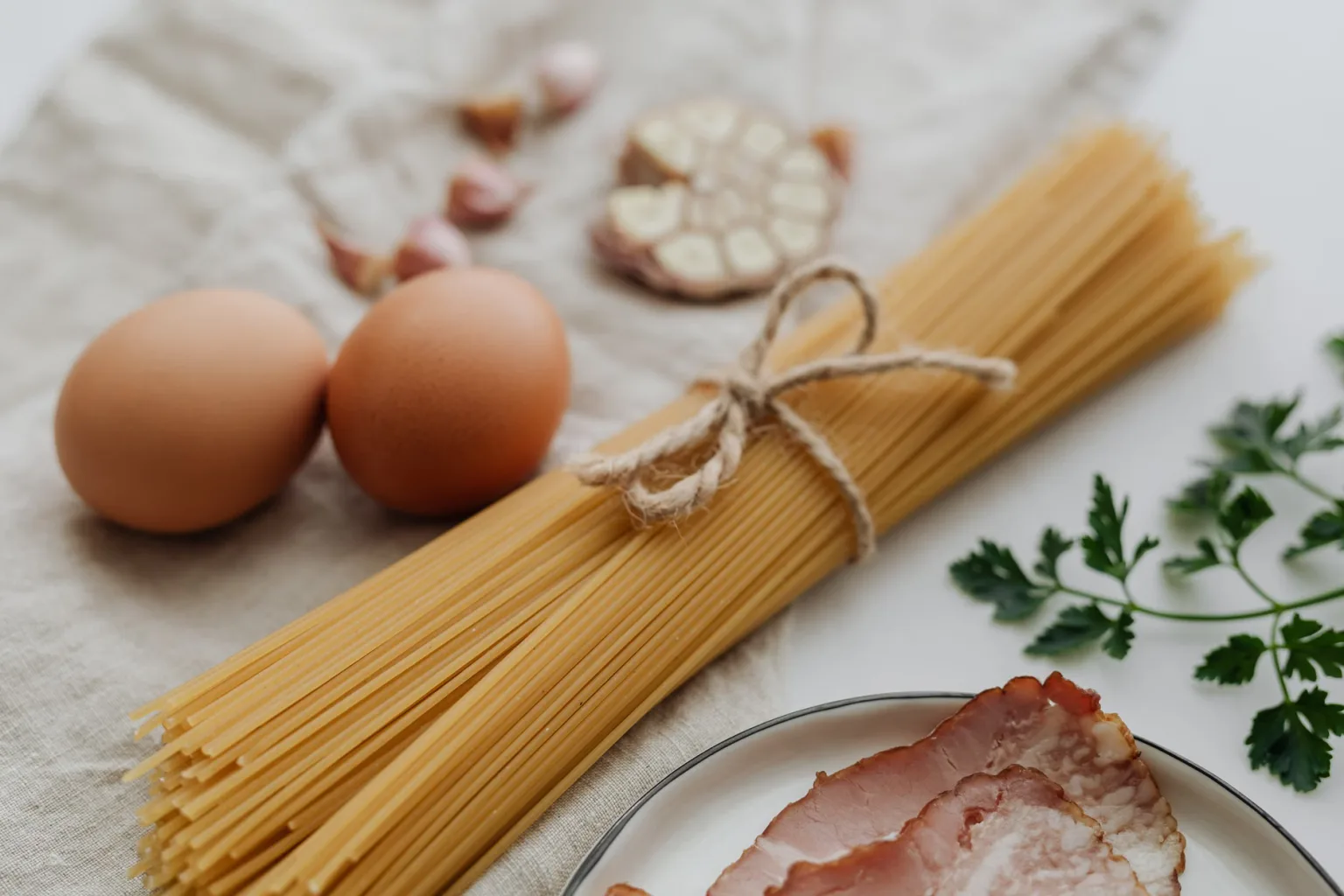
Bacon is a cured pork product. Depending on the style and producer, it can come from different cuts and may be smoked or seasoned. As a result, varieties do not all have the same proportion of meat and fat, shape, thickness, or intensity of flavor. It is often sold in slices and should be distinguished from fresh pork: check the package to find out how it was prepared and what storage it requires. In cooking, bacon can be used in whole pieces or chopped, either as a visible component or as a source of flavor in a dish. Raw bacon needs cooking before it is eaten unless the label clearly states that it is ready to eat.
When to use it
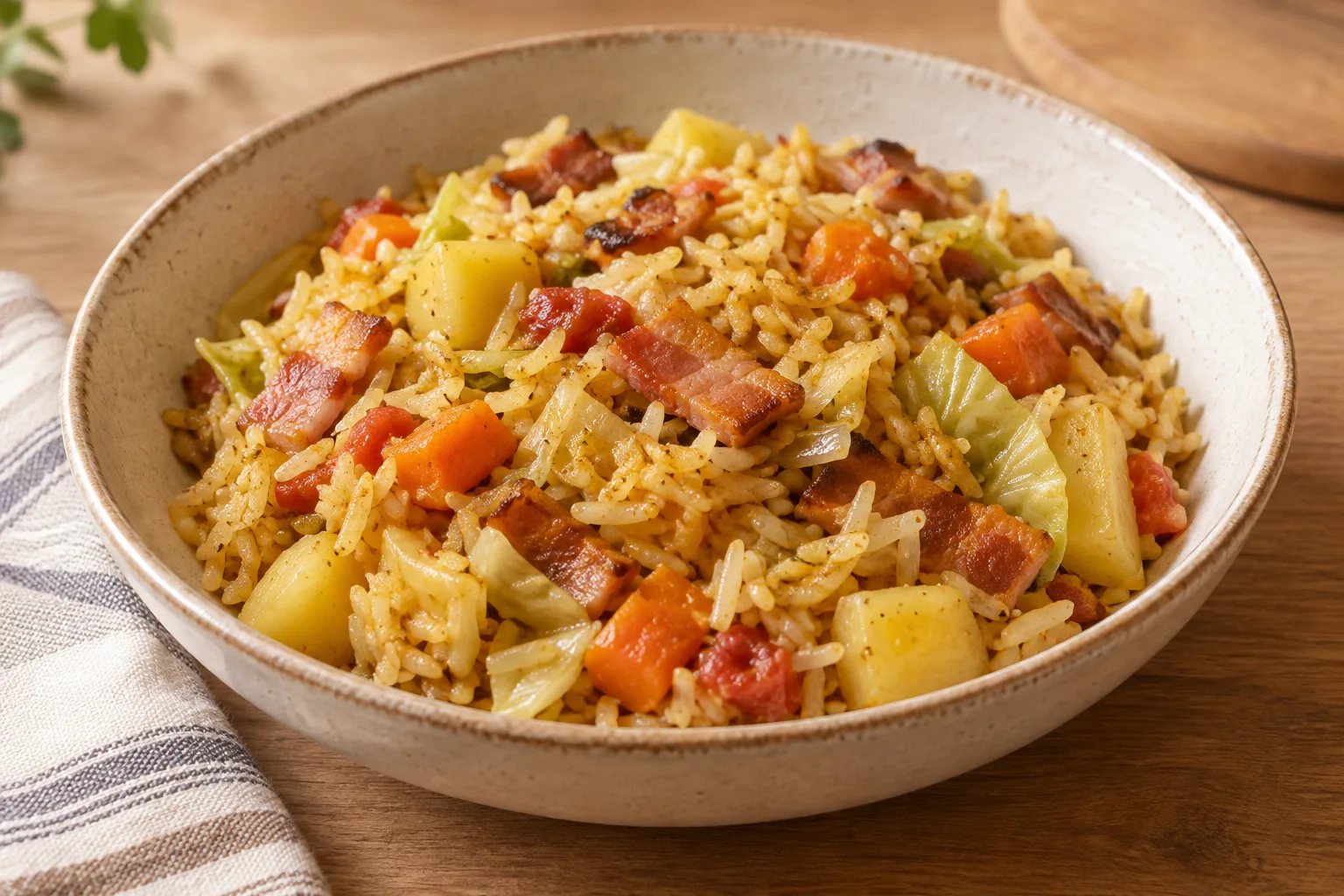
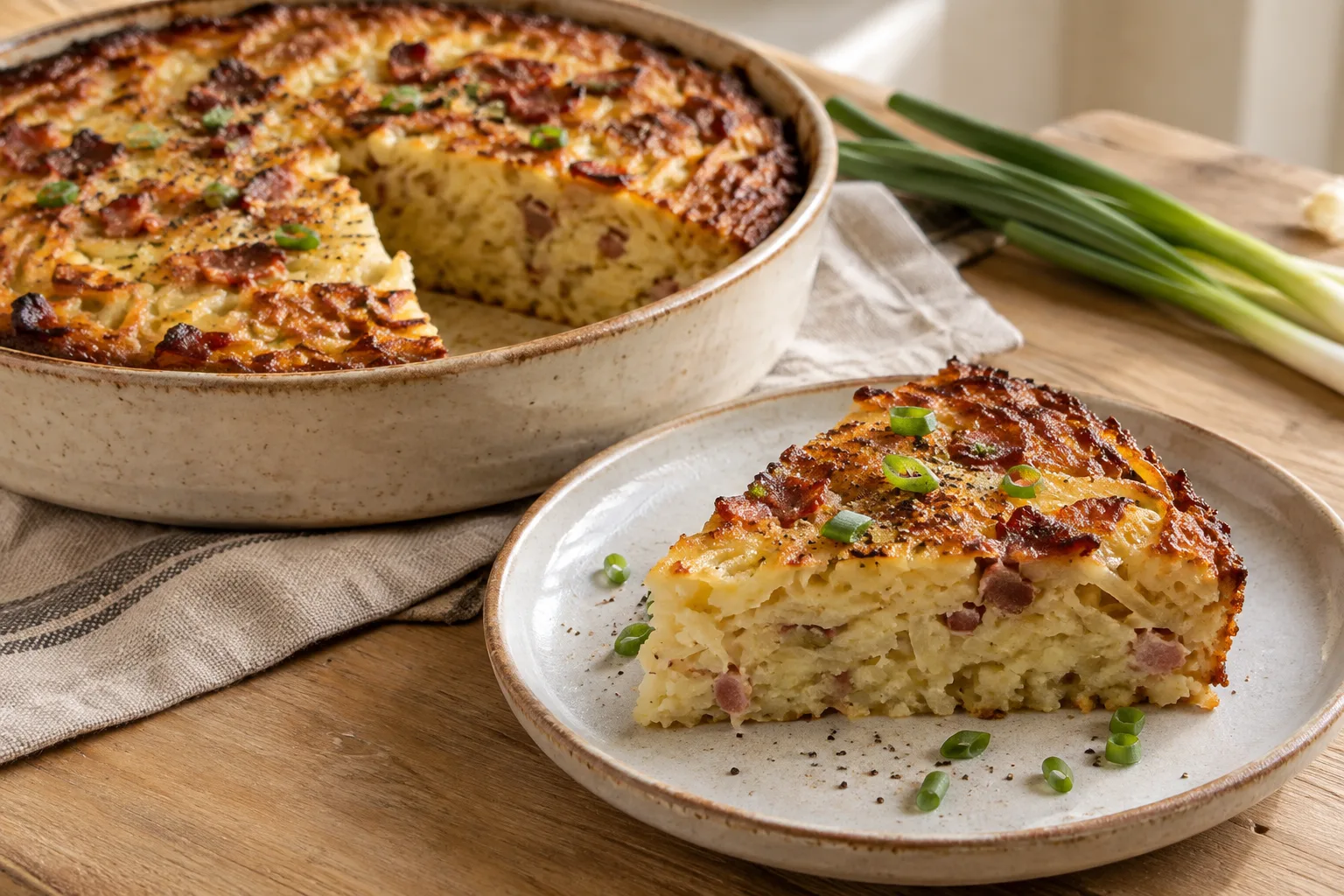
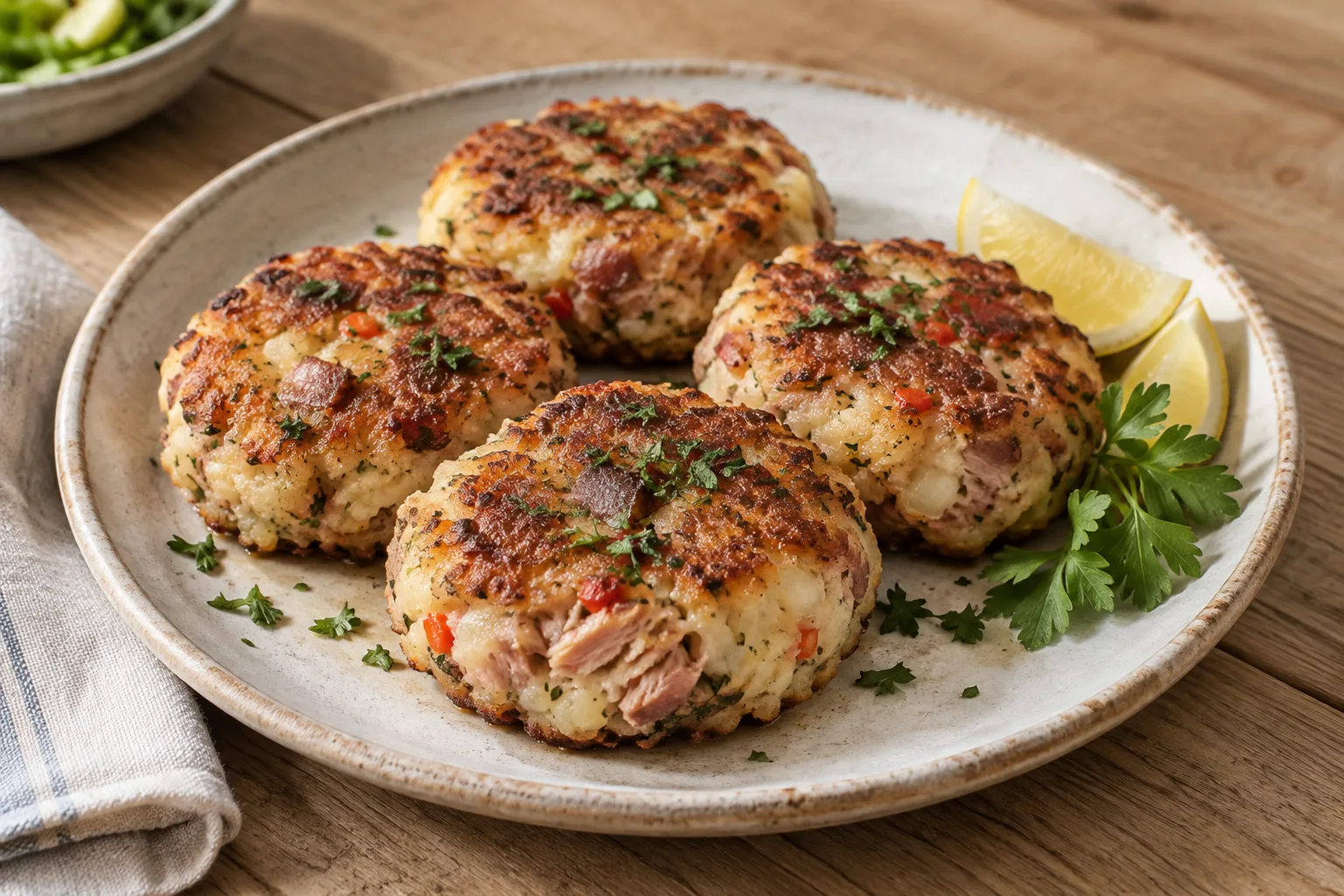
Use bacon when you want to add a salty, smoky, or seasoned flavor and a meaty texture to a dish. It can accompany eggs and breakfast dishes, fill sandwiches and burgers, or be added to vegetables, potatoes, pasta, quiches, and rice dishes. A small amount can also season a preparation without taking center stage. Choose the cut for the result you want: slices to serve whole or crisp, and chopped bacon to distribute through a recipe. Since flavor and fat content vary by product, taste the dish before adding more salt.
How to use it
First read the label to check whether the product is raw or ready to eat and to follow its preparation instructions. To cook slices, place them in a pan and heat until they reach your preferred doneness, turning as needed; they can also be grilled or baked. Thickness and cut affect cooking time, so do not rely on one universal timing. To add bacon to a dish, you can cook it first, drain excess fat if desired, and chop it before adding it to eggs, vegetables, sauces, or pasta. Handle raw bacon separately from ready-to-eat foods, clean surfaces and utensils, and follow the package's food-safety directions.
Flavour and texture
Bacon usually tastes salty and pronounced; smoked versions can have a smoky aroma, while seasoned varieties reflect their spices. Intensity depends on the cut and the individual product. Once cooked, thin slices can become crisp, while less-cooked bacon may remain more tender; thick pieces tend to give a meatier bite. Fat can render during cooking and contribute flavor to a dish. Since saltiness and smokiness vary, adjust the recipe's seasoning after tasting.
How to choose it
Choose a properly chilled product when the label says it must be kept cold, and check that the package is intact, with no tears or leaks. Check the date and storage directions, and read the ingredient list if you need to avoid particular seasonings or declared allergens. Bacon varies in cut, thickness, smoke, and visible fat; choose thin slices when you want them to crisp readily, or a thicker cut for a meatier texture. Do not assume every product called bacon is the same: use the label as your guide to its characteristics and intended use.
Storage
Store bacon according to the package directions; if it requires refrigeration, keep it cold and do not leave it at room temperature while shopping or preparing food. To reduce cross-contamination, keep raw bacon separate from foods that will be eaten without cooking, and clean any surface or utensil that has touched its juices. After opening, reseal it or transfer it to a suitable container and follow the maker's use-by guidance. To freeze, wrap it airtight and bear in mind that extended storage can reduce flavor and texture; thaw it using safe practices.
Substitutions
Smoked ham can replace bacon when you want a salty pork flavor with less visible fat, although it will not exactly reproduce bacon's texture or rendered-fat flavor. Smoked turkey is a poultry alternative, but its profile is different and it may dry out during cooking. For a meat-free option, browned mushrooms provide a savory accent and firm texture, but they do not imitate pork flavor. Adjust salt and spices to suit the substitute.
Common mistakes
Do not assume every type of bacon comes from the same cut or has identical flavor, thickness, and fat content. Avoid salting a dish before tasting it, because bacon can be salty. Do not crowd the slices if you want them to brown evenly, and do not rely on a fixed cooking time for products of different thicknesses. Also, do not ignore the storage and preparation instructions on the package.
Safety and allergens
Follow the package's refrigeration, date, and preparation directions. Keep raw bacon separate from ready-to-eat foods, and clean hands, surfaces, and utensils after handling it. If the product has an unusual smell or appearance, do not taste it to decide whether it is safe; discard it. A normal appearance alone does not guarantee that food has been stored safely.
Culinary uses
- savory flavor accent
- crisp or tender meat component
- rendered-fat cooking ingredient
Recommended techniques
- pan-frying
- grilling
- baking
- chopping and adding to cooked dishes
Pairs well with
- eggs
- bread and sandwiches
- potatoes
- leafy vegetables
- pasta and rice dishes
Frequently asked questions
Is bacon always smoked?
No. Some products are smoked and others are not; check the label to identify the variety.
Can I substitute for bacon?
Yes. Try smoked ham or turkey, or browned mushrooms for a meat-free option. The flavor and texture will differ.
How should I store bacon?
Follow the package directions. If it requires refrigeration, keep it cold and separate raw product from ready-to-eat foods.
Ingredient allergens
Allergen listThere are no verified associations for these ingredients yet.
Estimated nutrition
- Fat
- 41.2 g
- Saturates
- 14.7 g
- Carbohydrate
- 0 g
- Sugars
- 0 g
- Fibre
- 0 g
- Protein
- 29.4 g
- Salt
- 4.55 g
Sources and review
Automatically researched, cross-checked and validated content. Sources consulted:
- Client Challenge doi.org/10.2307/jj.27939689.16
- Food Storage for Safety and Quality | CSU Extension extension.colostate.edu/resource/food-storage-for-safety-and-quality/
- Space Food, Bacon Bars, Apollo 11 (White) | National Air and Space Museum airandspace.si.edu/collection-objects/space-food-bacon-bars-apollo-11-white/nasm_A1986055300…
- Evaluating Microbial Safety of Slow Partial-Cooking ... meathaccp.wisc.edu/validation/assets/Bacon%20Slow%20Cook.pdf
- \r\n \n Premier Culinary School in the South | Louisiana Culinary Institute\n \r\n www.lci.edu/
- El bacon en la cocina friolisa.es/es/blog/el-bacon-en-la-cocina.html
- Para la ciudadanía www.aesan.gob.es/para-la-ciudadania
- Bacon and Food Safety extension.usu.edu/fscreate/files/2020-22-staff/FFU_Bacon_and_Food_Safety.pdf
- Freezing Bacon - National Center for Home Food Preservation nchfp.uga.edu/how/freeze/meat-and-poultry-products/freezing-bacon/
- Raider Red Meats Online Store. Products tagged with 'bacon' shop.ads.ttu.edu/raiderredmeats/bacon
- Storing Bacon Jam | Home & Garden Information Center hgic.clemson.edu/storing-bacon-jam/
- Día Internacional del Bacon: el origen de este manjar nos lleva hasta la antigua Roma www.eldiario.es/viajes/dia-internacional-bacon-origen-manjar-lleva-antigua-roma-pm_1_1257485…
- Qué Hace Especial al Bacon Inglés | Tindale Distribuciones ts-spain.com/es/blog/ver/actualidad/especial-bacon-ingles
- Bacón - Gastronomía Vasca: Escuela de Hostelería Leioa www.gastronomiavasca.net/es/gastro/glossary/bacon