- Category
- Meat
- State
- Fresh
- Usual unit
- kg
What it is
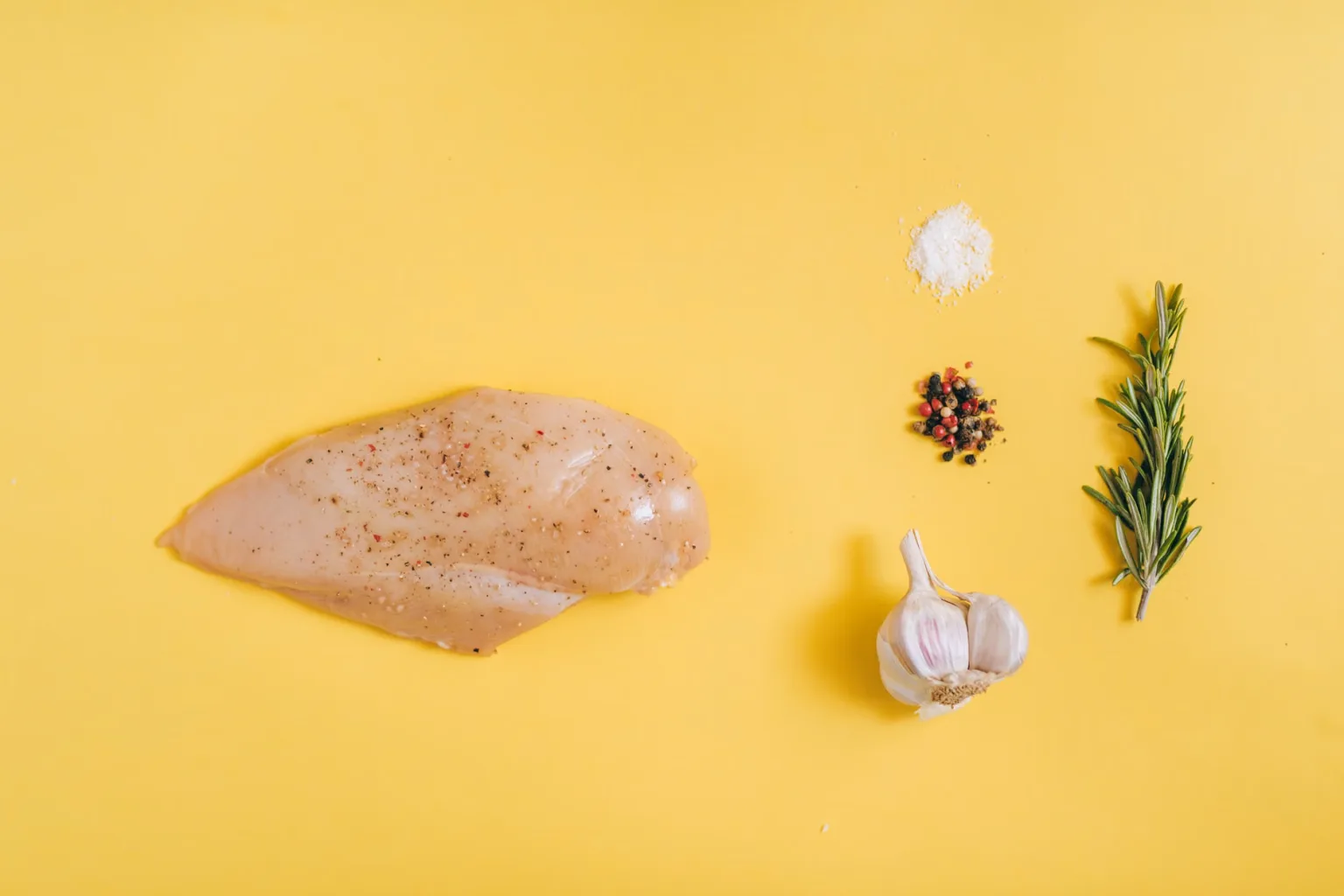
Boneless chicken is chicken meat with the bones removed. It may be sold as breast, thigh, or another boneless cut, so its flavor, texture, and cooking needs vary with the cut and thickness. Breast is generally leaner and mild in flavor, while thigh meat tends to taste richer. The meat may be skin-on or skinless, so check the package if that matters to your dish. Removing the bones makes it convenient to portion, cut into pieces, and serve without diners having to work around bones. Because “boneless chicken” covers more than one cut, recipes may need adjustment rather than relying on a single cooking time.
When to use it
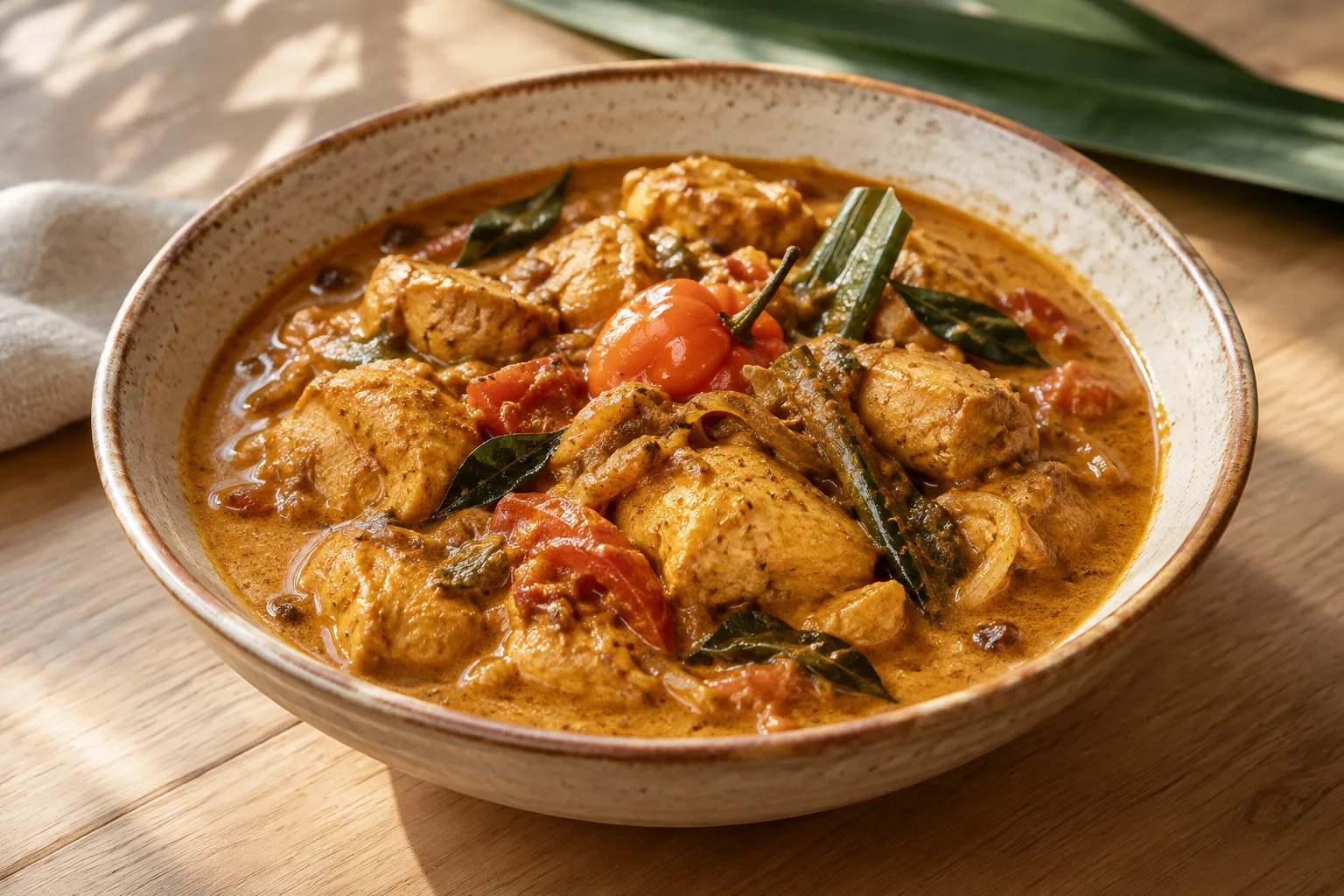
Choose boneless chicken when you want portions that are easy to cut and serve, or when a recipe calls for meat cooked in pieces. Breast works well in stir-fries, pan-cooked dishes, salads, and meals with rice; thigh can be a flavorful choice for braises and slow-cooked dishes. You can also cook the meat and shred it for tacos, soups, or sandwiches. The cut and thickness affect the result, so match the cooking method to the piece and check that it is thoroughly cooked.
How to use it
Keep raw chicken separate from other foods and do not wash it, since splashes can spread bacteria. Season or marinate it if desired, then pan-sear, sauté, grill, roast, or braise it. For stir-fries and quick meals, cut the meat into similar-sized pieces so they cook more evenly; for stews, keep pieces larger if preferred. Use a food thermometer to check that the thickest part reaches at least 165°F (74°C). Wash your hands and clean utensils and surfaces after handling raw chicken. Once cooked, the meat can be shredded for soups, tacos, or sandwiches.
Flavour and texture
Chicken has a mild flavor that works with a wide range of seasonings, sauces, and marinades. Boneless breast is usually lean and fairly uniform in texture; thigh meat tends to be richer and juicier. Skin, if present, changes the exterior texture and browning. Overcooking can make the meat dry, so monitor its internal temperature and choose a method that suits the cut.
How to choose it
Choose a cold, intact, well-sealed package and check the label to see whether it contains breast or thigh, and whether the meat is skin-on or skinless. Boneless chicken can save preparation time, although it may cost more per amount than bone-in pieces. Buy only what you can refrigerate and use soon, or freeze. When shopping, pick up raw chicken near the end and keep it apart from fruit, vegetables, and other ready-to-eat foods.
Storage
Refrigerate raw chicken and use it within one to two days. Keep cooked chicken refrigerated and use it within three to four days. For best quality, raw chicken can be frozen for nine to twelve months; separate portions, pack them in a freezer-safe container, and label them with the name and date. Thaw it in the refrigerator, using a container to catch drips. If thawing in cold water or a microwave, cook it immediately.
Substitutions
Boneless thigh can replace breast, but the cut and thickness can change texture and cooking needs. Ground chicken works in dishes that call for minced meat, not whole pieces. Precooked chicken can be convenient in recipes that allow already-cooked meat; heat it thoroughly as part of the dish. These options do not exactly reproduce the shape and texture of an intact boneless cut.
Common mistakes
Do not wash raw chicken: splashing water can spread bacteria around the kitchen. Do not judge doneness by exterior color or recipe time alone; check the thickest part with a thermometer. Keep raw meat away from ready-to-eat foods, and clean hands, utensils, and surfaces after handling it. Cooking it too long can dry it out.
Safety and allergens
Keep raw chicken separate from other foods and refrigerate it promptly. Do not wash it. Wash hands, utensils, and surfaces after handling raw chicken. Thaw it in the refrigerator; if using cold water or a microwave to speed thawing, cook it immediately. Cook chicken until the thickest part reaches at least 165°F (74°C), checking with a food thermometer. Refrigerate cooked chicken within two hours of purchase or preparation.
Culinary uses
- As a boneless main-course protein
- As a quick-cooking addition to soups, stir-fries, salads, grain bowls, tacos and sandwiches
Recommended techniques
- Pan-searing or sautéing
- Braising or stewing
- Grilling
- Roasting or slow-cooking
Pairs well with
- Garlic and lemon or lime
- Rice and carrots
- Chili, cumin and cilantro
Frequently asked questions
Which cuts can be sold as boneless chicken?
Boneless breast and thigh are common examples. Check the label, since cuts can differ in flavor, texture, skin, and thickness.
How can I tell when chicken is cooked?
Check the thickest part with a food thermometer. It should reach at least 165°F (74°C).
Should I rinse raw chicken before cooking?
No. Splashing can spread bacteria to hands, utensils, and kitchen surfaces.
Ingredient allergens
Allergen listThere are no verified associations for these ingredients yet.
Estimated nutrition
- Fat
- 10.7 g
- Saturates
- 2.68 g
- Carbohydrate
- 0 g
- Sugars
- 0 g
- Protein
- 26.8 g
- Salt
- 0.85 g
Sources and review
Automatically researched, cross-checked and validated content. Sources consulted:
- ¿Por qué la muerte es origen de miedos y tabúes? doi.org/10.64628/aao.fccyk3qj3
- Client Challenge doi.org/10.2307/jj.27939689.16
- The Essential Glossary of Cooking Terms for the Culinary Arts - Escoffier www.escoffier.edu/blog/culinary-arts/the-essential-glossary-of-cooking-terms-for-the-culinar…
- Sopa - Wikipedia, la enciclopedia libre es.wikipedia.org/wiki/Sopa
- 8 usos del pollo en la cocina que no conocías www.cashfresh.es/8-usos-del-pollo-en-la-cocina-que-no-conocias/
- Todo lo que debes saber sobre la carne de pollo - Estudia Hostelería estudiahosteleria.com/blog/cocina/todo-lo-que-debes-saber-sobre-la-carne-de-pollo/
- Pollo - Marzo 2025 | OSU Extension Service extension.oregonstate.edu/node/246591
- El “lujo culinario”: elites, cocina y poder en el espacio Atlántico | OpenAlex openalex.org/W4408399161
- ¿Qué partes del pollo son comestibles? - Tirso de Molina mercadotirsodemolina.es/partes-del-pollo/
- Maqueta nº 10.2 aesan.gob.es/dam/jcr:1538b6eb-680f-44b8-bbc5-b08d810b00dc/comite_cientifico_10.pdf
- Comité Científico aesan.gob.es/dam/jcr:a7c4e553-46f5-4def-9ede-b6d1e19b3948/comite_cientifico_42.pdf
- Slow-Cook Chicken/Pollo-en Olla de Fuego Lento (LCH) | CSU Northridge w2.csun.edu/wic/lets-cook-healthy/recipes/main-dishes/slow-cook-chickenpollo-en-olla-de-fueg…
- pechugas de pollo Archives | Dinner Tonight dinnertonight.tamu.edu/ingredient/pechugas-de-pollo/
- Pollo asado sin piel: la técnica para que quede jugoso elspollos.com/pollo-asado-sin-piel/