- Category
- Fruit
- State
- Fresh
- Usual unit
- g
What it is
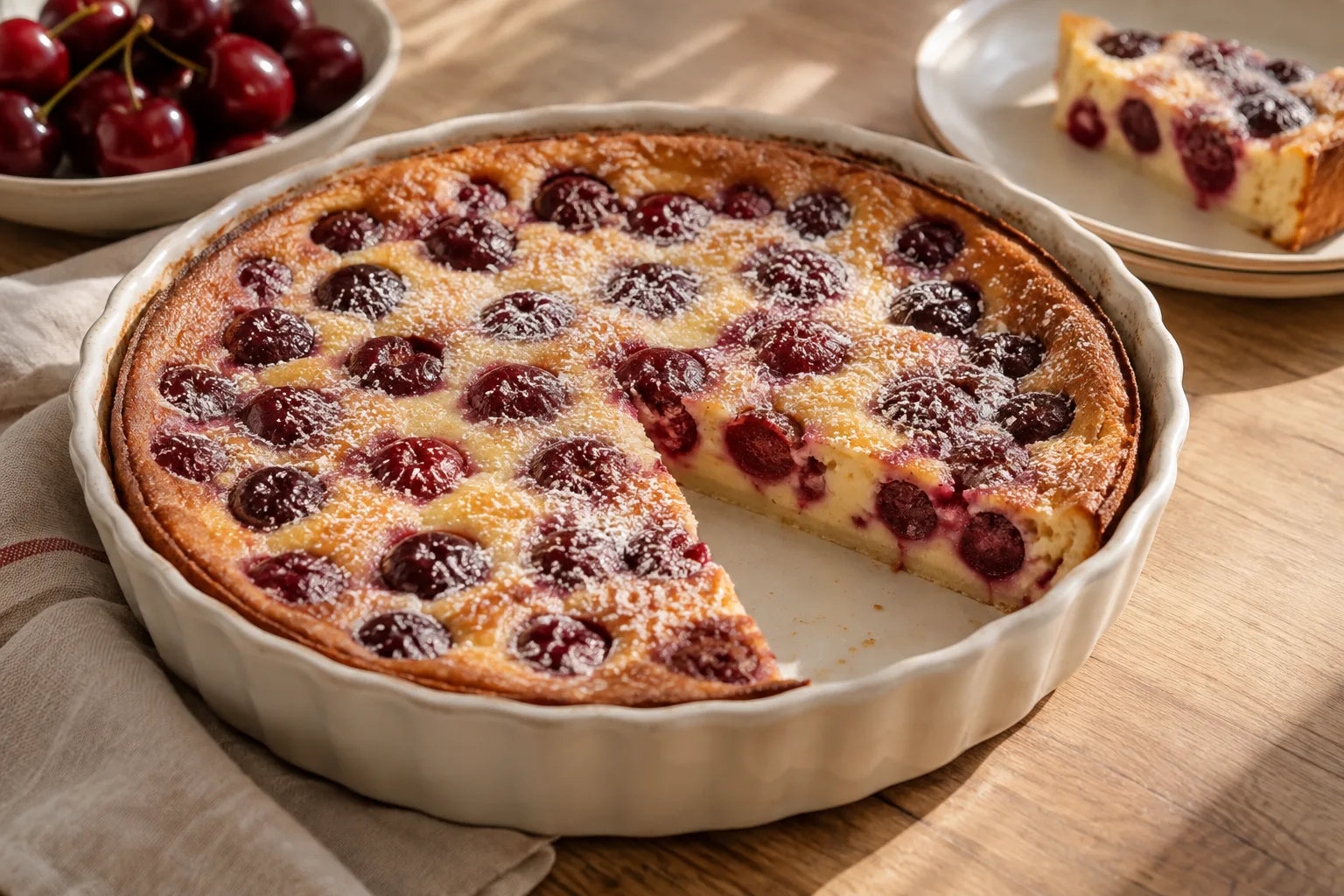
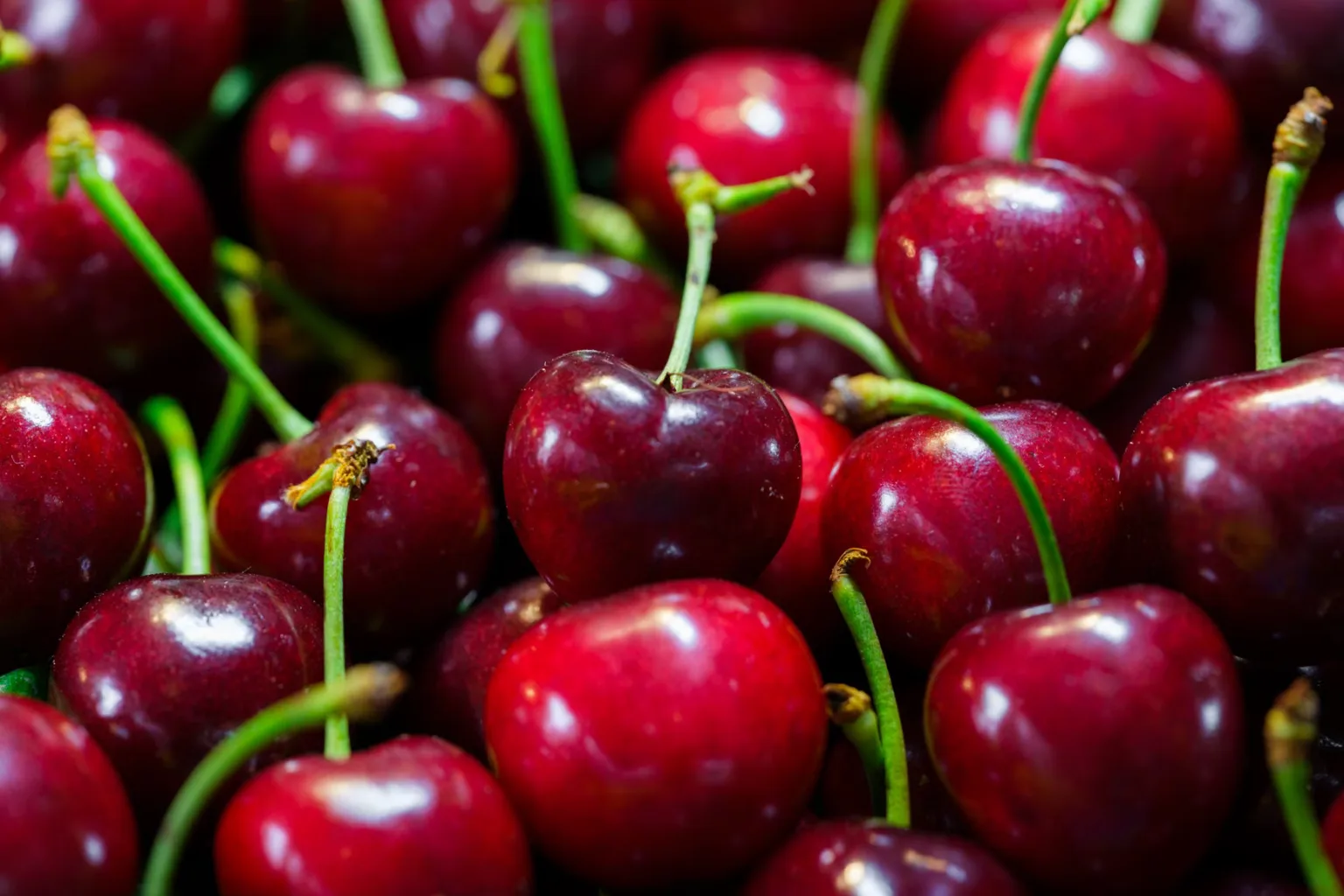
A cherry is a round, fleshy fruit that grows on a cherry tree. Depending on the variety, its flavor can be sweet, tart, or somewhere between the two, and its skin can range from light to deep red. Sweet and tart cherries suit different tastes and recipes, so tasting one before cooking can help guide seasoning. Cherries can be served whole or cut, and they can be pitted when a recipe calls for it. Use them fresh in fruit or vegetable salads, bake them into cakes and pies, or cook them into sauces. They can also be frozen for later use. Once thawed, frozen cherries may be softer, particularly when they were frozen without sugar.
When to use it
Choose sweet cherries when you want fruit to eat fresh or a sweet addition to a salad or dessert. Tart cherries work well when their sharper flavor suits a cooked dish, such as a sauce, filling, or preserve. Varieties differ, so taste the fruit and adjust the sweetness of the recipe rather than assuming every cherry tastes the same. Serve firm, sound cherries fresh or cut them for a dish. If you will not use them soon, freezing is one way to keep cherries for later cooking and baking.
How to use it
Rinse cherries under cold running water, moving them gently so the water reaches the whole fruit; do not soak them. Remove the stems and pit the cherries if the recipe calls for it. Halve them for fruit salads, or add them to salads with vegetables, mint, and nuts. Use cherries in pies and cakes, or serve them with chocolate or ice cream. You can also cook them into a sauce to accompany meat or fatty fish. To freeze, start with sound fruit and follow a tested freezing method; cherries may be frozen with or without sugar. Thawed cherries can be softer, so they are often a good fit for cooked dishes.
Flavour and texture
Cherry flavor ranges from sweet to tart, with some varieties offering a balance of both. The flesh is juicy and fleshy, while sound fresh cherries should feel firm and may have crisp skin when bitten. Cooking brings their sweetness and acidity into sauces, fillings, and desserts. Freezing and thawing can soften the fruit, making thawed cherries especially useful in cooked preparations.
How to choose it
Look for firm cherries with deep, even color and smooth, glossy skin. Avoid fruit with signs of decay or mold. Overripe cherries may look dull and have dry stems. Since varieties differ in sweetness and tartness, choose with the intended dish in mind and taste a cherry before adjusting a recipe. If you plan to freeze them, select sound fruit before preparing it.
Storage
Use cherries while they are firm and sound, and keep damaged fruit separate from fruit in good condition. Freezing is an option for keeping cherries for later; depending on the method, they can be frozen with or without sugar and with or without pits. Their texture may be softer after thawing. For safe, good-quality results, follow tested directions for freezing or home canning rather than improvising a preservation process.
Substitutions
Sweet and tart cherries can replace one another in some dishes, but they do not taste the same. If sweet cherries stand in for tart ones, taste and adjust the recipe's sweetness. If tart cherries replace sweet ones, the dish may need added sweetness. For home-preserved cherries, use a tested recipe appropriate to the fruit rather than adjusting preservation instructions on your own.
Common mistakes
Do not assume all cherries have the same sweetness; taste the fruit and adjust the recipe. Avoid dull, overripe, damaged, or moldy cherries. Soaking is not needed for washing: rinse under running water instead. Remember that frozen cherries may soften after thawing, and use tested directions when preserving fruit at home.
Safety and allergens
Wash cherries under running water before eating or preparing them, and discard fruit with mold or signs of decay. Do not soak cherries to wash them. For freezing or home canning, use tested cherry-preservation directions and do not improvise processing steps.
Culinary uses
- Fruta para comer fresca
- Ingrediente para postres, ensaladas y salsas
Recommended techniques
- Comer enteras o cortadas en mitades
- Deshuesar para cocinar, congelar o conservar
- Hornear en tartas y pasteles
- Congelar siguiendo un método probado
Pairs well with
- Chocolate y helado
- Menta y frutos secos
- Verduras para ensaladas
- Cerdo, pollo y pescados grasos
Frequently asked questions
How do I choose fresh cherries?
Choose firm fruit with deep, even color and smooth, glossy skin. Avoid cherries that are dull, damaged, moldy, or showing signs of decay.
Can sweet and tart cherries be used the same way?
Both can be used in cooking, but their flavors differ. Sweet cherries are enjoyable fresh, while tart cherries can add contrast to cooked dishes. Adjust sweetness to suit the fruit.
Can cherries be frozen?
Yes. Cherries can be frozen with or without sugar and with or without pits, using a tested method. They may be softer after thawing.
Ingredient allergens
Allergen listThere are no verified associations for these ingredients yet.
Estimated nutrition
- Fat
- 0 g
- Saturates
- 0 g
- Carbohydrate
- 80 g
- Sugars
- 55 g
- Fibre
- 5 g
- Protein
- 2.5 g
- Salt
- 0.06 g
Sources and review
Automatically researched, cross-checked and validated content. Sources consulted:
- Client Challenge doi.org/10.2307/jj.27939689.16
- Vinagre - Wikipedia, la enciclopedia libre es.wikipedia.org/wiki/Vinagre
- revista del - Comité Científico www.aesan.gob.es/dam/jcr:c6a76f54-0d6e-43b4-ad26-ac603ba37960/comite_cientifico_38.pdf
- Cerezas y guindas www.directoalpaladar.com/cultura-gastronomica/cerezas-y-guindas
- Cerezas (Spanish) - National Center for Home Food Preservation nchfp.uga.edu/how/can/canning-fruits-and-fruit-products/cerezas-spanish/
- Vamos a Conservar Alimentos: Cerezas extension.psu.edu/vamos-a-conservar-alimentos-cerezas/
- Preserve Smart apps.chhs.colostate.edu/preservesmart/produce/freezing/cherries/
- AnswerLine • Iowa State University Extension and Outreach blogs.extension.iastate.edu/answerline/category/food-preservation/page/7/
- Auguste Escoffier's Classic Dessert: Cherries Jubilee www.escoffier.edu/blog/recipes/auguste-escoffiers-classic-dessert-cherries-jubilee/
- Cerezas, frutas dulces y glamurosas | Recetas Nestlé www.recetasnestlecam.com/escuela-de-sabor/ingredientes/cerezas
- Endulza y decora tus platos con las cerezas | Recetas Nestlé www.recetasnestle.com.ve/escuela-sabor/ingredientes/decora-con-cerezas
- Cerezas, la guinda del verano www.afuegolento.com/articulo/cerezas-guinda-verano/850/
- Cerezas al marrasquino y maridaje de vinos: todas las claves www.lazayafruits.com/es/blog-de-frutas-en-conserva/las-cerezas-al-marrasquino-y-el-maridaje-…