- Category
- Meat
- State
- Fresh
- Usual unit
- piece
What it is
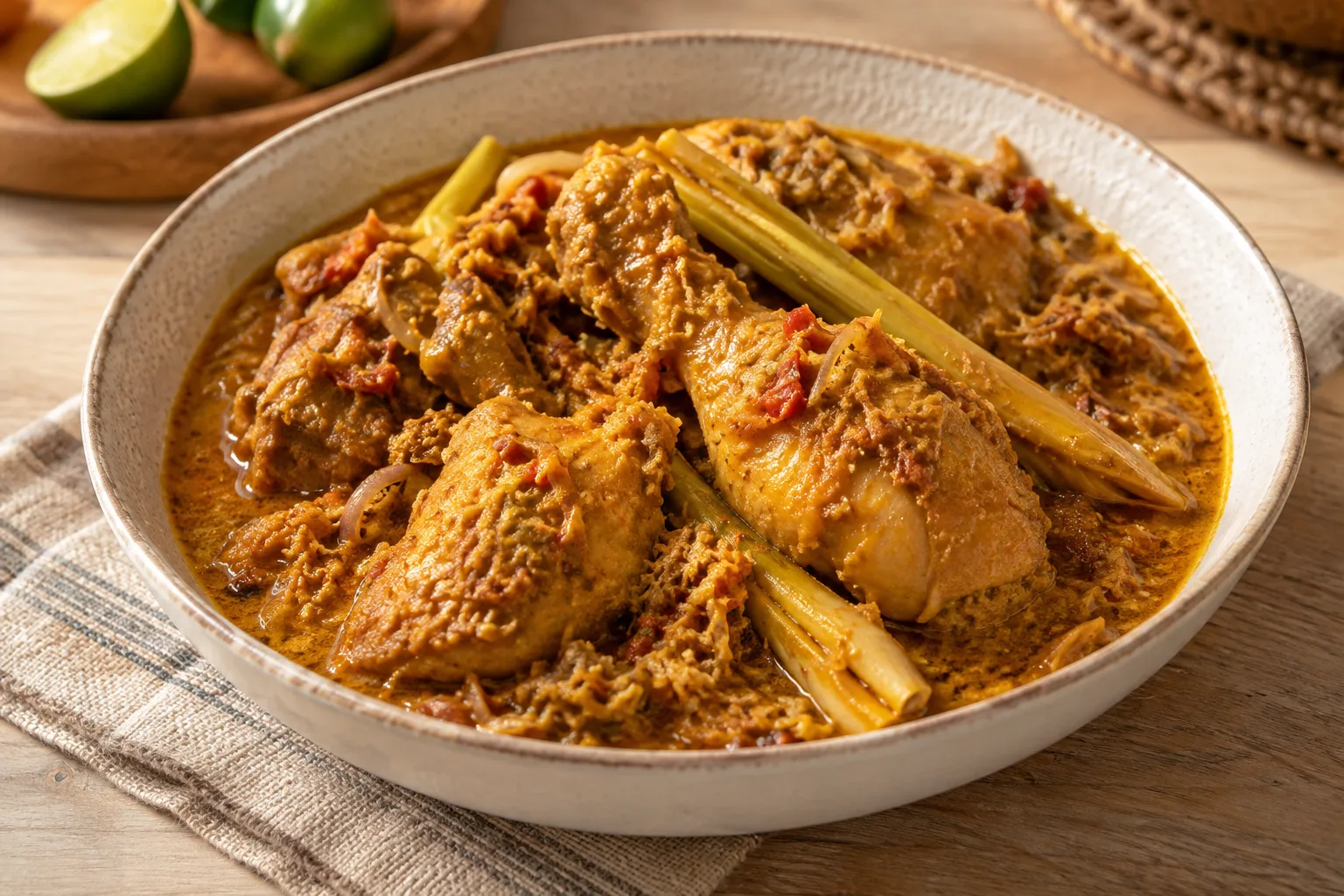
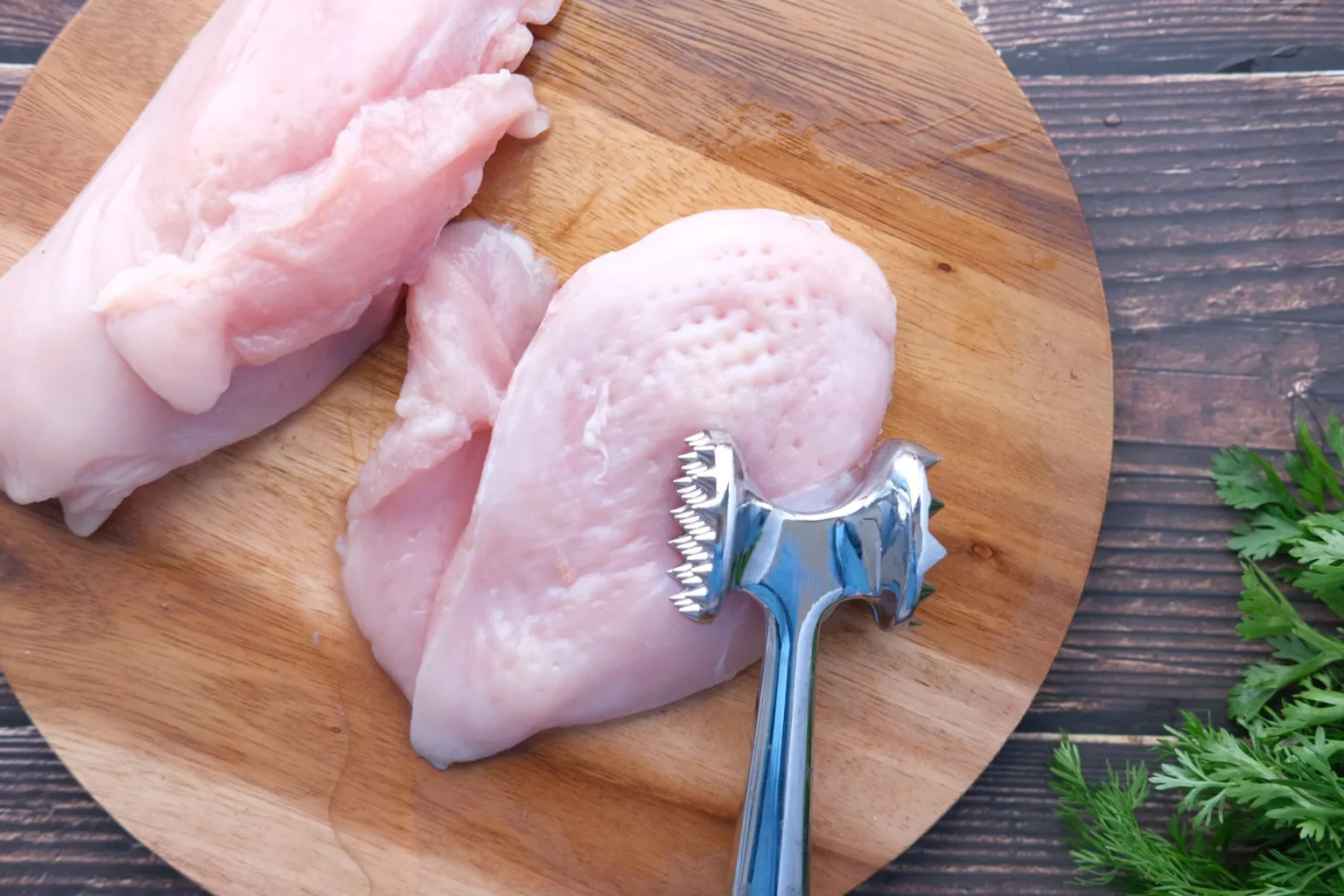
Chicken cut into pieces is fresh chicken meat divided into portions, which may include different cuts with or without bone. The name alone does not identify which parts are included: the package or product description may specify breast, thigh, wings or other pieces. Size also varies, affecting how each portion cooks. It is sold raw and must be fully cooked before eating. Its mild flavor works with vegetables, herbs, spices, stock and many side dishes. For even cooking, choose similarly sized pieces or check each piece individually, especially when bone-in and boneless cuts are mixed.
When to use it
Choose chicken pieces when you want individual portions or a dish in which the meat cooks with vegetables, sauce or stock. Pieces work well in braises, stir-fries, soups, oven dishes and skewers when boneless. Bone-in pieces can be convenient for longer cooking, while small boneless pieces suit quick stir-fries, but the specific cut determines the result. For more even cooking, choose pieces of similar size. Follow package directions where provided and keep the chicken refrigerated until you are ready to cook it.
How to use it
Keep raw chicken separate from ready-to-eat foods and other ingredients, and wash your hands after handling it. Do not rinse raw chicken: splashes can spread bacteria. Use a clean cutting board and utensils, and clean and sanitize surfaces that have contacted the meat or its juices. Season the pieces shortly before cooking, or marinate them in the refrigerator. Brown them in a pan and finish in a sauce, roast or bake them, stir-fry small pieces, or add them to a soup or braise. Avoid crowding the pan so the pieces cook more evenly. Cook every piece thoroughly; the reliable check is to measure the thickest part, without touching bone, and reach 165°F (74°C). Do not reuse marinade that has contacted raw chicken unless it is boiled before serving.
Flavour and texture
Chicken generally has a mild flavor that takes well to different seasonings. Texture varies by cut: breast is relatively lean, while thigh pieces are often juicier. Bone, skin, piece size and cooking method also affect the result. Longer cooking in liquid can soften cuts suited to braising; stir-frying calls for small pieces cooked through without drying them out. If a package contains mixed cuts, they may not all finish cooking at the same time.
How to choose it
Choose a cold, intact package without leaks, and check the product information and date. The meat should be kept refrigerated at the store. Avoid torn packs or packages with juices that could drip onto other foods. Because “chicken pieces” does not always specify the cut, check whether the pieces include bone or skin and whether their sizes differ; choose according to your recipe. Pick up raw meat with other perishables near the end of shopping and transport it so its juices cannot touch ready-to-eat foods.
Storage
Refrigerate raw chicken promptly after you get home. Keep it sealed in the coldest part of the refrigerator, separate from cooked and ready-to-eat foods. If you will not cook it within one or two days, freeze it. Use airtight packaging and practical portions for freezing, and follow the package directions. Thaw it in the refrigerator, not on the counter. Clean hands, utensils and surfaces that have touched raw chicken or its juices. If you are unsure that it has stayed cold or the package leaks, follow local food-safety guidance.
Substitutions
To keep a recipe chicken-based, you can use a different chicken cut, such as boneless breast or thigh cut into pieces, but adjust the size and check doneness. Bone-in cuts may need different handling from small boneless pieces. There is no single substitute that suits every recipe: flavor, texture and cooking time can change. If a recipe depends on a specific cut, choose a similar chicken piece rather than switching without adjusting the method.
Common mistakes
Do not assume every piece has the same cut, size or cooking time. Avoid rinsing raw chicken, leaving it at room temperature, or letting its juices touch ready-to-eat foods. Do not rely on color alone to judge doneness: check the thickest part of the pieces with a food thermometer. Do not use the same board or knife for cooked food unless it has first been washed and sanitized. Keep raw chicken refrigerated until cooking.
Safety and allergens
Keep raw chicken refrigerated and separate from other foods. Do not rinse it; avoid splashes and wash hands, utensils and surfaces after handling. Cook it to 165°F (74°C) in the thickest part of each piece, without touching bone. Refrigerate leftovers promptly and follow package storage directions.
Culinary uses
- Pieza principal en platos al horno, a la sartén y guisados
- Ingrediente para sopas, caldos y preparaciones con pollo desmenuzado
Recommended techniques
- Asar u hornear
- Dorar y guisar
- Saltear
- Cocer en líquido
Pairs well with
- Verduras y hierbas aromáticas
- Arroz, pasta o patatas
- Caldo, tomate o salsas especiadas
Frequently asked questions
Should I wash chicken before cooking it?
No. Rinsing raw chicken can spread bacteria through splashes. Handle it carefully, then clean your hands, utensils and surfaces.
How can I tell when the pieces are cooked?
Use a food thermometer in the thickest part of each piece, without touching bone. It should read 165°F (74°C).
How long can raw chicken stay in the refrigerator?
The handling guidance cited recommends using or freezing fresh chicken within one or two days. Keep it refrigerated and follow the package directions as well.
Ingredient allergens
Allergen listThere are no verified associations for these ingredients yet.
Sources and review
Automatically researched, cross-checked and validated content. Sources consulted:
- Romanica Olomucensia : «¿Qué pinga es esto?». Usos disfemísticos en el español de Cuba doi.org/10.5507/ro.2021.007
- 8 usos del pollo en la cocina que no conocías www.cashfresh.es/8-usos-del-pollo-en-la-cocina-que-no-conocias/
- Carne de pollo - Wikipedia, la enciclopedia libre es.wikipedia.org/wiki/Carne_de_pollo
- Kitchen Companion: Your Safe Food Handbook ucanr.edu/sites/default/files/2020-09/336322.pdf
- USDA FoodData Central libguides.marist.edu/fdc
- Todo lo que debes saber sobre la carne de pollo - Estudia Hostelería estudiahosteleria.com/blog/cocina/todo-lo-que-debes-saber-sobre-la-carne-de-pollo/
- Distintas formas de hacer pollo ¡No al aburrimiento! www.bofrost.es/es/blogpage-distintasformasdehacerpollonoalaburrimiento.html
- Food Storage Guide Answers the Question . . . | NDSU Agriculture www.ndsu.edu/agriculture/extension/publications/food-storage-guide-answers-question
- Comité Científico aesan.gob.es/dam/jcr:a7c4e553-46f5-4def-9ede-b6d1e19b3948/comite_cientifico_42.pdf
- Safe Handling of Poultry | Home & Garden Information Center hgic.clemson.edu/factsheet/safe-handling-of-poultry/
- Bulletin #4068, How to Cut Up a Whole Chicken - Cooperative Extension Publications - University of Maine Cooperative Extension extension.umaine.edu/publications/4068e/
- ▶ Cómo aprovechar todas las partes del pollo en la cocina grupoplanes.com/como-aprovechar-todas-las-partes-del-pollo-en-la-cocina/