- Category
- Meat
- State
- Fresh
- Usual unit
- piece
What it is
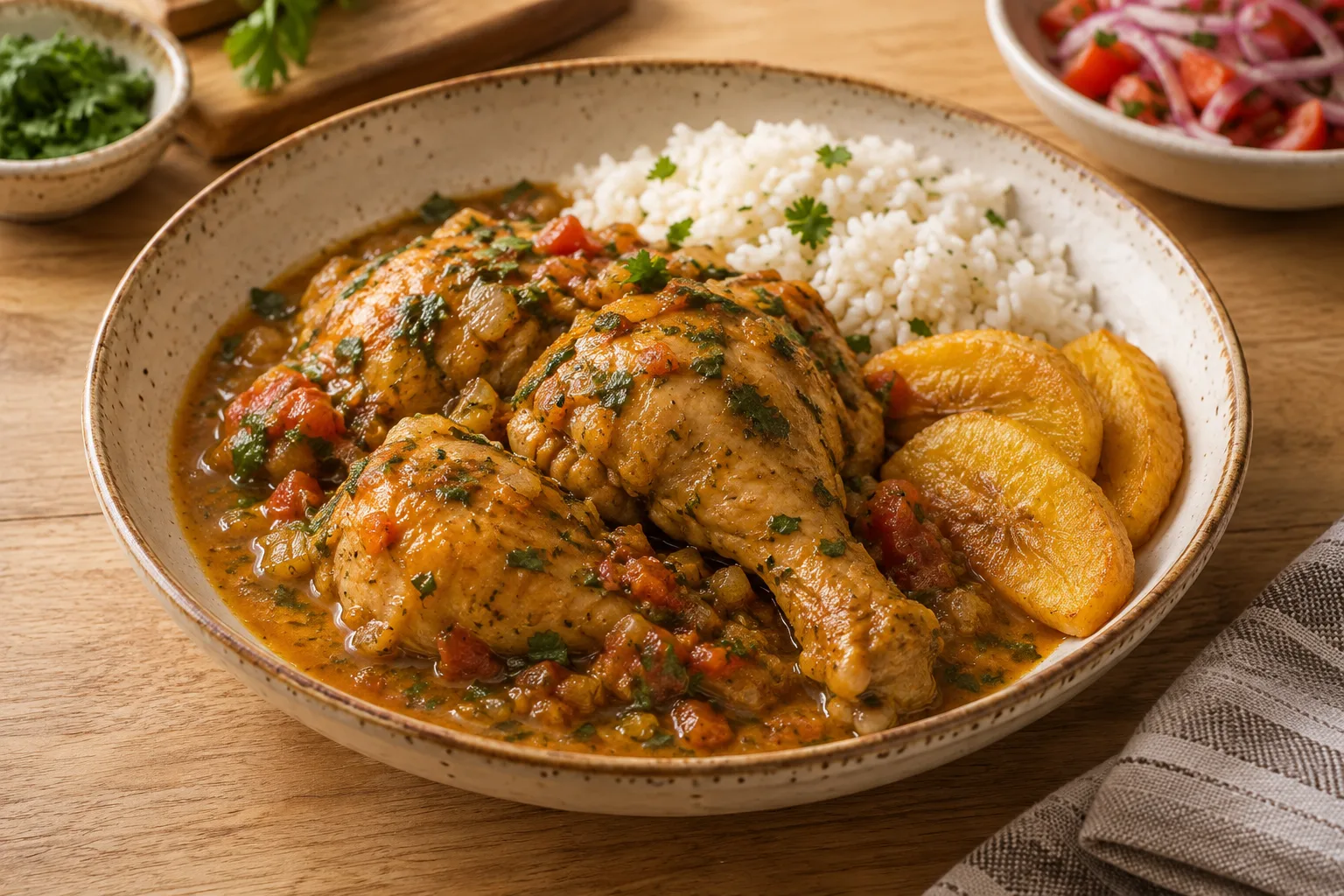
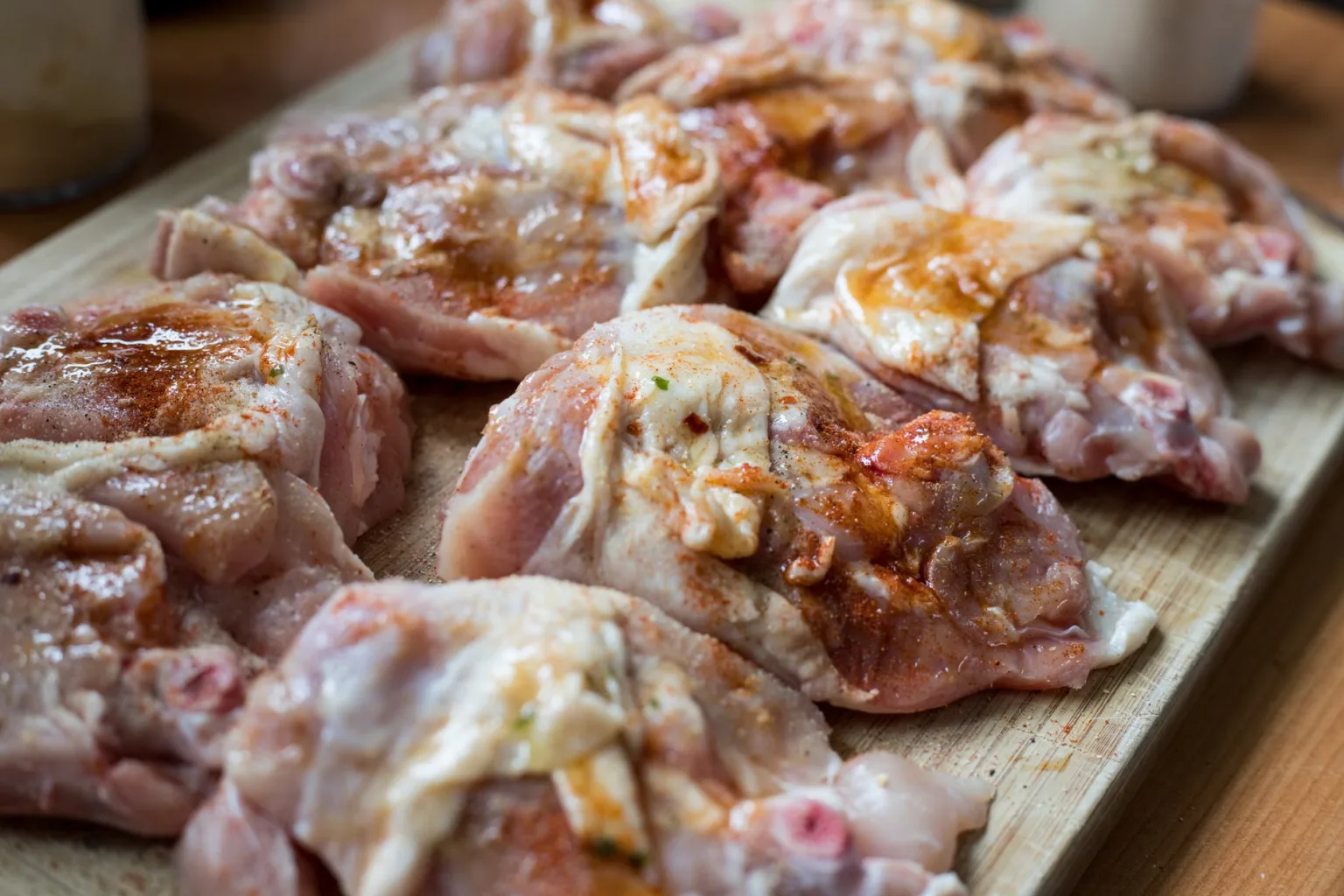
Chicken pieces are portions of chicken that may include breast, thigh, drumstick, or wing. Depending on the cut, they may be bone-in and skin-on or sold boneless and skinless. The term does not describe one uniform cut: pieces differ in size, structure, and texture, and bone-in portions cook differently from boneless ones. Chicken pieces are sold fresh or frozen; this profile covers the fresh product. Their generally mild flavor works with a wide range of seasonings and cooking styles, including roasting, frying, stewing, and simmering in soup. Identify the cuts and compare their sizes before choosing a method so that the pieces cook evenly and safely.
When to use it
Choose chicken pieces for individual portions or recipes that combine several cuts. Bone-in pieces work well in stews, braises, roasts, and soups; boneless pieces can be convenient for quick sautés, skewers, or rice dishes. Wings can be roasted or fried, while bones and trimmings can contribute flavor to broth. Cooking time is not the same for every piece: size, cut, and bones all matter. Check that each piece is safely cooked, particularly near the bone, rather than relying on a single timing estimate for a mixed selection.
How to use it
Identify the cuts before cooking and, where possible, group pieces of similar size. Season with salt, pepper, garlic, herbs, or spices as desired. Brown the pieces and then braise them with onion, tomato, and liquid; roast or bake them; fry them; or simmer them in soup. You can also cook the chicken and shred the meat for rice dishes, salads, sandwiches, or soups. Do not wash raw chicken: splashes can contaminate the sink and nearby surfaces. Wash your hands and clean utensils and work surfaces that have touched raw chicken. Cook each piece until its thickest part reaches 165°F (74°C), and refrigerate leftovers within two hours.
Flavour and texture
Chicken usually has a mild flavor that takes well to herbs, spices, and sauces. Texture varies by cut: breast differs from thigh or drumstick, and bone-in pieces cook differently from boneless ones. Roasting can brown the surface, while stewing or simmering in broth produces a moist, tender preparation. Skin, when left on, can become browned with suitable cooking.
How to choose it
Choose cuts and bone content that suit the recipe, and check the package condition and date. Pieces intended for the same cooking method are easier to cook evenly when they are similar in size. If buying a mixed selection, expect individual cuts to need different cooking. Follow the package storage directions and keep raw chicken separate from ready-to-eat foods during preparation.
Storage
Keep raw chicken refrigerated and follow the package directions and date. Place it where its juices cannot drip onto other foods, and use clean utensils and surfaces. If you will not use it, follow the label's directions for freezing. Refrigerate cooked chicken and leftovers within two hours, in a clean covered container.
Substitutions
Another chicken cut can replace the one specified when the recipe can accommodate differences in size, bones, and texture; check each piece for doneness. Turkey pieces may work in similar preparations, though their flavor and cooking behavior are not identical. If a recipe calls for cooked chicken, cooked shredded chicken can stand in for whole pieces.
Common mistakes
Do not treat every cut as interchangeable: size and bones affect cooking. Avoid washing raw chicken, since splashes can spread contamination around the kitchen. Do not rely only on color or a fixed cooking time; check the thickest part of each piece with a food thermometer.
Safety and allergens
Do not wash raw chicken; splashes can contaminate the sink and surfaces. Wash hands and clean utensils after handling it. Cook each piece to 165°F (74°C) in its thickest part and refrigerate leftovers within two hours.
Culinary uses
- Main ingredient in roasted, braised, fried, grilled, and stewed dishes
- Ingredient for soups, broths, and meals made with shredded cooked chicken
Recommended techniques
- Roasting or baking
- Braising or stewing
- Grilling or frying
- Simmering in soup or broth
Pairs well with
- Rice, potatoes, or other grains
- Onion, garlic, tomatoes, and peppers
- Herbs such as parsley, rosemary, and thyme
- Cabbage, carrots, and other soup vegetables
Frequently asked questions
What does “chicken pieces” mean?
It means portions from different chicken cuts, which may be sold bone-in or boneless and with or without skin.
Can I cook different cuts in the same recipe?
Yes, but size and bones affect cooking. Check each piece and cook its thickest part to 165°F (74°C).
Should I rinse raw chicken before cooking?
No. Rinsing can splash contamination onto the sink and nearby surfaces. Cook it directly, then clean your hands and utensils.
Ingredient allergens
Allergen listThere are no verified associations for these ingredients yet.
Estimated nutrition
- Fat
- 20.4 g
- Saturates
- 3.57 g
- Carbohydrate
- 14.9 g
- Sugars
- 0.08 g
- Fibre
- 0.9 g
- Protein
- 15.9 g
- Salt
- 1.48 g
Sources and review
Automatically researched, cross-checked and validated content. Sources consulted:
- Romanica Olomucensia : «¿Qué pinga es esto?». Usos disfemísticos en el español de Cuba doi.org/10.5507/ro.2021.007
- 8 usos del pollo en la cocina que no conocías www.cashfresh.es/8-usos-del-pollo-en-la-cocina-que-no-conocias/
- Carne de pollo - Wikipedia, la enciclopedia libre es.wikipedia.org/wiki/Carne_de_pollo
- Cookbooks & History: Pollo guisado al gusto del país | Gastronomy Blog sites.bu.edu/gastronomyblog/2017/11/01/cookbooks-history-pollo-guisado-al-gusto-del-pais/
- Todo lo que debes saber sobre la carne de pollo - Estudia Hostelería estudiahosteleria.com/blog/cocina/todo-lo-que-debes-saber-sobre-la-carne-de-pollo/
- Distintas formas de hacer pollo ¡No al aburrimiento! www.bofrost.es/es/blogpage-distintasformasdehacerpollonoalaburrimiento.html
- Para la ciudadanía www.aesan.gob.es/para-la-ciudadania
- ▶ Cómo aprovechar todas las partes del pollo en la cocina grupoplanes.com/como-aprovechar-todas-las-partes-del-pollo-en-la-cocina/
- Pollo Entero Rostizado | Servicio de Extensión de OSU extension.oregonstate.edu/es/node/245491
- Guatemala’s Creamy Treasure: The Art and Soul of Pollo En Crema Guatemalteco www.news.climate.columbia.edu/guatemalan-cuisine
- Global Cuisine Cooking Lessons: Guelaguetza | Fowler Museum at UCLA fowler.ucla.edu/events/global-cuisine-cooking-lessons-guelaguetza/
- Pollo Guisado by Isaac Chavez | Part 1: A collection of recipes that reflect the life and culture of each Berea College student | OEN Manifold manifold.open.umn.edu/read/part-1/section/cc072c91-9ea0-46a9-9b69-86f457ccd62d
- Caldo de Pollo | Kitsap County | Washington State University extension.wsu.edu/kitsap/health/snap-ed-recipes/caldo-de-pollo/
- Arroz Con Pollo (Chicken with Rice) | Family and Consumer Sciences Extension fcs.mgcafe.uky.edu/NEP-2026-Calendar/Arroz-Con-Pollo