- Category
- Herbs and spices
- State
- Fresh
- Usual unit
- g
What it is
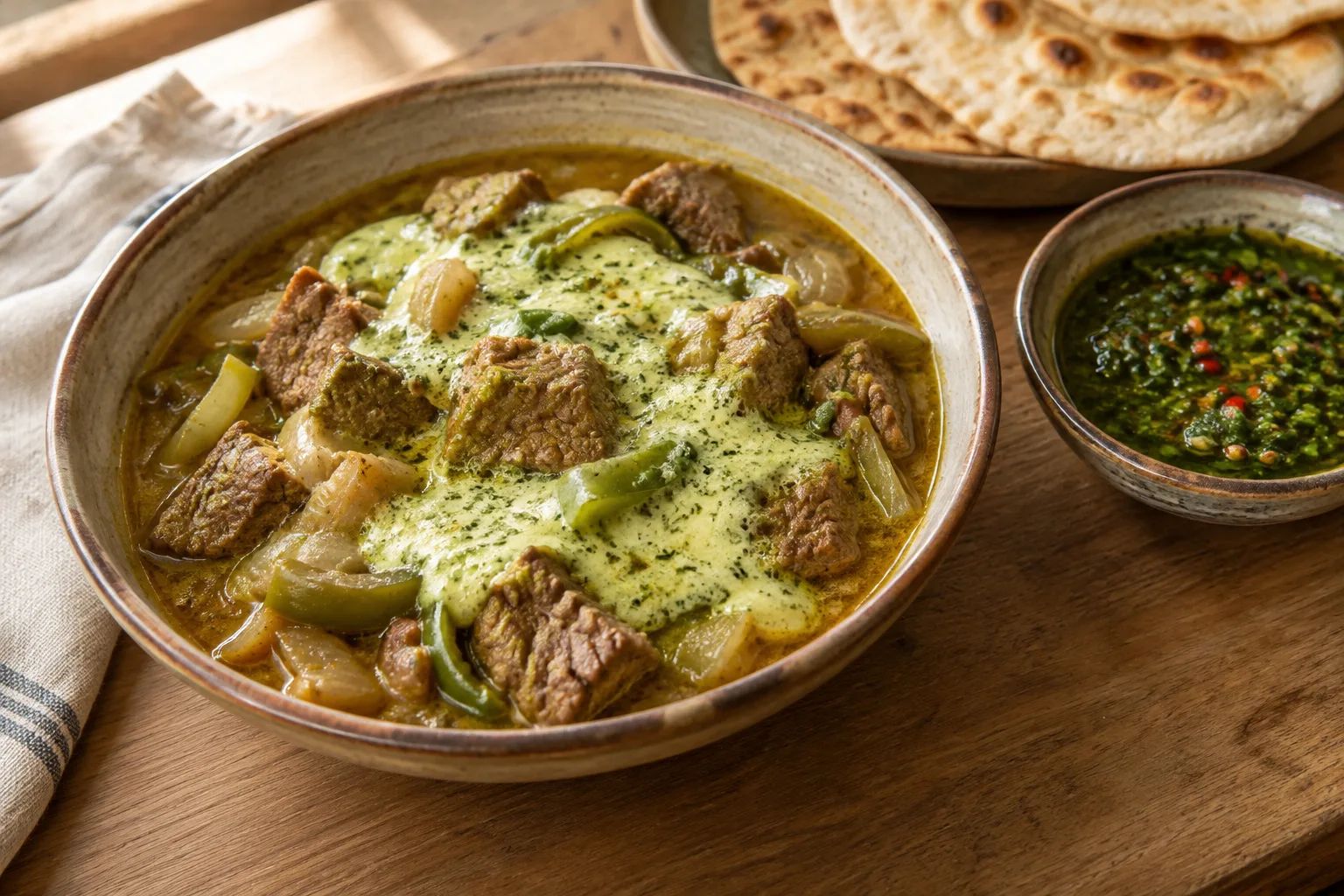
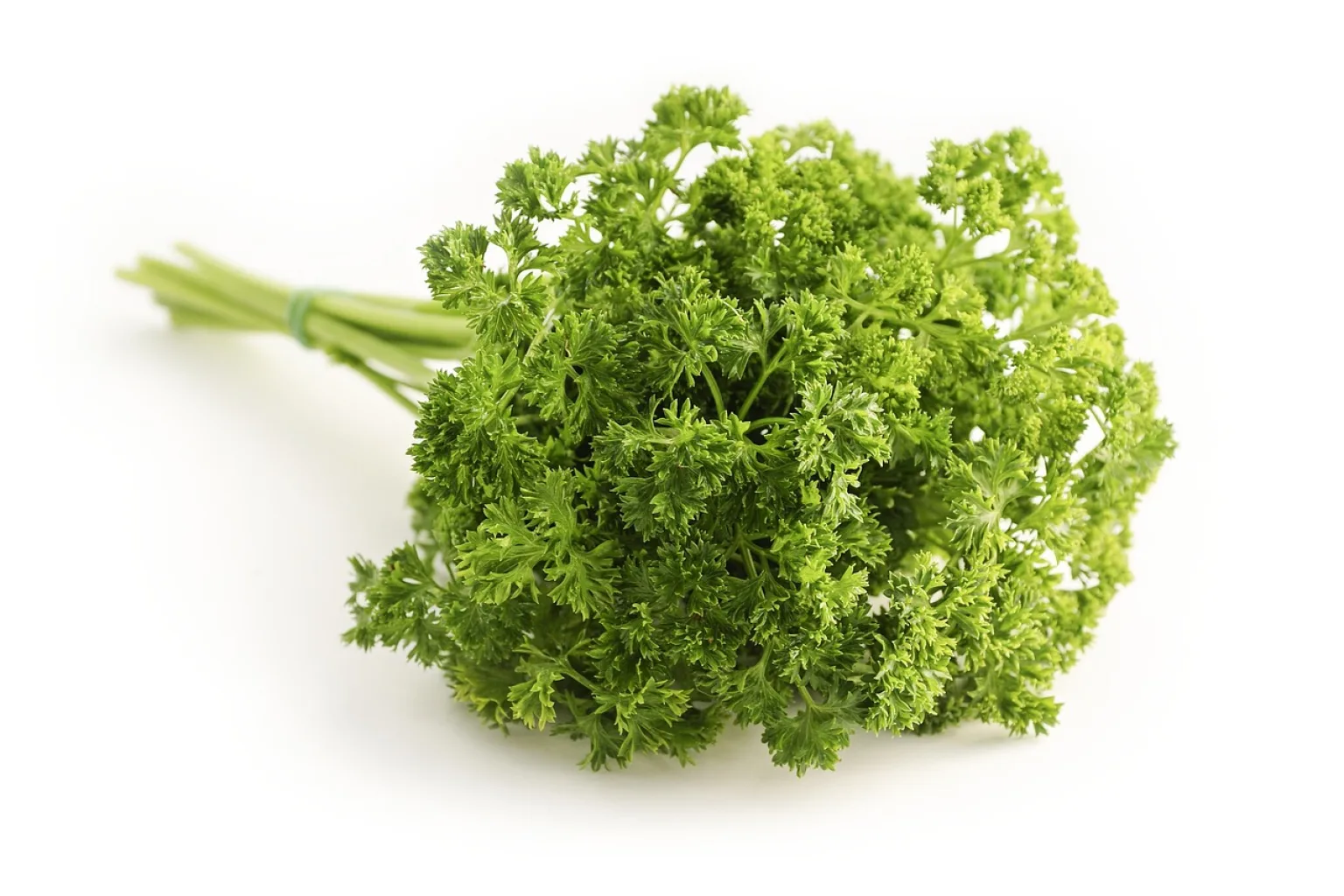
Cilantro and parsley are two fresh leafy herbs in the Apiaceae family. Their leaves may look similar at a glance, but they come from different plants and bring a different character to a dish. Cilantro is Coriandrum sativum, and its leaves are used fresh; parsley is Petroselinum crispum. This profile covers the fresh leaves, not dried coriander seeds or parsley root. The herbs can be used separately or together, chopped as a garnish or added to salads, soups, stews, sandwiches and other preparations. Choose between them based on the herb the dish calls for and the aroma you want, rather than treating their names as interchangeable.
When to use it
Use these herbs when you want a fresh green finish or an aromatic addition to a dish. They work in salads, sandwiches, soups, stews and meat dishes, and can be combined with oil and lemon juice for a simple dressing or sauce. Choose cilantro or parsley according to the character you want: they are distinct herbs even though their appearance can be confusing. If you are unsure which herb diners prefer, serve some chopped leaves on the side so each person can add them to taste. Add a little at a time, especially when a recipe does not specify which herb to use.
How to use it
Remove yellow, wilted or damaged leaves and check the stems. Rinse the herbs with cool water and dry them well before chopping; excess water can make leaves clump and dilute a dressing. Strip leaves from tougher stems if you want a finer texture, then chop them with a clean knife. Toss them into a salad or sandwich, stir them into soups and stews, or scatter them over a finished dish for a fresh-looking garnish. For a simple sauce, combine chopped herbs with oil and lemon juice. Taste as you go and adjust the amount: cilantro and parsley do not have identical flavor profiles.
Flavour and texture
Fresh cilantro is described as citrusy and aromatic; parsley is a different herb, so its flavor should not be assumed to be identical. The leaves provide a green, fresh contrast, and their texture depends on how they are cut: whole or roughly chopped leaves are more noticeable, while finely chopped leaves distribute more evenly through a sauce, salad or garnish. The aroma and character of either herb may stand out more or less depending on the amount used and the dish.
How to choose it
Look for bright, firm leaves without brown spots or yellowing. Avoid bunches that are limp or have sticky, badly damaged or deteriorating leaves. A noticeable aroma is a useful cue when comparing fresh herbs. Check the stems and the base of the bunch, where moisture or debris can collect. Because cilantro and parsley can look alike, check the label and the overall appearance before buying if a particular herb is essential to your recipe.
Storage
To store fresh cilantro or parsley, wrap the cut stems in a damp paper towel and place the bunch in a bag in the refrigerator. The available storage guidance gives up to one week under these conditions; check the leaves before use and remove any that have deteriorated. Avoid allowing moisture to collect at the bottom of the bag. If the herbs are already chopped, keep them covered and use them promptly, since cut leaves deteriorate more readily than an intact bunch.
Substitutions
Cilantro and parsley can replace one another in some garnishes or herb mixtures if you are comfortable with a different result, but they are not identical substitutes. Choose parsley when a visually similar herb is useful but cilantro’s citrusy character is not wanted; choose cilantro when its aroma suits the dish. Start with a smaller amount and taste before adding more. If a recipe depends on the flavor of one specific herb, it is better to use the one named.
Common mistakes
Do not assume cilantro and parsley are the same herb just because their leaves can look alike; they are distinct and can change a dish’s character. Avoid chopping them while they are still wet, since excess water can affect the texture of a salad or sauce. Do not automatically add an entire bunch: chop some, taste and adjust. When storing, remove wilted or damaged leaves instead of leaving them among the usable leaves.
Safety and allergens
Wash your hands and use clean surfaces and utensils when preparing fresh herbs. Rinse leaves with potable water before chopping or serving them raw, then dry them carefully. Discard deteriorated leaves and do not use herbs that show clear signs of spoilage.
Culinary uses
- fresh garnish
- salad and dish seasoning
- mixed-herb condiment
Recommended techniques
- rinse and dry before chopping
- chop finely and add near serving
- mix with oil and lemon juice
Pairs well with
- salads
- soups and stews
- sandwiches
- meat dishes
Frequently asked questions
Are cilantro and parsley the same herb?
No. They are different plants in the Apiaceae family. Their leaves can look alike, but cilantro is described as citrusy and the two should not be assumed to taste the same.
How can I use fresh cilantro and parsley?
Chop them into salads, sandwiches, soups or stews, or use them as a garnish. You can also mix them with oil and lemon juice.
How should I store them in the refrigerator?
Wrap the cut stems in a damp paper towel and put the bunch in a bag in the refrigerator. Check the leaves and remove any that have deteriorated.
Ingredient allergens
Allergen listThere are no verified associations for these ingredients yet.
Estimated nutrition
- Fat
- 26.7 g
- Saturates
- 3.33 g
- Carbohydrate
- 6.67 g
- Sugars
- 0 g
- Fibre
- 0 g
- Protein
- 0 g
- Salt
- 2.5 g
Sources and review
Automatically researched, cross-checked and validated content. Sources consulted:
- Client Challenge doi.org/10.2307/jj.27939689.16
- The Essential Glossary of Cooking Terms for the Culinary Arts - Escoffier www.escoffier.edu/blog/culinary-arts/the-essential-glossary-of-cooking-terms-for-the-culinar…
- Lentils • The Nutrition Source nutritionsource.hsph.harvard.edu/food-features/lentils/
- Sabores de nuestras tierras/recetas - 2024 | Agricultura y Recursos Naturales ucanr.edu/site/agricultura-y-recursos-naturales/sabores-de-nuestras-tierras-recetas-2024
- Vamos a Conservar Alimentos: El secado de las plantas medicinales y aromáticas extension.psu.edu/vamos-a-conservar-alimentos-el-secado-de-las-plantas-medicinales-y-aromati…
- filling gender gaps: determining how traditional knowledge of experts.esf.edu/view/pdfCoverPage?download=true&filePid=1356518480004826&instCode=01SUNY_ESF
- Fresh Herbs | UNL Food | Nebraska food.unl.edu/article/fresh-herbs/
- Sevin RTU Gallon Label v14 picol.cahnrs.wsu.edu/DownloadLabel/67239/WA
- Coriandrum sativum - Wikipedia, la enciclopedia libre es.wikipedia.org/wiki/Coriandrum_sativum
- Análisis y seguimiento agronómico de dos variedades de coriandrum sativum l (cilantro) en el centro de semillas del jardín botánico José Celestino Mutis | OpenAlex openalex.org/W7132767896
- A case study of the impact and usefulness of synchronous ... dr.lib.iastate.edu/bitstreams/d9babbb1-3dd1-4fe9-9edf-63bea7aceb4c/download
- No es lo mismo ni es igual: cilantro y perejil | Secretaría de Agricultura y Desarrollo Rural | Gobierno | gob.mx www.gob.mx/agricultura/es/articulos/no-es-lo-mismo-ni-es-igual-cilantro-y-perejil?tab=