- Category
- Pulses
- State
- Other
- Usual unit
- cup
What it is
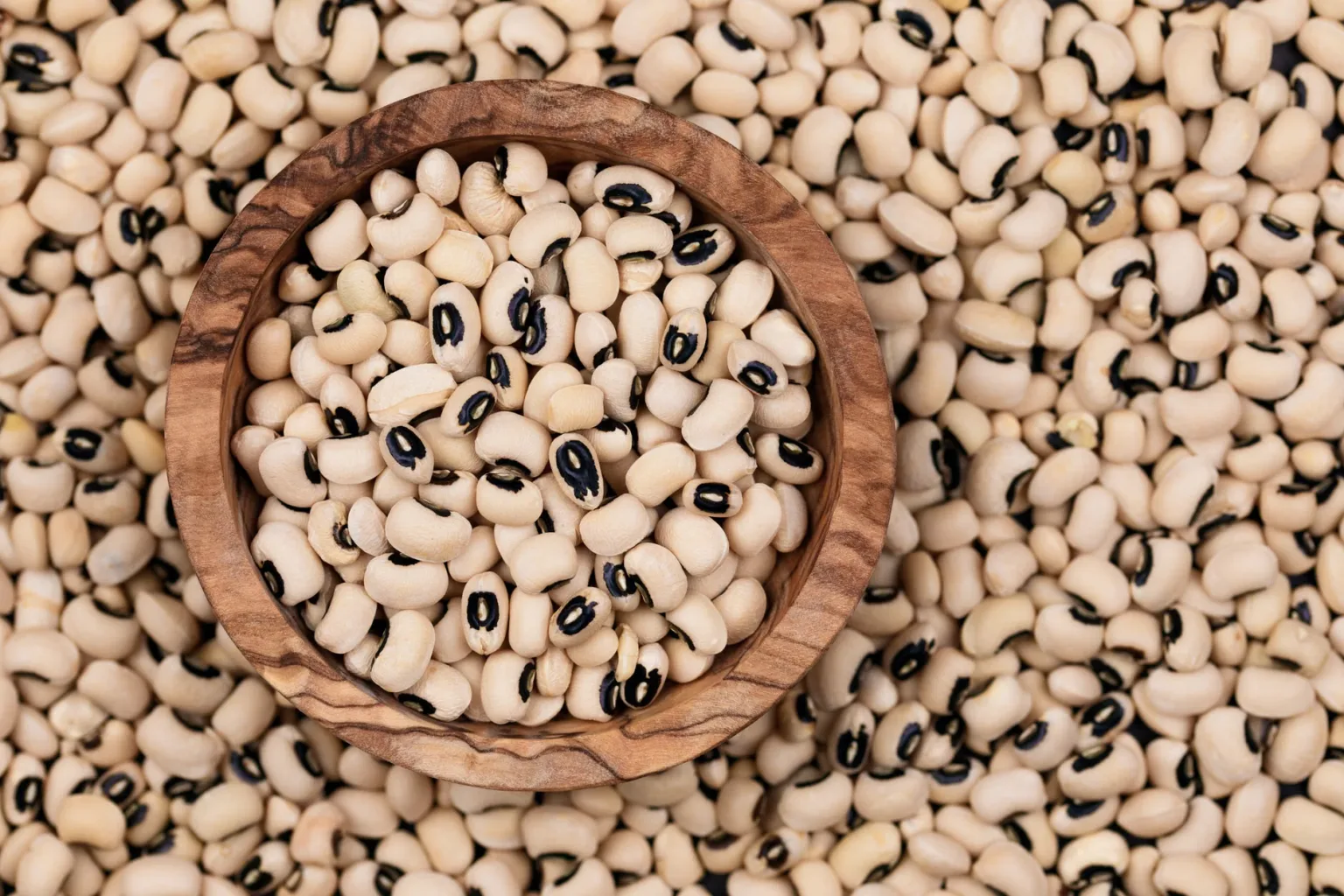
Cooked black-eyed peas are softened seeds of a legume also known as cowpea. They are typically oval with a pale skin and a dark mark that resembles an eye, although the mark's color can vary. Once cooked, they can be added to hot or cold dishes, depending on how they were prepared and stored. Despite the name, they are not green peas; they belong to the legume group. They may be sold cooked in cans or prepared at home, so check whether the product is freshly cooked, frozen or from an opened can when deciding how to use and store it. Their mild flavor and tender texture make them adaptable to many everyday dishes.
When to use it
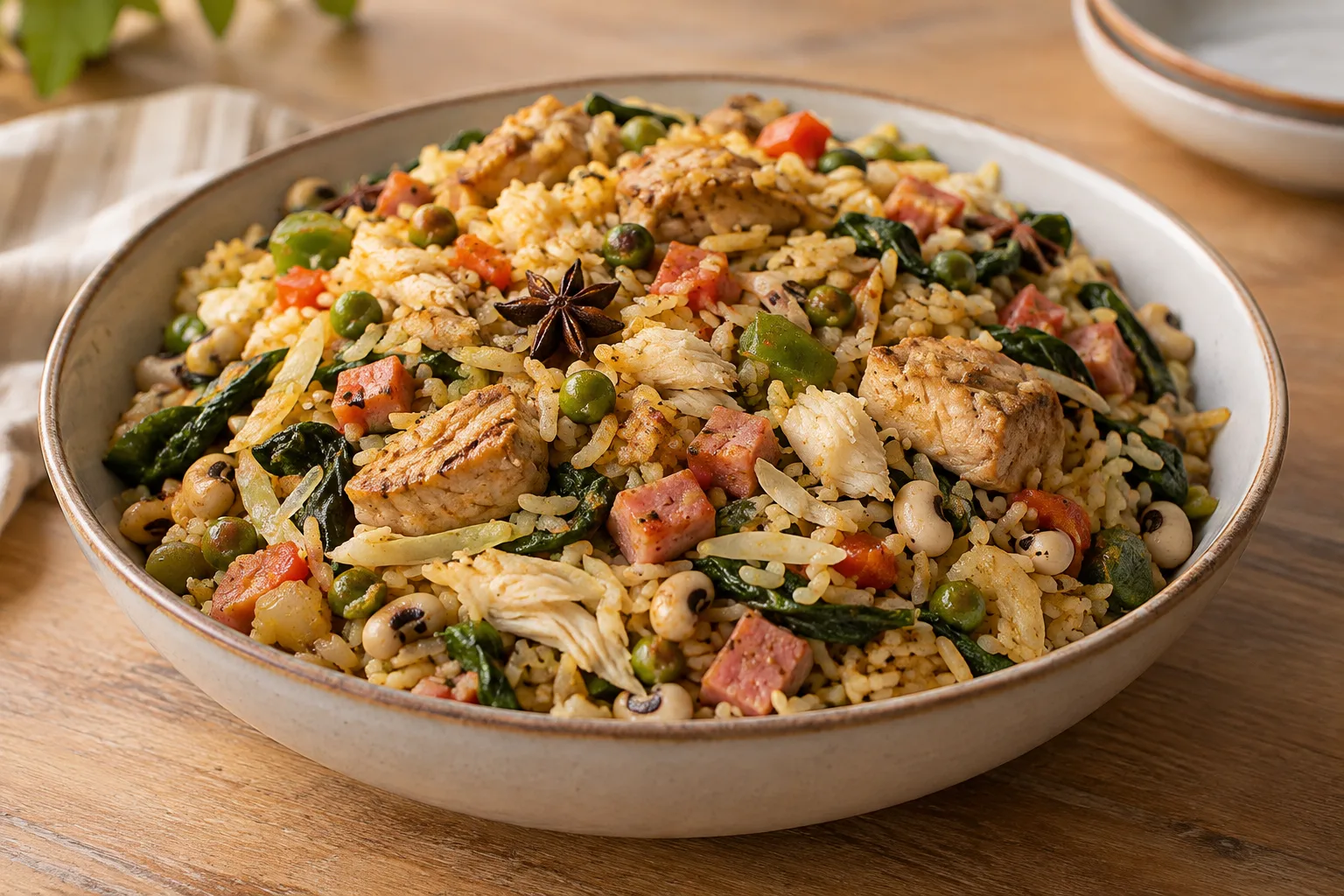
Use them when you want to add an already-cooked legume without starting with dried beans. They work in salads, soups, stews and casseroles, and can be served with rice or vegetables. They are also handy for using up leftovers: add them to a quinoa and leafy-green salad, or mash them to make the base of a dip or spread. If you want the peas to stay whole, fold them in gently and avoid excessive stirring. For a creamy result, mash or purée them to the consistency you prefer. Since they are already cooked, add them late enough to warm through without extended cooking.
How to use it
If the peas come from a can, drain and rinse them before use if you want to remove some of the canning liquid; check the label for ingredients and package directions. Add them to a salad with quinoa or vegetables, mix them into rice, or stir them into soups, stews and casseroles so they warm with the rest of the dish. To make a dip, mash or purée the peas and combine them with seasonings of your choice. If they are already cooked, there is no need to cook them from scratch again: warm them gently in a hot dish and avoid prolonged cooking so they do not break down. Refrigerate leftovers promptly in a covered container. Follow any storage instructions given on the product label.
Flavour and texture
Their flavor is generally mild, with a buttery or slightly nut-like quality. When cooked until tender, they have a creamy texture, but can remain whole in salads or be mashed into a smoother mixture. The exact firmness varies with the degree of cooking and the product, so check the texture before adding them to a recipe. Their restrained flavor pairs readily with vegetables, rice and dressings without overwhelming the other ingredients.
How to choose it
Cooked black-eyed peas are available canned; dried and frozen versions are also sold but require different preparation. For this ingredient, choose a product clearly identified as cooked and read the label to check for added salt, seasonings or other ingredients. Do not use a can that is leaking, bulging or spurts liquid when opened; discard it, then wash your hands and clean any surfaces that contacted it. If the package is intact, store it according to the instructions printed on it.
Storage
Refrigerate cooked peas and opened canned peas in a covered, non-metal container and use within five days. For longer storage, freeze them in a freezer-safe container; six months is the suggested period for best quality. Keep unopened cans in a cool, dry place. Do not store leftovers in an opened can. Follow any product-specific label directions, and discard cans that leak, bulge or spurt when opened.
Substitutions
For salads, soups or rice dishes, cooked white beans can stand in for black-eyed peas; cooked black beans are another option for soups, rice dishes or mashed preparations. The flavor, color and texture will change, so adjust the seasoning and check the consistency. The swap will be less similar in a recipe that depends on the peas keeping their shape or on their distinctive appearance. Choose an equivalent cooked product and follow its storage directions.
Common mistakes
Do not mistake black-eyed peas for green peas or assume every variety of bean is identical: names can be confusing, but black-eyed peas are legumes. Avoid prolonged cooking after adding them to a dish, since they may lose their shape and become too soft. Do not keep leftovers in an opened can or leave the storage container uncovered in the refrigerator. Before using canned peas, check that the can is not leaking or bulging and does not spurt when opened.
Safety and allergens
Keep cooked peas and opened canned peas covered in the refrigerator and use within five days; freezing can preserve their quality for longer. Discard cans that leak, bulge or spurt when opened, and wash your hands and clean surfaces after handling them. Also follow the storage directions on the product label.
Culinary uses
- Legume for salads and cold dishes
- Filling addition to soups, stews and casseroles
- Base for purées and dips
Recommended techniques
- Fold into salads or grain dishes
- Simmer in soups and stews
- Mash or purée for dips and spreads
Pairs well with
- Quinoa and leafy greens
- Rice and vegetables
- Tomatoes, arugula and lemon juice
Frequently asked questions
Are black-eyed peas actually peas?
They are not green peas. Black-eyed peas are legumes, also known as cowpeas, although names vary by region.
How can I serve cooked black-eyed peas?
Add them to salads, soups, stews, casseroles or rice dishes. You can also mash or purée them to make a dip.
How long do cooked or opened canned black-eyed peas keep in the refrigerator?
Keep them covered in a non-metal container and use within five days. You can freeze them for longer storage.
Ingredient allergens
Allergen listThere are no verified associations for these ingredients yet.
Estimated nutrition
- Fat
- 0 g
- Saturates
- 0 g
- Carbohydrate
- 20 g
- Sugars
- 2.86 g
- Fibre
- 5.7 g
- Protein
- 2.86 g
- Salt
- 0.02 g
Sources and review
Automatically researched, cross-checked and validated content. Sources consulted:
- ¿Por qué la muerte es origen de miedos y tabúes? doi.org/10.64628/aao.fccyk3qj3
- ¿Qué son los frijoles? Descubre tipos y variedades-Blog goya.es/blog/que-son-los-frijoles-descubre-sus-tipos-y-variedades
- El “lujo culinario”: elites, cocina y poder en el espacio Atlántico | OpenAlex openalex.org/W4408399161
- - YouTube www.youtube.com/watch?v=d5INubdNX6s
- Qué es un agujero negro estelar y por qué no es peligroso el localizado cerca de la Tierra doi.org/10.64628/aao.tkkhghtg5
- Frijoles de Ojo Negro | Food Hero | boletín foodhero.org/es/magazines/frijoles-de-ojo-negro
- Frijoles Blancos de Ojo Negro | Cook for Your Life www.cookforyourlife.org/es/nuestro-blog-de-cocina/frijoles-blancos-de-ojo-negro/
- Frijoles negros: qué son, cómo cocinarlos y 8 recetas para sacarles todo el partido www.directoalpaladar.com/ingredientes-y-alimentos/frijoles-negros-que-como-cocinarlos-8-rece…
- Frijol negro - Wikipedia, la enciclopedia libre es.wikipedia.org/wiki/Frijol_negro
- Cocinar los frijoles de ojo negro en olla a presión - Recetas deliciosas www.gzrecipes.com/es/azuccherozero/cocinar-los-frijoles-de-ojo-negro-en-olla-a-presion/
- 12 beneficios para la salud de los frijoles de ojo negro y su valor nutricional www.carehospitals.com/es/blog-detail/health-benefits-of-cowpeas/
- Todo sobre los frijoles: una guía para principiantes | HerbaZest www.herbazest.com/es/bienestar/todo-sobre-los-frijoles-una-guia-para-principiantes