- Category
- Fruit
- State
- Fresh
- Usual unit
- g
What it is
Crushed pineapple is pineapple flesh chopped or pressed into small, irregular pieces. It is less uniform than a smooth purée and easier to mix through a recipe than full slices or large chunks. You can make it from fresh pineapple; canned pineapple is also sold in several forms, so check the label and packing liquid when buying it prepared. Fresh fruit contributes juiciness, sweetness, and characteristic acidity, while the small pieces make it easy to distribute through a dish. Pineapple is eaten fresh and is also sold canned and in products such as juice, yogurt, and ice cream. In cooking, it works in both sweet and savory recipes. Crushed pineapple is especially handy when you want its flavor and moisture spread throughout a mixture rather than presented as large pieces.
When to use it
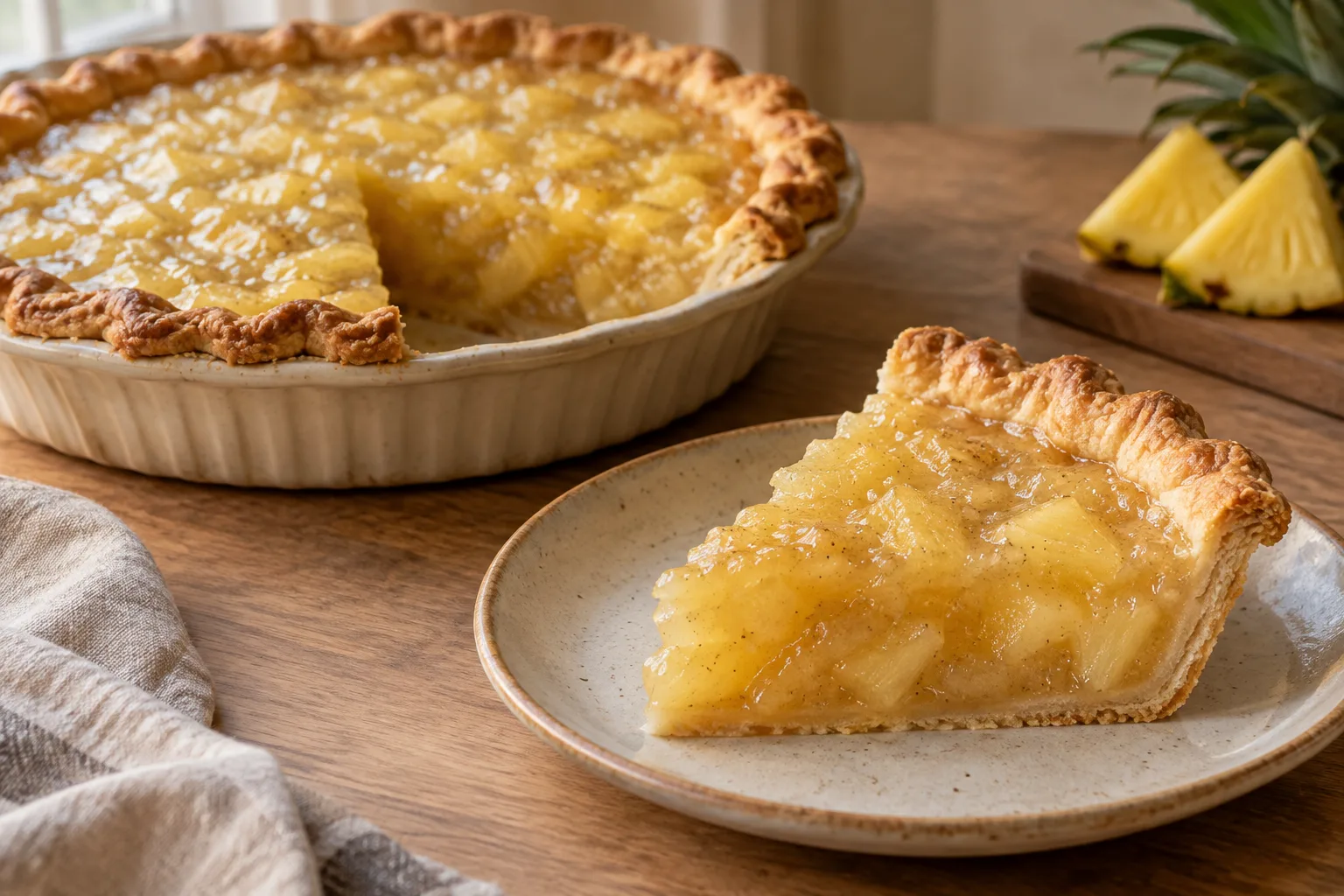
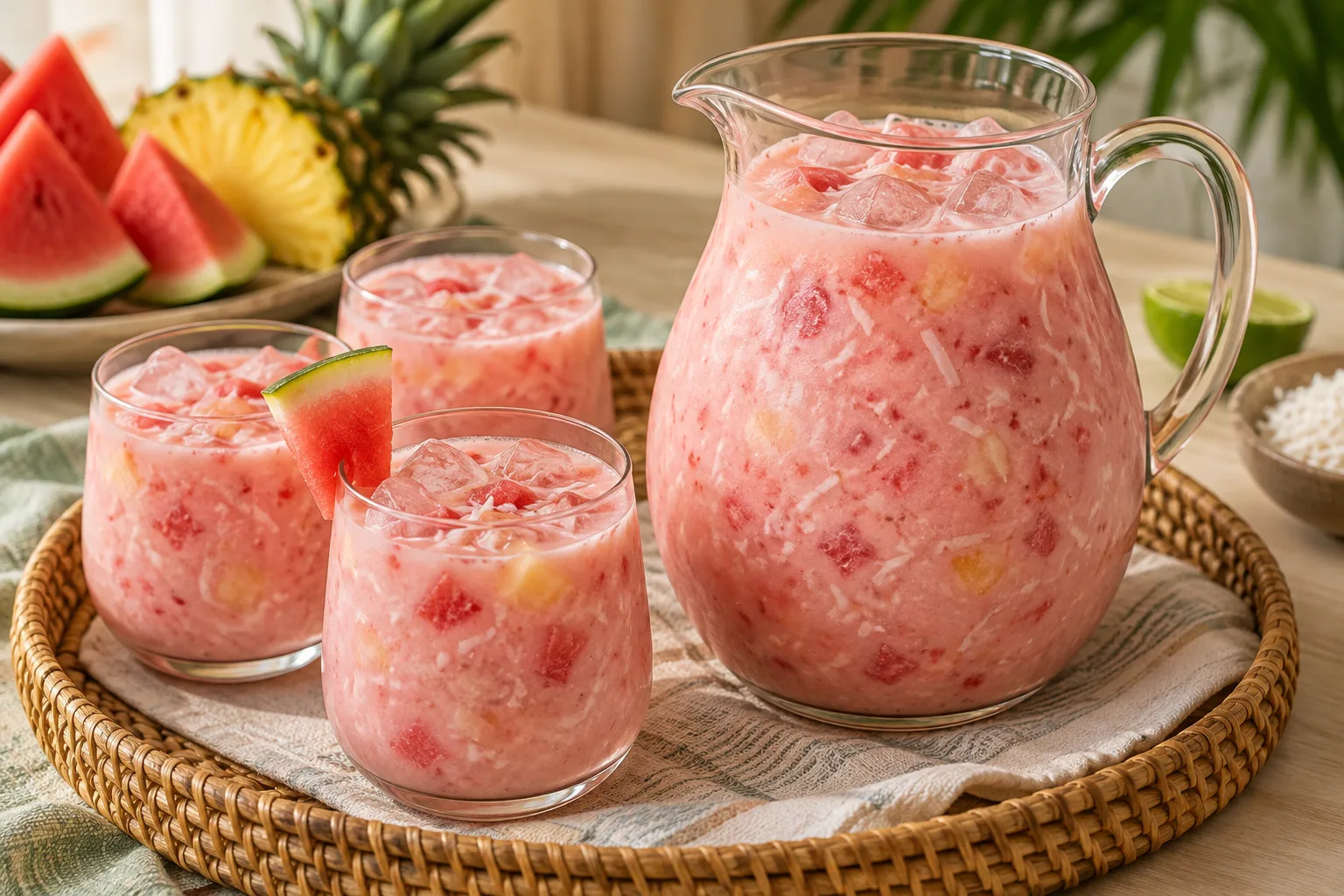
Use crushed pineapple when you want its sweet, lightly tart flavor distributed throughout a dish instead of served in large pieces. It works in fruit salads, cakes, fillings, smoothies, and other drinks, and it adds contrast to sauces or savory dishes with pork and seafood. In batters and other moist mixtures, remember that pineapple releases juice: adjust other liquids to suit the texture you want and the specific recipe. If a recipe calls for fresh or canned pineapple, follow that direction because the form and packing liquid can affect the result. It is also a practical way to use ripe fruit, provided it is still in good condition.
How to use it
To make it at home, remove the skin and fibrous core from a fresh pineapple, cut the flesh into pieces, then crush or chop it to the size you want. Stop before it becomes a smooth purée if you want small pieces and a noticeable texture. Stir it into fruit salads, cake batter, fillings, sweet-and-sour sauces, smoothies, or cocktails; it can also accompany pork and seafood dishes. For a cooked preparation, pineapple can be grilled or roasted, allowing its sugars to brown and its flavor to deepen. If using canned pineapple, check whether it is packed in juice or syrup and account for the sweetness and liquid it adds. Mix it in gradually and check the consistency before adding more.
Flavour and texture
Its flavor balances fruity sweetness with refreshing acidity, though the intensity varies with the fruit and the product. When crushed, the juicy flesh retains small fibrous pieces; crushing it further makes it closer to a purée. Canned versions can taste different depending on their packing liquid.
How to choose it
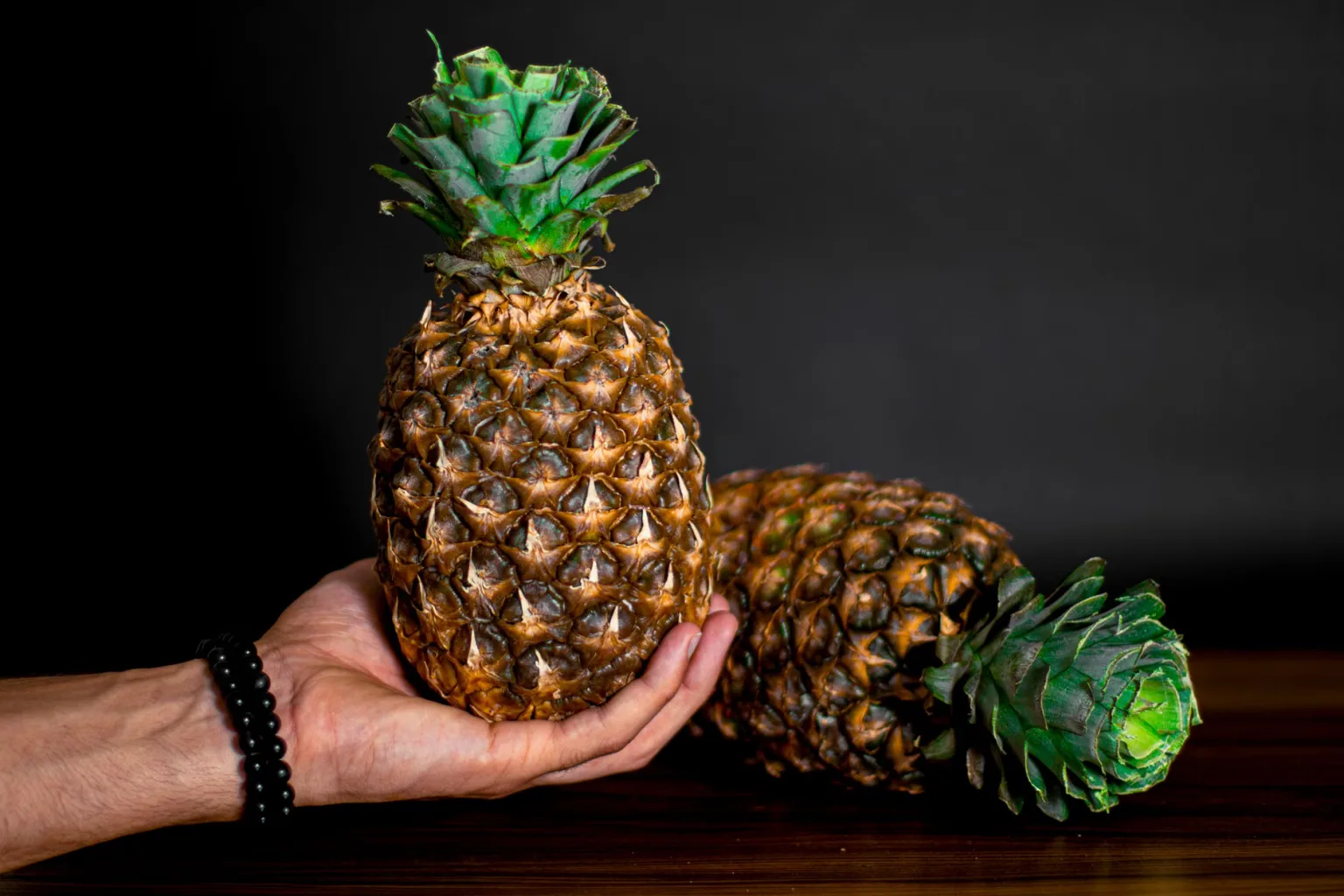
If buying a whole pineapple to crush, look for a fruity smell at the base and a skin without soft patches, mold, or suspicious blemishes. The skin should give very little when pressed, and the leaves should not be wilted. For prepared or canned pineapple, check that the package is intact and read the label to distinguish fruit packed in juice from fruit packed in syrup. The added liquid affects both the sweetness and the moisture in your recipe.
Storage
Keep a whole fresh pineapple in a cool, dry place and avoid sudden temperature changes. Once peeled or crushed, cover it, refrigerate it, and use it soon. For a can or other packaged product, follow the storage directions on the label; once opened, do not leave it exposed, and refrigerate it as directed by the manufacturer. Discard a product if its package is damaged or its appearance seems abnormal.
Substitutions
Finely chopped fresh pineapple can stand in for crushed pineapple if you cut the flesh into small pieces and are happy with a slightly more distinct texture. Drained canned pineapple can also work in many recipes, although its flavor and moisture depend on whether it is packed in juice or syrup. Adjust liquid and sweetness to the product, and do not swap quantities without checking when making delicate batters.
Common mistakes
Do not assume crushed pineapple is the same as completely smooth purée: piece size changes the texture. Avoid adding all the juice or syrup before checking how it affects the recipe, since it can make a dish wetter or sweeter. Do not assume a whole pineapple will continue to ripen after cutting; choose fruit in good condition and use the form specified by the recipe.
Safety and allergens
Handle the fruit with clean hands and utensils. Once peeled or crushed, cover and refrigerate it; also follow the package directions when using canned pineapple.
Culinary uses
- fruit component for sweet and savory dishes
- moist, fruity addition to batters, fillings, salads, sauces, and drinks
Recommended techniques
- crushing or finely chopping
- baking
- grilling
- blending
Pairs well with
- pork
- seafood
- other fruits
- coconut
Frequently asked questions
Is crushed pineapple the same as pineapple purée?
Not necessarily. Crushed pineapple may retain small pieces and an uneven texture, while purée is usually smoother. The result depends on how finely the fruit is chopped or pressed.
Can I use canned pineapple?
Yes, it works in many recipes. Check whether it is packed in juice or syrup, since the liquid changes the sweetness and moisture of the dish.
What dishes work well with crushed pineapple?
Add it to fruit salads, cakes, fillings, smoothies, and sauces. It also pairs well with pork and seafood in both sweet and savory preparations.
Ingredient allergens
Allergen listThere are no verified associations for these ingredients yet.
Estimated nutrition
- Fat
- 0 g
- Saturates
- 0 g
- Carbohydrate
- 13.9 g
- Sugars
- 12.3 g
- Fibre
- 0.8 g
- Protein
- 0.82 g
- Salt
- 0 g
Sources and review
Automatically researched, cross-checked and validated content. Sources consulted:
- Client Challenge doi.org/10.2307/jj.27939689.16
- GESTIÓN INTEGRAL DE CUENCAS Y ASENTAMIENTOS ... digitalrepository.unm.edu/cgi/viewcontent.cgi?article=1208&context=abya_yala
- Vamos a Conservar Alimentos: La Congelación de Frutas extension.psu.edu/vamos-a-conservar-alimentos-la-congelacion-de-frutas/
- Para la ciudadanía www.aesan.gob.es/para-la-ciudadania
- Piña: beneficios, propiedades y formas de disfrutarla mercadosantamariadelacabeza.es/blog/productos-temporada/pina-beneficios-propiedades
- Piña. ¿Qué es? Beneficios y usos en la cocina www.abc.es/recetasderechupete/pina-que-es-beneficios-y-usos-en-la-cocina/103943/
- Piña- Gastronomía - Región de Murcia Digital www.regmurcia.com/servlet/s.Sl?r=ReP-23787-DETALLE_REPORTAJESPADRE&sit=c%2C543%2Cm%2C2715
- Redescubre la piña, la reina de las frutas tropicales: propiedades, beneficios y cinco recetas para disfrutarla www.directoalpaladar.com/ingredientes-y-alimentos/redescubre-pina-reina-frutas-tropicales-pr…
- caracterización del proceso fermentativo de ensilajes de scholar.uprm.edu/bitstreams/20c1ecb3-16a3-49fc-b5f0-a29dd3e74f94/download
- ¡Verificando que no eres un robot! repositori.upf.edu/bitstreams/ad3567f8-dd6c-4b9b-8a93-a7f20b9def67/download
- Beneficios de la piña: ABC de este rico fruto | Recetas Nestlé www.recetasnestle.com.ec/escuela-de-sabor/tips-recetas/beneficios-pina