- Category
- Fruit
- State
- Dry
- Usual unit
- cup
What it is
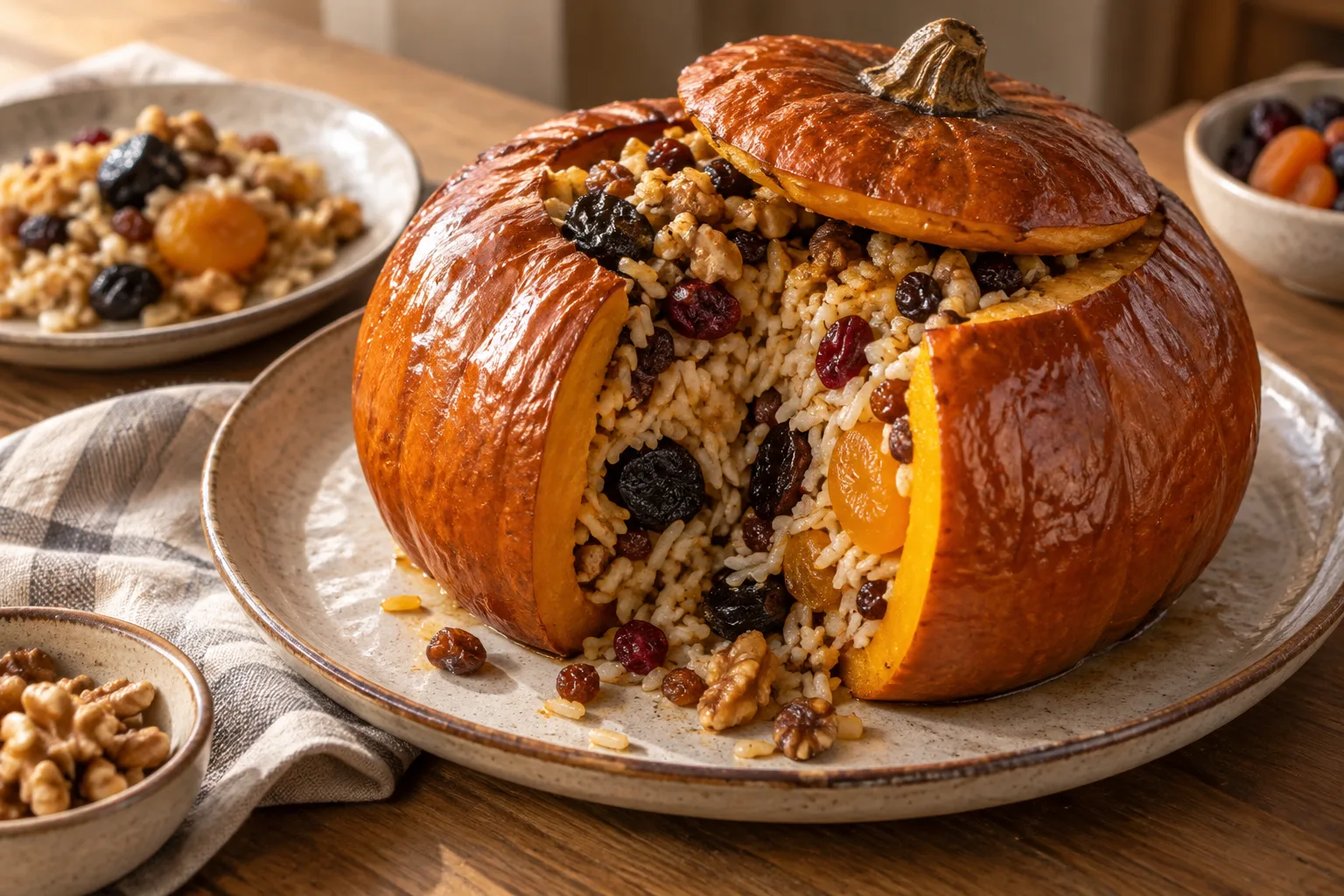
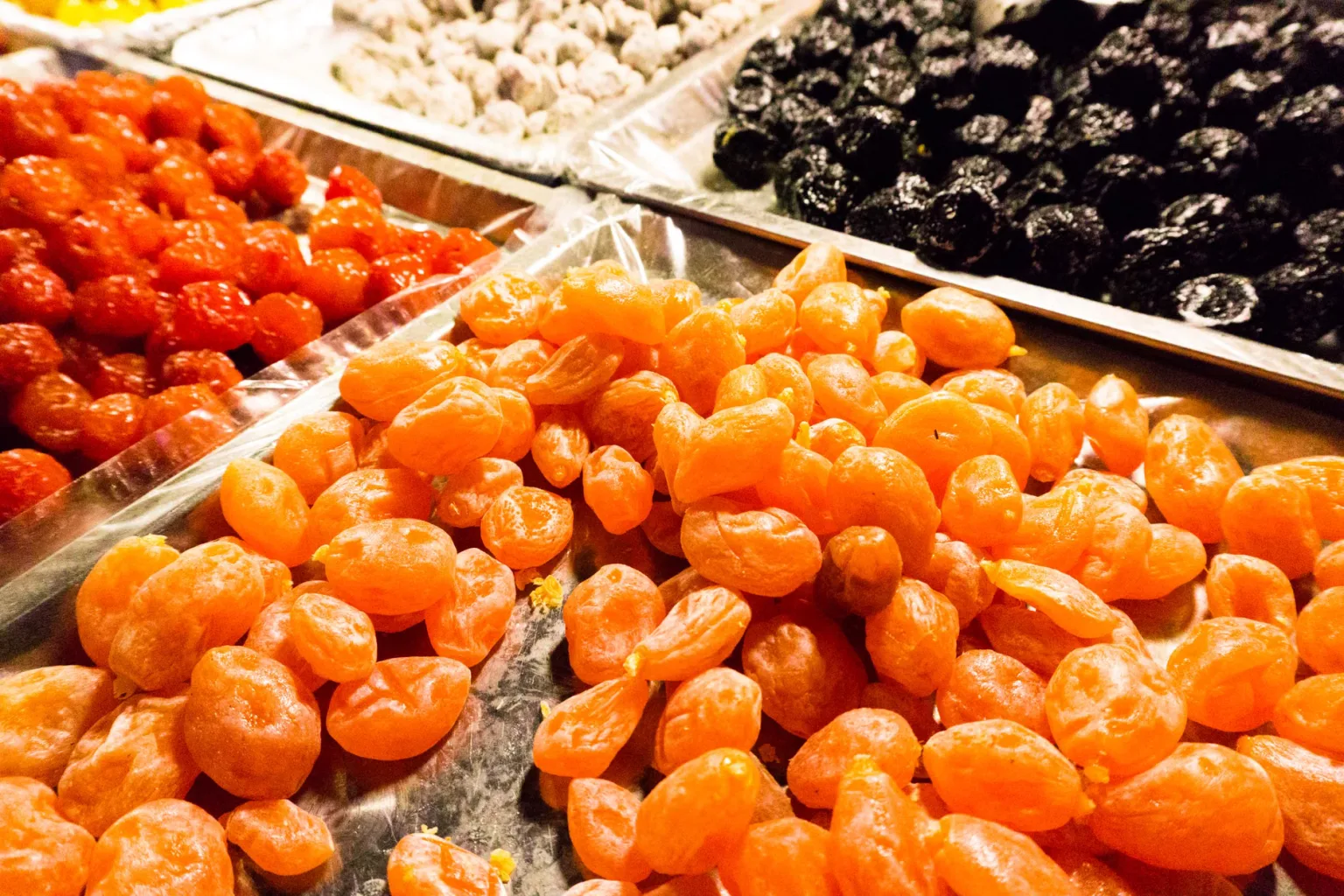
Dried plums, often called prunes, are fresh plums from which some of the water has been removed by drying or dehydration. They may be sun-dried or dried with heat in drying equipment. With less water, the fruit becomes more concentrated and its texture changes; it is often pliable and chewy, though firmness and moisture vary from product to product. Dried plums may be sold whole or chopped, with or without pits, so check the package to see which form you have. Their concentrated fruit flavor works in both sweet and savory preparations. They are not interchangeable with fresh plums in every recipe: fresh fruit adds more moisture and has a different texture, so adjustments may be needed when substituting.
When to use it
Use dried plums when you want concentrated fruity sweetness and a tender or chewy bite. They can be eaten as a snack and paired with nuts, toasted cereals or other fruit. In savory cooking, their sweet-fruity character provides a contrast in dishes featuring game, poultry or pork, and they can be used in sweet-and-sour sauces served with meat. They can also be added to desserts such as tarts. Bear in mind that dried fruit is more concentrated and contributes less water than fresh plums, so it will not give a recipe the same juiciness or texture.
How to use it
Check the package to see whether the plums contain pits, and remove any pits before serving or chopping as needed. Eat them whole, chop them into a mixture with nuts, toasted cereals or other fruit, or add them to a tart. If a piece feels especially firm, soaking it can soften or rehydrate it; drain it before adding if you do not want the soaking liquid in your recipe. For savory dishes, leave the fruit whole or chop it to suit the texture you want, and pair it with pork, poultry or game. You can also use it in a sweet-and-sour sauce for meat. Start with a modest amount and taste as you go: concentrated sweetness can quickly become prominent. Adjust the balance with the other recipe ingredients rather than expecting dried plums to behave exactly like fresh ones.
Flavour and texture
Dried plums have concentrated, fruity sweetness and a dense, pliable, chewy texture that varies with the degree of drying. Their fruit flavor can contrast with savory food or contribute a sweet-and-sour note to a sauce. Products may be softer or firmer without that variation alone indicating a problem. Soak a firm piece before use if you want a softer texture.
How to choose it
Choose an intact package and check the label to see whether the plums are pitted, chopped or sold with added ingredients. Select a texture that suits your intended use: softer fruit is easy to incorporate, while firmer fruit can be chopped or softened before use. Avoid damaged packages and products with visible moisture, mold or signs of contamination.
Storage
Store dried plums according to the package directions and reseal the package after opening. Keep them away from moisture and unnecessary exposure to air to help maintain their texture. There is no single storage period established here for every product, so follow the date and storage instructions on its label. Do not eat fruit with mold or an unusual smell.
Substitutions
In some cooked recipes, fresh plums can replace dried plums, but they add more moisture and have a less concentrated texture; adjust the liquid in the dish. Another dried fruit may provide a broadly similar sweet-fruity role, but its flavor and texture will differ. There is no universal conversion, so adapt the quantity to the recipe and taste the result.
Common mistakes
Do not treat dried plums as if they were fresh: their flavor and texture are more concentrated and they contribute less moisture. Check for pits before serving or chopping, and taste a sauce before adding a large quantity because the sweetness can dominate. If the fruit is firm, soak it first rather than expecting it to be tender straight from the package.
Safety and allergens
Check the package and the fruit before use. Do not eat dried plums from damaged packaging or fruit with mold or an unusual smell; follow the storage instructions on the label.
Culinary uses
- snack or natural sweet bite
- sweet-and-savory ingredient
- ingredient for sauces and desserts
Recommended techniques
- soak to soften or rehydrate
- chop and add to a sauce or cooked dish
- serve whole or chopped without cooking
Pairs well with
- game, poultry and pork
- nuts, toasted cereals and other fruits
- savory dishes with sweet-and-sour sauces
Frequently asked questions
Are dried plums and prunes the same thing?
Yes. “Prunes” is a common name for dried or dehydrated plums.
Do dried plums need to be soaked before eating?
Not necessarily. They can be eaten as they are; soaking is an option if you want to soften a firm piece or use a more tender texture.
What savory dishes pair well with dried plums?
Their sweetness contrasts with game, poultry and pork. They can also be used in sweet-and-sour sauces served with meat.
Ingredient allergens
Allergen listThere are no verified associations for these ingredients yet.
Estimated nutrition
- Fat
- 0 g
- Saturates
- 0 g
- Carbohydrate
- 65 g
- Sugars
- 37.5 g
- Fibre
- 7.5 g
- Protein
- 2.5 g
- Salt
- 0 g
Sources and review
Automatically researched, cross-checked and validated content. Sources consulted:
- ¿Por qué la muerte es origen de miedos y tabúes? doi.org/10.64628/aao.fccyk3qj3
- Client Challenge doi.org/10.2307/jj.27939689.16
- The Essential Glossary of Cooking Terms for the Culinary Arts - Escoffier www.escoffier.edu/blog/culinary-arts/the-essential-glossary-of-cooking-terms-for-the-culinar…
- Gastronomía sefardí - Wikipedia, la enciclopedia libre es.wikipedia.org/wiki/Gastronom%C3%ADa_sefard%C3%AD
- Nutrition After Your Transplant - Health Online healthonline.washington.edu/sites/default/files/record_pdfs/Nutrition-After-Your-Transplant-…
- revista del - Comité Científico www.aesan.gob.es/dam/jcr:c6a76f54-0d6e-43b4-ad26-ac603ba37960/comite_cientifico_38.pdf
- Aplicaciones de la Biotecnología en Seguridad Alimentaria aesan.gob.es/dam/jcr:2eecb52a-e252-4339-b93a-db3e3c7faab6/biotecnologia.pdf
- Estofado - Wikipedia, la enciclopedia libre es.wikipedia.org/wiki/Estofado
- Ciruela- Gastronomía - Región de Murcia Digital www.regmurcia.com/servlet/s.Sl?r=ReP-19884-DETALLE_REPORTAJESPADRE&sit=c%2C543%2Cm%2C2715
- Propiedades de las ciruelas pasas – Botanical-online www.botanical-online.com/alimentos/ciruelas-pasas-propiedades
- ArandaHOY.com, La Revista Cultural de Aranda de Duero y la Ribera del Duero www.google.com/goto?url=CAESjQEB6zswFTsBGTIWSPNjHUiZYNVOQqn4oiCQPoqaDLkWWRSWAD2gDa07j68PFh_Q…