- Category
- Herbs and spices
- State
- Dry
- Usual unit
- unidad
What it is
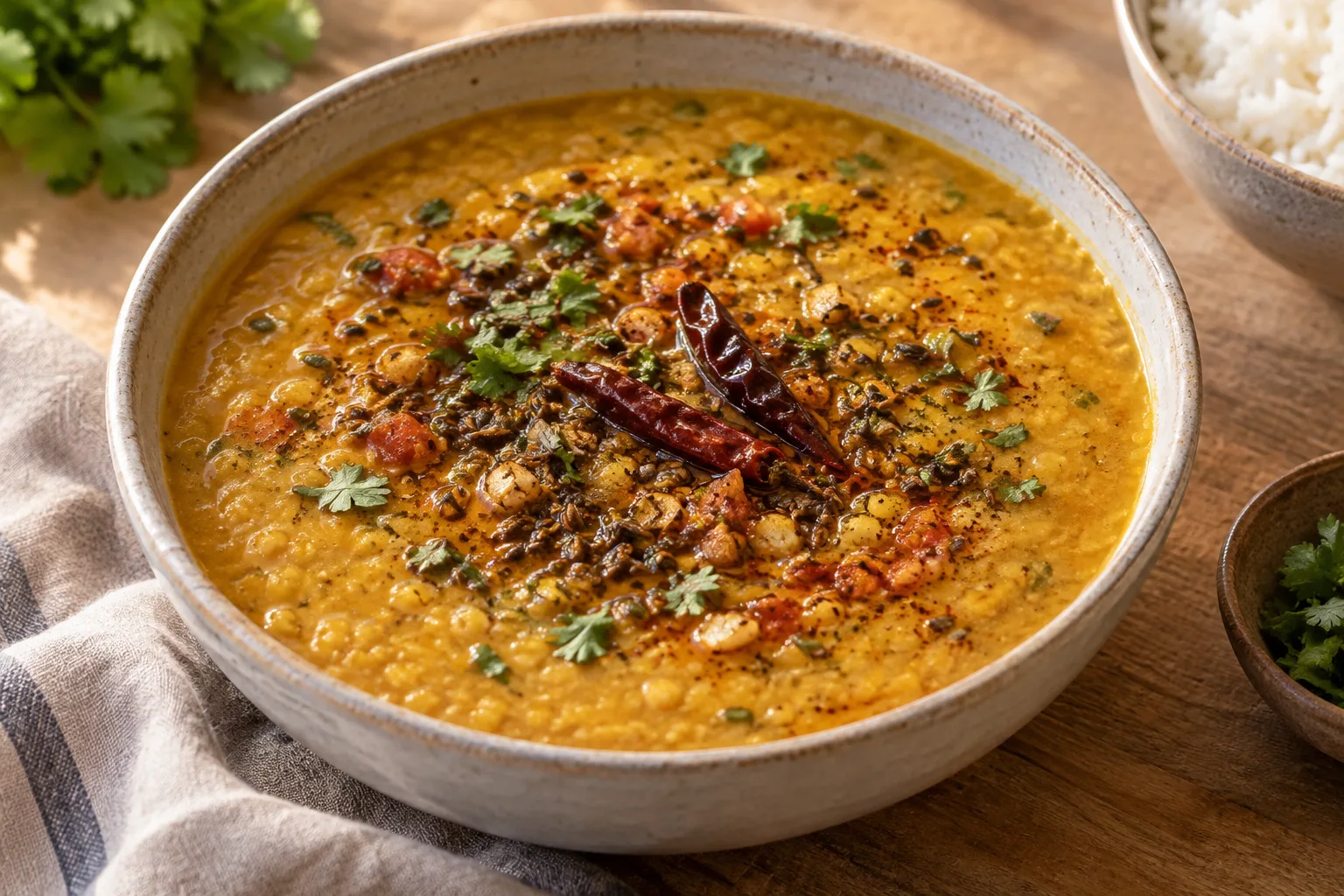
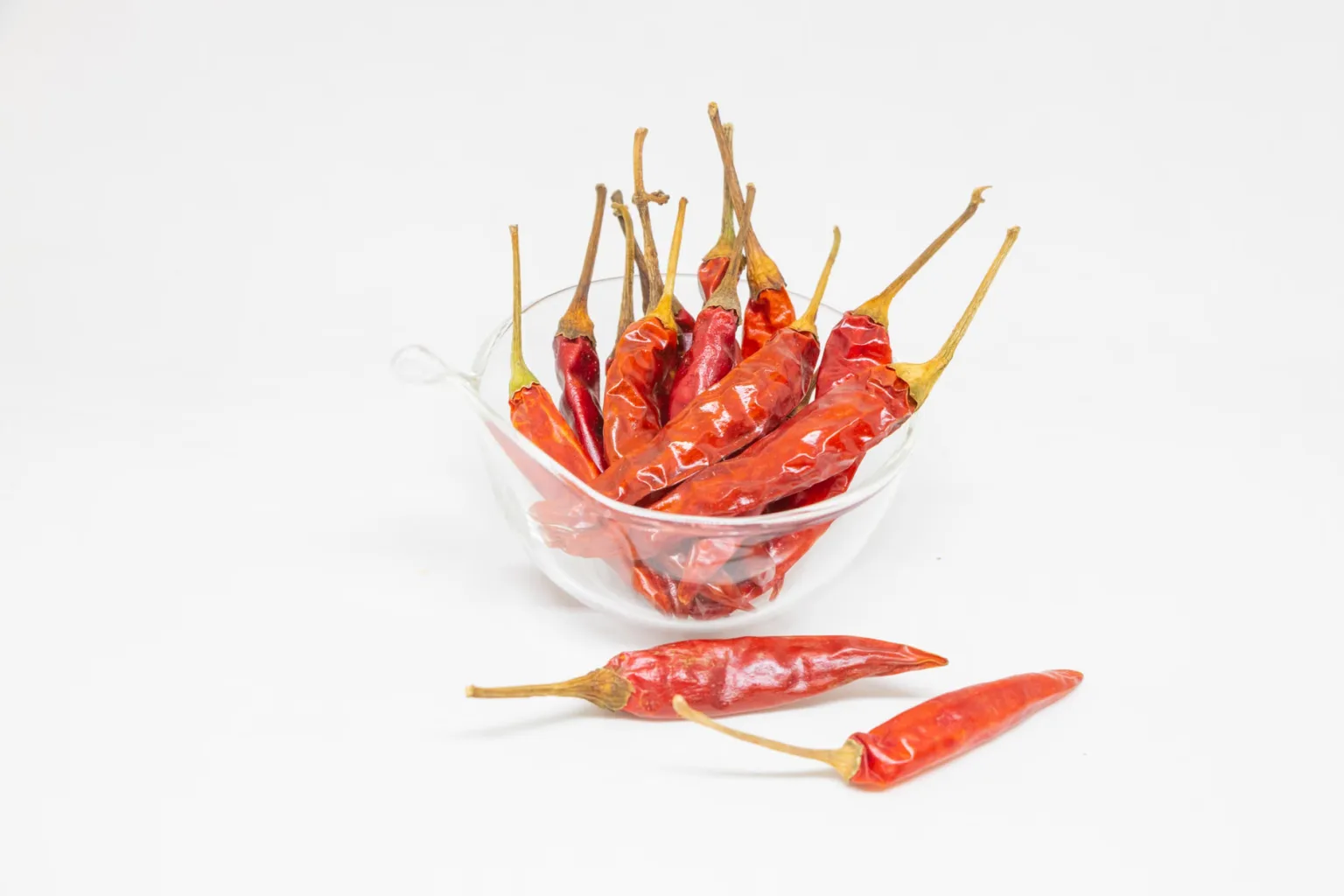
Dried red chillies are hot fruits from the Capsicum genus that have had much of their water removed through drying. They are often sold whole and may retain their seeds and inner tissues. The name covers many varieties, so chillies can differ in size, aroma, and heat; it does not describe a single, predictably hot type. In cooking, they work as a seasoning rather than as one uniform ingredient. Add them whole to infuse a dish, crush or grind them to distribute their flavor, or rehydrate them when you want a more pliable flesh. Their heat comes from capsaicin, found mainly in the inner tissues around the seeds, so both the amount used and the way the chilli is prepared affect the result.
When to use it
Use dried red chillies when you want warming heat and concentrated chilli aroma in dishes such as bean stews, pasta, rice, vegetables, fish, or sauces. Add them whole when you want to infuse a dish and remove the chilli before serving; crumble or grind them when you want the heat spread throughout. Heat varies among varieties and individual fruits, so begin with a small amount and taste before adding more. Do not assume that size or color reliably predicts how hot a particular chilli will be.
How to use it
Begin with a small amount. Add a whole chilli to oil or a stew to infuse the dish, then remove it before serving if you do not want pieces in the food. For more evenly distributed heat, crumble or grind it and add it gradually. If you need the flesh, rehydrate the chilli until pliable, then scrape it from the seeds with a spoon or the tip of a knife. The seeds and inner tissues can contribute substantial heat; removing them may moderate it, although the result still depends on the variety. Handle chillies carefully and avoid touching your eyes after cutting them. Adjust to taste because dried chillies do not have one consistent heat level.
Flavour and texture
They bring heat and concentrated chilli aroma, with a profile that varies by variety and fruit. Whole chillies can infuse oil or a stew without scattering as many pieces, while crushed chillies distribute heat through a dish. When dry, they are firm and brittle; rehydrating makes the flesh more pliable so it can be separated and added to a sauce or stew.
How to choose it
Choose whole dried chillies that are clearly sold as a dry product and show no visible signs of dampness or damage. Chilli varieties differ in shape, aroma, and heat, and a general product name does not guarantee a particular intensity. If heat matters, choose an identified variety and test a small piece before seasoning a dish. Whole chillies also make it easier to control how much you crumble into a recipe.
Storage
Keep dried chillies in a clean, tightly closed container in a dry place away from direct light. Keeping them dry helps preserve their condition as a spice; do not put wet utensils into the container. Check for dampness or signs of deterioration before use, and follow any storage directions on the package. Available evidence does not establish one universal storage period for every variety and product.
Substitutions
Dried chilli flakes or ground dried chilli can replace whole chillies when you want the heat distributed, but the texture changes and they are harder to remove from a dish. Fresh chilli can work in some preparations, though it adds moisture and has a different texture. No substitute guarantees the same heat, so add a little at a time and taste as you go.
Common mistakes
Do not assume every dried chilli has the same heat or add a large amount all at once. Crumbling or grinding spreads the heat, while a whole chilli is easier to remove. Do not treat different dried chilli varieties as identical in flavor, and avoid storing them where they can become damp.
Safety and allergens
Chilli heat can cause burning in the mouth and may feel intense. Handle chillies carefully and avoid touching your eyes after cutting or crushing them. If a dish is already too hot, do not add more chilli; start with a smaller amount next time.
Culinary uses
- Condimento picante
- Aromatizante para aceites, guisos y salsas
Recommended techniques
- Añadir entera al aceite para aromatizar
- Triturar o desmenuzar para repartir el picante
- Retirar semillas y tejidos interiores para moderar el picor
Pairs well with
- Legumbres y guisos
- Pasta y arroz
- Pescado y verduras
- Ajo y aceite
Frequently asked questions
Are all dried red chillies equally hot?
No. Heat varies by variety and individual fruit. Start with a small amount and adjust after tasting.
How can I make a chilli less hot?
Remove its seeds and inner tissues before using it, and add the chilli gradually. Heat can still vary between fruits.
Can I use a dried chilli whole?
Yes. Add it whole to infuse oil or a stew, then remove it before serving if desired.
Ingredient allergens
Allergen listThere are no verified associations for these ingredients yet.
Estimated nutrition
- Fat
- 3 g
- Saturates
- 0.45 g
- Carbohydrate
- 68.7 g
- Sugars
- 40.8 g
- Fibre
- 21.3 g
- Protein
- 17.9 g
- Salt
- 0.48 g
Sources and review
Automatically researched, cross-checked and validated content. Sources consulted:
- Client Challenge doi.org/10.2307/jj.27939689.16
- The Essential Glossary of Cooking Terms for the Culinary Arts - Escoffier www.escoffier.edu/blog/culinary-arts/the-essential-glossary-of-cooking-terms-for-the-culinar…
- Guindilla: Botánica, cultura y sabor en una Especia | Alveus www.alveus.eu/es/blog/guindilla-origen-y-tipos/
- Guindilla: qué es, beneficios y usos en la cocina de este pimiento picante bonviveur.com/es/noticias/guindilla
- Comité Científico aesan.gob.es/dam/jcr:3c94ae83-1384-420c-96c1-0c2aa6f1544e/comite_cientifico_34.pdf
- Guindilla: qué es, beneficios, usos en la cocina y variedades de este pimiento picante www.directoalpaladar.com/ingredientes-y-alimentos/guindilla-que-beneficios-usos-cocina-varie…
- LIMÓN Y PIMENTÓN: Guindillas secas limonypimenton.blogspot.com/2011/09/guindillas-secas.html
- Las guindillas | Consumer www.consumer.es/alimentacion/las-guindillas.html
- Recetas en 1 minuto www.cordonbleu.edu/madrid/recetas-en-1-minuto/es
- Capsicum annuum - Wikipedia, la enciclopedia libre es.wikipedia.org/wiki/Capsicum_annuum
- Guindillas frescas como contrapunto: análisis y comparativa de quesos y embutidos con toque picante laovejaquebala.es/guindillas-frescas/
- Guindilla en la cocina, ¿la utilizas? - Recetas La Masía www.recetaslamasia.es/utilizais-la-guindilla-en-la-cocina/
- CUADERNOS DE COCINA ORIENTAL 2.0 : GUINDILLAS, manual de uso... cocinaorientalgurumasala.blogspot.com/2014/04/guindillas-manual-de-uso_25.html
- - YouTube www.youtube.com/watch?v=g-hTazk2VO0
- Llámalo chile, guindilla o ají: tipos de este pimiento y cómo cocinar con ellos | Gastronosfera www.gastronosfera.com/tendencias/llamalo-chile-guindilla-o-aji-tipos-de-este-pimiento-y-como…