- Category
- Pulses
- State
- Dry
- Usual unit
- g
What it is
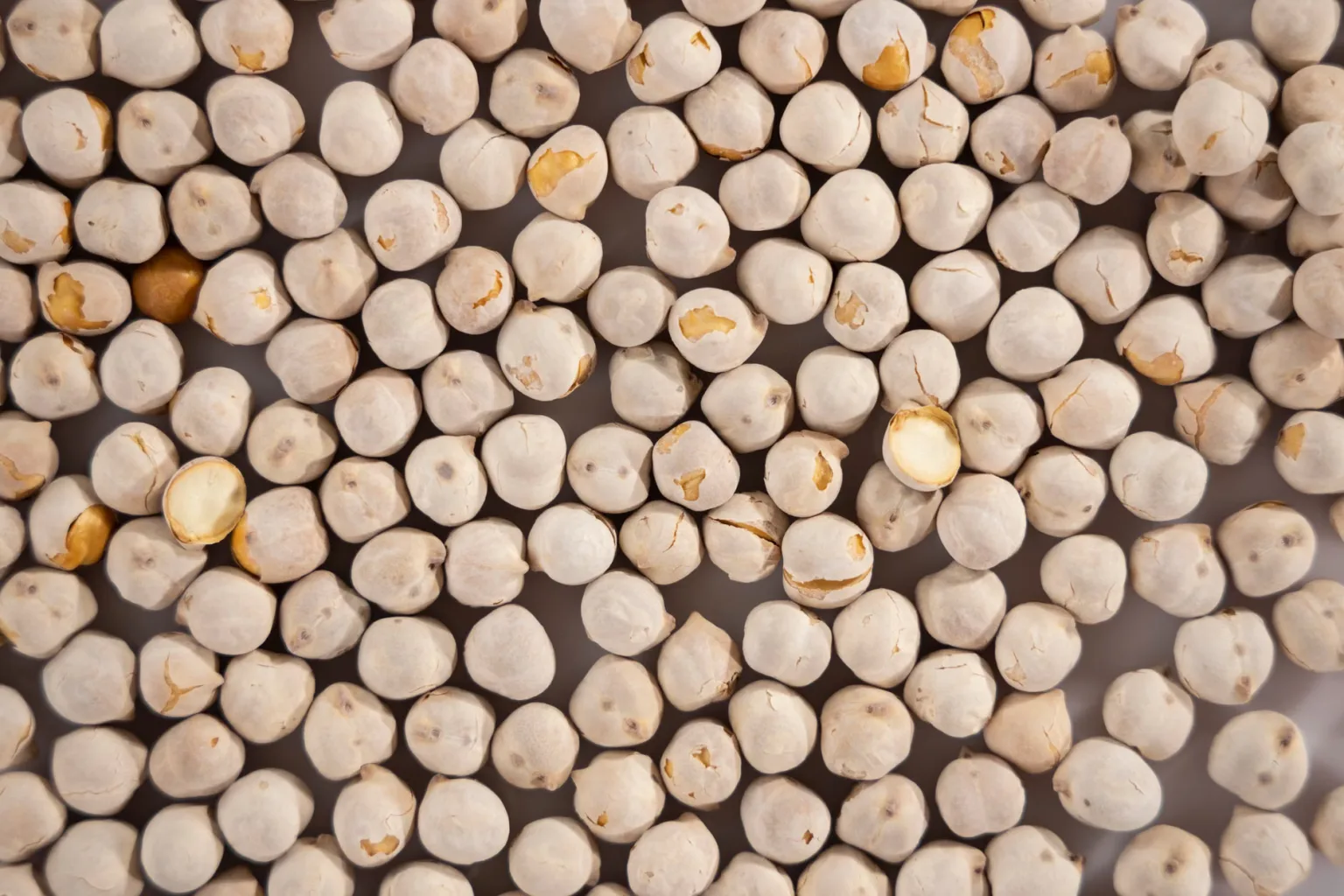
Dried white beans are mature, dehydrated seeds from legume plants. The name does not refer to just one shape or size: varieties include small and large, round and elongated beans, with differences in their skins and cooked texture. They are sold dry for soaking and cooking, unlike green beans, which are eaten as tender pods. Their mild flavor and ability to absorb the aromas of cooking liquid and other ingredients make them useful in both simple meals and hearty dishes. The particular variety can affect how long the beans take to soften, so check their texture as they cook.
When to use it
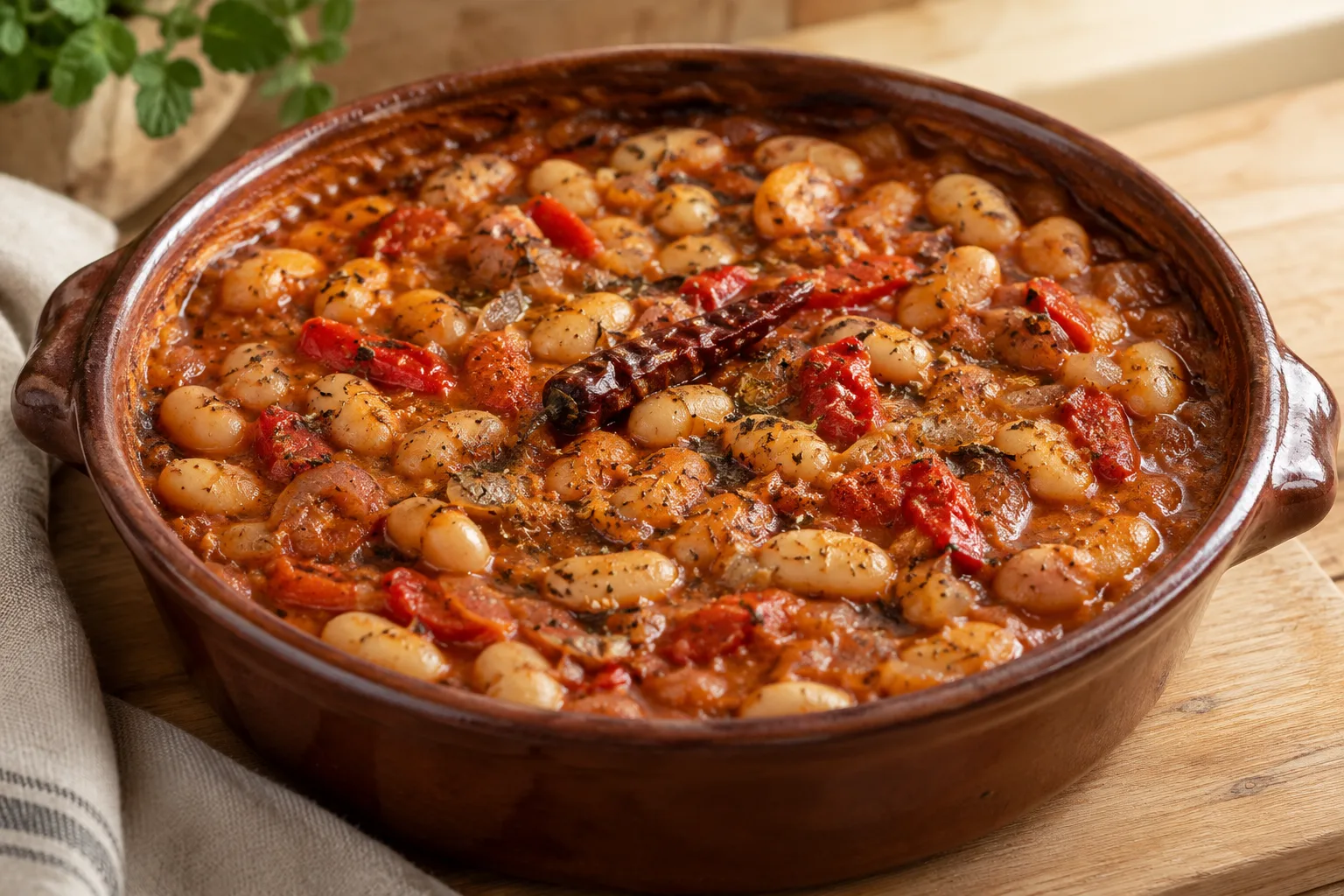
Choose dried white beans for a stew, soup, purée or bean salad when you have time to soak and cook them. They work particularly well in gently cooked dishes because they absorb flavors from vegetables, herbs and broth. Cooked and cooled beans can also form the base of a salad. Varieties differ in size and shape, and they do not all soften at the same rate; allow for this when planning and check that the beans are tender before serving.
How to use it
Before cooking, inspect the beans and remove any damaged ones or foreign material. Soak them in cold water for several hours, ideally overnight, then drain. For an even cook, you can start them in water and continue simmering in fresh water; add vegetables or herbs if you like. Cook until tender, checking the texture because size, variety and storage time can affect how long they take. Add them to stews or soups, blend them into a purée, or cool them for a salad with herbs and vinaigrette. Follow the package directions if they differ.
Flavour and texture
White beans are generally mild and delicate, with a subtle sweetness. Once cooked, they are tender and creamy, although the skin and consistency vary by variety and doneness. In a stew, they absorb some of the aromas of the cooking liquid and accompanying ingredients; in a salad, they add substance without overwhelming the dressing. Beans that have not cooked long enough can remain firm. When properly cooked, the beans should feel tender when tasted.
How to choose it
Check the date on the package and, when you have a choice, look for recently packed or harvested beans: older beans may take longer to soften. Choose clean, whole beans with no visible signs of moisture or pests. Remember that white beans come in different shapes and sizes; beans of similar size may cook more evenly. Keep the package information so you can follow its preparation directions.
Storage
Keep dried beans in a tightly closed container in a cool, dry place away from light and moisture. An airtight container also helps protect them from pests. Although dried beans can keep for a long time, their quality changes: older beans may lose flavor and become harder to soften. Keep the container away from damp foods and close it again after each use.
Substitutions
You can replace one white bean variety with another, but size and variety may affect cooking time and texture. Another dried bean can also work in a soup or stew; cook it until tender and expect the color and flavor of the dish to change. For a salad, choose a variety that holds its shape after cooking.
Common mistakes
Do not skip soaking when the preparation calls for it, or assume every bean will cook in the same amount of time. Older beans may take longer to soften, and undercooking leaves them firm. Avoid storing them in a damp place or open package, as moisture and pests can damage them. Taste a few beans before deciding that cooking is complete.
Safety and allergens
Remove damaged beans and any foreign material, and cook the beans fully until tender before eating. Follow the package preparation directions and do not taste the dry beans.
Culinary uses
- Base for stews and slow-cooked dishes
- Ingredient in salads, soups and purées
Recommended techniques
- Soaking in cold water before cooking
- Gentle simmering until tender
Pairs well with
- Aromatic vegetables and herbs such as onion, garlic, celery, parsley or savory
- Vinaigrette and assertive herbs in bean salads
Frequently asked questions
Do dried white beans need soaking?
Soaking them in cold water for several hours, often overnight, helps prepare them for cooking. Drain them before cooking and follow the package directions.
Why do some beans take longer to soften?
Variety, size and storage time can all make a difference. Older beans may be harder to soften, so check their texture as they cook.
How should dried beans be stored?
Keep them in an airtight container in a dry place away from light and moisture. Resealing the container after each use also helps protect the beans from pests.
Ingredient allergens
Allergen listThere are no verified associations for these ingredients yet.
Estimated nutrition
- Fat
- 6.83 g
- Saturates
- 0.95 g
- Carbohydrate
- 23.32 g
- Sugars
- 0.32 g
- Fibre
- 5.9 g
- Protein
- 9.04 g
- Salt
- 0.55 g
Sources and review
Automatically researched, cross-checked and validated content. Sources consulted:
- Client Challenge doi.org/10.2307/jj.27939689.16
- The Essential Glossary of Cooking Terms for the Culinary Arts - Escoffier www.escoffier.edu/blog/culinary-arts/the-essential-glossary-of-cooking-terms-for-the-culinar…
- Las alubias o judías secas | Consumer www.consumer.es/alimentacion/las-alubias-o-judias-secas.html
- Las alubias o habichuelas: origen, variedades, beneficios y recetas para cocinar la legumbre más extendida del mundo www.directoalpaladar.com/ingredientes-y-alimentos/alubias-habichuelas-origen-variedades-bene…
- Cómo cocinar alubias y judías: lo que debes saber para disfrutar la legumbre más variada | El Comidista | Gastronomía | EL PAÍS elpais.com/gastronomia/el-comidista/2025-03-05/como-cocinar-alubias-y-judias-lo-que-debes-sa…
- Vamos a Conservar Alimentos - Home Food Preservation and Safety - Food Safety and Quality extension.psu.edu/food-safety-and-quality/home-food-preservation-and-safety/vamos-a-conserva…
- ADVERTIMENT. La consulta d'aquesta tesi queda ... upcommons.upc.edu/bitstreams/f9894b78-5e85-4875-a610-ce01da930a6f/download
- La alubia blanca | La Fundación Louis Bonduelle www.fondation-louisbonduelle.org/es/verdura/la-alubia-blanca/
- Para la ciudadanía www.aesan.gob.es/para-la-ciudadania
- - YouTube www.youtube.com/watch?v=ttlpjg18UUA