- Category
- Sauces and condiments
- State
- Preserved
- Usual unit
- g
What it is
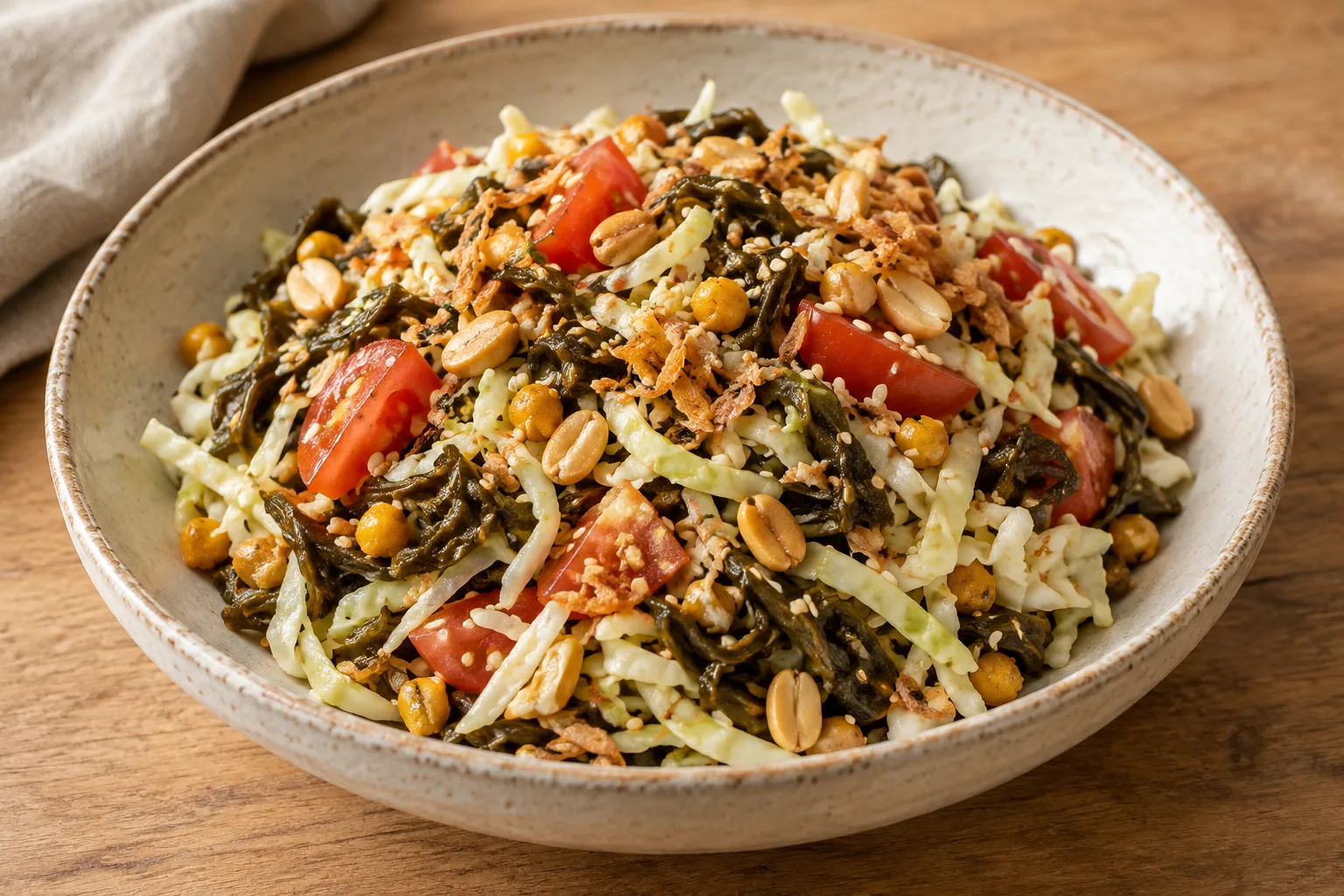
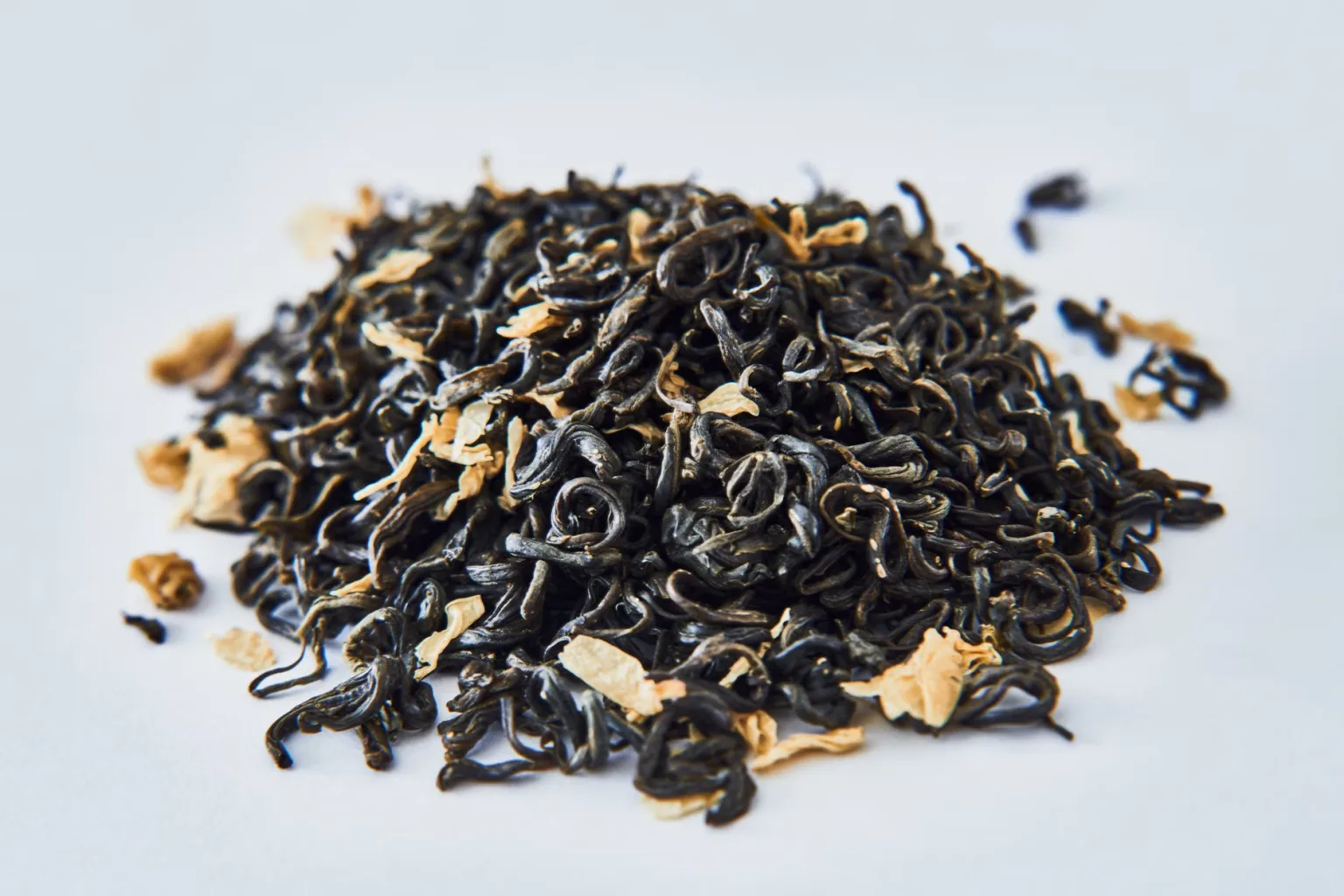
Laphet, also called lahpet, is a preparation of fermented or pickled tea leaves associated with the cuisine of Myanmar. Although it comes from the tea plant, it is used as food: it can form the base of a salad or be served as a savory snack. A typical salad combines it with cabbage and tomato, alongside fried legumes, sesame seeds, garlic and peanuts. Another serving style places the leaves and accompaniments separately so diners can mix their own portions. Laphet contributes a distinctive, assertive flavor and some bitterness; rinsing and fermentation can reduce part of that bitterness. It is not the same product as dried tea leaves sold for making an infusion, so check that the package identifies the leaves as food to eat.
When to use it
Use laphet when you want a salad or snack to have a distinctive fermented, savory element. In lahpet thoke, the leaves are combined with fresh, crisp ingredients such as cabbage and tomato and contrasted with toasted or fried accompaniments. You can also arrange the leaves and accompaniments separately on a serving tray, allowing each person to build a portion to taste. Because the flavor is pronounced, start with a modest amount and add more after tasting. Laphet is not the right choice when you want to brew a cup of tea: these are preserved leaves intended to be eaten.
How to use it
First read the product label and follow its preparation and storage directions. For a salad, put the laphet in a bowl and mix it with shredded cabbage and tomato; add crunchy elements such as fried legumes, toasted sesame, fried garlic or roasted peanuts. Finish with chili if desired, and season with lemon juice or fish sauce if they suit the product and dish. Taste before adding extra salt or other seasonings because the preserved leaves may already have a strong flavor. Alternatively, serve the leaves on a tray with the accompaniments in separate sections. If the package says to rinse the leaves, follow those directions; rinsing can help soften bitterness. Do not apply home-fermentation instructions to a commercially prepared product.
Flavour and texture
Laphet has an assertive, fermented flavor and a tea-leaf bitterness that can be reduced by rinsing and fermentation. In a salad, the leaves contrast with crisp cabbage, tomato and toasted or fried accompaniments. The precise texture varies with the product and its preparation, so check the label and taste a small amount before seasoning the rest of the dish.
How to choose it
Choose a product sold expressly as laphet or lahpet for eating, rather than dried leaves intended only for brewing tea. Check that the package is intact and read the label for ingredients, use directions and storage instructions. Product formats and levels of sourness or bitterness can differ, so it is sensible to begin with a small amount and adjust to taste.
Storage
Store laphet according to the package directions, since formats and preparation methods can vary. Check the label for refrigeration instructions after opening and for the manufacturer's recommended period of use. Keep the package closed between uses and use clean utensils when serving. Do not infer a storage life simply because the product is fermented or pickled.
Substitutions
There is no supported, equivalent substitute for laphet's distinctive flavor. If you do not have it, leave it out and make a salad with cabbage, tomato and the accompaniments available. Lemon juice or fish sauce can season that adaptation, but neither recreates the character of fermented tea leaves.
Common mistakes
Confusing laphet with dry tea for brewing, adding too much before tasting, or assuming every product has the same directions are easy mistakes. The leaves can have a pronounced flavor, and preparation and storage instructions depend on the product. Check the label, adjust seasonings gradually, and do not assume the leaves need rinsing unless the package says so.
Safety and allergens
Use a packaged product intended for eating and follow its use and storage directions. Do not eat a product if its package is damaged or it shows unusual signs; discard it if in doubt. This profile does not provide a home-fermentation method.
Culinary uses
- Ensalada o condimento ácido y sabroso
- Tentempié salado servido como parte de una bandeja
Recommended techniques
- Mezclar con ingredientes frescos y crujientes para una ensalada
- Servir las hojas y los acompañamientos por separado
- Enjuagar las hojas, cuando corresponda, para moderar el amargor
Pairs well with
- Col
- Legumbres fritas, como frijoles o guisantes amarillos
- Semillas de sésamo tostadas
- Ajo frito
- Cacahuetes tostados
- Tomate
- Chile
- Limón
Frequently asked questions
Is laphet a drink?
Not necessarily. It is fermented or pickled tea leaf eaten as food, for example in a salad or as a snack.
How is laphet served?
It can be mixed with cabbage, tomato and accompaniments such as fried legumes, sesame, garlic or peanuts, or served with those items separately.
Should laphet be rinsed before eating?
That depends on the product. Follow its label; rinsing can reduce bitterness, but not every product requires it.
Ingredient allergens
Allergen listThere are no verified associations for these ingredients yet.
Sources and review
Automatically researched, cross-checked and validated content. Sources consulted:
- ¿Por qué la muerte es origen de miedos y tabúes? doi.org/10.64628/aao.fccyk3qj3
- Qué es (y qué no es) la estadística, usos y abusos de una disciplina clave en la vida de los países y las personas | Estudios económicos doi.org/10.52292/j.estudecon.2015.740
- Lahpet Thoke - Receta Tradicional Birmana | 196 flavors www.196flavors.com/es/birmania-lahpet-thoke/?srsltid=AYCX9vKhJiSRyhtTRaJtdYa-oDF1fGM4ZZs8GsM…
- ¿Qué es el Pu Erh? Guía sobre el té fermentado | Alveus www.alveus.eu/es/blog/que-es-pu-erh/
- - YouTube www.youtube.com/watch?v=7QSXW9rdUfI
- Té - Wikipedia, la enciclopedia libre www.google.com/goto?url=CAESYAHrOzAVMoI-TxJkYnKlZGvLn2Y2JV0V5hYsh-tUPS41W3rt9GXIZz6e09DHKb7e…
- - YouTube www.youtube.com/watch?v=CL-WNShbHkY