- Category
- Vegetables
- State
- Fresh
- Usual unit
- g
What it is
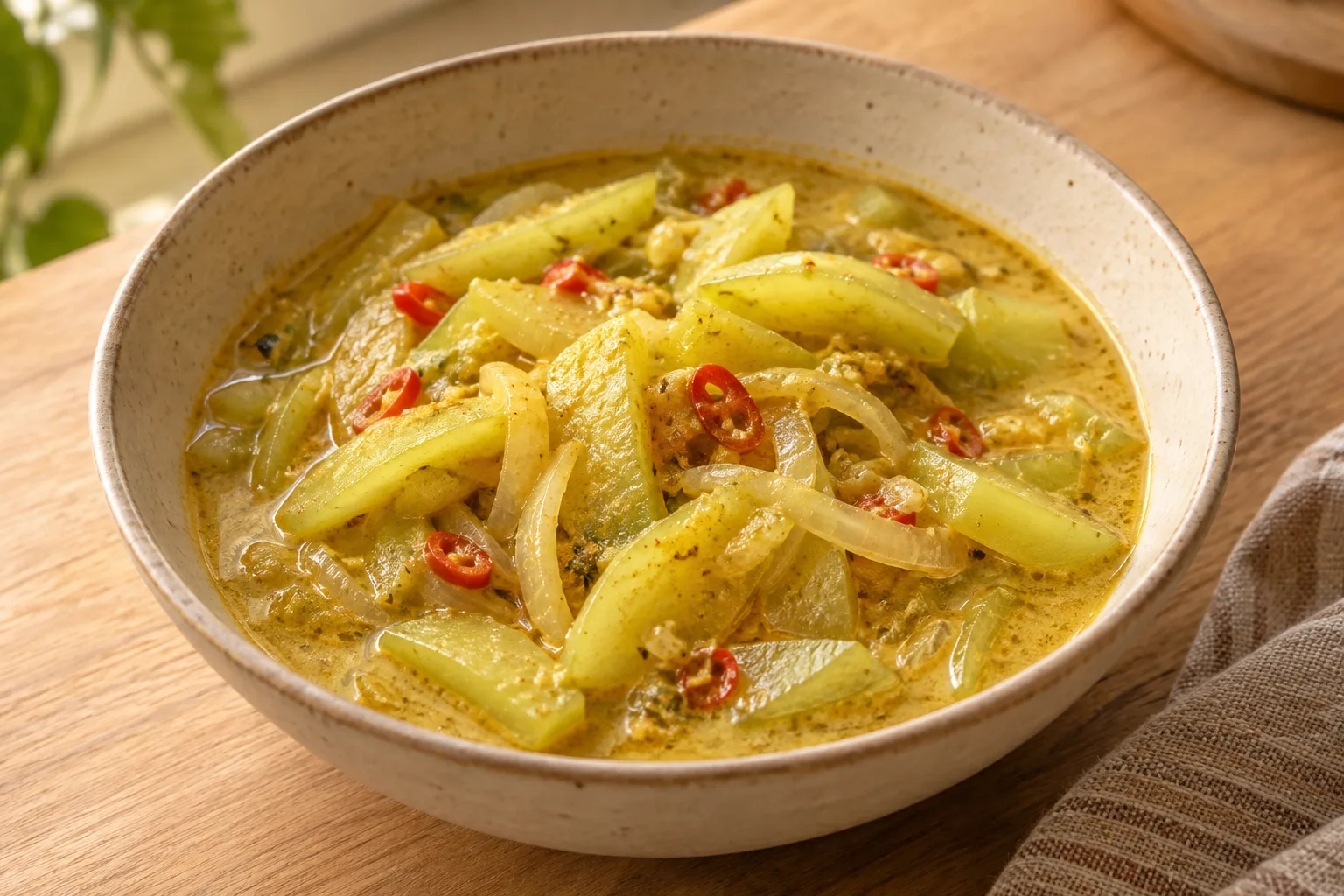
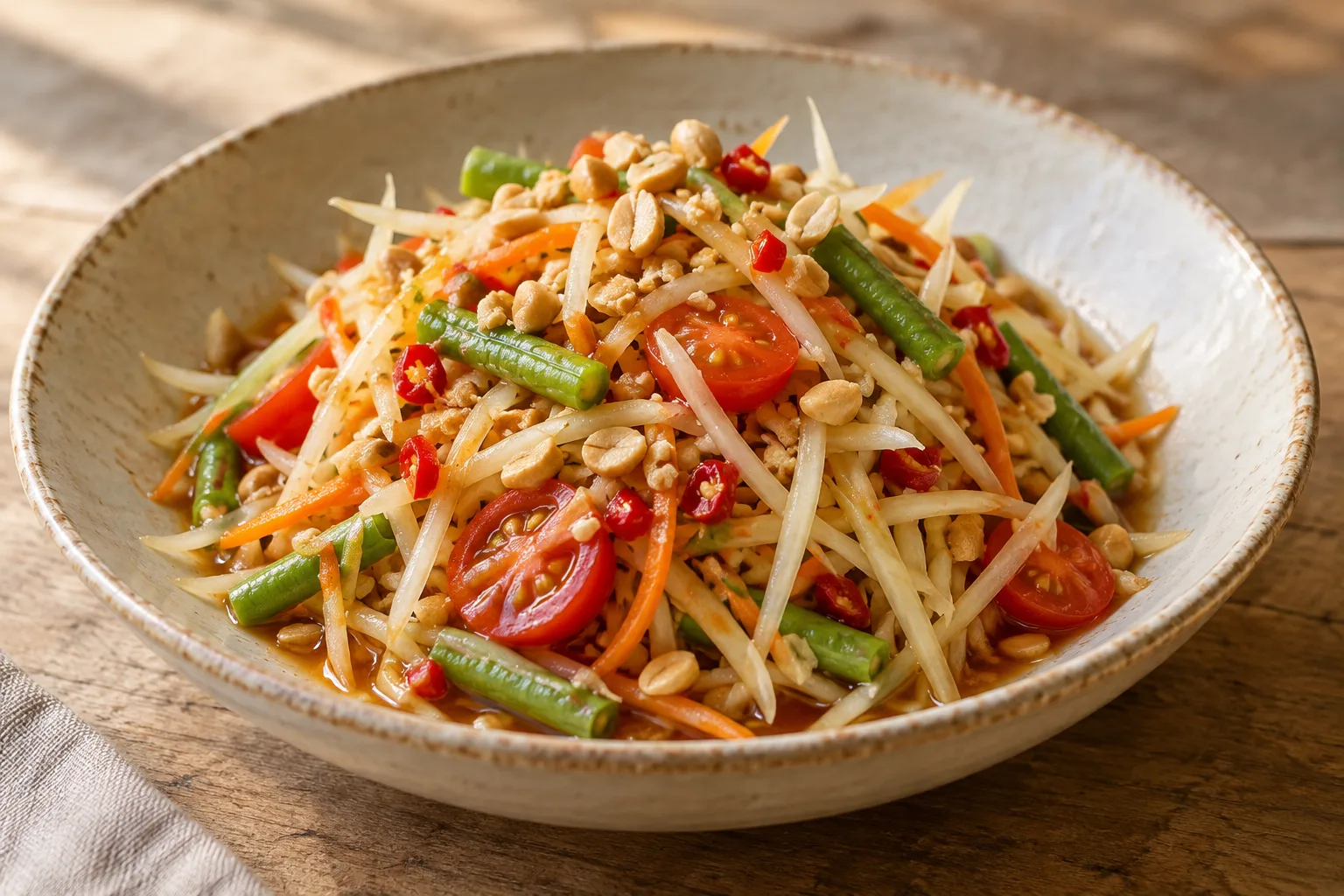
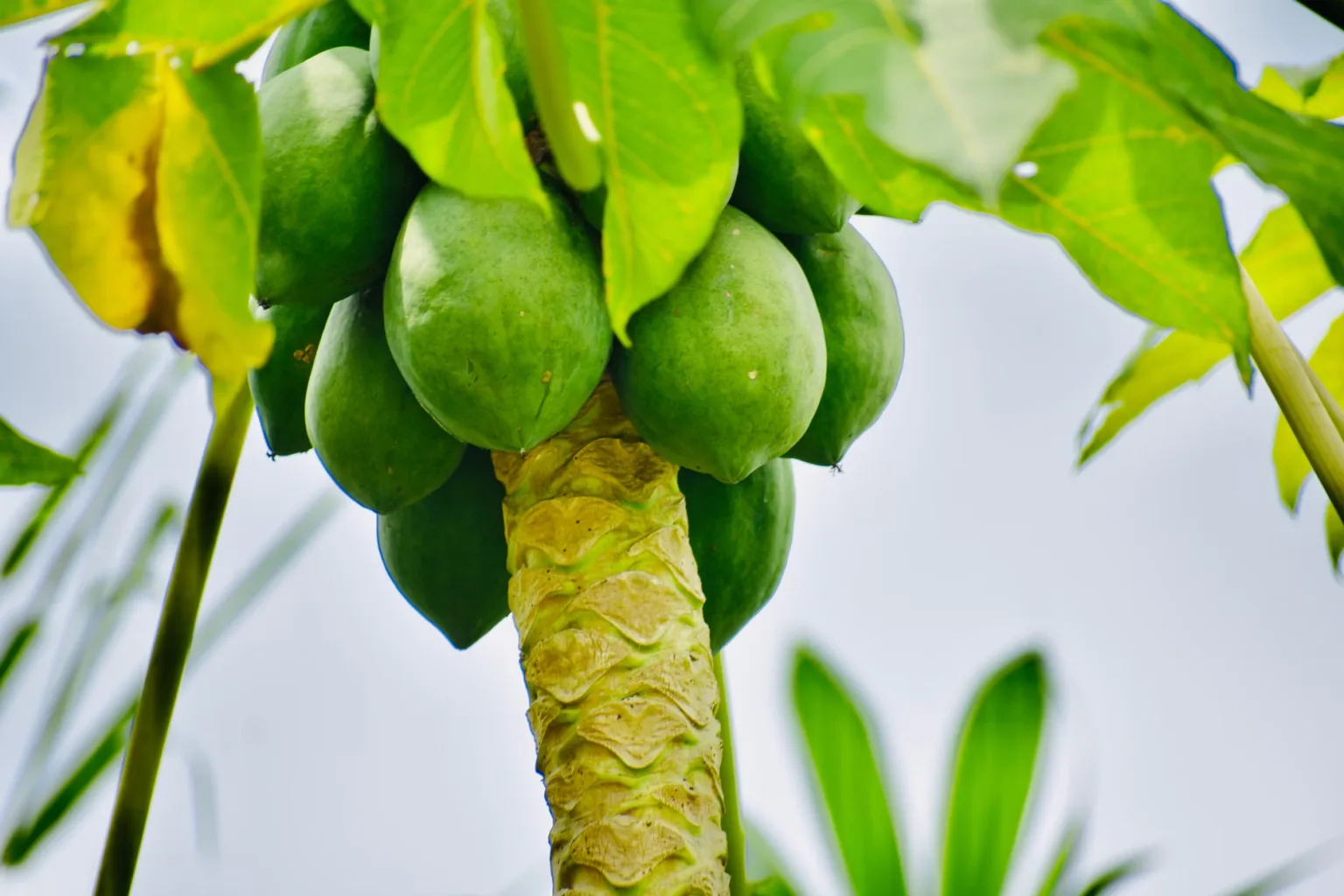
Green papaya is the fruit of the papaya plant before it develops the qualities of ripe papaya. At this stage, it often has green skin and pale flesh, and is used in cooking much like a vegetable. Its flavor is subdued, sometimes with tart or slightly bitter notes, and its firm flesh can be shredded or cut into thin strips. It is used in raw salads and cooked dishes such as curries, soups, sauces, rice dishes and stews. The fruit’s stage of development can affect its flavor and texture, so adjust the cut and preparation to the firmness of the individual fruit.
When to use it
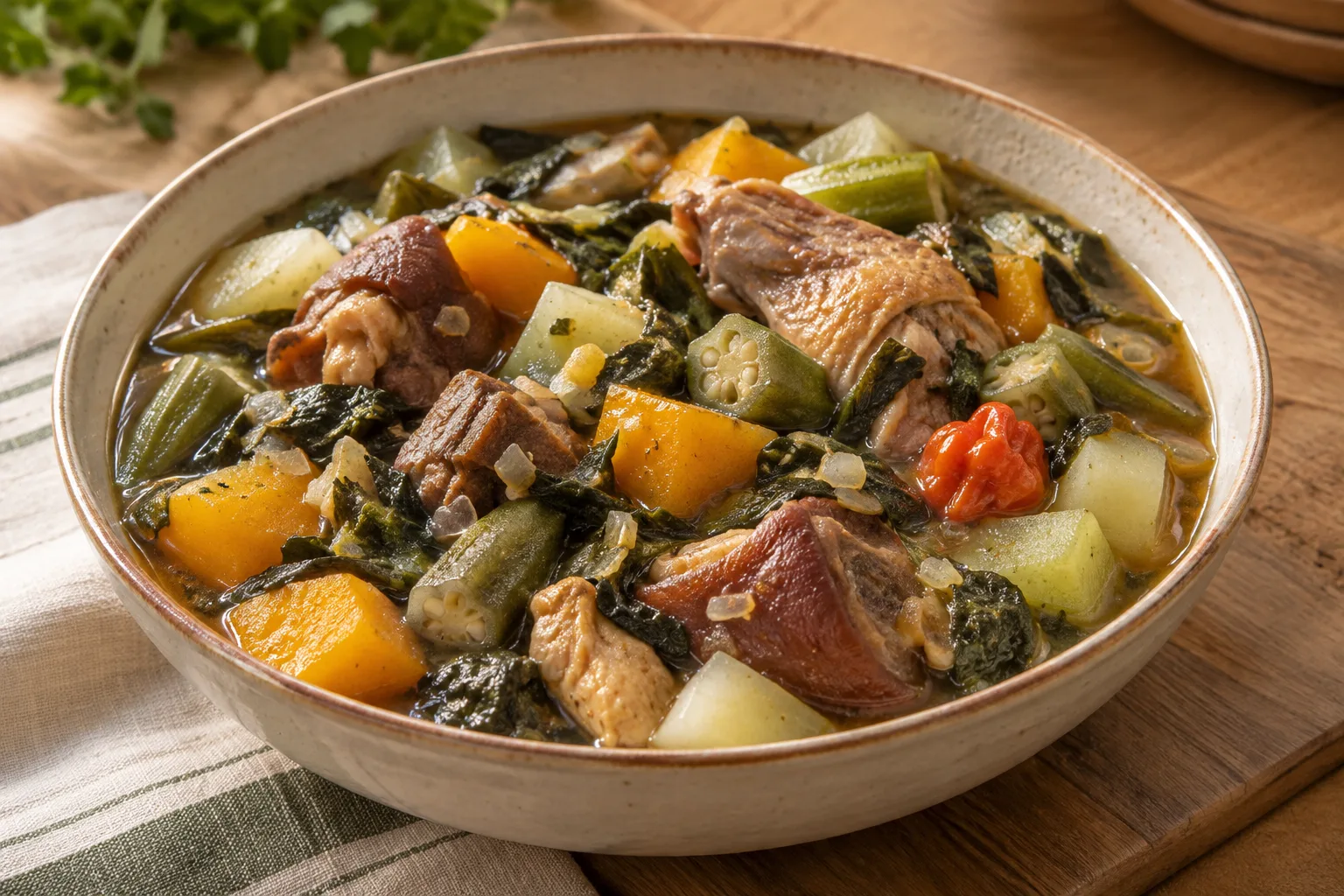
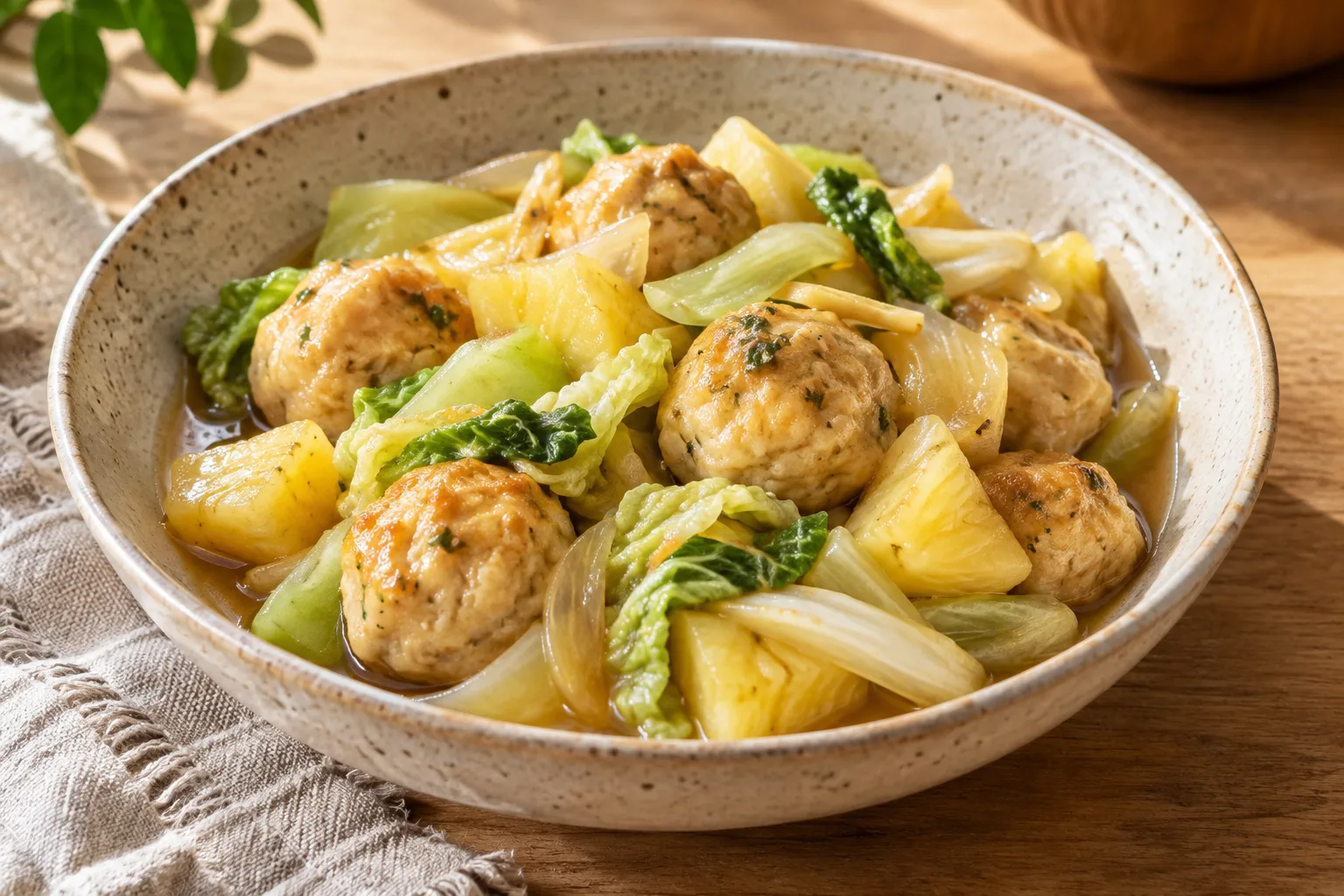
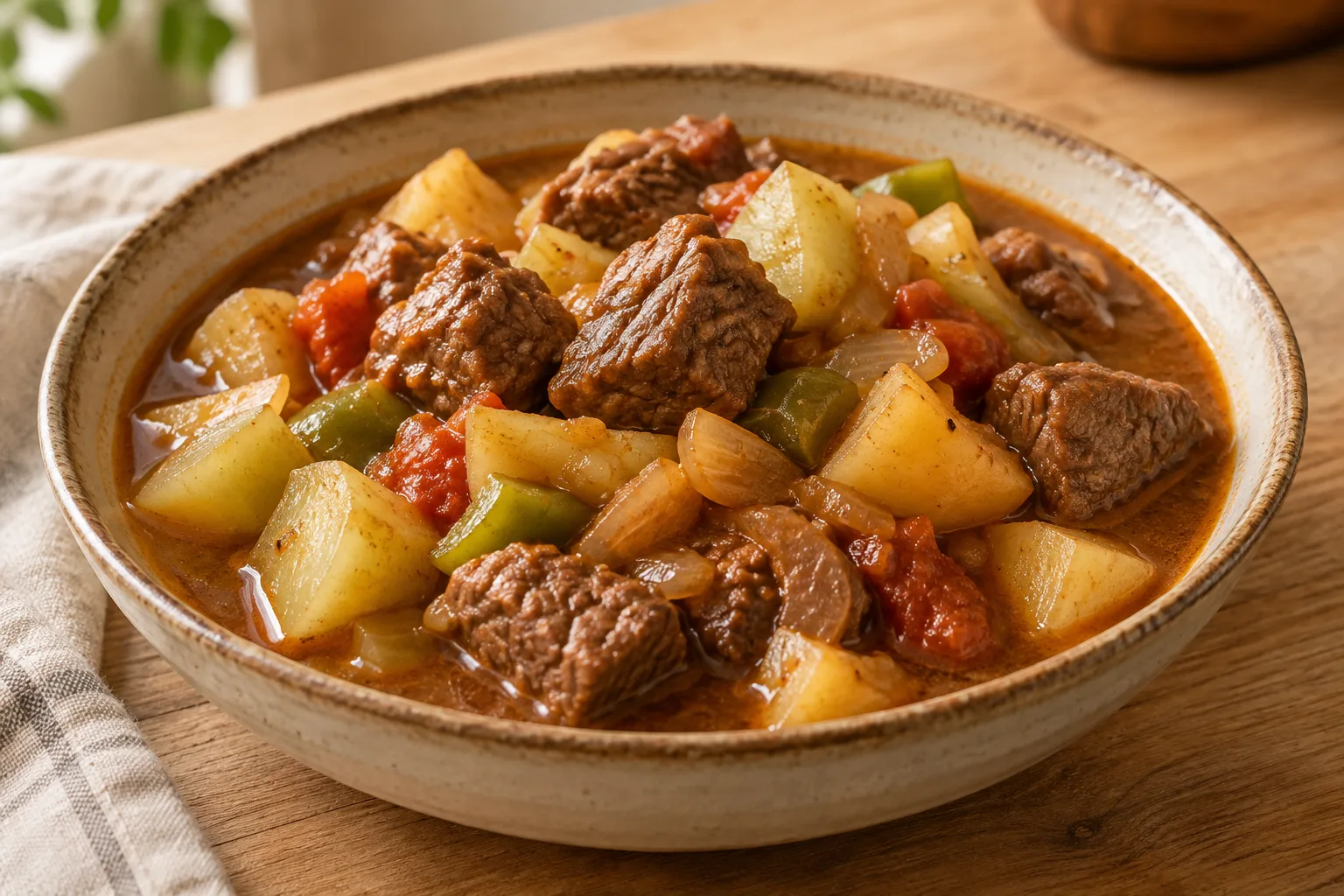
Choose green papaya when you want to add firm texture and a mild flavor to a crunchy salad or cooked dish. Shredded or cut into thin strips, it works in salads with assertive dressings; diced or sliced, it can go into curries, soups, stews and rice dishes. It is also used in stir-fries. Do not expect the sweetness or soft flesh of ripe papaya: green papaya is valued for its firmness and its ability to pair with bold seasonings.
How to use it
For a salad, peel the papaya, halve it and remove the seeds; then shred the flesh or cut it into thin strips. Dress it with lime and chili, and add peanuts for a crunchy contrast if desired. For cooked dishes, cut the flesh into cubes or slices and add it to curries, soups, stews or rice dishes; it can also be stir-fried with other ingredients. Its mild flavor works well with bold seasonings. Check the texture as you prepare it and adjust the cut to suit the result you want. Green papaya can be eaten raw or cooked.
Flavour and texture
Green papaya is milder than ripe papaya, with possible tart or slightly bitter notes. Its firm, crisp flesh can be shredded or cut into strips for salads. Cooking softens it, and the final texture depends on the cut and preparation. Do not expect the sweetness or tender, juicy flesh of ripe papaya: the green fruit is more restrained and works well with dressings and spices.
How to choose it
Look for a fruit that appears green and has pale flesh when cut, characteristics associated with green papaya. Size and firmness can vary, so choose one that suits your recipe. Firm flesh is practical for shredding or cutting into strips; for diced cooked dishes, you may also want flesh that holds its shape when handled. Do not assume it will have the sweet flavor and soft texture of ripe papaya.
Storage
The available information does not establish a specific storage period or method for green papaya, so an exact storage time cannot be recommended. Keep in mind that the firmness and condition of individual fruits can vary, and inspect the fruit before use. Do not use a fruit with obvious spoilage, such as mold or decomposed areas.
Substitutions
For a mild, crunchy preparation, kohlrabi can work as a vegetable substitute, although it does not taste exactly like papaya. In curries, soups or stews, zucchini can stand in when you want a mild ingredient, but its texture differs. Adjust the cut and the time you add the substitute to suit the consistency you want; neither option fully reproduces the character of green papaya.
Common mistakes
A common mistake is expecting green papaya to be sweet and soft like ripe papaya. For a light salad, cutting it into thick pieces may give a less suitable texture; shred it or cut it thin. In hot dishes, do not assume it will keep the same firmness throughout cooking. Check the texture as it cooks and adjust the size of the pieces. Remove the seeds when preparing the flesh.
Safety and allergens
No specific warning about green papaya is established here. As a general precaution, do not eat fruit with obvious spoilage, such as mold or decomposed areas.
Culinary uses
- Ingrediente de sabor suave para ensaladas crujientes
- Componente firme para curris, sopas, guisos y platos de arroz
Recommended techniques
- Pelar y rallar o cortar en tiras finas para ensaladas crudas
- Cortar en dados o láminas para curris, sopas, guisos y salteados
Pairs well with
- Lima, chile y cacahuetes
- Condimentos de curry, arroz, salsa de pescado y gambas secas
Frequently asked questions
Does green papaya need to be cooked?
Not necessarily. It can be eaten raw, such as shredded in a salad, or cooked in curries, soups and stews.
How is it different from ripe papaya?
Green papaya usually has pale, firm flesh and a more subdued flavor, sometimes tart or slightly bitter. Ripe papaya is softer and sweeter.
How do I prepare it for a salad?
Peel it, halve it and remove the seeds. Then shred the flesh or cut it into thin strips and pair it with a bold dressing, such as lime and chili.
Ingredient allergens
Allergen listThere are no verified associations for these ingredients yet.
Sources and review
Automatically researched, cross-checked and validated content. Sources consulted:
- Client Challenge doi.org/10.2307/jj.27939689.16
- Usos culinarios apropiados de las variedades de plátano verde barraganete, dominico y maqueño, en la gastronomía ecuatoriana. | Revista de Gastronomía y Cocina doi.org/10.70221/rgc.v4i2.97
- Deconstrucción de dulce típico colombiano servido en nochebuena de allí su nombre el cual es preparado por estudiante de Tecnología en Gestión Gastronómica de la Corporación Universitaria Comfacauca (Otra nochebuena) | OpenAlex openalex.org/W7132959004
- Comité Científico www.aesan.gob.es/dam/jcr:ed009337-0085-4c40-8a9d-4941400ca954/comite_cientifico_35.pdf
- Salsa (gastronomía) - Wikipedia, la enciclopedia libre es.wikipedia.org/wiki/Salsa_(gastronom%C3%ADa)
- EWG's Shopper's Guide to Pesticides in Produce | Summary go.middlebury.edu/dirtydozen
- Tanzania Food Composition Tables | The Nutrition Source nutritionsource.hsph.harvard.edu/wp-content/uploads/2023/09/Tanzania-Food-Composition-Tables…
- Coriandrum sativum - Wikipedia, la enciclopedia libre es.wikipedia.org/wiki/Coriandrum_sativum
- Papaya - National Center for Home Food Preservation nchfp.uga.edu/how/can/canning-fruits-and-fruit-products/papaya/
- La Naturaleza de Indias en la Plástica de la Edad Moderna | OpenAlex openalex.org/W2611868978
- Papaya verde, cruda (¿inmadura, orgánica?) | Fundación G+E www.diet-health.info/es/recetas/ingredientes/in/hb9474-papaya-verde-papaya-sin-madurar
- La papaya verde para tus recetas más exóticas - El Sabor del Maset www.elsabordelmaset.com/blog/la-papaya-verde-es-el-ingrediente-secreto-para-tus-platos-extic…
- La papaya verde. Entrevista a Marina Casas, Anecoop www.google.com/goto?url=CAESkgEB6zswFXol2ns0uqZ-nd5k8DtMCHc24WVYuDPorFat2se-BTrSTSDmm3je7kke…