- Category
- Herbs and spices
- State
- Powdered
- Usual unit
- teaspoon
What it is
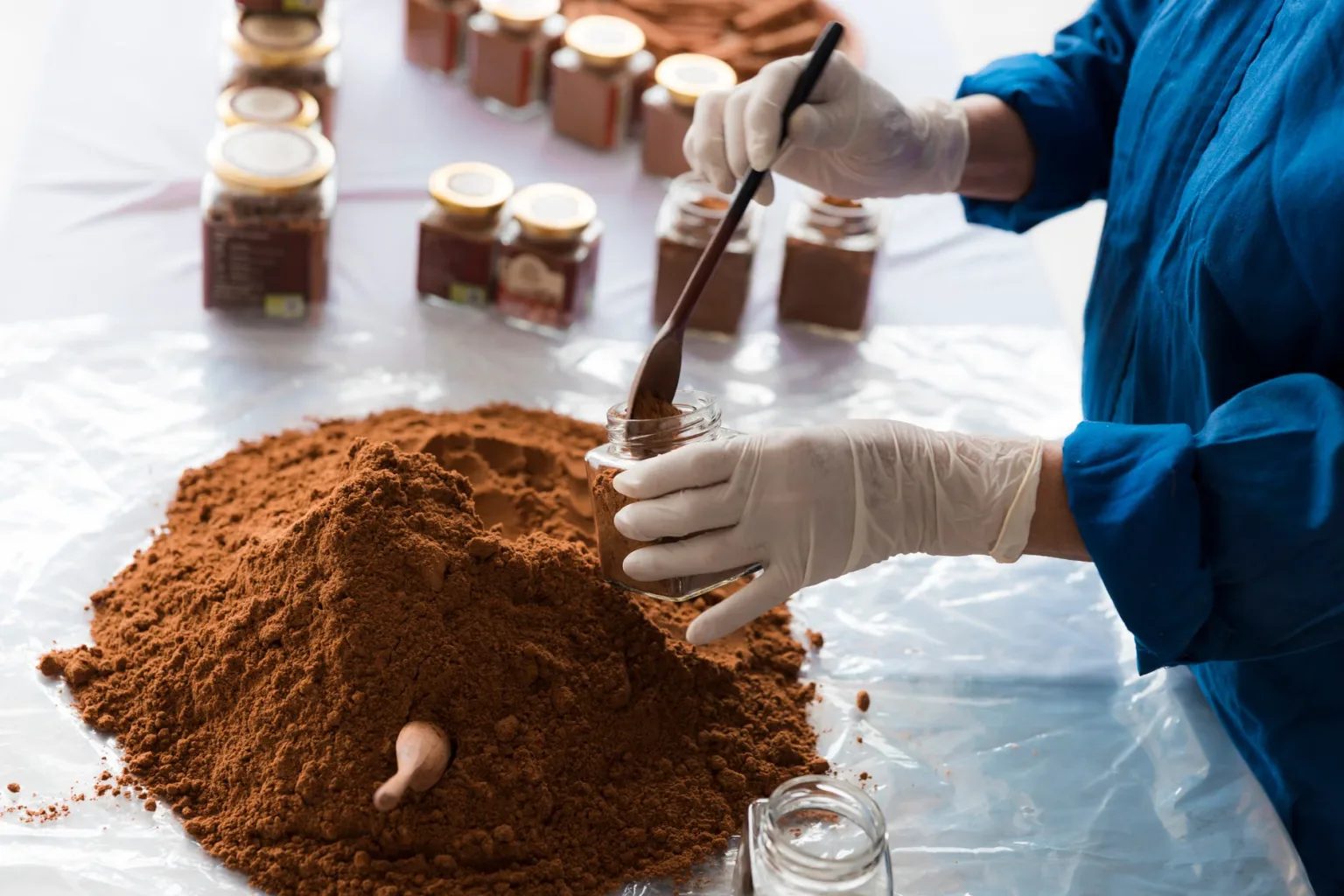
Ground blue fenugreek is a powdered spice made from dried parts of Trigonella caerulea, a member of the legume family. It is also known by names such as bread clover and schabzigerklee. It is not the same ingredient as common fenugreek, Trigonella foenum-graecum: they are different species and do not have identical flavors. In cooking, the powder offers a convenient way to distribute its aroma throughout doughs, cheeses, spice blends, and savory preparations. Its flavor is described as savory and slightly bitter, with notes reminiscent of hay and lovage. Ground blue fenugreek is a dry spice, not a fresh herb.
When to use it
Use it when you want to add an aromatic note to savory bread, dough, cheese, dips, or spreads, or when you want a seasoning to blend evenly into a mixture. It can also suit marinades and potato dishes. Its savory, slightly bitter character can be noticeable, so it works best when you want the seasoning to contribute clear flavor rather than disappear into a neutral dish. If you are new to it, begin with a small amount and taste before adding more. Remember that blue fenugreek is not identical to common fenugreek.
How to use it
Measure a small amount and mix it with the dry ingredients before adding them to dough; this helps distribute the powder evenly. For cheese, dips, and spreads, stir it in gradually and mix thoroughly before adjusting the flavor. You can also combine it with other seasonings in a bread-spice blend or add it to a marinade or potato dish. Because its flavor is savory and slightly bitter, taste the preparation early and adjust cautiously. Follow the product label if it provides directions: intensity can differ between products, and no universal quantity is established here.
Flavour and texture
The fine powder is easy to blend into dough, seasoning mixes, and creamy preparations. Its aroma and flavor are savory and slightly bitter, with notes that may recall hay and lovage. Its profile is milder than that of common fenugreek, but the two come from different species and should not be treated as identical products. Perception can also vary with the product and the amount used.
How to choose it
Check the label for blue fenugreek or Trigonella caerulea: common fenugreek is generally identified as Trigonella foenum-graecum and is a different ingredient. Choose a powder labeled for food use and check that the package is intact and sealed. If you have a particular use in mind, such as bread, cheese, or a seasoning blend, check that the product format and manufacturer’s directions suit it.
Storage
Keep the powder tightly closed in a dry place, away from moisture. Avoid leaving it open near cooking steam or dipping in a damp utensil, as moisture can cause clumping. Follow the storage directions on the label and check that the product still looks and smells normal before use. No single storage period can be established here for every product.
Substitutions
Ground common fenugreek can offer a related note, but it is not an equivalent: it comes from a different species and has a different flavor profile. Dried fenugreek leaves are also a broad substitute only; they bring a more herbal character and do not exactly reproduce ground blue fenugreek. If a recipe depends on its distinctive flavor, omitting it may be preferable to presenting another ingredient as identical.
Common mistakes
Do not confuse blue fenugreek, Trigonella caerulea, with common fenugreek, Trigonella foenum-graecum: their flavors are not interchangeable without changing the dish. Avoid adding a large amount at once, as its savory, slightly bitter note may dominate. Also mix it thoroughly into dough or a dip to prevent uneven pockets of seasoning.
Safety and allergens
Use a product labeled for food use and follow its package directions. Keep the powder dry and do not use it if the package is damaged or the contents look or smell unusual. No ingredient-specific safety warning has been verified here.
Culinary uses
- Seasoning for bread and savory baking
- Aromatic ingredient in spice blends
- Flavoring for cheese, dips, and spreads
Recommended techniques
- Mix into dough or dry ingredients so it distributes evenly
- Whisk into dips, spreads, or sauces
- Blend into a spice mix before adding it to a dish
Pairs well with
- Bread and other savory baked goods
- Cheese and curd-style products
- Dips and savory spreads
- Potato dishes and marinades
Frequently asked questions
Is ground blue fenugreek the same as common fenugreek?
No. Blue fenugreek is Trigonella caerulea, while common fenugreek is Trigonella foenum-graecum. They are different species with different flavor profiles.
What can I use it in?
It can be mixed into savory bread and dough, cheese, dips, spreads, spice blends, marinades, and potato dishes.
How can I keep its flavor from taking over?
Start with a small amount, mix it thoroughly, and taste before adding more. The powder has a savory, slightly bitter character.
Ingredient allergens
Allergen listThere are no verified associations for these ingredients yet.
Sources and review
Automatically researched, cross-checked and validated content. Sources consulted:
- ¿Por qué la muerte es origen de miedos y tabúes? doi.org/10.64628/aao.fccyk3qj3
- Client Challenge doi.org/10.2307/jj.27939689.16
- Fenogreco: qué es, para qué sirve, propiedades y uso en la cocina bonviveur.com/es/noticias/fenogreco
- Descubriendo el Fenogreco: Especia Ancestral para tu Salud y Cocina - Especias RUCA ruca.es/descubriendo-el-fenogreco-especia-ancestral-para-tu-salud-y-cocina/
- Fenogreco o alholva | CreatiVegan.net creativegan.net/archives/fenogreco-o-alholva/
- Fenogreco | PAPRIMUR paprimur.es/productos/fenogreco/
- Especia - Wikipedia, la enciclopedia libre es.wikipedia.org/wiki/Especia
- El fenogreco en la gastronomía – Botanical-online www.botanical-online.com/alimentos/fenogreco-gastronomia
- Fenogreco: qué es, qué propiedades tiene y cómo incorporar este condimento ancestral a nuestra cocina www.directoalpaladar.com/ingredientes-y-alimentos/fenogreco-planta-ancestral-que-tiene-largo…
- Cómo cocinar Fenogreco – Botanical-online www.botanical-online.com/alimentos/fenogreco-alimentacion
- - YouTube www.youtube.com/watch?v=7R8nimcTDGk
- Fenogreco qué es, a qué sabe y cómo usar esta especia | Cocinatis www.cocinatis.com/como-cocinar/consejos-trucos/fenogreco_1_1159998.html
- Comprar polvo Fenogreco azul | Ecológico | Vehgroshop www.vehgroshop.es/fenogreco-azul-en-polvo-ecologico.html
- Fenogreco o alhova, sus beneficios y usos www.naturitas.es/blog/plantas/fenogreco-o-alhova-beneficios-y-usos?srsltid=AYCX9vLBEx8DmTRhb…
- Fenogreco (Trigonella foenum-graecum) - ALQUIMIA DE ESPECIAS abelion.ar/fenogreco/