- Category
- Herbs and spices
- State
- Powdered
- Usual unit
- teaspoon
What it is
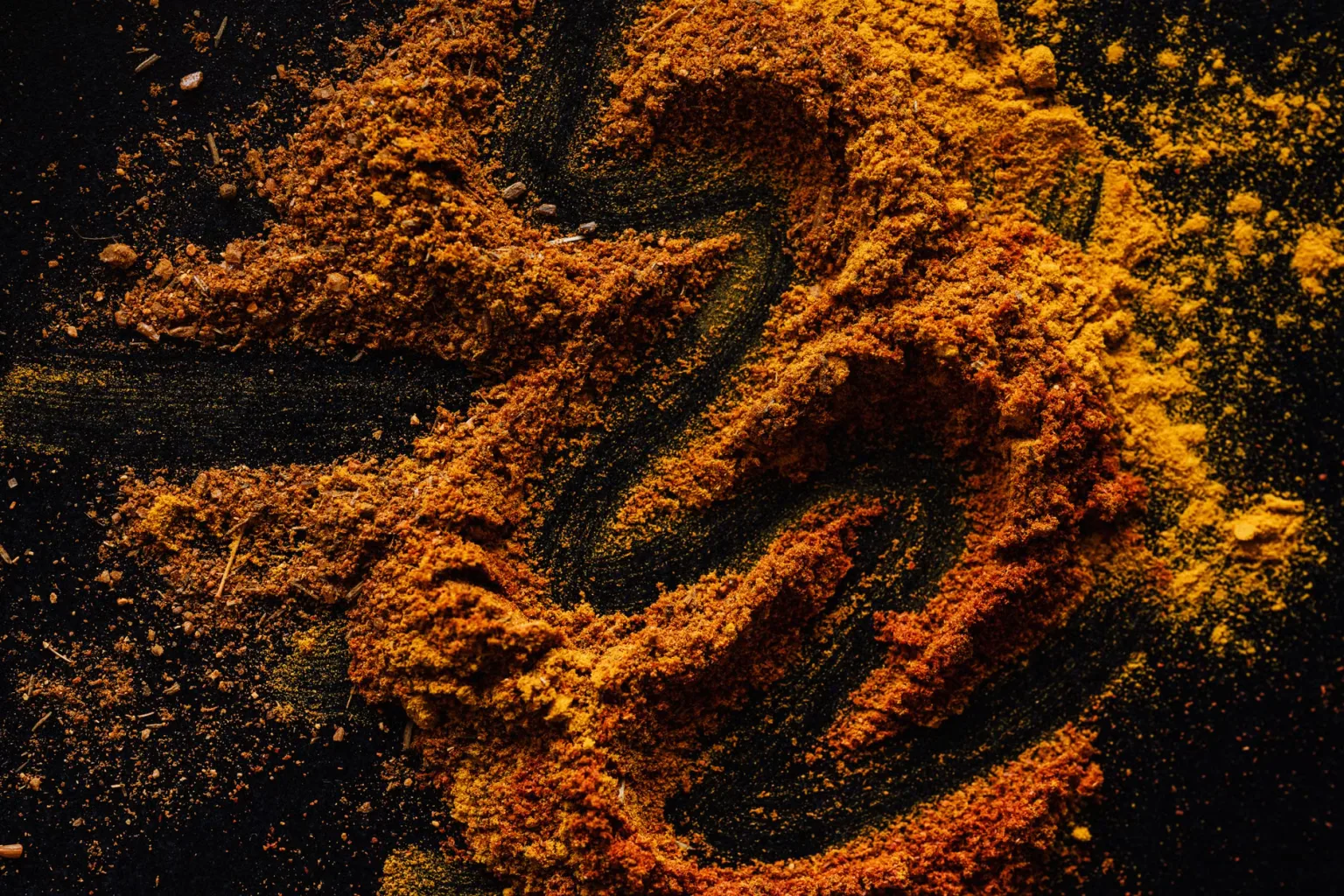
Ground paprika is a seasoning powder, usually red, made by drying and grinding selected varieties of pepper. It does not have just one flavour profile: it is available as sweet, hot or bittersweet paprika, with differences in heat and overall character. Some varieties, such as Pimentón de la Vera, are made by drying peppers with smoke and have a distinctive smoky aroma. Paprika adds flavour and colour to dishes; the particular result depends on the variety and how the peppers were dried.
When to use it
Use paprika when you want to add red colour and characteristic flavour to a dish, or when a preparation specifically calls for it. Sweet paprika is a non-hot option, while hot paprika adds heat and bittersweet paprika sits between those profiles. Smoked varieties can contribute a smoky note. Paprika is used with potatoes, octopus and chorizo, as well as in stews such as goulash. Choose the variety to suit the flavour you want.
How to use it
Add ground paprika as a seasoning during preparation, or sprinkle it over a finished dish. It can also be stirred into a mixture of oil and other seasonings, as in preparations for octopus. First choose between sweet, hot and bittersweet varieties, and remember that smoked paprika brings a different aroma. It is used in dishes with potatoes, octopus and sausages, and in stews such as goulash. Adjust the amount to taste and to the strength of the variety, especially when you are unfamiliar with its heat.
Flavour and texture
Paprika is a fine powder made from dried, ground peppers. Its flavour varies: it may be sweet and non-hot, hot to varying degrees, or bittersweet. Varieties made by drying peppers with smoke have a distinct smoky aroma.
How to choose it
Check the label to see whether the paprika is sweet, hot or bittersweet, since these varieties do not have the same flavour profile. If you want a smoky aroma, look for a variety identified as smoked, such as Pimentón de la Vera. Choose the style to suit the dish.
Storage
Paprika is a powder made from dried peppers. Keep it in its packaging and follow the storage directions on the label. The available information does not establish a shelf life or universal storage conditions for every variety and package.
Substitutions
You can swap one paprika variety for another: sweet paprika avoids heat, hot paprika adds more, and bittersweet paprika falls between those profiles. Smoked paprika is not identical to a non-smoky variety, so that swap will also change the dish’s character.
Common mistakes
Do not assume that all paprika is sweet, hot or smoky; check the variety before using it. Also, do not substitute one type for another without considering how the change may affect the dish’s heat and aroma.
Safety and allergens
Check the label for the variety and any product-specific directions. No specific safety warning for ground paprika is established here.
Culinary uses
- Seasoning
- Colouring ingredient
Recommended techniques
- Sprinkle over food as a seasoning
- Stir into oil or other seasoning mixtures
Pairs well with
- Potatoes
- Octopus
- Chorizo and other sausages
- Goulash
Frequently asked questions
Is ground paprika always hot?
No. Sweet varieties are non-hot, while hot varieties have different levels of heat. Check the label.
Does all paprika taste smoky?
No. Some varieties are dried with smoke and develop that aroma; others are not described as smoky.
What dishes can I use paprika in?
It is used with potatoes, octopus and sausages, and in stews such as goulash. Choose a variety to suit the flavour you want.
Ingredient allergens
Allergen listThere are no verified associations for these ingredients yet.
Estimated nutrition
- Fat
- 0 g
- Saturates
- 0 g
- Carbohydrate
- 0 g
- Sugars
- 0 g
- Protein
- 0 g
- Salt
- 0 g
Sources and review
Automatically researched, cross-checked and validated content. Sources consulted:
- Client Challenge doi.org/10.2307/jj.27939689.16
- The Essential Glossary of Cooking Terms for the Culinary Arts - Escoffier www.escoffier.edu/blog/culinary-arts/the-essential-glossary-of-cooking-terms-for-the-culinar…
- Vamos a Conservar Alimentos: Tomates extension.psu.edu/vamos-a-conservar-alimentos-tomates/
- La diabetes y la alimentación: Cómo planificar y cocinar comidas sabrosas y saludables | CAES Field Report fieldreport.caes.uga.edu/publications/C1364-08-SP/la-diabetes-y-la-alimentacion/
- Informe de resultados del estudio prospectivo para la ... www.aesan.gob.es/dam/jcr:ee696fed-8f9b-4c08-9978-5bf8a82a5d0f/Frutos_secos_pimentones_especi…
- Educación sobre la diabetes healthsystem.osumc.edu/pteduc/docs/DiabetesEducation_SP.pdf
- pork chop Archives | Dinner Tonight dinnertonight.tamu.edu/tag/pork-chop/
- Pimentón - Wikipedia, la enciclopedia libre es.wikipedia.org/wiki/Piment%C3%B3n?oldid=36541428
- El pimentón ecológico: el oro rojo murciano www.afuegolento.com/articulo/el-pimenton-ecologico-oro-rojo-murciano/3683/
- Pimentón de la Vera | Gastronomía & Cía www.gastronomiaycia.com/pimenton-de-la-vera/amp/
- Páprika - EcuRed www.ecured.cu/P%C3%A1prika
- Pimentón - WikiBurgos www.wikiburgos.es/index.php?diff=prev&oldid=18740&title=Piment%C3%B3n