- Category
- Dairy and eggs
- State
- Fresh
- Usual unit
- g
What it is
Ricotta is a fresh dairy product traditionally made by reheating the whey left after other cheeses are produced and collecting the proteins that form. Its Italian name refers to cooking again. It is usually white, moist, creamy and slightly grainy, though its consistency changes with draining and production methods. Ricotta can be made from whey from cow, sheep, goat or buffalo milk, so varieties may differ in flavor and texture. It is similar to requesón, but the names do not guarantee identical products: ingredients and methods can vary. In the kitchen, ricotta’s delicate taste makes it useful in both savory recipes and desserts.
When to use it
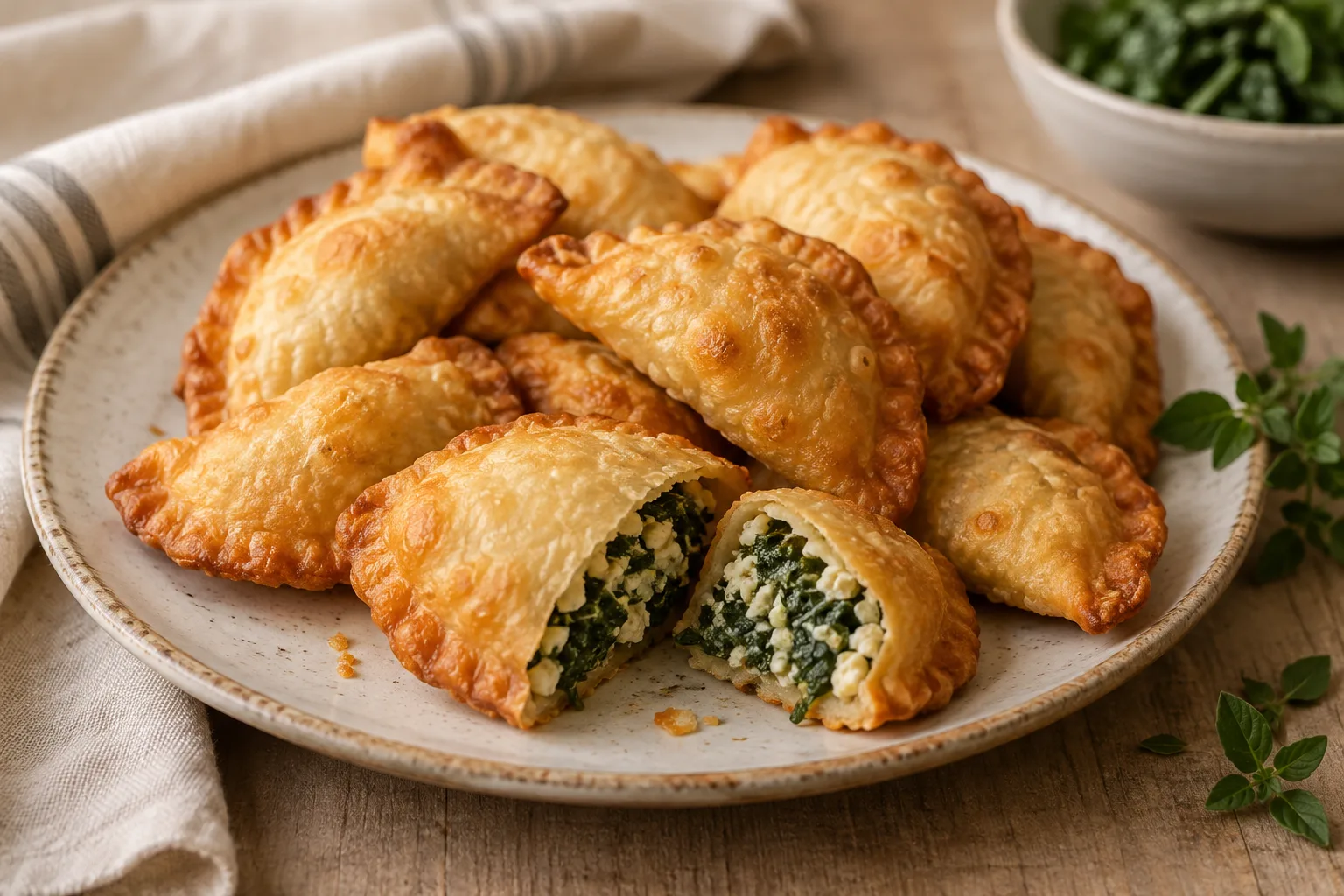
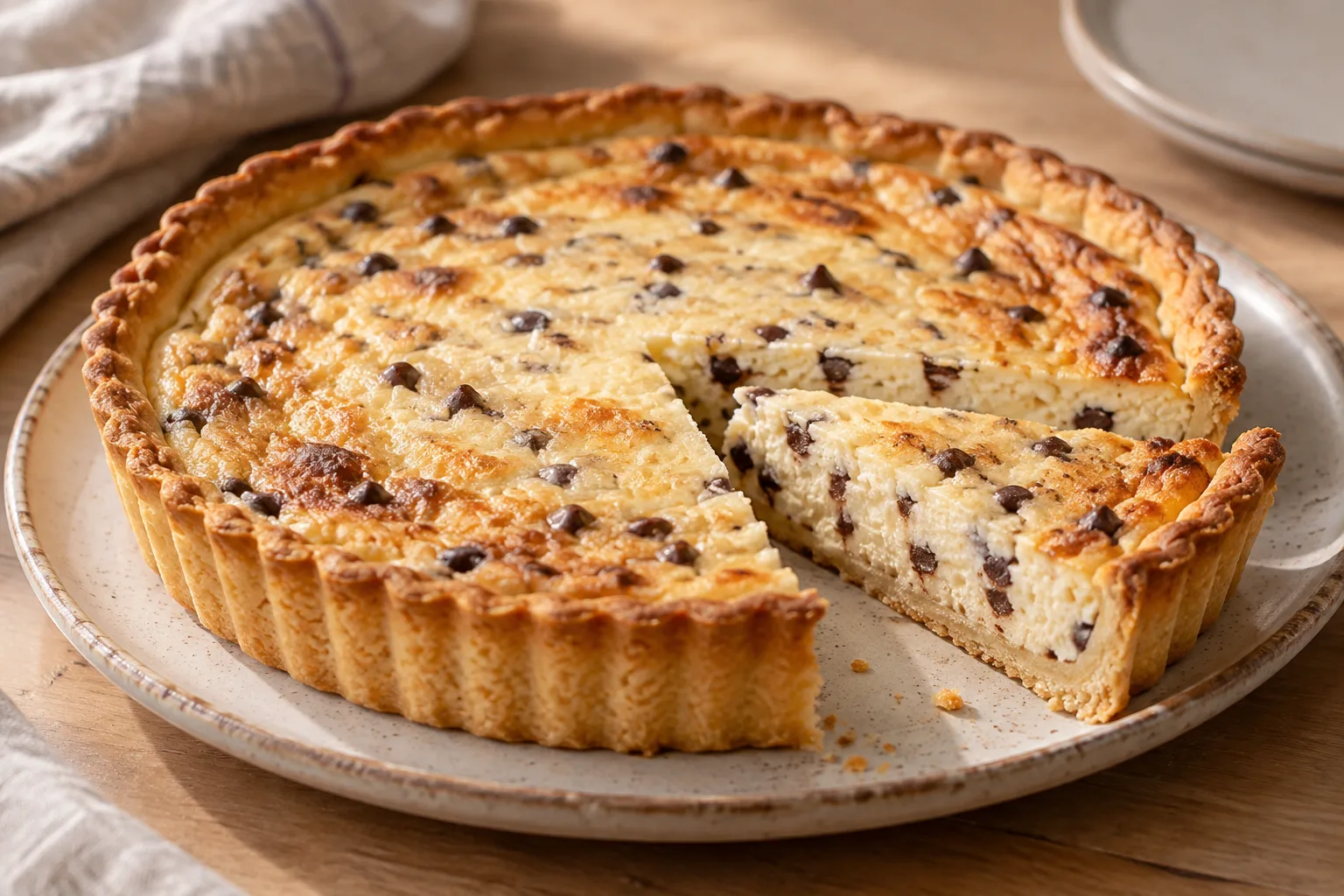
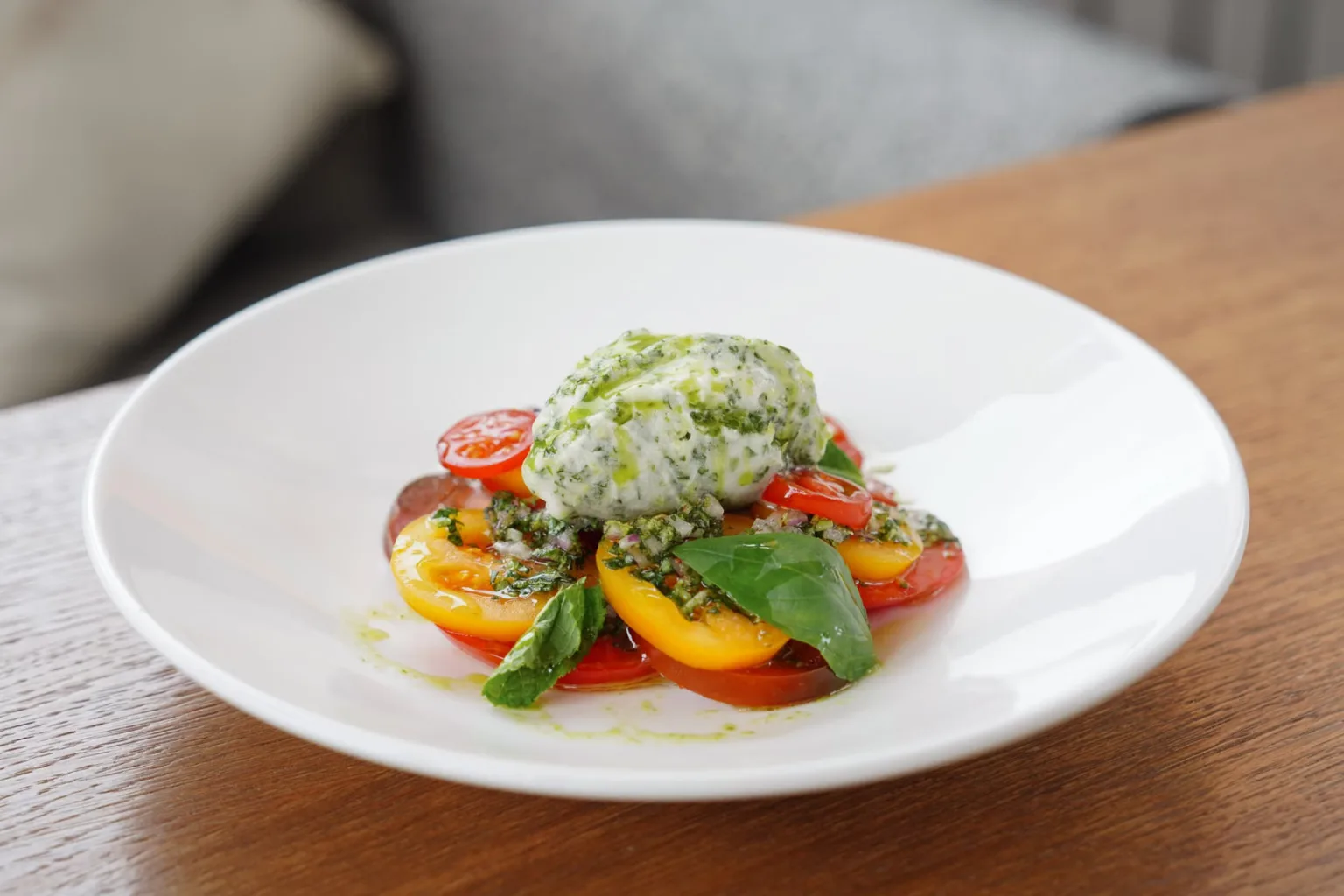
Choose ricotta when you want a soft, creamy texture without an assertive flavor taking over the dish. In savory cooking, it can fill ravioli, cannelloni and lasagna, or soften a pasta sauce. It also works crumbled into salads, spread on bread, or served with vegetables and herbs. A moist ricotta is easy to blend; a more thoroughly drained variety may be better when a filling needs to hold its shape. For sweet dishes, pair it with honey, fruit, citrus or chocolate. Adjust seasoning and sweetness to the specific product, since flavor and moisture vary between ricottas.
How to use it
Check the ricotta’s consistency first, and drain it if the recipe calls for a firm or less moist filling. For stuffed pasta, mix it with spinach, herbs or other ingredients and season to taste; avoid adding excess liquid so the mixture does not become loose. For sauces and creams, stir it in until distributed, bearing in mind that it can thicken the dish and leave a slightly grainy texture. In lasagna, layer ricotta with pasta, vegetables or sauce. To serve it uncooked, spoon it onto toast or salad and add tomato, pepper or herbs. For desserts, mix it with honey, sugar, citrus or chocolate for fillings and cakes. Keep the product refrigerated and follow the package directions.
Flavour and texture
Fresh ricotta is usually mild and milky, sometimes slightly sweet, with a moist, creamy and somewhat grainy texture. Draining affects how well it spreads and holds its shape: wetter varieties are softer, while drier ones are firmer. The type of milk and the production method also influence flavor.
How to choose it
Choose ricotta kept refrigerated in an intact package. Check the date and storage directions on the label, and select a consistency suited to your recipe: moister for spreading or blending, and more drained for firm fillings. The milk used and the production method can affect both flavor and texture.
Storage
Keep fresh ricotta refrigerated in its container or covered, and follow the maker’s directions after opening. As a perishable food, do not leave it at room temperature longer than necessary; keep the refrigerator at 4°C (40°F) or below. Discard it without tasting if the package is damaged or the product has an unpleasant odor or striking changes.
Substitutions
Requesón can be a close alternative, but is not necessarily identical; texture and flavor depend on the product. Another fresh ricotta, such as one made from sheep or buffalo milk, can be used in the same preparation, though it may change the flavor and moisture. Adjust draining and seasoning before using it.
Common mistakes
Using very moist ricotta in a filling that needs to stay firm can make the mixture too soft. Do not assume that all products called ricotta or requesón have the same texture or flavor. Avoid adding strong seasonings before tasting, since ricotta is usually delicate and some varieties may be more pronounced.
Safety and allergens
Ricotta is a dairy product and contains milk, an allergen. Keep it refrigerated, prevent cross-contamination and follow package directions. Do not taste it if its storage history is uncertain or it shows signs of spoilage.
Culinary uses
- Pasta and vegetable filling
- Creamy element in sauces, spreads and desserts
Recommended techniques
- Fold into a filling or cream
- Bake in pasta dishes, pies or cakes
- Serve fresh, spooned or spread
Pairs well with
- Spinach and herbs
- Tomato and black pepper
- Honey, citrus and fruit
- Chocolate and pistachios
Frequently asked questions
Can ricotta be used in both savory and sweet dishes?
Yes. Use it in pasta fillings, sauces and salads, or in cakes and other desserts with honey, fruit or chocolate.
Are ricotta and requesón the same?
They are similar products, but not always identical. Milk, production methods and draining can change their texture and flavor.
How can I make ricotta filling less wet?
Drain the ricotta before mixing and avoid adding unnecessary liquid. The final consistency also depends on the product.
Ingredient allergens
Allergen listDocumented presence
-
Milk and milk products
Ricotta
Estimated nutrition
- Fat
- 9.68 g
- Saturates
- 6.45 g
- Carbohydrate
- 4.84 g
- Sugars
- 4.84 g
- Fibre
- 0 g
- Protein
- 11.3 g
- Salt
- 0.3 g
Sources and review
Automatically researched, cross-checked and validated content. Sources consulted:
- Client Challenge doi.org/10.2307/jj.27939689.16
- Queso Ricotta: qué es, propiedades y cómo se come lafamigliarestaurantes.com/blog/queso-ricotta/
- Restaurante italiano en Madrid con platos con ricotta bresca.es/origen-uso-ricotta-cocina-italiana/
- Queso ricotta: Características y usos en gastronomía www.ditaly.es/queso-ricotta/
- Historia de un clásico italiano: El queso Ricotta | BLOG TGT www.grupotgt.com/es/blogs/queso-ricotta-historia-tradicion/
- Food Selection & Storage | Home & Garden Information Center hgic.clemson.edu/factsheet/food-selection-storage/
- Food Storage Guide extension.purdue.edu/county/floyd/hhs/hhs-education-papers/food-storage-guide.pdf
- Food Storage for Safety and Quality www.fcs.uga.edu/docs/FDNS-E-119.pdf
- Food Storage for Safety and Quality | CSU Extension extension.colostate.edu/resource/food-storage-for-safety-and-quality/
- Recreational Cooking Classes - Classic Cooking Academy www.ccacademy.edu/recreational-cooking-classes-old-page/
- E-118: Storing Food Safely | New Mexico State University - BE BOLD. Shape the Future. pubs.nmsu.edu/_e/E118/
- Home Food Storage | UNL Food | Nebraska food.unl.edu/free-resource/food-storage/
- Food Storage Guide Answers the Question . . . | NDSU Agriculture www.ndsu.edu/agriculture/extension/publications/food-storage-guide-answers-question
- Storing Food for Safety and Quality wpcdn.web.wsu.edu/extension/uploads/sites/45/2017/03/PNW0612-Storing-Food-for-Safety-and-Qua…
- La importancia del queso Ricota en la gastronomía Italia - ICPremium icpremium.com/la-importancia-del-queso-ricota-en-la-gastronomia-italia/
- - YouTube www.youtube.com/watch?v=6iEJVWBpw7I
- Ricotta Cheese | Canadian Dairy Commission www.cdc-ccl.ca/en/node/796