- Category
- Vegetables
- State
- Fresh
- Usual unit
- unit
What it is
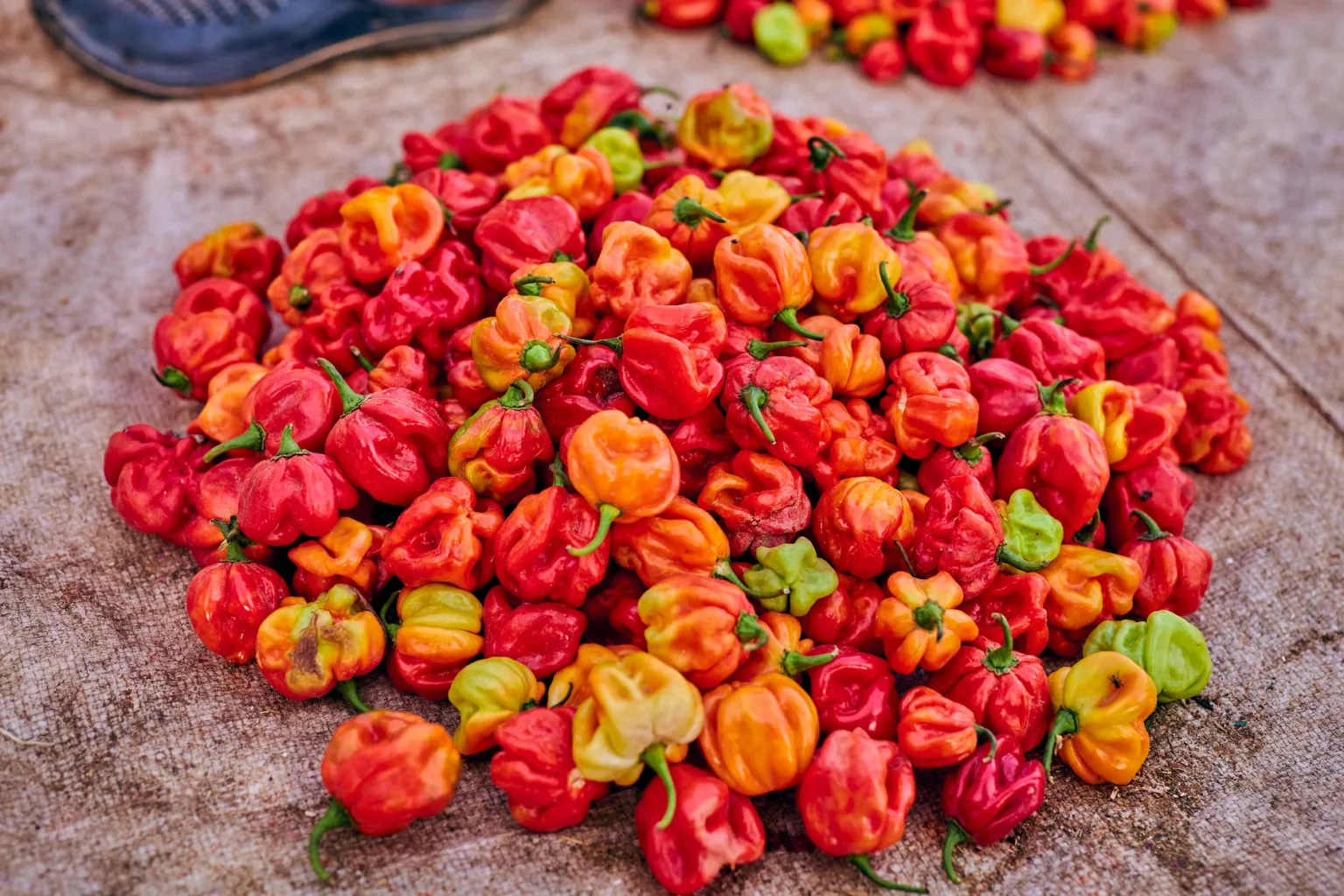
The Scotch bonnet is a chili pepper in the species Capsicum chinense. Its fleshy fruit is often recognized by a squat, bonnet-like shape, though appearance and color vary by cultivar and maturity. Fruits may change from green to yellow, orange or red. This is an intensely hot ingredient, and heat can vary between cultivars and individual peppers, so size alone is not a reliable guide to how much to use. Scotch bonnets share a species with habaneros, but the names do not promise identical flavor or pungency. The pepper is used to bring heat and a fruity character to sauces, marinades and Caribbean-style dishes, among other preparations. (Sources: 36096, 11139, 36100)
When to use it
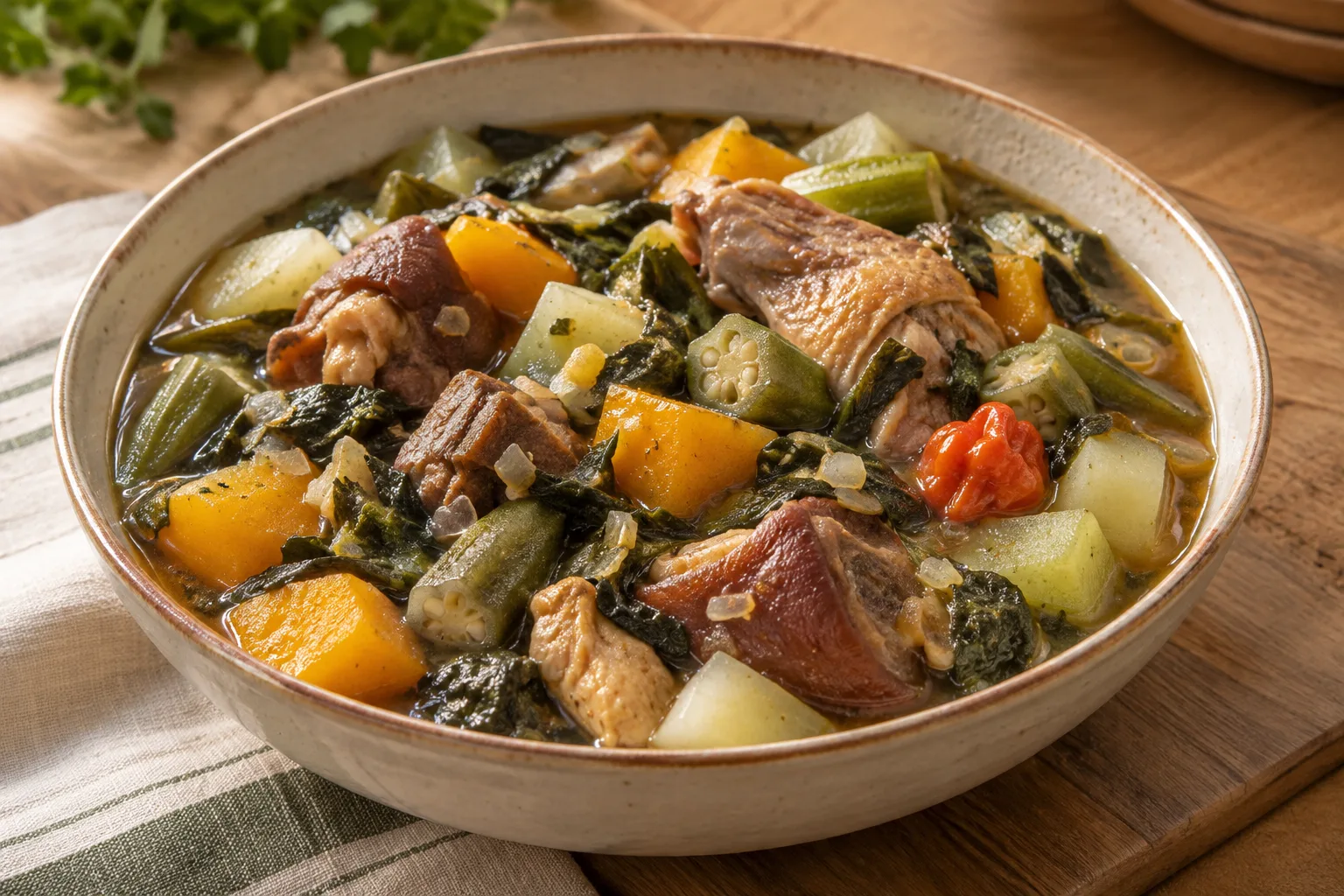
Use Scotch bonnet when you want pronounced heat with a fruity note in a sauce, marinade or stew. It suits Caribbean-inspired cooking, including jerk-style marinades, and can also bring intensity to bean dishes, rice or fruit-based sauces. Since pungency varies from pepper to pepper, begin with a small amount and taste before adding more. If you want to moderate the impact in a liquid dish, add a small piece and assess the flavor as it develops; the final heat depends on the recipe and how long the pepper is in contact with it.
How to use it
Rinse the pepper under running water and dry it before cutting. To reduce the chance of transferring capsaicin, wear plastic or rubber gloves and avoid touching your face. If you work without gloves, wash your hands thoroughly with soap and water before touching your face or eyes. Remove the stem, then finely chop or crush a small amount into a marinade, sauce or stew. Add more only after tasting, since heat varies between peppers. It pairs well in preparations with thyme, scallions, garlic, vinegar or allspice, and can also complement tropical fruit. To freeze hot peppers, wash them, remove the stems, package them securely and freeze; cutting them first is not necessary. (Sources: 10061, 36100, 36101)
Flavour and texture
Scotch bonnet brings intense heat, often alongside a fruity, somewhat sweet character, though the exact profile depends on the cultivar and pepper. Its flesh is substantial and juicy. Do not assume that a similar-looking chili has the same heat; taste a small piece and adjust the amount in the recipe.
How to choose it
Choose firm, fresh peppers without visible damage, following general guidance for selecting fresh peppers. Color can vary: fruits are described as green before ripening and may develop yellow, orange or red tones. Do not use color or size as a reliable measure of heat; pungency can vary among cultivars and even individual peppers. (Sources: 36097, 11139, 6416)
Storage
For longer storage, hot peppers can be frozen whole: wash them by gently rubbing under cold running water, remove the stems, package them and seal the package. They do not need to be cut before freezing. The available instructions do not give a specific storage period for fresh Scotch bonnets, so avoid assuming an exact shelf life. (Source: 10061)
Substitutions
Habanero is a close alternative: both belong to Capsicum chinense, but swapping one for the other does not guarantee the same heat or flavor profile. Another very hot chili can also work, with the amount adjusted gradually. Taste the substitute before adding it to the full dish, then rebalance the recipe to suit its intensity.
Common mistakes
Do not add a large amount at the start or assume every pepper has the same heat. Avoid handling a chili and then touching your face or eyes: wear gloves or wash your hands thoroughly with soap and water. Seeds are not the main source of pungency; heat-producing compounds are made mainly in the white placental tissue, and seeds can absorb them because of their proximity. (Sources: 10061, 36096)
Safety and allergens
Handle hot peppers with plastic or rubber gloves and avoid touching your face. If you do not wear gloves, wash your hands thoroughly with soap and water before touching your face or eyes. (Source: 10061)
Culinary uses
- Chili for adding intense heat and a fruity note
- Seasoning for Caribbean-style marinades, sauces and stews
Recommended techniques
- Finely chop or mince and add sparingly to sauces, marinades or cooked dishes
- Blend or crush into a hot sauce or seasoning paste
- Dry whole or cut peppers for later use
- Freeze whole after washing and removing the stems
Pairs well with
- Allspice and thyme
- Scallions and garlic
- Vinegar
- Tropical fruit such as mango
- Coconut milk and grilled meat
Frequently asked questions
Is a Scotch bonnet the same as a habanero?
They are not interchangeable names. Both are classified as Capsicum chinense, but Scotch bonnet is a distinct type, and heat and flavor can vary.
How hot is a Scotch bonnet?
It can be very hot, but pungency varies by cultivar and individual pepper. Start with a small amount and adjust after tasting.
Can I freeze Scotch bonnets whole?
Yes. Wash them, remove the stems, package them securely and freeze; they do not need to be cut first.
Ingredient allergens
Allergen listThere are no verified associations for these ingredients yet.
Estimated nutrition
- Fat
- 0 g
- Saturates
- 0 g
- Carbohydrate
- 0 g
- Sugars
- 0 g
- Protein
- 0 g
- Salt
- 4.25 g
Sources and review
Automatically researched, cross-checked and validated content. Sources consulted:
- ¿Por qué la muerte es origen de miedos y tabúes? doi.org/10.64628/aao.fccyk3qj3
- Client Challenge doi.org/10.2307/jj.27939689.16
- Grow your own peppers | OSU Extension Service extension.oregonstate.edu/catalog/ec-1227-grow-your-own-peppers
- How to Freeze Sweet, Bell and Hot Peppers | UNL Food | Nebraska food.unl.edu/article/freezing-peppers/
- Scotch bonnet - Wikipedia, la enciclopedia libre es.wikipedia.org/wiki/Scotch_bonnet
- Effect of Enzyme Activity and Frozen Storage on Jalapeño ... etd.ohiolink.edu/acprod/odb_etd/ws/send_file/send?accession=osu1274810596&disposition=inline
- Growing Peppers in the Home Garden | Yard and Garden yardandgarden.extension.iastate.edu/how-to/growing-peppers-home-garden
- Drying peppers | Food Blog ucanr.edu/blog/food-blog/article/drying-peppers
- BELL PEPPERS Variety Name Color Maturity Time (days) ... www.uwgb.edu/UWGBCMS/media/Heriloom-Plant-Sale/files/2022-Variety-Descriptions.pdf
- ¿Qué son los chiles Scotch Bonnet? - Blog de La Parada de las Especias comprarespecias.net/blog/scotch-bonnet/?srsltid=AYCX9vKaxR7ciBqGSMLUhc217fy6dh-mz-oviWZDywhz…
- Scotch Bonnet: comparación entre el pimiento picante del Caribe y el habanero republicofheat.com/es-es/chili-codex/scotch-bonnet?srsltid=AYCX9vK9a0X26vTxxJfkWZMp6sLw1hQrb…
- TUBAL: SCOTCH BONNET tubal.blogspot.com/2017/02/scotch-bonnet.html
- - YouTube www.youtube.com/watch?v=H269mnZB8RQ