- Category
- Vegetables
- State
- Fresh
- Usual unit
- unit
What it is
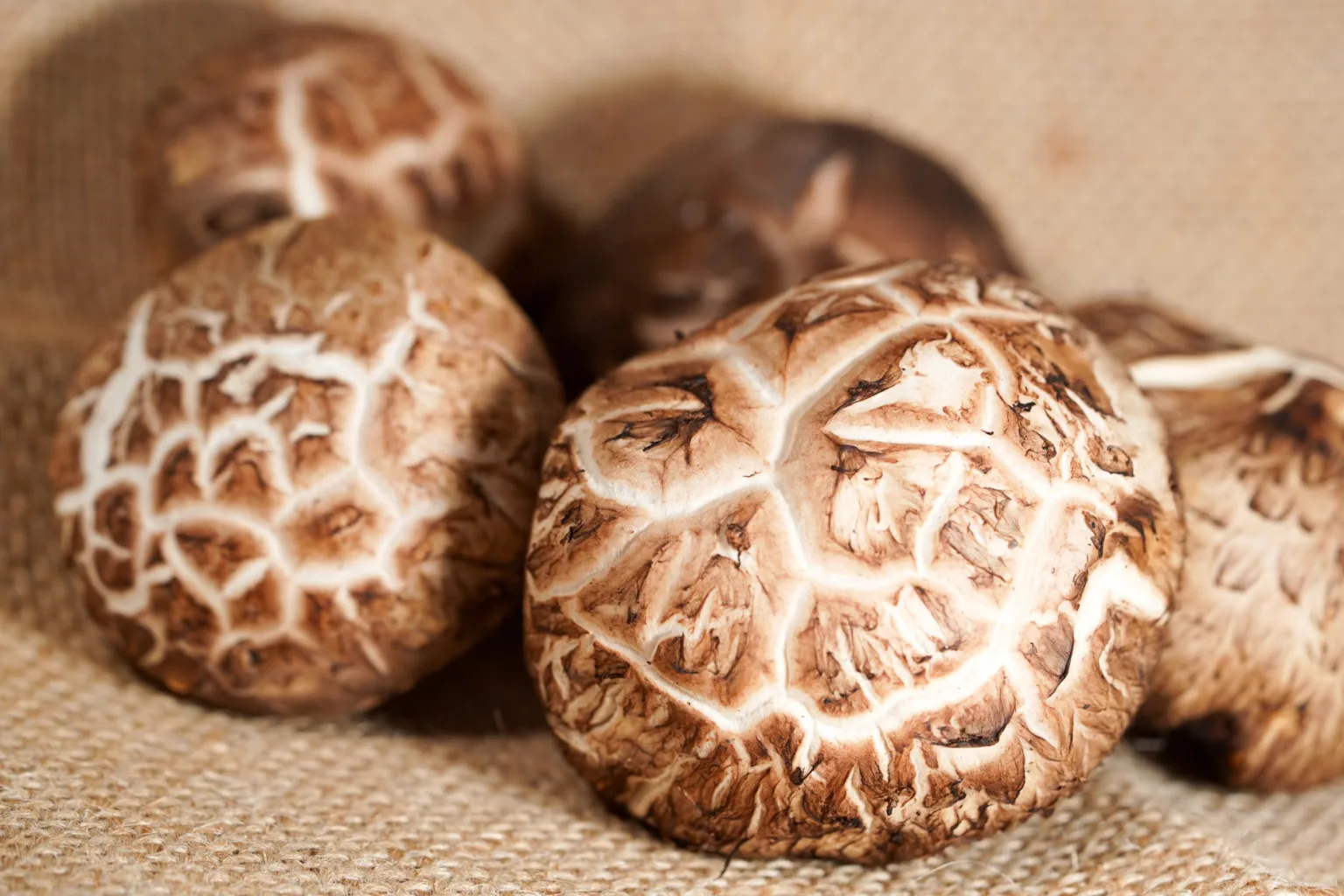
Shiitake, scientifically known as Lentinula edodes, is an edible mushroom cultivated on hardwood or sawdust blocks. It is recognized by its brown cap and pale gills. In cooking it is often grouped with vegetables, but it is a fungus rather than a plant. Shiitake is sold fresh and dried, and may also be available frozen. Its savory umami flavor and substantial texture make it useful as a main ingredient in meat-free dishes or in smaller amounts to deepen the flavor of soups and sauces. Dried shiitake has a more concentrated flavor and generally needs to be rehydrated before it is used in recipes that call for a tender mushroom texture.
When to use it
Use shiitake when you want to add savory depth and a firm bite to everyday meals or Asian-inspired dishes. Fresh mushrooms work well in stir-fries, soups, stews, pasta and rice dishes; dried ones are convenient pantry ingredients and especially useful in broths and other liquid-based recipes. Shiitake can also take a central role, such as in a warm salad or served over rice. Choose fresh mushrooms for a juicier texture and dried ones for a more concentrated flavor. There is no single season specified for cultivated shiitake, so availability depends on the market.
How to use it
Inspect the mushrooms and remove any damaged portions. Slice or chop the caps, then cook them in a pan, soup or on a grill. Stems can be tougher than caps; remove them if they seem fibrous, or use them to flavor broth and take them out before serving. To use dried shiitake, cover the mushrooms with water and let them soften, then drain and cut them as needed. You can strain the soaking liquid and add it to a soup or stew if it is clean and tastes pleasant. Taste the finished dish before adding salt, especially when using soy sauce or salted stock. Cook the mushrooms as part of a complete dish rather than treating them as a ready-to-eat garnish.
Flavour and texture
Shiitake has a pronounced savory, umami flavor with earthy notes that become more concentrated when the mushrooms are dried. Cooked caps are firm and meaty, with a slight chew, and fresh ones can remain juicy. Stems are often tougher and more fibrous than caps, so they can be removed or used to flavor broth. Rehydrating dried shiitake softens the mushrooms, but their flavor is usually more concentrated than that of fresh shiitake.
How to choose it
When choosing fresh shiitake, look for firm mushrooms with an intact appearance and no slimy surface or obvious signs of spoilage. Whole mushrooms make it easier to assess their condition than pre-sliced ones. For dried shiitake, check that the package is sealed and that the mushrooms show no visible moisture. Size, color and shape can vary naturally; prioritize mushrooms that look and smell fresh and sound.
Storage
Keep fresh shiitake refrigerated in a container that allows some airflow; avoid sealing them airtight, since trapped moisture can encourage spoilage. Use them promptly and discard mushrooms that become slimy, moldy or unpleasant-smelling. Store dried shiitake in a sealed container in a cool, dry place. A mushroom-growing guide advises cooking shiitake before freezing, then cooling and packaging them promptly; follow reliable preservation directions suited to your product and equipment.
Substitutions
In soups, stir-fries and rice dishes, substitute button mushrooms or other edible mushrooms for shiitake, knowing the flavor and texture will change. If you have only dried shiitake, rehydrate them before use and remember that their flavor may be more intense; adjust the quantity and seasoning. When replacing dried shiitake with fresh, account for the fresh mushrooms’ higher moisture and less concentrated flavor.
Common mistakes
Do not store fresh shiitake in an airtight container or keep using mushrooms that have become slimy or spoiled. Avoid assuming that stems have the same texture as caps: they can be tough and fibrous. Also, do not automatically add all the salt called for in a recipe when using soy sauce, salted stock or seasoned soaking liquid. Dried mushrooms need to soften before they are used in a dish where a tender texture is expected.
Safety and allergens
Buy shiitake intended for food and check their condition before cooking. Refrigerate fresh mushrooms and discard any that are moldy, slimy or unpleasant-smelling. Do not eat foraged mushrooms unless their identity as an edible species is certain.
Culinary uses
- Ingrediente principal o guarnición en platos salados
- Aporte de sabor umami y textura carnosa a sopas, salteados y arroces
Recommended techniques
- Saltear
- Asar a la parrilla
- Cocer a fuego lento en sopas o guisos
- Rehidratar si están secos
Pairs well with
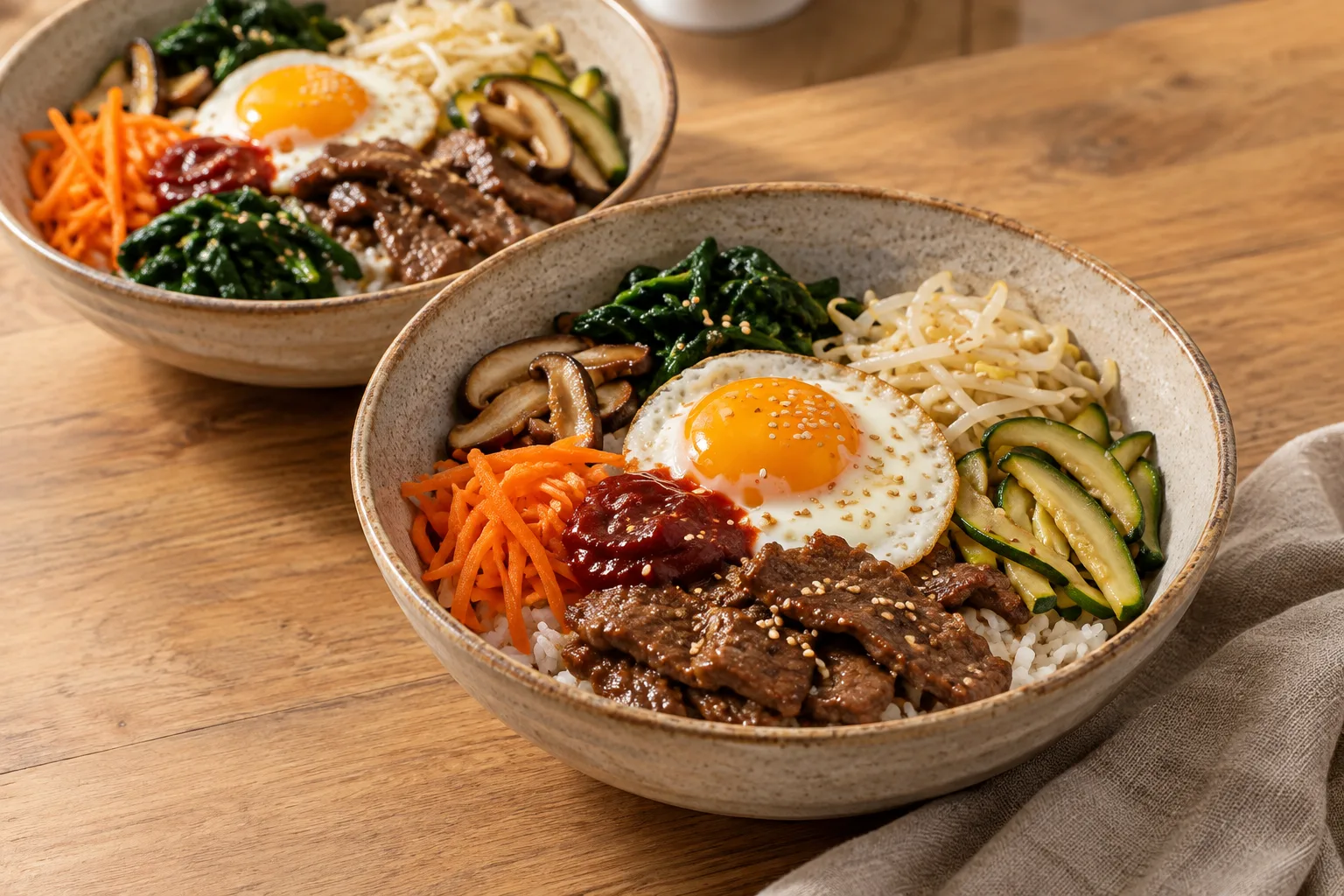
- Arroz y fideos
- Jengibre y ajo
- Salsa de soja
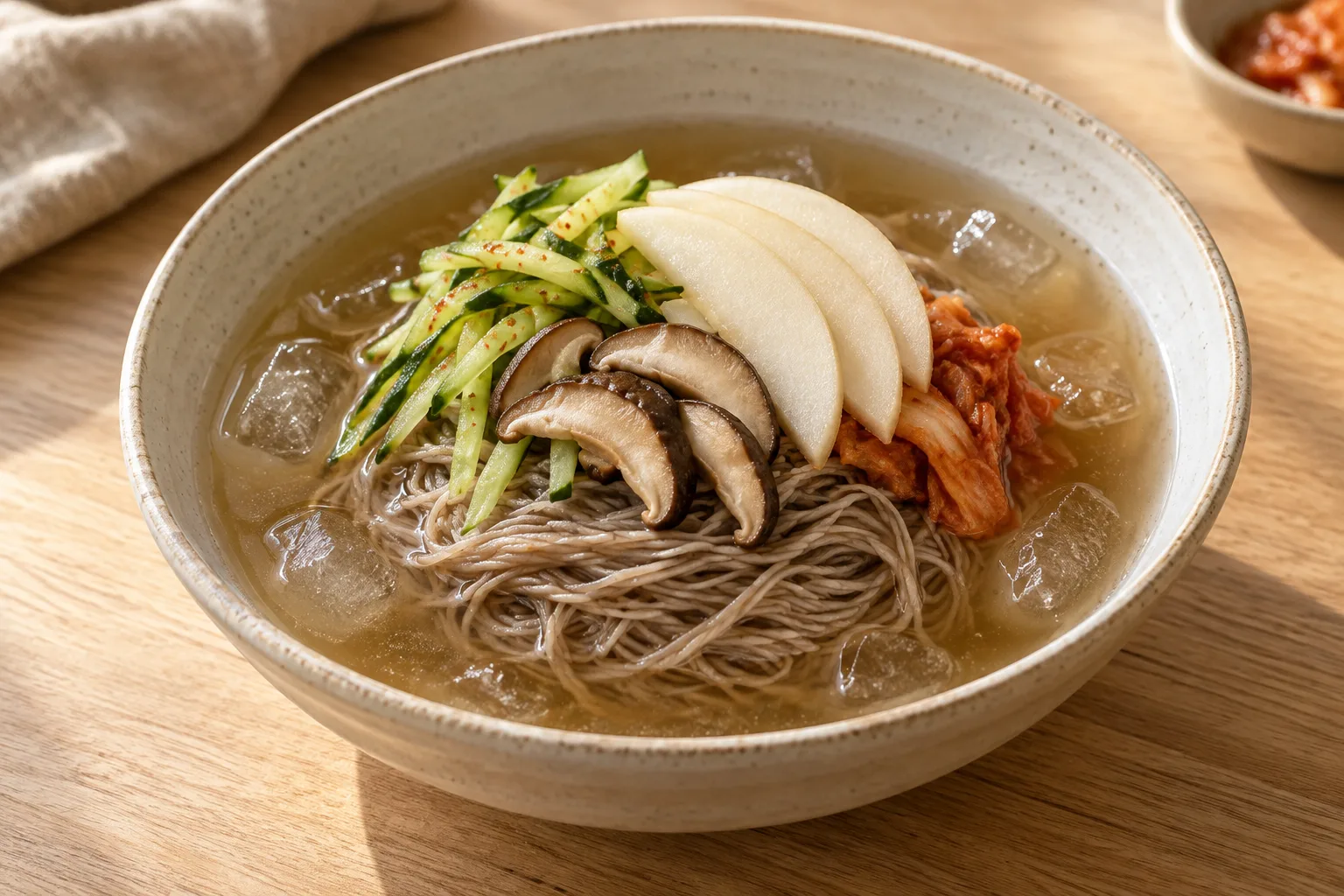
- Pepino y semillas de sésamo
Frequently asked questions
Are shiitake mushrooms vegetables?
No. Shiitake are fungi. They are often grouped with vegetables in cooking because of how they are used in savory dishes, but they are not plants.
Can I use dried shiitake instead of fresh?
Yes. Rehydrate dried shiitake before cooking; the flavor is often more concentrated than fresh, so adjust the amount and seasoning.
What should I do with shiitake stems?
If they are tough or fibrous, remove them from the finished dish. You can use them to flavor broth and strain them out before serving.
Ingredient allergens
Allergen listThere are no verified associations for these ingredients yet.
Estimated nutrition
- Fat
- 0 g
- Saturates
- 0 g
- Carbohydrate
- 14.1 g
- Sugars
- 3.53 g
- Fibre
- 2.4 g
- Protein
- 1.18 g
- Salt
- 0.01 g
Sources and review
Automatically researched, cross-checked and validated content. Sources consulted:
- Comer setas puede salvar el planeta: por qué la micología es clave para una alimentación sostenible doi.org/10.64628/aao.gdmqatdhj
- revista del - Comité Científico www.aesan.gob.es/dam/jcr:c6a76f54-0d6e-43b4-ad26-ac603ba37960/comite_cientifico_38.pdf
- Storage & Preservation - Cornell Small Farms smallfarms.cornell.edu/resources/methods-of-commercial-mushroom-cultivation-in-the-northeast…
- Shiitake Production: Log Selection and Preparation | Extension Publications publications.mgcafe.uky.edu/for-79
- Mushrooms Demystified | Institute of Culinary Education www.ice.edu/blog/mushrooms-demystified
- Shiitake Mushroom Logs: a Food, Health, and Home Gardening Revolution- Pine Mountain, Kathleen Powers - Grow Appalachia growappalachia.berea.edu/2011/09/30/shiitake-mushroom-logs-a-food-health-and-home-gardening-…
- Marinated Shiitake Mushroom and Cucumber Salad • The Nutrition Source nutritionsource.hsph.harvard.edu/marinated-shiitake-mushroom-and-cucumber-salad/
- Shiitake Production on Hardwood Logs | Mississippi State University Extension Service extension.msstate.edu/publications/shiitake-production-hardwood-logs
- Shiitake Mushroom Gardening - Alabama Cooperative Extension System www.aces.edu/blog/topics/fruits-vegetables-urban/shiitake-mushroom-gardening/
- Setas shiitake: qué son, propiedades y recetas - Oriental Market www.orientalmarket.es/setas-shiitake/?srsltid=AYCX9vLcFCQTWKRrz-7ZZ-Om7egi09Hcof4DsKbRS-sW30…
- Shiitake: tradición, propiedades, beneficios y recetas www.boletsdesoca.com/es/shiitake-tradicion-propiedades-beneficios-para-la-salud-usos-y-culti…
- Shiitake: Qué Es, Propiedades y Curiosidades | Resetea resetea.es/setas-shiitake-todo-lo-que-necesitas-saber/
- Setas Shiitake, las indiscutidas protagonistas en los platos asiáticos y vegetarianos: su origen, propiedades y beneficios www.directoalpaladar.com/ingredientes-y-alimentos/setas-shiitake-indiscutidas-protagonistas-…