- Category
- Vegetables
- State
- Fresh
- Usual unit
- unit
What it is
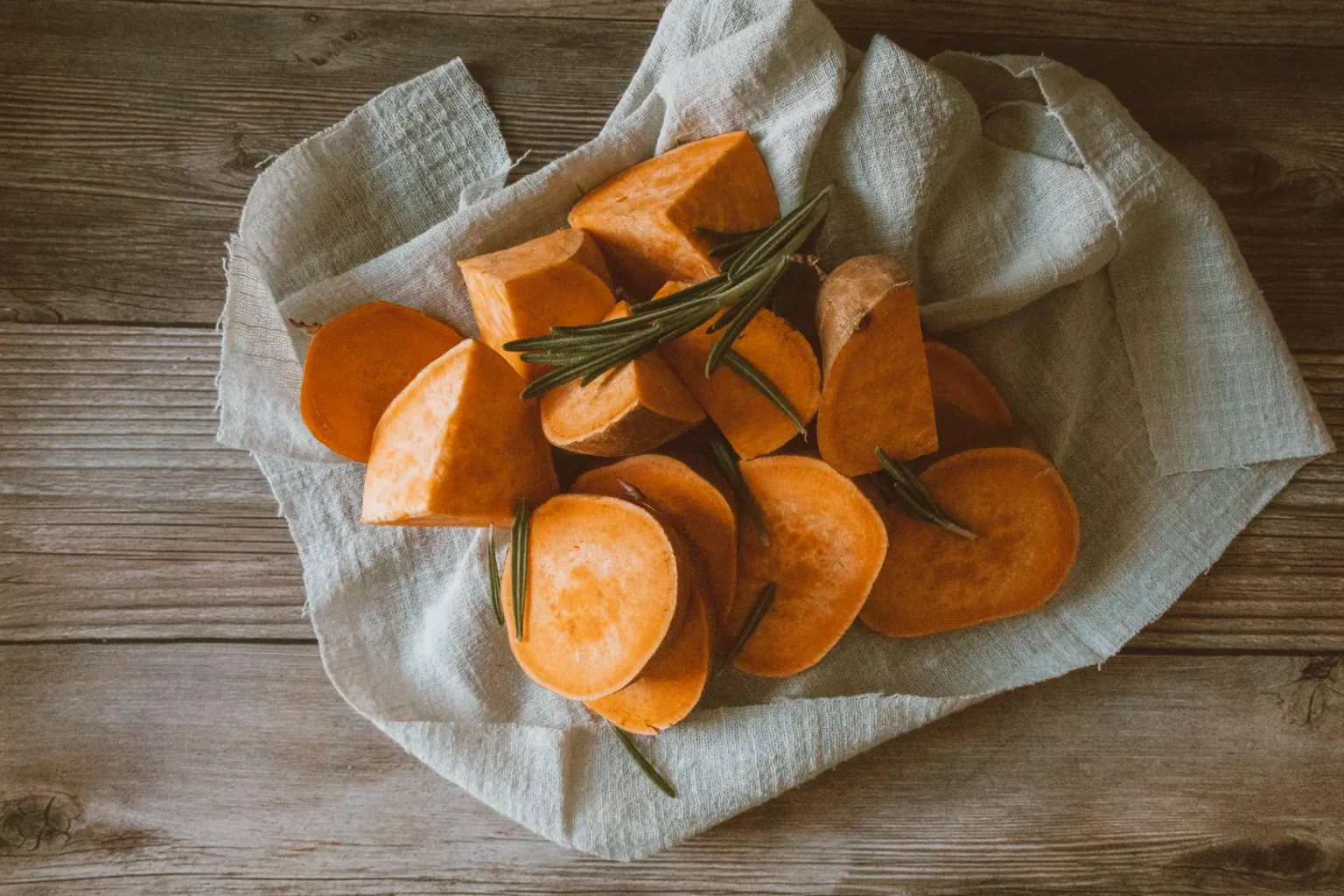
A sweet potato is the edible root of Ipomoea batatas. Despite its name, it is not the same plant as the familiar white potato: it belongs to the morning glory family, Convolvulaceae. Sweet potatoes come in varieties with different skin and flesh colors, including copper, reddish, pale, or purple skins and white, yellow, orange, or purple flesh. Their sweetness, moisture, and texture also vary, so one variety may cook up creamier or firmer than another. They are sold fresh and whole. Depending on the recipe and the texture you want, you can cook them with the skin on after washing it well, or peel them before cooking.
When to use it
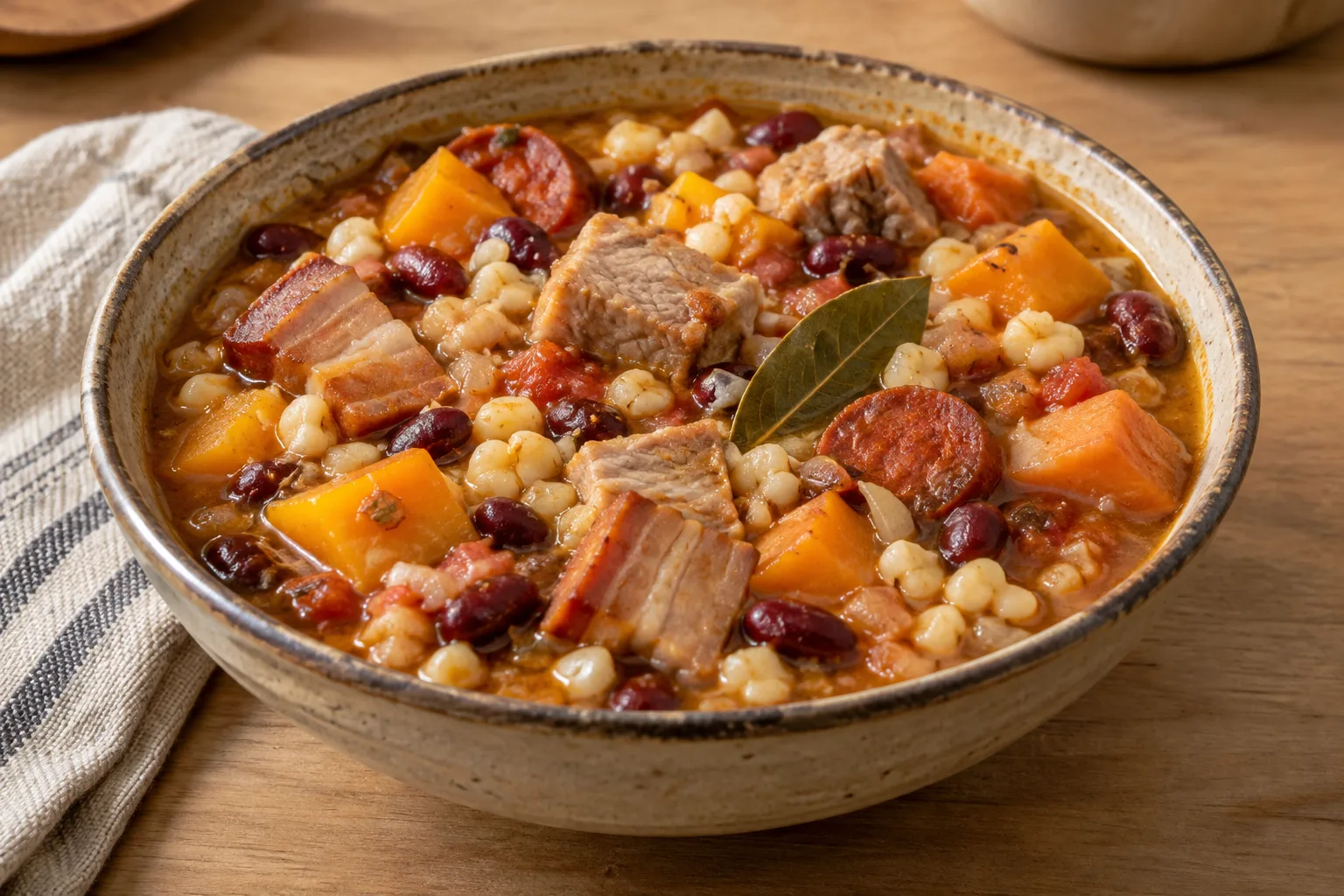
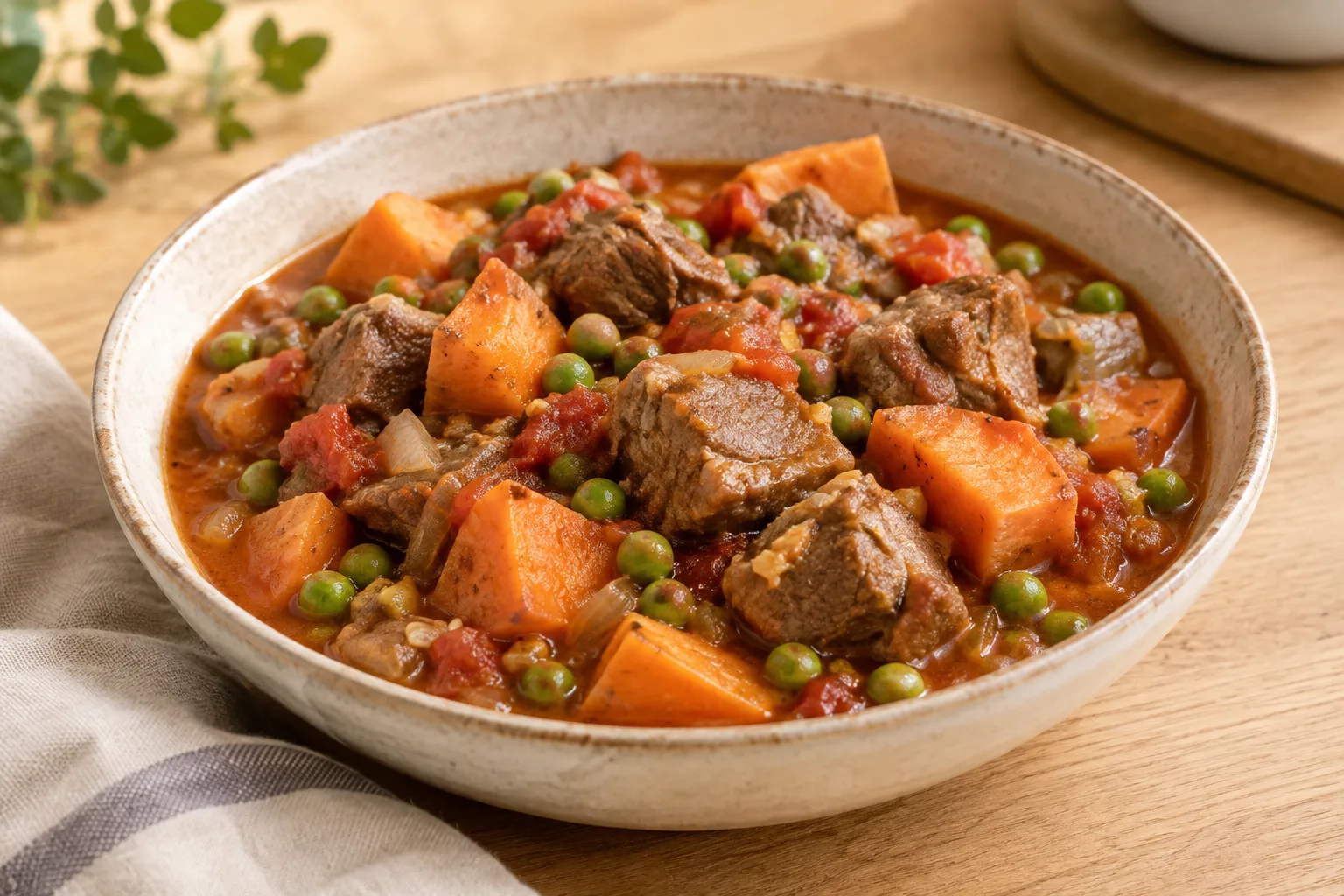
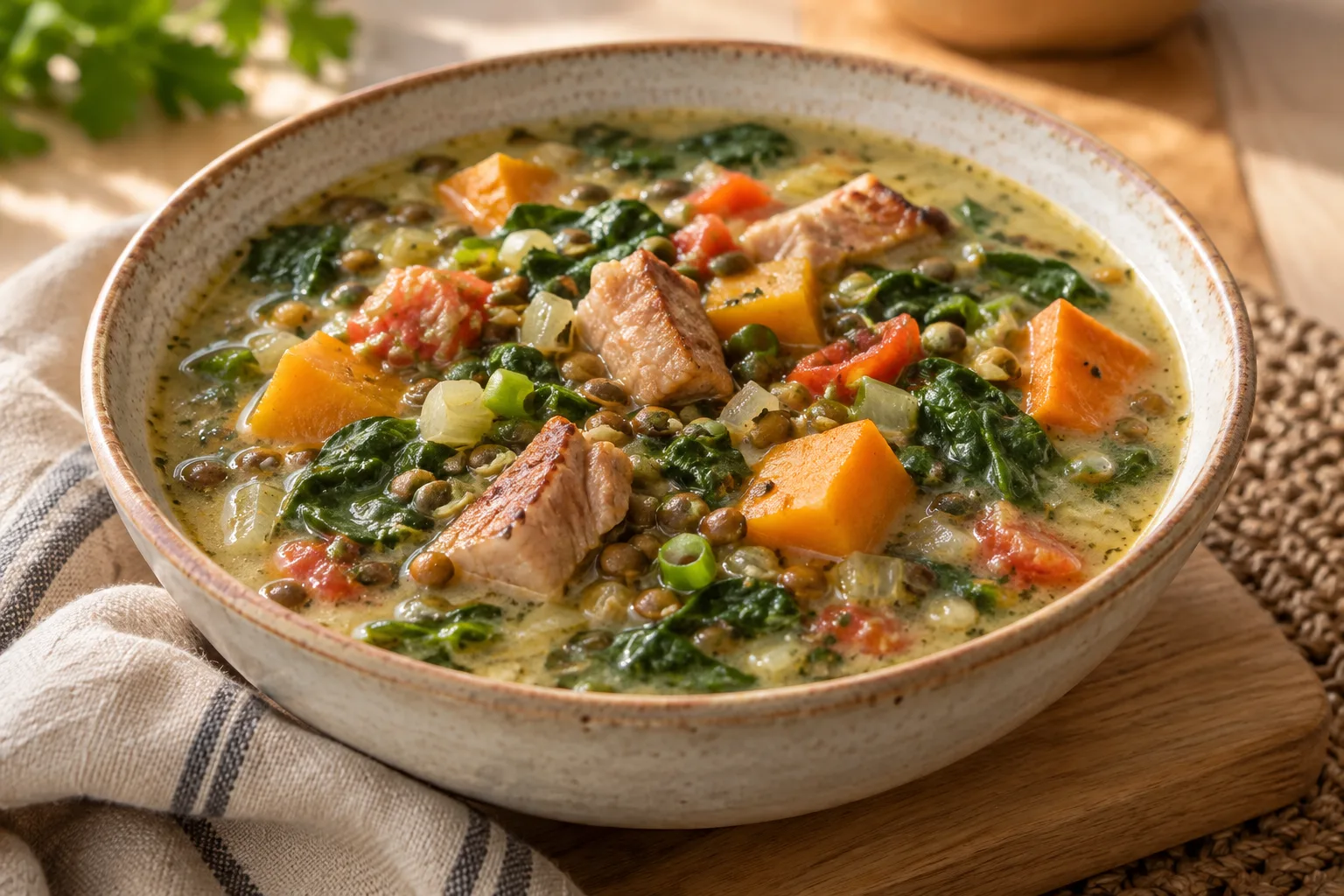
Choose sweet potatoes when you want a filling side, a soft base for soup or mash, or natural sweetness in a savory or sweet dish. Orange-fleshed varieties are often especially sweet and tender when cooked, while other types may be firmer or drier. Consider the variety you have and adjust the cut and cooking method to suit its texture. Sweet potatoes work in savory dishes with beans, vegetables, herbs, or spices, as well as in pies, cakes, and other baking. Since varieties differ, check for tenderness as they cook rather than assuming every piece will be ready at the same time.
How to use it
Before cooking, scrub and wash the skin well under running water. Leave it on if you like its texture, or peel the root when a recipe calls for it. To bake one whole, prick it several times with a fork and cook until the flesh is tender. For wedges or cubes, toss the pieces with a little oil and spread them in a single layer before roasting. To boil, peel if desired, cut into evenly sized pieces, and simmer in water until tender; drain before mashing. Steaming is useful when you want pieces that hold their shape for salads or sides. Season with salt, pepper, herbs, or spices, or use cooked sweet potato in soups, stews, fillings, and desserts.
Flavour and texture
Sweet potatoes have a naturally sweet flavor, though its intensity varies by variety. Orange-fleshed types often become moist and creamy when cooked; some pale- or purple-fleshed varieties can be firmer or drier. Roasting deepens the sweetness and browns the surface, while boiling or steaming gives a more evenly soft texture. The skin is edible when washed well and offers a different texture from the flesh.
How to choose it
Choose firm roots without soft spots, deep cuts, or visible signs of spoilage. Skin and flesh colors vary by variety, so the outside does not always reveal the color within. If you want a particular cooking result, ask which variety is available or check the product details. Roots of similar size are useful when cooking several together, since size can affect how quickly they become tender.
Storage
Keep fresh sweet potatoes in a cool, dry place and aim to use them within a week of purchase for best quality. Avoid damp conditions or places that may speed up deterioration. Wash the skin carefully before cooking. Inspect any damaged root and do not use it if it has spoiled.
Substitutions
White potatoes can replace sweet potatoes in mash, soups, and stews, but the result will be less sweet and may have a different texture. Pumpkin or winter squash can also stand in for sweet potato in soups and purées; adjust added liquid because their moisture may differ. No substitute matches the flavor and texture of every sweet potato variety exactly.
Common mistakes
Do not assume every variety has the same sweetness, moisture, or texture. Avoid crowding pieces on a roasting pan if you want them to brown, and do not rely on time alone to judge doneness: check that the flesh is tender. When making mash, add liquid gradually so it does not become too loose.
Safety and allergens
Wash the skin well before cutting or cooking, and use clean utensils and a clean cutting surface. Discard a sweet potato that shows clear spoilage, and cook it until tender for the preparation you are making.
Culinary uses
- A starchy vegetable for sides and main dishes
- A base for purées, soups, and sweet baking
Recommended techniques
- Roasting
- Boiling
- Steaming
- Mashing
Pairs well with
- Beans and broccoli
- Herbs, spices, and olive oil
- Meat or fish
Frequently asked questions
Are sweet potatoes the same as yams?
No. Sweet potatoes and yams are different plants. Some products labeled as yams in shops may actually be sweet potato varieties.
Can you eat sweet potato skin?
Yes. The skin is edible; scrub and wash it well before cooking. Peel the root if you prefer a more uniform texture.
Are sweet potatoes the same as white potatoes?
No. They are botanically different plants. Sweet potato varieties also vary in color, sweetness, moisture, and texture.
Ingredient allergens
Allergen listThere are no verified associations for these ingredients yet.
Estimated nutrition
- Fat
- 1.28 g
- Saturates
- 0.32 g
- Carbohydrate
- 16.4 g
- Sugars
- 4.17 g
- Fibre
- 1.9 g
- Protein
- 5.45 g
- Salt
- 0.43 g
Sources and review
Automatically researched, cross-checked and validated content. Sources consulted:
- Client Challenge doi.org/10.2307/jj.27939689.16
- The Essential Glossary of Cooking Terms for the Culinary Arts - Escoffier www.escoffier.edu/blog/culinary-arts/the-essential-glossary-of-cooking-terms-for-the-culinar…
- El boniato: Historia y origen | Huercasa www.huercasa.com/el-boniato-historia-y-origen/
- Sweet Potatoes • The Nutrition Source nutritionsource.hsph.harvard.edu/food-features/sweet-potatoes/
- Papas y Batatas (Camote o Papa Dulce) (Spanish) - National Center for Home Food Preservation nchfp.uga.edu/how/can/canning-vegetables-and-vegetable-products/papas-y-batatas-camote-o-pap…
- Best practices for harvesting and storing homegrown potatoes | OSU Extension Service extension.oregonstate.edu/news/best-practices-harvesting-storing-homegrown-potatoes
- Maqueta nº 10.2 aesan.gob.es/dam/jcr:1538b6eb-680f-44b8-bbc5-b08d810b00dc/comite_cientifico_10.pdf
- Batata o boniato | Gastronomía & Cía www.gastronomiaycia.com/batata-o-boniato/
- Acrylamides: The Hidden Danger in Your Favorite Potato Dishes | Food Safety foodsafety.osu.edu/blog/january-12-2021-1131am/acrylamides-hidden-danger-your-favorite-potat…
- ¡Asegurándonos de que no eres un robot! voljournals.utk.edu/cgi/viewcontent.cgi?article=8792&context=utk_gradthes
- Effect of cultivar, storage, cooking method and tissue type ... repository.lsu.edu/cgi/viewcontent.cgi?article=1370&context=gradschool_dissertations
- Potatoes in the Garden and the Kitchen extension.psu.edu/potatoes-in-the-garden-and-the-kitchen/
- La papa y la batata | www.ull.es/eventos/de-cocina-a-libros/la-papa-y-la-batata/
- Batata, la papa dulce de América | Recetas Nestlé www.recetasnestle.com.co/blog-del-sabor/ingredientes/batata
- Boniato, batata o camote: propiedades y recetas - Blog Conasi www.conasi.eu/blog/consejos-de-salud/consejos-de-salud-consejos-de-salud/boniato-batata-camo…