- Category
- Fruit
- State
- Fresh
- Usual unit
- kg
What it is
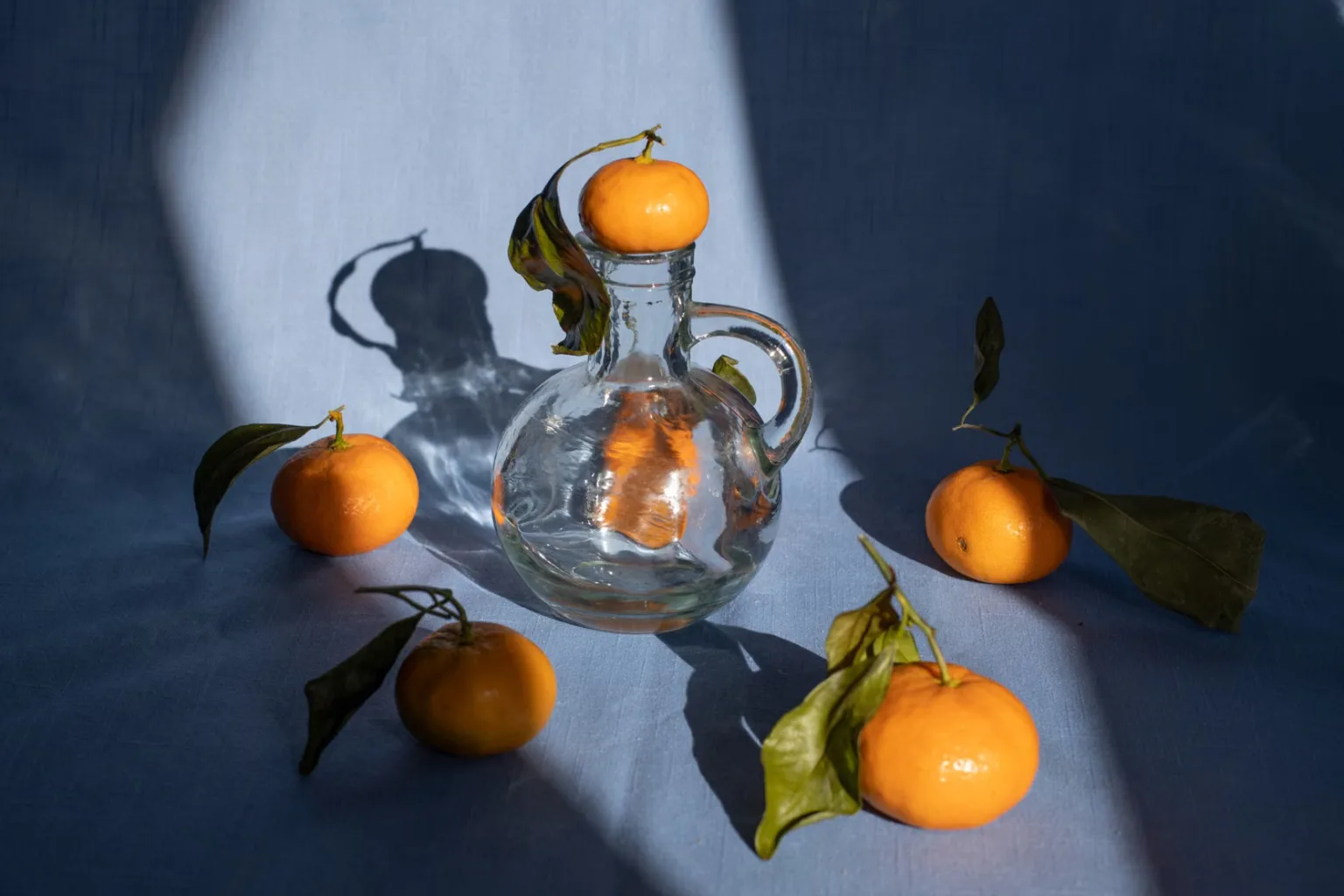
A tangerine is a citrus fruit made up of juicy segments enclosed by an outer peel that is usually removed before eating. The name covers different varieties: some are sweet and easy to peel, while others are more tart or have looser skin. Size, color, ease of separating the segments, and the presence of seeds can therefore vary. In cooking, the flesh is used whole in segments or squeezed for juice; the zest can also add fragrance. Wash the fruit thoroughly before using its peel to remove surface dirt.
When to use it
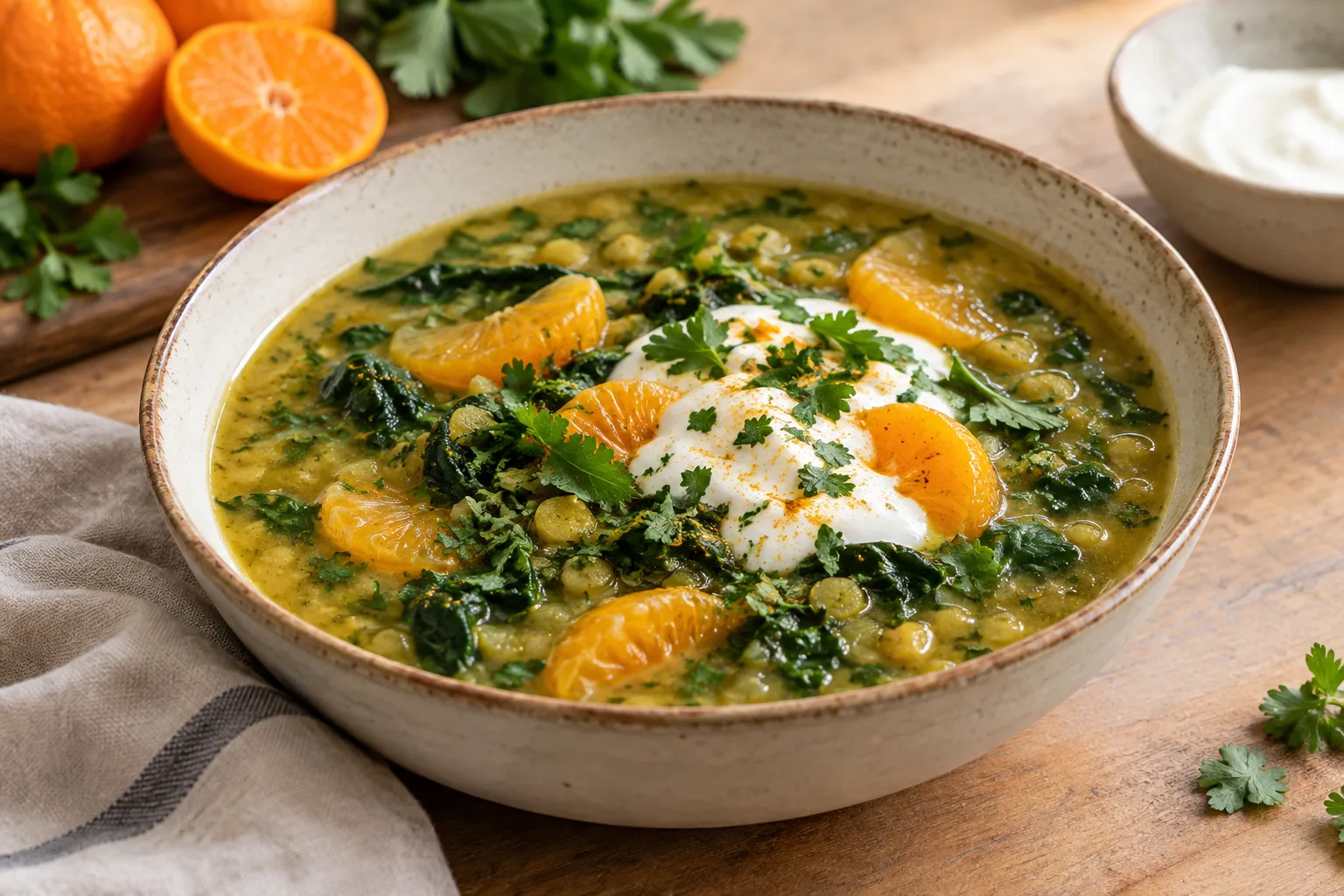
Use fresh tangerines when you want a juicy, gently sweet citrus flavor in a dish. The segments work well in leafy salads and can be paired with nuts or cheese. Juice can go into sauces, glazes, and marinades, or add a citrus note to fish, seafood, and meat. For sweet dishes, use segments, juice, or zest in cakes, creams, yogurt, and marmalade. Add segments near the end if you want them to keep their shape; use juice or zest when you want the flavor to spread through the preparation.
How to use it
Wash and dry the tangerine before peeling it. If you plan to use the peel, wash it carefully and grate only the colored outer layer, avoiding too much of the white pith. To serve the fruit fresh, separate the segments and remove any seeds. For a salad, toss the segments with leafy greens, nuts, or cheese and dress shortly before serving. To make a sauce or glaze, squeeze the fruit and combine its juice with the other ingredients in the recipe; taste before adding more sweetness or acidity. You can also mix juice or zest into cake batter and creams, or cook the fruit into marmalade. In savory dishes, add the segments late so they retain their shape and freshness.
Flavour and texture
Tangerines are generally sweet and citrusy, though their intensity and acidity depend on the variety and the individual fruit. The flesh is divided into tender, juicy segments, and the aroma is fresh and fragrant. The peel contains aromatic oils and can lend a more concentrated fragrance when zested. Some varieties peel easily, while others have skin that clings more firmly or segments that separate less readily; seed content also varies.
How to choose it
Choose tangerines that look intact, without damaged or moldy areas. Appearance and ease of peeling vary by variety, so not every fruit will have the same shape, color, or peel texture. If you plan to zest the fruit, choose fresh fruit and wash it before using the peel. For eating in segments, pick fruit that feels convenient to peel, and try one for sweetness and juiciness before buying a large amount.
Storage
Keep tangerines fresh in a clean, dry place, and separate any visibly damaged fruit from the rest. Check them periodically and use the ripest or marked fruit first. Once peeled or cut, cover the segments and refrigerate them; use them promptly, since exposed flesh can dry out and lose quality. Wash the fruit before zesting the peel. Do not store wet or damaged fruit together with sound fruit.
Substitutions
In recipes that can accommodate citrus, orange can replace tangerine segments, juice, or zest. The result may be less sweet or more pronounced, depending on the fruit and variety, so adjust the amount to taste. Tangerine and orange segments can also be exchanged in salads or desserts that call for citrus fruit. There is no need to alter other ingredients automatically: taste the dish before adjusting sweetness or acidity.
Common mistakes
Do not assume every tangerine is equally sweet, easy to peel, or seedless; varieties differ. Avoid zesting the peel without washing it first, and try not to include much of the white pith. Adding segments too early to salads or hot dishes can make them lose their shape. Do not correct a tart fruit with a lot of sugar before tasting the dish.
Safety and allergens
Wash tangerines thoroughly before using the peel or zest. Remove moldy or deteriorated portions, and avoid eating fruit with clear signs of spoilage.
Culinary uses
- Fruta fresca para comer sola o añadir a ensaladas
- Ingrediente cítrico para platos salados y postres
- Base para zumos, salsas y mermeladas
Recommended techniques
- Pelar y separar en gajos
- Exprimir para obtener zumo
- Rallar la piel lavada para aromatizar
- Añadir los gajos al final de la preparación
Pairs well with
- Hojas verdes, frutos secos y quesos
- Pollo, pescado y marisco
- Jengibre, hierbas frescas y arroz
- Yogur, miel y masas de repostería
Frequently asked questions
Can I use tangerine peel?
Yes. Wash and dry the fruit well before zesting, and use the colored outer peel to flavor batters, creams, or sauces.
What savory dishes work with tangerines?
Segments can add juicy contrast to salads, while juice or zest can flavor sauces for chicken, fish, or seafood.
Can I substitute orange for tangerine?
Yes. In many citrus-based preparations, orange can replace tangerine segments, juice, or zest. Taste and adjust the balance.
Ingredient allergens
Allergen listThere are no verified associations for these ingredients yet.
Estimated nutrition
- Fat
- 0.31 g
- Saturates
- 0.04 g
- Carbohydrate
- 13.3 g
- Sugars
- 10.6 g
- Fibre
- 1.8 g
- Protein
- 0.81 g
- Salt
- 0 g
Sources and review
Automatically researched, cross-checked and validated content. Sources consulted:
- ¿Por qué la muerte es origen de miedos y tabúes? doi.org/10.64628/aao.fccyk3qj3
- Client Challenge doi.org/10.2307/jj.27939689.16
- The Essential Glossary of Cooking Terms for the Culinary Arts - Escoffier www.escoffier.edu/blog/culinary-arts/the-essential-glossary-of-cooking-terms-for-the-culinar…
- Culinary - Cibola High School cibola.aps.edu/programs/career-and-technical-education/culinary
- Gastronomía de la provincia de Valencia - Wikipedia, la enciclopedia libre es.wikipedia.org/wiki/Gastronom%C3%ADa_de_la_provincia_de_Valencia
- Migas - Wikipedia, la enciclopedia libre es.wikipedia.org/wiki/Migas
- Comité Científico www.aesan.gob.es/dam/jcr:ed009337-0085-4c40-8a9d-4941400ca954/comite_cientifico_35.pdf
- La guía práctica para un buen maridaje - Industrias Espadafor S.A. espadafor.es/guia-para-un-buen-maridaje/
- Usos culinarios de las naranjas y mandarinas naranjasdaniel.com/es/blog/usos-culinarios-de-las-naranjas-y-mandarinas
- Full Access Meal Plans :: UNM Food | The University of New Mexico food.unm.edu/meal-plans/2627-meal-plans/2627-full-access-meal-plans.html
- Mandarina: descubre sus encantos culinarios | Recetas Nestlé www.recetasnestle.com.co/blog-del-sabor/ingredientes/mandarina
- Mandarina: tipos, beneficios y usos en la cocina - Mejor con Salud mejorconsalud.as.com/dieta/nutricion/mandarina-tipos-beneficios-usos-cocina/
- Todo lo que debes saber sobre las mandarinas - FRUJUAIDA - Frutas y Verduras La Juaida www.google.com/goto?url=CAESjwEB6zswFff6hpwxYbVP4QAM7RU8uGsJq7kSQDpsDqsT7f0Q2C0f5UG6IqDQBYAy…
- Maridajes para mandarina en Latinoamérica ✓ basmatic.com/maridaje/mandarina/latinoamerica