- Category
- Vegetables
- State
- Fresh
- Usual unit
- tablespoon
What it is
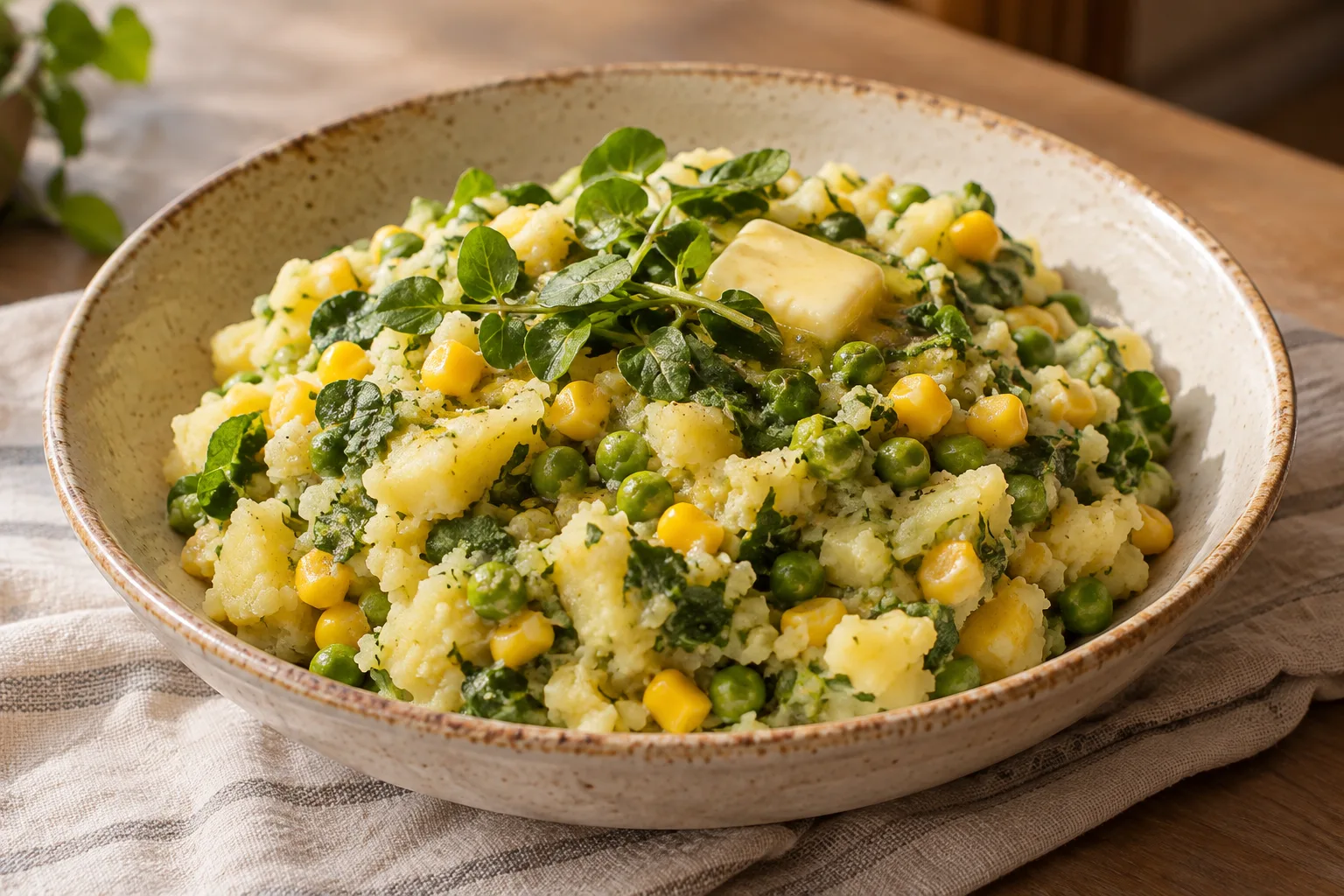
Watercress is an edible-leaf plant used as a leafy vegetable. Common watercress is identified as Nasturtium officinale and belongs to the Brassicaceae family. It may be served in salads alongside other greens, and its young stems can also be used. Its aromatic, peppery character makes it useful in small amounts as an accent, or as a leafy base for a dish. The name watercress can be applied to different kinds of cress, so leaf shape, size and intensity may vary. This profile is for fresh leafy watercress, not radish shoots that may be sold under similar-sounding names.
When to use it
Use watercress when you want a fresh green note with a gentle peppery bite. Raw, it contrasts with milder salad leaves and can accompany cheese and walnuts, eggs, or grilled fish or meat. It can also finish a soup or add a leafy touch to a warm dish. Heat softens its fresh character, so add it near the end of cooking if you want to retain more of its aroma and texture. If you prefer a less assertive flavor, mix it with other greens rather than serving it on its own.
How to use it
Separate the leaves and tender stems, remove any wilted parts, and rinse them thoroughly under cool running water. Dry them before adding them to a salad so the dressing clings without becoming diluted. Toss with other greens and pair with cheese, walnuts, and a citrus- or vinegar-based dressing. For a warm dish, add watercress to scrambled eggs, a side dish, or soup; adding it near the end keeps its flavor livelier. The leaves can also be blended into soup. Adjust the amount to the strength of the bunch and taste before adding more.
Flavour and texture
Watercress has a green aroma and a distinctive, mildly peppery flavor that can be slightly bitter, with a fresh impression reminiscent of mustard. Young leaves are often tender, while the stems add more bite. Intensity varies with the type and condition of the leaves, so taste a small amount before seasoning the whole dish. Cooking softens its raw, pungent edge.
How to choose it
Choose bunches or packs with green, firm-looking leaves that appear fresh. Avoid leaves that are wilted, yellowing, brown-edged or slimy. For packaged watercress, check that the leaves are not crushed or excessively wet and inspect the package condition. Watercress may be sold as salad leaves or in bunches with stems; the presentation alone does not guarantee a particular level of pungency.
Storage
Keep fresh watercress refrigerated and protected in a clean bag or container. If the leaves are wet, dry them gently before storage to help prevent them from deteriorating quickly. Remove damaged leaves and check the rest before use; discard any that are slimy or spoiled. Wash the leaves before eating and dry them if they are going into a salad. No fixed storage life is given here, so judge freshness by appearance and texture.
Substitutions
In a salad, arugula can stand in when you want another leafy green with a peppery note, though the flavor will not be identical. For cooked dishes, young spinach is a milder alternative with a different texture. Adjust the amount and taste the dish before adding more dressing, since substitutions change the intensity and balance.
Common mistakes
Do not use leaves without checking and rinsing them, especially when serving them raw. Avoid storing them wet or crushed, and do not dress them too far ahead if you want to keep their texture firm. Do not assume every bunch has the same level of pungency: taste a leaf and adjust the amount to suit.
Safety and allergens
Rinse the leaves carefully under clean running water before eating, and keep the fresh produce refrigerated. Follow official food hygiene and handling guidance. No specific instructions for identifying or preparing watercress gathered from natural waters are provided here.
Culinary uses
- Peppery leafy green for salads
- Fresh garnish or finishing green
- Leafy addition to soups and cooked dishes
Recommended techniques
- Rinse the leaves thoroughly and dry before serving raw
- Fold into a warm dish near the end of cooking
- Blend into soup for a fresh, peppery finish
Pairs well with
- Cheese and walnuts
- Eggs
- Citrus or vinegar-based dressings
- Grilled fish or meat
Frequently asked questions
Can watercress be eaten raw?
Yes. It is used raw in salads and as a leafy accompaniment to other ingredients. Rinse it thoroughly and dry it before serving.
What does watercress taste like?
It tastes fresh and green, with a mild peppery bite and sometimes a little bitterness. The intensity can vary from bunch to bunch.
What goes well with watercress?
It pairs well with cheese and walnuts, eggs, and citrus- or vinegar-based dressings. It can also be added to soups and warm dishes.
Ingredient allergens
Allergen listThere are no verified associations for these ingredients yet.
Estimated nutrition
- Fat
- 0.1 g
- Saturates
- 0.03 g
- Carbohydrate
- 1.29 g
- Sugars
- 0.2 g
- Fibre
- 0.5 g
- Protein
- 2.3 g
- Salt
- 0.1 g
Sources and review
Automatically researched, cross-checked and validated content. Sources consulted:
- Client Challenge doi.org/10.2307/jj.27939689.16
- The Essential Glossary of Cooking Terms for the Culinary Arts - Escoffier www.escoffier.edu/blog/culinary-arts/the-essential-glossary-of-cooking-terms-for-the-culinar…
- Gastronomía de México - Wikipedia, la enciclopedia libre es.wikipedia.org/wiki/Gastronom%C3%ADa_de_M%C3%A9xico
- perspectives on food and health in the mexican im/migrant ... sciences.ucf.edu/anthropology/wp-content/uploads/sites/2/2015/10/Puerto_H.pdf
- Para la ciudadanía www.aesan.gob.es/para-la-ciudadania
- Vegetables Species and Varieties - Penn State Extension extension.psu.edu/forage-and-food-crops/vegetables/species-and-varieties/
- El berro es una planta perenne que puede crecer de forma acuática o semi-acuática repositorio.unjfsc.edu.pe/bitstream/handle/20.500.14067/9486/TESIS.pdf?isAllowed=y&sequence=…
- Leafy Salad Greens | UNL Food | Nebraska food.unl.edu/article/leafy-greens/
- Berro test.regmurcia.com/servlet/s.Sl?r=ReP-23470-DETALLE_REPORTAJESPADRE&sit=c%2C543%2Cm%2C2714
- El berro www.joseanalija.com/berro/