- Category
- Pulses
- State
- Dry
- Usual unit
- g
What it is
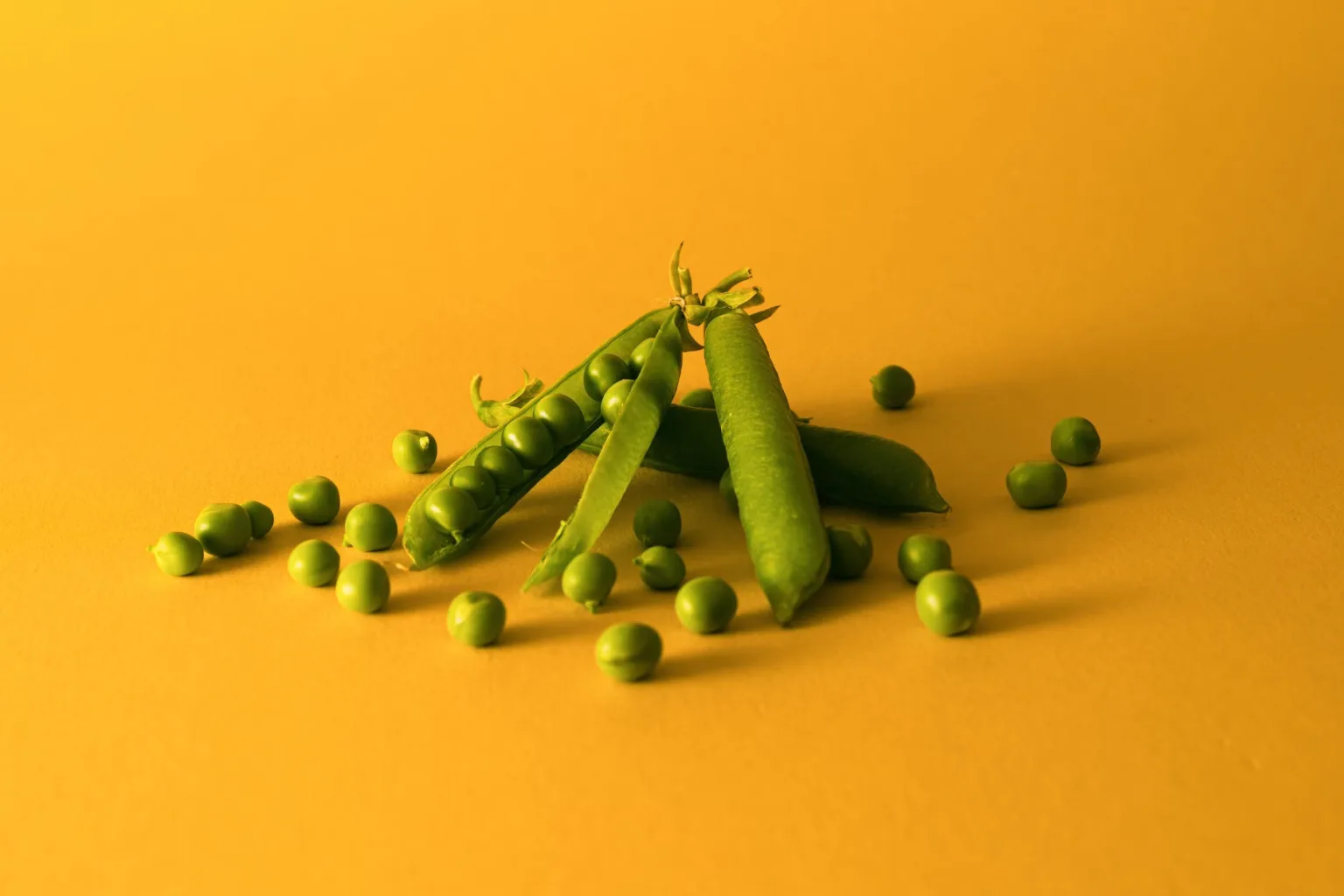
Yellow split peas are mature peas that have been dried and divided into two halves. They are sold as a dry legume, rather than as fresh peas, and may have yellow or golden tones. Their split form makes them useful in cooked dishes such as soups, stews, and purées. As they cook, they soften and may partly break down, adding body and a creamy texture to the dish. They are not the same as tender green peas, which are harvested earlier and are commonly used fresh or frozen. Yellow split peas are intended to be cooked before eating.
When to use it
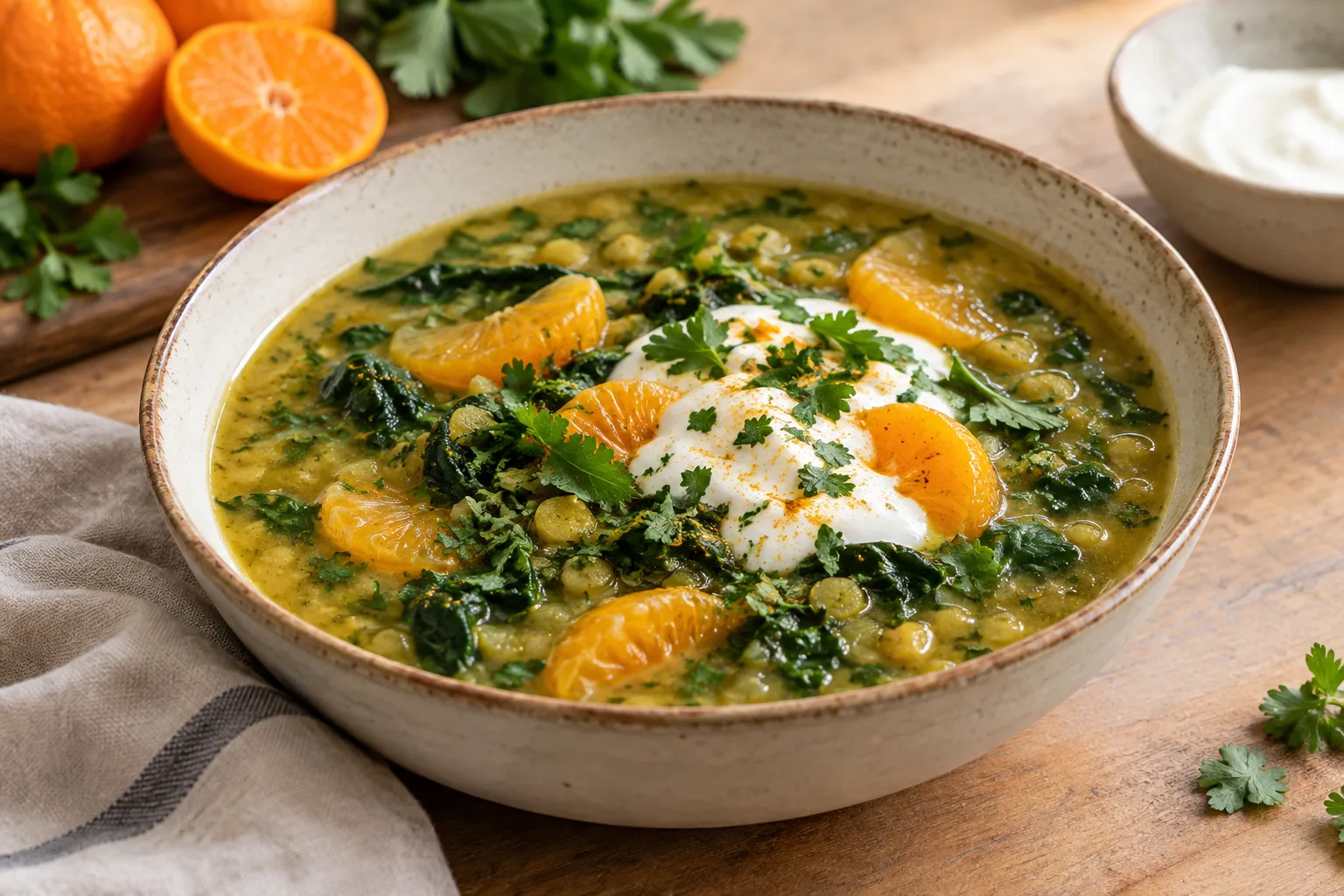
Choose yellow split peas when you want a dry legume to give substance to soup or stew, or when you need a base for purée or dip. They are especially useful in dishes where the peas can soften and thicken the cooking liquid. They can also be used in vegetarian meals or as part of a legume-based dish. Do not swap them directly for fresh green peas in a quick-cooking recipe: they are different products, and dried peas need cooking to become tender.
How to use it
Check the product before cooking and follow any directions on the package. Simmer the split peas in liquid until tender; cooking time can vary with the product and cooking conditions, so check their texture rather than relying on a fixed time. For soup or stew, leave them whole if they hold their shape, or continue cooking until they break down and thicken the dish. For a purée or dip, blend the peas after cooking and add seasonings as desired. Use them cooked; do not eat them dry and raw.
Flavour and texture
Their flavor is mild and slightly earthy, so it works well with other ingredients without overpowering a dish. Once cooked, yellow split peas become tender. Depending on how they are cooked and whether they are mashed, they can retain some shape or break down into a creamy texture.
How to choose it
Look for a package clearly labelled yellow split peas and check that the packaging is intact. Read the package information and inspect the visible peas; avoid packs that are damp, damaged, or show obvious signs of spoilage. Do not confuse dry split peas with fresh yellow peas, whole peas, or pea flour, which are different forms of the ingredient.
Storage
Keep the dry product in a clean, dry place, in a tightly closed package or suitable container. Keep moisture out and follow the package directions, especially after opening. There is no single storage period that applies to every product; use the date and storage guidance on the package as your reference.
Substitutions
Green split peas can play a similar role in soups, stews, and purées, but the dish will differ in color and flavor. Whole yellow peas may also work, although they are a different shape and may behave differently during cooking. Adjust the cooking process to the texture and directions for the product you choose.
Common mistakes
Do not treat them like fresh peas or expect them to become tender after only a brief cooking. Do not eat them dry and raw: they are a dry legume used cooked. Check that they are tender before serving, and avoid assuming one cooking time will suit every product and preparation.
Safety and allergens
Cook dry split peas until tender before eating. Follow the package directions and discard the product if it shows obvious dampness or spoilage.
Culinary uses
- Base for soups and stews
- Ingredient for purées and dips
Recommended techniques
- Simmering
- Mashing or puréeing after cooking
Pairs well with
- Vegetables and aromatic seasonings in soups or stews
- Olive oil, lemon, and herbs in a cooked-pea dip
Frequently asked questions
Are yellow split peas fresh?
No. They are mature peas that have been dried and split, and they are cooked before eating.
What dishes can I make with them?
They are commonly used in soups, stews, purées, and dips, where their cooked texture can add body and creaminess.
Can I substitute green split peas?
Yes. They can serve a similar role in soups, stews, or purées, although the dish's color and flavor will differ.
Ingredient allergens
Allergen listThere are no verified associations for these ingredients yet.
Estimated nutrition
- Fat
- 2 g
- Saturates
- 0 g
- Carbohydrate
- 64 g
- Sugars
- 2 g
- Fibre
- 32 g
- Protein
- 22 g
- Salt
- 0 g
Sources and review
Automatically researched, cross-checked and validated content. Sources consulted:
- ¿Por qué la muerte es origen de miedos y tabúes? doi.org/10.64628/aao.fccyk3qj3
- Client Challenge doi.org/10.2307/jj.27939689.16
- Historia de la gastronomía - Wikipedia, la enciclopedia libre es.wikipedia.org/wiki/Historia_de_la_gastronom%C3%ADa
- Washington State Food Access English-Spanish Glossary wpcdn.web.wsu.edu/wp-snaped/uploads/sites/2/2025/10/Food-Access-Spanish-Glossary.pdf
- Healthy Food Donation List.pdf www.lyon.k-state.edu/docs/fcs/Healthy%20Food%20Donation%20List.pdf
- Eleva tus productos con harina de guisante amarillo: una alternativa deliciosamente nutritiva - Sanygran sanygran.com/es/noticias/eleva-tus-productos-con-harina-de-guisante-amarillo-una-alternativa…
- Proveedores de Guisantes Amarillos - A granel & al por mayor | Nutrada nutrada.com/es/productos/guisantes/guisantes-amarillos-mayorista
- Can I use poultry leftovers for soup? | Servicio de Extensión de OSU extension.oregonstate.edu/es/ask-extension/featured/can-i-use-poultry-leftovers-soup
- Guisantes partidos ¿Por qué es ideal para los vegetarianos? – Casa Perris casaperris.com/blogs/alimentacion-saludable/guisantes-partidos-por-que-es-ideal-para-los-veg…
- Curazao - Wikipedia, la enciclopedia libre es.wikipedia.org/wiki/Curazao
- Guisantes amarillos partidos — selección | Europages www.europages.es/es/showroom/guisantes-amarillos-partidos?srsltid=AYCX9vJzvrNzsTagwRhr5AZzf1…
- Dip Griego de Guisantes Amarillos | Cook for Your Life www.cookforyourlife.org/es/recetas/dip-griego-de-guisantes-amarillos/