Practical decisions about gluten: from shopping to cooking
A guide to choosing ingredients, preventing cross-contact, and understanding why gluten-free baking needs adjustments—without mistaking a recipe for a safety guarantee.
Articles and guides about Kitchen science: cooking ideas, explanations and tips researched and checked by KitchenPause.
Asparagus, peas, broad beans, artichokes and tender greens signal spring. Learn to read the seasonal calendar flexibly, choose vegetables in good condition and organize storage without treating seasonality as a rigid rule.
Available content that can be reviewed from the recipe collection.
A guide to choosing ingredients, preventing cross-contact, and understanding why gluten-free baking needs adjustments—without mistaking a recipe for a safety guarantee.
Caramelization is not a synonym for all browning. Understanding the roles of heat, water, and time helps you manage sugar and sugar-rich foods, recognize changes in color and aroma, and avoid taking caramel from golden to burnt.
Salt does more than make food taste salty. It can bring some flavors forward, make others less noticeable and, in certain preparations, help manage moisture and shape fermentation. Understanding these effects makes seasoning more deliberate.
A guide to choosing among submerging food, cooking it over water with steam, and simmering it in a liquid. The ingredient and the intended result matter more than any one-size-fits-all method.
Distinguish caramelization from other kinds of browning, learn which signs to watch, and decide when to take sugar off the heat without relying on a universal number.
Water is not just an ingredient; it is also a cooking medium. This guide helps you choose between boiling, steaming and stewing according to the result you want, without inventing times or temperatures.
Starch can thicken a preparation during cooking and change its structure as it cools. Understanding those changes helps you manage texture and recipe design without assuming that cooking technique alone establishes a food’s nutritional effects.
A pressure cooker and industrial high-pressure processing are not the same thing. Understanding their mechanisms helps explain changes in texture, flavour, composition and preservation without attributing them to pressure alone.
Temperature does more than cook: it affects heat transfer, ingredient transformations and how we perceive a dish. Learn what to observe and how to use those effects thoughtfully.
Heat can change the structure of proteins and, in turn, the firmness, elasticity and perceived moisture of food. Understanding the process encourages attentive cooking without assuming every ingredient responds in the same way.
How to use acidity as a sensory and technical adjustment tool, while distinguishing what is perceived on the palate from what can be measured in a preparation.
Fat does more than add richness: it can act as a cooking medium, transfer heat, and help form emulsions. This guide focuses on observing food and adjusting technique rather than treating general rules as universal promises.
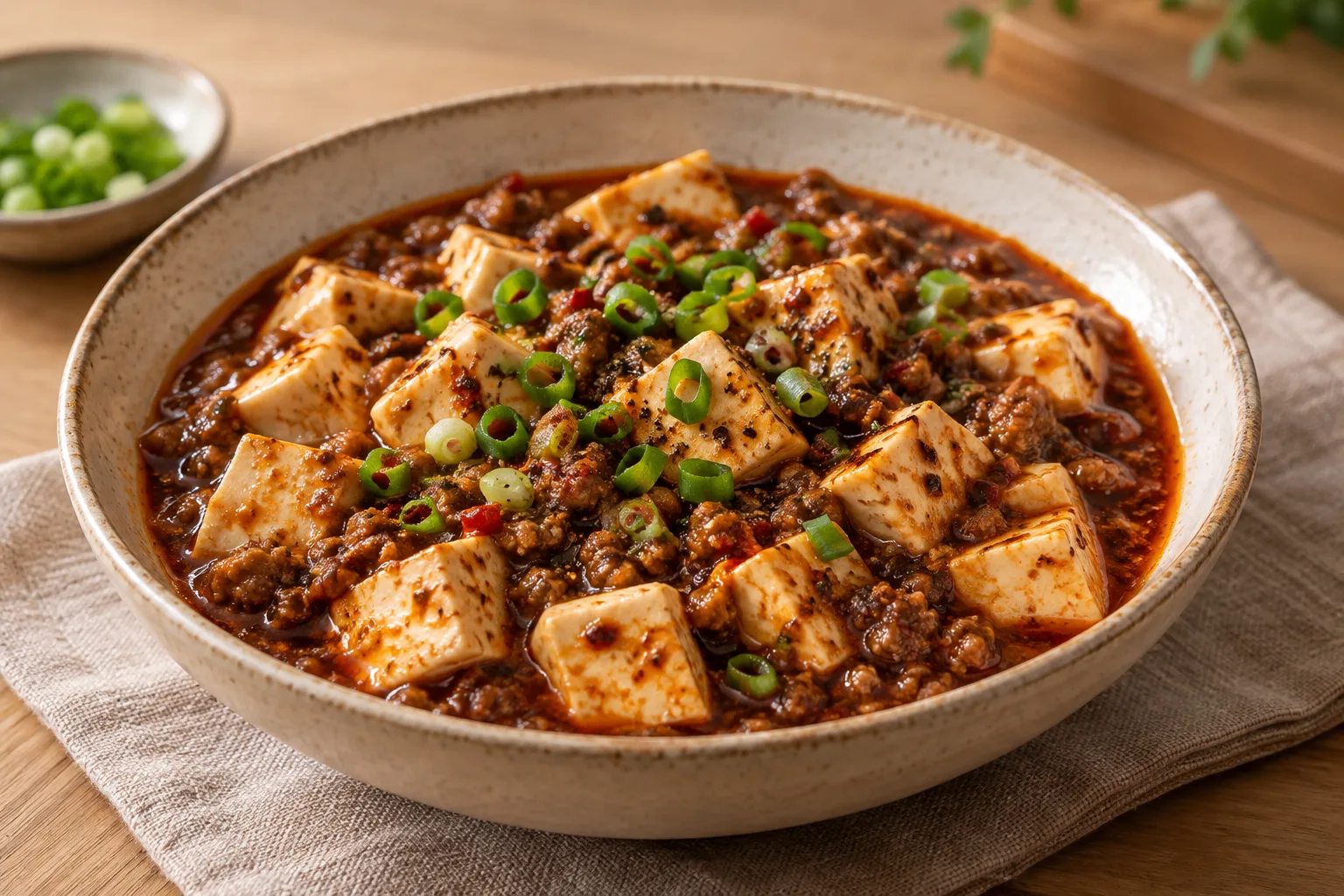
Tender tofu and minced pork in a savory sauce with doubanjiang, ginger, and Sichuan pepper. Serves 4; timings are estimates.
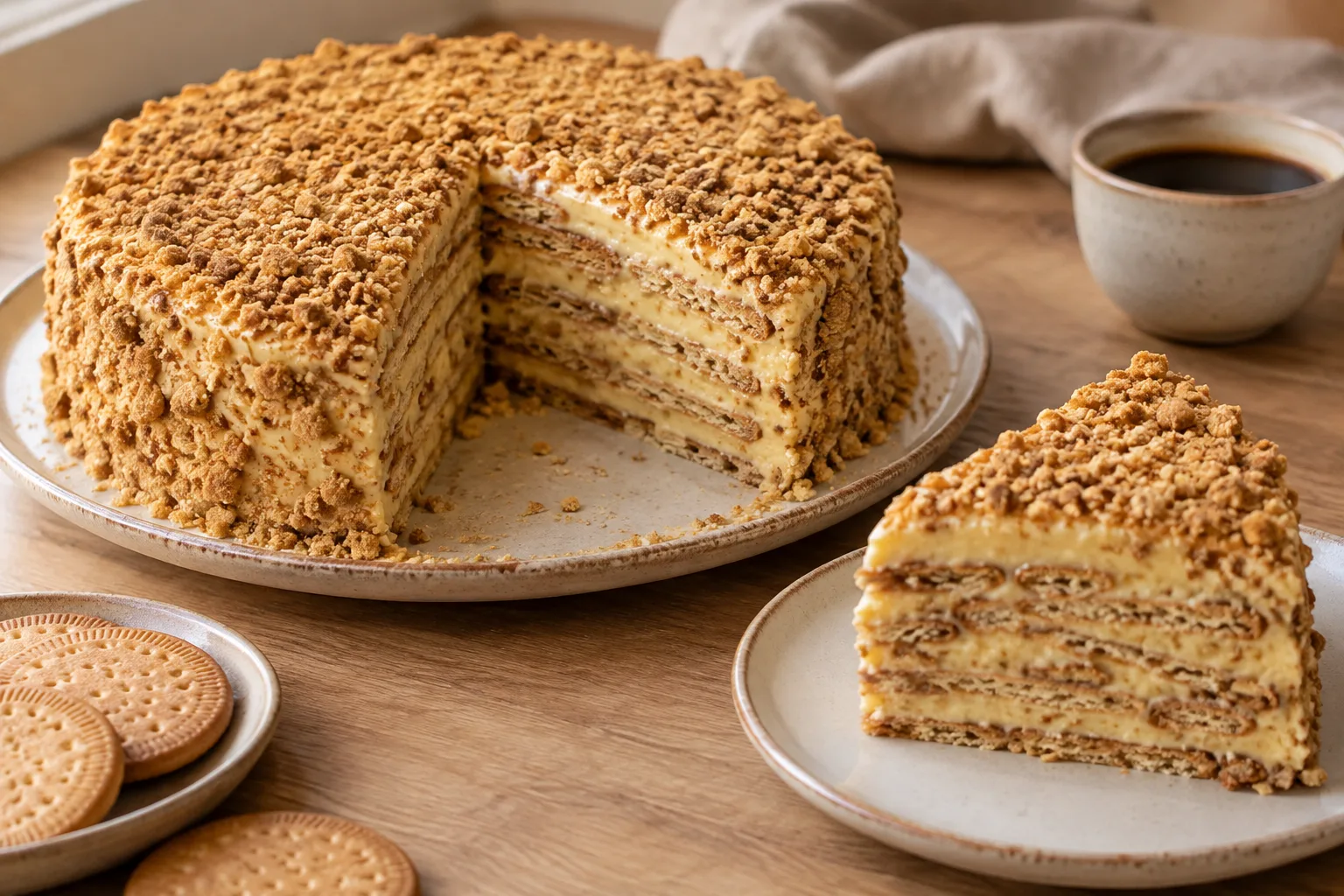
View recipeA no-bake Portuguese cake made with Maria biscuits dipped in coffee and layers of buttercream with egg yolks. Serves 6; allow about 30 minutes to prepare and 3 hours to chill.
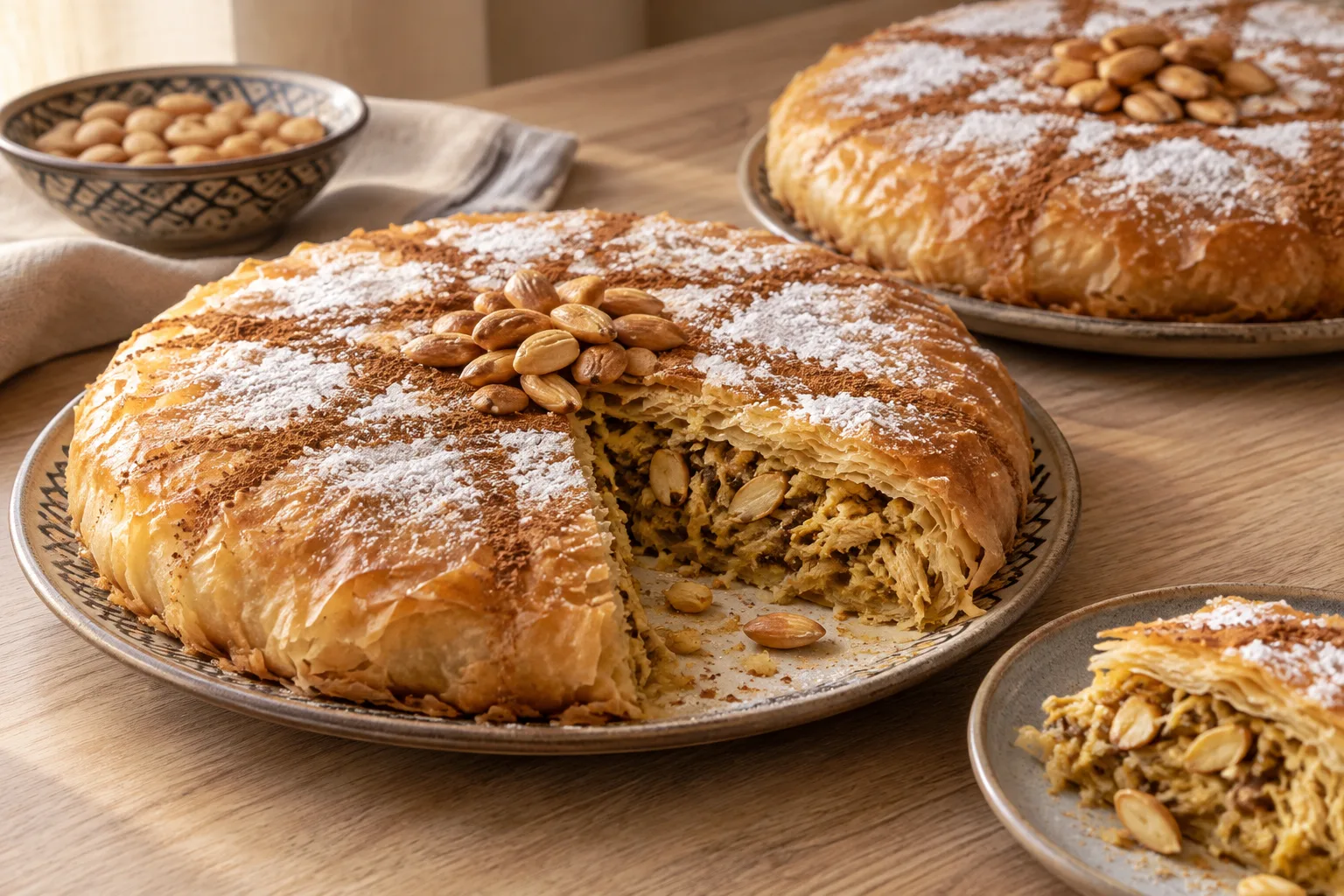
View recipeA crisp filo pastry pie filled with spiced chicken, onion and sweet almonds. Makes 2 pastillas for 8 people.
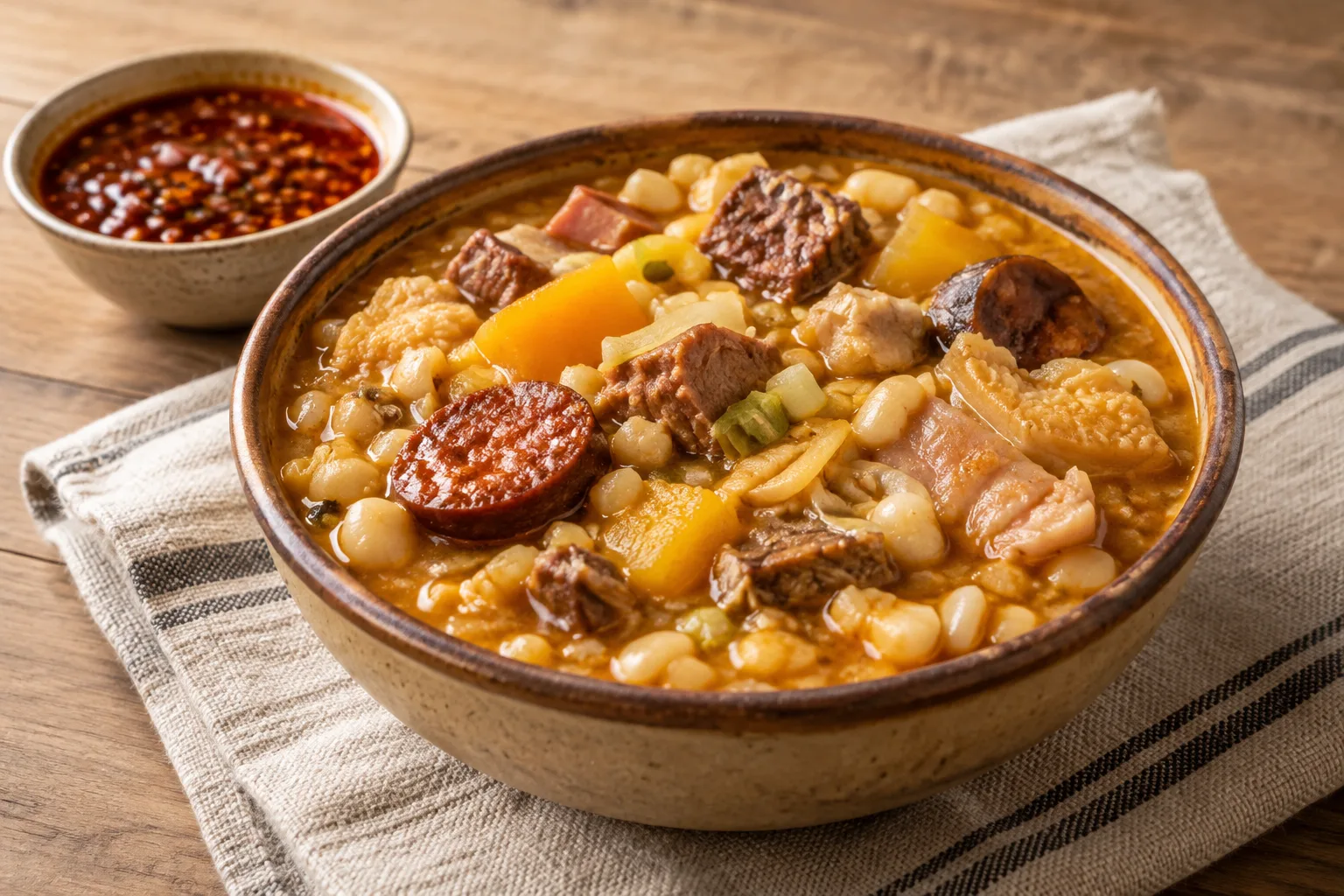
View recipeA thick Argentine stew of white corn, beans, squash and assorted meats, served with a red pepper sauce. Makes about 8 servings; hands-on time and yield are approximate.
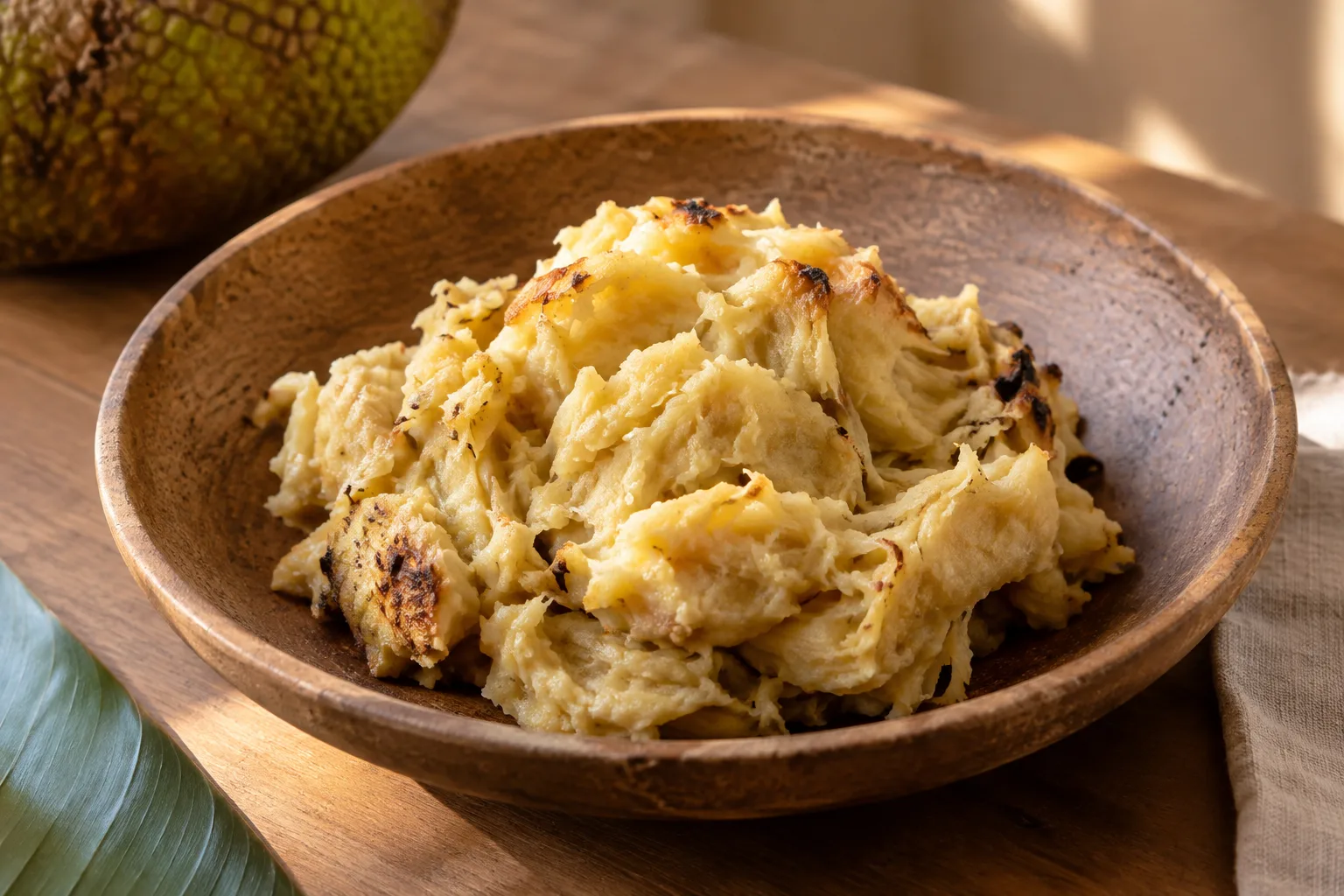
View recipeVery ripe breadfruit, roasted over an open fire and pounded. Hands-on preparation is estimated at 15 minutes; roasting is guided by a visible cue rather than a fixed time.
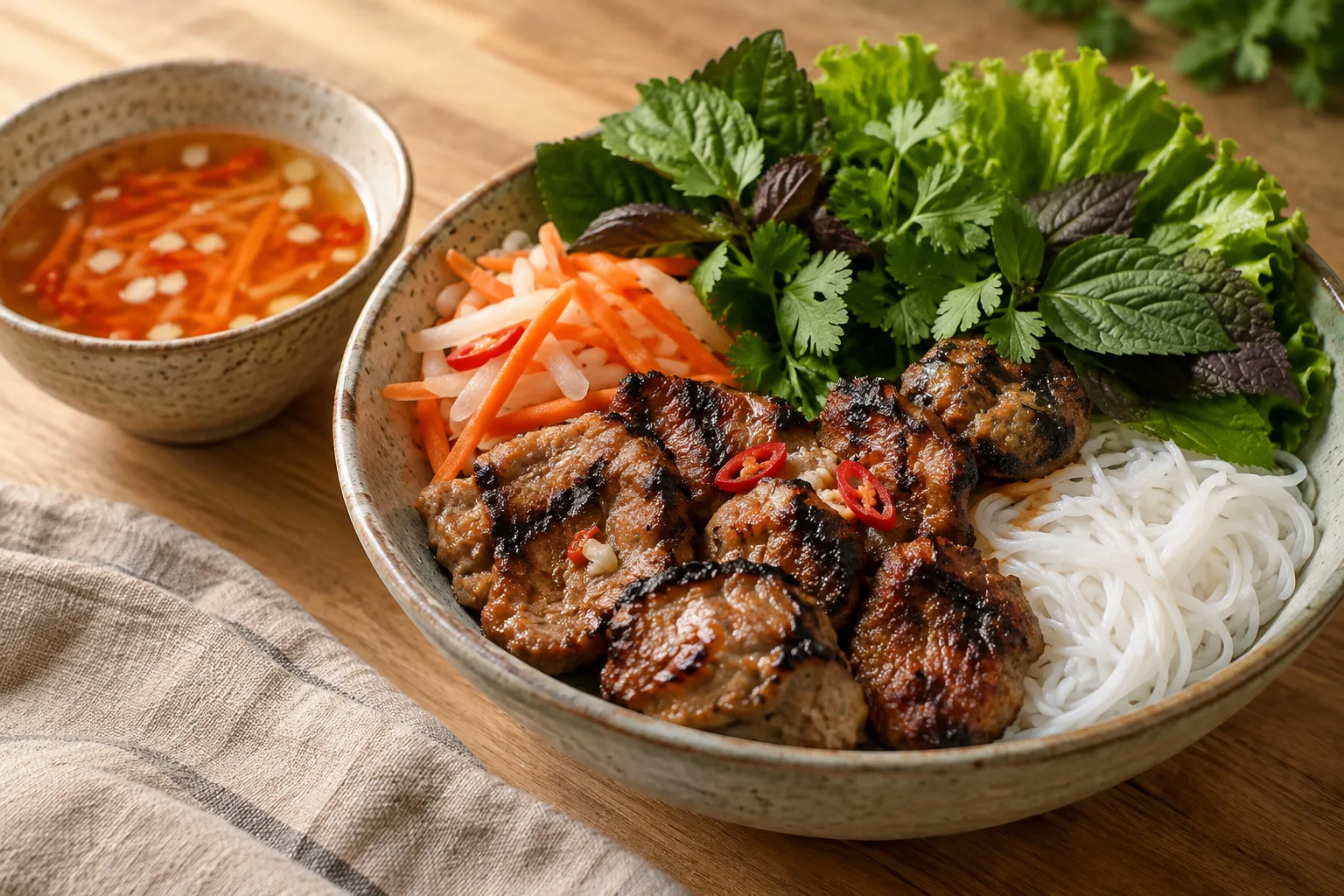
View recipeGrilled pork, rice noodles, pickled vegetables and fresh herbs, served with a sweet-and-sour fish sauce. Serves 4; times are approximate.
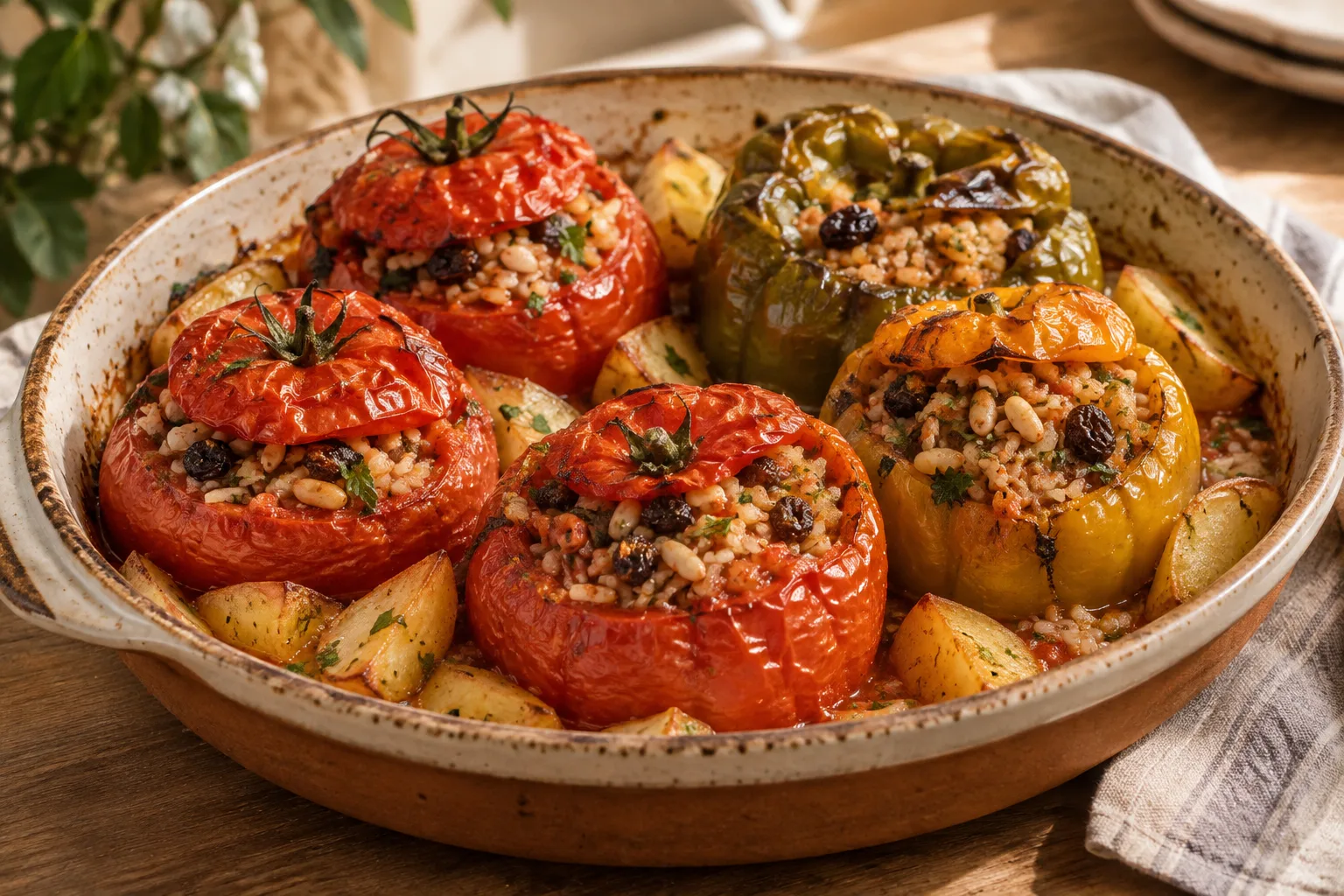
View recipeTomatoes and peppers filled with rice, herbs, pine nuts and raisins, baked with potatoes. Serves 4; estimated preparation: 30 minutes; oven time: 1 hour 30 minutes.
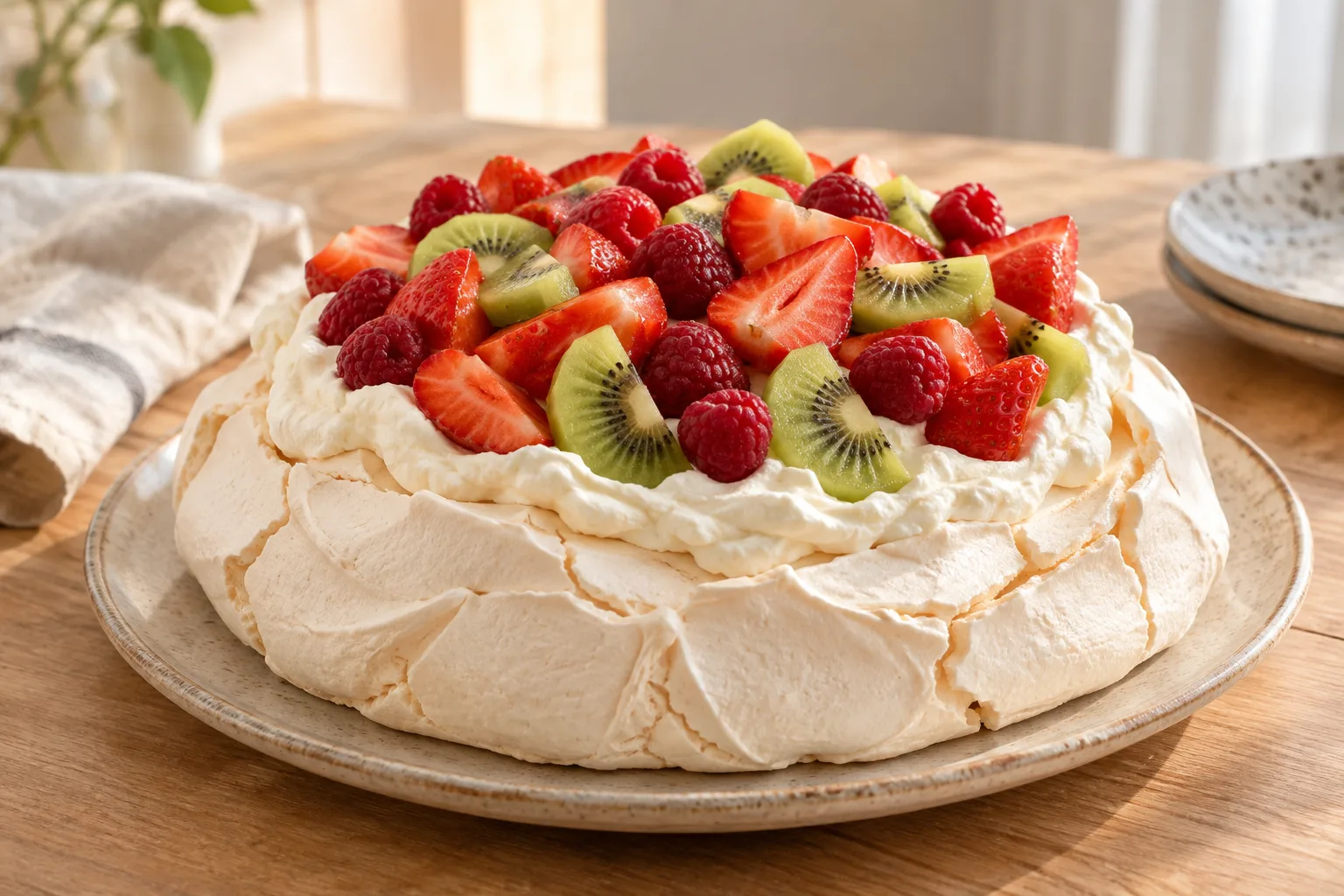
View recipeBaked meringue, crisp outside and tender inside, topped with whipped cream, strawberries, raspberries, and kiwi.
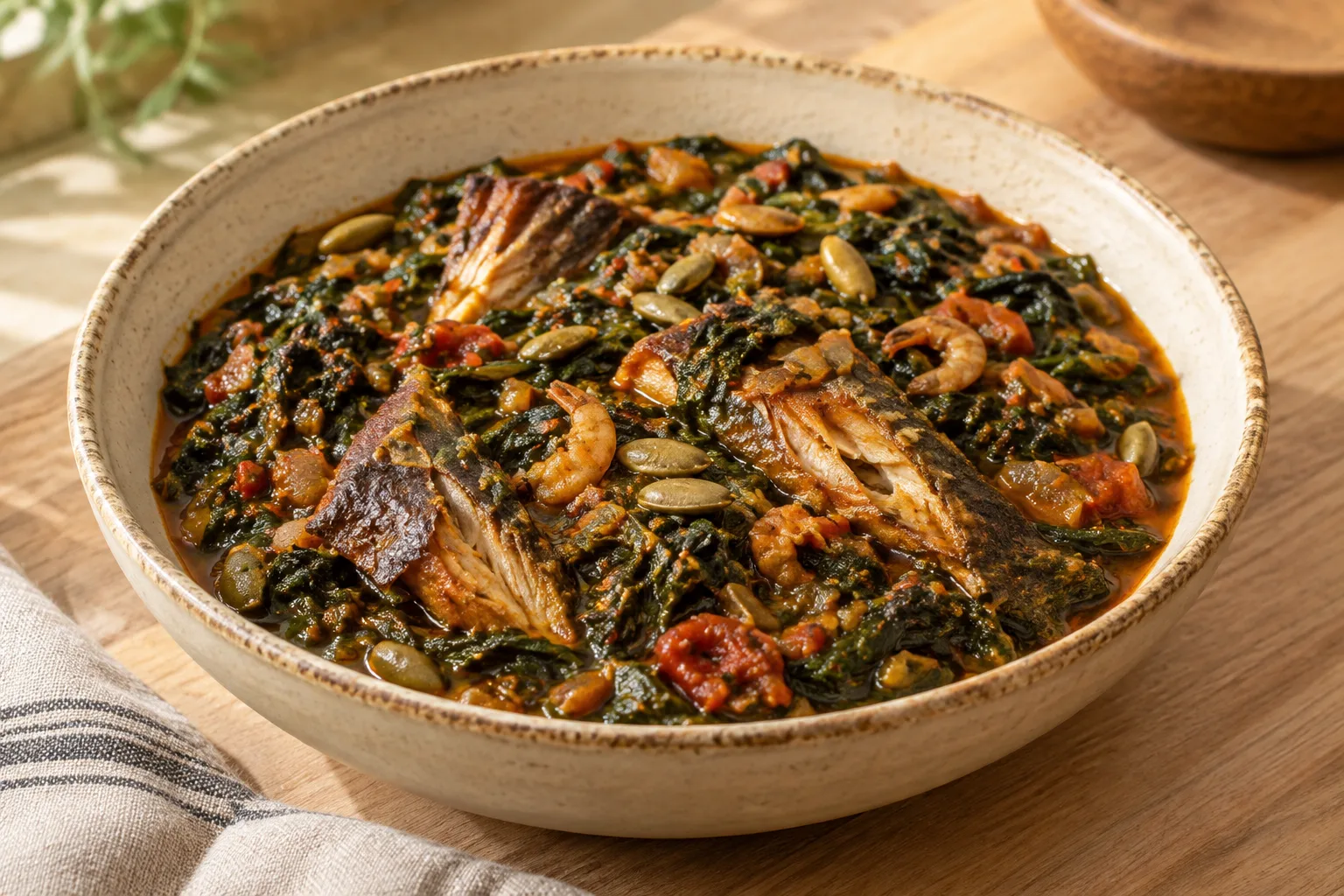
View recipeA thick stew of cocoyam leaves with tomato, red palm oil, smoked fish and pumpkin seeds. Makes 4 servings; approximate preparation time: 25 minutes, cooking time: 50 minutes.
View recipe