How to Organize Your Prep Area for Easier Cooking
A flexible way to arrange counter space, tools, and ingredients so meal preparation involves fewer unnecessary trips and less clutter.
Articles and guides about Organisation: cooking ideas, explanations and tips researched and checked by KitchenPause.
Asparagus, peas, broad beans, artichokes and tender greens signal spring. Learn to read the seasonal calendar flexibly, choose vegetables in good condition and organize storage without treating seasonality as a rigid rule.
Available content that can be reviewed from the recipe collection.
A flexible way to arrange counter space, tools, and ingredients so meal preparation involves fewer unnecessary trips and less clutter.
A flexible way to see what you already have, decide what to cook, and use leftovers without locking the week into a rigid menu.
A simple system for placing containers, utensils, and ingredients according to how they are used—so there is less searching, a clearer work surface, and storage that is easier to maintain.
Organize tools by how and where you use them: keep everyday essentials accessible, group items by task, and fit the system to your actual kitchen.
A flexible system for checking what you already have, planning realistic meals, and turning them into a useful shopping list—without filling the fridge with plans that are hard to keep.
A simple system for seeing what you have, finding it quickly, and planning meals without turning your pantry into a decorating project.
A home routine for keeping leftovers from disappearing at the back of the fridge: plan around what you already have, sort by age, label it, and choose how to use it. Organization can help reduce waste, but it does not replace official food-safety guidance.
A practical system for seeing what you have, finding ingredients and replacing only what you need—without buying a matching set of jars or turning tidying into a project.
A simple system for assigning each board a place, preparing ingredients in sequence, and keeping the cutting surface steady—without buying more than you need.
A useful system begins with knowing what you own, keeping what you use, and placing each spice where it is easy to find and put back.
A simple system for seeing what you have, finding it quickly, and using the products that have been at home longest first.
Organize your boards around your kitchen’s space and routine: group them, store them vertically, and give them a fixed place near your prep area.
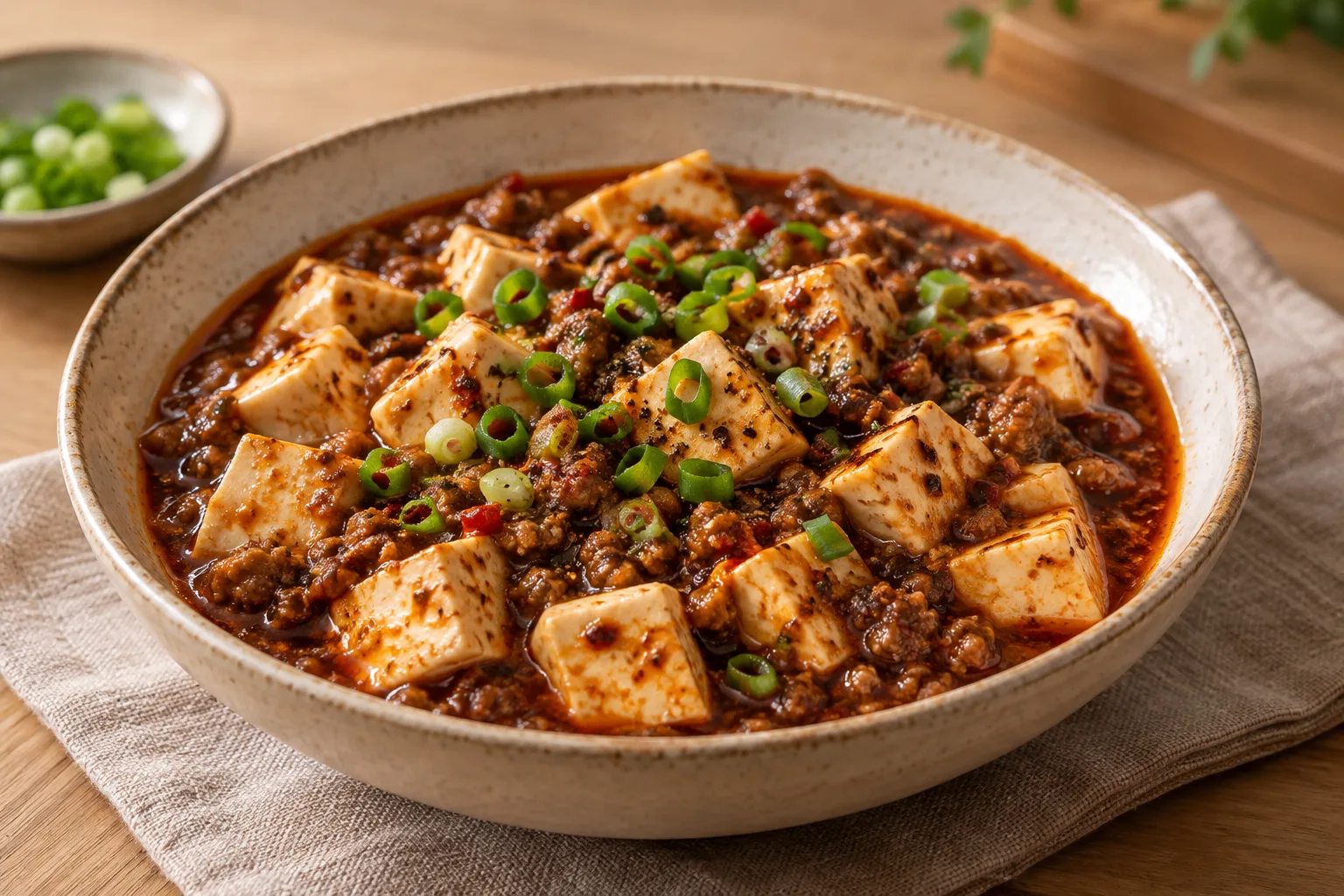
Tender tofu and minced pork in a savory sauce with doubanjiang, ginger, and Sichuan pepper. Serves 4; timings are estimates.
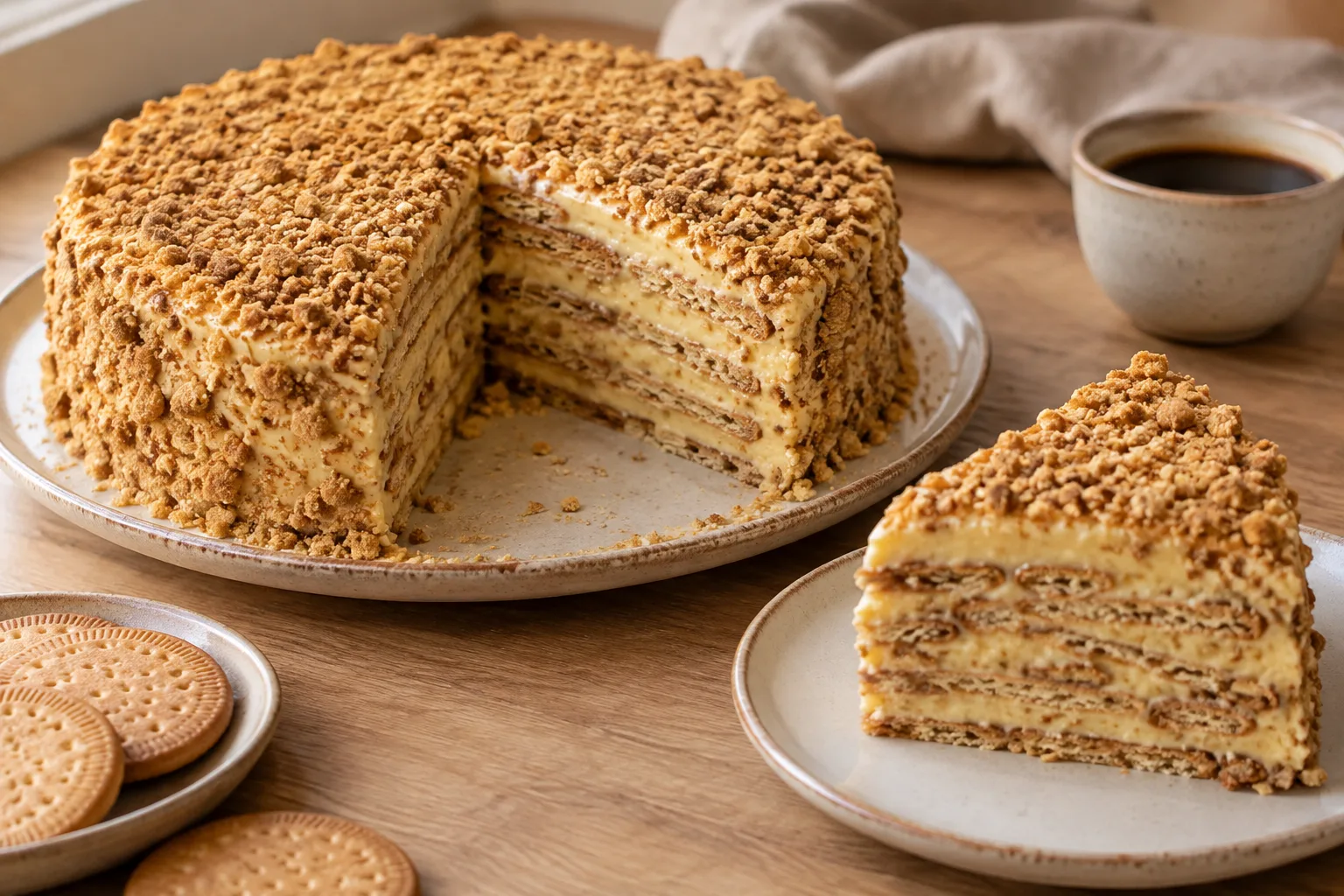
View recipeA no-bake Portuguese cake made with Maria biscuits dipped in coffee and layers of buttercream with egg yolks. Serves 6; allow about 30 minutes to prepare and 3 hours to chill.
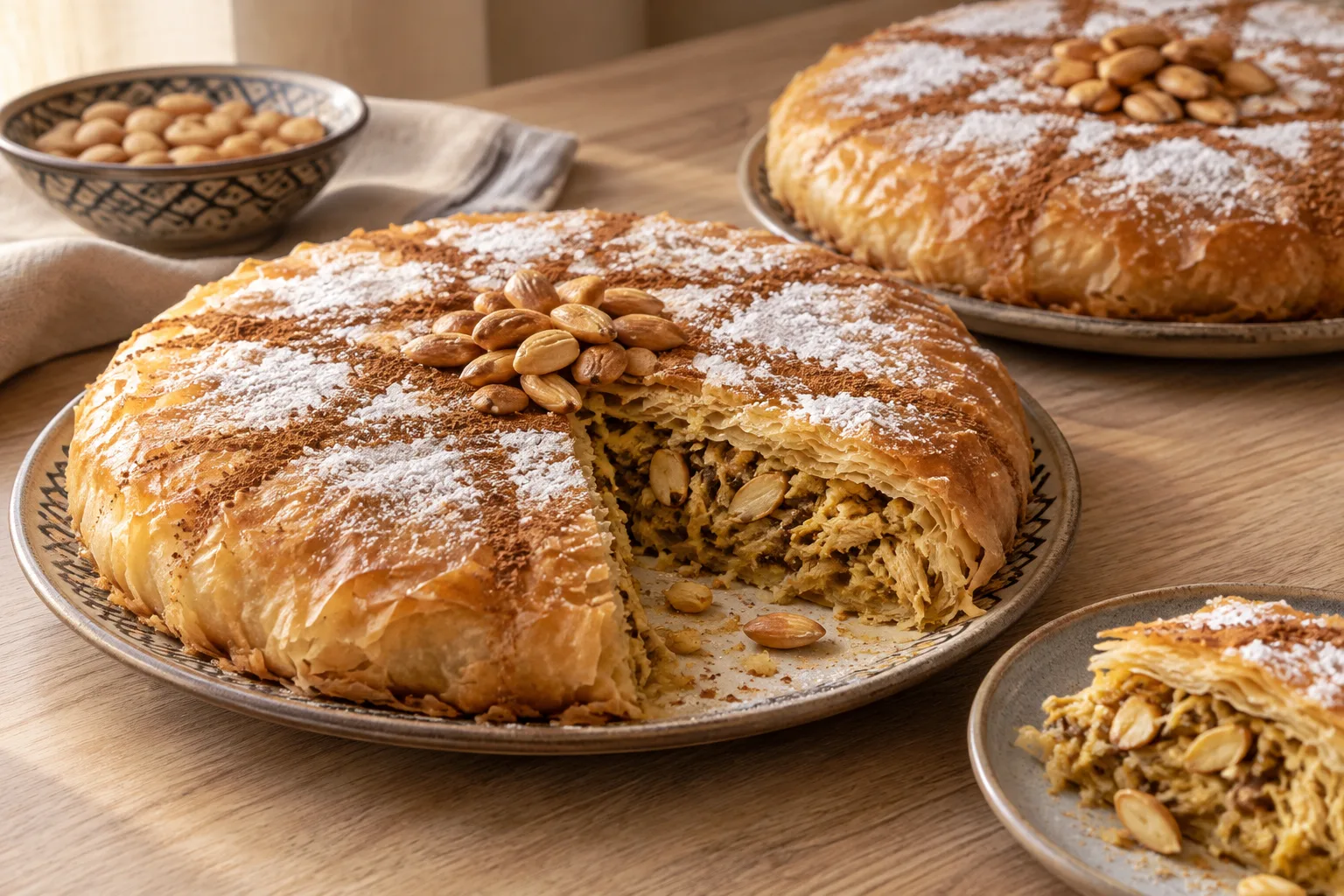
View recipeA crisp filo pastry pie filled with spiced chicken, onion and sweet almonds. Makes 2 pastillas for 8 people.
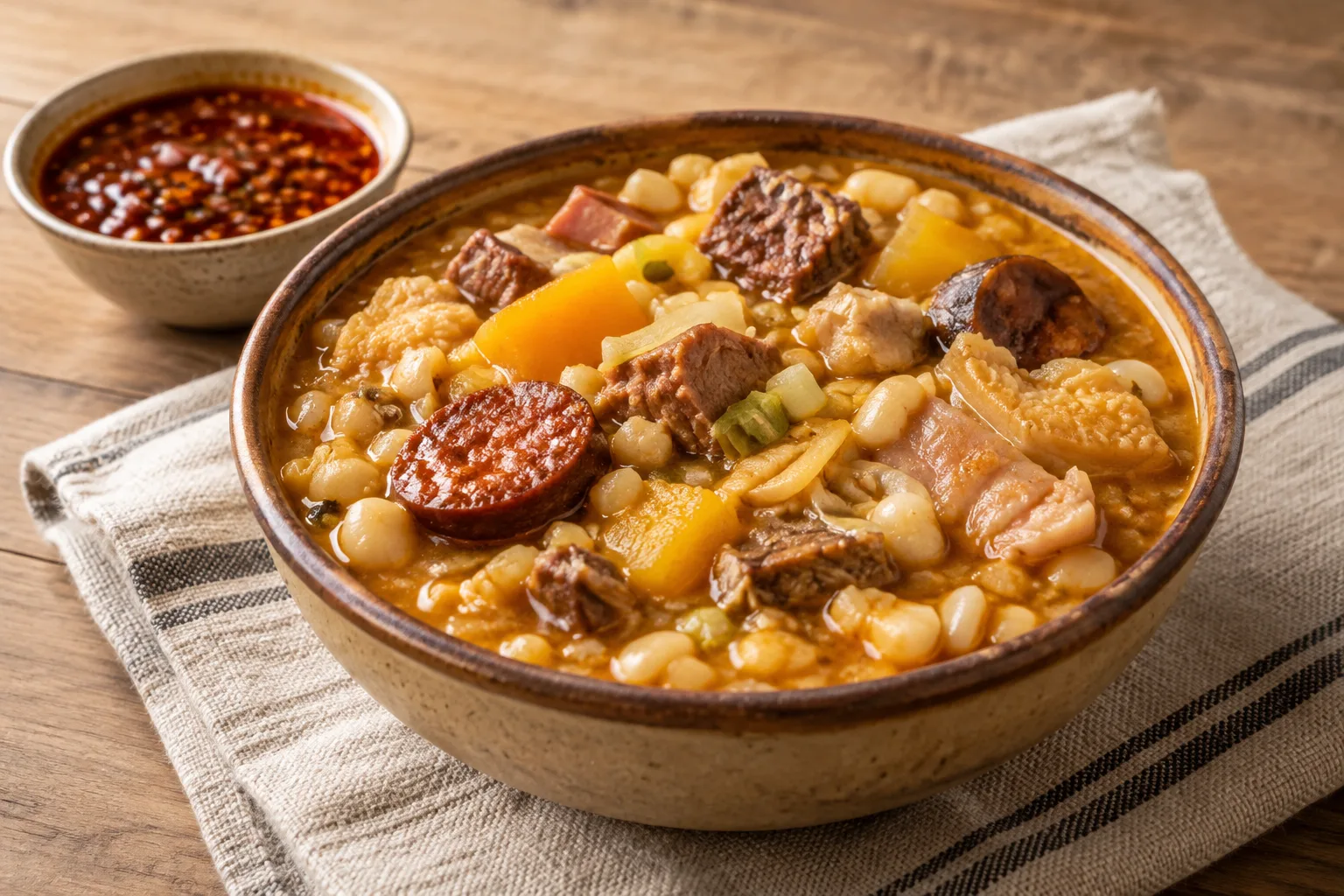
View recipeA thick Argentine stew of white corn, beans, squash and assorted meats, served with a red pepper sauce. Makes about 8 servings; hands-on time and yield are approximate.
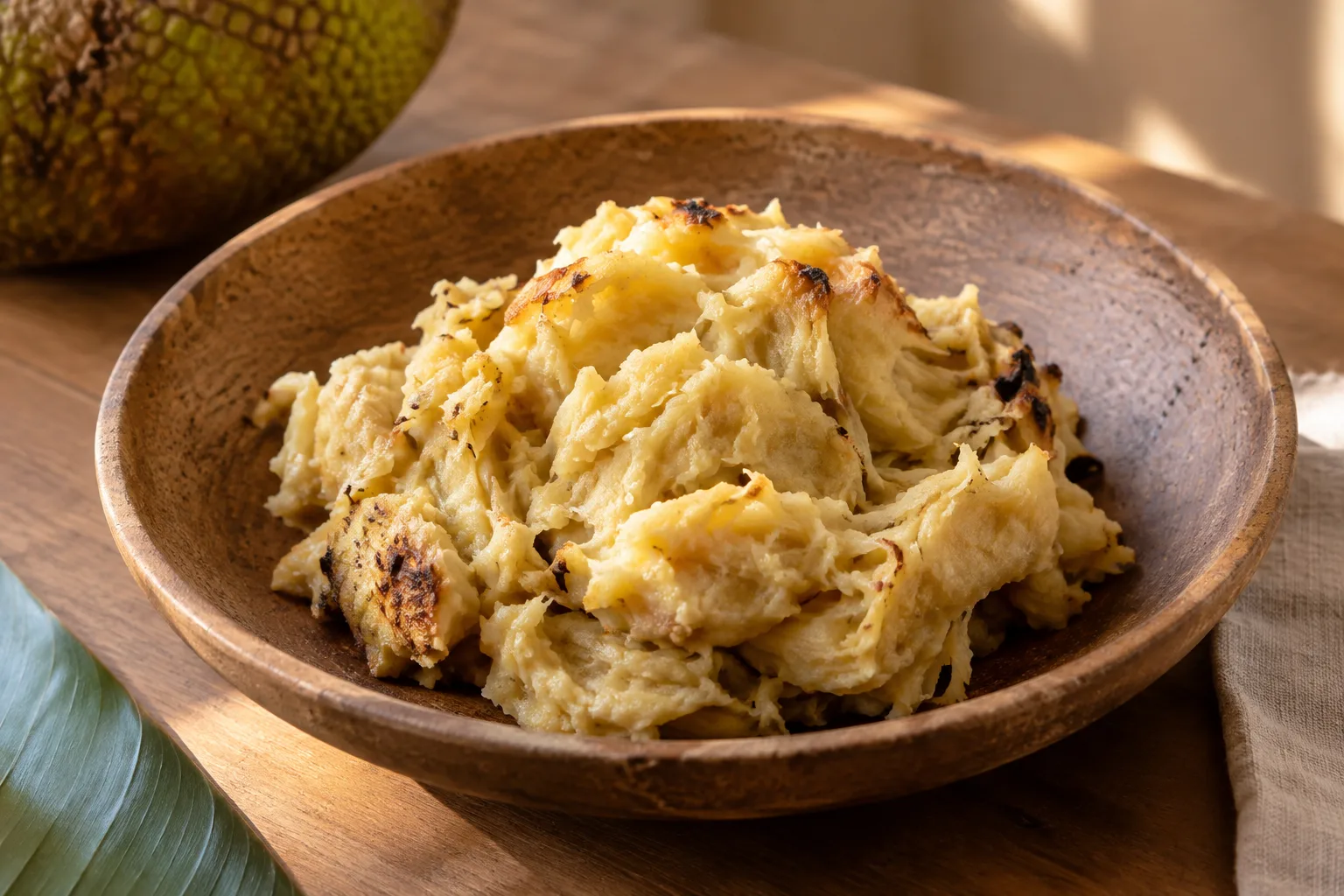
View recipeVery ripe breadfruit, roasted over an open fire and pounded. Hands-on preparation is estimated at 15 minutes; roasting is guided by a visible cue rather than a fixed time.
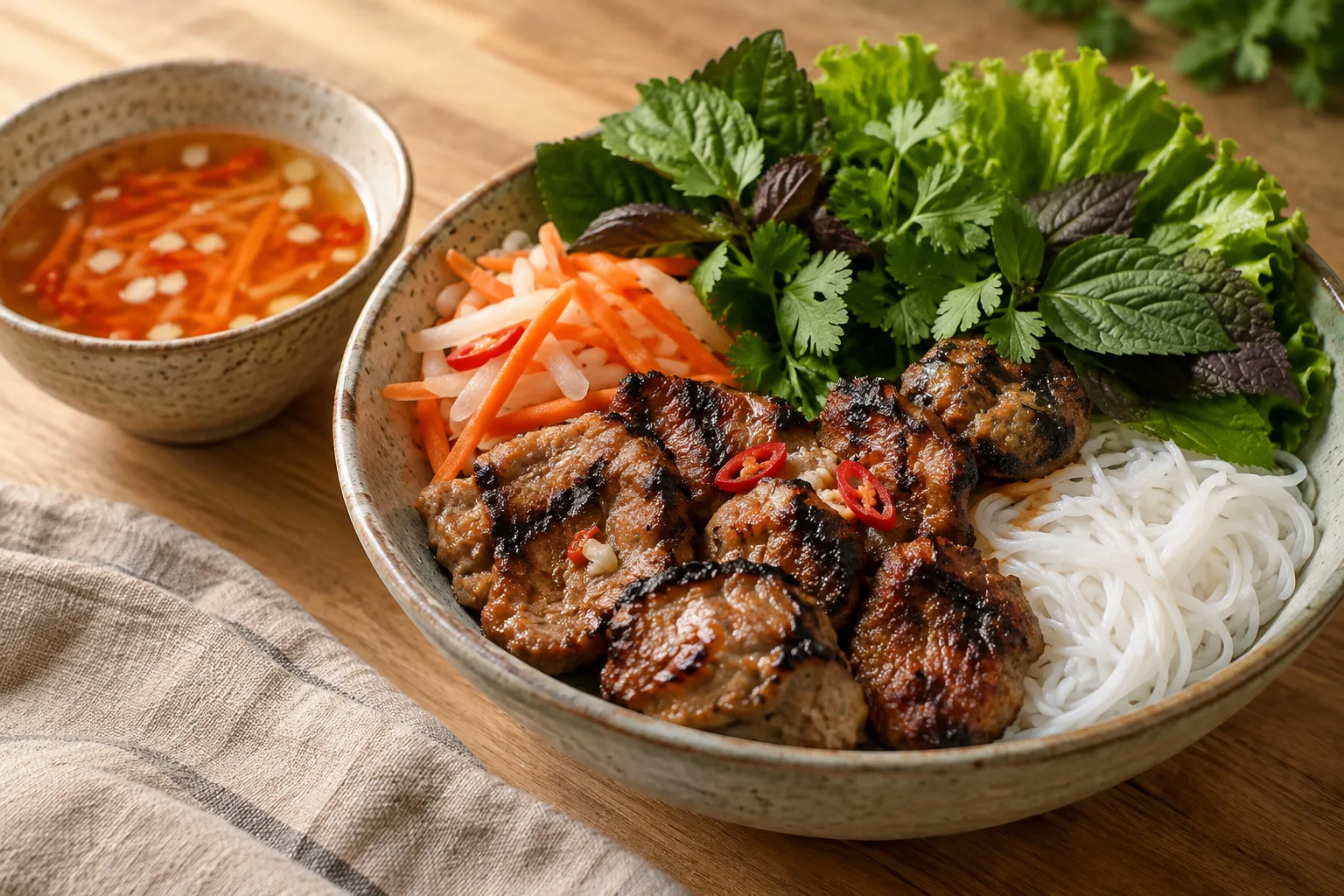
View recipeGrilled pork, rice noodles, pickled vegetables and fresh herbs, served with a sweet-and-sour fish sauce. Serves 4; times are approximate.
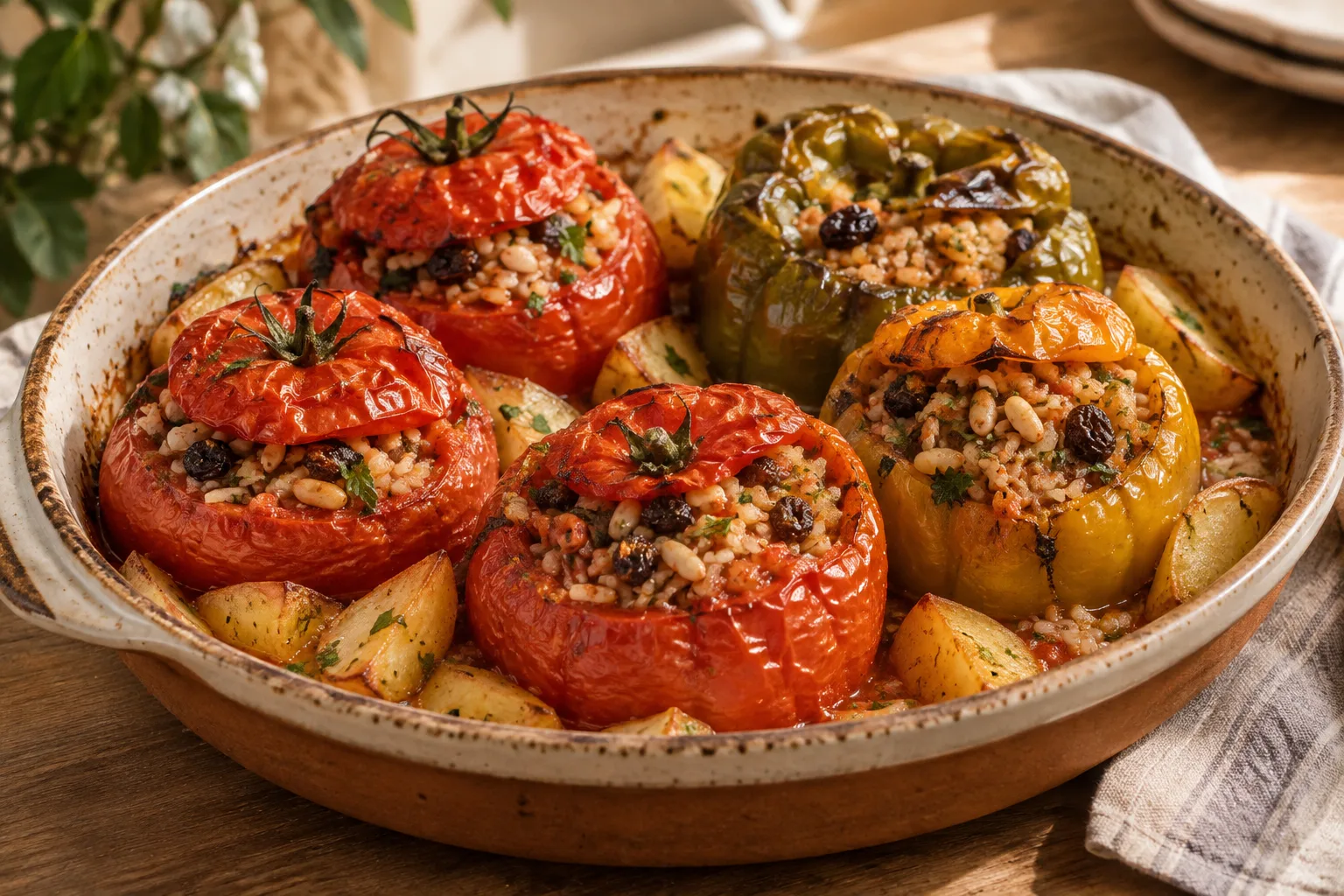
View recipeTomatoes and peppers filled with rice, herbs, pine nuts and raisins, baked with potatoes. Serves 4; estimated preparation: 30 minutes; oven time: 1 hour 30 minutes.
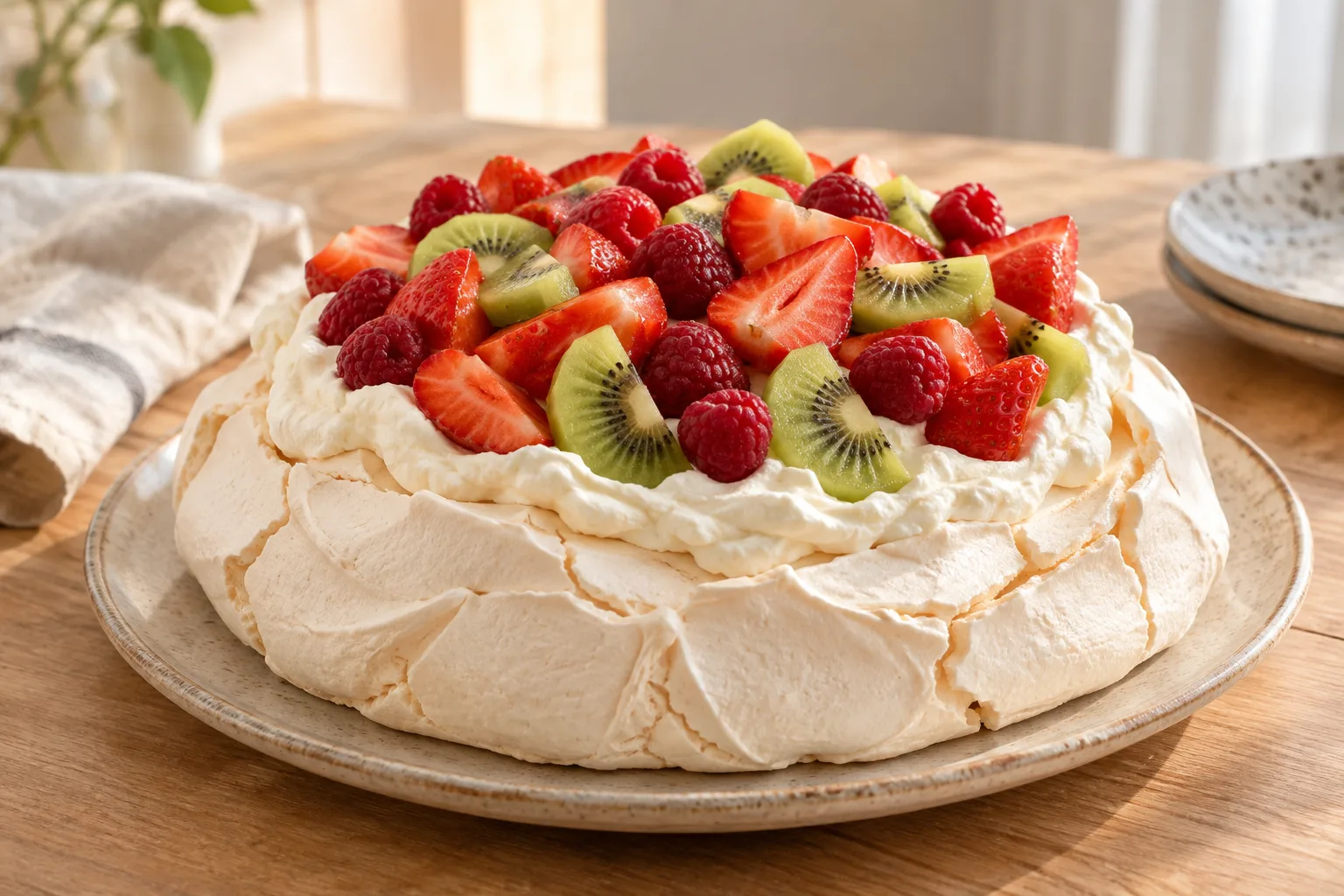
View recipeBaked meringue, crisp outside and tender inside, topped with whipped cream, strawberries, raspberries, and kiwi.
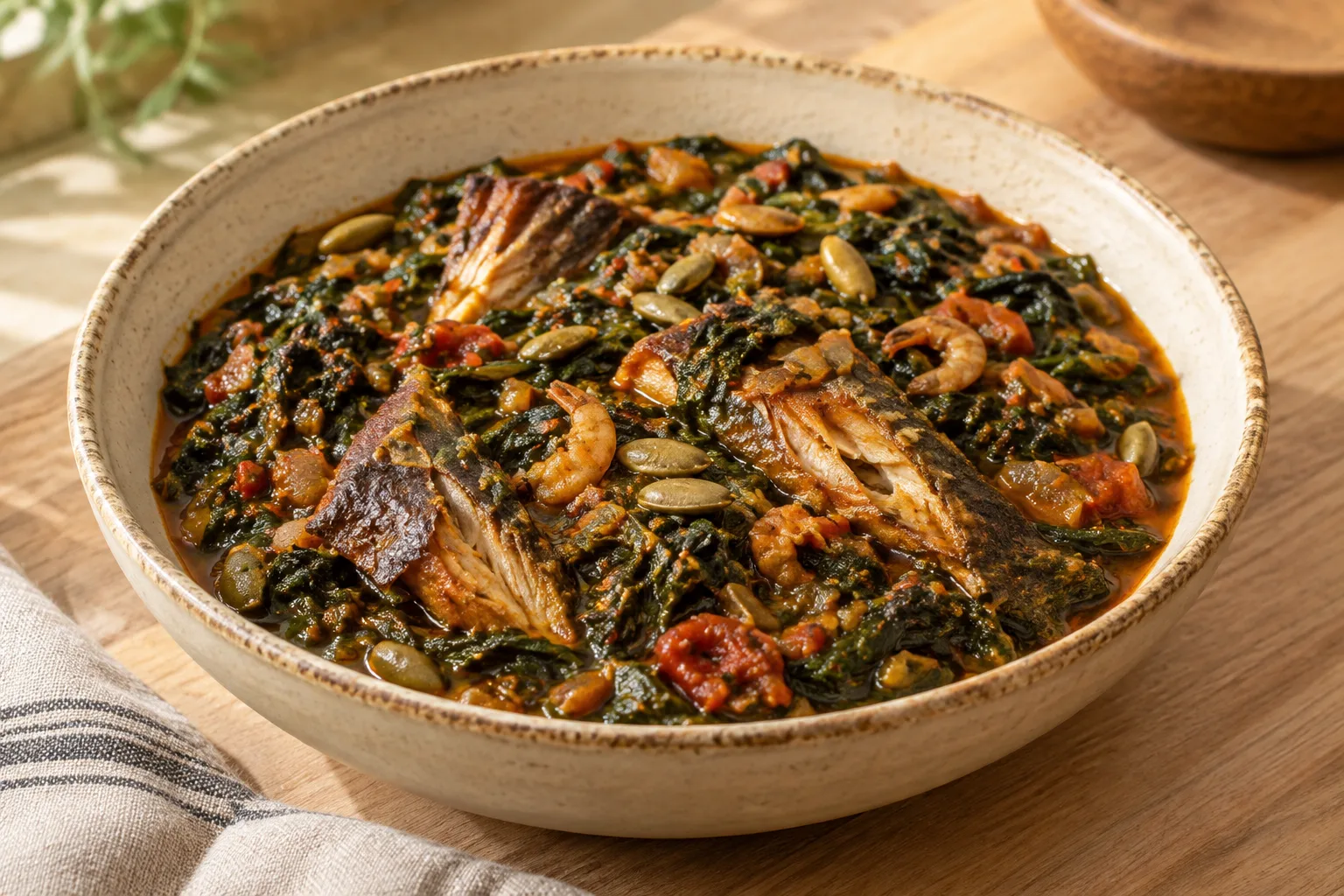
View recipeA thick stew of cocoyam leaves with tomato, red palm oil, smoked fish and pumpkin seeds. Makes 4 servings; approximate preparation time: 25 minutes, cooking time: 50 minutes.
View recipe