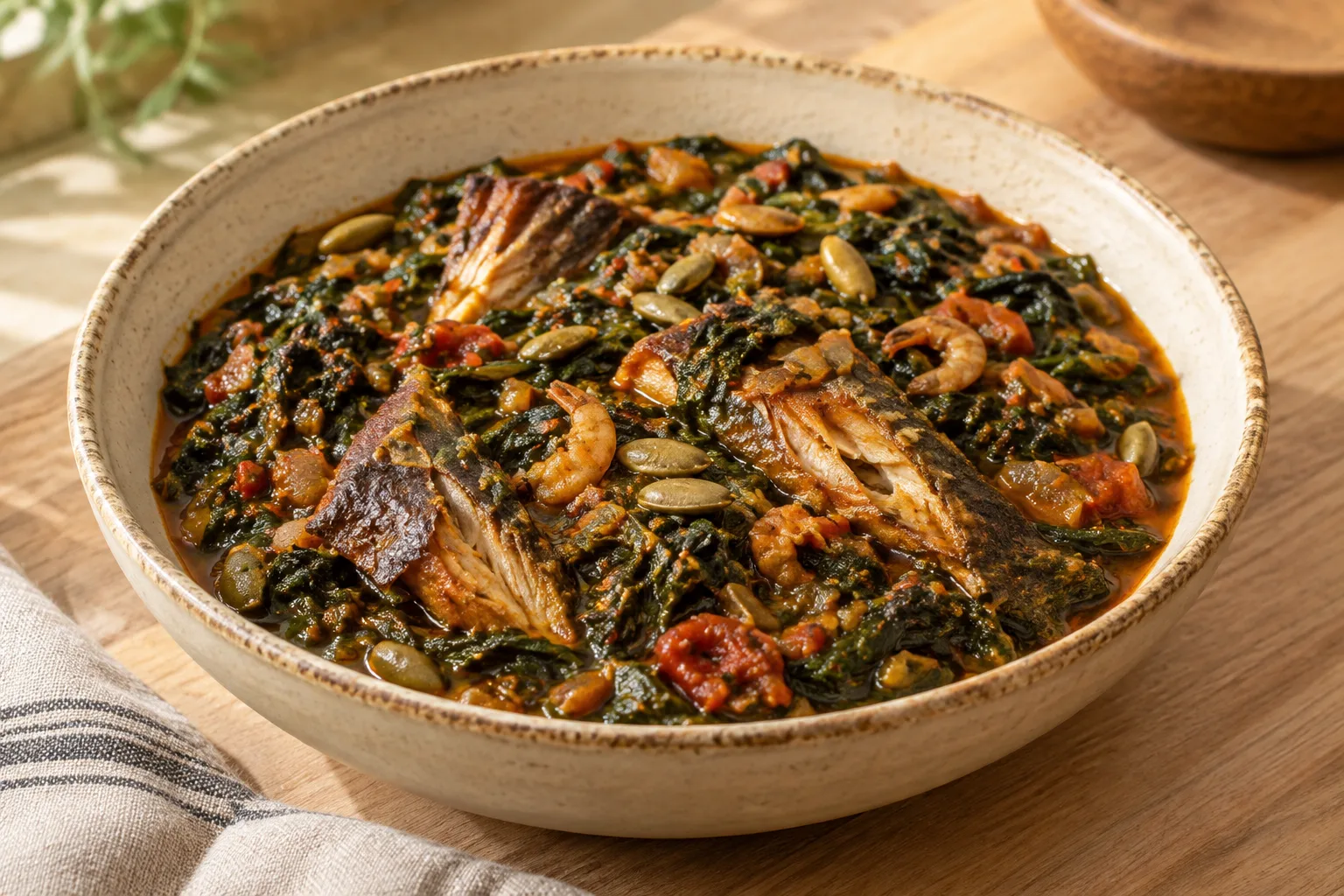
A Guide to Ghanaian Cooking: Starches, Rice, Soups, and Heat
A practical introduction to several Ghanaian dishes: how they are put together, what sets them apart, and how to choose or serve them.
Articles and guides about World cuisine: cooking ideas, explanations and tips researched and checked by KitchenPause.
Asparagus, peas, broad beans, artichokes and tender greens signal spring. Learn to read the seasonal calendar flexibly, choose vegetables in good condition and organize storage without treating seasonality as a rigid rule.
Available content that can be reviewed from the recipe collection.
A practical introduction to several Ghanaian dishes: how they are put together, what sets them apart, and how to choose or serve them.
A useful tour of soups, stews, potato dishes, breads and desserts found on Irish menus, with clues to their ingredients and ways to choose thoughtfully.
Mauritania’s foodways reflect a country spanning Saharan desert, Sahelian landscapes and an Atlantic shoreline. Rice and fish feature in coastal dishes, while millet-based preparations, dates and livestock connect other tables to farming, oasis and pastoral life. Shared dishes, hospitality with tea and regional exchange shape a varied cuisine rather than a single national formula.
Mali’s foodways bring together millet, sorghum, fonio, rice, and sauces made with ingredients such as peanuts, leaves, and tomatoes. The Niger River and its inland delta are associated with rice cultivation and fishing, while preparations differ across communities and places. Tô, tigadèguèna, fakoye, fonio dishes, and three-round attaya tea offer distinct ways to cook, serve, and share food.
The food of Saint Kitts and Nevis draws on the produce of two Caribbean islands and a history shaped by Indigenous communities, European colonisation, African enslavement, and wider regional exchange. Saltfish with coconut dumplings, plantain, and breadfruit is a nationally recognised combination; goat water and cook-up offer other hearty ways to bring ingredients together. These dishes share a national setting, but household recipes and island associations vary.
Greenlandic food reflects life across Arctic coasts, fjords, tundra, and ice. Fishing and hunting have shaped the use of seal, whale, fish, birds, and land animals, while drying, smoking, and other preservation practices help extend seasonal foods. Suaasat, a flexible meat soup, and kaffemik gatherings offer two different windows into foodways that vary by community. Imported ingredients, southern sheep farming, and contemporary cooking are also part of Greenland’s changing culinary landscape.
Gibraltar’s home cooking reflects a small territory at the meeting point of the Strait, Andalusia and Britain. Recipes such as calentita, panissa, rosto and torta de acelgas sit alongside British and Spanish foodways and traditions brought by Mediterranean communities. Family versions vary, and the cuisine is best understood through both its shared dishes and the adaptations made in individual homes.
Eritrean food brings together fermented flatbreads, richly seasoned stews, pulses, vegetables, and distinctive coffee traditions. Injera often accompanies *tsebhi*, while documented lowland breakfasts include wheat porridge and the Red Sea coast has its own seafood traditions. Shared culinary ties with neighboring communities and Italian influences add variety without making any one menu universal.
Across Wallis and the Horn Islands, island cooking brings together fish and shellfish, taro and other root crops, breadfruit, bananas, and coconut. The *umu*, a Polynesian earth oven, slowly cooks foods wrapped in leaves over heated stones and is especially associated with meals prepared for sharing. Local dishes sit within a wider Pacific world and alongside French culinary influences, while ingredients and customs vary among households and islands.
Tanzania’s foodways bring together everyday meals built around maize, rice, beans, greens, and other local staples with coastal combinations of fish, coconut, and spices. Ugali, pilau, nyama choma, kachumbari, and regionally rooted dishes illustrate both shared habits and meaningful variation. The country’s Indian Ocean connections, inland food traditions, and diverse communities all contribute to a cuisine that is varied rather than uniform.
Timor-Leste’s foodways reflect an island of steep highlands, coastal communities, farms, and long-running regional contacts. Rice, maize, tubers, beans, vegetables, fish, and coffee anchor a varied pantry. Dishes such as batar daan, ikan sabuko, and katupa show different ways these ingredients are combined and cooked. Portuguese and Indonesian influences are part of the picture, alongside local products and everyday practices that vary between households and places.
Salvadoran cooking brings together corn, beans, cassava, plantain, dairy, meats, vegetables, and fruit in meals that range from market snacks to soups and celebration foods. Pupusas are a defining part of the food culture, served with tangy curtido and tomato sauce, but they belong to a broader repertoire of tamales, yuca dishes, fresh-corn cakes, breads, drinks, and sweets.
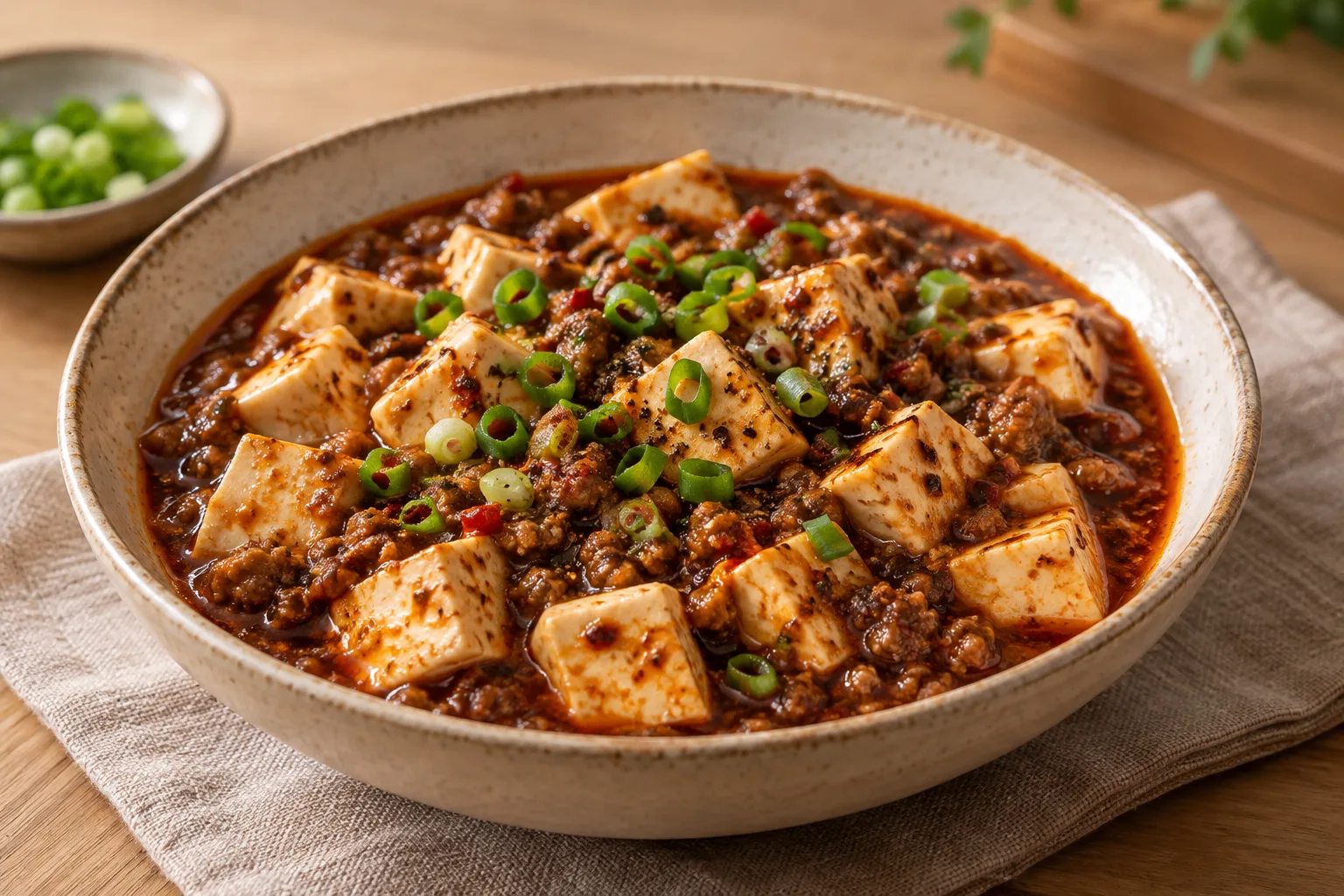
Tender tofu and minced pork in a savory sauce with doubanjiang, ginger, and Sichuan pepper. Serves 4; timings are estimates.
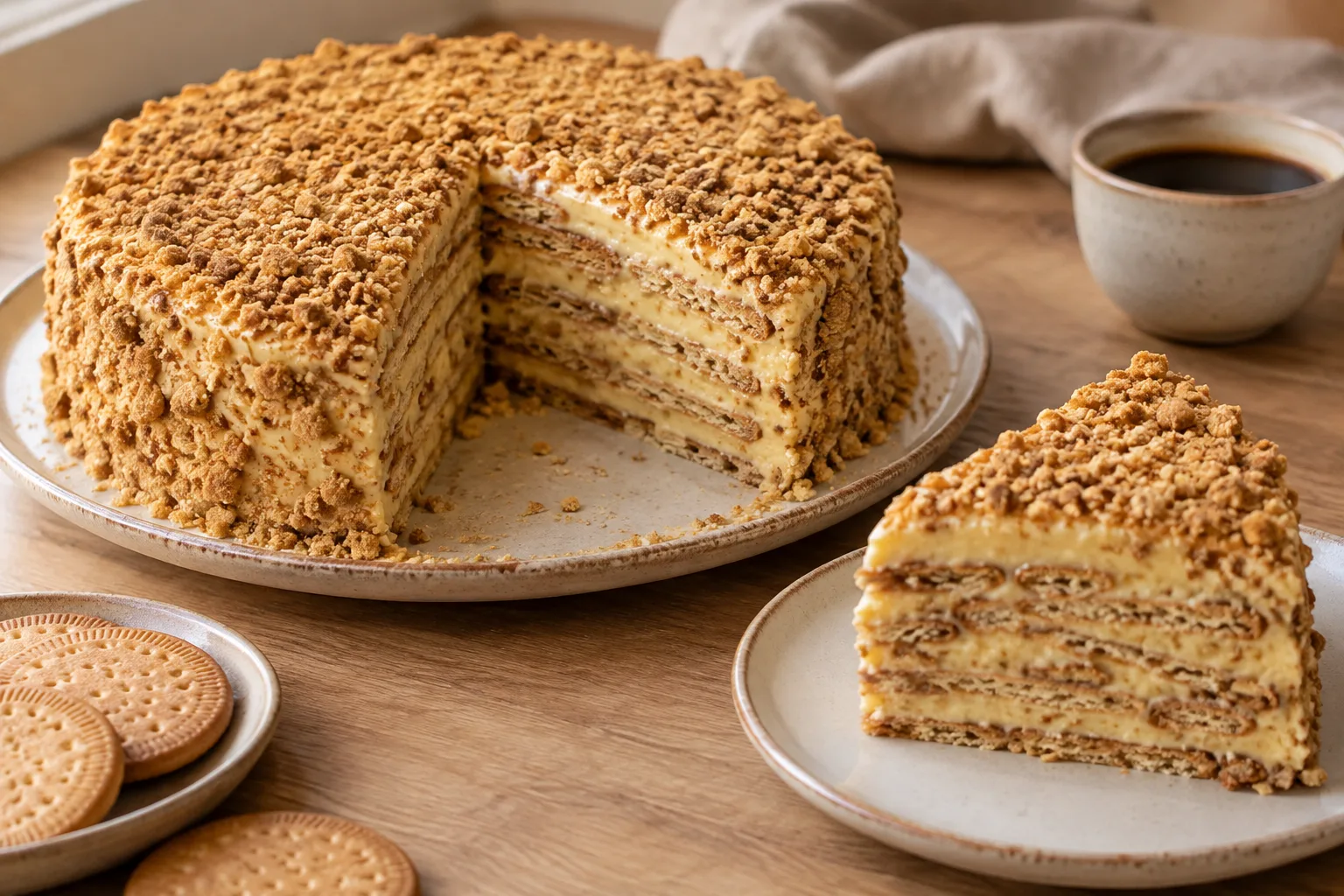
View recipeA no-bake Portuguese cake made with Maria biscuits dipped in coffee and layers of buttercream with egg yolks. Serves 6; allow about 30 minutes to prepare and 3 hours to chill.
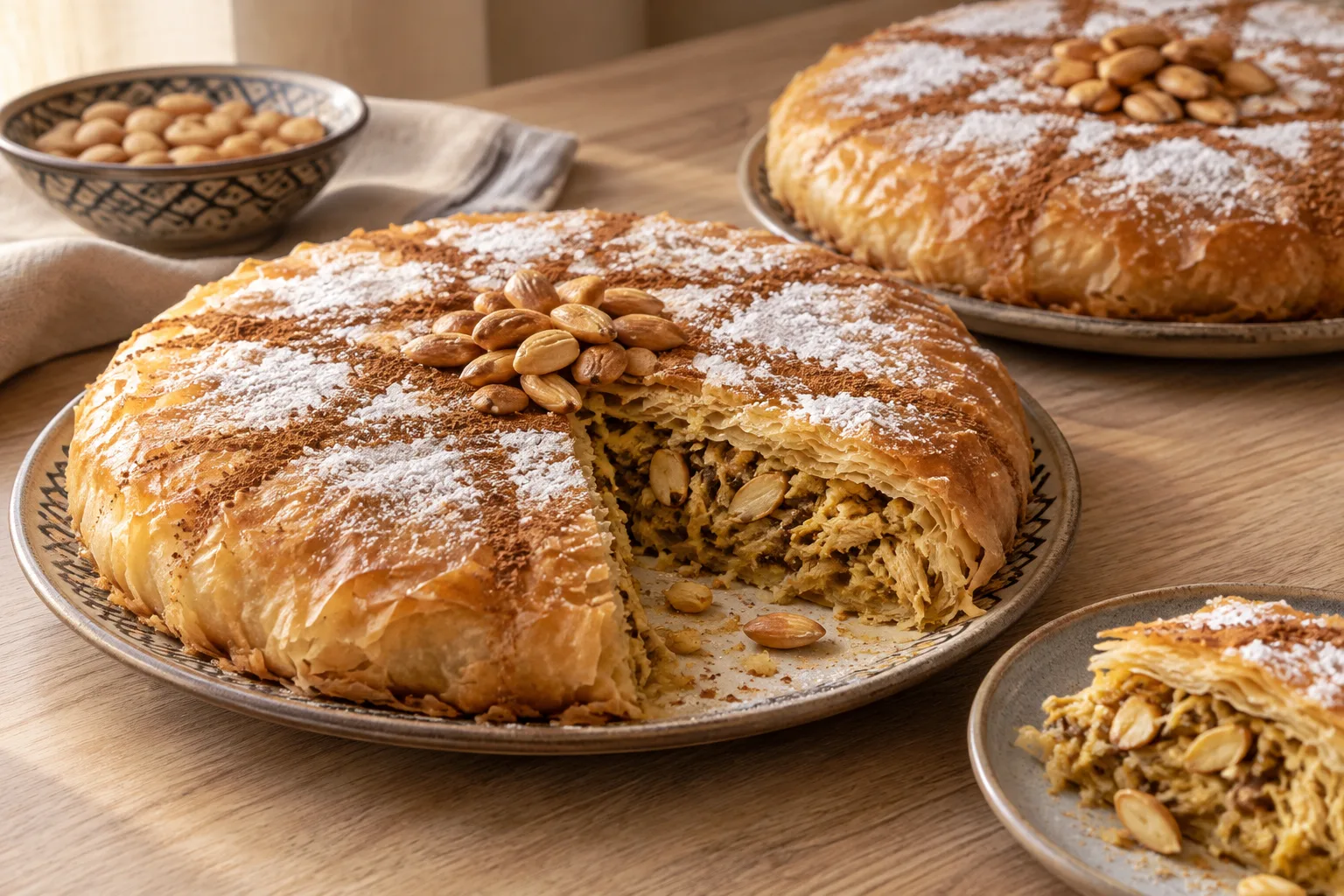
View recipeA crisp filo pastry pie filled with spiced chicken, onion and sweet almonds. Makes 2 pastillas for 8 people.
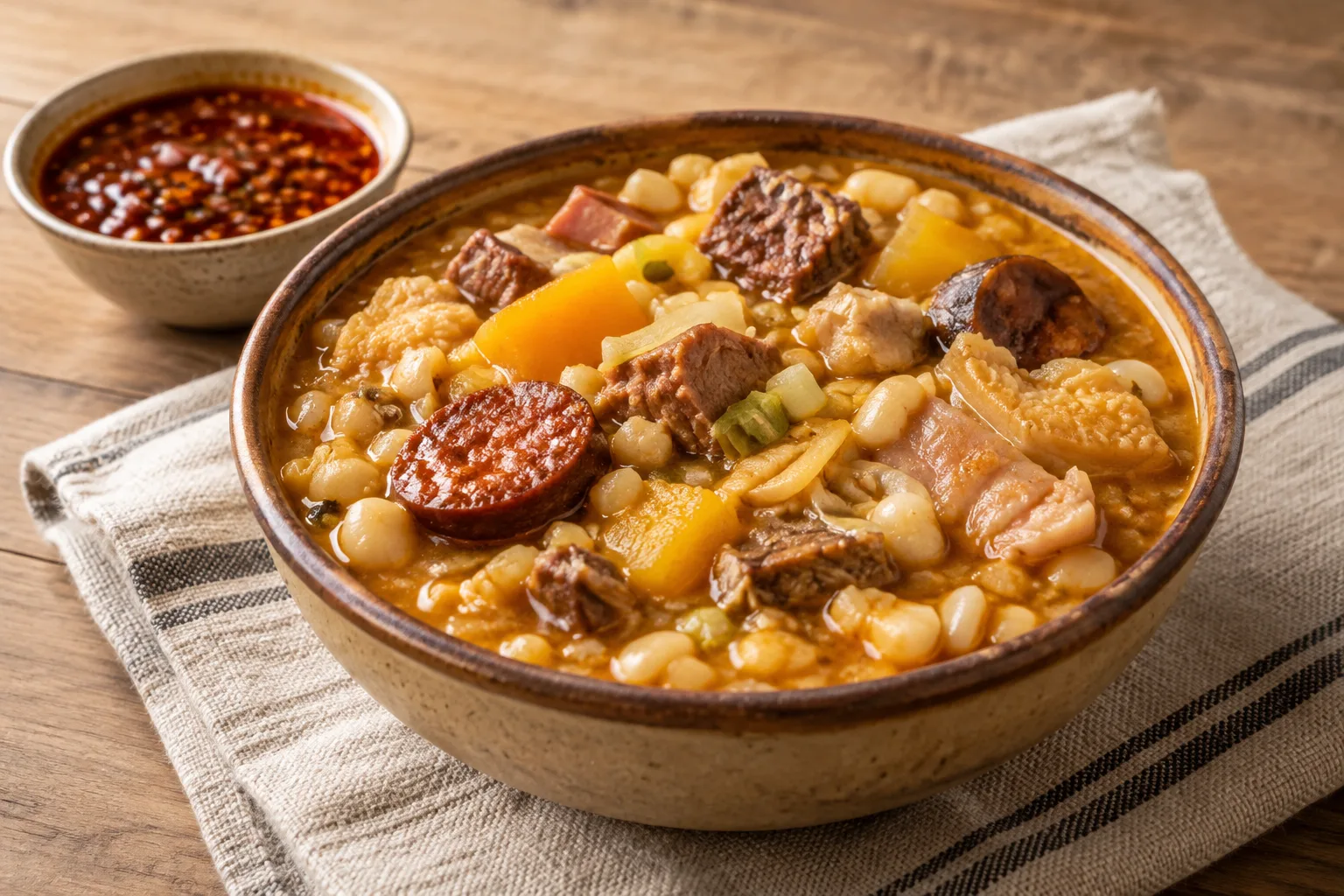
View recipeA thick Argentine stew of white corn, beans, squash and assorted meats, served with a red pepper sauce. Makes about 8 servings; hands-on time and yield are approximate.
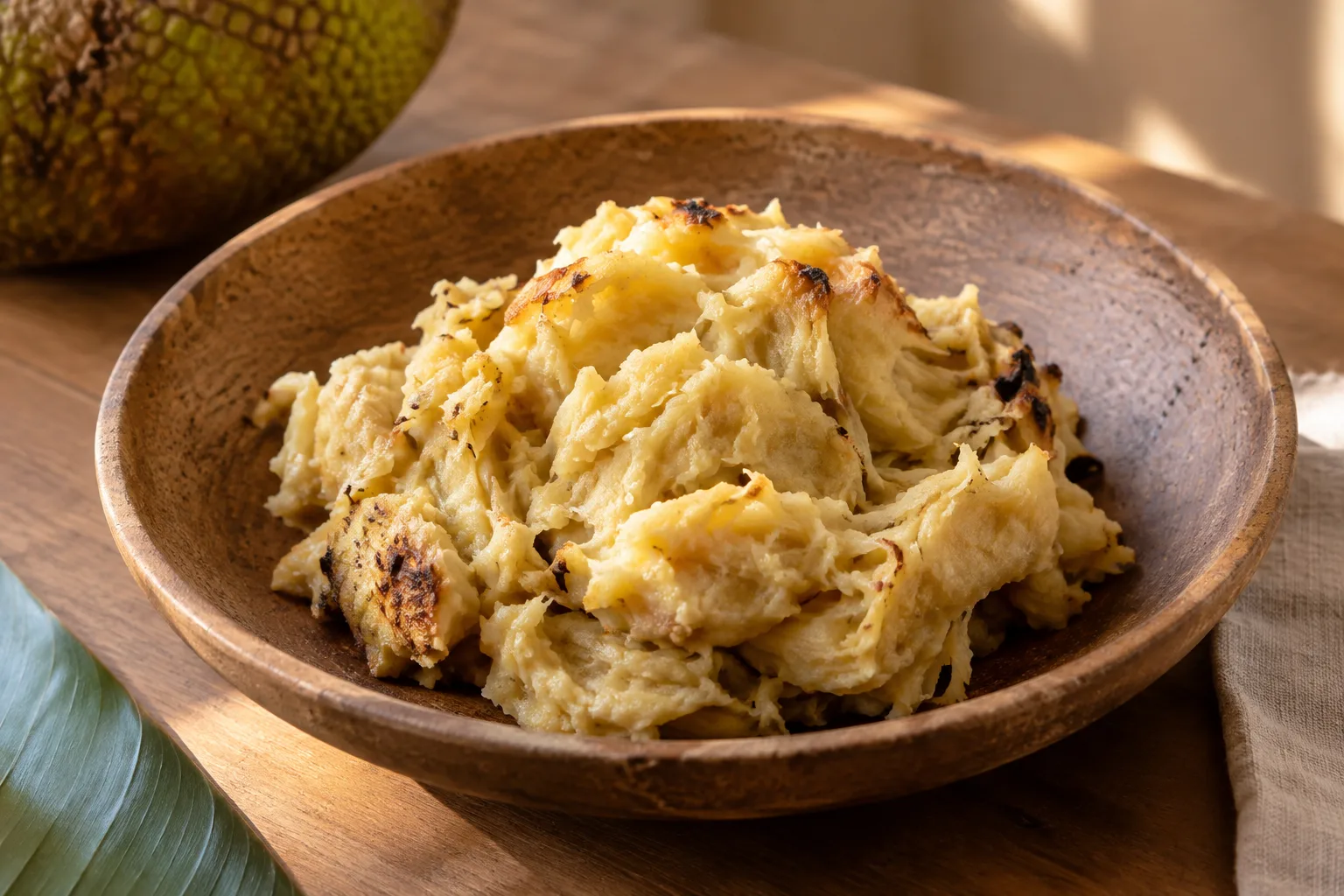
View recipeVery ripe breadfruit, roasted over an open fire and pounded. Hands-on preparation is estimated at 15 minutes; roasting is guided by a visible cue rather than a fixed time.
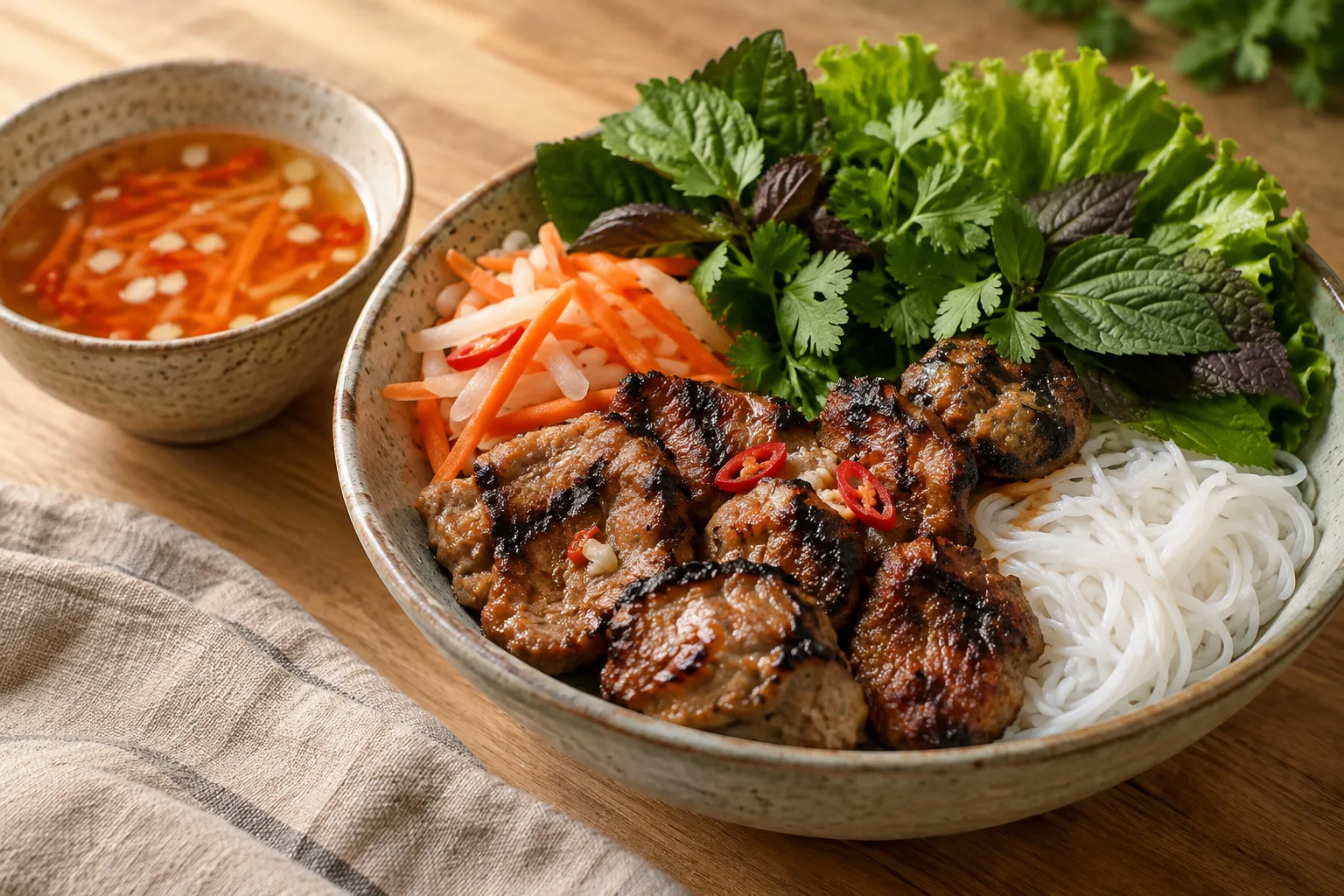
View recipeGrilled pork, rice noodles, pickled vegetables and fresh herbs, served with a sweet-and-sour fish sauce. Serves 4; times are approximate.
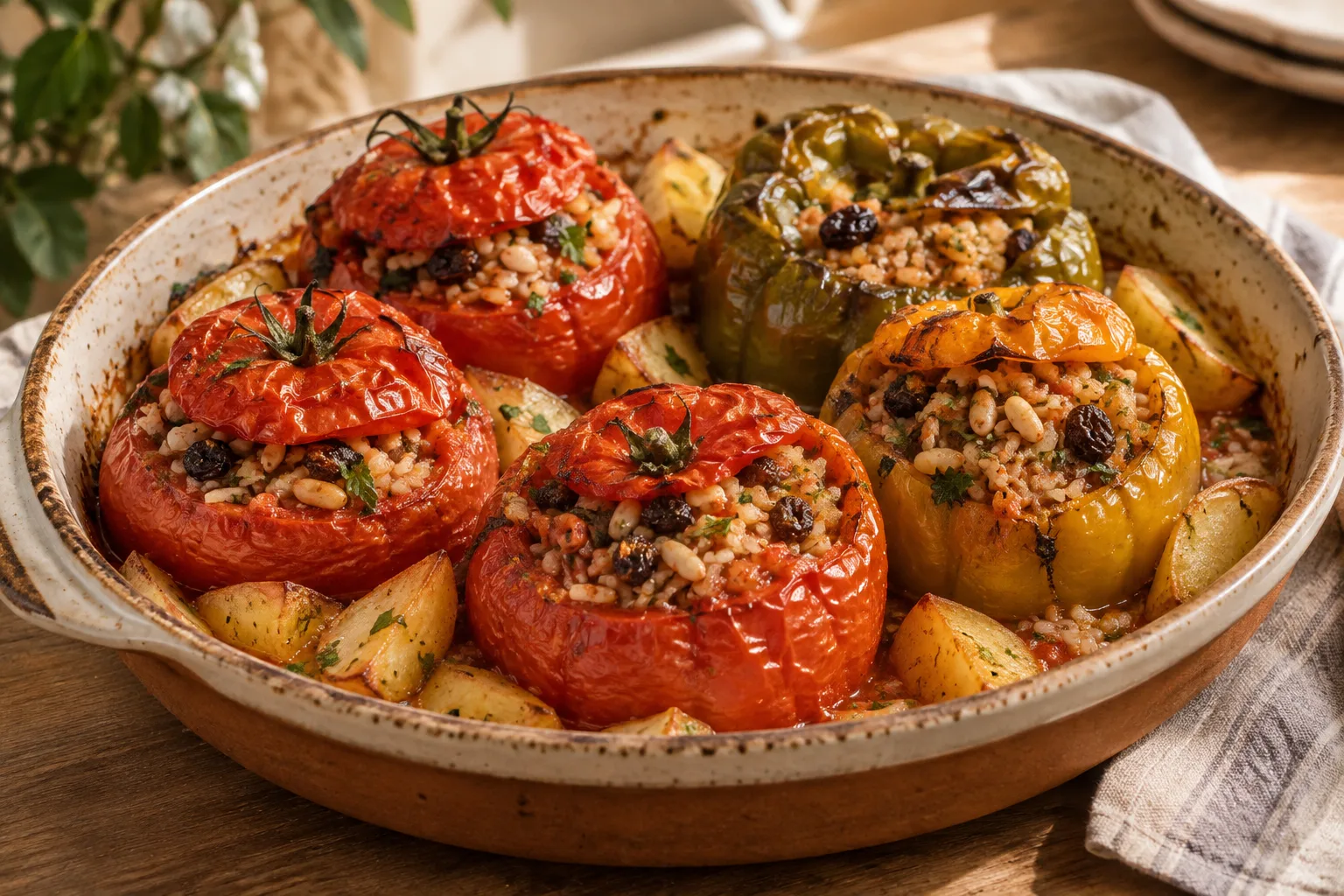
View recipeTomatoes and peppers filled with rice, herbs, pine nuts and raisins, baked with potatoes. Serves 4; estimated preparation: 30 minutes; oven time: 1 hour 30 minutes.
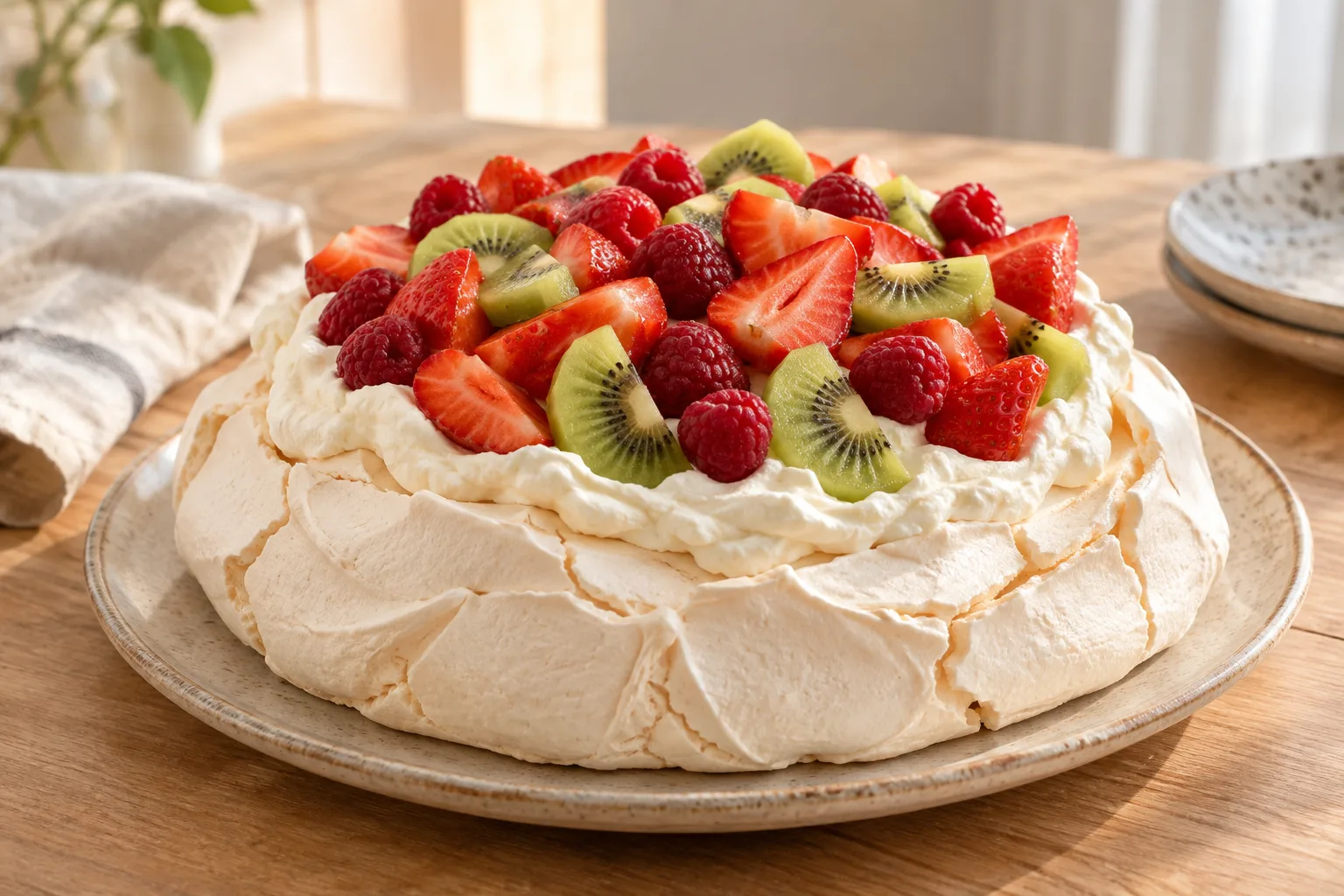
View recipeBaked meringue, crisp outside and tender inside, topped with whipped cream, strawberries, raspberries, and kiwi.
View recipeA thick stew of cocoyam leaves with tomato, red palm oil, smoked fish and pumpkin seeds. Makes 4 servings; approximate preparation time: 25 minutes, cooking time: 50 minutes.
View recipe