Asia · Southern Asia

Nepal

Nepal’s foodways reflect a meeting of varied landscapes and communities, not a single uniform cuisine. Rice, lentils, vegetables, breads, noodles, and preserved greens appear in distinct combinations, from the familiar dal-bhat-tarkari meal to Newar and Thakali specialties and Tharu preparations in the Terai. Festival foods such as sel roti show how cooking, sharing, and regional variation connect everyday ingredients with communal occasions.

Food and eating habits

How people eat in Nepal

50 indicators exploring everyday meals, ingredients and food culture. Information is completed progressively from documented evidence.

48 of 50 indicators with documented information

Not all data are comparable: food supply, purchases and intake are different measures. Check the period, population and method for each finding. Qualitative descriptions do not establish percentages or amounts.

Timing and company

7/8
Timing and company — Nepal
IndicatorFindings and context
Meal times
Quantitative findingObserved intake

In this sample, the typical morning pattern included tea at about 07.00 and rice with side dishes at about 08.00.

Scope, method and limitations
Observation period
January 2008–February 2009
Unit
local clock time
Population or sample
466 lactating women aged 17–44 in Bhaktapur.
Geographic scope
January 2008–February 2009; local sample of lactating women.
Definition and method
Three 24-hour dietary recalls per participant on different days, including weekends.
Comparison limitations
Partial coverage: does not represent Nepal’s entire population or describe current habits.
Meals per day
Quantitative findingObserved intake

On the recalled day, 39.7% of men and 60.5% of women in the sample ate lunch.

Scope, method and limitations
Observation period
2003–2004
Unit
percentage of sampled men/women who ate lunch on recalled day
Population or sample
Adults in rural Hindu communities in Nawalparasi.
Geographic scope
Fieldwork in August 2003 and April 2004.
Definition and method
Structured 24-hour recall developed from weighed food records.
Comparison limitations
Local historical coverage; does not represent all of Nepal or current habits.
Meal duration Insufficient data in the sources consulted
Daily energy distribution
Quantitative findingObserved intake

Among the porters studied, breakfast provided 12% of daily energy, lunch 41%, dinner 43% and snacks 4%.

Scope, method and limitations
Observation period
2019
Unit
percentage of daily energy intake
Population or sample
Six male Nepalese porters included in the dietary analysis.
Geographic scope
The 2019 Kanchenjunga expedition; distribution of recorded energy intake during the trek.
Definition and method
Two food diaries on non-consecutive days per participant; amounts estimated with a picture atlas and nutrients calculated using FOODCONS.
Comparison limitations
Partial coverage: small sample of mountain workers during an expedition, with specific diets and exertion. Does not represent habitual intake in Nepal.
Weekdays and weekends
Qualitative descriptionSurvey

In the rural sample, weekday–weekend variation appeared small. Variation within each person could not be assessed.

Scope, method and limitations
Observation period
2003–2004
Population or sample
Adults in rural Hindu communities in Nawalparasi.
Geographic scope
Fieldwork in August 2003 and April 2004.
Definition and method
Structured 24-hour recall developed from weighed food records.
Comparison limitations
Cautious interpretation: one observation per person; does not establish equivalence or quantify differences in timing, duration or meal count.
Eating at home and away
Qualitative descriptionSurvey

Participants described girls as usually eating at home, although some schoolgirls bought snacks from carts outside school during breaks.

Scope, method and limitations
Observation period
2013
Population or sample
Adolescent girls and women in low-income villages of Dhanusha and Mahottari.
Geographic scope
Qualitative data collected in 2013.
Definition and method
Secondary analysis of focus groups with adolescent girls, young mothers, mothers-in-law and community volunteers; purposive sampling.
Comparison limitations
Partial coverage: historical local perceptions and norms; no representative percentages, national comparison or follow-up of later changes.
Cooking frequency
Quantitative findingSurvey

In 2022, respondents reported cooking an average of 7.2 lunches and dinners personally at home per week.

Scope, method and limitations
Observation period
2022
Unit
lunches and dinners cooked per person per week
Population or sample
People aged 15 and older in Nepal.
Geographic scope
Home cooking of lunch and dinner in the previous seven days.
Definition and method
Cookpad module of the Gallup World Poll, using probability samples and weighting for national estimates.
Comparison limitations
Excludes breakfast and does not measure days cooked, preparation duration or where food was eaten. The appendix does not report Nepal’s response rate.
Eating together
Qualitative descriptionSurvey

Accounts described social pressure against adolescent girls eating outside home in places where boys were also eating.

Scope, method and limitations
Observation period
2013
Population or sample
Adolescent girls and women in low-income villages of Dhanusha and Mahottari.
Geographic scope
Qualitative data collected in 2013.
Definition and method
Secondary analysis of focus groups with adolescent girls, young mothers, mothers-in-law and community volunteers; purposive sampling.
Comparison limitations
Partial coverage: historical local perceptions and norms; no representative percentages, national comparison or follow-up of later changes.

Pantry and recipes

1/2
Pantry and recipes — Nepal
IndicatorFindings and context
Most consumed ingredients
Quantitative findingSurvey

Rice is the main staple consumed by the majority of the population; maize, wheat, barley, and millet are also consumed. Estimated annual household food consumption in 2022/23: cereals, 136.0 kg/person/year; vegetables, 80.3; milk, 53; tubers (potatoes), 28.7; fruit, 27.6.

Scope, method and limitations
Observation period
2022/23
Unit
kg/person/year; household food consumption
Population or sample
People in Nepalese households covered by NLSS IV; household quantities expressed per person.
Geographic scope
National averages for food consumed within the household in 2022/23; report categories.
Definition and method
Original analysis of NLSS IV microdata. Reported quantities use food-specific recall periods; some unobserved quantities are estimated from expenditure or value and the group unit price.
Comparison limitations
Partial coverage: reported or imputed household consumption, without measuring individual intake. Quantities eaten outside home are excluded. The retained cultural description has no observation date and does not establish a quantitative ranking.
Ingredient prevalence in recipes Insufficient data in the sources consulted

Cereals and plant foods

6/6
Cereals and plant foods — Nepal
IndicatorFindings and context
Cereals and cereal products
Quantitative findingSurvey

The cereal category accounted for an estimated 136.0 kg/person/year of household consumption.

Scope, method and limitations
Observation period
2022/23
Unit
kg/person/year; household food consumption
Population or sample
People in Nepalese households covered by NLSS IV; household quantities expressed per person.
Geographic scope
National household food consumption in 2022/23, using the published categories.
Definition and method
Original analysis of NLSS IV microdata. reported quantities with food-specific recall periods; some quantities imputed from value and the group unit price.
Comparison limitations
Partial coverage: reported or imputed household consumption; does not measure individual intake and excludes quantities consumed outside home. The figure groups cereals together; it does not separate each grain or establish a uniform dry or cooked weight basis.
Bread
Qualitative descriptionObserved intake

Roti, described as unleavened bread, was among the foods commonly consumed at lunch in the study sample.

Scope, method and limitations
Observation period
January 2008–February 2009
Population or sample
466 lactating women aged 17–44 in Bhaktapur.
Geographic scope
Local study from January 2008 to February 2009.
Definition and method
Three 24-hour dietary recalls per participant, obtained on different days.
Comparison limitations
Partial coverage: identifies a bread type in this sample; does not quantify national bread consumption or its composition. Does not represent current habits throughout Nepal.
Pulses
Quantitative findingSurvey

The pulse category accounted for an estimated 15.2 kg/person/year of household consumption.

Scope, method and limitations
Observation period
2022/23
Unit
kg/person/year; household food consumption
Population or sample
People in Nepalese households covered by NLSS IV; household quantities expressed per person.
Geographic scope
National household food consumption in 2022/23, using the published categories.
Definition and method
Original analysis of NLSS IV microdata. reported quantities with food-specific recall periods; some quantities imputed from value and the group unit price.
Comparison limitations
Partial coverage: reported or imputed household consumption; does not measure individual intake and excludes quantities consumed outside home. It does not separate lentils, chickpeas or beans; the table does not specify a uniform dry or cooked weight basis.
Vegetables
Quantitative findingSurvey

The vegetable category accounted for an estimated 80.3 kg/person/year of household consumption.

Scope, method and limitations
Observation period
2022/23
Unit
kg/person/year; household food consumption
Population or sample
People in Nepalese households covered by NLSS IV; household quantities expressed per person.
Geographic scope
National household food consumption in 2022/23, using the published categories.
Definition and method
Original analysis of NLSS IV microdata. reported quantities with food-specific recall periods; some quantities imputed from value and the group unit price.
Comparison limitations
Partial coverage: reported or imputed household consumption; does not measure individual intake and excludes quantities consumed outside home. It does not identify the most consumed species, frequency or the shares eaten raw or cooked.
Fruit
Quantitative findingSurvey

The fruit category accounted for an estimated 27.6 kg/person/year of household consumption.

Scope, method and limitations
Observation period
2022/23
Unit
kg/person/year; household food consumption
Population or sample
People in Nepalese households covered by NLSS IV; household quantities expressed per person.
Geographic scope
National household food consumption in 2022/23, using the published categories.
Definition and method
Original analysis of NLSS IV microdata. reported quantities with food-specific recall periods; some quantities imputed from value and the group unit price.
Comparison limitations
Partial coverage: reported or imputed household consumption; does not measure individual intake and excludes quantities consumed outside home. This table does not break the category down by fruit or distinguish fresh, dried or processed fruit.
Potatoes, roots and tubers
Quantitative findingSurvey

The category “tubers (potatoes)” accounted for an estimated 28.7 kg/person/year of household consumption.

Scope, method and limitations
Observation period
2022/23
Unit
kg/person/year; household food consumption
Population or sample
People in Nepalese households covered by NLSS IV; household quantities expressed per person.
Geographic scope
National household food consumption in 2022/23, using the published categories.
Definition and method
Original analysis of NLSS IV microdata. reported quantities with food-specific recall periods; some quantities imputed from value and the group unit price.
Comparison limitations
Partial coverage: reported or imputed household consumption; does not measure individual intake and excludes quantities consumed outside home. The report category is retained; it does not establish separate quantities for cassava, sweet potato or other roots.

Protein foods

5/5
Protein foods — Nepal
IndicatorFindings and context
Meat
Quantitative findingObserved intake

In the sample, mean meat intake was 47 g/day; it was mainly buffalo meat.

Scope, method and limitations
Observation period
January 2008–February 2009
Unit
g/day; local dietary recall meat intake
Population or sample
466 lactating women aged 17–44 in Bhaktapur.
Geographic scope
January 2008–February 2009; local consumption recorded in the survey.
Definition and method
Three 24-hour dietary recalls per participant, with quantity and recipe estimation.
Comparison limitations
Partial coverage: historical local sample of lactating women, without national representativeness. Does not separate all meat types or support comparison with carcass weight; the weight basis must not be extrapolated.
Fish and seafood
Quantitative findingSurvey

In 2016/17, household-reported fish consumption was 2.2 kg per person per year.

Scope, method and limitations
Observation period
2016/17
Unit
kg/person/year
Population or sample
Nepal’s household population represented by the national survey.
Geographic scope
Annualized household fish consumption; collection from September 2016 to July 2017.
Definition and method
Multistage urban and rural stratified sampling; quantities recalled for the preceding seven days and annualized by the survey. Includes purchases, own production and other sources.
Comparison limitations
Partial coverage: aggregate fish category, without a verified breakdown by species, shellfish or fresh versus preserved. Household quantity per person, not measured individual intake; historical data subject to recall and annualization.
Eggs
Quantitative findingSurvey

The egg category accounted for an estimated 2.8 kg/person/year of household consumption.

Scope, method and limitations
Observation period
2022/23
Unit
kg/person/year; household food consumption
Population or sample
People in Nepalese households covered by NLSS IV; household quantities expressed per person.
Geographic scope
National averages for food consumed within the household in 2022/23; report categories.
Definition and method
Original analysis of NLSS IV microdata. Reported quantities use food-specific recall periods; some unobserved quantities are estimated from expenditure or value and the group unit price.
Comparison limitations
Partial coverage: reported or imputed household consumption, without measuring individual intake or quantities outside home. The kg unit is retained; no conversion into an egg count.
Milk and dairy products
Quantitative findingSurvey

The milk category accounted for an estimated 53 kg/person/year of household consumption.

Scope, method and limitations
Observation period
2022/23
Unit
kg/person/year; household food consumption
Population or sample
People in Nepalese households covered by NLSS IV; household quantities expressed per person.
Geographic scope
National averages for food consumed within the household in 2022/23; report categories.
Definition and method
Original analysis of NLSS IV microdata. Reported quantities use food-specific recall periods; some unobserved quantities are estimated from expenditure or value and the group unit price.
Comparison limitations
Partial coverage: reported or imputed household consumption, without measuring individual intake or quantities outside home. Does not separate cheese, yoghurt or other dairy products; no conversion from kg to litres.
Protein sources
Quantitative findingObserved intake

In the 1965–1966 sample, rice and other grains supplied 70% of estimated protein consumption.

Scope, method and limitations
Observation period
1965-1966
Unit
% of dietary protein
Population or sample
957 households with 6321 people in 18 villages and one urban area of Nepal.
Geographic scope
Historical result for the study sites; cereal share of dietary protein.
Definition and method
Previous-day recall of food prepared and eaten by the entire household. Nutrients calculated for each village and divided by the people included; the authors describe these as estimated minimum intakes.
Comparison limitations
Partial, historical coverage; does not represent the current diet or measured individual intake. The survey ended before all planned sites were visited. Possible underestimation from recall and seasonality; no complete allocation among legumes, meat, fish, eggs and dairy is reported here.

Fats, flavours and condiments

3/3
Fats, flavours and condiments — Nepal
IndicatorFindings and context
Cooking fats
Quantitative findingSurvey

In 2022/23, household consumption of oils and fats was 11.0 kg per person per year. As culinary examples, mustard oil appears in timmure golbhenda sauce and ghee is used to dress dal.

Scope, method and limitations
Observation period
2022/23
Unit
kg/person/year
Population or sample
Nepal’s household population represented by the national survey; culinary examples concern selected heritage recipes.
Geographic scope
Annual household quantity in the oils and fats category in 2022/23. Culinary uses come from a cookbook published in May 2018.
Definition and method
Living standards survey microdata analysis. Reported quantities were annualized and, for some foods, imputed from expenditure. Recipes were read separately for the examples of use.
Comparison limitations
Partial coverage: the aggregate does not separate oil types, butter and ghee, or measure individual intake. Excludes quantities of food eaten outside the home; imputation and recall limit comparability. Culinary examples do not establish consumption shares.
Herbs and spices
Quantitative findingSurvey

In 2022/23, household consumption in the spices category was 6.8 kg per person per year. As culinary examples, methi or fenugreek is used in pickles and vegetables, and timmur in sauces, salads and vegetables.

Scope, method and limitations
Observation period
2022/23
Unit
kg/person/year
Population or sample
Nepal’s household population represented by the national survey; examples of culinary uses recorded in a heritage cookbook.
Geographic scope
Aggregate annual spice quantity in 2022/23; culinary descriptions published in May 2018.
Definition and method
Analysis of household quantities reported in the living standards survey, with annualization and imputation for some foods. Methi and timmur entries were read to identify uses, without calculating frequencies.
Comparison limitations
Partial coverage: no separate national quantities by spice or for all fresh herbs. Does not measure individual intake or include quantities of food eaten outside the home. The cookbook is an editorial selection, without representative recipe or population prevalence.
Sauces and condiments
Qualitative descriptionCultural context

Examples of sauces include timmure golbhenda, made with tomato, green chili, garlic and timmur and finished with mustard oil, and tilko chhop, made with ground sesame, chuk and timmur. Chuk is a concentrate of citrus juices.

Scope, method and limitations
Population or sample
Selected preparations from Nepali heritage cuisine; not a sample of people or households.
Geographic scope
Qualitative examples from a cookbook published in May 2018, without a population consumption observation period.
Definition and method
Reading of the timmure golbhenda and tilko chhop recipes and the chuk entry to identify ingredients and preparation.
Comparison limitations
Partial, qualitative coverage: examples of condiments, without an exhaustive inventory, consumed quantities or national frequency. Selected recipes may have regional and household variations.

Meal composition

6/6
Meal composition — Nepal
IndicatorFindings and context
Breakfast composition
Qualitative descriptionObserved intake

In the study group, breakfast included tea at about 07.00 and rice with side dishes at about 08.00; side dishes included vegetable curry, lentil soup and pickles.

Scope, method and limitations
Observation period
2008–2009
Population or sample
466 lactating women aged 17–44 in Bhaktapur, Nepal.
Geographic scope
Local observations from January 2008 to February 2009.
Definition and method
Three 24-hour dietary recalls on non-consecutive days, using trained interviewers, quantity estimation and recipe collection.
Comparison limitations
Partial, local and historical coverage: does not represent Nepal’s whole population or current diet. Recall may introduce errors, and selecting lactating women limits comparison with other groups.
Main meal composition
Qualitative descriptionCultural context

The dal bhat set combines rice, lentils, vegetables and achar as a sauce or dip, with yogurt or buttermilk.

Scope, method and limitations
Population or sample
Selected preparations from Nepali heritage cuisine; not a household sample.
Geographic scope
Examples from a cookbook published in May 2018, without a population consumption observation period.
Definition and method
Reading ingredients and preparation of recipes selected and documented by culinary and hospitality professionals.
Comparison limitations
Partial qualitative coverage: culinary examples, without national frequency, consumed portion size or an exhaustive inventory. Preparations may vary between regions and households.
Dinner composition
Qualitative descriptionObserved intake

In the study group, dinner commonly included rice with side dishes such as vegetable curry, lentil soup and pickles.

Scope, method and limitations
Observation period
2008–2009
Population or sample
466 lactating women aged 17–44 in Bhaktapur, Nepal.
Geographic scope
Local observations from January 2008 to February 2009.
Definition and method
Three 24-hour dietary recalls on non-consecutive days, using trained interviewers, quantity estimation and recipe collection.
Comparison limitations
Partial, local and historical coverage: does not represent Nepal’s whole population or current diet. Recall may introduce errors, and selecting lactating women limits comparison with other groups.
Appetisers and snacks
Quantitative findingObserved intake

Snacking was reported by 76% of the women studied; the most common foods were buns, doughnuts, samosas and biscuits.

Scope, method and limitations
Observation period
2008–2009
Unit
% of women
Population or sample
466 lactating women aged 17–44 in Bhaktapur, Nepal.
Geographic scope
Local observations from January 2008 to February 2009.
Definition and method
Three 24-hour dietary recalls on non-consecutive days, using trained interviewers, quantity estimation and recipe collection.
Comparison limitations
Partial, local and historical coverage: does not represent Nepal’s whole population or current diet. Recall may introduce errors, and selecting lactating women limits comparison with other groups.
Desserts and sweets
Qualitative descriptionCultural context

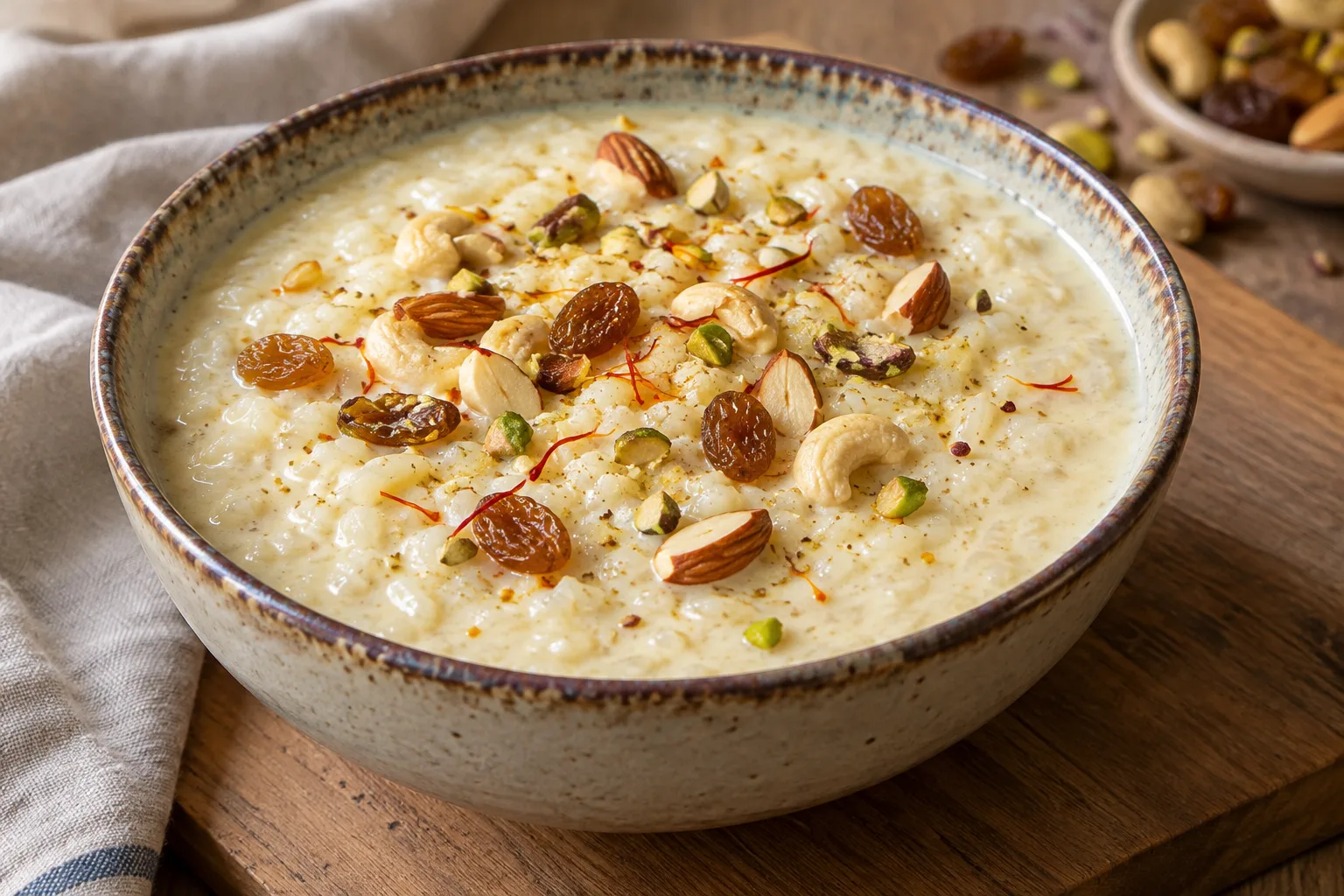
Examples of desserts include kheer, rice cooked in milk, and sikarni, drained yogurt with nuts and spice aromas.

Scope, method and limitations
Population or sample
Selected preparations from Nepali heritage cuisine; not a household sample.
Geographic scope
Examples from a cookbook published in May 2018, without a population consumption observation period.
Definition and method
Reading ingredients and preparation of recipes selected and documented by culinary and hospitality professionals.
Comparison limitations
Partial qualitative coverage: culinary examples, without national frequency, consumed portion size or an exhaustive inventory. Preparations may vary between regions and households.
Portion sizes
Quantitative findingObserved intake

The rice portion consumed during one meal had a mean weight of 498·2 g in the March–June 2014 sample.

Scope, method and limitations
Observation period
2014
Unit
g/portion
Population or sample
84 rice observations in a study of 95 adults from 48 rural households with a pregnant woman in Dhanusha and Mahottari, southern Nepal.
Geographic scope
Observed cooked rice weight per meal, March–June 2014; the centred dot is the decimal separator used in the publication.
Definition and method
Food servings and leftovers were weighed over one meal; the observed weight column is distinguished from subsequent estimates using photographs.
Comparison limitations
Partial, local coverage: not a typical national portion or a recommendation. Selected households with pregnant women; few food items observed per participant. Do not confuse with raw rice, daily quantity or atlas image sizes.

Techniques and equipment

5/5
Techniques and equipment — Nepal
IndicatorFindings and context
Cooking techniques
Qualitative descriptionCultural context

Methods in these preparations include steaming momo, deep-frying lentil phulaura and grilling meat sekuwa over charcoal.

Scope, method and limitations
Population or sample
Selected preparations from Nepali heritage cuisine; not a household sample.
Geographic scope
Culinary description from a cookbook published in May 2018, without a population consumption observation period.
Definition and method
Reading ingredients, instructions and notes of recipes selected and documented by culinary and hospitality professionals.
Comparison limitations
Partial qualitative coverage: examples do not quantify the frequency of each method or the proportion of households using it. The editorial recipe selection does not represent all menus or regions.
Vegetable preparation
Qualitative descriptionCultural context

In the example tarkari, potato and cauliflower are cooked with oil and the pan covered. In timmure golbhenda sauce, tomato and green chili are grilled before blending.

Scope, method and limitations
Population or sample
Selected preparations from Nepali heritage cuisine; not a household sample.
Geographic scope
Culinary description from a cookbook published in May 2018, without a population consumption observation period.
Definition and method
Reading ingredients, instructions and notes of recipes selected and documented by culinary and hospitality professionals.
Comparison limitations
Partial qualitative coverage: recipe examples, without national percentages of raw, boiled, roasted, sautéed or pickled vegetables.
Food preservation
Qualitative descriptionCultural context

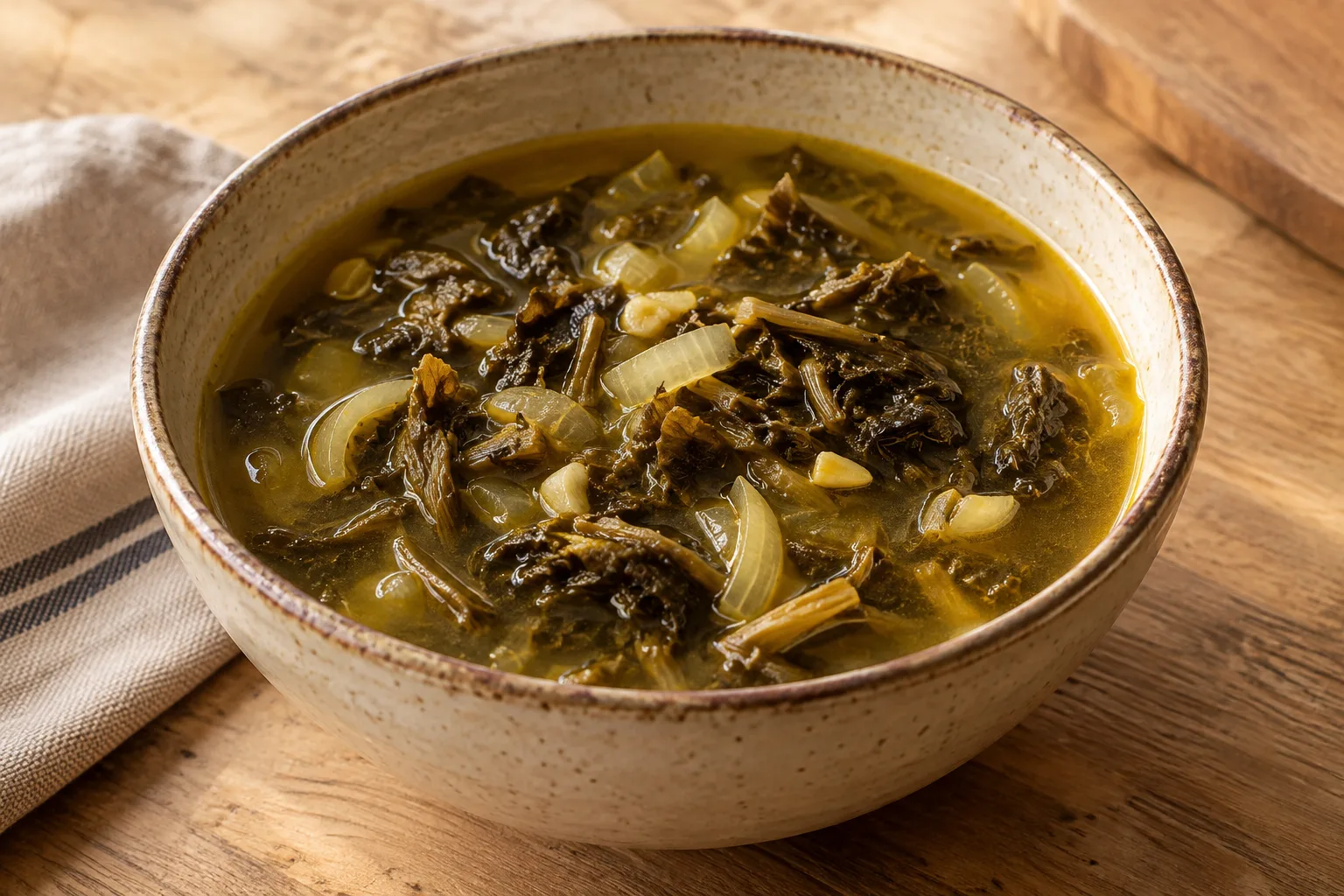
Fermentation and drying are combined in the green leafy vegetables used to prepare gundrukko jhol soup.

Scope, method and limitations
Population or sample
Selected preparations from Nepali heritage cuisine; not a household sample.
Geographic scope
Culinary description from a cookbook published in May 2018, without a population consumption observation period.
Definition and method
Reading ingredients, instructions and notes of recipes selected and documented by culinary and hospitality professionals.
Comparison limitations
Partial qualitative coverage: an example of preservation by fermentation and drying, without household frequency or verified data on freezing, salting or canning.
Fermented foods
Qualitative descriptionCultural context

Examples include fermented-soybean kinema in a Himalayan regional variant of sandheko, fermented green leaves in gundrukko jhol and fermented bamboo shoots in pancha kwa.

Scope, method and limitations
Population or sample
Selected preparations from Nepali heritage cuisine; not a household sample.
Geographic scope
Culinary description from a cookbook published in May 2018, without a population consumption observation period.
Definition and method
Reading ingredients, instructions and notes of recipes selected and documented by culinary and hospitality professionals.
Comparison limitations
Partial qualitative coverage: selected preparations and ingredients, with regional variants. Does not establish national consumption frequency or quantities of fermented foods per person.
Kitchen equipment
Quantitative findingSurvey

In 2022, 26.6% of Nepal’s households reported having a refrigerator.

Scope, method and limitations
Observation period
2022
Unit
% of households
Population or sample
Nepal’s households represented in the national demographic and health survey.
Geographic scope
Reported refrigerator possession; data collected from January 5 to June 22, 2022.
Definition and method
Two-stage stratified survey, with cluster and household selection and weighting for national estimates. Reading of the total household column in the possessions table.
Comparison limitations
Partial coverage: refrigerator, without verified shares for ovens, microwaves or pressure cookers. Reported possession does not establish working condition, capacity or food preservation use; it is not a measure of cooking frequency.

Drinks

3/3
Drinks — Nepal
IndicatorFindings and context
Everyday drinks
Quantitative findingObserved intake

In 2016, 12.5% of the women surveyed had consumed market-purchased drinks with added sugar the previous day, and 12.7% had consumed sugar-sweetened drinks made at home.

Scope, method and limitations
Observation period
2016
Unit
% of women, previous day
Population or sample
Women aged 15–49 in Nepal; the table includes 2351 unweighted participants, pregnant and non-pregnant.
Geographic scope
Reported consumption on the day before interview, national 2016 survey.
Definition and method
Survey stratified by developmental regions and ecological zones, using multistage cluster sampling. Weighted percentages account for the complex design; reading of the national total row.
Comparison limitations
Partial, historical coverage: a women’s group, without estimates for men or all ages. One recalled day does not measure usual consumption or volume. Beverage categories must not be added as if mutually exclusive.
Coffee and tea preparation
Quantitative findingObserved intake

In 2016, reported previous-day consumption was tea for 59.3% of women, coffee for 1.2% and Tibetan tea for 0.9%. Tibetan tea was defined as tea mixed with ghee and salt.

Scope, method and limitations
Observation period
2016
Unit
% of women, previous day
Population or sample
Women aged 15–49 in Nepal; the table includes 2351 unweighted participants, pregnant and non-pregnant.
Geographic scope
Reported consumption on the day before interview, national 2016 survey.
Definition and method
Survey stratified by developmental regions and ecological zones, using multistage cluster sampling. Weighted percentages account for the complex design; reading of the national total row.
Comparison limitations
Partial, historical coverage: one-day frequency in women, without serving volume or preparation method for coffee or ordinary tea. Does not report how much milk or sugar was added. Categories may overlap; does not represent the whole population’s usual consumption.
Drinks with meals
Quantitative findingObserved intake

In the Bhaktapur group, tea was recorded in the breakfast period for 86·9% of women, the lunch period for 62·4% and the dinner period for 5·2%.

Scope, method and limitations
Observation period
2008–2009
Unit
% of women by meal period
Population or sample
466 lactating women aged 17–44 in Bhaktapur, Nepal, January 2008–February 2009.
Geographic scope
Breakfast: 06.00–12.00; lunch: 12.00–18.00; dinner: 18.00–0.00, using the study’s time periods.
Definition and method
Three 24-hour recalls on non-consecutive days. Reading the percentage columns for women consuming tea in each period; the original centred decimal dot is retained.
Comparison limitations
Partial, local and historical coverage: tea only in this cohort, without a national distribution of all beverages. A time period does not establish simultaneous drinking with solid food. Percentages are not energy shares or consumed volumes.

Nutrition and dietary patterns

3/3
Nutrition and dietary patterns — Nepal
IndicatorFindings and context
Energy and nutrients
Quantitative findingObserved intake

Estimated usual daily intake was 2023 kcal of energy, 53 g of protein, 30 g of fat and 383 g of carbohydrate in the study group.

Scope, method and limitations
Observation period
2008–2009
Unit
kcal/day; g/day
Population or sample
466 lactating women aged 17–44 in Bhaktapur, Nepal.
Geographic scope
Observations from January 2008 to February 2009; energy in kcal/day and macronutrients in g/day.
Definition and method
Three 24-hour recalls on non-consecutive days; food and recipe composition used to calculate nutrients, with usual intake estimated using the Multiple Source Method.
Comparison limitations
Partial, local and historical coverage: no fibre figure is verified in this selection. Does not represent Nepal’s current diet or every population group; recall and composition tables introduce uncertainty. These are intake estimates, not recommendations.
Salt and sugars
Quantitative findingObserved intake

Mean salt intake was estimated at 9.1 g/day in the national 2019 analysis.

Scope, method and limitations
Observation period
2019
Unit
g salt/day
Population or sample
4361 participants aged 15–69 with urine samples analysed; pregnant participants and unsuitable samples were excluded under the protocol.
Geographic scope
Population survey conducted from February to May 2019; quantity expressed as salt.
Definition and method
Population mean estimated from spot urine samples using the INTERSALT Southern European equation. The study’s published salt figure is retained.
Comparison limitations
Partial coverage: salt only, without verified total, added or free sugar figures. Not direct 24-hour urine collection or an exact individual measure. The equation had not been evaluated in the Nepalese population; medication and renal function may affect estimation.
Dietary patterns
Quantitative findingSurvey

In the 2021 sample, reported patterns were vegetarian for 20.4%, vegan for 1.5%, non-vegetarian for 76.4% and flexitarian for 1.7%.

Scope, method and limitations
Observation period
2021
Unit
% of participants
Population or sample
Analytical sample of 461 Nepalese young adults aged 18–35, with English skills and access to the online survey.
Geographic scope
February 24 to March 8, 2021. Vegetarian: avoids meat and fish but eats eggs and dairy; vegan: excludes animal products; non-vegetarian: eats everything; flexitarian: mainly vegetarian with occasional meat.
Definition and method
Cross-sectional online survey using convenience snowball sampling, distributed through social media and researchers’ contacts; participants reported their dietary classification.
Comparison limitations
Partial coverage: non-probability sample selected by language and Internet access and concentrated in Kathmandu Valley. These percentages are not national prevalence estimates. Does not verify consumed foods or quantities.

Shopping, prices and waste

7/7
Shopping, prices and waste — Nepal
IndicatorFindings and context
Food expenditure
Quantitative findingSurvey

Food accounted for 53% of adjusted annual consumption expenditure per person for comparison across periods.

Scope, method and limitations
Observation period
2022–2023
Unit
% of adjusted annual consumption per person
Population or sample
People in Nepalese households covered by NLSS IV; 9600 households interviewed.
Geographic scope
Fieldwork from July 2022 to June 2023. The figure compares 2022 with 2011 using the same method.
Definition and method
National two-stage stratified survey; seven-day food recall, annualized by the survey and adjusted for regional and seasonal prices.
Comparison limitations
Partial coverage: a share of adjusted consumption per person, not income or a nominal household share. A monetary monthly amount per person has not been verified here.
Cost of a common basket
Quantitative findingPurchases

The fixed reference basket cost 73.2 NPR per person per day in April 2022.

Scope, method and limitations
Observation period
2022
Unit
NPR/person/day
Population or sample
Model basket for one person; national market-monitoring reference.
Geographic scope
Per person per day: medium-grain white rice 350 g; lentils 90 g; soybean oil 35 g; egg 60 g; sugar 35 g; iodized salt 5 g; cow milk 100 g; dark green leaves 30 g.
Definition and method
Cost calculated from fixed quantities and monitored retail prices. Prices are trader-reported and do not necessarily represent transaction amounts.
Comparison limitations
Partial historical coverage: neither observed household expenditure nor an intake recommendation. Does not establish current prices or comparisons with baskets of different composition. April sampling details are not established here.
Cost of specific meals
Quantitative findingPurchases

The menu listed vegetarian thali at 275 NPR and chicken thali at 300 NPR.

Scope, method and limitations
Observation period
2025
Unit
NPR/menu option
Population or sample
Options offered by Mother’s Kitchen in Kathmandu, Nepal.
Geographic scope
Menu for December 7–12, 2025. Full thali for each option; chicken thali lists chicken curry, roti, rice, dal, salad or achar.
Definition and method
Direct reading of the provider’s dated menu; advertised prices per option, without calculating averages or home-cooking costs.
Comparison limitations
Partial coverage: one provider and one historical week. Does not represent national or current prices. Grams per serving are unspecified; delivery charges and extras have not been included.
Grocery shopping locations
Qualitative descriptionSurvey

Small local shops were preferred for grains, pulses, packaged foods and soft drinks; specialty shops for dairy, sweets, fried snacks and bakery products.

Scope, method and limitations
Observation period
2020
Population or sample
450 participants in two Kathmandu wards, interviewed November 8–20, 2020.
Geographic scope
Food-specific outlet preferences in the local sample.
Definition and method
Local consumer interview survey; participant-reported responses.
Comparison limitations
Qualitative partial coverage: does not quantify expenditure shares by channel, supermarket or online shopping. Not a national sample; selection not established here.
Shopping frequency
Quantitative findingSurvey

55% reported buying fresh groceries twice a week and 72% buying storable groceries monthly.

Scope, method and limitations
Observation period
2025
Unit
% of responding households
Population or sample
51 households with complete responses in Gauradaha, Jhapa district.
Geographic scope
February 2025; separate categories for fresh and storable groceries.
Definition and method
Initial random selection of 99 households; interviews and a week-long self-administered questionnaire. Published percentages are retained.
Comparison limitations
Partial local coverage with substantial non-response. Not a national average of weekly visits; average basket size has not been verified.
Prepared food and delivery
Quantitative findingSurvey

Median spending per purchase occasion for fried snacks was 80 NPR.

Scope, method and limitations
Observation period
2020
Unit
NPR/purchase occasion
Population or sample
450 participants in two Kathmandu wards, interviewed November 8–20, 2020.
Geographic scope
Category including samosa, namkeen and chaat; money per purchase in the 2020 sample.
Definition and method
Local consumer interview survey; participant-reported responses.
Comparison limitations
Partial coverage: not a price per serving or daily/monthly spending. Quantity per purchase, consumption frequency, delivery and national share not verified.
Household food waste
Qualitative descriptionSurvey

Prominent reasons for food not being consumed were preparing too much, poor appearance, smell or taste, and pests including rodents.

Scope, method and limitations
Observation period
2025
Population or sample
51 Gauradaha households in Jhapa with complete data; collected in February 2025.
Geographic scope
Local qualitative findings on reasons for loss of food intended for human consumption.
Definition and method
Interviews and a week-long self-administered questionnaire; participants ranked reasons, combined using Garrett scores.
Comparison limitations
Partial coverage: does not establish kg per person per year or a comparable edible/inedible split. Includes routes such as animal feeding. High non-response; does not represent all Nepal.

Seasons and celebrations

2/2
Seasons and celebrations — Nepal
IndicatorFindings and context
Seasonal produce
Qualitative descriptionSurvey

In the Terai, bitter gourd and pumpkin have a March–June harvest season; at high altitudes, mustard greens are produced from June to September.

Scope, method and limitations
Observation period
2021
Population or sample
Nepalese crops and production areas described through consultations with horticultural-sector stakeholders.
Geographic scope
2021 study; local seasonal windows for the specified crops, not an import calendar.
Definition and method
Literature review and qualitative fieldwork: five focus groups and fifteen interviews in March–April 2021. Harvesting is distinguished from planting.
Comparison limitations
Partial indicative coverage: varies with altitude, microclimate and protected cultivation. Does not quantify monthly supply or guarantee availability in every locality. Does not establish intake or national consumption prevalence.
Celebration food
Qualitative descriptionCultural context

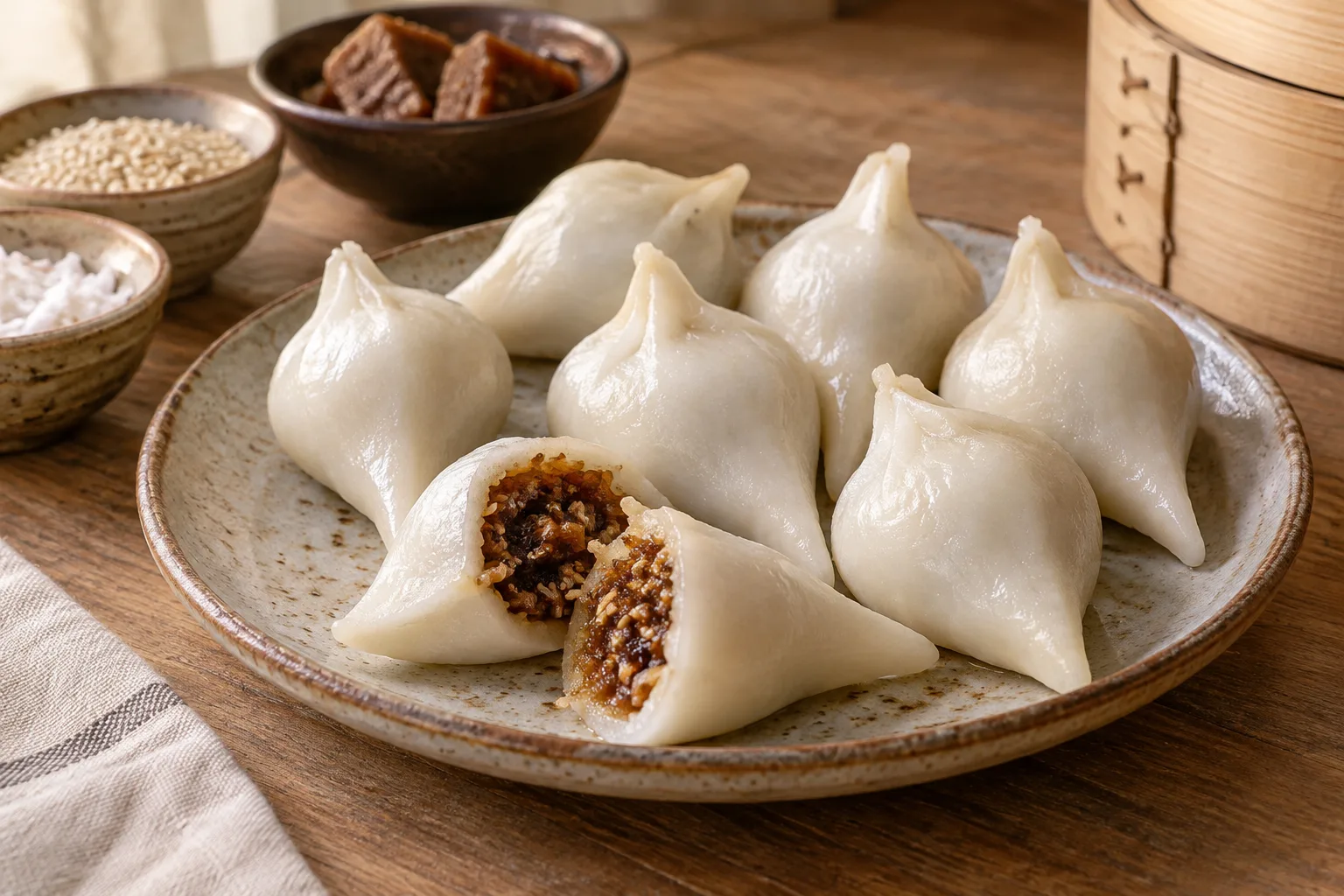
At Janai Purnima or Gunhi Punhi, observed at full moon, Kathmandu Valley Newars prepare kwati from sprouted beans. Yomari Punhi is associated with steamed yomari made from newly harvested rice flour, filled with chaku or khuwa, and sesame.

Scope, method and limitations
Population or sample
Traditions described for the Newar community and Kathmandu Valley residents.
Geographic scope
Janai Purnima: relative full-moon reference. Yomari Punhi: new rice harvest festival; no Gregorian day is fixed here.
Definition and method
Direct reading of official cultural descriptions; chaku is described as molasses and khuwa as condensed milk. Not a consumption survey.
Comparison limitations
Partial coverage: examples of festivals and preparations, without national frequency or quantities. Lunar references need a date for each year; a current Gregorian calendar has not been established here.
Explore its cuisines

Nepal’s Many Kitchens: Rice, Fermentation, and Community Traditions

Documentary synthesis prepared with AI assistance. It does not replace specialist review or certify kitchen testing. · Updated 3 November 2026

Landscapes and the shape of a meal

Nepal’s food traditions span the Himalayan highlands, central hills, fertile valleys, and the southern Terai. Geography shapes what can be grown, kept, or brought from elsewhere, while community traditions give familiar ingredients different forms and meanings. The country’s kitchens are therefore better understood as many related foodways than as one fixed national menu.

A useful starting point is dal bhat tarkari: lentil soup, cooked rice, and vegetables, often accompanied by achar, a pickle or relish. The combination is widely recognized, but its ingredients and accompaniments vary. Where rice is less available, other grains and preparations such as flatbreads or dhido—a cooked flour porridge—also have a place. Meat may be included, but it is not required to make sense of the meal’s basic structure.

The Nepal Tourism Board identifies distinct Newar and Thakali cuisines alongside the broader meal pattern. In the Kathmandu Valley, Newar preparations include dishes such as bara and chatamari. In the Terai, documented Tharu foods include dhikri, steamed rice dough, and taas, seasoned meat served with flattened rice. These examples show how local and community identities sit within a wider, connected culinary landscape.

Exchange, movement, and culinary change

Nepal’s position between the Himalayan region and the plains has brought its foodways into contact with neighboring traditions. Documented influences include Indian and Tibetan styles of cooking, while the country’s ethnic and geographic diversity has supported distinctive local practices. These connections are best understood as exchange and adaptation rather than as evidence that every dish has one simple origin.

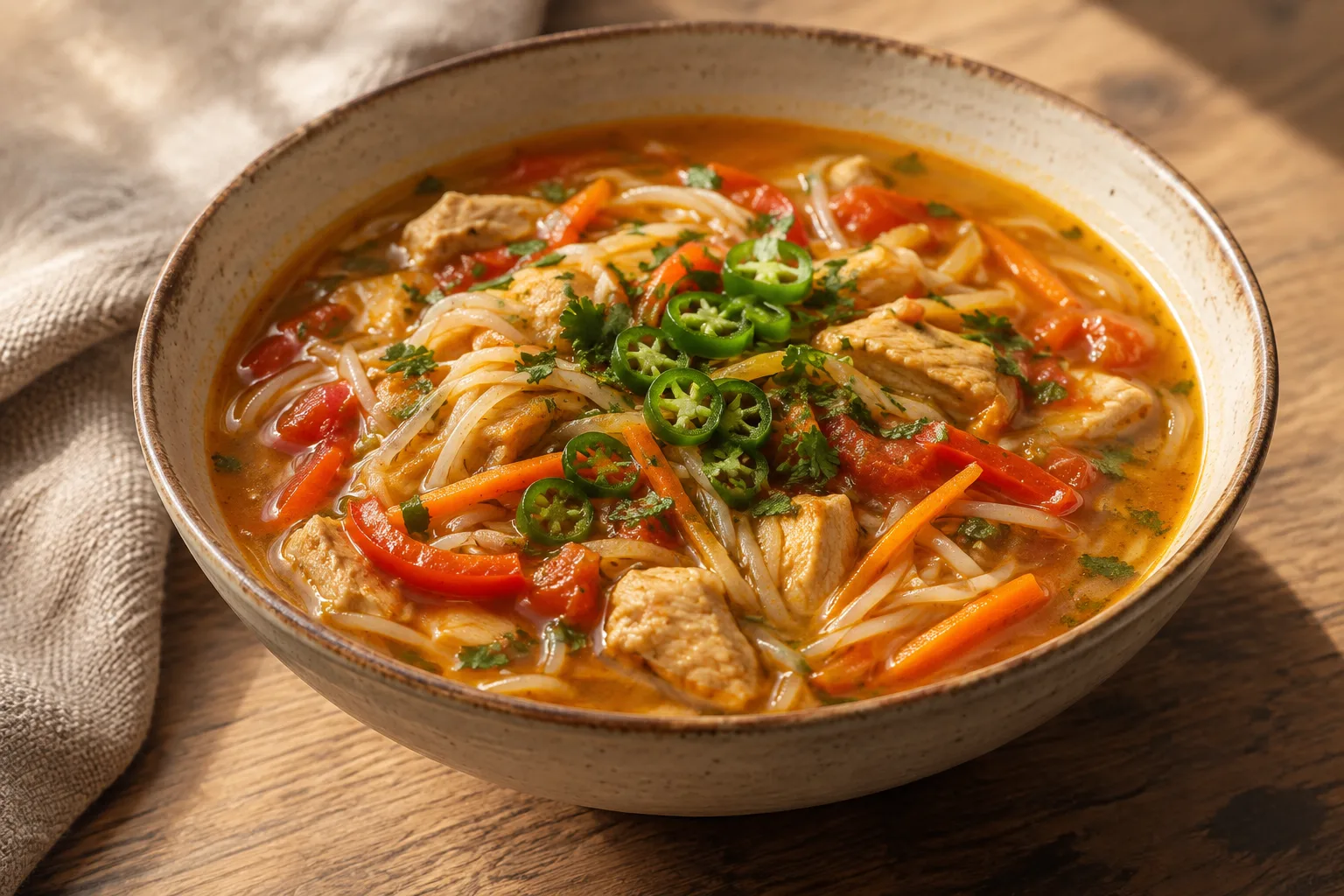
The noodle soup thukpa illustrates this circulation. Its name refers to a family of noodle soups associated with Tibetan food traditions; versions are also popular in Nepal and elsewhere in the Himalaya. Ingredients and methods can differ from one household or area to another. A Nepalese-style bowl may combine noodles, broth, vegetables, and meat, while other versions omit meat or use different noodles. Its presence in Nepal is part of a broader history of movement across Himalayan communities, not a claim of exclusive national origin.

The Kathmandu Valley also has a long-standing role as a cultural meeting place. The Nepal Tourism Board describes Kathmandu as the country’s cultural metropolis since Nepal’s unification in the eighteenth century, with traditions blending into a wider national identity. That history does not erase community distinctions: Newar cuisine remains a specific tradition within the valley, while Thakali food is likewise recognized as distinct. Shared staples and neighboring influences coexist with local forms and names.

Grains, greens, pulses, and preserved foods

Rice and lentils anchor many meals, with vegetables, pickles, and other accompaniments completing the plate. Where rice cultivation is difficult or supplies are limited, grains such as maize, wheat, millet, buckwheat, and barley are also documented. These can become breads, porridges, or other cooked preparations. Potatoes and vegetables such as leafy greens, radish, beans, cabbage, and pumpkin add variety, while the exact combination depends on place and availability.

Fermentation and drying extend the usefulness of vegetables. Gundruk is made from fermented leafy greens, including mustard and radish leaves; after fermentation, the greens are dried and can be stored. It may be rehydrated and cooked as a soup or used as a relish. Sinki is a related but different preserved food made from radish roots. The distinction matters: the two are not interchangeable names for the same ingredient.

Spices and aromatics season these staple foods. Recipes and descriptions mention garlic, ginger, cumin, turmeric, and chili, while timur appears in some preparations. Mustard oil is also used in documented foods. In the high Himalaya, yak and other livestock provide meat and dairy products, while rice and some other goods may arrive from lower areas. This is a varied pantry, not a universal list for every Nepali household.

Sour, aromatic, warming, and varied

Many Nepali meals balance a mild staple with more strongly seasoned sides. Rice or another grain offers a quiet base; lentils contribute a soft, savory texture; vegetables, curries, and achar bring additional spice, acidity, or freshness. The arrangement invites combinations of components rather than treating every element as a separate course. The balance changes with the cook and the ingredients at hand.

Fermented gundruk has a tangy character that sets it apart from fresh greens. In soup, its distinct flavor becomes part of the broth; as a relish, it can sharpen a meal of rice and lentils. Achar is a broad term for a pickle or relish, and its ingredients vary. It can provide a concentrated, spicy or sour counterpoint without replacing the meal’s grain and pulse foundation.

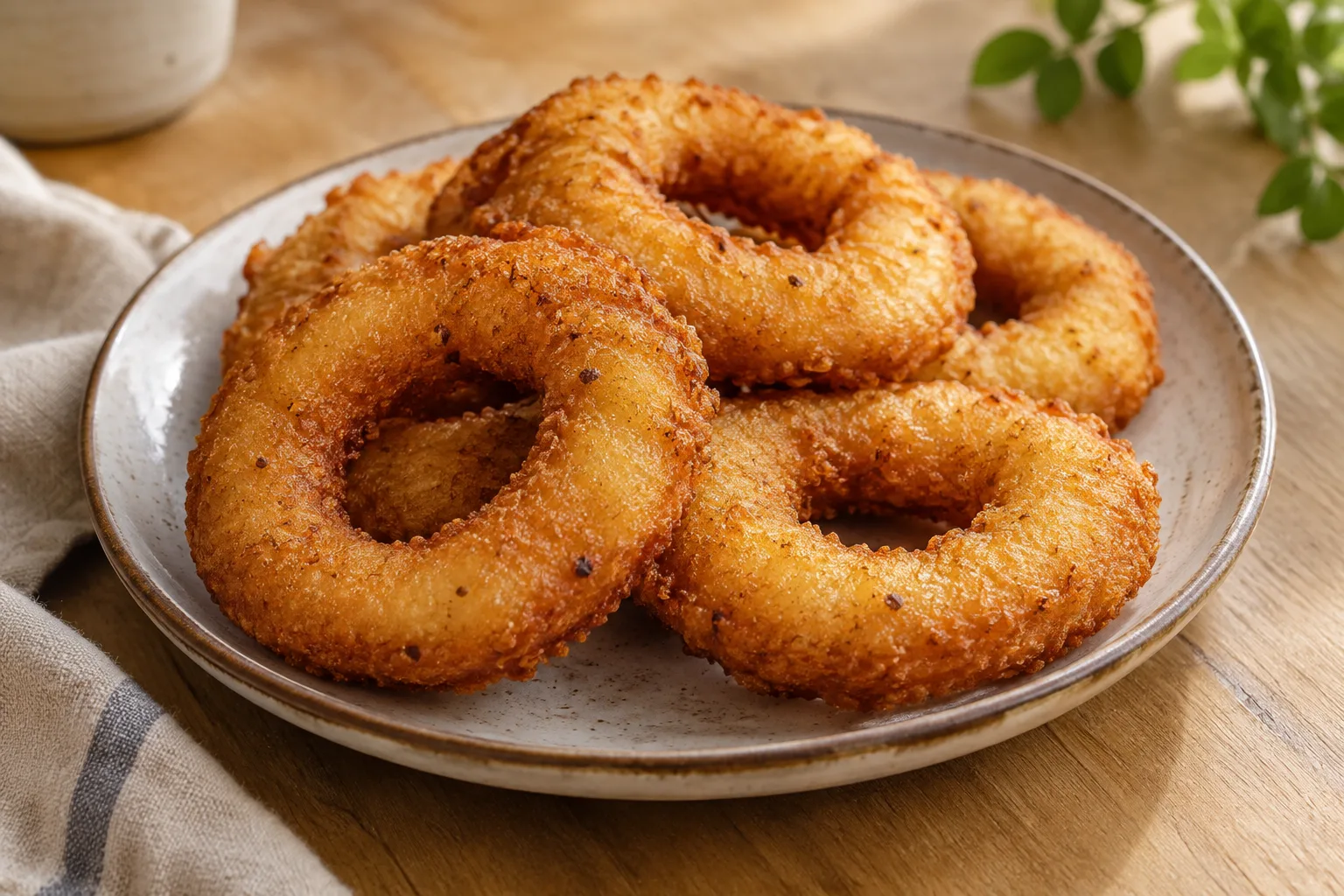
A bowl of thukpa offers another kind of balance: broth, noodles, vegetables, and sometimes meat in one serving. Ginger, garlic, and spices may make the soup aromatic, while chili levels and noodle forms differ across versions. For a contrasting texture and taste, sel roti is a ring-shaped rice bread, crisp on the outside and softer within. It is lightly sweet in many descriptions, though ingredients such as cardamom, banana, or milk are not fixed in every household’s version.

Festival foods and community transmission

Food has a visible role in Nepal’s festivals and celebrations. The Nepal Tourism Board notes that food is important to festival observances, and sel roti is widely associated with occasions including Dashain and Tihar. It is also prepared for ceremonies and weddings. Making the rings in quantity and sharing or sending them to relatives connects a familiar rice-based food with hospitality and family ties. These practices are shared across Nepali communities, while particular recipes and methods can vary.

Newar food traditions in the Kathmandu Valley include a range of preparations beyond everyday rice and lentils. Chatamari, a thin rice-flour preparation, and choila, seasoned meat, are documented as Newar foods. Bara, a savory lentil patty, is another named example. Their presence helps describe a community repertoire; it should not imply that every dish eaten in Kathmandu is Newar.

In the eastern Terai, bagiya is a Tharu festival food made from rice dough. Accounts describe regional variation in its form and filling. Dhikri, another Tharu preparation, is steamed rice dough. Such foods demonstrate how a shared ingredient can be shaped into distinct community dishes. The important point is not to assign a single custom to all of Nepal, but to recognize how occasions, place, and transmission sustain several culinary traditions side by side.

Steaming, frying, simmering, and preserving

Nepali cooking includes techniques suited to very different ingredients. Lentils are simmered into dal, while rice is cooked as bhat. Vegetables can be cooked as tarkari or preserved as pickles. These methods build a meal from distinct parts, each with its own texture and seasoning. In mountain regions, soups provide another way to bring grain, vegetables, and sometimes meat together in a hot dish.

For sel roti, rice is soaked and ground or otherwise prepared as a batter, then poured into hot oil in a continuous ring and fried. The batter’s flow and the oil’s heat affect whether the ring holds its shape and cooks evenly. Some cooks form the ring by hand; a pouring vessel is another documented option. The ingredient proportions, resting time, and additions such as milk, ghee, or spices vary, so no single recipe describes every version.

Preserving greens for gundruk involves wilting, fermenting, and drying leafy vegetables. The resulting ingredient can be stored and later soaked or cooked. This differs from making a fresh vegetable soup: fermentation and drying transform the greens before they enter the pot. Steaming offers a separate technique for foods such as dhikri, and noodle soups require the cook to bring broth and noodles together while keeping their textures distinct.

Everyday meals and shared occasions

A common meal structure brings rice, lentils, and vegetables together, with achar or other sides adding contrast. The Nepal Tourism Board describes dal, bhat, and tarkari as a regular Nepali meal and notes that momo dumplings are popular snacks. In some homes, flatbreads or dhido take a place alongside or instead of rice. What reaches the table depends on community, region, and availability; the familiar structure should not be mistaken for a single fixed menu.

Festival and ceremonial occasions bring different foods into focus. Sel roti may be made in batches for Dashain, Tihar, weddings, and other celebrations, and may be offered or sent to family and friends. Newar community meals have their own named preparations, while Tharu foods such as bagiya are connected with particular festivals in the Terai. These examples describe documented traditions rather than a ritual shared identically across the country.

Serving style also varies. A meal may consist of several components arranged together, or a bowl of thukpa may combine broth, noodles, vegetables, and meat. Gundruk soup can accompany rice, while sel roti is served as a festive bread or snack. Eating practices are not uniform across households or settings, and modern dining arrangements exist alongside customary ways of sharing meals.

A glossary of foods and meal terms

These terms name specific foods and preparations, not interchangeable labels for a single national menu. Their forms and ingredients can vary by household and community.

  • Dal bhat tarkari: A meal combination of lentil soup (dal), cooked rice (bhat), and vegetables (tarkari), often accompanied by achar.
  • Achar: A pickle or relish served as an accompaniment; ingredients and preparation vary.
  • Gundruk: Fermented and dried leafy greens, commonly made with mustard or radish leaves. It can be cooked as soup or served as a relish.
  • Sinki: A preserved food made from fermented and dried radish roots, distinct from leafy gundruk.
  • Sel roti: A ring-shaped bread made from rice batter and deep-fried; widely associated with festivals and ceremonies.
  • Thukpa: A family of noodle soups associated with Tibetan food traditions and popular in Nepal, with differing noodles and additions.
  • Dhikri: A Tharu preparation of rice dough cooked by steaming.
  • Bara: A savory lentil patty documented within Newar cuisine.
  • Chatamari: A thin, rice-based Newar preparation, sometimes topped with other ingredients.
  • Dhido: A cooked flour porridge made from grains such as millet or barley, used in some households in place of rice.

One country, many cuisines

Chitwan and the Terai

The Terai’s documented foodways include preparations associated with Tharu communities. Dhikri is made from rice dough and steamed; taas is described as seasoned meat served with flattened rice. Accounts also document bagiya, a rice-dough food associated with Tharu communities and festival occasions, with variations in shape and filling. These foods offer a perspective distinct from accounts focused on Nepal’s high mountains, while representing particular communities rather than every Terai household.

Kathmandu Valley

The Kathmandu Valley is a cultural centre where several traditions meet, and it is also home to a distinct Newar culinary repertoire. Documented Newar foods include bara, a savory lentil patty, chatamari, a thin rice-based preparation, and choila, seasoned meat. These examples help locate a community tradition within the wider valley: a dish’s presence in Kathmandu alone does not make it Newar. The valley’s shared food landscape includes both community-specific foods and broader Nepali meal patterns.

Thak Khola and Thakali foodways

Thakali cuisine is documented as a distinct food tradition, even though its meals share staples such as lentils and rice with other Nepali foodways. Accounts describe Thakali food as connected to the Himalayan region and to routes linking highland and lowerland areas. The combination of familiar staples with a recognized community repertoire is more useful than assigning a dish to the area solely because it contains rice or lentils. Available descriptions support this broad distinction, but do not establish a definitive list of dishes unique to Thak Khola.

Cook

Pantry and recipes

Most consumed ingredients. Rice is the main staple consumed by the majority of the population; maize, wheat, barley, and millet are also consumed. Estimated annual household food consumption in 2022/23: cereals, 136.0 kg/person/year; vegetables, 80.3; milk, 53; tubers (potatoes), 28.7; fruit, 27.6.

People in Nepalese households covered by NLSS IV; household quantities expressed per person. National averages for food consumed within the household in 2022/23; report categories. Original analysis of NLSS IV microdata. Reported quantities use food-specific recall periods; some unobserved quantities are estimated from expenditure or value and the group unit price. Partial coverage: reported or imputed household consumption, without measuring individual intake. Quantities eaten outside home are excluded. The retained cultural description has no observation date and does not establish a quantitative ranking.

Timing and company

Meal times. In this sample, the typical morning pattern included tea at about 07.00 and rice with side dishes at about 08.00.

466 lactating women aged 17–44 in Bhaktapur. January 2008–February 2009; local sample of lactating women. Three 24-hour dietary recalls per participant on different days, including weekends. Partial coverage: does not represent Nepal’s entire population or describe current habits.

Cooking frequency. In 2022, respondents reported cooking an average of 7.2 lunches and dinners personally at home per week.

Observation period: 2022. People aged 15 and older in Nepal. Home cooking of lunch and dinner in the previous seven days. Cookpad module of the Gallup World Poll, using probability samples and weighting for national estimates. Excludes breakfast and does not measure days cooked, preparation duration or where food was eaten. The appendix does not report Nepal’s response rate.

Weekdays and weekends. In the rural sample, weekday–weekend variation appeared small. Variation within each person could not be assessed.

Fieldwork in August 2003 and April 2004. Cautious interpretation: one observation per person; does not establish equivalence or quantify differences in timing, duration or meal count.

Meals per day. On the recalled day, 39.7% of men and 60.5% of women in the sample ate lunch.

Observation period: 2003–2004. Adults in rural Hindu communities in Nawalparasi. Fieldwork in August 2003 and April 2004. Structured 24-hour recall developed from weighed food records. Local historical coverage; does not represent all of Nepal or current habits.

Eating at home and away. Participants described girls as usually eating at home, although some schoolgirls bought snacks from carts outside school during breaks.

Eating together. Accounts described social pressure against adolescent girls eating outside home in places where boys were also eating.

Qualitative data collected in 2013. Partial coverage: historical local perceptions and norms; no representative percentages, national comparison or follow-up of later changes.

Daily energy distribution. Among the porters studied, breakfast provided 12% of daily energy, lunch 41%, dinner 43% and snacks 4%.

Six male Nepalese porters included in the dietary analysis. The 2019 Kanchenjunga expedition; distribution of recorded energy intake during the trek. Two food diaries on non-consecutive days per participant; amounts estimated with a picture atlas and nutrients calculated using FOODCONS. Partial coverage: small sample of mountain workers during an expedition, with specific diets and exertion. Does not represent habitual intake in Nepal.

Cereals and plant foods

Cereals and cereal products. The cereal category accounted for an estimated 136.0 kg/person/year of household consumption.

People in Nepalese households covered by NLSS IV; household quantities expressed per person. National household food consumption in 2022/23, using the published categories. Original analysis of NLSS IV microdata. reported quantities with food-specific recall periods; some quantities imputed from value and the group unit price. Partial coverage: reported or imputed household consumption; does not measure individual intake and excludes quantities consumed outside home. The figure groups cereals together; it does not separate each grain or establish a uniform dry or cooked weight basis.

Pulses. The pulse category accounted for an estimated 15.2 kg/person/year of household consumption.

People in Nepalese households covered by NLSS IV; household quantities expressed per person. National household food consumption in 2022/23, using the published categories. Original analysis of NLSS IV microdata. reported quantities with food-specific recall periods; some quantities imputed from value and the group unit price. Partial coverage: reported or imputed household consumption; does not measure individual intake and excludes quantities consumed outside home. It does not separate lentils, chickpeas or beans; the table does not specify a uniform dry or cooked weight basis.

Vegetables. The vegetable category accounted for an estimated 80.3 kg/person/year of household consumption.

People in Nepalese households covered by NLSS IV; household quantities expressed per person. National household food consumption in 2022/23, using the published categories. Original analysis of NLSS IV microdata. reported quantities with food-specific recall periods; some quantities imputed from value and the group unit price. Partial coverage: reported or imputed household consumption; does not measure individual intake and excludes quantities consumed outside home. It does not identify the most consumed species, frequency or the shares eaten raw or cooked.

Fruit. The fruit category accounted for an estimated 27.6 kg/person/year of household consumption.

People in Nepalese households covered by NLSS IV; household quantities expressed per person. National household food consumption in 2022/23, using the published categories. Original analysis of NLSS IV microdata. reported quantities with food-specific recall periods; some quantities imputed from value and the group unit price. Partial coverage: reported or imputed household consumption; does not measure individual intake and excludes quantities consumed outside home. This table does not break the category down by fruit or distinguish fresh, dried or processed fruit.

Potatoes, roots and tubers. The category “tubers (potatoes)” accounted for an estimated 28.7 kg/person/year of household consumption.

People in Nepalese households covered by NLSS IV; household quantities expressed per person. National household food consumption in 2022/23, using the published categories. Original analysis of NLSS IV microdata. reported quantities with food-specific recall periods; some quantities imputed from value and the group unit price. Partial coverage: reported or imputed household consumption; does not measure individual intake and excludes quantities consumed outside home. The report category is retained; it does not establish separate quantities for cassava, sweet potato or other roots.

Bread. Roti, described as unleavened bread, was among the foods commonly consumed at lunch in the study sample.

Local study from January 2008 to February 2009. Partial coverage: identifies a bread type in this sample; does not quantify national bread consumption or its composition. Does not represent current habits throughout Nepal.

Protein foods

Meat. In the sample, mean meat intake was 47 g/day; it was mainly buffalo meat.

466 lactating women aged 17–44 in Bhaktapur. January 2008–February 2009; local consumption recorded in the survey. Three 24-hour dietary recalls per participant, with quantity and recipe estimation. Partial coverage: historical local sample of lactating women, without national representativeness. Does not separate all meat types or support comparison with carcass weight; the weight basis must not be extrapolated.

Eggs. The egg category accounted for an estimated 2.8 kg/person/year of household consumption.

People in Nepalese households covered by NLSS IV; household quantities expressed per person. National averages for food consumed within the household in 2022/23; report categories. Original analysis of NLSS IV microdata. Reported quantities use food-specific recall periods; some unobserved quantities are estimated from expenditure or value and the group unit price. Partial coverage: reported or imputed household consumption, without measuring individual intake or quantities outside home. The kg unit is retained; no conversion into an egg count.

Milk and dairy products. The milk category accounted for an estimated 53 kg/person/year of household consumption.

People in Nepalese households covered by NLSS IV; household quantities expressed per person. National averages for food consumed within the household in 2022/23; report categories. Original analysis of NLSS IV microdata. Reported quantities use food-specific recall periods; some unobserved quantities are estimated from expenditure or value and the group unit price. Partial coverage: reported or imputed household consumption, without measuring individual intake or quantities outside home. Does not separate cheese, yoghurt or other dairy products; no conversion from kg to litres.

Fish and seafood. In 2016/17, household-reported fish consumption was 2.2 kg per person per year.

Observation period: 2016/17. Nepal’s household population represented by the national survey. Annualized household fish consumption; collection from September 2016 to July 2017. Multistage urban and rural stratified sampling; quantities recalled for the preceding seven days and annualized by the survey. Includes purchases, own production and other sources. Partial coverage: aggregate fish category, without a verified breakdown by species, shellfish or fresh versus preserved. Household quantity per person, not measured individual intake; historical data subject to recall and annualization.

Protein sources. In the 1965–1966 sample, rice and other grains supplied 70% of estimated protein consumption.

Observation period: 1965-1966. 957 households with 6321 people in 18 villages and one urban area of Nepal. Historical result for the study sites; cereal share of dietary protein. Previous-day recall of food prepared and eaten by the entire household. Nutrients calculated for each village and divided by the people included; the authors describe these as estimated minimum intakes. Partial, historical coverage; does not represent the current diet or measured individual intake. The survey ended before all planned sites were visited. Possible underestimation from recall and seasonality; no complete allocation among legumes, meat, fish, eggs and dairy is reported here.

Fats, flavours and condiments

Cooking fats. In 2022/23, household consumption of oils and fats was 11.0 kg per person per year. As culinary examples, mustard oil appears in timmure golbhenda sauce and ghee is used to dress dal.

Nepal’s household population represented by the national survey; culinary examples concern selected heritage recipes. Annual household quantity in the oils and fats category in 2022/23. Culinary uses come from a cookbook published in May 2018. Living standards survey microdata analysis. Reported quantities were annualized and, for some foods, imputed from expenditure. Recipes were read separately for the examples of use. Partial coverage: the aggregate does not separate oil types, butter and ghee, or measure individual intake. Excludes quantities of food eaten outside the home; imputation and recall limit comparability. Culinary examples do not establish consumption shares.

Herbs and spices. In 2022/23, household consumption in the spices category was 6.8 kg per person per year. As culinary examples, methi or fenugreek is used in pickles and vegetables, and timmur in sauces, salads and vegetables.

Nepal’s household population represented by the national survey; examples of culinary uses recorded in a heritage cookbook. Aggregate annual spice quantity in 2022/23; culinary descriptions published in May 2018. Analysis of household quantities reported in the living standards survey, with annualization and imputation for some foods. Methi and timmur entries were read to identify uses, without calculating frequencies. Partial coverage: no separate national quantities by spice or for all fresh herbs. Does not measure individual intake or include quantities of food eaten outside the home. The cookbook is an editorial selection, without representative recipe or population prevalence.

Sauces and condiments. Examples of sauces include timmure golbhenda, made with tomato, green chili, garlic and timmur and finished with mustard oil, and tilko chhop, made with ground sesame, chuk and timmur. Chuk is a concentrate of citrus juices.

Qualitative examples from a cookbook published in May 2018, without a population consumption observation period. Partial, qualitative coverage: examples of condiments, without an exhaustive inventory, consumed quantities or national frequency. Selected recipes may have regional and household variations.

Meal composition

Breakfast composition. In the study group, breakfast included tea at about 07.00 and rice with side dishes at about 08.00; side dishes included vegetable curry, lentil soup and pickles.

Local observations from January 2008 to February 2009. Partial, local and historical coverage: does not represent Nepal’s whole population or current diet. Recall may introduce errors, and selecting lactating women limits comparison with other groups.

Main meal composition. The dal bhat set combines rice, lentils, vegetables and achar as a sauce or dip, with yogurt or buttermilk.

Desserts and sweets. Examples of desserts include kheer, rice cooked in milk, and sikarni, drained yogurt with nuts and spice aromas.

Examples from a cookbook published in May 2018, without a population consumption observation period. Partial qualitative coverage: culinary examples, without national frequency, consumed portion size or an exhaustive inventory. Preparations may vary between regions and households.

Dinner composition. In the study group, dinner commonly included rice with side dishes such as vegetable curry, lentil soup and pickles.

Appetisers and snacks. Snacking was reported by 76% of the women studied; the most common foods were buns, doughnuts, samosas and biscuits.

Observation period: 2008–2009. 466 lactating women aged 17–44 in Bhaktapur, Nepal. Local observations from January 2008 to February 2009. Three 24-hour dietary recalls on non-consecutive days, using trained interviewers, quantity estimation and recipe collection. Partial, local and historical coverage: does not represent Nepal’s whole population or current diet. Recall may introduce errors, and selecting lactating women limits comparison with other groups.

Portion sizes. The rice portion consumed during one meal had a mean weight of 498·2 g in the March–June 2014 sample.

84 rice observations in a study of 95 adults from 48 rural households with a pregnant woman in Dhanusha and Mahottari, southern Nepal. Observed cooked rice weight per meal, March–June 2014; the centred dot is the decimal separator used in the publication. Food servings and leftovers were weighed over one meal; the observed weight column is distinguished from subsequent estimates using photographs. Partial, local coverage: not a typical national portion or a recommendation. Selected households with pregnant women; few food items observed per participant. Do not confuse with raw rice, daily quantity or atlas image sizes.

Techniques and equipment

Cooking techniques. Methods in these preparations include steaming momo, deep-frying lentil phulaura and grilling meat sekuwa over charcoal.

Culinary description from a cookbook published in May 2018, without a population consumption observation period. Partial qualitative coverage: examples do not quantify the frequency of each method or the proportion of households using it. The editorial recipe selection does not represent all menus or regions.

Vegetable preparation. In the example tarkari, potato and cauliflower are cooked with oil and the pan covered. In timmure golbhenda sauce, tomato and green chili are grilled before blending.

Selected preparations from Nepali heritage cuisine; not a household sample. Culinary description from a cookbook published in May 2018, without a population consumption observation period. Reading ingredients, instructions and notes of recipes selected and documented by culinary and hospitality professionals. Partial qualitative coverage: recipe examples, without national percentages of raw, boiled, roasted, sautéed or pickled vegetables.

Food preservation. Fermentation and drying are combined in the green leafy vegetables used to prepare gundrukko jhol soup.

Culinary description from a cookbook published in May 2018, without a population consumption observation period. Partial qualitative coverage: an example of preservation by fermentation and drying, without household frequency or verified data on freezing, salting or canning.

Fermented foods. Examples include fermented-soybean kinema in a Himalayan regional variant of sandheko, fermented green leaves in gundrukko jhol and fermented bamboo shoots in pancha kwa.

Culinary description from a cookbook published in May 2018, without a population consumption observation period. Partial qualitative coverage: selected preparations and ingredients, with regional variants. Does not establish national consumption frequency or quantities of fermented foods per person.

Kitchen equipment. In 2022, 26.6% of Nepal’s households reported having a refrigerator.

Nepal’s households represented in the national demographic and health survey. Reported refrigerator possession; data collected from January 5 to June 22, 2022. Two-stage stratified survey, with cluster and household selection and weighting for national estimates. Reading of the total household column in the possessions table. Partial coverage: refrigerator, without verified shares for ovens, microwaves or pressure cookers. Reported possession does not establish working condition, capacity or food preservation use; it is not a measure of cooking frequency.

Drinks

Everyday drinks. In 2016, 12.5% of the women surveyed had consumed market-purchased drinks with added sugar the previous day, and 12.7% had consumed sugar-sweetened drinks made at home.

Women aged 15–49 in Nepal; the table includes 2351 unweighted participants, pregnant and non-pregnant. Reported consumption on the day before interview, national 2016 survey. Survey stratified by developmental regions and ecological zones, using multistage cluster sampling. Weighted percentages account for the complex design; reading of the national total row. Partial, historical coverage: a women’s group, without estimates for men or all ages. One recalled day does not measure usual consumption or volume. Beverage categories must not be added as if mutually exclusive.

Coffee and tea preparation. In 2016, reported previous-day consumption was tea for 59.3% of women, coffee for 1.2% and Tibetan tea for 0.9%. Tibetan tea was defined as tea mixed with ghee and salt.

Women aged 15–49 in Nepal; the table includes 2351 unweighted participants, pregnant and non-pregnant. Reported consumption on the day before interview, national 2016 survey. Survey stratified by developmental regions and ecological zones, using multistage cluster sampling. Weighted percentages account for the complex design; reading of the national total row. Partial, historical coverage: one-day frequency in women, without serving volume or preparation method for coffee or ordinary tea. Does not report how much milk or sugar was added. Categories may overlap; does not represent the whole population’s usual consumption.

Drinks with meals. In the Bhaktapur group, tea was recorded in the breakfast period for 86·9% of women, the lunch period for 62·4% and the dinner period for 5·2%.

Observation period: 2008–2009. 466 lactating women aged 17–44 in Bhaktapur, Nepal, January 2008–February 2009. Breakfast: 06.00–12.00; lunch: 12.00–18.00; dinner: 18.00–0.00, using the study’s time periods. Three 24-hour recalls on non-consecutive days. Reading the percentage columns for women consuming tea in each period; the original centred decimal dot is retained. Partial, local and historical coverage: tea only in this cohort, without a national distribution of all beverages. A time period does not establish simultaneous drinking with solid food. Percentages are not energy shares or consumed volumes.

Nutrition and dietary patterns

Energy and nutrients. Estimated usual daily intake was 2023 kcal of energy, 53 g of protein, 30 g of fat and 383 g of carbohydrate in the study group.

Observation period: 2008–2009. 466 lactating women aged 17–44 in Bhaktapur, Nepal. Observations from January 2008 to February 2009; energy in kcal/day and macronutrients in g/day. Three 24-hour recalls on non-consecutive days; food and recipe composition used to calculate nutrients, with usual intake estimated using the Multiple Source Method. Partial, local and historical coverage: no fibre figure is verified in this selection. Does not represent Nepal’s current diet or every population group; recall and composition tables introduce uncertainty. These are intake estimates, not recommendations.

Salt and sugars. Mean salt intake was estimated at 9.1 g/day in the national 2019 analysis.

4361 participants aged 15–69 with urine samples analysed; pregnant participants and unsuitable samples were excluded under the protocol. Population survey conducted from February to May 2019; quantity expressed as salt. Population mean estimated from spot urine samples using the INTERSALT Southern European equation. The study’s published salt figure is retained. Partial coverage: salt only, without verified total, added or free sugar figures. Not direct 24-hour urine collection or an exact individual measure. The equation had not been evaluated in the Nepalese population; medication and renal function may affect estimation.

Dietary patterns. In the 2021 sample, reported patterns were vegetarian for 20.4%, vegan for 1.5%, non-vegetarian for 76.4% and flexitarian for 1.7%.

Analytical sample of 461 Nepalese young adults aged 18–35, with English skills and access to the online survey. February 24 to March 8, 2021. Vegetarian: avoids meat and fish but eats eggs and dairy; vegan: excludes animal products; non-vegetarian: eats everything; flexitarian: mainly vegetarian with occasional meat. Cross-sectional online survey using convenience snowball sampling, distributed through social media and researchers’ contacts; participants reported their dietary classification. Partial coverage: non-probability sample selected by language and Internet access and concentrated in Kathmandu Valley. These percentages are not national prevalence estimates. Does not verify consumed foods or quantities.

Shopping, prices and waste

Food expenditure. Food accounted for 53% of adjusted annual consumption expenditure per person for comparison across periods.

Observation period: 2022–2023. People in Nepalese households covered by NLSS IV; 9600 households interviewed. Fieldwork from July 2022 to June 2023. The figure compares 2022 with 2011 using the same method. National two-stage stratified survey; seven-day food recall, annualized by the survey and adjusted for regional and seasonal prices. Partial coverage: a share of adjusted consumption per person, not income or a nominal household share. A monetary monthly amount per person has not been verified here.

Cost of a common basket. The fixed reference basket cost 73.2 NPR per person per day in April 2022.

Observation period: 2022. Model basket for one person; national market-monitoring reference. Per person per day: medium-grain white rice 350 g; lentils 90 g; soybean oil 35 g; egg 60 g; sugar 35 g; iodized salt 5 g; cow milk 100 g; dark green leaves 30 g. Cost calculated from fixed quantities and monitored retail prices. Prices are trader-reported and do not necessarily represent transaction amounts. Partial historical coverage: neither observed household expenditure nor an intake recommendation. Does not establish current prices or comparisons with baskets of different composition. April sampling details are not established here.

Cost of specific meals. The menu listed vegetarian thali at 275 NPR and chicken thali at 300 NPR.

Options offered by Mother’s Kitchen in Kathmandu, Nepal. Menu for December 7–12, 2025. Full thali for each option; chicken thali lists chicken curry, roti, rice, dal, salad or achar. Direct reading of the provider’s dated menu; advertised prices per option, without calculating averages or home-cooking costs. Partial coverage: one provider and one historical week. Does not represent national or current prices. Grams per serving are unspecified; delivery charges and extras have not been included.

Grocery shopping locations. Small local shops were preferred for grains, pulses, packaged foods and soft drinks; specialty shops for dairy, sweets, fried snacks and bakery products.

Food-specific outlet preferences in the local sample. Qualitative partial coverage: does not quantify expenditure shares by channel, supermarket or online shopping. Not a national sample; selection not established here.

Shopping frequency. 55% reported buying fresh groceries twice a week and 72% buying storable groceries monthly.

51 households with complete responses in Gauradaha, Jhapa district. February 2025; separate categories for fresh and storable groceries. Initial random selection of 99 households; interviews and a week-long self-administered questionnaire. Published percentages are retained. Partial local coverage with substantial non-response. Not a national average of weekly visits; average basket size has not been verified.

Prepared food and delivery. Median spending per purchase occasion for fried snacks was 80 NPR.

450 participants in two Kathmandu wards, interviewed November 8–20, 2020. Category including samosa, namkeen and chaat; money per purchase in the 2020 sample. Local consumer interview survey; participant-reported responses. Partial coverage: not a price per serving or daily/monthly spending. Quantity per purchase, consumption frequency, delivery and national share not verified.

Household food waste. Prominent reasons for food not being consumed were preparing too much, poor appearance, smell or taste, and pests including rodents.

Local qualitative findings on reasons for loss of food intended for human consumption. Partial coverage: does not establish kg per person per year or a comparable edible/inedible split. Includes routes such as animal feeding. High non-response; does not represent all Nepal.

Seasons and celebrations

Seasonal produce. In the Terai, bitter gourd and pumpkin have a March–June harvest season; at high altitudes, mustard greens are produced from June to September.

2021 study; local seasonal windows for the specified crops, not an import calendar. Partial indicative coverage: varies with altitude, microclimate and protected cultivation. Does not quantify monthly supply or guarantee availability in every locality. Does not establish intake or national consumption prevalence.

Celebration food. At Janai Purnima or Gunhi Punhi, observed at full moon, Kathmandu Valley Newars prepare kwati from sprouted beans. Yomari Punhi is associated with steamed yomari made from newly harvested rice flour, filled with chaku or khuwa, and sesame.

Janai Purnima: relative full-moon reference. Yomari Punhi: new rice harvest festival; no Gregorian day is fixed here. Partial coverage: examples of festivals and preparations, without national frequency or quantities. Lunar references need a date for each year; a current Gregorian calendar has not been established here.

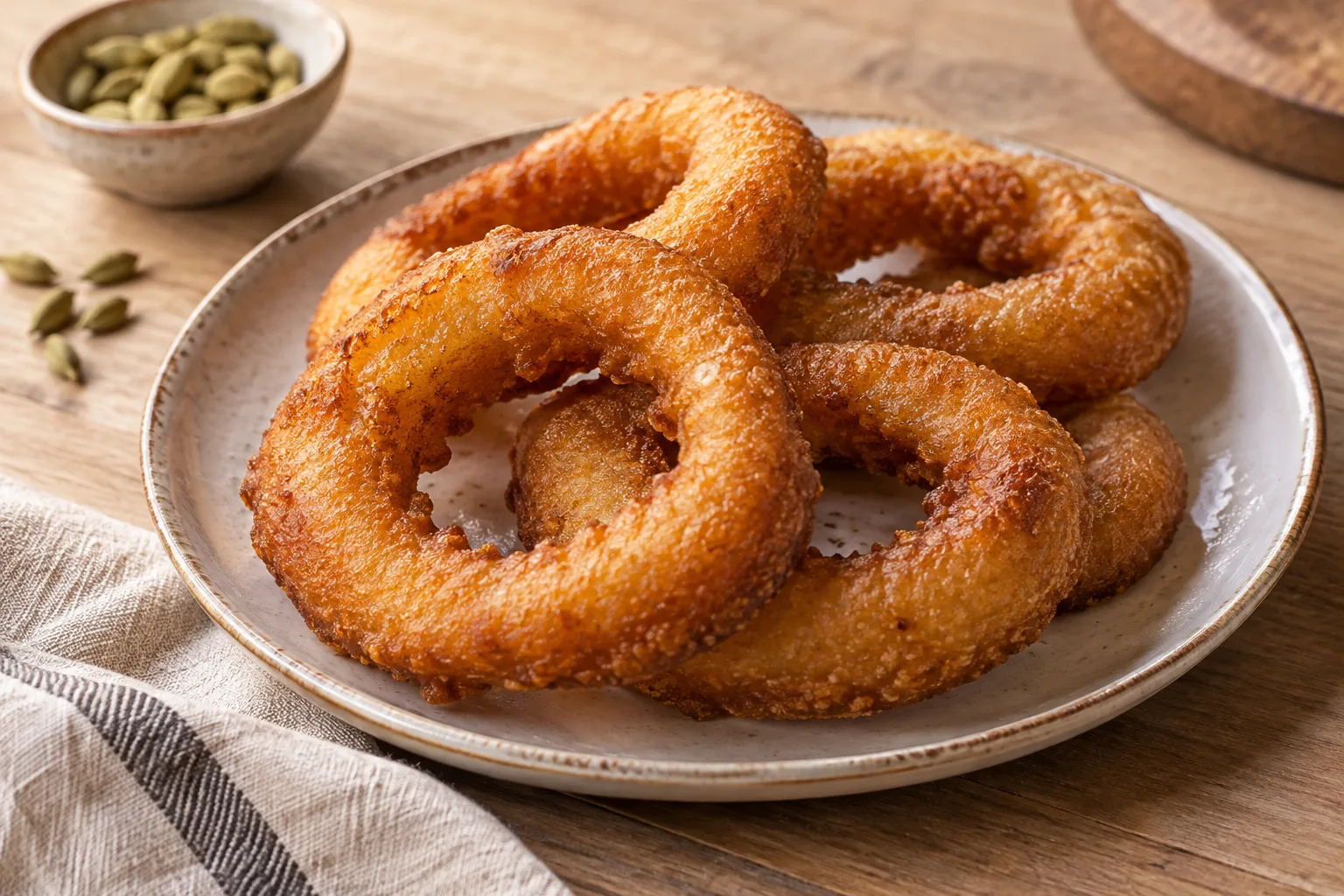
Read as an article ↗
Places and communities

One country, many cuisines

An initial selection of regions to explore. Culinary boundaries may differ from administrative divisions.

Nepal

Chitwan and the Terai

The Terai’s documented foodways include preparations associated with Tharu communities. *Dhikri* is made from rice dough and steamed; *taas* is described as seasoned meat served with flattened rice. Accounts also document *bagiya*, a rice-dough food associated with Tharu communities and festival occasions, with variations in shape and filling. These foods offer a perspective distinct from accounts focused on Nepal’s high mountains, while representing particular communities rather than every Terai household.

Nepal

Kathmandu Valley

The Kathmandu Valley is a cultural centre where several traditions meet, and it is also home to a distinct Newar culinary repertoire. Documented Newar foods include *bara*, a savory lentil patty, *chatamari*, a thin rice-based preparation, and *choila*, seasoned meat. These examples help locate a community tradition within the wider valley: a dish’s presence in Kathmandu alone does not make it Newar. The valley’s shared food landscape includes both community-specific foods and broader Nepali meal patterns.

Nepal

Thak Khola and Thakali foodways

Thakali cuisine is documented as a distinct food tradition, even though its meals share staples such as lentils and rice with other Nepali foodways. Accounts describe Thakali food as connected to the Himalayan region and to routes linking highland and lowerland areas. The combination of familiar staples with a recognized community repertoire is more useful than assigning a dish to the area solely because it contains rice or lentils. Available descriptions support this broad distinction, but do not establish a definitive list of dishes unique to Thak Khola.

Cook

Recipes connected with Nepal

Each recipe documents one version. Geographic associations do not imply an exclusive origin.

Nepali rice and milk kheer
Image generated by the Kitchenpause team
85 minEasy

Nepali rice and milk kheer

A Nepali dessert of rice slowly cooked in milk, sweetened and scented with cardamom and saffron, with nuts and raisins sautéed in ghee.

View recipe
Nepalese Gundruk Soup
Image generated by the Kitchenpause team
30 minIntermediate

Nepalese Gundruk Soup

A Nepalese broth of fermented, dried leafy greens with mustard oil, onion, garlic, and turmeric.

View recipe
Nepalese chicken thukpa
Image generated by the Kitchenpause team
60 minIntermediate

Nepalese chicken thukpa

A Nepalese rice-noodle soup with chicken, vegetables, and an aromatic tomato, ginger, and spice base.

View recipe

Sources consulted

Read the sources and each document’s scope. A heritage inscription concerns a particular practice, not all of a country’s cuisine.

  1. Nepal Context Report | FEWS NET fews.net/asia/nepal/special-report/june-2026 FEWS NET Consulted: November 1, 2026
  2. Nepal’s Journey Towards Zero Hunger: The Triple Challenge of Food Security, Food Self-Sufficiency and Economic Prosperity giwmscdnone.gov.np/media/pdf_upload/Zero%20hunger%20final%201.11%20web_srzg5ij.pdf Nepal Development Research Institute / Policy Research Institute Consulted: November 1, 2026
  3. Low dietary diversity and micronutrient adequacy among lactating women in a peri-urban area of Nepal pmc.ncbi.nlm.nih.gov/articles/PMC10271535/ Public Health Nutrition Consulted: November 1, 2026
  4. A Global Analysis of Cooking Around the World: Year 5 static.cookpad.com/worldcookingindex/Cookpad_WorldCookingIndex_Report_Year5.pdf Gallup / Cookpad Consulted: November 1, 2026
  5. Gender differences in luxury food intake owing to temporal distribution of eating occasions among adults of Hindu communities in lowland Nepal apjcn.qdu.edu.cn/18_3_9.pdf Asia Pacific Journal of Clinical Nutrition Consulted: November 1, 2026
  6. Eating for honour: A cultural-ecological analysis of food behaviours among adolescent girls in the southern plains of Nepal discovery.ucl.ac.uk/10175699/1/journal.pone.0290405.pdf PLOS ONE / UCL repository Consulted: November 1, 2026
  7. Feeding Your Himalayan Expedition: Nutritional Signatures and Body Composition Adaptations of Trekkers and Porters www.mdpi.com/2072-6643/13/2/460 Nutrients Consulted: November 1, 2026
  8. Vittore Verratti: Curriculum Vitae — Kanchenjunga research project dates unich.unifind.cineca.it/v1/dataservice/files/cv/ab1cfac6-9bed-4b3a-aada-7bcea3bda596 Università G. d’Annunzio Chieti-Pescara Consulted: November 1, 2026
  9. Annual Household Survey 2016/17 (Major Findings) giwmscdnone.gov.np/media/app/public/36/posts/1692542183_32.pdf Government of Nepal, Central Bureau of Statistics Consulted: November 1, 2026
  10. Health Survey of Nepal: Diet and Nutritional Status of the Nepalese People (original article, pp.875–881) id.scribd.com/document/47935488/875-full The American Journal of Clinical Nutrition, Brown, Worth and Shah, 1968 Consulted: November 1, 2026
  11. Globalizing Nepal Heritage Cuisine: Nepali Heritage Cook Book trade.ntb.gov.np/wp-content/uploads/2018/05/Experience_Nepal_Globalizing_Nepalese_Heritage_C… Nepal Tourism Board with HAN, CAN and REBAN Consulted: November 1, 2026
  12. Development and validation of a photographic food atlas for portion size assessment in the southern plains of Nepal www.cambridge.org/core/services/aop-cambridge-core/content/view/E9529EB6FAE84499007304DDA8B5… Public Health Nutrition, Harris-Fry and colleagues, Cambridge University Press Consulted: November 1, 2026
  13. Nepal Demographic and Health Survey 2022 www.dhsprogram.com/pubs/pdf/FR379/FR379.pdf Ministry of Health and Population, New ERA, and ICF Consulted: November 1, 2026
  14. Nepal National Micronutrient Status Survey 2016 www.unicef.org/nepal/media/1206/file/Nepal%20National%20Micronutrient%20Status%20Survey%20Re… Government of Nepal, Ministry of Health and Population, and New ERA Consulted: November 1, 2026
  15. Estimation of mean population salt intakes using spot urine samples and associations with body mass index, hypertension, raised blood sugar and hypercholesterolemia: Findings from STEPS Survey 2019, Nepal journals.plos.org/plosone/article?id=10.1371/journal.pone.0266662 PLOS ONE, Bhattarai and colleagues, 2022 Consulted: November 1, 2026
  16. Psychosocial Determinants of Vegetable Intake Among Nepalese Young Adults: An Exploratory Survey www.frontiersin.org/journals/nutrition/articles/10.3389/fnut.2021.688059/pdf Frontiers in Nutrition, Pandey, Budhathoki and Yadav, 2021 Consulted: November 1, 2026
  17. Nepal Living Standards Survey IV 2022–23: Summary Report giwmscdnone.gov.np/media/app/public/36/posts/1707800524_89.pdf National Statistics Office, Nepal, February 2024 Consulted: November 1, 2026
  18. mVAM Market Update Nepal 11, March 2023 executiveboard.wfp.org/document_download/WFP-148818 World Food Programme Nepal Consulted: November 1, 2026
  19. Food Menu, 7th–12th December 2025 www.motherskitchennepal.com/wp-content/uploads/2025/12/Menu-From-7th-Dec-to-12th-Dec-2025.pd… Mother’s Kitchen Nepal Consulted: November 1, 2026
  20. Urban food system and nutrition assessment in Kathmandu, Nepal – Project report nutritionconnect.org/media/1462 FAO, Raza, Pandey, Lobo and Ganpule-Rao, 2022 Consulted: November 1, 2026
  21. Economic and environmental assessment of food wastage in Gauradaha municipality, Nepal journals.aesacademy.org/index.php/aaes/article/download/11-01-04/pdf/3407 Basnet, Gaire, Parajuli and Thapa, Archives of Agriculture and Environmental Science, 2026 Consulted: November 1, 2026
  22. Scoping study on fruits and vegetables: Results from Nepal edepot.wur.nl/554448 Wageningen Economic Research, Saavedra, Shrestha and Tichar, October 2021 Consulted: November 1, 2026
  23. Janai Purnima ntb.gov.np/janai-purnima Nepal Tourism Board Consulted: November 1, 2026
  24. Yomari Punhi ntb.gov.np/yomari-punhi Nepal Tourism Board Consulted: November 1, 2026
  25. THUKPA -SOPA TIBETANA DE POLLO Y NOODLES DE ARROZ- (NEPAL) | Las Monas blog.lasmonas.es/blog/comete-el-mundo-con-las-monas-y-sergi/1-thukpa-sopa-tibetana-de-pollo-… blog.lasmonas.es Consulted: October 15, 2026
  26. Thukpa - Wikipedia, la enciclopedia libre es.wikipedia.org/wiki/Thukpa es.wikipedia.org Consulted: October 15, 2026
  27. Nepalese chicken noodle soup (thukpa) recipe | SBS Food www.sbs.com.au/food/recipe/nepalese-chicken-noodle-soup-thukpa/q1zonndtb sbs.com.au Consulted: October 15, 2026
  28. Thukpa Recipe | Authentic Nepalese Food www.theworldonaplate.co.uk/recipes/nepalese-thukpa theworldonaplate.co.uk Consulted: October 15, 2026
  29. Thukpa: receta y origen | Guide Cuisine www.guide-cuisine.ch/es/platos/thukpa/ guide-cuisine.ch Consulted: October 1, 2026
  30. Descubrir la cocina nepalí - Nepal Sonríe nepalsonrie.org/descubrir-la-cocina-nepali/ nepalsonrie.org Consulted: November 10, 2026
  31. Conoce la gastronomía de Nepal y viaja desde tu cocina – Familia de Hetauda familiadehetauda.org/conoce-la-gastronomia-de-nepal-y-viaja-desde-tu-cocina/ familiadehetauda.org Consulted: November 6, 2026
  32. Comida típica de Nepal - Nepal y su gastronomía - Exoticca www.exoticca.com/mx/asia/subcontinente-indio/nepal/gastronomia exoticca.com Consulted: October 1, 2026
  33. Sopa de pollo con fideos nepalesa (thukpa) - Rutas Gastronómicas rachycakes.rotasgastronomicas.com/receta_de_sopa_de_pollo_con_fideos_nepalesa_thukpa_4002.ht… rachycakes.rotasgastronomicas.com Consulted: October 1, 2026
  34. 15 recetas muy ricas de nepal compartidas por cocineros caseros- Cookpad cookpad.com/es/buscar/nepal cookpad.com Consulted: November 4, 2026
  35. Cocinando: Hoy toca Sel Roti - Nepal Sonríe nepalsonrie.org/cocinando-hoy-toca-sel-roti/ nepalsonrie.org Consulted: October 25, 2026
  36. El encanto de Nepal en un bocado: descubre el sel roti y enamórate fácilmente | MDZ Online www.mdzol.com/tendencias/el-encanto-nepal-un-bocado-descubre-el-sel-roti-y-enamorate-facilme… mdzol.com Consulted: October 5, 2026
  37. Sel Roti: receta y origen | Guide Cuisine www.guide-cuisine.ch/es/platos/sel-roti/ guide-cuisine.ch Consulted: October 25, 2026
  38. Momos salados, Sel Roti dulce y otros 5 deliciosos manjares de Nepal · Global Voices en Español es.globalvoices.org/2014/04/06/momos-salados-sel-roti-dulce-y-otros-5-deliciosos-manjares-de… es.globalvoices.org Consulted: October 25, 2026
  39. Sel Roti en Nepal 2024 - Rove.me rove.me/es/to/nepal/sel-roti rove.me Consulted: October 25, 2026
  40. Hacer Selroti En La Cocina Nepalí De Manera Tradicional Usando Fuego De Madera. Sel Roti Es Hecho Por La Mayoría De Los Nepalíes En Festivales, Eventos Y Ocasiones. Fotos, retratos, imágenes y fotografía de archivo libres de derecho. Image 154258421 es.123rf.com/photo_154258421_hacer-selroti-en-la-cocina-nepal%C3%AD-de-manera-tradicional-us… es.123rf.com Consulted: October 5, 2026
  41. Sel roti: A sweet and simple recipe - The Washburn Review washburnreview.org/43748/features/sel-roti-a-sweet-and-simple-recipe/ washburnreview.org Consulted: October 4, 2026
  42. Sel Roti Recipe www.snapcalorie.com/recipes/es/sel_roti.html snapcalorie.com Consulted: October 6, 2026
  43. Sel roti - Wikipedia en.wikipedia.org/wiki/Sel_roti en.wikipedia.org Consulted: October 25, 2026
  44. Sel Roti Recipe: Nepali Rice Doughnuts | DelishGlobe delishglobe.com/recipe/sel-roti-nepali-rice-doughnut/ delishglobe.com Consulted: October 6, 2026
  45. National Dish Nepal: Sel Roti (Recipe) · National Dish Recipes nationaldishrecipes.com/national-dish-nepal-sel-roti-recipe/ nationaldishrecipes.com Consulted: October 6, 2026
  46. Comida típica de Nepal | PANGEA www.pangea.es/es-ES/viaje-a/asia/nepal/comida-tipica/ pangea.es Consulted: October 15, 2026
  47. Qué y como comer en Nepal - GUÍA ÚTIL DEL VIAJERO 3000km.es/viajes-en-grupo-nepal-comida/ 3000km.es Consulted: October 9, 2026
  48. Popular Native Nepali Dish Gundruk - Native Nepali Stage nepalnative.com/cuisine/popular-native-nepali-dish-gundruk/ nepalnative.com Consulted: October 11, 2026
  49. Gundruk achar (Salsa nepalesa) - Nepal - Cuines - TV3 www.3cat.cat/tv3/cuines/recepta/gundruk-achar-salsa-nepalesa-nepal/15786/ 3cat.cat Consulted: October 11, 2026
  50. Gundruk - Wikipedia, la enciclopedia libre es.wikipedia.org/wiki/Gundruk es.wikipedia.org Consulted: October 11, 2026
  51. Recipe | Nepali Sel Roti - Roots and Leisure rootsandleisure.com/recipe-nepali-sel-roti/ rootsandleisure.com Consulted: October 13, 2026
  52. Nepali Sel Roti | Cherry & Dennis goldendennis.com/en/recipe-nepali-sel-roti.html goldendennis.com Consulted: October 13, 2026
  53. Kheer (Nepali Rice Pudding) · Nepali Taste nepalesetaste.com/recipes/kheer/ nepalesetaste.com Consulted: October 18, 2026
  54. Nepalese Coconut Rice Pudding | VegNews vegnews.com/recipes/vegan-nepalese-kheer-rice-pudding vegnews.com Consulted: October 18, 2026
  55. Nepali Style Kheer Khir Rice Pudding Recipe | मिठो नेपाली खीर | Centuries Old Authentic Nepali Recipe – Nepali Cooking Recipes nepalicooking.wordpress.com/2019/06/02/nepali-style-kheer-khir-rice-pudding-recipe-%E0%A4%AE… nepalicooking.wordpress.com Consulted: October 18, 2026
  56. How to Make Classic Nepali Kheer (Rice Pudding) | Nava Durga Dairy and Kirana Suppliers www.navadurgadairy.com.np/blog/classic-nepali-kheer-recipe?srsltid=AU7gw4WrhAvXfQOPmLHsFX_R_… navadurgadairy.com.np Consulted: October 18, 2026
  57. Gastronomía de Nepal - Wikipedia, la enciclopedia libre es.wikipedia.org/wiki/Gastronom%C3%ADa_de_Nepal es.wikipedia.org Consulted: November 10, 2026
  58. Cocina india y nepalí: diferencias, platos y sabores losmejoresrestaurantesindiosdemadrid.com/blog/diferencias-cocina-india-nepali/ losmejoresrestaurantesindiosdemadrid.com Consulted: October 18, 2026
  59. Culture of Nepal | Customs and Religion of Nepal ntb.gov.np/plan-your-trip/about-nepal/culture Nepal Tourism Board Consulted: October 31, 2026
  60. Cocina local de Chitwan ntb.gov.np/en/local-cuisine Nepal Tourism Board Consulted: October 20, 2026
  61. Sel roti (rosquillas nepalíes de arroz) | Rookie Pan rookiepan.com/es/recipes/sel-roti/ rookiepan.com Consulted: October 25, 2026
  62. Sel roti: How to cook Nepal's iconic dish a yummy way english.onlinekhabar.com/how-to-make-yummy-sel-roti-cook-nepal.html english.onlinekhabar.com Consulted: October 25, 2026
  63. Sel Roti Recipe: Make Perfect Sel Roti At Home - Century Spices & Snacks century.com.np/sel-roti-recipe/ century.com.np Consulted: October 24, 2026
  64. Receta de Sel Roti: anillo de pan de arroz fermentado nepalí dishnomad.com/es/recipe/sel-roti dishnomad.com Consulted: October 25, 2026
  65. Sel Roti: A Taste of Nepali Tradition and Innovation www.linkedin.com/pulse/sel-roti-taste-nepali-tradition-innovation-sagar-dahal-wfi3f linkedin.com Consulted: October 24, 2026
  66. Traditional Nepali Sel Roti koseli.co.nz/traditional-nepali-sel-roti/ koseli.co.nz Consulted: October 24, 2026
  67. Sel roti - Wikipedia it.wikipedia.org/wiki/Sel_roti it.wikipedia.org Consulted: October 25, 2026
  68. Rosquillas nepalíes de arroz y plátano (Sel roti) – CaCook cacook.net/es/recipe/rosquillas-nepalies-de-arroz-y-platano-sel-roti-18176 cacook.net Consulted: October 25, 2026

We use session and security technologies to provide our features. Only with your permission do we load Google Analytics to measure visits and Google Maps on Contact. Choose separately, reject or accept both.

Withdraw either permission here. Withdrawing analytics reloads the page to unload the running tag.

Cookie policy