Europe · Southern Europe

Portugal

Recipes connected with Portugal

Food and eating habits

How people eat in Portugal

50 indicators exploring everyday meals, ingredients and food culture. Information is completed progressively from documented evidence.

50 of 50 indicators with documented information

Not all data are comparable: food supply, purchases and intake are different measures. Check the period, population and method for each finding. Qualitative descriptions do not establish percentages or amounts.

Timing and company

8/8
Timing and company — Portugal
IndicatorFindings and context
Meal times
Quantitative findingSurvey

Local time: breakfast 8h–9h; lunch 12h30–14h; dinner 20h–21h.

Scope, method and limitations
Observation period
2024
Unit
local clock time
Population or sample
Residents of mainland Portugal, Azores and Madeira aged 18 or over;1518 interviewees.
Geographic scope
Reported meal and stated period; partial indicator coverage.
Definition and method
Previous-day CAPI,16 September–11 November 2024; sex, age, region and settlement quotas, then sex, age and education weighting.
Comparison limitations
Adult cross-sectional self-report; not direct observation or extrapolation to children. Meal categories can overlap. Predominant detailed-chapter intervals; the summary differs for lunch.
Meals per day
Quantitative findingSurvey

Previous day:89% had breakfast,97% lunch and 96% dinner.

Scope, method and limitations
Observation period
2024
Unit
percent
Population or sample
Residents of mainland Portugal, Azores and Madeira aged 18 or over;1518 interviewees.
Geographic scope
Reported meal and stated period; partial indicator coverage.
Definition and method
Previous-day CAPI,16 September–11 November 2024; sex, age, region and settlement quotas, then sex, age and education weighting.
Comparison limitations
Adult cross-sectional self-report; not direct observation or extrapolation to children. Meal categories can overlap.
Meal duration
Quantitative findingSurvey

Breakfast:55% spent 10–20 minutes. Lunch:36%,21–30 minutes. Dinner:32%,31–40 minutes.

Scope, method and limitations
Observation period
2024
Unit
percent and minutes per meal
Population or sample
Residents of mainland Portugal, Azores and Madeira aged 18 or over;1518 interviewees.
Geographic scope
Reported meal and stated period; partial indicator coverage.
Definition and method
Previous-day CAPI,16 September–11 November 2024; sex, age, region and settlement quotas, then sex, age and education weighting.
Comparison limitations
Adult cross-sectional self-report; not direct observation or extrapolation to children. Meal categories can overlap. Excludes preparation; no derived means.
Daily energy distribution
Quantitative findingObserved intake

Lunch:31.8% of daily energy; dinner:27.5%.

Scope, method and limitations
Observation period
2015–2016
Unit
percent
Population or sample
Portugal, residents aged 3–84, IAN-AF 2015–2016.
Geographic scope
Reported meal and stated period; partial indicator coverage.
Definition and method
Research-team analysis of IAN-AF 2015–2016; food diaries and 24-hour recalls on nonconsecutive days.
Comparison limitations
Lunch and dinner only; reported intake, not availability or purchases. Other occasions and recommendations are not inferred.
Weekdays and weekends
Qualitative descriptionSurvey

Meals tend to last longer at weekends; additional minutes are not quantified.

Scope, method and limitations
Observation period
2024
Population or sample
Residents of mainland Portugal, Azores and Madeira aged 18 or over;1518 interviewees.
Geographic scope
Reported meal and stated period; partial indicator coverage.
Definition and method
Previous-day CAPI,16 September–11 November 2024; sex, age, region and settlement quotas, then sex, age and education weighting.
Comparison limitations
Adult cross-sectional self-report; not direct observation or extrapolation to children. Meal categories can overlap.
Eating at home and away
Quantitative findingSurvey

Dinner at home:90% of occasions; breakfast at home:83%.

Scope, method and limitations
Observation period
2024
Unit
percent
Population or sample
Residents of mainland Portugal, Azores and Madeira aged 18 or over;1518 interviewees.
Geographic scope
Reported meal and stated period; partial indicator coverage.
Definition and method
Previous-day CAPI,16 September–11 November 2024; sex, age, region and settlement quotas, then sex, age and education weighting.
Comparison limitations
Adult cross-sectional self-report; not direct observation or extrapolation to children. Meal categories can overlap. Eating location, not preparation location.
Cooking frequency
Qualitative descriptionSurvey

In the make-do homemaker and diligent professional profiles, dinner is prepared every day.

Scope, method and limitations
Observation period
2021
Population or sample
Two Portuguese working-age adult profiles.
Geographic scope
Reported meal and stated period; partial indicator coverage.
Definition and method
Stratified domestic-practices survey, finalquarter 2021; team synthesis.
Comparison limitations
Does not represent all adults; no national distribution of days or minutes.
Eating together
Quantitative findingSurvey

Breakfast alone:53%. Shared dinner:88%; shared lunch:69%.

Scope, method and limitations
Observation period
2024
Unit
percent
Population or sample
Residents of mainland Portugal, Azores and Madeira aged 18 or over;1518 interviewees.
Geographic scope
Reported meal and stated period; partial indicator coverage.
Definition and method
Previous-day CAPI,16 September–11 November 2024; sex, age, region and settlement quotas, then sex, age and education weighting.
Comparison limitations
Adult cross-sectional self-report; not direct observation or extrapolation to children. Meal categories can overlap. Sharing does not exclusively mean family.

Pantry and recipes

2/2
Pantry and recipes — Portugal
IndicatorFindings and context
Most consumed ingredients
Quantitative findingFood supply

Mean wheat availability:86.1 kg per inhabitant per year; rice:21.8 kg. They rank first and second among cereals by available quantity in the studied edition.

Scope, method and limitations
Observation period
2020–2024
Unit
kg/person/year
Population or sample
Mean Portuguese resident population during the period; food available in and outside households.
Geographic scope
2020–2024 mean,2025 edition. Partial cereal coverage, not an all-food ranking.
Definition and method
Supply balance: production and trade less nonfood uses, processing, losses and stocks. Processed products converted to primary products; not bread or cooked-rice weight.
Comparison limitations
Apparent supply, not intake or purchases. The 2025 edition predates the per-capita 2021–2024 revision announced in October 2026; it is not presented as the latest revised series.
Ingredient prevalence in recipes
Qualitative descriptionRecipe sample

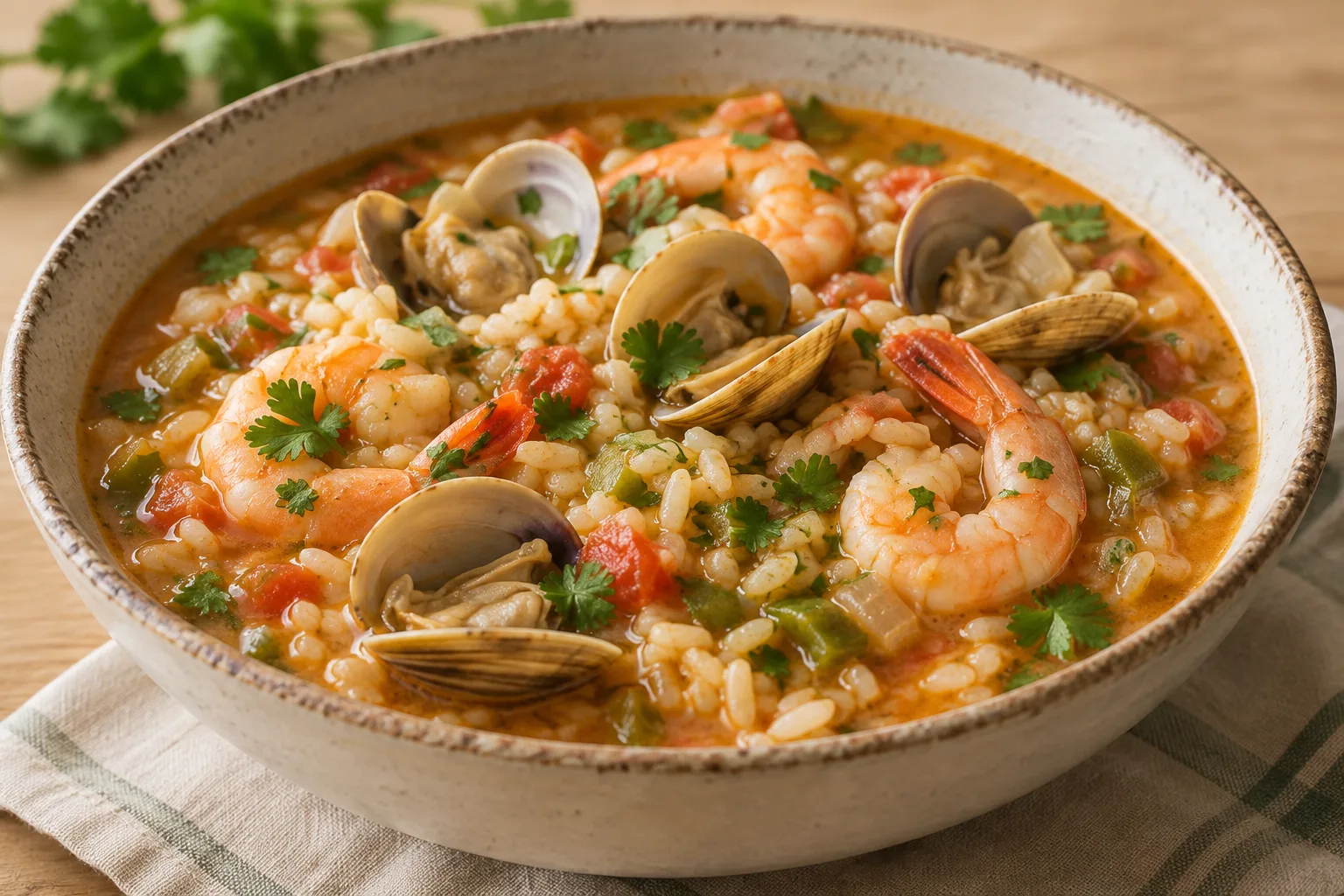
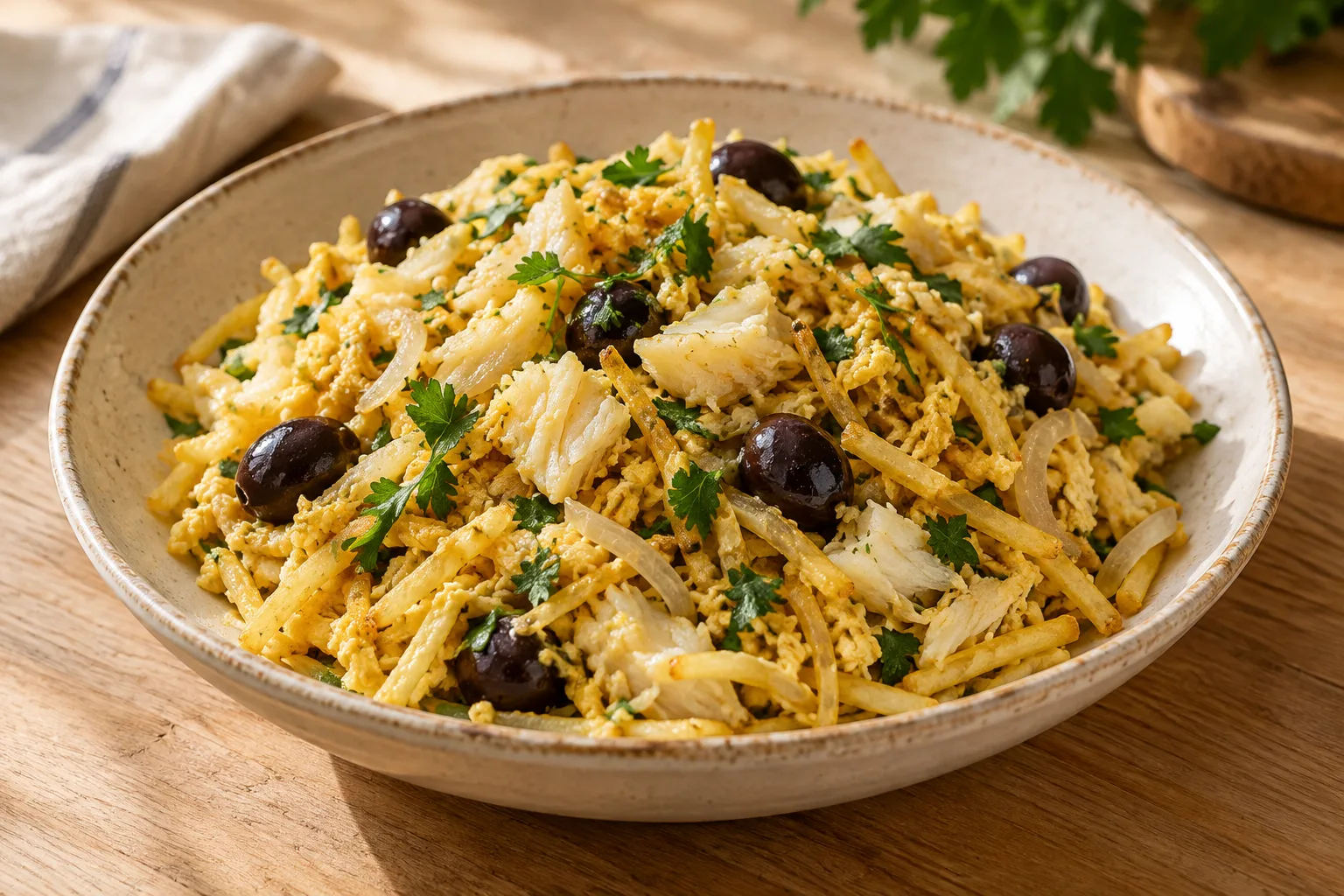
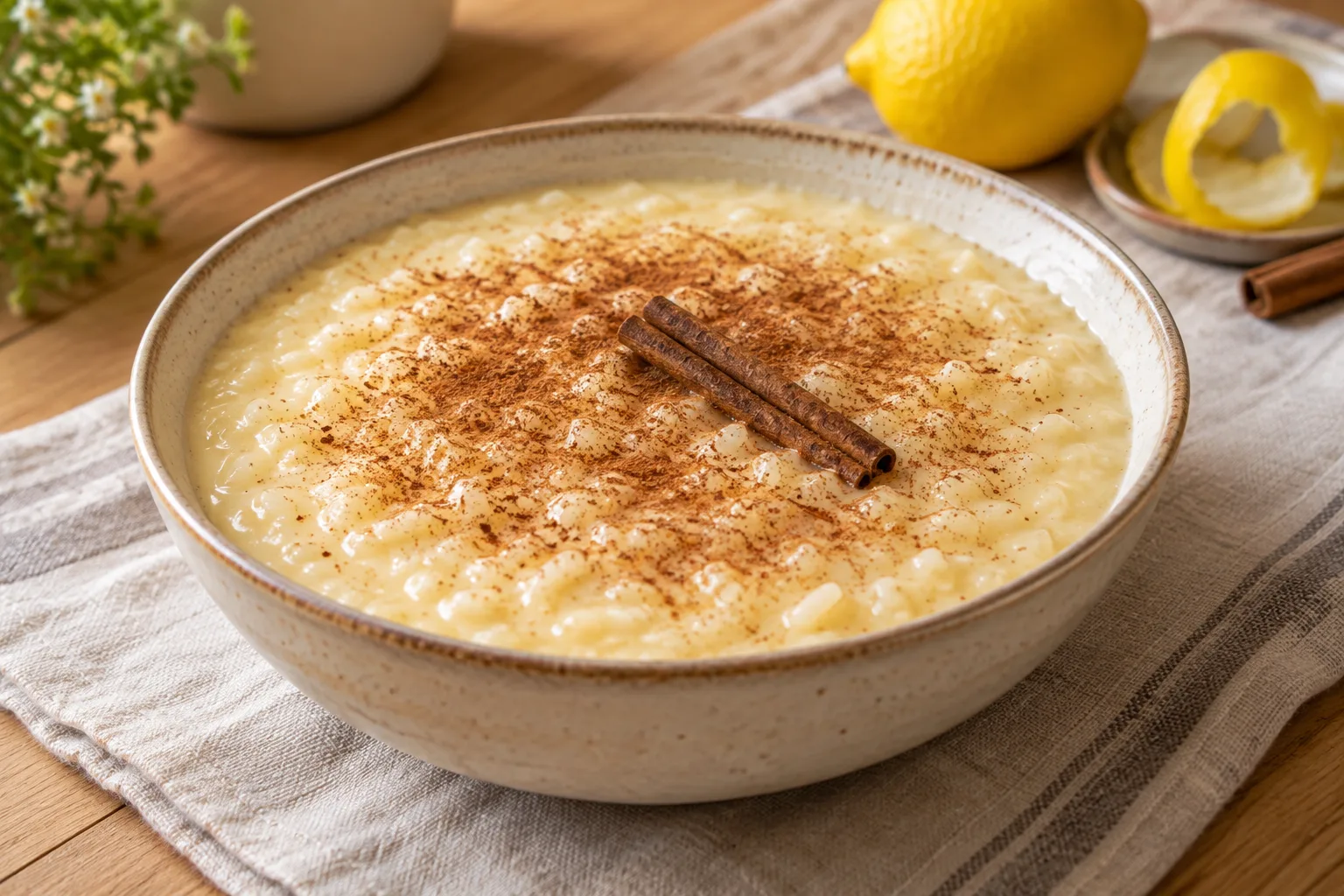
The studied catalogue includes rice and seafood in arroz de marisco; rice, milk and yolks in arroz doce; bread, beef and cheese in francesinha; cod, potatoes and eggs in bacalhau à Brás; potatoes, collard greens and chorizo in caldo verde; clams and monkfish in cataplana.

Scope, method and limitations
Observation period
2026-11-02
Population or sample
Six published KitchenPause recipes associated with Portugal; not a household sample.
Geographic scope
Published catalogue consulted on 2 November 2026; qualitative ingredient examples.
Definition and method
All published recipes in the native Portugal scope with images and without consolidation were included; one per stable identifier, translations not duplicated. All six public lists read and checked against persisted ingredients.
Comparison limitations
Small catalogue-selected editorial sample; does not represent prevalence in Portuguese recipes or population intake. No ingredient percentages or rankings calculated.

Cereals and plant foods

6/6
Cereals and plant foods — Portugal
IndicatorFindings and context
Cereals and cereal products
Quantitative findingObserved intake

Rice and other grains:64 g per person per day; pasta:28 g.

Scope, method and limitations
Observation period
2015–2016
Unit
g/person/day, edible as consumed
Population or sample
Portuguese general resident population aged three months to 84 years; weighted national IAN-AF 2015–2016 results.
Geographic scope
Two consumed-food subgroups, not the whole cereals-and-tubers group. Common, whole or wild rice and other grains form one category; fresh, dried or stuffed pasta another.
Definition and method
Two nonconsecutive 24-hour recalls, or child food diaries; adjustment for within-person variability and frequency. Recipes disaggregated into ingredients, edible weight as consumed; not purchases or supply.
Comparison limitations
Historical self-reported estimate, subject to recall error and nonresponse; not current intake for every person. Original unit retained without annual extrapolation. No separate rice, wheat, maize or oat quantities; not dry weights.
Bread
Quantitative findingObserved intake

Bread and toasts:100 g per person per day.

Scope, method and limitations
Observation period
2015–2016
Unit
g/person/day, edible as consumed
Population or sample
Portuguese general resident population aged three months to 84 years; weighted national IAN-AF 2015–2016 results.
Geographic scope
Broad subgroup of breads from different cereals, toast, cornbread, breadcrumbs and breadsticks.
Definition and method
Two nonconsecutive 24-hour recalls, or child food diaries; adjustment for within-person variability and frequency. Recipes disaggregated into ingredients, edible weight as consumed; not purchases or supply.
Comparison limitations
Historical self-reported estimate, subject to recall error and nonresponse; not current intake for every person. Original unit retained without annual extrapolation. No breakdown by bread type or dough formula.
Pulses
Quantitative findingObserved intake

Pulses:18 g per person per day.

Scope, method and limitations
Observation period
2015–2016
Unit
g/person/day, edible as consumed
Population or sample
Portuguese general resident population aged three months to 84 years; weighted national IAN-AF 2015–2016 results.
Geographic scope
Dry and fresh pulse category, including beans, chickpeas, peas and lentils.
Definition and method
Two nonconsecutive 24-hour recalls, or child food diaries; adjustment for within-person variability and frequency. Recipes disaggregated into ingredients, edible weight as consumed; not purchases or supply.
Comparison limitations
Historical self-reported estimate, subject to recall error and nonresponse; not current intake for every person. Original unit retained without annual extrapolation. Not dry weight; no allocation of intake by pulse species.
Vegetables
Quantitative findingObserved intake

Vegetables:153 g per person per day.

Scope, method and limitations
Observation period
2015–2016
Unit
g/person/day, edible as consumed
Population or sample
Portuguese general resident population aged three months to 84 years; weighted national IAN-AF 2015–2016 results.
Geographic scope
Fresh and processed vegetable category; processed forms include frozen, canned, pickled vegetables and vegetable pâtés.
Definition and method
Two nonconsecutive 24-hour recalls, or child food diaries; adjustment for within-person variability and frequency. Recipes disaggregated into ingredients, edible weight as consumed; not purchases or supply.
Comparison limitations
Historical self-reported estimate, subject to recall error and nonresponse; not current intake for every person. Original unit retained without annual extrapolation. Not fresh vegetables alone; does not rank individual species.
Fruit
Quantitative findingObserved intake

Fresh fruit:131 g per person per day.

Scope, method and limitations
Observation period
2015–2016
Unit
g/person/day, edible as consumed
Population or sample
Portuguese general resident population aged three months to 84 years; weighted national IAN-AF 2015–2016 results.
Geographic scope
Fresh-fruit subgroup in the survey classification.
Definition and method
Two nonconsecutive 24-hour recalls, or child food diaries; adjustment for within-person variability and frequency. Recipes disaggregated into ingredients, edible weight as consumed; not purchases or supply.
Comparison limitations
Historical self-reported estimate, subject to recall error and nonresponse; not current intake for every person. Original unit retained without annual extrapolation. Not all processed fruit or separate amounts by species.
Potatoes, roots and tubers
Quantitative findingObserved intake

Potatoes and other starchy tubers:100 g per person per day.

Scope, method and limitations
Observation period
2015–2016
Unit
g/person/day, edible as consumed
Population or sample
Portuguese general resident population aged three months to 84 years; weighted national IAN-AF 2015–2016 results.
Geographic scope
Subgroup comprising potatoes, sweet potatoes, yam and cassava roots.
Definition and method
Two nonconsecutive 24-hour recalls, or child food diaries; adjustment for within-person variability and frequency. Recipes disaggregated into ingredients, edible weight as consumed; not purchases or supply.
Comparison limitations
Historical self-reported estimate, subject to recall error and nonresponse; not current intake for every person. Original unit retained without annual extrapolation. Do not attribute all the weight to potatoes or separately to each species.

Protein foods

5/5
Protein foods — Portugal
IndicatorFindings and context
Meat
Quantitative findingObserved intake

Meat:117 g per person per day.

Scope, method and limitations
Observation period
2015–2016
Unit
g/person/day, edible as consumed
Population or sample
Portuguese general resident population aged three months to 84 years; weighted national IAN-AF 2015–2016 results.
Geographic scope
Category including white meat, red meat, offal and processed meat.
Definition and method
Two nonconsecutive 24-hour recalls, or child food diaries; adjustment for within-person variability and frequency. Recipes disaggregated into ingredients, edible weight as consumed; not purchases or supply.
Comparison limitations
Historical self-reported estimate, subject to recall error and nonresponse; not current intake for every person. Original unit retained without annual extrapolation. Edible weight as consumed, not carcass weight; no quantified split by species.
Fish and seafood
Quantitative findingObserved intake

Fish:42 g per person per day.

Scope, method and limitations
Observation period
2015–2016
Unit
g/person/day, edible as consumed
Population or sample
Portuguese general resident population aged three months to 84 years; weighted national IAN-AF 2015–2016 results.
Geographic scope
Subgroup labelled Fish in the national figure; the classification covers fresh, dried and canned fish.
Definition and method
Two nonconsecutive 24-hour recalls, or child food diaries; adjustment for within-person variability and frequency. Recipes disaggregated into ingredients, edible weight as consumed; not purchases or supply.
Comparison limitations
Historical self-reported estimate, subject to recall error and nonresponse; not current intake for every person. Original unit retained without annual extrapolation. No separate amounts by species, preservation form or shellfish.
Eggs
Quantitative findingObserved intake

Eggs:16 g per person per day.

Scope, method and limitations
Observation period
2015–2016
Unit
g/person/day, edible as consumed
Population or sample
Portuguese general resident population aged three months to 84 years; weighted national IAN-AF 2015–2016 results.
Geographic scope
Category covering chicken and quail eggs, egg powder, liquid egg and egg white.
Definition and method
Two nonconsecutive 24-hour recalls, or child food diaries; adjustment for within-person variability and frequency. Recipes disaggregated into ingredients, edible weight as consumed; not purchases or supply.
Comparison limitations
Historical self-reported estimate, subject to recall error and nonresponse; not current intake for every person. Original unit retained without annual extrapolation. Edible grams, not counts of whole eggs. No size-based conversion applied.
Milk and dairy products
Quantitative findingObserved intake

Dairy:253.5 g per person per day.

Scope, method and limitations
Observation period
2015–2016
Unit
g/person/day, edible as consumed
Population or sample
Portuguese general resident population aged three months to 84 years; weighted national IAN-AF 2015–2016 results.
Geographic scope
National dairy-group total, not the mean restricted to consumers.
Definition and method
Two nonconsecutive 24-hour recalls, or child food diaries; adjustment for within-person variability and frequency. Recipes disaggregated into ingredients, edible weight as consumed; not purchases or supply.
Comparison limitations
Historical self-reported estimate, subject to recall error and nonresponse; not current intake for every person. Original unit retained without annual extrapolation. Not litres of milk or amounts of each product; no milk, yoghurt and cheese split here.
Protein sources
Qualitative descriptionObserved intake

The largest protein-contributing subgroups are red meat, white meat, and bread and toasts, in that order.

Scope, method and limitations
Observation period
2015–2016
Population or sample
Portuguese general resident population aged three months to 84 years; weighted national IAN-AF 2015–2016 results.
Geographic scope
Contribution to protein intake, not food weight or national supply.
Definition and method
National IAN-AF food-subgroup contributions ordered from largest to smallest with the original classification retained.
Comparison limitations
Historical self-reported estimate, subject to recall error and nonresponse; not current intake for every person. Original unit retained without annual extrapolation. Qualitative subgroup ordering; no percentage allocation or consumption frequency is presented. Not the energy percentage supplied by protein.

Fats, flavours and condiments

3/3
Fats, flavours and condiments — Portugal
IndicatorFindings and context
Cooking fats
Quantitative findingObserved intake

Olive oil:11 g; butter:4 g per person per day.

Scope, method and limitations
Observation period
2015–2016
Unit
g/person/day, edible as consumed
Population or sample
Portuguese general resident population aged three months to84years; weighted national IAN-AF2015–2016results.
Geographic scope
Specific examples; partial documentation of the indicator.
Definition and method
Two nonconsecutive24-hour recalls, or child food diaries; adjustment for within-person variability and frequency. Recipes disaggregated into ingredients, edible weight as consumed; not purchases or supply.
Comparison limitations
Historical self-reported estimate, subject to recall error and nonresponse; not current intake for every person. Original unit retained without annual extrapolation. Rounded values for selected subgroups, not an exhaustive fat inventory; values not summed.
Herbs and spices
Qualitative descriptionRecipe sample

The published recipe sample includes parsley in bacalhau à Brás and cinnamon in arroz doce.

Scope, method and limitations
Observation period
2026-11-02
Population or sample
Six published KitchenPause recipes associated with Portugal, selected by country without counting translations twice.
Geographic scope
Specific examples; partial documentation of the indicator.
Definition and method
Ingredient reading of the complete sample identified by country and unique recipe, accessed in November 2026; two preparations illustrated here.
Comparison limitations
Not a population survey or measure of national prevalence; no ingredient percentage frequency calculated.
Sauces and condiments
Qualitative descriptionCultural context

In Madeira, grilled limpets are served with bolo do caco and garlic butter.

Scope, method and limitations
Population or sample
Regional preparation from Madeira, Portugal.
Geographic scope
Specific examples; partial documentation of the indicator.
Definition and method
Reading of a regional culinary description by the tourism promotion body; no statistical observation period.
Comparison limitations
Regional example, not a description of all Portugal or a measure of frequency, quantities or current consumption.

Meal composition

6/6
Meal composition — Portugal
IndicatorFindings and context
Breakfast composition
Quantitative findingSurvey

Breakfast recorded for 94.7% of the population.

Scope, method and limitations
Observation period
2015–2016
Unit
% population
Population or sample
Portuguese general resident population aged three months to84years; weighted national IAN-AF2015–2016results.
Geographic scope
National prevalence of the eating occasion during the survey period.
Definition and method
Prevalence of eating occasions reported in IAN-AF dietary records, weighted to the Portuguese population distribution.
Comparison limitations
Historical self-reported estimate, subject to recall error and nonresponse; not current intake for every person. Original unit retained without annual extrapolation. Partial coverage: does not identify foods, quantities or combinations for that occasion; not universal daily consumption or current habits.
Main meal composition
Quantitative findingSurvey

Lunch recorded for 98.1% of the population.

Scope, method and limitations
Observation period
2015–2016
Unit
% population
Population or sample
Portuguese general resident population aged three months to84years; weighted national IAN-AF2015–2016results.
Geographic scope
National prevalence of the eating occasion during the survey period.
Definition and method
Prevalence of eating occasions reported in IAN-AF dietary records, weighted to the Portuguese population distribution.
Comparison limitations
Historical self-reported estimate, subject to recall error and nonresponse; not current intake for every person. Original unit retained without annual extrapolation. Partial coverage: does not identify foods, quantities or combinations for that occasion; not universal daily consumption or current habits.
Dinner composition
Quantitative findingSurvey

Dinner recorded for 97.0% of the population.

Scope, method and limitations
Observation period
2015–2016
Unit
% population
Population or sample
Portuguese general resident population aged three months to84years; weighted national IAN-AF2015–2016results.
Geographic scope
National prevalence of the eating occasion during the survey period.
Definition and method
Prevalence of eating occasions reported in IAN-AF dietary records, weighted to the Portuguese population distribution.
Comparison limitations
Historical self-reported estimate, subject to recall error and nonresponse; not current intake for every person. Original unit retained without annual extrapolation. Partial coverage: does not identify foods, quantities or combinations for that occasion; not universal daily consumption or current habits.
Appetisers and snacks
Quantitative findingSurvey

Mid-afternoon snack recorded for 85.8% of the population.

Scope, method and limitations
Observation period
2015–2016
Unit
% population
Population or sample
Portuguese general resident population aged three months to84years; weighted national IAN-AF2015–2016results.
Geographic scope
National prevalence of the eating occasion during the survey period.
Definition and method
Prevalence of eating occasions reported in IAN-AF dietary records, weighted to the Portuguese population distribution.
Comparison limitations
Historical self-reported estimate, subject to recall error and nonresponse; not current intake for every person. Original unit retained without annual extrapolation. Partial coverage: does not identify foods, quantities or combinations for that occasion; not universal daily consumption or current habits.
Desserts and sweets
Qualitative descriptionRecipe sample

Recipe example: arroz doce with rice, milk, egg yolks, sugar, butter and cinnamon.

Scope, method and limitations
Observation period
2026-11-02
Population or sample
Six published KitchenPause recipes associated with Portugal, selected by country without counting translations twice.
Geographic scope
Dessert example from the recipe collection, without population frequency.
Definition and method
Ingredient reading of the complete sample identified by country and unique recipe, accessed in November 2026; arroz doce is illustrated here.
Comparison limitations
Not a population survey or measure of national prevalence; no ingredient percentage frequency calculated.
Portion sizes
Quantitative findingCultural context

Educational reference portions: bread,50 g; rice,35 g raw or110 g cooked.

Scope, method and limitations
Observation period
2014
Unit
g/educational reference portion
Population or sample
Audience of a Portuguese food education guide, not an observed sample.
Geographic scope
Recommended educational equivalents, not mean portions actually served.
Definition and method
Visual reading of the November 2014 poster: bread per unit and rice in raw and cooked states; quantities transcribed, not converted.
Comparison limitations
Partial food coverage. Neither national averages nor prescribed individual portions; poster equivalents do not establish a universal cooking factor.

Techniques and equipment

5/5
Techniques and equipment — Portugal
IndicatorFindings and context
Cooking techniques
Qualitative descriptionRecipe sample

Recipe example: gently sautéing onion and garlic, boiling potatoes and sautéing chorizo for caldo verde.

Scope, method and limitations
Observation period
2026-11-02
Population or sample
Six published KitchenPause recipes associated with Portugal, selected by country without counting translations twice.
Geographic scope
Documented example; partial indicator coverage.
Definition and method
Reading of caldo verde ingredients and steps within the complete sample of six published Portuguese recipes; one recipe per identity, without duplicating translations.
Comparison limitations
Not a population survey or measure of national prevalence; no ingredient percentage frequency calculated.
Vegetable preparation
Qualitative descriptionRecipe sample

Recipe example: finely sliced cabbage cooked in a puréed potato base for caldo verde.

Scope, method and limitations
Observation period
2026-11-02
Population or sample
Six published KitchenPause recipes associated with Portugal, selected by country without counting translations twice.
Geographic scope
Documented example; partial indicator coverage.
Definition and method
Reading of caldo verde ingredients and steps within the complete sample of six published Portuguese recipes; one recipe per identity, without duplicating translations.
Comparison limitations
Not a population survey or measure of national prevalence; no ingredient percentage frequency calculated.
Food preservation
Qualitative descriptionCultural context

One Portuguese commercial cod selection is described as salt-cured and subsequently dried.

Scope, method and limitations
Population or sample
One selection from a Portuguese cod producer.
Geographic scope
Documented example; partial indicator coverage.
Definition and method
Reading of the primary product description; no population survey or statistical observation period.
Comparison limitations
Specific example, not national prevalence or consumption or preparation frequency; does not establish general household practices.
Fermented foods
Qualitative descriptionCultural context

In Madeira, bolo de mel uses a fermented dough with butter, lard, walnuts and sugarcane honey.

Scope, method and limitations
Population or sample
Regional preparation from Madeira, Portugal.
Geographic scope
Documented example; partial indicator coverage.
Definition and method
Reading of the primary product description; no population survey or statistical observation period.
Comparison limitations
Specific example, not national prevalence or consumption or preparation frequency; does not establish general household practices.
Kitchen equipment
Quantitative findingSurvey

Microwaves were used in 88.0% of primary residences.

Scope, method and limitations
Observation period
2019–2020
Unit
% primary-residence dwellings reporting use
Population or sample
Conventional family dwellings used as usual residences in Portugal, including the autonomous regions.
Geographic scope
Documented example; partial indicator coverage.
Definition and method
Internet and telephone survey, weighted for design, non-response and calibration to population totals; reference October 2019 to September 2020.
Comparison limitations
Measures use during the period, not mere ownership or daily use. Partial coverage: no oven or pressure-cooker figure provided here. Historical period includes pandemic restrictions.

Drinks

3/3
Drinks — Portugal
IndicatorFindings and context
Everyday drinks
Quantitative findingObserved intake

Soft drinks:88.4 g; coffee:54.9 g; tea and infusions:77.0 g per person per day.

Scope, method and limitations
Observation period
2015–2016
Unit
g/person/day, prepared beverage
Population or sample
Portuguese general resident population aged three months to84years; weighted national IAN-AF2015–2016results.
Geographic scope
Partial coverage: selected indicator categories.
Definition and method
Two nonconsecutive24-hour recalls, or child food diaries; adjustment for within-person variability and frequency. Recipes disaggregated into ingredients, edible weight as consumed; not purchases or supply.
Comparison limitations
Historical self-reported estimate, subject to recall error and nonresponse; not current intake for every person. Original unit retained without annual extrapolation. Weight of prepared beverages, not dry coffee or tea or number of cups. Water and alcoholic beverages are not included here; not an individual recommendation.
Coffee and tea preparation
Qualitative descriptionCultural context

Coffee serving examples: plain espresso and pingado, with a few drops of milk.

Scope, method and limitations
Population or sample
Coffee serving examples described for Portugal.
Geographic scope
Partial coverage: selected indicator categories.
Definition and method
Reading of a cultural description of coffee serving styles; no statistical observation period.
Comparison limitations
No standardised volumes, added sugar, national frequency or tea preparation methods supplied. Names may vary regionally.
Drinks with meals
Quantitative findingSurvey

For the ideal main meal,68% chose water and 30% wine.

Scope, method and limitations
Observation period
2024
Unit
% adults selecting beverage for ideal main meal
Population or sample
Residents of mainland Portugal, Azores and Madeira aged 18 or over;1518 interviewees.
Geographic scope
Partial coverage: selected indicator categories.
Definition and method
CAPI question on ideal main-meal composition using a closed list with multiple responses; weighted quota sample.
Comparison limitations
Stated preference, not beverages actually consumed with meals or daily frequency. Overlapping choices: percentages not summed. Adults only; no extrapolation to children.

Nutrition and dietary patterns

3/3
Nutrition and dietary patterns — Portugal
IndicatorFindings and context
Energy and nutrients
Quantitative findingObserved intake

Energy:1910 kcal; fibre:17.8 g per person per day. Carbohydrates:46.6% of energy; total fat:31.4%.

Scope, method and limitations
Observation period
2015–2016
Unit
kcal/person/day;g fibre/person/day;%energy
Population or sample
Portuguese general resident population aged three months to84years; weighted national IAN-AF2015–2016results.
Geographic scope
Partial coverage of national nutrient intake estimates.
Definition and method
Two nonconsecutive24-hour recalls, or child food diaries; adjustment for within-person variability and frequency. Recipes disaggregated into ingredients, edible weight as consumed; not purchases or supply.
Comparison limitations
Historical estimated intake, not recommendations or food supply. Percentages describe energy, not macronutrient grams; no conversion to grams. Protein grams are not supplied here.
Salt and sugars
Quantitative findingObserved intake

Sodium:2962 mg; total sugars:84 g; free sugars:35 g per person per day.

Scope, method and limitations
Observation period
2015–2016
Unit
mg sodium/person/day;g sugars/person/day
Population or sample
Portuguese general resident population aged three months to84years; weighted national IAN-AF2015–2016results.
Geographic scope
Total: monosaccharides and disaccharides. Free: added sugars and those in honey, syrups and fruit juices; distinct categories.
Definition and method
Two nonconsecutive24-hour recalls, or child food diaries; adjustment for within-person variability and frequency. Recipes disaggregated into ingredients, edible weight as consumed; not purchases or supply.
Comparison limitations
Sodium in milligrams, not grams of salt. No salt conversion or separate added-sugar estimate. Free sugars are part of total sugars: not summed. Historical self-reported data, not individual clinical assessment.
Dietary patterns
Quantitative findingSurvey

20% were following or had followed a diet or regimen different from what was considered usual within the preceding 12 months.

Scope, method and limitations
Observation period
2024
Unit
% adults reporting different diet now or past12months
Population or sample
Residents of mainland Portugal, Azores and Madeira aged 18 or over;1518 interviewees.
Geographic scope
Broad definition of a regimen different from usual, for voluntary or imposed reasons.
Definition and method
CAPI question on currently or previously within the past year following a regimen different from usual; weighted quota sample.
Comparison limitations
Not the prevalence of vegetarianism, veganism or flexitarianism. Does not allow deduction of those national percentages or summation of overlapping types. Adults only, no extrapolation to children.

Shopping, prices and waste

7/7
Shopping, prices and waste — Portugal
IndicatorFindings and context
Food expenditure
Quantitative findingSurvey

Food and non-alcoholic beverages: 12.9% of average annual household expenditure.

Scope, method and limitations
Observation period
2022/2023
Unit
%
Population or sample
Households resident in Portugal.
Geographic scope
Average annual household expenditure on food and non-alcoholic beverages; Portugal, 2022/2023.
Definition and method
Household budget survey; COICOP 2018 classification, annualisation and calibrated weights.
Comparison limitations
Partial coverage: this is not monthly spending per person and excludes restaurant services; the annual figure has not been divided.
Cost of a common basket
Quantitative findingSurvey

Historical Christmas basket example: EUR 44.81 for 16 products on 9 November 2022.

Scope, method and limitations
Observation period
2022
Unit
EUR per reported basket
Population or sample
Selection of Christmas products; not a household sample.
Geographic scope
Christmas basket priced on9November2022 across online supermarkets: white sugar; cake flour; red potatoes; semi-skimmed UHT milk; six eggs; cabbage; vegetable oil; carcaça bread; turkey leg; large salted cod; carolino rice; extra virgin olive oil; cooking chocolate bar; pineapple; DOC Alentejo white wine and DOC Douro red wine.
Definition and method
Mean price of each product across the simulator’s online stores where available; published sum of those means. One unit per product or one kilogram for goods sold by weight.
Comparison limitations
Partial historical example for Portugal; includes wine. It is neither a current monthly basket nor a diet cost. Not all package sizes or stores per product are specified; it cannot support comparisons with other baskets or retailers.
Cost of specific meals
Quantitative findingSurvey

The menu consulted lists bacalhau à Brás at EUR 25, including VAT.

Scope, method and limitations
Observation period
2026
Unit
EUR per listed dish
Population or sample
Menu offering at one Lisbon restaurant; not a consumer sample.
Geographic scope
Casa do Bacalhau, Lisbon; price per listed dish in the menu consulted on 2 November 2026.
Definition and method
Direct reading and visual verification of the official menu, page 2.
Comparison limitations
Partial local example: neither a national average nor home cooking cost. The dish weight and number of servings are unspecified; no per-person price is calculated.
Grocery shopping locations
Quantitative findingSurvey

79% reported making most of their food expenditure in hypermarket or supermarket chains.

Scope, method and limitations
Observation period
2024
Unit
%
Population or sample
Residents of mainland Portugal, Azores and Madeira aged 18 or over;1518 interviewees.
Geographic scope
Reported main food spending channel, Portugal, 2024.
Definition and method
CAPI interviews, weighted quota sample; question about where most food expenditure takes place.
Comparison limitations
The percentage counts people reporting a main channel; it is neither a monetary market share nor observed purchases. Partial coverage.
Shopping frequency
Quantitative findingSurvey

In the consumer sample, 56% shopped in physical supermarket stores once or twice a week.

Scope, method and limitations
Observation period
2024–2025
Unit
%
Population or sample
DECO subscribers and supporters; 3,680 valid responses to the June 2025 online survey.
Geographic scope
Shopping in physical supermarkets; study published in 2025 combining 2024 and 2025 evaluations.
Definition and method
Online questionnaire; respondents could assess two chains. Experiences from both years were pooled, with double weight for 2025.
Comparison limitations
Participant sample without demonstrated national representativeness. The 12,884 experiences are not distinct people. No mean visits or basket amount.
Prepared food and delivery
Quantitative findingSurvey

3% reported obtaining meals through apps at least once or twice a week.

Scope, method and limitations
Observation period
2024
Unit
%
Population or sample
Residents of mainland Portugal, Azores and Madeira aged 18 or over;1518 interviewees.
Geographic scope
Meals bought outside and eaten at home; app orders, Portugal, 2024.
Definition and method
CAPI interviews, weighted quota sample; frequency category in Figure 6.6, checked against the text.
Comparison limitations
Partial coverage: reported frequency of app orders; no spending or specific dishes. It does not describe traditional takeaway frequency.
Household food waste
Quantitative findingSurvey

Estimated household food waste: 105 kg per inhabitant in 2024.

Scope, method and limitations
Observation period
2024
Unit
kg/person/year, fresh mass
Population or sample
Food waste generated by households in Portugal; annual average population as denominator.
Geographic scope
Portugal, household sector, 2024; fresh mass, edible and inedible parts.
Definition and method
National estimate reported to Eurostat in env_wasfw, KG_HAB indicator, HH sector; e flag for estimated data.
Comparison limitations
Partial coverage: edible and inedible parts are included, without food-type or reason breakdown. Neither retail waste nor the entire supply chain. Estimated data; the precise national technique is not detailed here.

Seasons and celebrations

2/2
Seasons and celebrations — Portugal
IndicatorFindings and context
Seasonal produce
Qualitative descriptionCultural context

Tomatoes and pumpkins: outdoor harvest from June to September. For pumpkins, the calendar distinguishes post-harvest availability from October to May.

Scope, method and limitations
Observation period
2021 reference edition; annual seasonal windows
Population or sample
Nationally produced plant foods marketed in Portugal; not a consumption survey.
Geographic scope
National calendar,2021 edition; tomato and pumpkin examples. It covers maximum windows across different regions.
Definition and method
Visual reading of the tomato and pumpkin rows and legend: outdoor harvest, post-harvest storage and greenhouse production are separate categories.
Comparison limitations
Partial coverage of two products. Months are not identical in every locality and do not guarantee current harvest; greenhouse tomatoes outside that window are not counted as outdoor harvest.
Celebration food
Qualitative descriptionCultural context

In Portimão, the São Martinho fair takes place in November around the 11th; offerings include roasted chestnuts, farturas, roasted octopus and bread with chouriço. The 2026 edition is announced for 6–15 November.

Scope, method and limitations
Observation period
2026 local festival edition
Population or sample
Tradition and offerings of a local fair in Portimão, Algarve; not a sample of Portuguese households.
Geographic scope
Portimão, Parque de Feiras e Exposições;2026 edition dates and foods documented by the municipality.
Definition and method
Description and calendar published by the municipal authority, updated in July 2026; documentation of a local cultural practice.
Comparison limitations
Partial local example: no measure of attendance or national consumption. Saint Martin’s Day is fixed, while the fair’s date range varies by edition; this does not cover the entire Portuguese festive calendar.

Coverage in progress

The editorial guide for this country is in preparation. You can already explore its recipes; regional attributions are added when documented.

Guide available in other languages: Español

Places and communities

One country, many cuisines

An initial selection of regions to explore. Culinary boundaries may differ from administrative divisions.

Portugal

Alentejo

Portugal

Algarve

Cook

Recipes connected with Portugal

Each recipe documents one version. Geographic associations do not imply an exclusive origin.
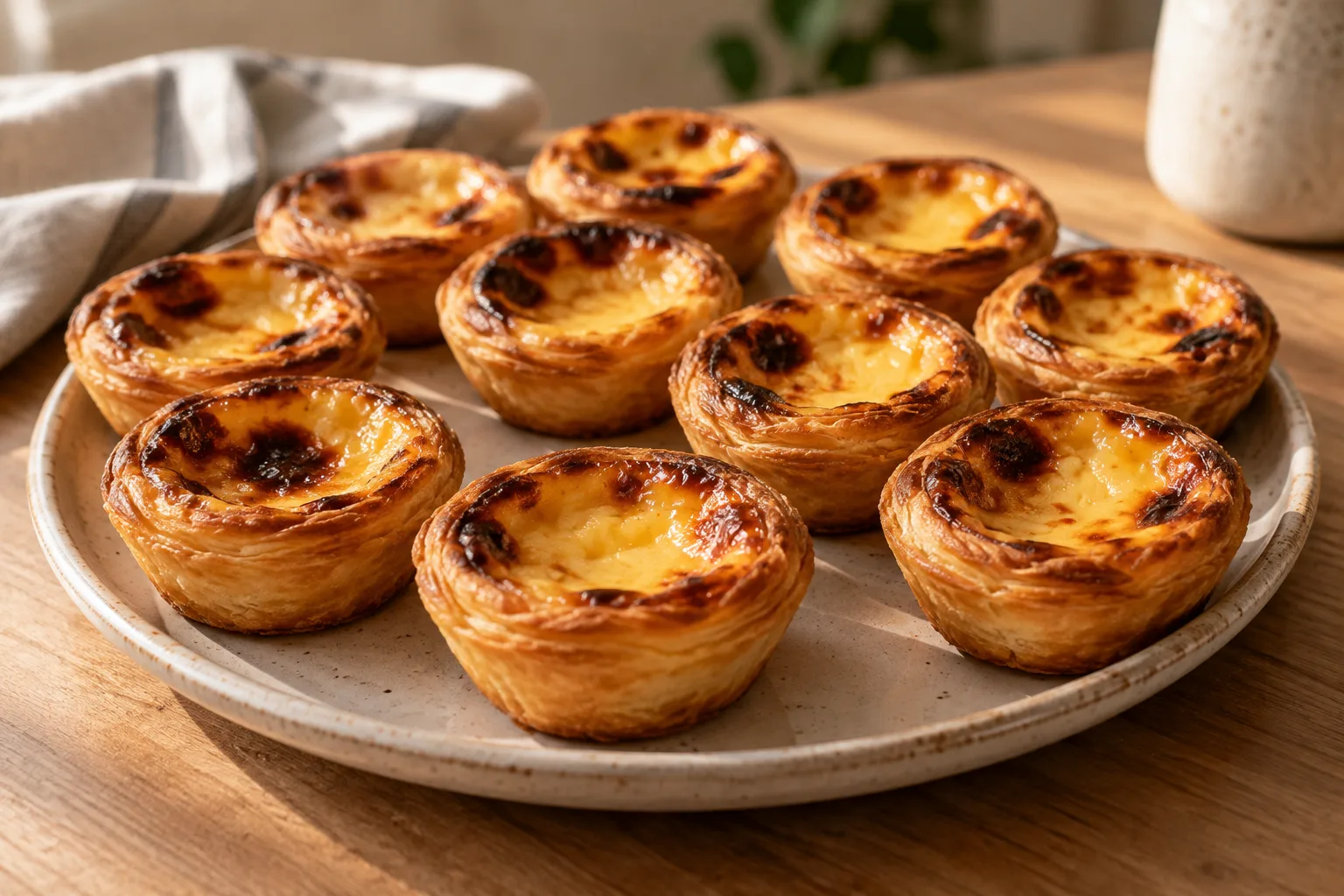
Pastéis de nata
Image generated by the Kitchenpause team
66 minIntermediate

Pastéis de nata

Portuguese puff-pastry tarts filled with a milk, cream and egg-yolk custard. Makes 12; hands-on preparation time is approximate.

View recipe
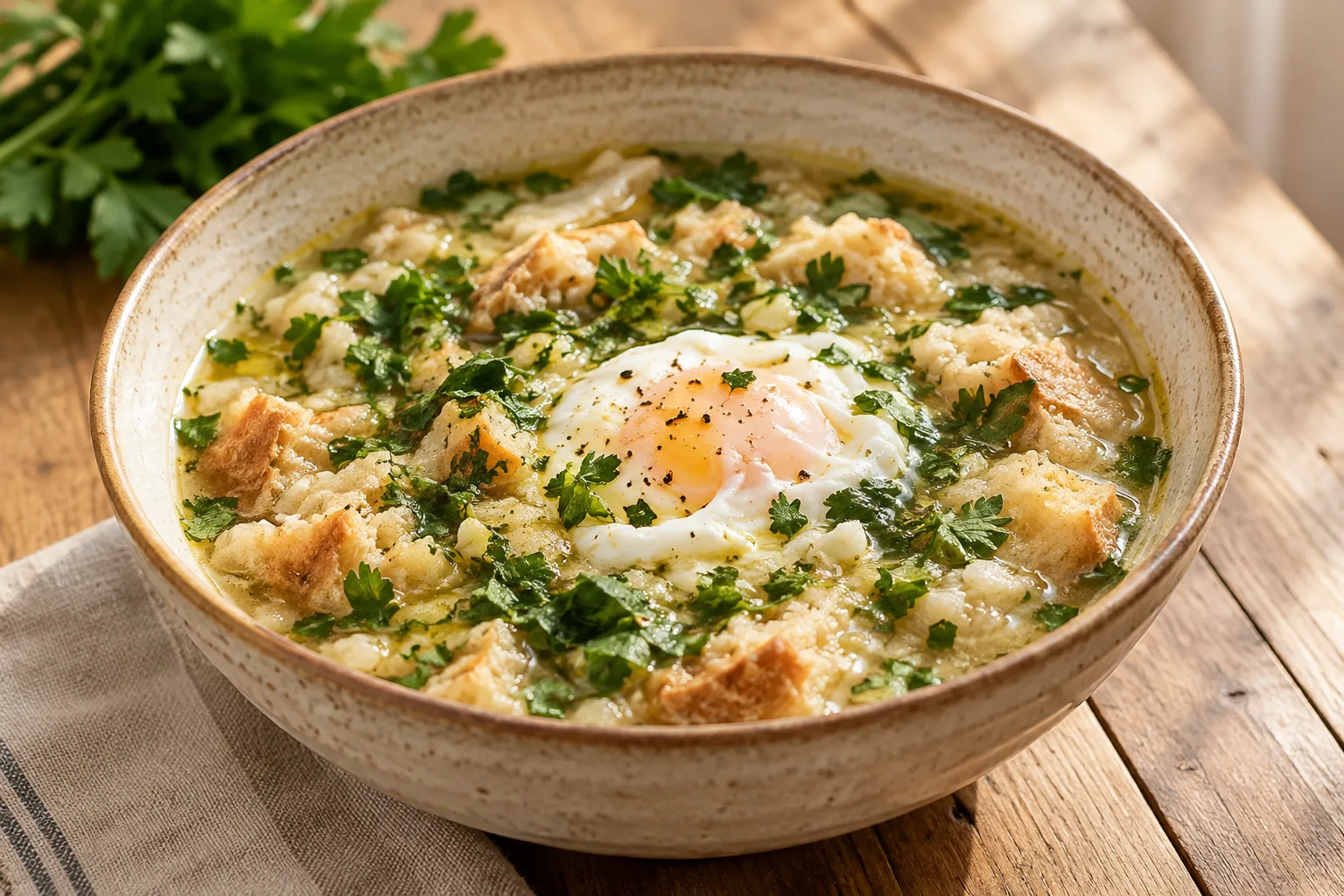
Alentejo açorda
Image generated by the Kitchenpause team
15 minEasy

Alentejo açorda

Portuguese bread soup with garlic, cilantro, olive oil, and poached eggs. Serves 4; times are estimates.

View recipe
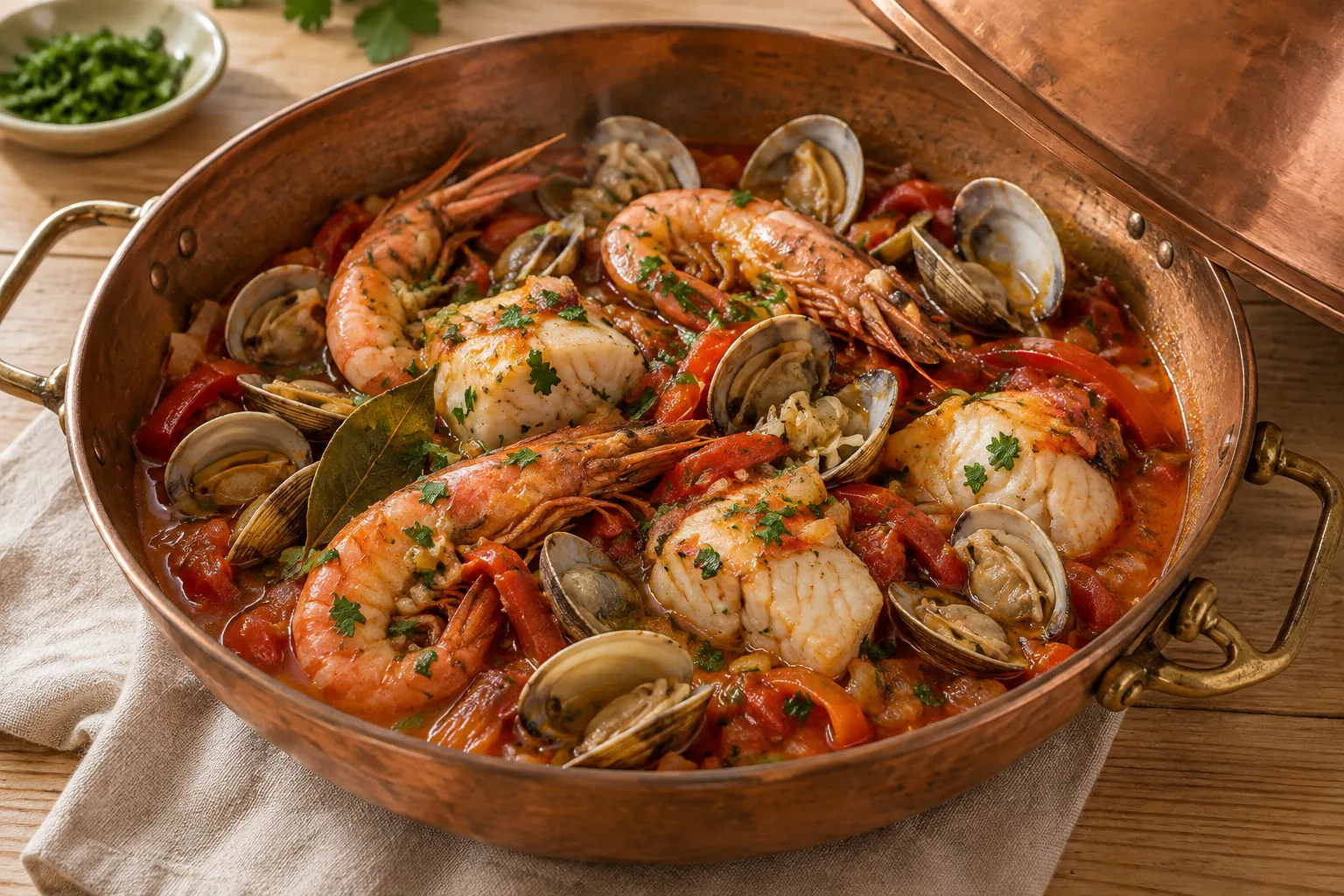
Seafood cataplana
Image generated by the Kitchenpause team
120 minIntermediate

Seafood cataplana

A Portuguese stew of monkfish, clams and large prawns, cooked covered with a vegetable sofrito, white wine and parsley. Serves 4.

View recipe
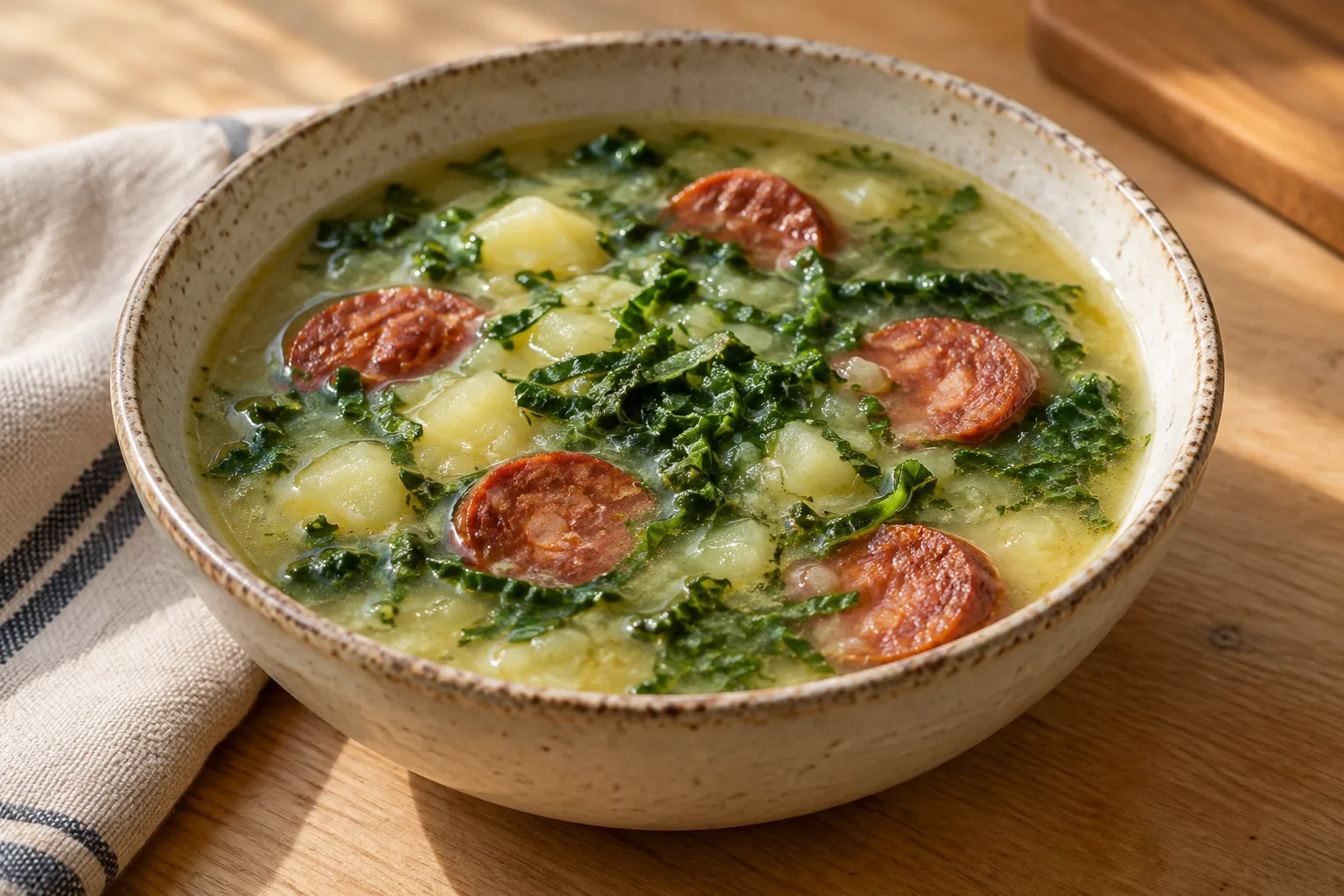
Portuguese caldo verde
Image generated by the Kitchenpause team
50 minEasy

Portuguese caldo verde

A Portuguese soup of puréed potatoes and very finely sliced greens, finished with smoked chorizo.

View recipe
Bacalhau à Brás
Image generated by the Kitchenpause team
30 minIntermediate

Bacalhau à Brás

A Portuguese dish of flaked, desalted cod, onion and shoestring potatoes, bound with softly scrambled egg and finished with black olives and parsley.

View recipe
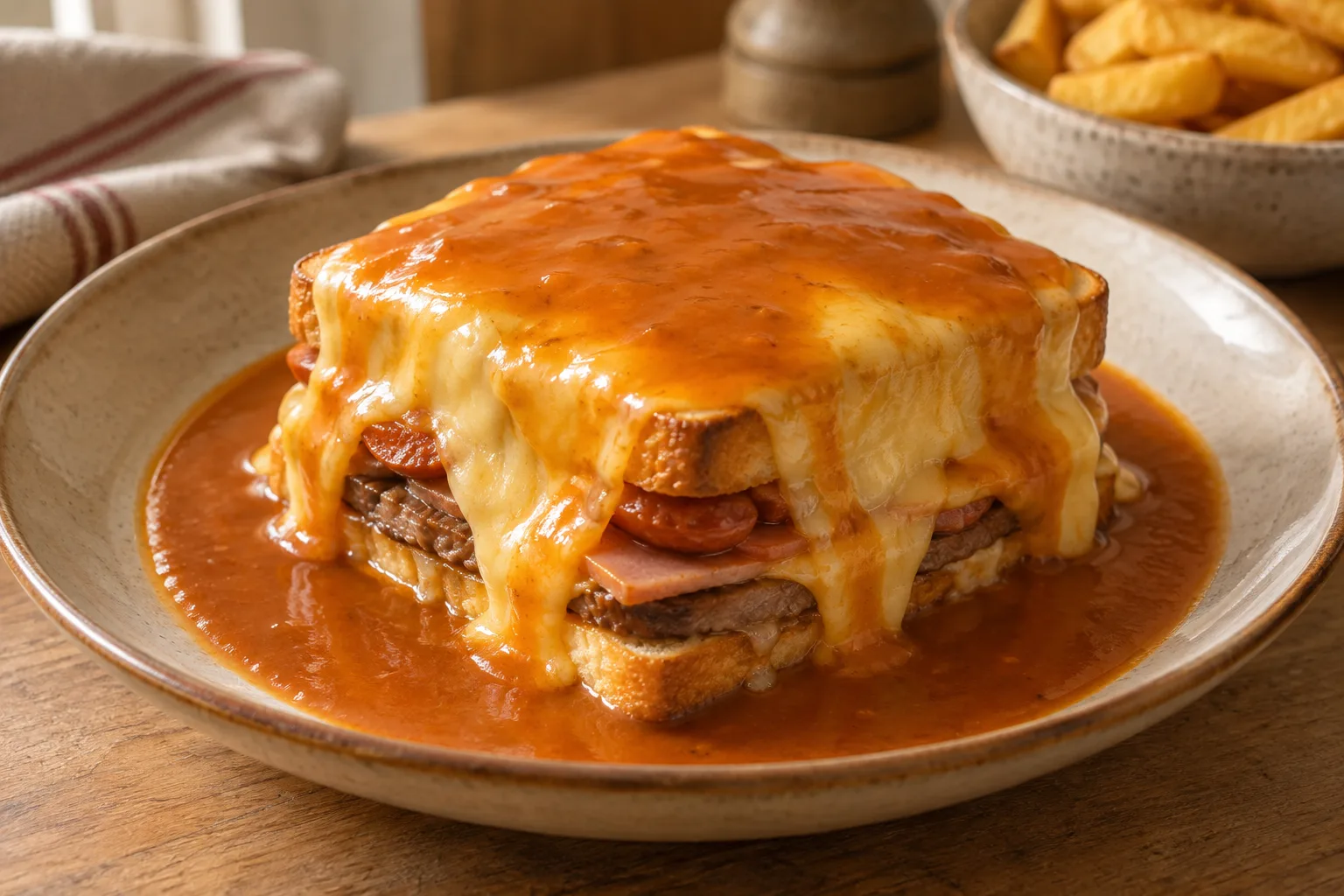
Porto Francesinha
Image generated by the Kitchenpause team
29 minIntermediate

Porto Francesinha

A Porto-style sandwich of three slices of toasted bread, beef, cooked ham and sausages, covered with melted cheese and hot beer-and-tomato sauce.

View recipe
Sources consulted

Read the sources and each document’s scope. A heritage inscription concerns a particular practice, not all of a country’s cuisine.

  1. Portugal — INEWS60, Household Budget Survey2022/2023, pages78–79 www.ine.pt/ine_novidades/semin/INEWS60/78-79/ Instituto Nacional de Estatística Consulted: November 2, 2026
  2. Portugal — Historical Christmas basket, prices9November2022, release22November2022 www.deco.proteste.pt/corporate/comunicados-de-imprensa/cabaz-alimentar-para-ceia-natal-pode-… DECO PROTESTE Consulted: November 2, 2026
  3. Casa do Bacalhau — menu consulted2November2026; PDF title Cartas CB 2026.xlsx www.casadobacalhau.pt/wp-content/uploads/ementas/Carta_PT.pdf Casa do Bacalhau, Lisboa Consulted: November 2, 2026
  4. Inquérito sobre as Práticas Alimentares em Portugal,2024 — Relatório www.apn.org.pt/images/noticias/2025/Relatorio_inquerito_praticas_alimentares_em_portugal_202… Instituto de Ciências Sociais, Universidade de Lisboa Consulted: November 2, 2026
  5. Portugal — Supermarket preferences survey2025 www.deco.proteste.pt/familia-consumo/supermercado/noticias/qual-supermercado-preferido-portu… DECO PROTESTE Consulted: November 2, 2026
  6. Portugal — Household food waste2024, Eurostat env_wasfw ec.europa.eu/eurostat/api/dissemination/statistics/1.0/data/env_wasfw?geo=PT&time=2024&unit=… Eurostat Consulted: November 2, 2026
  7. How we eat what we eat — original research-team findings www.foodbehaviourlab.com/sciencedecoded/how-we-eat Food Behaviour Lab — Porto and Católica research team Consulted: November 2, 2026
  8. Balança Alimentar Portuguesa2020–2024 — INE, edição2025 www.apn.org.pt/images/noticias/2025/BAP_2020_2024.pdf Instituto Nacional de Estatística, I.P.; original edition mirrored by APN Consulted: November 2, 2026
  9. Balança Alimentar Portuguesa — anúncio de revisão per capita,16outubro2026 webinq.ine.pt/ Instituto Nacional de Estatística Consulted: November 2, 2026
  10. Arroz de marisco portugués caldoso www.kitchenpause.com/es/recetas/arroz-de-marisco-portugues-caldoso KitchenPause Consulted: November 2, 2026
  11. Arroz doce portugués con yemas www.kitchenpause.com/es/recetas/arroz-doce-portugues-con-yemas KitchenPause Consulted: November 2, 2026
  12. Francesinha de Oporto www.kitchenpause.com/es/recetas/francesinha-de-oporto KitchenPause Consulted: November 2, 2026
  13. Bacalhau à Brás www.kitchenpause.com/es/recetas/bacalhau-a-bras KitchenPause Consulted: November 2, 2026
  14. Caldo verde portugués www.kitchenpause.com/es/recetas/caldo-verde-portugues KitchenPause Consulted: November 2, 2026
  15. Cataplana de marisco www.kitchenpause.com/es/recetas/cataplana-de-marisco KitchenPause Consulted: November 2, 2026
  16. National Food, Nutrition and Physical Activity Survey IAN-AF2015–2016 — Summary of Results,2018 ian-af.up.pt/sites/default/files/IAN-AF%20Summary%20of%20Results_1.pdf University of Porto; IAN-AF consortium including INSA and Portuguese health authorities Consulted: November 2, 2026
  17. IAN-AF primary protein contribution fractions by food subgroup ian-af.up.pt/sites/default/files/c_sg_proteina_novo_0.csv University of Porto; IAN-AF national survey research team Consulted: November 2, 2026
  18. IAN-AF active chart subgroup labels,26September2018version ian-af.up.pt/sites/all/modules/custom/ian_grapher/js/translations.js University of Porto; IAN-AF national survey research team Consulted: November 2, 2026
  19. Contribution of foods to protein intake — IAN-AF2015–2016 ian-af.up.pt/en/contribution-of-foods-to-protein-intake University of Porto; IAN-AF national survey research team Consulted: November 2, 2026
  20. Grilled limpets from Madeira visitmadeira.com/en/what-to-do/food-and-wine-enthusiasts/traditional-madeira-food/grilled-li… Madeira Promotion Bureau — Visit Madeira Consulted: November 2, 2026
  21. Porções da nova Roda dos Alimentos — poster, novembro2014 alimentacaosaudavel.dgs.pt/wp-content/uploads/2020/01/Porc%CC%A7o%CC%83es-da-nova-roda-dos-a… Direção-Geral da Saúde, PNPAS; Direção-Geral do Consumidor Consulted: November 2, 2026
  22. Selection Vítor Sobral — salted and dried cod terradobacalhau.com/selection-vitor-sobral/ Terra do Bacalhau, Portuguese producer Consulted: November 2, 2026
  23. Broas and Bolo de Mel of Madeira www.visitmadeira.com/en/what-to-do/food-and-wine-enthusiasts/traditional-madeira-food/broas-… Madeira Promotion Bureau — Visit Madeira Consulted: November 2, 2026
  24. Inquérito ao Consumo de Energia no Sector Doméstico2020 www.dgeg.gov.pt/media/jvfgkejh/dgeg-aou-icesd-2020.pdf Instituto Nacional de Estatística; Direção-Geral de Energia e Geologia; ADENE Consulted: November 2, 2026
  25. Portugal: Coffee Culture visiteurope.com/experiences/portugal-coffee-culture European Travel Commission — Visit Europe Consulted: November 2, 2026
  26. Portugal — Calendários de Produção Nacional, edição2021 www.apn.org.pt/documentos/Brochura_Sazonalidade_completo.pdf Associação Portuguesa de Nutrição; Aliança contra a Fome e a Má-nutrição, with GPP/COTHN/IPMA support Consulted: November 2, 2026
  27. Portugal — Feira de São Martinho, Portimão, edição2026 cm-portimao.pt/?id=414:feira-de-sao-martinho&view=article Câmara Municipal de Portimão Consulted: November 2, 2026
  28. Gastronomía del Alentejo www.visitportugal.com/pt-pt/destinos/alentejo/73794 Turismo de Portugal
  29. Gastronomía del Algarve www.visitportugal.com/pt-pt/node/73815 Turismo de Portugal
  30. La vida nocturna y la mesa de Oporto www.visitportugal.com/pt-pt/node/73737 Turismo de Portugal

We use session and security technologies to provide our features. Only with your permission do we load Google Analytics to measure visits and Google Maps on Contact. Choose separately, reject or accept both.

Withdraw either permission here. Withdrawing analytics reloads the page to unload the running tag.

Cookie policy