Oceania · Polynesia

Samoa

Across Samoa’s inhabited islands, fish and other seafood meet taro, breadfruit, bananas, and coconut in everyday meals and celebratory feasts. The umu—an oven of heated stones—offers one way to understand cooking as skilled, shared work, while dishes such as palusami, oka i’a, sapasui, and coconut-rich breads show how distinct ingredients and histories shape the table.

Food and eating habits

How people eat in Samoa

50 indicators exploring everyday meals, ingredients and food culture. Information is completed progressively from documented evidence.

47 of 50 indicators with documented information

Not all data are comparable: food supply, purchases and intake are different measures. Check the period, population and method for each finding. Qualitative descriptions do not establish percentages or amounts.

Timing and company

7/8
Timing and company — Samoa
IndicatorFindings and context
Meal times
Qualitative descriptionCultural context

Sunday family lunch, toanai, follows the morning church service.

Scope, method and limitations
Population or sample
Culinary practices in Samoa; no statistical sample of diners.
Geographic scope
Specific culinary examples; partial coverage with no survey period.
Definition and method
Manual reading of institutional documentation about foods and preparations.
Comparison limitations
Partial coverage: no estimates of frequencies, population shares, average quantities or the composition of every meal.
Meals per day
Quantitative findingSurvey

Local sample: 92% ate three meals and 30% consumed snacks.

Scope, method and limitations
Observation period
2021
Unit
%
Population or sample
228 adults from communities and markets on Upolu and Savaii; pregnant and lactating participants excluded from analysis.
Geographic scope
Collected in June 2021; previous-day diet.
Definition and method
Convenience sampling and PAC24 24-hour dietary recall.
Comparison limitations
Partial coverage: local sample not representative of the country; one day does not establish permanent habits or separate attendance at each meal.
Meal duration
Quantitative findingSurvey

Pilot, women: eating occupied 8% of Wednesday activities.

Scope, method and limitations
Observation period
2022
Unit
%
Population or sample
Subgroup of 29 women in a pilot study with 57 informants on Upolu and Savaii.
Geographic scope
2022 pilot; specified days and activities. Sample selected in relation to a small-business programme.
Definition and method
Hourly activity diaries; average percentages of activities across the day. Charts visually checked.
Comparison limitations
Partial coverage, not nationally representative. Not exact minutes per breakfast, lunch or dinner, or weekly cooking days. No conversion from hourly records.
Daily energy distribution Insufficient data in the sources consulted
Weekdays and weekends
Quantitative findingSurvey

Pilot, women: meal preparation, 6% on Saturday and 10% on Sunday.

Scope, method and limitations
Observation period
2022
Unit
%
Population or sample
Subgroup of 29 women in a pilot study with 57 informants on Upolu and Savaii.
Geographic scope
2022 pilot; specified days and activities. Sample selected in relation to a small-business programme.
Definition and method
Hourly activity diaries; average percentages of activities across the day. Charts visually checked.
Comparison limitations
Partial coverage, not nationally representative. Not exact minutes per breakfast, lunch or dinner, or weekly cooking days. No conversion from hourly records.
Eating at home and away
Qualitative descriptionCultural context

Eating-out options include Apia cafés and restaurants and resort dining on Upolu and Savaii.

Scope, method and limitations
Population or sample
Culinary practices in Samoa; no statistical sample of diners.
Geographic scope
Specific culinary examples; partial coverage with no survey period.
Definition and method
Manual reading of institutional documentation about foods and preparations.
Comparison limitations
Partial coverage: no estimates of frequencies, population shares, average quantities or the composition of every meal.
Cooking frequency
Quantitative findingSurvey

Pilot, women: meal preparation occupied 7% of Wednesday activities.

Scope, method and limitations
Observation period
2022
Unit
%
Population or sample
Subgroup of 29 women in a pilot study with 57 informants on Upolu and Savaii.
Geographic scope
2022 pilot; specified days and activities. Sample selected in relation to a small-business programme.
Definition and method
Hourly activity diaries; average percentages of activities across the day. Charts visually checked.
Comparison limitations
Partial coverage, not nationally representative. Not exact minutes per breakfast, lunch or dinner, or weekly cooking days. No conversion from hourly records.
Eating together
Qualitative descriptionCultural context

Sunday toanai is a family gathering over lunch.

Scope, method and limitations
Population or sample
Culinary practices in Samoa; no statistical sample of diners.
Geographic scope
Specific culinary examples; partial coverage with no survey period.
Definition and method
Manual reading of institutional documentation about foods and preparations.
Comparison limitations
Partial coverage: no estimates of frequencies, population shares, average quantities or the composition of every meal.

Pantry and recipes

1/2
Pantry and recipes — Samoa
IndicatorFindings and context
Most consumed ingredients
Quantitative findingFood supply

Apparent edible availability: coconut, 200 g per person per day; rice, 95 g.

Scope, method and limitations
Observation period
2023
Unit
g/person/day
Population or sample
Samoan households covered by HIES; national per-person estimate.
Geographic scope
2023 household data; edible quantities available for consumption.
Definition and method
Seven-day household food recall and edible-quantity estimation; report read and visually checked.
Comparison limitations
Partial coverage: apparent availability, not individual intake or a complete food ranking. No annual conversion. Method changes limit comparisons with other surveys.
Ingredient prevalence in recipes Insufficient data in the sources consulted

Cereals and plant foods

6/6
Cereals and plant foods — Samoa
IndicatorFindings and context
Cereals and cereal products
Quantitative findingFood supply

Rice: apparent edible availability of 95 g per person per day.

Scope, method and limitations
Observation period
2023
Unit
g/person/day
Population or sample
Samoan households covered by HIES; national per-person estimate.
Geographic scope
2023 household data; edible quantities available for consumption.
Definition and method
Seven-day household food recall and edible-quantity estimation; report read and visually checked.
Comparison limitations
Partial coverage: apparent availability, not individual intake or a complete food ranking. No annual conversion. Method changes limit comparisons with other surveys.
Bread
Qualitative descriptionCultural context

Pani popo: sweet coconut buns, an example of local bread.

Scope, method and limitations
Population or sample
Culinary practices in Samoa; no statistical sample of diners.
Geographic scope
Specific culinary examples; partial coverage with no survey period.
Definition and method
Manual reading of institutional documentation about foods and preparations.
Comparison limitations
Partial coverage: no estimates of frequencies, population shares, average quantities or the composition of every meal.
Pulses
Quantitative findingSurvey

Mothers in the study group: 32.9% ate legume-based foods the previous day.

Scope, method and limitations
Observation period
2009
Unit
%
Population or sample
Mothers aged 15–49 with a child under three living with them; table covering 813 women.
Geographic scope
Samoa, 2009; day and night preceding the interview.
Definition and method
Demographic and health survey; published percentage in table 11.7 Total row, legume-food column, visually verified.
Comparison limitations
Partial historical coverage of this group of mothers; not the whole population. Presence on one day, not grams, species or usual annual intake.
Vegetables
Quantitative findingObserved intake

Vegetables: reported mean of 1.3 servings per person per day.

Scope, method and limitations
Observation period
2013
Unit
servings/person/day
Population or sample
Samoan adults aged 18–64; survey with 1766 participants.
Geographic scope
April–May 2013 survey; both-sex mean referring to a typical week.
Definition and method
Population-based multistage cluster survey; interview-reported intake. Both-sex column visually verified.
Comparison limitations
Historical adult data, not children or the current population. Survey servings are not converted into grams or annual quantities; no variety breakdown.
Fruit
Quantitative findingObserved intake

Fruit: reported mean of 0.8 servings per person per day.

Scope, method and limitations
Observation period
2013
Unit
servings/person/day
Population or sample
Samoan adults aged 18–64; survey with 1766 participants.
Geographic scope
April–May 2013 survey; both-sex mean referring to a typical week.
Definition and method
Population-based multistage cluster survey; interview-reported intake. Both-sex column visually verified.
Comparison limitations
Historical adult data, not children or the current population. Survey servings are not converted into grams or annual quantities; no variety breakdown.
Potatoes, roots and tubers
Qualitative descriptionCultural context

Taro: a preparation baked with coconut cream.

Scope, method and limitations
Population or sample
Culinary practices in Samoa; no statistical sample of diners.
Geographic scope
Specific culinary examples; partial coverage with no survey period.
Definition and method
Manual reading of institutional documentation about foods and preparations.
Comparison limitations
Partial coverage: no estimates of frequencies, population shares, average quantities or the composition of every meal.

Protein foods

4/5
Protein foods — Samoa
IndicatorFindings and context
Meat
Quantitative findingFood supply

Meat: apparent edible availability of 130 g per person per day.

Scope, method and limitations
Observation period
2023
Unit
g/person/day
Population or sample
Samoan households covered by HIES; national per-person estimate.
Geographic scope
2023 household data; edible quantities available for consumption.
Definition and method
Seven-day household food recall and edible-quantity estimation; report read and visually checked.
Comparison limitations
Partial coverage: apparent availability, not individual intake or a complete food ranking. No annual conversion. Method changes limit comparisons with other surveys.
Fish and seafood
Quantitative findingFood supply

Fish: apparent edible availability of 65 g per person per day.

Scope, method and limitations
Observation period
2023
Unit
g/person/day
Population or sample
Samoan households covered by HIES; national per-person estimate.
Geographic scope
2023 household data; edible quantities available for consumption.
Definition and method
Seven-day household food recall and edible-quantity estimation; report read and visually checked.
Comparison limitations
Partial coverage: apparent availability, not individual intake or a complete food ranking. No annual conversion. Method changes limit comparisons with other surveys.
Eggs
Qualitative descriptionCultural context

Palolo can be prepared fried with egg.

Scope, method and limitations
Population or sample
Culinary practices in Samoa; no statistical sample of diners.
Geographic scope
Specific culinary examples; partial coverage with no survey period.
Definition and method
Manual reading of institutional documentation about foods and preparations.
Comparison limitations
Partial coverage: no estimates of frequencies, population shares, average quantities or the composition of every meal.
Milk and dairy products
Quantitative findingSurvey

Mothers in the study group: 21.8% drank milk and 22.9% ate cheese or yogurt the previous day.

Scope, method and limitations
Observation period
2009
Unit
%
Population or sample
Mothers aged 15–49 with a child under three living with them; table covering 813 women.
Geographic scope
Samoa, 2009; day and night preceding the interview.
Definition and method
Demographic and health survey; published percentage in table 11.7 Total row, milk and cheese/yogurt columns, visually verified.
Comparison limitations
Partial historical coverage of this group of mothers; not the whole population. Presence on one day, not grams, species or usual annual intake.
Protein sources Insufficient data in the sources consulted

Fats, flavours and condiments

3/3
Fats, flavours and condiments — Samoa
IndicatorFindings and context
Cooking fats
Qualitative descriptionCultural context

Coconut cream for cooking palusami.

Scope, method and limitations
Population or sample
Culinary practices in Samoa; no statistical sample.
Geographic scope
Partial cultural description; no statistical observation period.
Definition and method
Manual reading of institutional tourism documentation; description of specific examples.
Comparison limitations
Partial coverage: no consumption quantities, frequencies or recipe proportions. This is neither a survey nor an exhaustive calendar.
Herbs and spices
Qualitative descriptionCultural context

Chilli seasons oka.

Scope, method and limitations
Population or sample
Culinary practices in Samoa; no statistical sample.
Geographic scope
Partial cultural description; no statistical observation period.
Definition and method
Manual reading of institutional tourism documentation; description of specific examples.
Comparison limitations
Partial coverage: no consumption quantities, frequencies or recipe proportions. This is neither a survey nor an exhaustive calendar.
Sauces and condiments
Qualitative descriptionCultural context

Oka: coconut cream, lemon and onion.

Scope, method and limitations
Population or sample
Culinary practices in Samoa; no statistical sample.
Geographic scope
Partial cultural description; no statistical observation period.
Definition and method
Manual reading of institutional tourism documentation; description of specific examples.
Comparison limitations
Partial coverage: no consumption quantities, frequencies or recipe proportions. This is neither a survey nor an exhaustive calendar.

Meal composition

6/6
Meal composition — Samoa
IndicatorFindings and context
Breakfast composition
Qualitative descriptionCultural context

Breakfast: papaya, pineapple, bananas and coconut water.

Scope, method and limitations
Population or sample
Culinary practices in Samoa; no statistical sample of diners.
Geographic scope
Specific culinary examples; partial coverage with no survey period.
Definition and method
Manual reading of institutional documentation about foods and preparations.
Comparison limitations
Partial coverage: no estimates of frequencies, population shares, average quantities or the composition of every meal.
Main meal composition
Qualitative descriptionCultural context

Umu meals can include pork, chicken, seafood and taro.

Scope, method and limitations
Population or sample
Culinary practices in Samoa; no statistical sample of diners.
Geographic scope
Specific culinary examples; partial coverage with no survey period.
Definition and method
Manual reading of institutional documentation about foods and preparations.
Comparison limitations
Partial coverage: no estimates of frequencies, population shares, average quantities or the composition of every meal.
Dinner composition
Qualitative descriptionCultural context

One dinner example is taro baked with coconut cream.

Scope, method and limitations
Population or sample
Culinary practices in Samoa; no statistical sample of diners.
Geographic scope
Specific culinary examples; partial coverage with no survey period.
Definition and method
Manual reading of institutional documentation about foods and preparations.
Comparison limitations
Partial coverage: no estimates of frequencies, population shares, average quantities or the composition of every meal.
Appetisers and snacks
Qualitative descriptionCultural context

Taro chips are a snack example.

Scope, method and limitations
Population or sample
Culinary practices in Samoa; no statistical sample of diners.
Geographic scope
Specific culinary examples; partial coverage with no survey period.
Definition and method
Manual reading of institutional documentation about foods and preparations.
Comparison limitations
Partial coverage: no estimates of frequencies, population shares, average quantities or the composition of every meal.
Desserts and sweets
Qualitative descriptionCultural context

Pani popo: sweet coconut buns.

Scope, method and limitations
Population or sample
Culinary practices in Samoa; no statistical sample of diners.
Geographic scope
Specific culinary examples; partial coverage with no survey period.
Definition and method
Manual reading of institutional documentation about foods and preparations.
Comparison limitations
Partial coverage: no estimates of frequencies, population shares, average quantities or the composition of every meal.
Portion sizes
Quantitative findingSurvey

Faalifu talo: one photographic reference portion weighs 101 g; this is not a national average serving.

Scope, method and limitations
Observation period
2024 (manual reference edition; weighing date not specified)
Unit
g/reference portion
Population or sample
Taro cooked in coconut milk prepared for a reference photograph.
Geographic scope
Manual published in 2024; weighing date unspecified. Reference portion, not observed intake.
Definition and method
Weight of the reference preparation in table FR2, visually verified; photographic instrument for estimating quantities.
Comparison limitations
Not a recommendation, consumption average or most frequent serving size. It cannot directly compare national servings of different recipes.

Techniques and equipment

5/5
Techniques and equipment — Samoa
IndicatorFindings and context
Cooking techniques
Qualitative descriptionCultural context

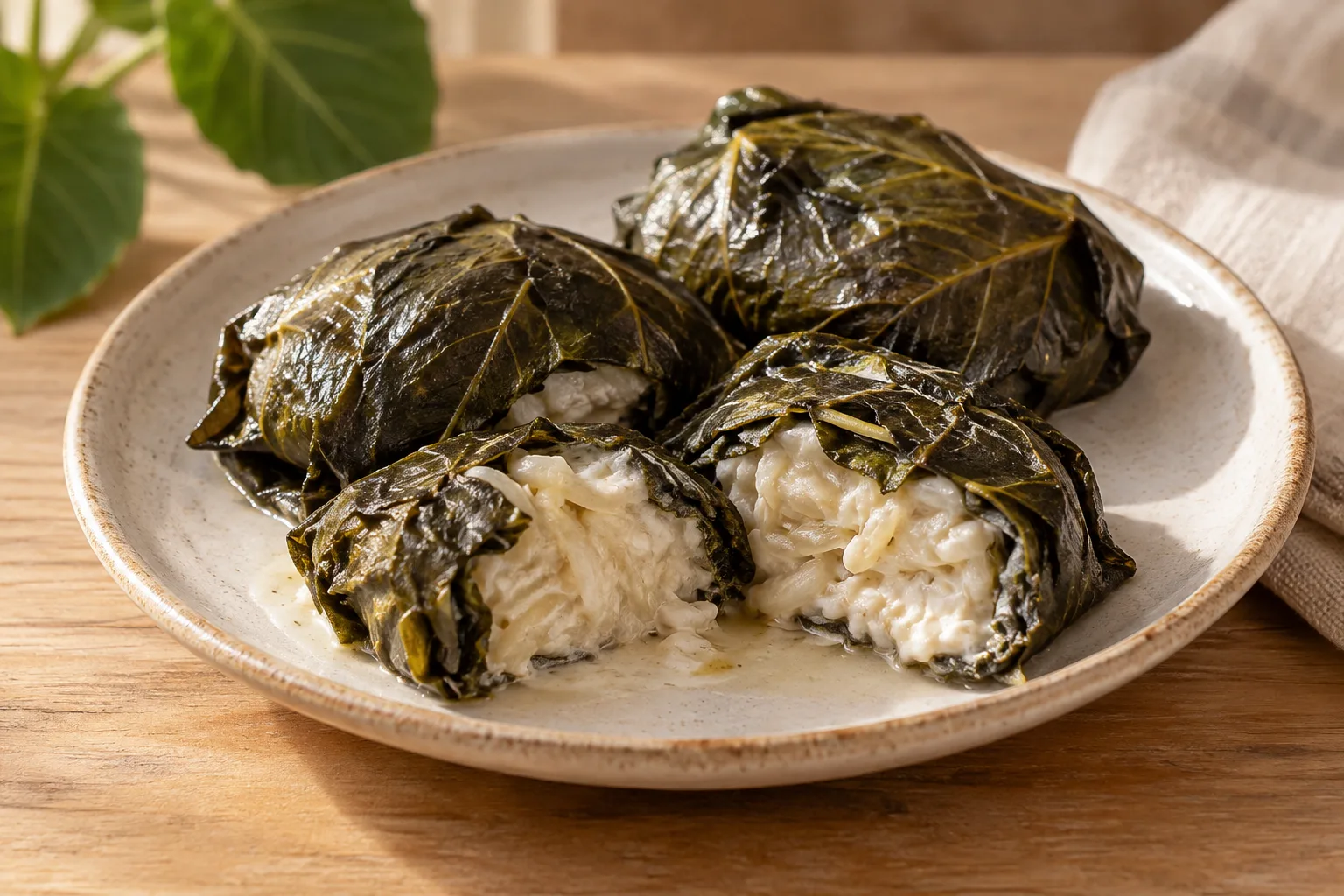
Umu cooking and steaming for taro-leaf bundles.

Scope, method and limitations
Population or sample
Culinary practices in Samoa; no statistical sample of diners.
Geographic scope
Specific culinary examples; partial coverage with no survey period.
Definition and method
Manual reading of institutional documentation about foods and preparations.
Comparison limitations
Partial coverage: no estimates of frequencies, population shares, average quantities or the composition of every meal.
Vegetable preparation
Qualitative descriptionCultural context

Taro leaves cooked in bundles; taro baked with coconut cream.

Scope, method and limitations
Population or sample
Culinary practices in Samoa; no statistical sample of diners.
Geographic scope
Specific culinary examples; partial coverage with no survey period.
Definition and method
Manual reading of institutional documentation about foods and preparations.
Comparison limitations
Partial coverage: no estimates of frequencies, population shares, average quantities or the composition of every meal.
Food preservation
Qualitative descriptionCultural context

Smoking and drying among traditional preservation techniques.

Scope, method and limitations
Population or sample
Culinary practices in Samoa; no statistical sample of diners.
Geographic scope
Historical culinary heritage of Samoa; not a survey of present use.
Definition and method
Manual reading of institutional documentation about foods and preparations.
Comparison limitations
Partial historical coverage: no verified present-day frequency. Cultural description, not home preservation instructions or a safety guarantee.
Fermented foods
Qualitative descriptionCultural context

Masi ulu: fermented breadfruit, a historically documented traditional preparation.

Scope, method and limitations
Population or sample
Culinary practices in Samoa; no statistical sample of diners.
Geographic scope
Historical culinary heritage of Samoa; not a survey of present use.
Definition and method
Manual reading of institutional documentation about foods and preparations.
Comparison limitations
Partial historical coverage: no verified present-day frequency. Cultural description, not home preservation instructions or a safety guarantee.
Kitchen equipment
Qualitative descriptionCultural context

Umu: a traditional oven using volcanic stones heated in a fire.

Scope, method and limitations
Population or sample
Culinary practices in Samoa; no statistical sample of diners.
Geographic scope
Specific culinary examples; partial coverage with no survey period.
Definition and method
Manual reading of institutional documentation about foods and preparations.
Comparison limitations
Partial coverage: identifies traditional equipment, with no household percentages or national appliance inventory.

Drinks

3/3
Drinks — Samoa
IndicatorFindings and context
Everyday drinks
Qualitative descriptionCultural context

Coconut water and fruit smoothies are among the drinks described.

Scope, method and limitations
Population or sample
Culinary practices in Samoa; no statistical sample of diners.
Geographic scope
Specific culinary examples; partial coverage with no survey period.
Definition and method
Manual reading of institutional documentation about foods and preparations.
Comparison limitations
Partial coverage: no estimates of frequencies, population shares, average quantities or the composition of every meal.
Coffee and tea preparation
Qualitative descriptionCultural context

Hot local coffee in institutional catering proposals.

Scope, method and limitations
Population or sample
Culinary practices in Samoa; no statistical sample of diners.
Geographic scope
Institutional workshop catering proposals in 2024; not a national survey.
Definition and method
Manual reading of institutional documentation about foods and preparations.
Comparison limitations
Partial coverage: serving temperature only; extraction method, serving size, milk, sugar and consumption frequency are unspecified.
Drinks with meals
Qualitative descriptionCultural context

Local beer is suggested as an accompaniment to a feast.

Scope, method and limitations
Population or sample
Culinary practices in Samoa; no statistical sample of diners.
Geographic scope
Specific culinary examples; partial coverage with no survey period.
Definition and method
Manual reading of institutional documentation about foods and preparations.
Comparison limitations
Partial coverage: no estimates of frequencies, population shares, average quantities or the composition of every meal.

Nutrition and dietary patterns

3/3
Nutrition and dietary patterns — Samoa
IndicatorFindings and context
Energy and nutrients
Quantitative findingObserved intake

Local sample: protein, 17% of energy; fat, 38%; carbohydrate, 43%.

Scope, method and limitations
Observation period
2021
Unit
% of energy
Population or sample
228 adults from communities and markets on Upolu and Savaii; pregnant and lactating participants excluded from analysis.
Geographic scope
Collected in June 2021; previous-day diet.
Definition and method
Convenience sampling and PAC24 24-hour dietary recall.
Comparison limitations
Partial coverage: estimates from a local one-day dietary recall; not the whole population or clinical recommendations. No conversion of percentages into grams.
Salt and sugars
Quantitative findingObserved intake

Local sample: added sugars supplied 18% of total energy.

Scope, method and limitations
Observation period
2021
Unit
% of energy
Population or sample
228 adults from communities and markets on Upolu and Savaii; pregnant and lactating participants excluded from analysis.
Geographic scope
Collected in June 2021; previous-day diet.
Definition and method
Convenience sampling and PAC24 24-hour dietary recall.
Comparison limitations
Partial coverage: estimates from a local one-day dietary recall; not the whole population or clinical recommendations. No conversion of percentages into grams.
Dietary patterns
Qualitative descriptionSurvey

Statistical patterns: modern, mixed-traditional and mixed-modern.

Scope, method and limitations
Observation period
2010
Population or sample
2774 Samoan adults.
Geographic scope
2010 survey.
Definition and method
Principal component analysis of a food-frequency questionnaire.
Comparison limitations
Statistically derived patterns, not percentages of self-declared vegetarians or vegans. No current national prevalence.

Shopping, prices and waste

7/7
Shopping, prices and waste — Samoa
IndicatorFindings and context
Food expenditure
Quantitative findingPurchases

Food and non-alcoholic beverages: 29% of total household expenditure.

Scope, method and limitations
Observation period
2023
Unit
%
Population or sample
Samoan households covered by HIES; national per-person estimate.
Geographic scope
2023 household data; edible quantities available for consumption.
Definition and method
Household income and expenditure survey; monetary and imputed values grouped by COICOP division.
Comparison limitations
Food and non-alcoholic beverage division; not all restaurant spending. No conversion to monthly per-person expenditure.
Cost of a common basket
Quantitative findingPurchases

Modelled minimum basket: USD 3.23 daily per adult male equivalent, at 2013 prices.

Scope, method and limitations
Observation period
2013
Unit
USD/adult male equivalent/day
Population or sample
Adult male equivalent in the model.
Geographic scope
Model at 2013 prices.
Definition and method
Cost optimisation of a basket with nutrient constraints and quantities defined in the report table.
Comparison limitations
Historical model, not a current price or observed expenditure. Not a recommended practical diet or identical international basket.
Cost of specific meals
Quantitative findingPurchases

Menu example: Natia Cafe poke, WST 35.00 per order.

Scope, method and limitations
Observation period
2026 (menu observation, 31 October)
Unit
WST/order
Population or sample
One Natia Cafe menu product.
Geographic scope
Menu observed on 31 October 2026.
Definition and method
Public per-order price; HTTP response date retained as observation date.
Comparison limitations
One establishment example; no defined weight or national mean price. Delivery charges and menu update date are unconfirmed.
Grocery shopping locations
Qualitative descriptionCultural context

Examples: Apia Fish Market, Fugalei and Salelologa markets; roadside stalls.

Scope, method and limitations
Population or sample
228 adults from communities and markets on Upolu and Savaii; pregnant and lactating participants excluded from analysis.
Geographic scope
Collected in June 2021; previous-day diet.
Definition and method
Convenience sampling and PAC24 24-hour dietary recall.
Comparison limitations
Limited historical or local coverage; no current whole-country prevalence estimates or guaranteed comparability across settings.
Shopping frequency
Qualitative descriptionSurvey

One account describes buying for the whole week when money becomes available.

Scope, method and limitations
Population or sample
One mother participating in Upolu focus groups.
Geographic scope
Qualitative case, no national frequency estimate.
Definition and method
Manual reading of institutional documentation about foods and preparations.
Comparison limitations
Limited historical or local coverage; no current whole-country prevalence estimates or guaranteed comparability across settings.
Prepared food and delivery
Qualitative descriptionCultural context

Delivery offering: Natia Cafe poke and sushi rolls.

Scope, method and limitations
Population or sample
Culinary practices in Samoa; no statistical sample of diners.
Geographic scope
Specific culinary examples; partial coverage with no survey period.
Definition and method
Manual reading of institutional documentation about foods and preparations.
Comparison limitations
Partial coverage: no estimates of frequencies, population shares, average quantities or the composition of every meal.
Household food waste
Qualitative descriptionCultural context

On Upolu, separating taro and banana peelings for animal feed is documented.

Scope, method and limitations
Population or sample
Culinary practices in Samoa; no statistical sample of diners.
Geographic scope
Historical observations on Upolu.
Definition and method
Manual reading of institutional documentation about foods and preparations.
Comparison limitations
Describes scrap management, not household kilograms or waste causes; not health advice.

Seasons and celebrations

2/2
Seasons and celebrations — Samoa
IndicatorFindings and context
Seasonal produce
Qualitative descriptionCultural context

Palolo is harvested in October or November during its seasonal emergence.

Scope, method and limitations
Population or sample
Culinary practices in Samoa; no statistical sample.
Geographic scope
Partial cultural description; no statistical observation period.
Definition and method
Manual reading of institutional tourism documentation; description of specific examples.
Comparison limitations
Partial coverage: no consumption quantities, frequencies or recipe proportions. This is neither a survey nor an exhaustive calendar.
Celebration food
Qualitative descriptionCultural context

The annual Teuila Festival includes demonstrations of cooking in an umu earth oven.

Scope, method and limitations
Population or sample
Culinary practices in Samoa; no statistical sample.
Geographic scope
Partial cultural description; no statistical observation period.
Definition and method
Manual reading of institutional tourism documentation; description of specific examples.
Comparison limitations
Partial coverage: no consumption quantities, frequencies or recipe proportions. This is neither a survey nor an exhaustive calendar.
Explore its cuisines

Samoa: Coconut, Taro, Seafood, and the Shared Meal

Documentary synthesis prepared with AI assistance. It does not replace specialist review or certify kitchen testing. · Updated 2 November 2026

An island setting, a generous table

Samoa occupies the western part of the Samoan Islands in the South Pacific. Upolu and Savaiʻi are its largest islands; Manono and Apolima are among its inhabited smaller islands. This geography makes the sea an everyday presence in food culture, while island-grown staples and tropical produce give meals a strong connection to land as well as water. The country’s islands are volcanic, and reefs border parts of the archipelago. These are not just scenic details: the setting helps explain the prominence of fish, coconut, and cultivated crops in Samoan cooking.

Food is also a way of gathering. Meals may bring extended family and community together, and large celebrations are associated with substantial feasts rather than a single dish. A culinary portrait of Samoa therefore needs to hold several things in view at once: ingredients, preparation, place, and the people who share the work and meal. No one plate represents every household or island. The dishes discussed here are documented across Samoan food culture, not assigned to a particular island unless that connection is clearly established.

Movement, exchange, and changing kitchens

Samoan foodways have developed through long-standing relationships between people, cultivated foods, and the surrounding sea. European contact and colonial rule later added new conditions and ingredients to that history. Samoa became independent in 1962, and in 1997 the country adopted the name Samoa after having been known internationally as Western Samoa. These political changes are part of the wider context in which food, identity, and exchange continue to be understood.

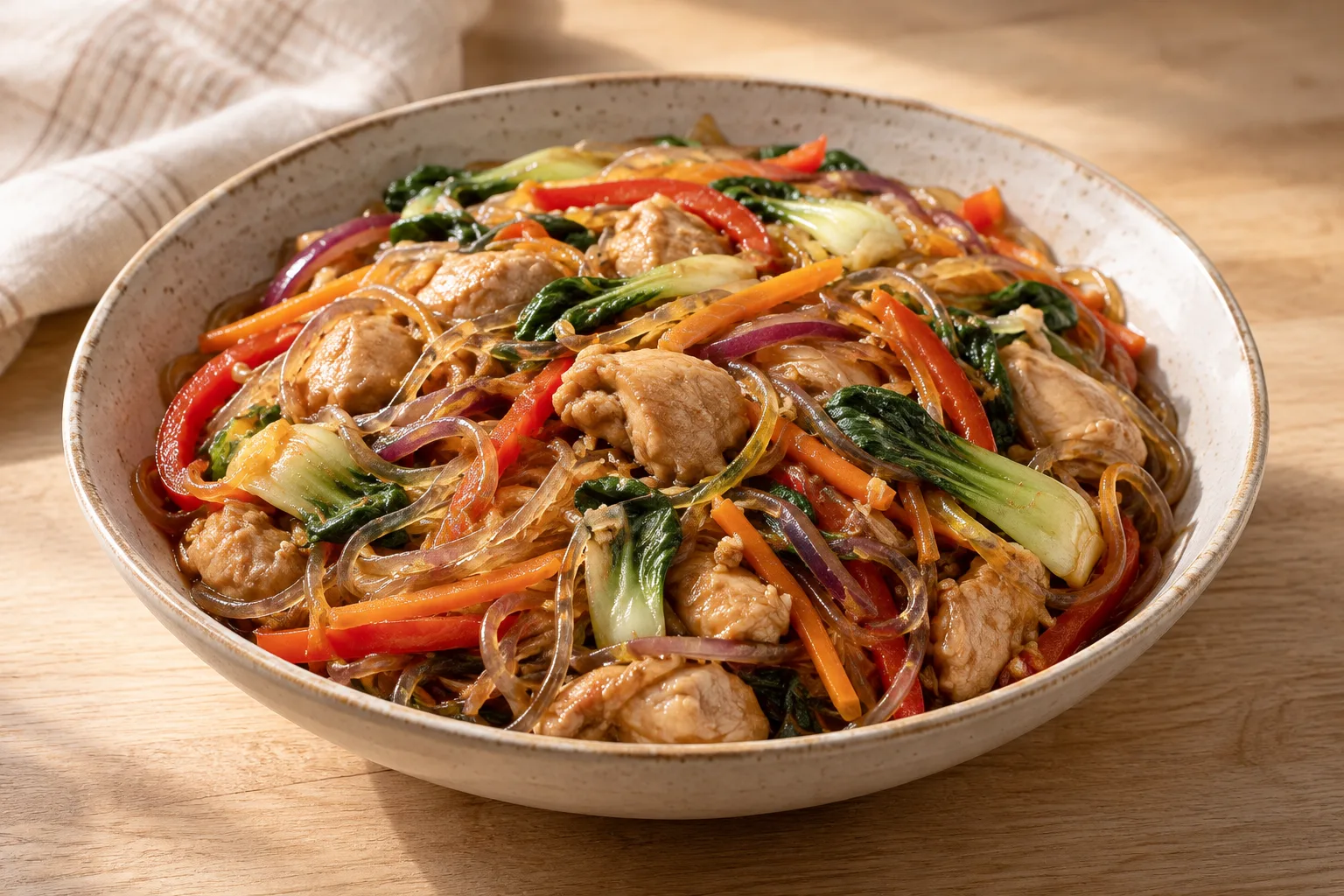
Sapasui is a clear example of culinary exchange and local adaptation. Its name reflects chop suey, and accounts connect the dish with Chinese influence in Samoa. It is now described as a Samoan noodle dish, commonly combining glass or other noodles with meat, vegetables, and soy-seasoned sauce. Recipes vary, and accounts do not establish one definitive route or date for its arrival; it is more accurate to describe the dish as a local adaptation than to claim a single origin story. Cooking methods have also changed with available equipment. An umu remains a distinctive traditional method, while some dishes are now made in ovens or on stovetops. Adaptation and continuity coexist rather than cancelling each other out.

Island staples and useful transformations

The pantry draws on crops and foods that appear repeatedly in accounts of Samoan meals: taro, breadfruit, bananas, coconut, fish, and other seafood. Chicken and pork are also eaten, especially in meals prepared for gatherings. Taro and breadfruit provide substantial starchy foundations; bananas may be served cooked or used in sweet preparations. Fish is sold fresh at markets as well as caught for household meals. Coconut is exceptionally versatile: its flesh, cream, and milk appear in both savory food and desserts.

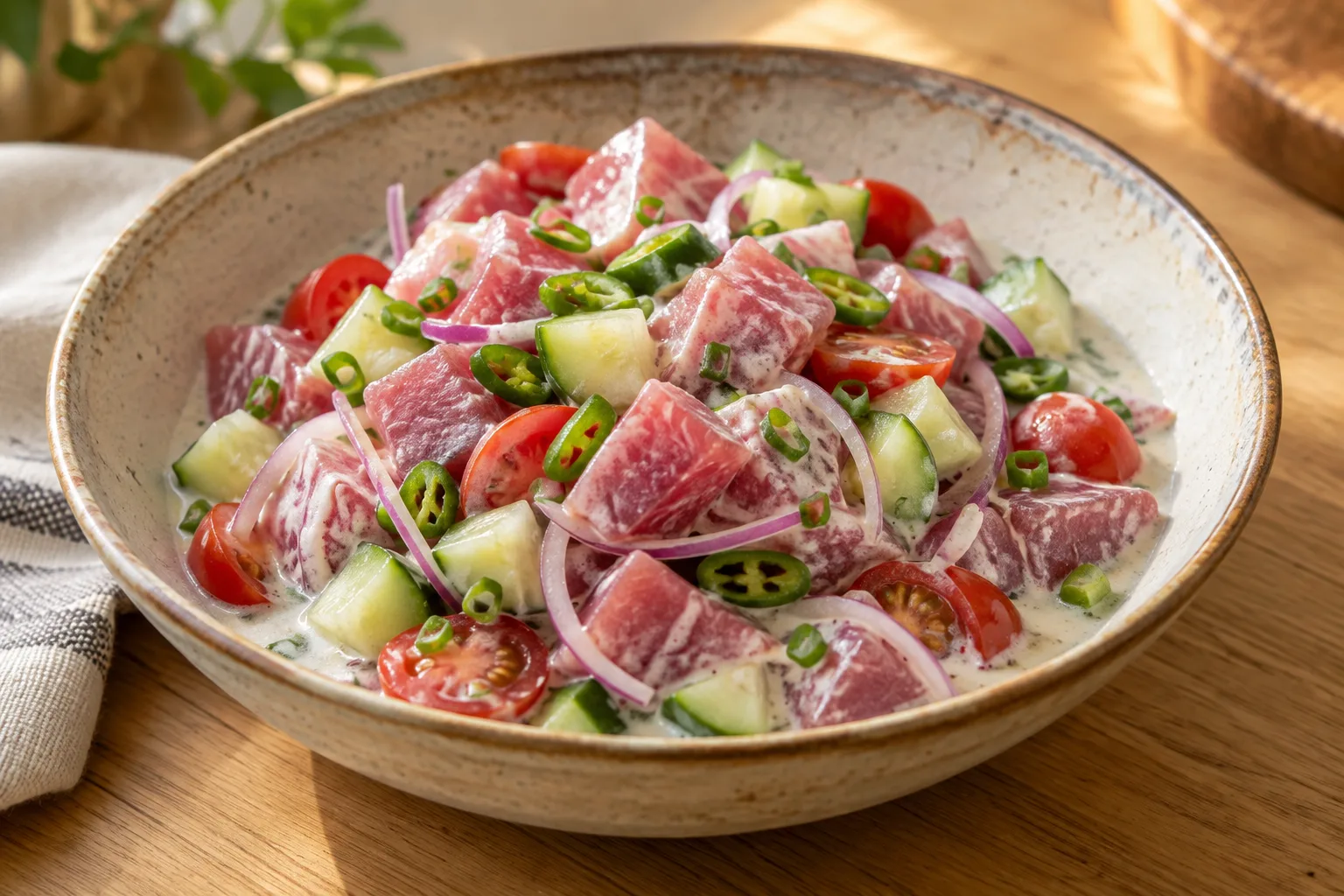
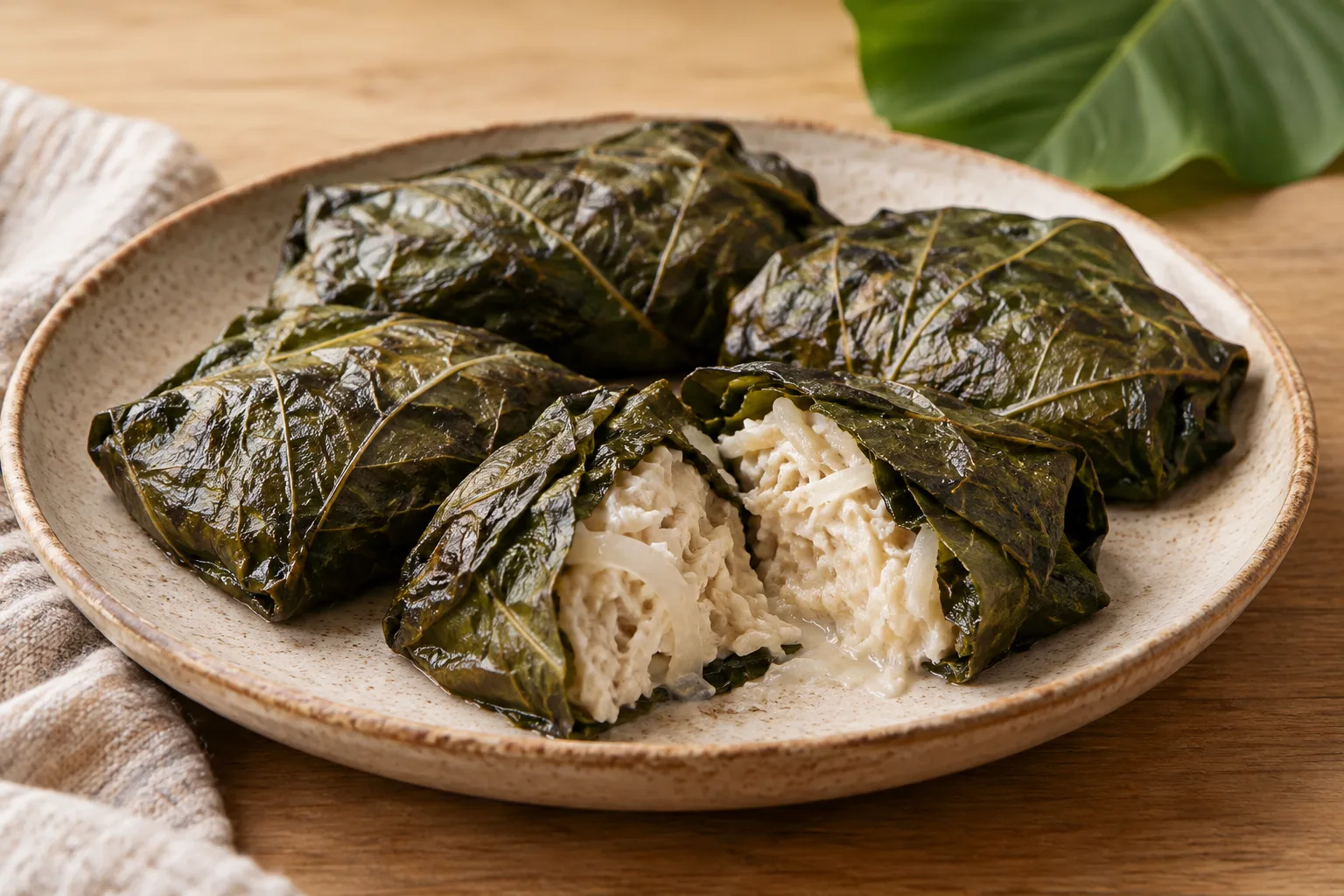
The transformation of an ingredient matters as much as its name. Coconut cream can be extracted from grated flesh, then used to enrich leaf parcels or sauces. In palusami, young taro leaves enclose coconut cream, often with onion and, in some versions, meat or fish. Fa’alifu is a different preparation: cooked taro or breadfruit served with coconut cream. For oka i’a, fresh fish is cut into pieces and combined with coconut cream, citrus, and other ingredients such as onion or tomato. These are related through their use of island foods, but they are not interchangeable dishes. Markets in Apia offer a view of fresh produce and seafood alongside prepared foods; availability changes with what is brought in and sold.

Creamy, fresh, smoky, and sweet

A useful way to think about Samoan flavor is through contrasts rather than a single signature seasoning. Coconut cream brings richness and moisture; taro and breadfruit have a more substantial, starchy character; fresh fish and citrus make a brighter combination. In oka i’a, citrus changes the appearance and texture of the fish, while coconut cream softens the sharpness. The citrus does not cook fish in the same way as heat, so the dish should not be treated as cooked or made safe by marinating alone. Raw-fish preparation requires reliable handling and a suitable fish source.

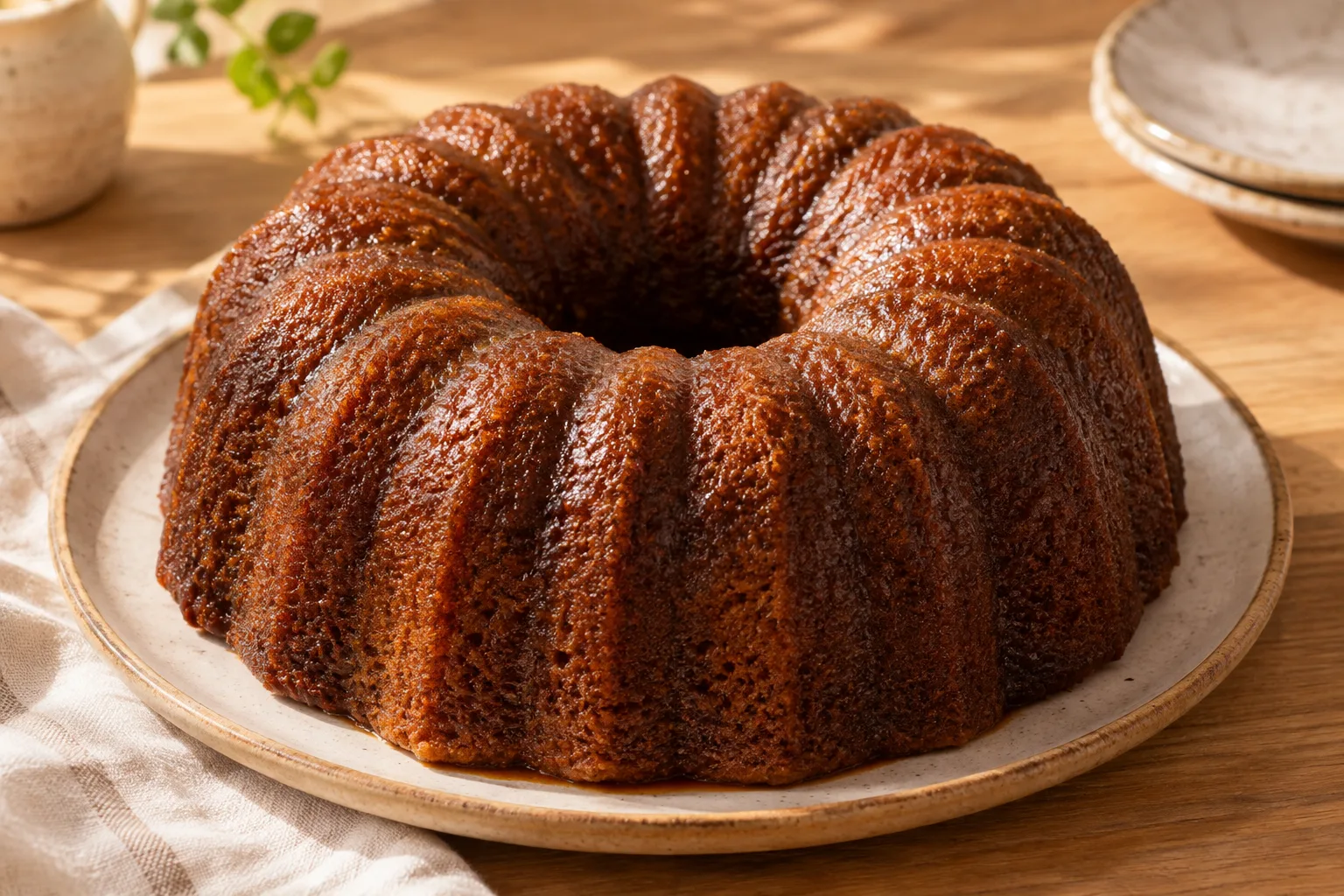
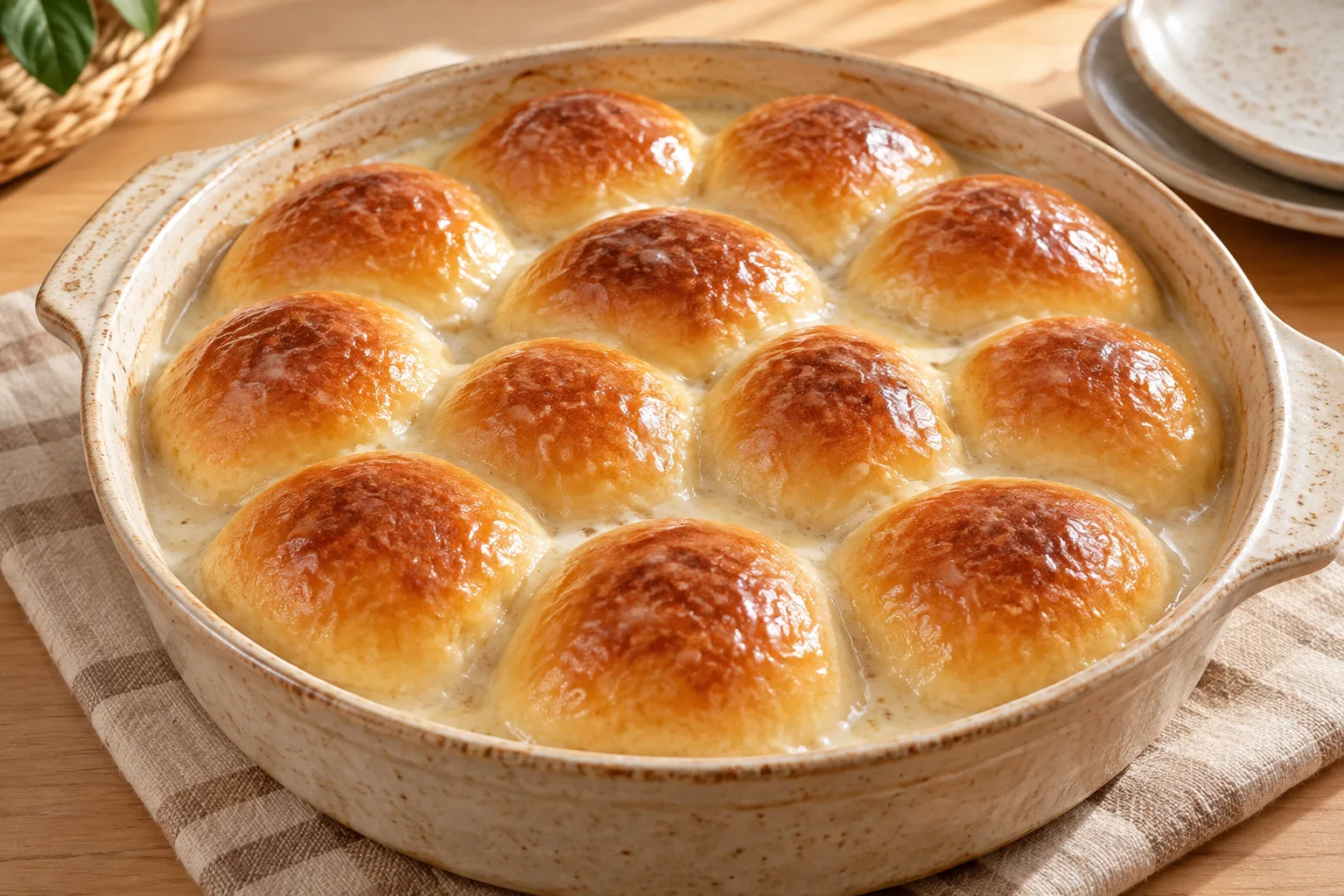
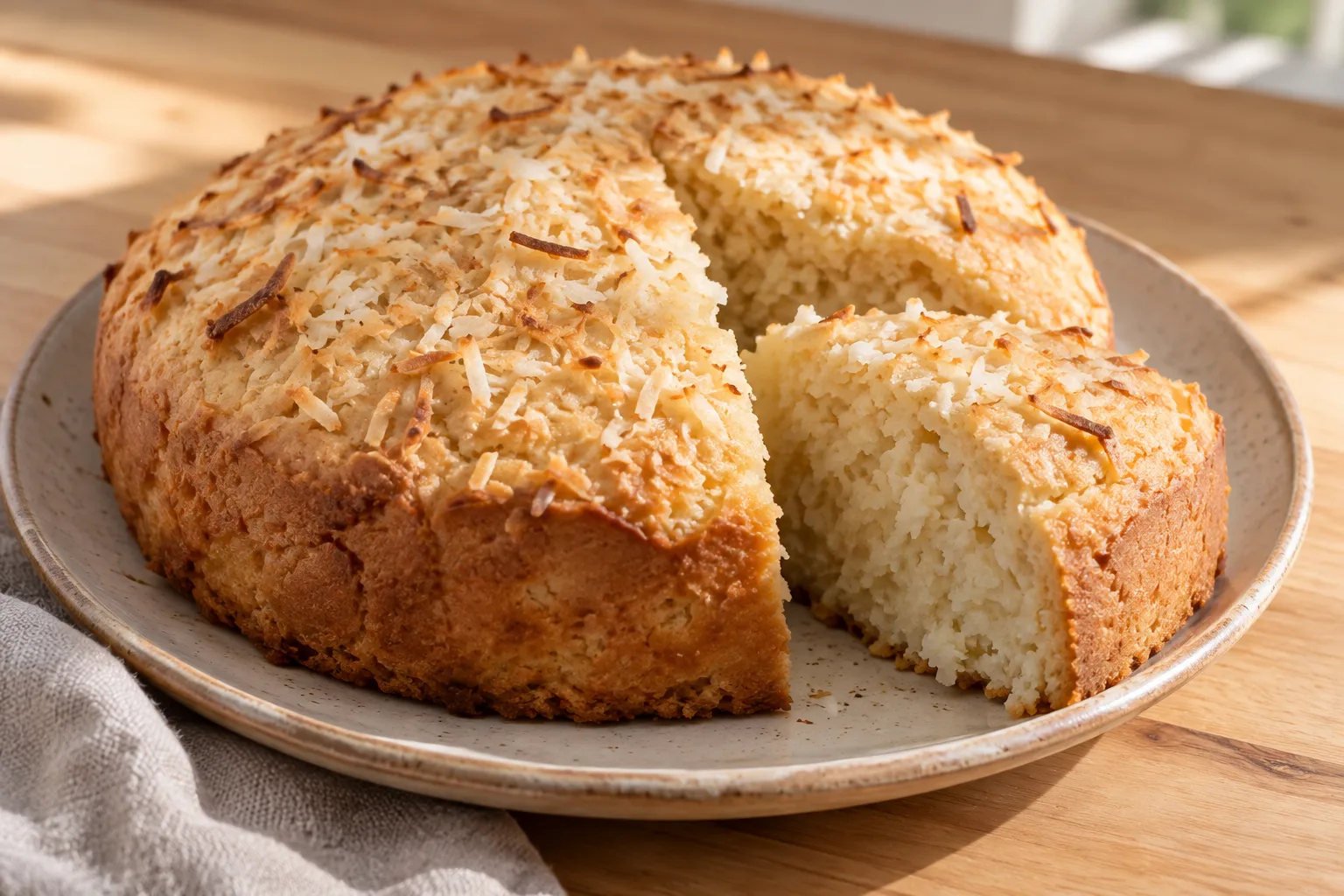
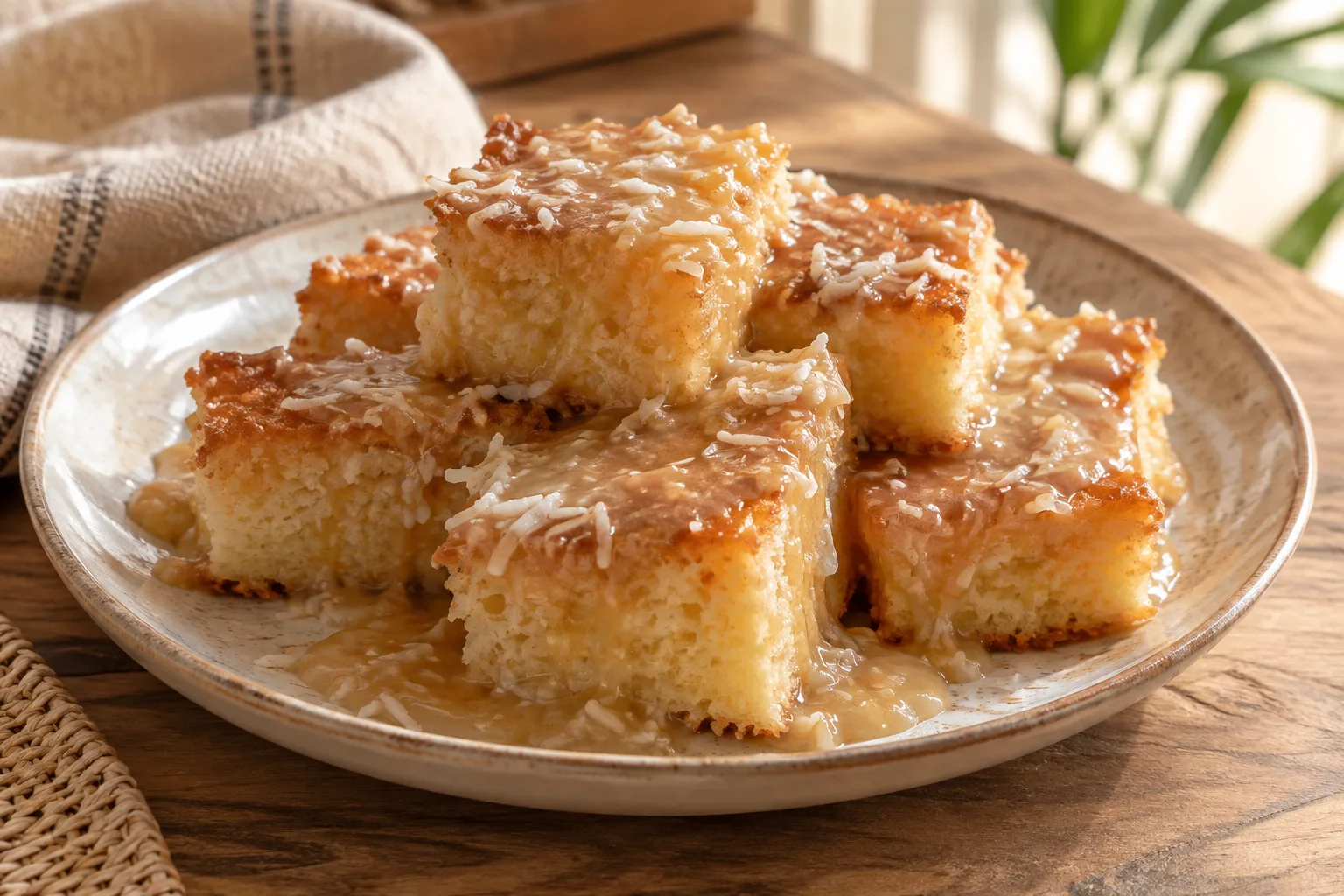
Cooking in an umu can lend food a smoky quality, while wrapping ingredients in leaves helps enclose them during cooking. Sweet preparations offer another set of textures. Fa’apapa is a dense coconut bread in documented versions; fa’ausi may pair bread with coconut caramel, and panipopo consists of soft buns baked with sweet coconut sauce. Puligi, a steamed pudding, is moist and substantial, with recipes that may include spices and caramelized sugar. Coconut recurs across these dishes, yet each uses it differently: as a creamy filling, a baking liquid, a sauce, or a sweet coating.

Feasts, family, and passing food on

Food has a prominent place in Samoan celebrations and shared family life. A to’ona’i is a traditional Sunday meal, often shared after church; a fa’alavelave is a major family or village event, such as a wedding, funeral, or christening. These occasions can involve many dishes and considerable preparation. Food is not simply an accompaniment to gathering: cooking and serving help bring people together. The size and composition of a meal will depend on the occasion and the people preparing it, so no fixed menu should be assumed for every family or event.

The umu is associated with cooking for families and gatherings, and preparing it involves more than placing food over heat. Food is arranged, covered, and cooked through coordinated work. Skills and preferences are also transmitted in household practice: the seasoning of a noodle dish, the balance of coconut in a sweet, or the choice of ingredients for a leaf parcel can vary. The result is a living tradition with shared reference points and family differences, not one unchanging recipe. Markets, church and community events, and meals at home provide different settings for food to circulate. These settings connect preparation with hospitality while leaving room for contemporary ingredients, equipment, and individual tastes.

The umu and other ways of cooking

An umu is an oven built around heated stones. Food is set on the hot stones, often wrapped in banana leaves or coconut fronds, then covered with leaves to hold heat and steam. The cooking can include taro, breadfruit, fish, pork, chicken, and vegetables. An umu demands planning: the stones must be heated, foods arranged, and the oven covered before the meal can cook. This is why the method is also a form of collective work. Sources describe it as an above-ground arrangement of hot stones; it should not automatically be described as an underground pit.

Other techniques produce quite different results. Palusami is formed by folding leaves around coconut cream and cooking the parcel until tender. Oka i’a combines raw fish with citrus and coconut cream rather than applying heat. Sapasui brings noodles, meat, and vegetables together in a pan or pot. Sweet breads may be baked, while puligi is a steamed pudding. Modern ovens and stovetop steaming can make some preparations at home, but an adaptation should not be presented as identical to cooking in an umu. In every case, the method shapes the dish’s texture and the way ingredients come together.

Everyday food and occasions to share

A Samoan table may combine filling staples with fish, meat, vegetables, and coconut-rich preparations. Taro, breadfruit, and bananas can anchor a meal, while seafood offers a connection to daily fishing and island waters. Dishes need not all be cooked by the same method: boiled or umu-cooked staples, leaf parcels, fresh fish salad, and noodle dishes can sit within a broader spread. The particular combination depends on the household and occasion, rather than following one mandatory sequence.

Markets offer a public glimpse of this range. In Apia, the fish market and other markets bring seafood, fruit, cocoa, and prepared foods into view; Salelologa is also documented as a place where local food can be found. These settings show buying and selling as part of the food landscape, not just the final act of cooking. At larger family or community gatherings, food is prepared and served in quantity, and to’ona’i gives a specific example of a shared Sunday meal. Some meals are also presented at cultural nights for visitors, but these are only one setting among many. The everyday household table and the ceremonial feast are both part of Samoan food life, and neither should be mistaken for the whole of it.

A short glossary of Samoan foods and practices

These terms name particular foods or practices, not a complete inventory of Samoan cooking. Spellings and recipes may differ across households and published versions.

  • Umu: A cooking arrangement using heated stones. Food is placed on or among the stones, wrapped or covered with leaves, and cooked under the retained heat.
  • Palusami: A dish made with taro leaves and coconut cream, folded into a parcel and cooked. Some versions add fish or meat.
  • Oka i’a: A fresh fish preparation combining cut fish with citrus and coconut cream, often with ingredients such as onion or tomato. Citrus does not make raw fish equivalent to heat-cooked fish.
  • Sapasui: A Samoan adaptation of chop suey, often made with noodles, meat, vegetables, and soy-seasoned sauce. Ingredients and noodle types vary.
  • Fa’apapa: A dense coconut bread described in Samoan recipe traditions; ingredients and cooking methods differ among versions.
  • Fa’ausi: A sweet preparation that can pair fa’apapa with coconut caramel. The name is also used for other coconut-rich preparations, so the specific version matters.
  • Panipopo: Soft buns baked with sweet coconut sauce, which gathers around and coats the bread.
  • To’ona’i: A traditional Sunday meal shared by family, often after church.

One country, many cuisines

Manono

Manono is one of Samoa’s inhabited islands, alongside Upolu, Savaiʻi, and Apolima. The available evidence places it within the country’s island food setting but does not establish a distinctive Manono dish or cooking method. Its food culture is best approached through the wider Samoan context of shared meals and community life, without assigning general practices to Manono alone.

Savaiʻi

Savaiʻi is one of Samoa’s two largest islands. Salelologa offers a documented point of contact with local food: a stall there serves Samoan dishes, and markets provide a setting for encountering foods sold and prepared on the island. This evidence supports a market-based description, but not a claim that particular recipes or ingredients are unique to Savaiʻi.

Upolu and Apia

Upolu is one of Samoa’s largest islands, and Apia is its capital. Apia’s fish market gives a view of seafood sold for local meals, while the city’s markets bring together tropical fruit, cocoa, and prepared foods. These market settings connect the capital with everyday buying and eating; they are an entry point to Upolu’s food life, not a summary of the whole island.

Cook

Pantry and recipes

Most consumed ingredients. Apparent edible availability: coconut, 200 g per person per day; rice, 95 g.

Samoan households covered by HIES; national per-person estimate. 2023 household data; edible quantities available for consumption. Seven-day household food recall and edible-quantity estimation; report read and visually checked. Partial coverage: apparent availability, not individual intake or a complete food ranking. No annual conversion. Method changes limit comparisons with other surveys.

Fats, flavours and condiments

Cooking fats. Coconut cream for cooking palusami.

Herbs and spices. Chilli seasons oka.

Sauces and condiments. Oka: coconut cream, lemon and onion.

Partial cultural description; no statistical observation period. Partial coverage: no consumption quantities, frequencies or recipe proportions. This is neither a survey nor an exhaustive calendar.

Seasons and celebrations

Seasonal produce. Palolo is harvested in October or November during its seasonal emergence.

Celebration food. The annual Teuila Festival includes demonstrations of cooking in an umu earth oven.

Partial cultural description; no statistical observation period. Partial coverage: no consumption quantities, frequencies or recipe proportions. This is neither a survey nor an exhaustive calendar.

Meal composition

Breakfast composition. Breakfast: papaya, pineapple, bananas and coconut water.

Main meal composition. Umu meals can include pork, chicken, seafood and taro.

Appetisers and snacks. Taro chips are a snack example.

Desserts and sweets. Pani popo: sweet coconut buns.

Specific culinary examples; partial coverage with no survey period. Partial coverage: no estimates of frequencies, population shares, average quantities or the composition of every meal.

Dinner composition. One dinner example is taro baked with coconut cream.

Culinary practices in Samoa; no statistical sample of diners. Specific culinary examples; partial coverage with no survey period. Manual reading of institutional documentation about foods and preparations. Partial coverage: no estimates of frequencies, population shares, average quantities or the composition of every meal.

Portion sizes. Faalifu talo: one photographic reference portion weighs 101 g; this is not a national average serving.

Observation period: 2024 (manual reference edition; weighing date not specified). Taro cooked in coconut milk prepared for a reference photograph. Manual published in 2024; weighing date unspecified. Reference portion, not observed intake. Weight of the reference preparation in table FR2, visually verified; photographic instrument for estimating quantities. Not a recommendation, consumption average or most frequent serving size. It cannot directly compare national servings of different recipes.

Drinks

Everyday drinks. Coconut water and fruit smoothies are among the drinks described.

Drinks with meals. Local beer is suggested as an accompaniment to a feast.

Specific culinary examples; partial coverage with no survey period. Partial coverage: no estimates of frequencies, population shares, average quantities or the composition of every meal.

Coffee and tea preparation. Hot local coffee in institutional catering proposals.

Institutional workshop catering proposals in 2024; not a national survey. Partial coverage: serving temperature only; extraction method, serving size, milk, sugar and consumption frequency are unspecified.

Techniques and equipment

Cooking techniques. Umu cooking and steaming for taro-leaf bundles.

Specific culinary examples; partial coverage with no survey period. Partial coverage: no estimates of frequencies, population shares, average quantities or the composition of every meal.

Vegetable preparation. Taro leaves cooked in bundles; taro baked with coconut cream.

Culinary practices in Samoa; no statistical sample of diners. Specific culinary examples; partial coverage with no survey period. Manual reading of institutional documentation about foods and preparations. Partial coverage: no estimates of frequencies, population shares, average quantities or the composition of every meal.

Food preservation. Smoking and drying among traditional preservation techniques.

Fermented foods. Masi ulu: fermented breadfruit, a historically documented traditional preparation.

Historical culinary heritage of Samoa; not a survey of present use. Partial historical coverage: no verified present-day frequency. Cultural description, not home preservation instructions or a safety guarantee.

Kitchen equipment. Umu: a traditional oven using volcanic stones heated in a fire.

Specific culinary examples; partial coverage with no survey period. Partial coverage: identifies traditional equipment, with no household percentages or national appliance inventory.

Timing and company

Meal times. Sunday family lunch, toanai, follows the morning church service.

Eating at home and away. Eating-out options include Apia cafés and restaurants and resort dining on Upolu and Savaii.

Eating together. Sunday toanai is a family gathering over lunch.

Specific culinary examples; partial coverage with no survey period. Partial coverage: no estimates of frequencies, population shares, average quantities or the composition of every meal.

Meals per day. Local sample: 92% ate three meals and 30% consumed snacks.

228 adults from communities and markets on Upolu and Savaii; pregnant and lactating participants excluded from analysis. Collected in June 2021; previous-day diet. Convenience sampling and PAC24 24-hour dietary recall. Partial coverage: local sample not representative of the country; one day does not establish permanent habits or separate attendance at each meal.

Meal duration. Pilot, women: eating occupied 8% of Wednesday activities.

Weekdays and weekends. Pilot, women: meal preparation, 6% on Saturday and 10% on Sunday.

Cooking frequency. Pilot, women: meal preparation occupied 7% of Wednesday activities.

Subgroup of 29 women in a pilot study with 57 informants on Upolu and Savaii. 2022 pilot; specified days and activities. Sample selected in relation to a small-business programme. Hourly activity diaries; average percentages of activities across the day. Charts visually checked. Partial coverage, not nationally representative. Not exact minutes per breakfast, lunch or dinner, or weekly cooking days. No conversion from hourly records.

Cereals and plant foods

Cereals and cereal products. Rice: apparent edible availability of 95 g per person per day.

Samoan households covered by HIES; national per-person estimate. 2023 household data; edible quantities available for consumption. Seven-day household food recall and edible-quantity estimation; report read and visually checked. Partial coverage: apparent availability, not individual intake or a complete food ranking. No annual conversion. Method changes limit comparisons with other surveys.

Bread. Pani popo: sweet coconut buns, an example of local bread.

Potatoes, roots and tubers. Taro: a preparation baked with coconut cream.

Specific culinary examples; partial coverage with no survey period. Partial coverage: no estimates of frequencies, population shares, average quantities or the composition of every meal.

Pulses. Mothers in the study group: 32.9% ate legume-based foods the previous day.

Mothers aged 15–49 with a child under three living with them; table covering 813 women. Samoa, 2009; day and night preceding the interview. Demographic and health survey; published percentage in table 11.7 Total row, legume-food column, visually verified. Partial historical coverage of this group of mothers; not the whole population. Presence on one day, not grams, species or usual annual intake.

Vegetables. Vegetables: reported mean of 1.3 servings per person per day.

Fruit. Fruit: reported mean of 0.8 servings per person per day.

Samoan adults aged 18–64; survey with 1766 participants. April–May 2013 survey; both-sex mean referring to a typical week. Population-based multistage cluster survey; interview-reported intake. Both-sex column visually verified. Historical adult data, not children or the current population. Survey servings are not converted into grams or annual quantities; no variety breakdown.

Protein foods

Meat. Meat: apparent edible availability of 130 g per person per day.

Fish and seafood. Fish: apparent edible availability of 65 g per person per day.

Samoan households covered by HIES; national per-person estimate. 2023 household data; edible quantities available for consumption. Seven-day household food recall and edible-quantity estimation; report read and visually checked. Partial coverage: apparent availability, not individual intake or a complete food ranking. No annual conversion. Method changes limit comparisons with other surveys.

Eggs. Palolo can be prepared fried with egg.

Specific culinary examples; partial coverage with no survey period. Partial coverage: no estimates of frequencies, population shares, average quantities or the composition of every meal.

Milk and dairy products. Mothers in the study group: 21.8% drank milk and 22.9% ate cheese or yogurt the previous day.

Mothers aged 15–49 with a child under three living with them; table covering 813 women. Samoa, 2009; day and night preceding the interview. Demographic and health survey; published percentage in table 11.7 Total row, milk and cheese/yogurt columns, visually verified. Partial historical coverage of this group of mothers; not the whole population. Presence on one day, not grams, species or usual annual intake.

Nutrition and dietary patterns

Energy and nutrients. Local sample: protein, 17% of energy; fat, 38%; carbohydrate, 43%.

Salt and sugars. Local sample: added sugars supplied 18% of total energy.

228 adults from communities and markets on Upolu and Savaii; pregnant and lactating participants excluded from analysis. Collected in June 2021; previous-day diet. Convenience sampling and PAC24 24-hour dietary recall. Partial coverage: estimates from a local one-day dietary recall; not the whole population or clinical recommendations. No conversion of percentages into grams.

Dietary patterns. Statistical patterns: modern, mixed-traditional and mixed-modern.

2010 survey. Statistically derived patterns, not percentages of self-declared vegetarians or vegans. No current national prevalence.

Shopping, prices and waste

Food expenditure. Food and non-alcoholic beverages: 29% of total household expenditure.

Samoan households covered by HIES; national per-person estimate. 2023 household data; edible quantities available for consumption. Household income and expenditure survey; monetary and imputed values grouped by COICOP division. Food and non-alcoholic beverage division; not all restaurant spending. No conversion to monthly per-person expenditure.

Cost of a common basket. Modelled minimum basket: USD 3.23 daily per adult male equivalent, at 2013 prices.

Adult male equivalent in the model. Model at 2013 prices. Cost optimisation of a basket with nutrient constraints and quantities defined in the report table. Historical model, not a current price or observed expenditure. Not a recommended practical diet or identical international basket.

Cost of specific meals. Menu example: Natia Cafe poke, WST 35.00 per order.

Observation period: 2026 (menu observation, 31 October). One Natia Cafe menu product. Menu observed on 31 October 2026. Public per-order price; HTTP response date retained as observation date. One establishment example; no defined weight or national mean price. Delivery charges and menu update date are unconfirmed.

Grocery shopping locations. Examples: Apia Fish Market, Fugalei and Salelologa markets; roadside stalls.

Collected in June 2021; previous-day diet. Limited historical or local coverage; no current whole-country prevalence estimates or guaranteed comparability across settings.

Shopping frequency. One account describes buying for the whole week when money becomes available.

Qualitative case, no national frequency estimate. Limited historical or local coverage; no current whole-country prevalence estimates or guaranteed comparability across settings.

Prepared food and delivery. Delivery offering: Natia Cafe poke and sushi rolls.

Specific culinary examples; partial coverage with no survey period. Partial coverage: no estimates of frequencies, population shares, average quantities or the composition of every meal.

Household food waste. On Upolu, separating taro and banana peelings for animal feed is documented.

Historical observations on Upolu. Describes scrap management, not household kilograms or waste causes; not health advice.
Read as an article ↗
Places and communities

One country, many cuisines

An initial selection of regions to explore. Culinary boundaries may differ from administrative divisions.

Samoa

Manono

Manono is one of Samoa’s inhabited islands, alongside Upolu, Savaiʻi, and Apolima. The available evidence places it within the country’s island food setting but does not establish a distinctive Manono dish or cooking method. Its food culture is best approached through the wider Samoan context of shared meals and community life, without assigning general practices to Manono alone.

Samoa

Savaiʻi

Savaiʻi is one of Samoa’s two largest islands. Salelologa offers a documented point of contact with local food: a stall there serves Samoan dishes, and markets provide a setting for encountering foods sold and prepared on the island. This evidence supports a market-based description, but not a claim that particular recipes or ingredients are unique to Savaiʻi.

Samoa

Upolu and Apia

Upolu is one of Samoa’s largest islands, and Apia is its capital. Apia’s fish market gives a view of seafood sold for local meals, while the city’s markets bring together tropical fruit, cocoa, and prepared foods. These market settings connect the capital with everyday buying and eating; they are an entry point to Upolu’s food life, not a summary of the whole island.

Cook

Recipes connected with Samoa

Each recipe documents one version. Geographic associations do not imply an exclusive origin.

Samoan Chicken Sapasui
Image generated by the Kitchenpause team
45 minEasy

Samoan Chicken Sapasui

Glass noodles with chicken, vegetables, ginger, and soy sauce, stir-fried and served saucy. Serves 6.

View recipe
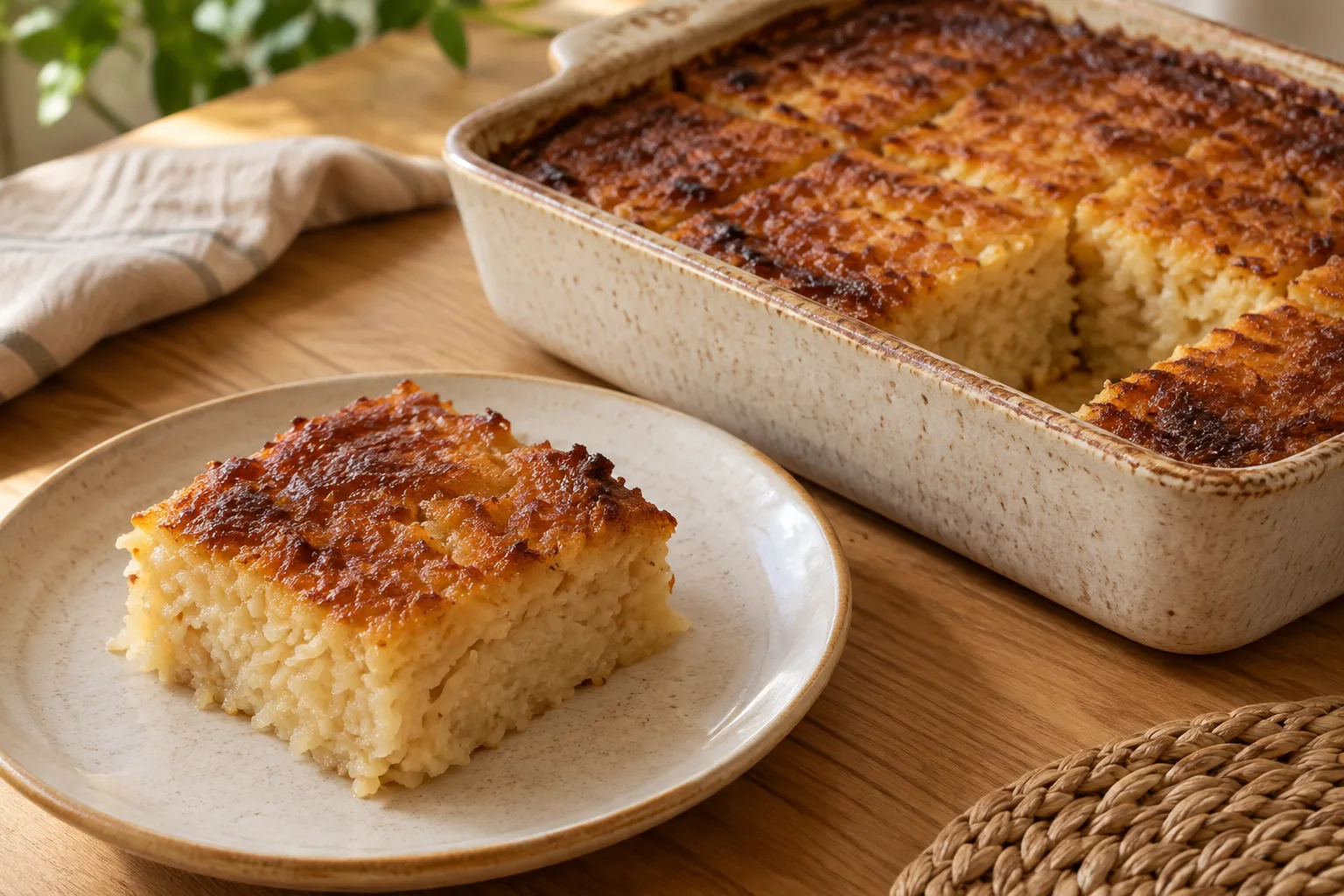
Samoan fa'ausi with cassava
Image generated by the Kitchenpause team
105 minIntermediate

Samoan fa'ausi with cassava

A Samoan version of fa'ausi made with grated cassava, coconut cream, brown sugar, and salt. Makes 8 to 12 portions; baking takes 65 to 75 minutes.

View recipe
Samoan Spiced Puligi
Image generated by the Kitchenpause team
90 minIntermediate

Samoan Spiced Puligi

A spiced Samoan pudding, darkened with caramelized sugar and baked in a Bundt pan.

View recipe
Samoan panipopo
Image generated by the Kitchenpause team
142 minIntermediate

Samoan panipopo

Twelve soft yeast rolls baked with a sweet coconut-milk sauce.

View recipe
Samoan Fa’apapa (Coconut Bread)
Image generated by the Kitchenpause team
45 minEasy

Samoan Fa’apapa (Coconut Bread)

Samoan coconut bread made with flour, sugar, unsweetened coconut flakes, and coconut milk. This version is wrapped in baking paper and baked.

View recipe
Samoan Oka i’a
Image generated by the Kitchenpause team
10 minIntermediate

Samoan Oka i’a

Samoan raw fish salad with lime, coconut milk, cucumber, tomato, and onion. Serves 4.

View recipe

Sources consulted

Read the sources and each document’s scope. A heritage inscription concerns a particular practice, not all of a country’s cuisine.

  1. Samoa food consumption pattern: HIES 2023 www.sbs.gov.ws/documents/economics/hies2023/Samoa_Food_Security_Profile.pdf Samoa Bureau of Statistics / Pacific Community Consulted: October 31, 2026
  2. Samoan food and cuisine www.samoa.travel/discover/our-food-and-cuisine/samoan-food/ Samoa Tourism Authority Consulted: October 31, 2026
  3. Foods to try in Samoa www.samoa.travel/experience/foodies/foods-to-try/ Samoa Tourism Authority Consulted: October 31, 2026
  4. Samoan culture and celebrations www.samoa.travel/discover/our-culture/ Samoa Tourism Authority Consulted: October 31, 2026
  5. Samoan Food Portion Quantification Manual www.sbs.gov.ws/documents/economics/hies2023/Samoan_Food_Portion_Quantification_Manual.pdf Pacific Community / Samoa Bureau of Statistics Consulted: October 31, 2026
  6. Samoan grown or raised food for MAF catering www.maf.gov.ws/wp-content/uploads/2024/04/Samoan-Grown-or-Raised-Food-for-MAF-Catering-Engli… Ministry of Agriculture and Fisheries, Samoa Consulted: October 31, 2026
  7. Food and Textiles: Year 11, Book 1 www.mesc.gov.ws/wp-content/uploads/2020/03/Food-Textiles-Year-11-Book-1.pdf Ministry of Education and Culture, Samoa Consulted: October 31, 2026
  8. Cultural protocols: Sundays in Samoa www.samoa.travel/samoa-travel-advice/cultural-protocols/ Samoa Tourism Authority Consulted: October 31, 2026
  9. Improving nutrition across the seaweed food chain in Kiribati and Samoa: final report www.aciar.gov.au/sites/default/files/2023-08/fis-2019-125-final-report.pdf Australian Centre for International Agricultural Research Consulted: October 31, 2026
  10. Samoa Pilot Time Use Study Report www.undp.org/sites/g/files/zskgke326/files/2023-10/samoa_tus_final_report_signed_soft_versio… UNDP Samoa Consulted: October 31, 2026
  11. Dining in Samoa www.samoa.travel/plan-book/eat-and-drink/ Samoa Tourism Authority Consulted: October 31, 2026
  12. Samoa Demographic and Health Survey 2009 dhsprogram.com/pubs/pdf/fr240/fr240.pdf Ministry of Health / Samoa Bureau of Statistics / ICF Macro Consulted: October 31, 2026
  13. Samoa STEPS Survey 2013: Fact Sheet extranet.who.int/ncdsmicrodata/index.php/catalog/707/download/5015 Ministry of Health, Samoa / WHO Consulted: October 31, 2026
  14. Dietary Patterns and Metabolic Outcomes among Adult Samoans pmc.ncbi.nlm.nih.gov/articles/PMC5368585/ Wang et al., Journal of Nutrition Consulted: October 31, 2026
  15. Samoa 2023 HIES Report www.sbs.gov.ws/documents/economics/hies2023/Samoa_2023_HIES_Report_Final.pdf Samoa Bureau of Statistics Consulted: October 31, 2026
  16. Dietary patterns of households in Samoa pafpnet.spc.int/attachments/article/689/Dietary%20patterns%20of%20households%20in%20Samoa.pd… Samoa Bureau of Statistics / FAO Consulted: October 31, 2026
  17. Natia Cafe menu and delivery offer take.app/samoaeats Natia Cafe / Samoa Eats Consulted: October 31, 2026
  18. Validation of ELCSA for Samoa pmc.ncbi.nlm.nih.gov/articles/PMC12121424/ Ola Tuputupua’e research team Consulted: October 31, 2026
  19. Solid Waste Management in the Pacific: Samoa Country Snapshot pacific-data.sprep.org/system/files/f1b40212-cda5-4994-b398-47b14225fe4e/solid-waste-managem… Asian Development Bank Consulted: October 31, 2026
  20. Samoan Oka Recipe – History, Tips & Serving Ideas – The Koko Sāmoa thekokosamoa.com.au/blogs/recipes/oka-recipe-history-tips-serving-ideas-the-koko-samoa?srslt… thekokosamoa.com.au Consulted: September 29, 2026
  21. Oka I‘a (Samoan Fish Salad) | America's Test Kitchen www.americastestkitchen.com/recipes/17506-oka-ia-samoan-fish-salad americastestkitchen.com Consulted: September 29, 2026
  22. Oka I'a (Samoan Fish Salad) - International Cuisine www.internationalcuisine.com/samoan-fish-salad/ internationalcuisine.com Consulted: September 29, 2026
  23. Samoa y su gastronomía - Viaja en mi Cocina viaja-en-mi-cocina.blogspot.com/2025/05/samoa-y-su-gastronomia.html viaja-en-mi-cocina.blogspot.com Consulted: November 10, 2026
  24. Palusami de Samoa: Datos y receta de este delicioso plato www.remitly.com/blog/es/cultura-y-estilo-de-vida/platosnacional-datos-fascinantes-palusami-s… remitly.com Consulted: October 28, 2026
  25. Fa'ausi - Receta Tradicional de Samoa | 196 flavors www.196flavors.com/es/samoa-faausi/?srsltid=AU7gw4VwEN8zdma13VsI_o-et9MsD66IOa3RrUScageIzg0z… 196flavors.com Consulted: October 4, 2026
  26. Fa'ausi - Coconut & Caramel sauce with Fa'apapa (Samoan bread) — rthecoconet.tv - The world’s largest hub of Pacific Island content.uu www.thecoconet.tv/coco-cookbook/coco-cooking/faausi-coconut-caramel-sauce-with-faapapa/ thecoconet.tv Consulted: October 22, 2026
  27. Cultura de Samoa - Wikipedia, la enciclopedia libre es.wikipedia.org/wiki/Cultura_de_Samoa es.wikipedia.org Consulted: October 14, 2026
  28. Fa'ausi - Receta Tradicional de Samoa | 196 flavors www.196flavors.com/es/samoa-faausi/?srsltid=AU7gw4VhUSQZATRo5ZMJpFs3GbAabqr4ZJDW7Ym0Siv-ZL8m… 196flavors.com Consulted: October 4, 2026
  29. Fa'ausi - Receta Tradicional de Samoa | 196 flavors www.196flavors.com/es/samoa-faausi/?srsltid=AU7gw4WrKCgNYhx02a9SGozkJw6kSZJ_kxGoKtXJSMHdEvVu… 196flavors.com Consulted: October 4, 2026
  30. Panipopo de Samoa o pan de coco. lagorditaestacontenta.blogspot.com/2013/12/panipopo-de-samoa.html lagorditaestacontenta.blogspot.com Consulted: October 14, 2026
  31. Samoan Fa’apapa (Coconut Bread) With Pineapple & Caramel Sauce - Cuisine Magazine - From New Zealand to the World www.cuisine.co.nz/recipe/samoan-faapapa-coconut-bread-with-pineapple-caramel-sauce/ cuisine.co.nz Consulted: October 4, 2026
  32. fa'apapa | HI COOKERY hicookery.com/tag/faapapa/ hicookery.com Consulted: October 14, 2026
  33. Pani Popo - Receta Tradicional de Samoa | 196 flavors www.196flavors.com/es/samoa-pani-popo/?srsltid=AU7gw4WoyBrPXk_Fh331uPbzPV6AO0AX_ObcnpU0KaVdF… 196flavors.com Consulted: October 5, 2026
  34. Pani Popo (Panecillos Samoanos) — Samoa | CountryReports www.countryreports.org/es/country/Samoa/recipes/1033 countryreports.org Consulted: October 5, 2026
  35. Pani Popo A Sticky Gooey Treat From Samoa | PCC Blog www.polynesia.com/blog/pani-popo-recipe polynesia.com Consulted: October 5, 2026
  36. Panipopo (Samoa) – Cocina Malala cocinamalala.wordpress.com/2019/10/09/panipopo-samoa/ cocinamalala.wordpress.com Consulted: October 5, 2026
  37. Samoan Puligi (steamed pudding) – Manaui manaui.com/samoan-puligi-steamed-pudding/ manaui.com Consulted: October 20, 2026
  38. Samoan Steamed Spice Cake | Puligi | Global Table Adventure globaltableadventure.com/recipe/samoan-steamed-spice-cake-puligi/ globaltableadventure.com Consulted: October 20, 2026
  39. Kuka! Tastes of Beautiful Samoa - Puligi (Samoan Pudding) — rthecoconet.tv - The world’s largest hub of Pacific Island content.uu www.thecoconet.tv/coco-cookbook/kuka-tastes-of-beautiful-samoa/kuka-tastes-of-beautiful-samo… thecoconet.tv Consulted: October 20, 2026
  40. Luau Palusami – National Dish of American Samoa - National Dishes of the World nationalfoods.org/recipes/luau-palusami-national-dish-of-american-samoa/ nationalfoods.org Consulted: October 9, 2026
  41. Recetas de Samoa :: Tropecientasmilrecetas tropecientasmilrecetas.webnode.es/recetas-de-oceania/recetas-de-samoa/ tropecientasmilrecetas.webnode.es Consulted: November 10, 2026
  42. LUAU PALUSAMI (American Samoa) Recipe - Food.com www.food.com/recipe/luau-palusami-american-samoa-499887 food.com Consulted: October 9, 2026
  43. Fa'ausi - Receta Tradicional de Samoa | 196 flavors www.196flavors.com/es/samoa-faausi/?srsltid=AU7gw4UPPF06uU7sOj2ziBBFt_e3d0AaTSY-gMHlZUvEaNfa… 196flavors.com Consulted: October 14, 2026
  44. Fa'ausi - Receta Tradicional de Samoa | 196 flavors www.196flavors.com/es/samoa-faausi/?srsltid=AU7gw4XiOdfoGtLtvQ8TDaQ8TDDb7ES-KeyGUnNKLOw0rm5B… 196flavors.com Consulted: October 14, 2026
  45. Paifala de Samoa: la receta del dulce relleno con piña y leche de coco - Recetas deliciosas www.gzrecipes.com/es/viaggiandomangiando/paifala-de-samoa-la-receta-del-dulce-relleno-con-pi… gzrecipes.com Consulted: October 30, 2026
  46. Fa'ausi - Receta Tradicional de Samoa | 196 flavors www.196flavors.com/es/samoa-faausi/?srsltid=AU7gw4VHVzdaNbZzLTBB66HoKZzFgY_hQBgcP_F2iX6EuTaC… 196flavors.com Consulted: October 14, 2026
  47. Guía Gastronómica de Samoa: Platos Imprescindibles y Experiencias Culinarias | Samoa | Mustseespots.com www.mustseespots.com/es/samoa/articles/guia-gastronomica-de-samoa-platos-imprescindibles-y-e… mustseespots.com Consulted: October 14, 2026
  48. Fa'ausi - Receta Tradicional de Samoa | 196 flavors www.196flavors.com/es/samoa-faausi/?srsltid=AU7gw4V6gjFxAy1-8Iw7A6ceZntjfjf5S5WqXims1aC3wZ1M… 196flavors.com Consulted: October 14, 2026
  49. Fa'ausi - Receta Tradicional de Samoa | 196 flavors www.196flavors.com/es/samoa-faausi/?srsltid=AU7gw4XSmk71kaZwLkM-RVZ4ZJ016CFWufOK3_LOw95aWqa6… 196flavors.com Consulted: October 14, 2026
  50. Fa'amatai - Wikipedia, la enciclopedia libre es.wikipedia.org/wiki/Fa%27amatai es.wikipedia.org Consulted: October 14, 2026
  51. Recipe Fa'ausi - FRIJE www.frije.com/recipes/184659 frije.com Consulted: October 14, 2026
  52. Fa'ausi - Receta Tradicional de Samoa | 196 flavors www.196flavors.com/es/samoa-faausi/?srsltid=AU7gw4WwYWX1sq2bO87RC2YDKi9-plU4jNakIwVZujRgziyk… 196flavors.com Consulted: October 14, 2026
  53. Fa'ausi - Receta Tradicional de Samoa | 196 flavors www.196flavors.com/es/samoa-faausi/?srsltid=AU7gw4Vv2sGkN0_yJNZYX7anhnWaaWN23jW7MhtrwNtqzUBf… 196flavors.com Consulted: October 17, 2026
  54. Fa'apapa - American Samoa Coconut Bread Recipe - Food.com www.food.com/recipe/faapapa-american-samoa-coconut-bread-501315 food.com Consulted: October 17, 2026
  55. What to eat in Samoa | Intrepid Travel BE www.intrepidtravel.com/be/samoa/samoan-food intrepidtravel.com Consulted: October 17, 2026
  56. Authentic Homemade Puligi - Samoan Dessert Recipe - Global Kitchen Travels globalkitchentravels.com/puligi/ globalkitchentravels.com Consulted: October 20, 2026
  57. Puligi Recipe: Traditional Samoan Steamed Pudding – The Koko Sāmoa thekokosamoa.com.au/blogs/recipes/puligi-recipe-history-tips-serving-ideas-the-koko-samoa?sr… thekokosamoa.com.au Consulted: October 20, 2026
  58. Local Samoan Food & Cuisine Experiences | Samoa Tourism www.samoa.travel/discover/our-food-and-cuisine/ samoa.travel Consulted: October 30, 2026
  59. Mercados de Samoa www.samoa.travel/experience/foodies/markets-to-visit/ Samoa Tourism Authority Consulted: October 20, 2026
  60. Isla de Manono www.samoa.travel/discover/the-islands-of-samoa/manono-island/ Samoa Tourism Authority Consulted: October 20, 2026
  61. Fa'ausi - Receta Tradicional de Samoa | 196 flavors www.196flavors.com/es/samoa-faausi/?srsltid=AYCX9vKopsvLsMx5Bw-1HTiORcBvngWopSVoJXx7Z1hnKJyy… 196flavors.com Consulted: October 22, 2026
  62. Fa'ausi Recipe – Traditional Samoan Cassava Dessert – The Koko Sāmoa thekokosamoa.com.au/blogs/recipes/fa-ausi-recipe-history-tips-serving-ideas-the-koko-samoa?s… thekokosamoa.com.au Consulted: October 22, 2026
  63. Sapa Sui - Receta Tradicional Samoana | 196 flavors www.196flavors.com/es/sapa-sui/?srsltid=AYCX9vIsgKfz17My74cZgvZlqWXR3XunrZMlUR7T2xhuoo28If8O… 196flavors.com Consulted: October 24, 2026
  64. Sapasui o chop suey de Samoa - Viaja en mi Cocina viaja-en-mi-cocina.blogspot.com/2025/05/sapasui-o-chop-suey-de-samoa.html viaja-en-mi-cocina.blogspot.com Consulted: October 24, 2026
  65. Sapasui samoano: origen, ingredientes y alérgenos www.menuella.com/es/food-wiki/sapasui-samoa menuella.com Consulted: October 24, 2026
  66. Sapa Sui Recipe: Samoan Glass Noodle Stir-Fry – The Koko Sāmoa thekokosamoa.com.au/blogs/recipes/sapa-sui-recipe-history-tips-serving-ideas-the-koko-samoa?… thekokosamoa.com.au Consulted: October 24, 2026
  67. How to make Sapasui or Samoan Chop Suey — rthecoconet.tv - The world’s largest hub of Pacific Island content.uu www.thecoconet.tv/coco-cookbook/coco-cooking/sapasui-samoan-chop-suey-1/ thecoconet.tv Consulted: October 24, 2026
  68. Sapasui - Grove Farm www.grovefarm.com/sustainability/sustainable-culture/recipes/sapasui grovefarm.com Consulted: October 24, 2026
  69. Samoan Food and Culture - National Park of American Samoa (U.S. National Park Service) home.nps.gov/npsa/learn/historyculture/samoan-food-and-culture.htm home.nps.gov Consulted: October 31, 2026

We use session and security technologies to provide our features. Only with your permission do we load Google Analytics to measure visits and Google Maps on Contact. Choose separately, reject or accept both.

Withdraw either permission here. Withdrawing analytics reloads the page to unload the running tag.

Cookie policy