Documentary synthesis prepared with AI assistance. It does not replace specialist review or certify kitchen testing. · Updated 31 October 2026
A country read through its food
Vietnamese cooking is best approached as a collection of regional foodways rather than a single national flavour profile. The documented landscape runs from northern mountain communities and Hanoi to the central coast, the former imperial city of Huế, and the fertile waterways of the south. Rice appears in many forms: steamed grains, noodles, sticky rice, and thin sheets used to wrap fillings. Fresh herbs, vegetables, broths, seafood, and fermented seasonings connect many meals, while local ingredients and preferences give dishes their distinctive character.
A bowl of phở or a bánh mì can introduce a visitor to widely recognized foods, but they do not stand for the whole repertoire. Hanoi’s clear noodle soups and seasonal snacks, Huế’s spicy beef soup and steamed dumplings, and southern rice dishes and fish preparations reveal different relationships between place, climate, ingredients, and everyday eating. The contrasts are meaningful, but they do not divide the country into sealed culinary zones: foods travel, and familiar preparations acquire local versions.
Three useful starting points are:
- Rice as grain, noodle, sticky preparation, and wrapper.
- Shared condiments that diners can add to suit a dish or their own taste.
- Regional specialties understood in their local setting, rather than treated as universal national recipes.
Exchange, adaptation, and continuity
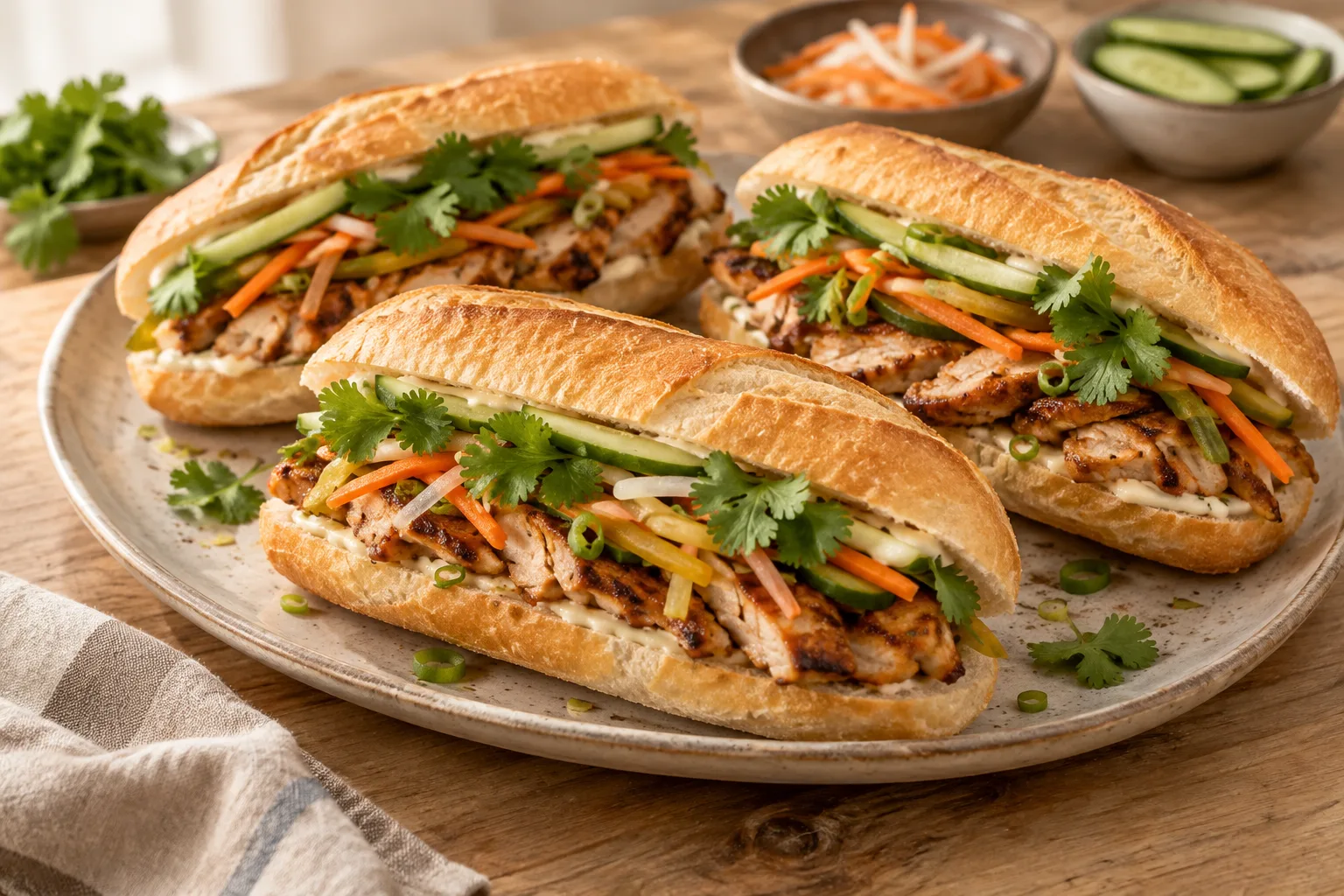
Vietnamese food reflects long contact with neighbouring peoples and later colonial rule, but exchange is not the same as simple borrowing. Historical accounts describe Chinese influences on particular foods and techniques, alongside contributions associated with Cham, Khmer, Malay, Indian, and French contact. The resulting dishes were adapted with local ingredients and tastes. Bánh mì, for example, uses baguette bread in a Vietnamese sandwich form; its fillings and accompaniments make it a distinct local food rather than merely a French loaf served unchanged. Coffee and several vegetables also became part of Vietnamese food life through historical exchange.
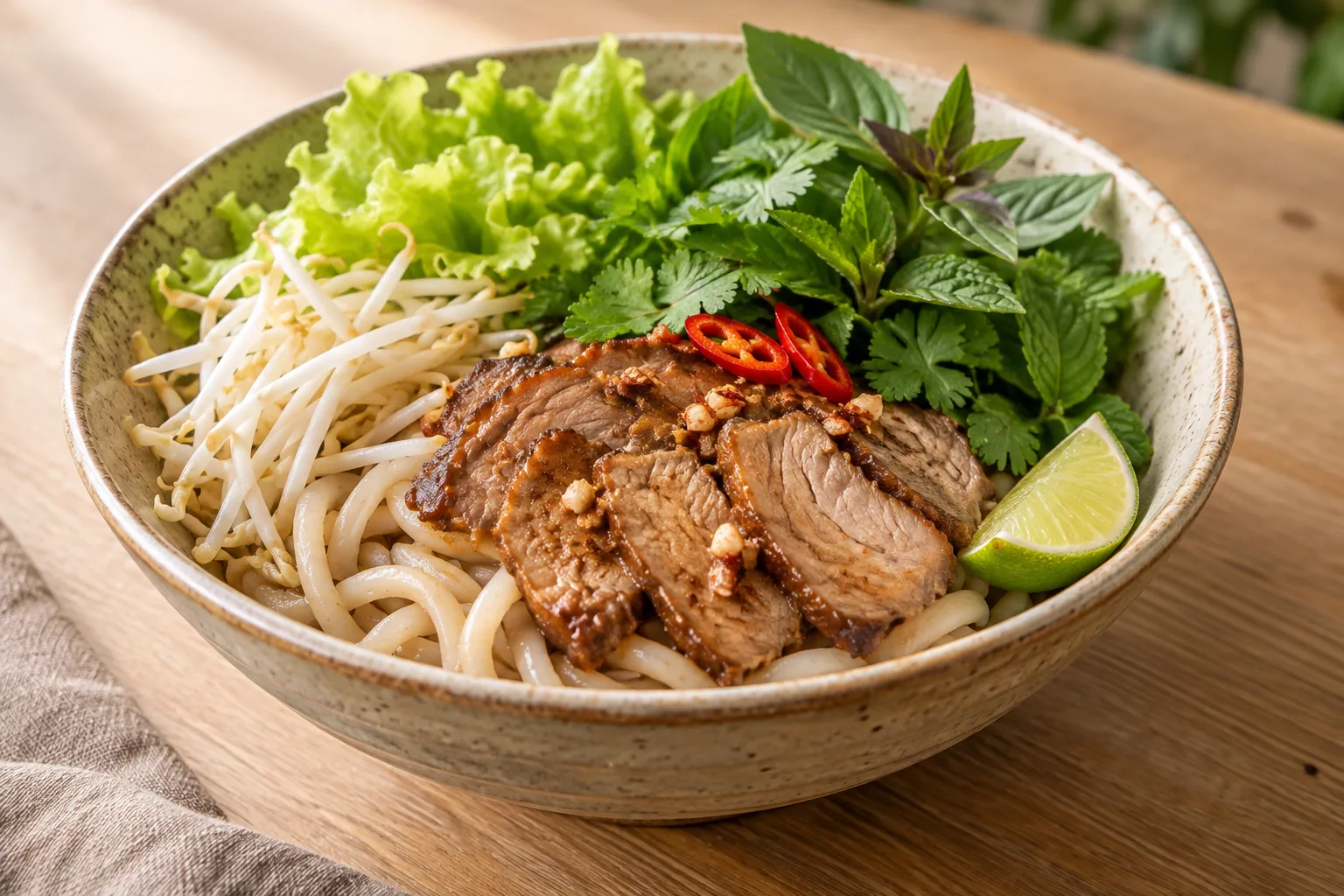
Regional histories matter too. Huế’s association with the imperial court is visible in a food culture known for carefully composed dishes, while the city’s everyday dumplings and street-side soups belong to a broader lived culinary landscape. The central coast’s trading and coastal settings are reflected in seafood and distinctive noodle dishes, including Hội An’s cao lầu. The south’s foodways include ingredients and practices linked to the Mekong and to communities with different cultural histories.
No single historical episode explains the country’s cuisine. Instead, culinary continuity lies in the ongoing adaptation of ingredients, forms, and techniques: a borrowed bread becomes a local sandwich; seasonings and noodles move between communities; and household dishes remain open to family and regional variation.
Rice, herbs, fish sauce, and the pantry
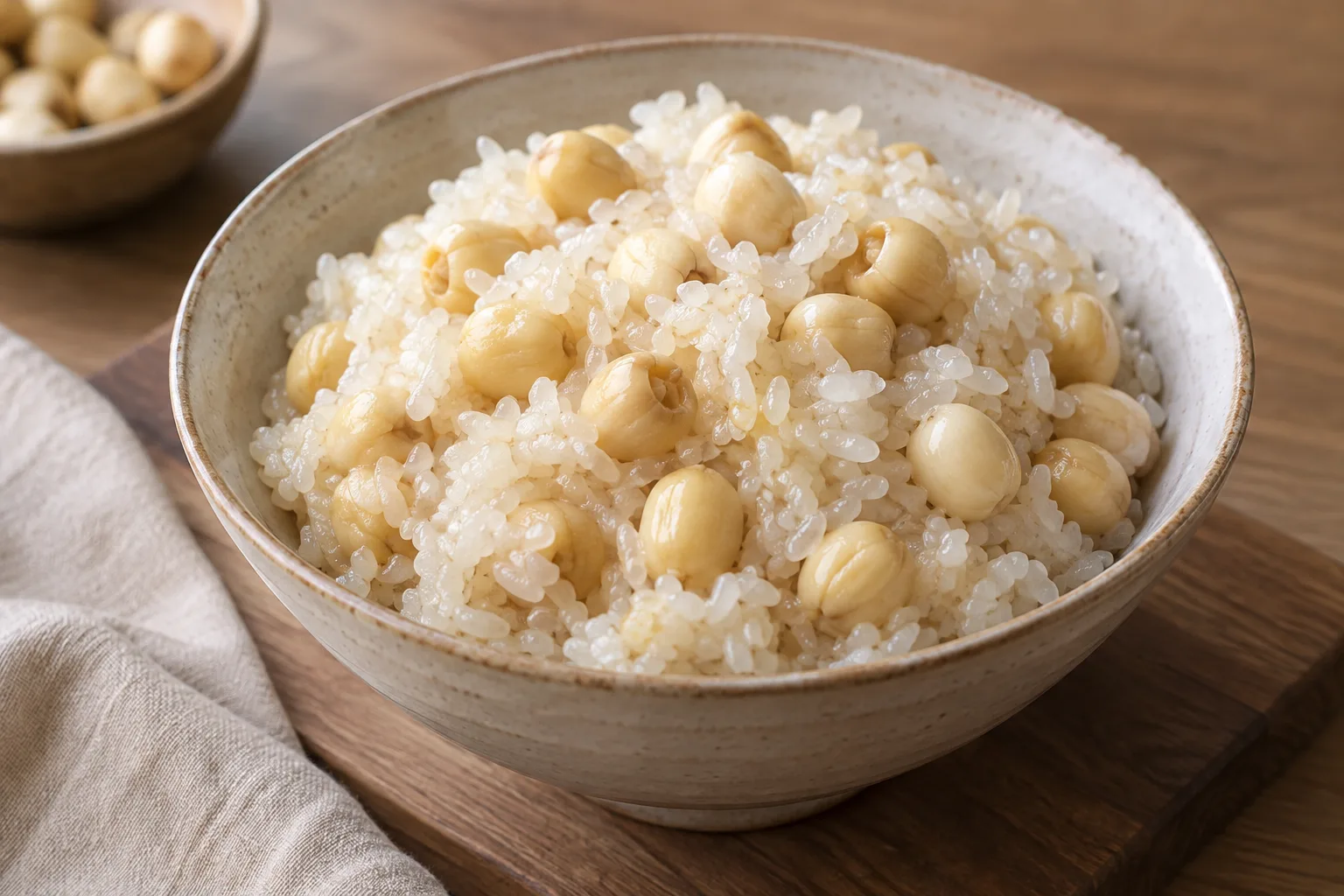
Rice is a central ingredient, but it is not one ingredient in just one form. Ordinary cooked rice accompanies braises and grilled foods; rice flour becomes noodles, pancakes, and wrappers; and glutinous rice produces sticky dishes served sweet or savoury. Hanoi’s xôi repertoire includes preparations with mung beans, peanuts, lotus seeds, or gấc fruit. In the north, bánh chưng combines glutinous rice, mung beans, and pork in a wrapped cake associated with Tết. Rice paper, known by different names in the north and south, is softened for fresh rolls or used in other preparations.
Nước mắm, fermented fish sauce, is a defining seasoning. Its role ranges from adding savouriness to a braise to forming the base of a lighter dipping sauce. A well-known production tradition at Phú Quốc layers anchovies with salt and matures them in wooden barrels. Other recurring pantry items include fresh herbs, garlic, chilli, lime, rice vermicelli, mung beans, and coconut water. Their presence and proportions are not uniform: northern dishes may be restrained in sweetness, while the south often uses more sugar or coconut in seasonings and cooking liquids.
- Rice: served whole, shaped into noodles, steamed sticky, or made into wrappers.
- Fish sauce: used in cooking and in sauces for dipping or seasoning.
- Fresh herbs and greens: served with soups, grilled foods, and wrapped dishes.
- Mung beans: used in festive rice cakes, sticky rice, and filled sweets.
Freshness, savouriness, and contrasting textures
Vietnamese meals often bring together contrasting textures and let a diner adjust a dish at the table. A broth may be served with herbs, lime, chilli, or other accompaniments; a grilled or fried component may be wrapped in greens; and a dipping sauce can add acidity, salt, sweetness, or heat. The aim is not a fixed formula of five tastes in every dish, but a repertoire in which freshness and depth can meet in different proportions. Herbs are not merely decoration: with noodles, grilled meat, or a pancake, they change the balance of the bite.
The north is often described through lighter, less sweet seasoning and an emphasis on the natural taste of ingredients. In central Vietnam, Huế is known for pronounced chilli and for dishes paired with their own sauces. Southern cooking is associated with a sweeter profile and the abundance of fruit, vegetables, and fish from tropical and riverine settings. These are broad tendencies, not rules that determine every household’s cooking.
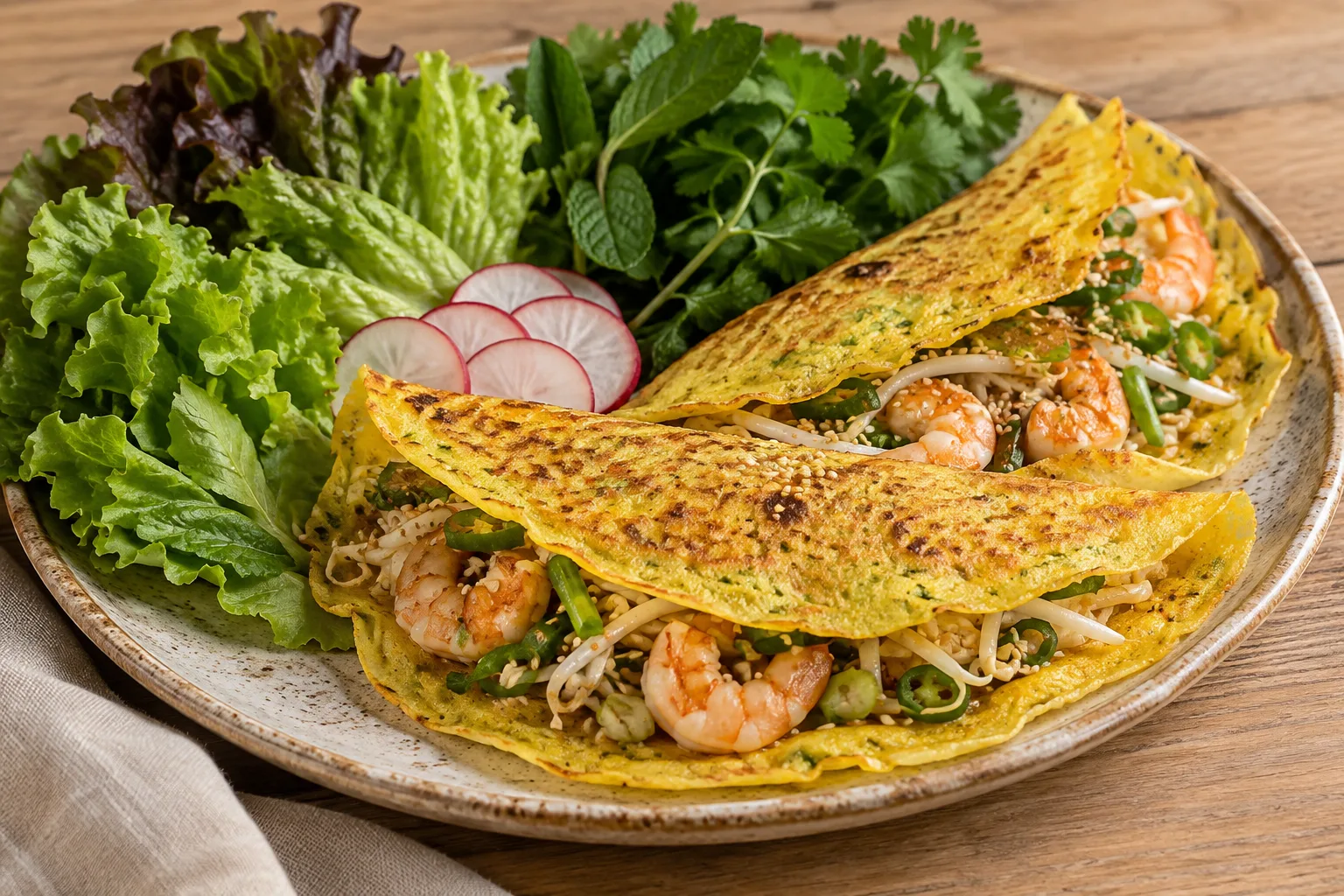
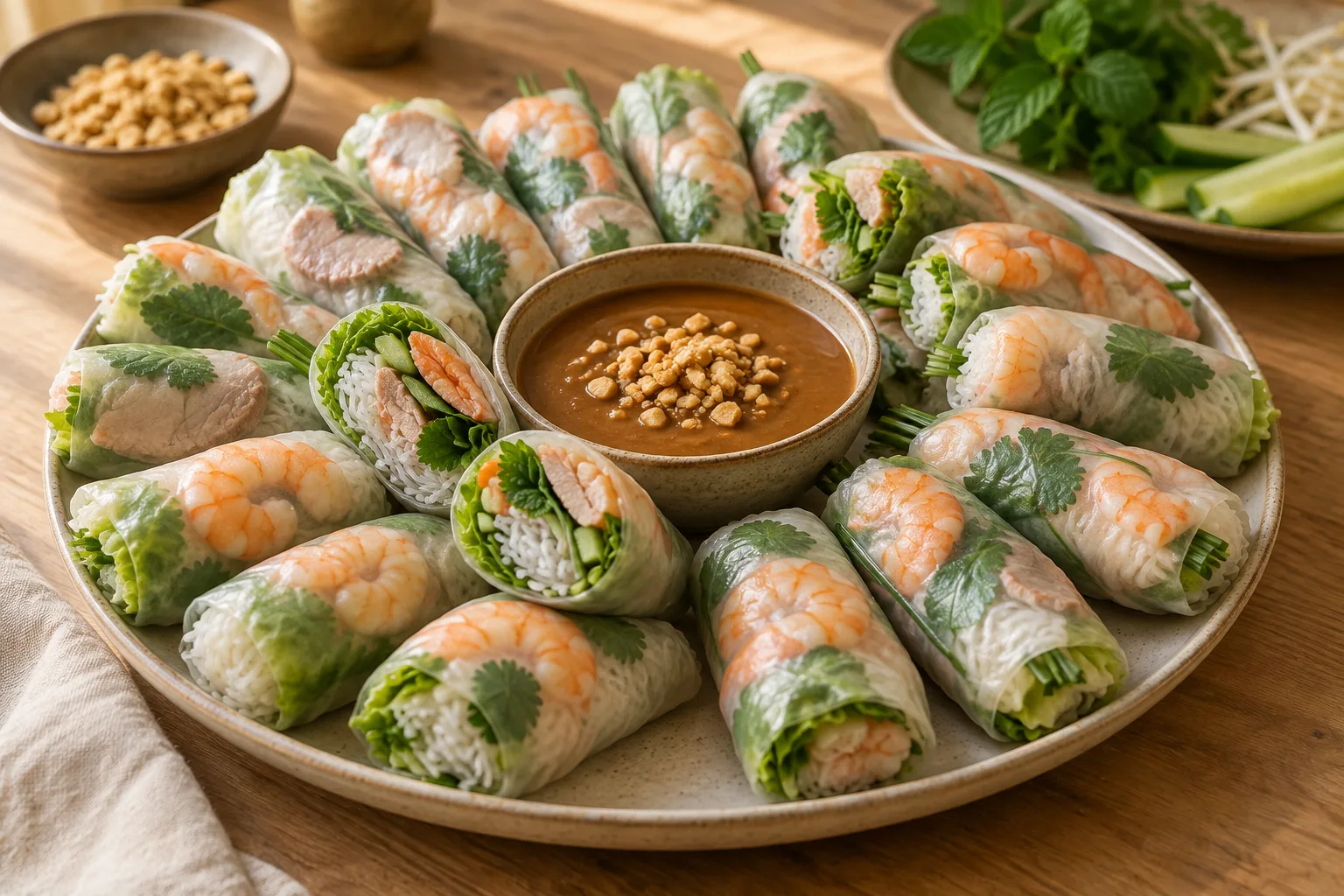
A few dishes make the contrasts concrete. Bún bò Huế is a spicy, substantial noodle soup; bánh xèo offers a crisp rice-flour pancake eaten with greens and a dipping sauce; and cá kho pairs fish with a small quantity of concentrated, savoury-sweet braising liquid. Fresh rolls provide another texture altogether: pliable rice paper encloses herbs, vegetables, noodles, and, in many versions, cooked seafood or meat.
Festive foods and the passing on of skills
Tết, the Lunar New Year, brings families together around foods prepared with both practical care and festive meaning. Bánh chưng, a square glutinous-rice cake associated with the north, is filled with mung beans and pork and wrapped in leaves; bánh tét, a cylindrical counterpart associated with the south and centre, makes a different regional form. These cakes require extended cooking and are prepared in advance. The shared occasion does not erase regional distinctions: festive tables vary with place, family practice, and generation.
Other calendar foods mark particular moments. In Hanoi, the Mid-Autumn Festival brings mooncakes, tea, lanterns, and children’s processions, while autumn is also associated with seasonal foods such as green rice flakes called cốm and sour sấu fruit. These examples show how food can be tied to a season or celebration without implying that every Vietnamese community observes it in an identical way.
Skills pass through repeated making and serving: forming rice cakes, preparing herbs and sauces, steaming dumplings, and cooking sticky rice. Household knowledge matters as much as formal recipes. The range of xôi in Hanoi, from mung-bean preparations to red gấc rice, shows how a familiar base can be adapted for breakfast, banquets, or ceremonial offerings. Some foods are everyday fare; others acquire particular significance through when and with whom they are shared.
Steaming, wrapping, grilling, and slow braising
Vietnamese cooks use techniques that give rice and other ingredients markedly different forms. Steaming produces tender xôi and delicate dumplings; rice batter can be spread into thin sheets or poured into a hot pan for a crisp bánh xèo. Fresh rolls depend on preparing their fillings separately, briefly softening rice paper, and folding it around the ingredients. Some rolls are served fresh, while other Vietnamese rolls are fried: similar names do not make the methods or finished textures interchangeable.
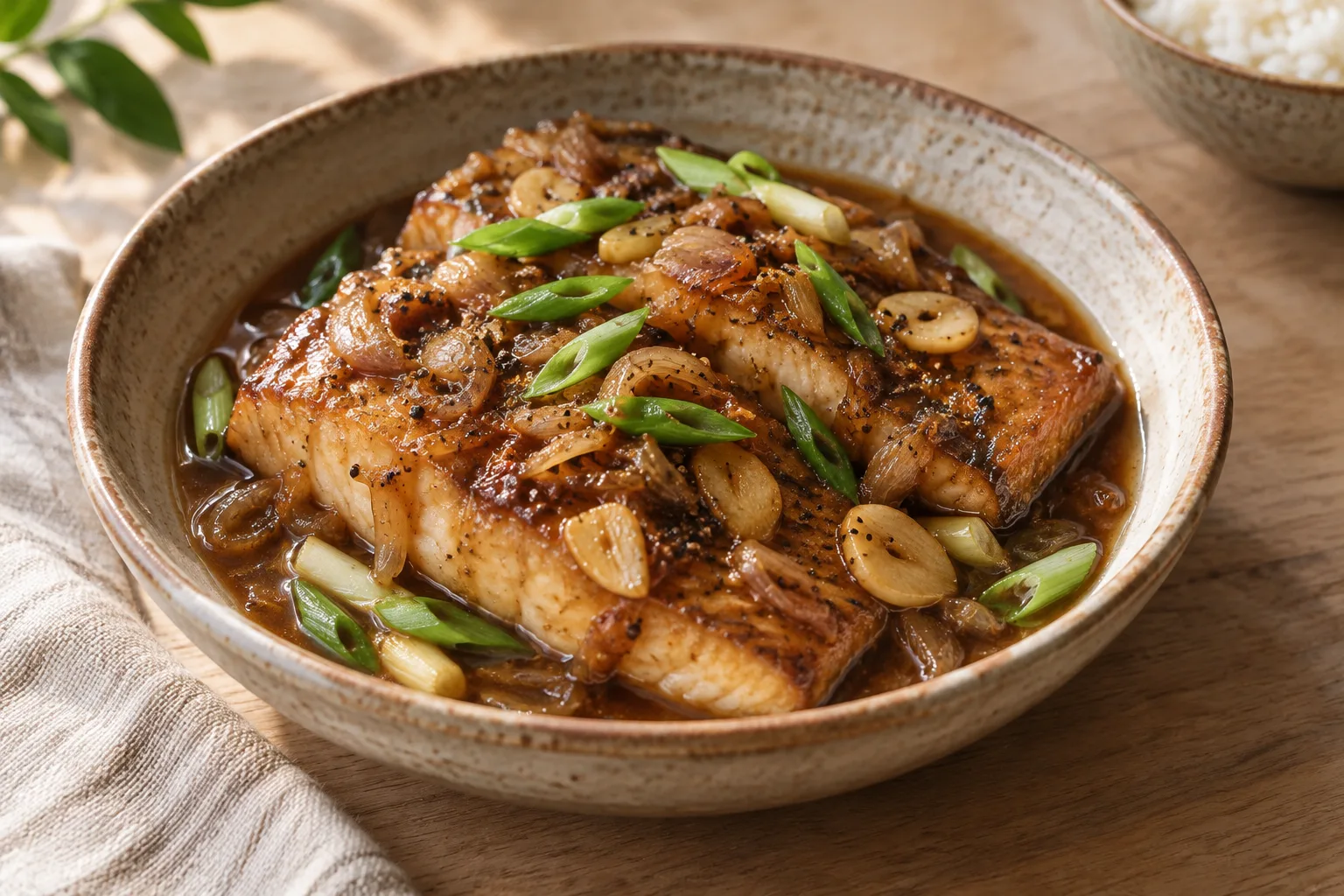
Slow braising, kho, concentrates seasoning around fish, meat, or tofu. In cá kho, caramelised sugar and fish sauce form part of a reduced, savoury-sweet liquid; fish is cooked gently so it remains in pieces. A clay pot is associated with cá kho tộ, although the wider braising method does not depend on a single vessel. The finished dish is commonly served with rice, which accompanies the intense sauce.
Other characteristic operations include grilling meat for noodle dishes and assembling a meal from separately prepared elements. For bánh xèo, a crisp pancake is cut or folded and eaten with fresh leaves and herbs. With gỏi cuốn, the wrapper is hydrated rather than cooked after assembly. These distinctions—steamed versus fried, braised versus grilled, wrapped fresh versus wrapped for frying—are useful keys to the country’s varied culinary vocabulary.
Bowls, shared condiments, and everyday occasions
A Vietnamese meal may combine rice or noodles with a cooked dish, vegetables, herbs, and a sauce for dipping or seasoning. A shared bowl of nước mắm can connect the different items on the table, while individual diners may add herbs, lime, or chilli according to the dish and their preference. This is not a single formal arrangement prescribed for every meal; it is a practical way that condiments and accompaniments bring components together. Soups, rice plates, and wrapped foods each create a different pattern of eating.
Everyday schedules vary by dish and city. Hanoi’s bún thang, a clear chicken-noodle soup with carefully arranged toppings, is associated with family gatherings and Sunday lunches. Bánh mì appears as a breakfast or snack, while southern cơm tấm, made with broken rice and commonly served with grilled pork and other accompaniments, can be eaten at different times of day. Fresh rolls may be a light meal or an appetiser; they can also be assembled from ingredients placed on the table.
Festive occasions change the scale and meaning of a meal. Tết foods are prepared ahead, while mooncakes at Mid-Autumn Festival may be offered to ancestors or shared in small pieces with tea. These documented occasions show how food can welcome guests and gather families, without suggesting that one menu or ritual is universal across Vietnam.
A glossary of Vietnamese foods and food terms
These terms name particular ingredients, preparations, and serving forms. The same word may appear in dishes that vary by region or household, so a name is a useful starting point rather than a guarantee of one fixed recipe.
- Bánh chưng: a square glutinous-rice cake filled with mung beans and pork, wrapped in leaves and associated with Tết in northern Vietnam.
- Bánh tét: a cylindrical glutinous-rice cake associated especially with southern and central Tết tables.
- Bánh xèo: a savoury rice-flour pancake cooked until crisp, commonly filled with ingredients such as pork, shrimp, and bean sprouts and eaten with greens.
- Bún: rice vermicelli used in soups and noodle dishes; the accompanying broth, meat, herbs, and seasonings distinguish individual preparations.
- Cá kho: fish slowly braised in a concentrated, seasoned liquid, often combining fish sauce and caramelised sugar; it is commonly served with rice.
- Cốm: young green rice kernels roasted and pounded into fragrant flakes, associated with Hanoi’s autumn foods.
- Gỏi cuốn: fresh rolls made with softened rice paper and fillings such as noodles, herbs, vegetables, and cooked meat or seafood.
- Nước mắm: fermented fish sauce, used as a cooking seasoning and as a base for dipping sauces.
- Xôi: steamed glutinous rice, prepared in many sweet and savoury forms, including versions with mung beans, lotus seeds, or gấc.
One country, many cuisines
Hanoi and the North
Hanoi’s foodways include clear noodle soups such as bún thang, diverse sticky-rice preparations, and foods tied to the autumn calendar. Cốm green rice flakes and sấu fruit are among the documented seasonal examples. The north is also associated with bánh chưng at Tết and with dishes whose seasoning is often described as lighter and less sweet than in the south. Mountain communities add distinct ingredients and preparations, so the capital is a starting point, not a stand-in for the whole region.
Huế and Central Vietnam
Huế’s culinary identity brings an imperial-city history together with present-day street foods, spicy noodle soup, and steamed dumplings served with their own sauces. Across the central region, coastal seafood and strongly seasoned condiments are prominent in the documented food landscape. Other central specialties include mì Quảng and Hội An’s cao lầu. These examples point to local differences in ingredients, textures, and serving styles; they should not be treated as one uniform central cuisine.
Mekong Delta
The Mekong Delta’s waterways and abundant freshwater fish are reflected in preparations such as cá kho, fish slowly braised with a concentrated seasoning, and canh chua, a sour soup associated with the region and made with fish, tomato, pineapple, and tamarind. Southern foodways also make use of coconut and often favour sweeter seasoning. These are documented regional associations, not claims that every household uses the same fish, recipe, or balance of flavours.
Cook