- Category
- Pulses
- State
- Dry
- Usual unit
- g
What it is
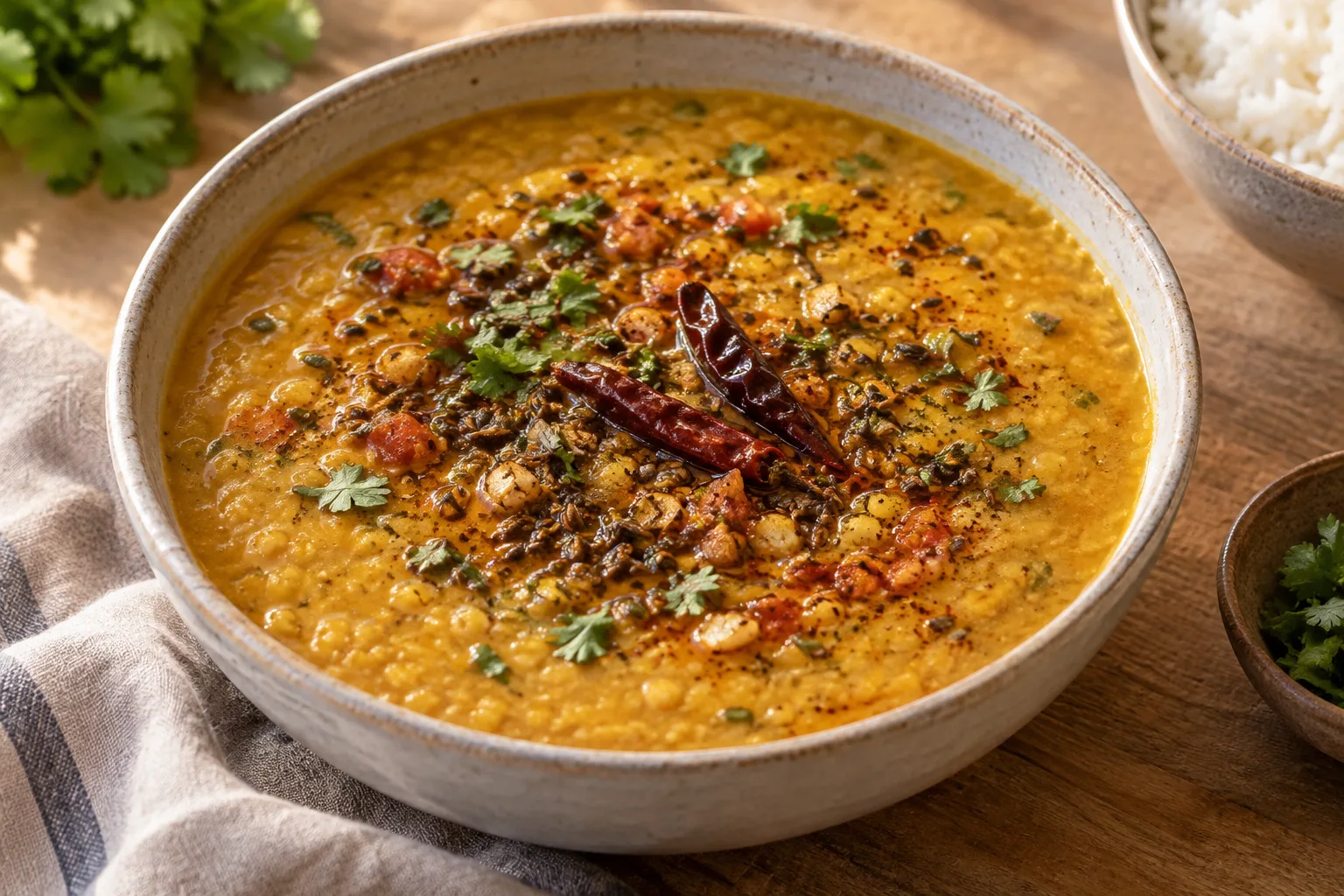
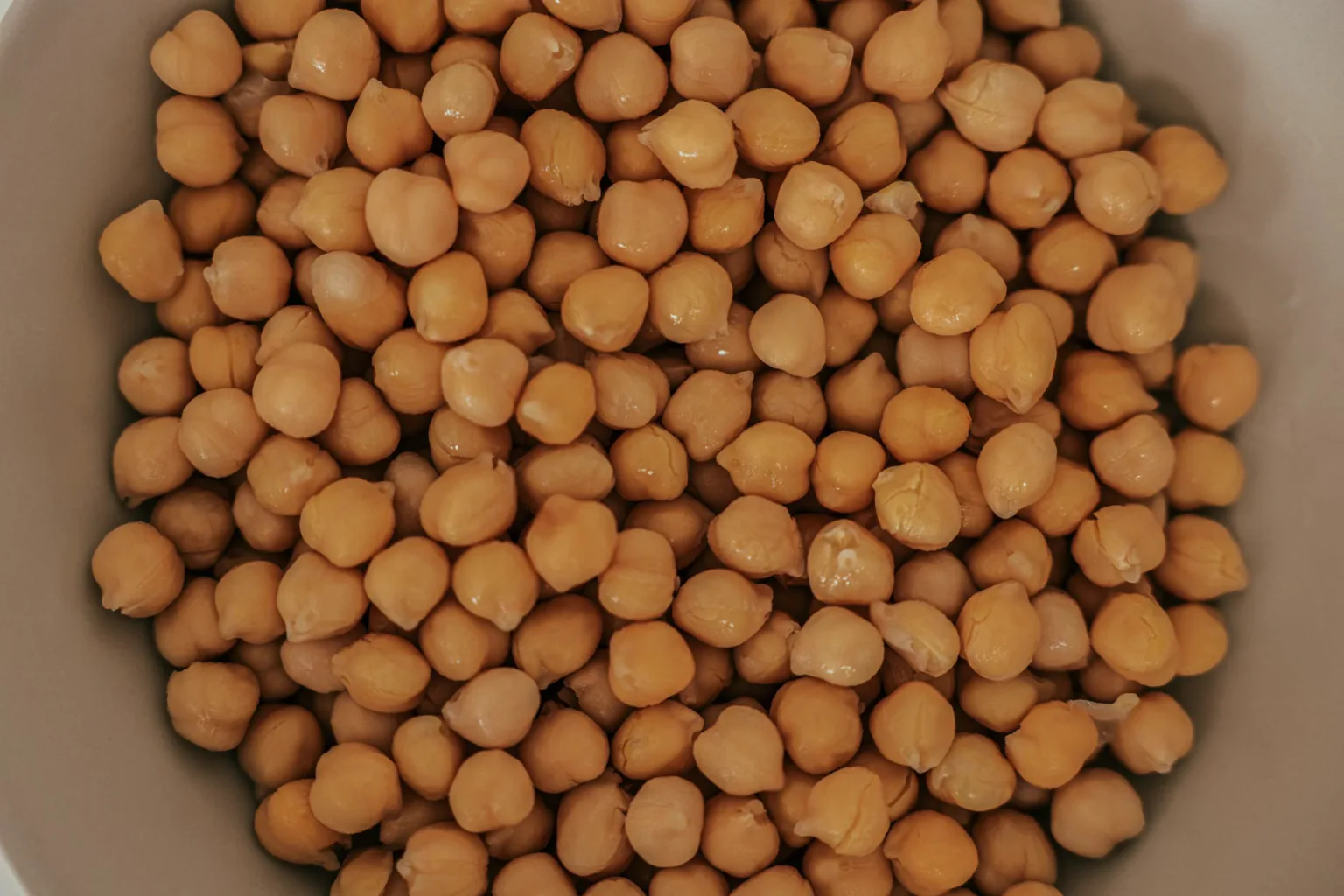
Chana dal is a dried pulse made by splitting and removing the skins of desi chickpeas. Its yellow pieces can look like yellow split peas, but they are a different ingredient with a different flavor and cooking behavior. In culinary use, “dal” can also refer to a thick pulse dish. Chana dal is simmered in water until tender and can retain some structure; mashing part of it makes a stew thicker. It should not be confused with whole chickpeas or other dals, which come from different pulses.
When to use it
Choose chana dal when you want a substantial pulse dish that can become tender without completely losing its shape. It works well in dals, curries, soups and spiced stews, and can also be served cooked with vegetables or rice. If you want a completely smooth texture, mash or blend it; if you prefer distinct pieces, avoid excessive stirring and stop cooking once the dal is tender. Bear in mind that dried pulses can vary in how long they take to soften.
How to use it
Check the chana dal and remove any visible debris, then rinse it with water. You can soak it before cooking, as some recipes do, and drain it before adding fresh water. Simmer until tender, checking the texture as it cooks, since older dried pulses can take longer to soften. To make a dal, cook spices and aromatics in oil and add them to the cooked pulse; alternatively, simmer it with a tomato-and-spice base. Adjust the consistency with liquid and mash some of the pieces if you want a thicker dish. Serve with rice or flatbread.
Flavour and texture
Cooked chana dal has a mild, slightly sweet flavor with nutty notes. It can become tender and creamy inside while retaining more structure than some split pulses that readily break down. The result depends on how long it cooks and whether it is mashed or left whole. Spices and cooking liquid can substantially shape the finished dish, so chana dal works in both gently seasoned meals and boldly spiced preparations.
How to choose it
Look for dried chana dal with reasonably uniform pieces and no visible signs of moisture or spoilage. Check the package name: yellow split peas can look similar but are a different pulse. It may also be labelled channa dal or split, hulled desi chickpeas. If you are unsure what is in the pack, read its description before buying, especially if you need chana dal’s characteristic flavor or texture.
Storage
Keep dried chana dal in a tightly closed container in a cool, dry place away from light. Prevent it from absorbing moisture, since dried foods can spoil if they become damp. Keep the container clean and closed between uses. Do not use it if you find moisture, mold, insects or unusual odors. No product-specific storage duration is established here; follow the date and instructions on the package.
Substitutions
Yellow split peas may look like chana dal, but they are not an exact substitute: the flavor and texture can change. Other dals or pulses can work in a spiced dish, but they will also affect its consistency and cooking time. If a recipe depends on chana dal’s characteristic flavor and pieces that hold their shape, using chana dal is the most reliable choice.
Common mistakes
Do not mistake yellow split peas for chana dal because they look alike; they are different ingredients. Do not assume every kind of dal cooks in the same way. Rinse the pulses before use and check for tenderness as they cook instead of relying on a fixed time. Stirring or mashing changes the texture, so avoid it if you want distinct pieces.
Safety and allergens
Do not eat chana dal dry or undercooked; cook it until tender. Before cooking, inspect and rinse the pulses, and discard any pieces showing signs of moisture, mold or spoilage. If you have a known food allergy, check the package label and avoid the product if you cannot confirm its ingredients or possible cross-contact.
Culinary uses
- Main ingredient in thick dals, curries, soups and stews
- Cooked pulse for warm salads and vegetable dishes
- Ingredient for chutneys and other preparations when toasted or ground
Recommended techniques
- Rinse and sort before cooking
- Soak, then simmer in water until tender
- Season cooked dal with a spiced oil tempering
- Mash some of the cooked grains to thicken a stew
Pairs well with
- Cumin, turmeric, ginger, garlic and chile
- Tomato, onion, cilantro and lemon
- Rice, naan or other flatbreads
- Spinach and coconut
Frequently asked questions
Is chana dal the same as a whole chickpea?
No. It is split, hulled desi chickpea; a whole chickpea keeps its shape and skin.
Is it the same as yellow split peas?
No. They can look similar, but come from different plants and cook and taste differently.
Do I need to soak chana dal?
Some recipes soak it and others cook it directly. Either way, rinse it and cook until tender; the time can vary.
Ingredient allergens
Allergen listThere are no verified associations for these ingredients yet.
Estimated nutrition
- Fat
- 6 g
- Saturates
- 2 g
- Carbohydrate
- 60 g
- Sugars
- 12 g
- Fibre
- 18 g
- Protein
- 22 g
- Salt
- 0.12 g
Sources and review
Automatically researched, cross-checked and validated content. Sources consulted:
- Client Challenge doi.org/10.2307/jj.27939689.16
- Storing Dry Beans | USU extension.usu.edu/preserve-the-harvest/dev/storing-dry-beans-1
- Lentils • The Nutrition Source nutritionsource.hsph.harvard.edu/food-features/lentils/
- USDA FoodData Central libguides.marist.edu/fdc
- IEW Recipes | OISS | Rice University oiss.rice.edu/recipes
- Dal, daal, dahl o dhal | Gastronomía & Cía www.gastronomiaycia.com/dal-daal-dahl-o-dhal/
- Chana Dal: Receta India con Garbanzos - SECIP secip.info/noticias/chana-dal-receta-india-con-garbanzos/
- Chana Dal — Open Spice Box openspicebox.com/es/ingredients/chana-dal
- LA COCINERA NOVATA: CHANA DAL, un plato indio de legumbres lacocineranovata.blogspot.com/2015/05/chana-dal-un-plato-indio-de-legumbres.html
- Legumbres - Spice and Colour www.spiceandcolour.com/legumbres/
- On the Pulse of Healthful Eating: Making Freezer Meals With Lentils, Chickpeas and Split Peas | NDSU Agriculture www.ndsu.edu/agriculture/extension/publications/pulse-healthful-eating-making-freezer-meals-…
- Dosa Batter & Green Chutney Recipes | Institute of Culinary Education www.ice.edu/blog/dosa-batter-green-chutney
- Foodie Finds: Being Vegan at WSU | Wichita State News www.wichita.edu/about/wsunews/news/2019/08-aug/vegan_at_wsu.php
- A Panoramic View of Picacho Peak in Picacho, Arizona | ClipVR ETC etc.usf.edu/clipvr/357-a-panoramic-view-of-picacho-peak-in-picacho-arizona?xml=data%3Agsf%2C…
- SGDE Cookbook Summer 2020.pdf www.geography.arizona.edu/sites/default/files/data/SGDE%20Cookbook%20Summer%202020.pdf
- Channa Dal: Análisis y comparativa de las mejores opciones asiáticas para tus recetas de sushi sukimotril.es/channa-dal/
- Dal (alimento) - Wikipedia, la enciclopedia libre es.wikipedia.org/wiki/Dal_(alimento)