- Category
- Vegetables
- State
- Fresh
- Usual unit
- unit
What it is
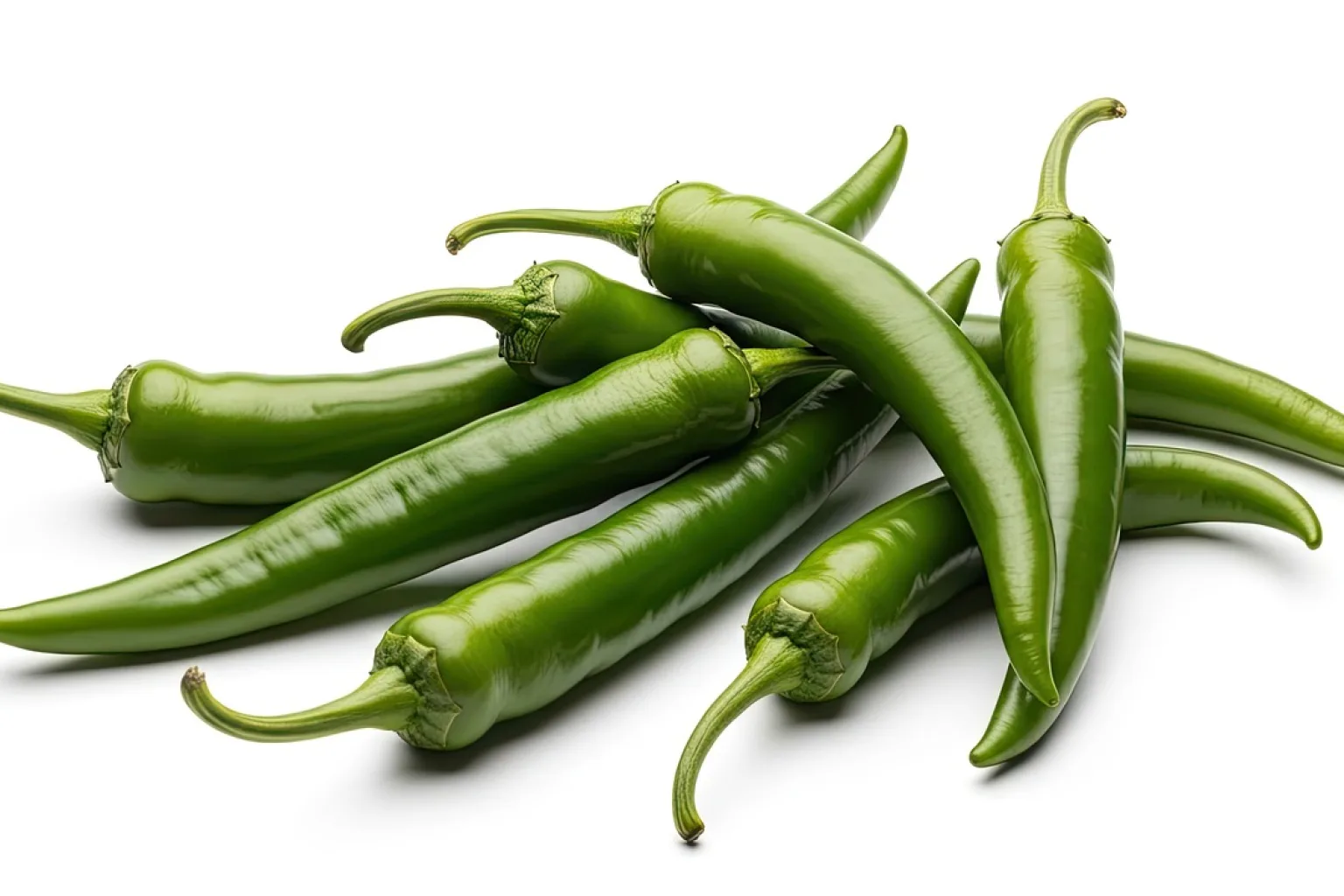
Chili pepper is a culinary name for different hot peppers; it does not identify one specific variety or a single heat level. Chili peppers are widely used as seasonings. They may be eaten fresh, fried or roasted, and are also available preserved or ground into a dry form. Variety and heat can differ, so follow the recipe and add a small amount first when you are unfamiliar with the pepper. This profile focuses on fresh whole chili peppers. Sauces, pastes and dried forms are related products, but they do not necessarily have the same texture or work in the same quantities as fresh peppers.
When to use it
Use a fresh chili pepper when you want to add a spicy seasoning directly to a dish or when a recipe calls for whole or chopped chili. It can also be fried or roasted, depending on the preparation. Chili peppers are used in dishes such as spiced hot cacao and moles, while other recipes use chili sauce as a condiment. If you have a preserved, ground or sauced form instead, remember that its texture differs and adjust the amount to suit the dish.
How to use it
Wash the chili pepper under running water before preparing it, and handle it carefully. To use it fresh, chop it and add it as a seasoning; you can also fry or roast it. Grinding or crushing produces a dry form, which does not have the same texture as fresh chili. Chili sauce is another culinary option when you want to add heat without using a whole pepper. When cutting hot peppers, wear plastic or rubber gloves and avoid touching your face. If you do not wear gloves, wash your hands thoroughly with soap and water before touching your face or eyes.
Flavour and texture
Chili peppers are used as a spicy seasoning, but the name covers different products and does not imply one fixed heat level. A fresh pepper has the texture of a whole vegetable; frying or roasting changes the preparation, while grinding makes a dry form. Sauces and preserved peppers also have different textures, so substituting one for another can change the result of a dish.
How to choose it
Choose the form requested by your recipe: fresh whole chili for preparations that call for a fresh pepper, or a ground, preserved or sauced form when specified. The name chili pepper covers different varieties, so do not assume that every pepper has the same heat. If you are unfamiliar with the pepper, start with a small amount and adjust the seasoning as you cook.
Storage
You can freeze hot peppers for longer storage. Gently wash them under cold running water and remove the stems before packaging; cutting them first is not necessary. Use a freezer-suitable container, seal it and freeze. To help frozen foods maintain quality, keep the freezer at 0°F (−18°C) or below. This guidance covers freezing and does not specify how long fresh peppers keep in the refrigerator.
Substitutions
If fresh chili is unavailable, chili sauce can add heat, but it adds moisture and does not provide the same texture. Ground chili or paprika are dry-form options for recipes that can accommodate the change. There is no universal one-to-one equivalent: adjust the amount cautiously and expect possible differences in texture and heat.
Common mistakes
Do not assume every chili pepper has the same heat, or replace a fresh pepper with sauce or powder without accounting for the texture change. Avoid touching your face or eyes while handling hot peppers. If you are not wearing gloves, wash your hands with soap and water before touching your face.
Safety and allergens
Wash fresh chili peppers under running water before preparing them. When cutting hot peppers, wear plastic or rubber gloves and avoid touching your face. If you do not wear gloves, wash your hands thoroughly with soap and water before touching your face or eyes.
Culinary uses
- Condimento picante
- Ingrediente fresco para platos y salsas
Recommended techniques
- Freír
- Asar
- Moler o triturar
Pairs well with
- Cacao caliente y moles
- Empanadas y otros platos sazonados
Frequently asked questions
Does every chili pepper have the same heat level?
No. Chili pepper can refer to different peppers, and the name alone does not identify a specific heat level.
Can I freeze hot peppers whole?
Yes. Gently wash them, remove the stems, pack them in a freezer-suitable container and freeze; cutting them first is not necessary.
How should I handle hot peppers carefully?
Wear plastic or rubber gloves and avoid touching your face. If you do not wear gloves, wash your hands with soap and water before touching your face or eyes.
Ingredient allergens
Allergen listThere are no verified associations for these ingredients yet.
Estimated nutrition
- Fat
- 0 g
- Saturates
- 0 g
- Carbohydrate
- 25 g
- Sugars
- 25 g
- Protein
- 0 g
- Salt
- 8.75 g
Sources and review
Automatically researched, cross-checked and validated content. Sources consulted:
- Client Challenge doi.org/10.2307/jj.27939689.16
- The Essential Glossary of Cooking Terms for the Culinary Arts - Escoffier www.escoffier.edu/blog/culinary-arts/the-essential-glossary-of-cooking-terms-for-the-culinar…
- Culinary Mestizaje: An Afro-Latino Collective Sensory ... via.library.depaul.edu/cgi/viewcontent.cgi?article=1404&context=dialogo
- Latin Cooking with Daisy Martinez | Institute of Culinary Education www.ice.edu/blog/latin-cooking-with-daisy-martinez
- How to Freeze Sweet, Bell and Hot Peppers | UNL Food | Nebraska food.unl.edu/article/freezing-peppers/
- A Comparative Analysis of Iconic Puerto Rican and Cuban ... academicworks.cuny.edu/cgi/viewcontent.cgi?article=1120&context=bc_pubs
- Aji Amarillo Paste Near Me Where To Buy | cms.ncwc.edu cms.ncwc.edu/aji-amarillo-paste-near-me/
- Según http://www core.ac.uk/download/pdf/234576133.pdf
- Exploring Latino Cuisine in Eastie | Gastronomy Blog sites.bu.edu/gastronomyblog/2014/10/23/exploring-latino-cuisine-in-eastie/
- Luis Machado - Alumnus portrait Cuisine Diploma | Le Cordon Bleu Paris www.cordonbleu.edu/paris/luis-machado-alumnus-graduate-cuisine-diploma/en
- Empanadas de Pino Recipe | CIA Culinary School www.ciachef.edu/blog/empanadas-de-pino-recipe/
- Día de los Ajíes Peruanos: ¿Qué rol clave cumplen y cómo aportan a la identidad culinaria? - Día de los Ajíes Peruanos: ¿Qué rol clave cumplen y cómo aportan a la identidad culinaria? andina.pe/agencia/noticia-dia-los-ajies-peruanos-rol-clave-cumplen-y-como-aportan-a-identida…
- Aji articles eol.org/pages/8761714/articles?locale_code=es