- Category
- Fish and seafood
- State
- Fresh
- Usual unit
- g
What it is
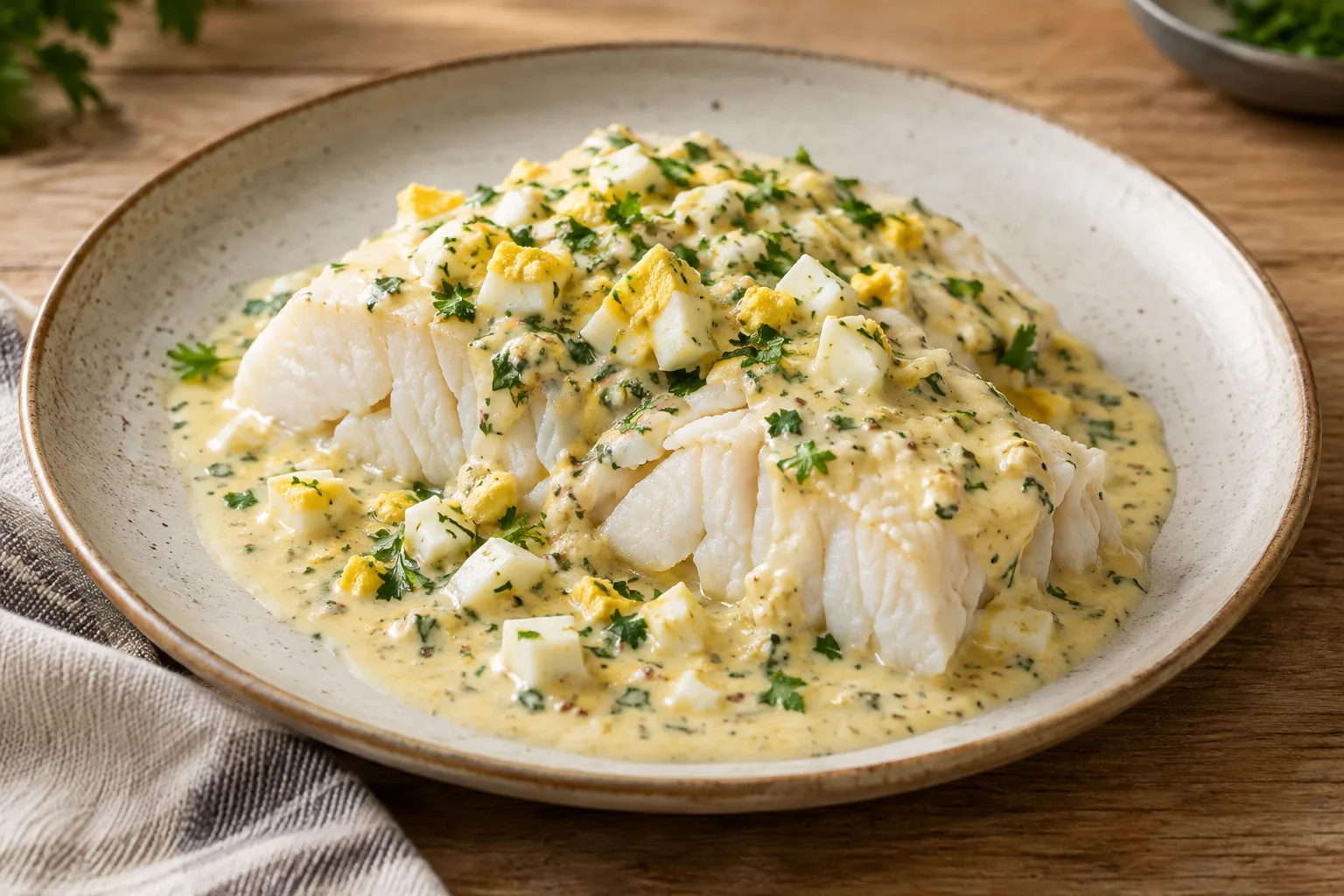
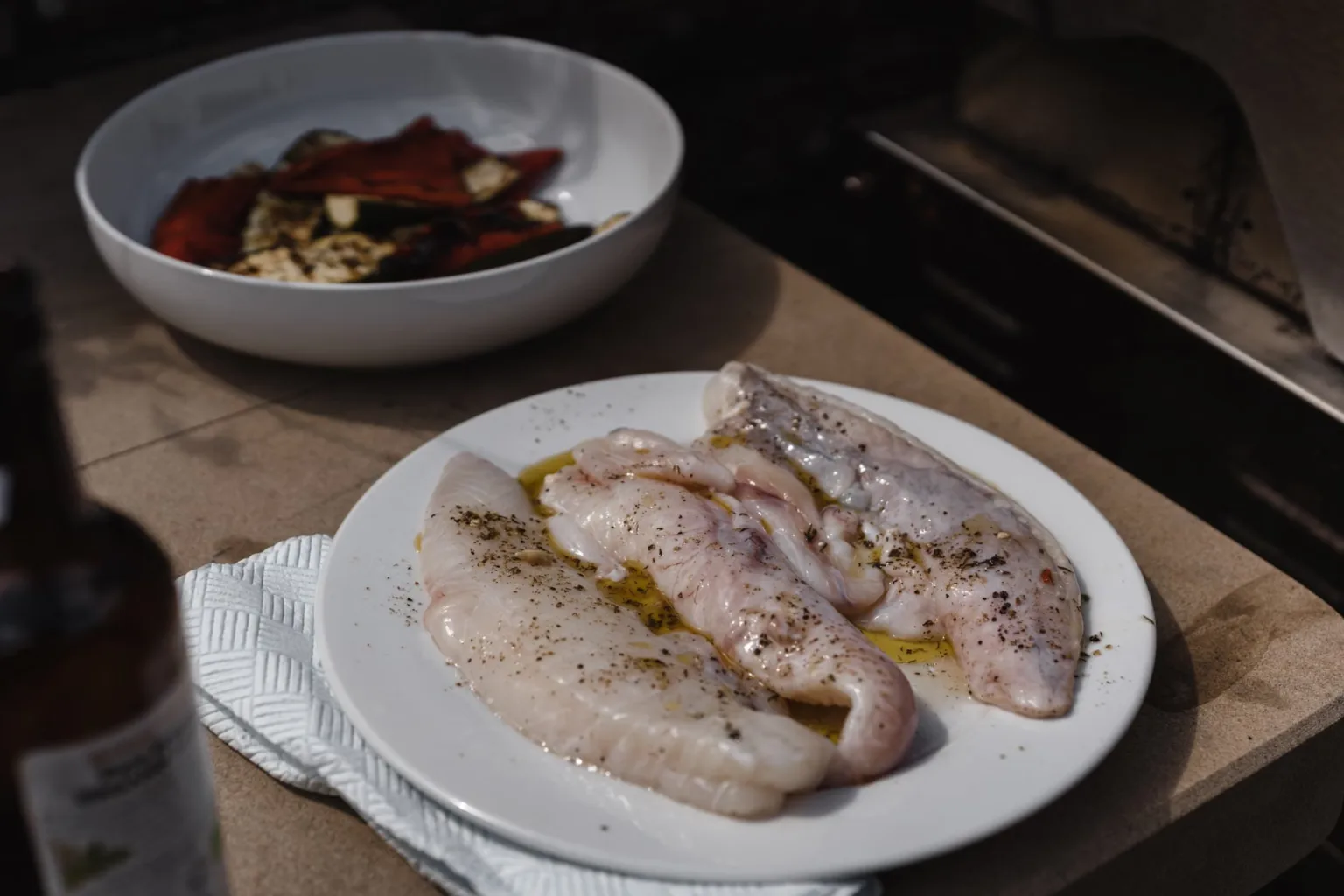
Cod fillets are portions cut lengthwise from the sides of the fish, away from the backbone. Cod is considered a mild-flavored white fish, with flesh that flakes as it cooks. This guide covers fresh fillets, not dried or salted cod, which is a different product and may need soaking to remove salt. Fillet size and thickness can vary, so check the thickest part as it cooks. Its gentle flavor makes cod suitable for recipes calling for white fish, from straightforward mains to soups and stews. Keep the fillets chilled until preparation and handle them with clean utensils and surfaces.
When to use it
Choose cod fillets when you want mild-tasting fish that can take on seasonings without overwhelming a dish. They suit simple baked, grilled or sautéed meals, and can also be added to soups and stews. Their flaky texture works whether the fish is served whole or broken into pieces near the end of cooking. Cod can be used in recipes calling for white fish, and other white fish can also work as substitutes. Thickness affects cooking, so choose similarly sized pieces when you want them to finish at about the same time.
How to use it
Keep the fillets refrigerated until you are ready to prepare them, and use clean work surfaces and utensils. Pat away excess moisture if needed, then season as you like. Bake, grill, broil or sauté the fillets, or add them to a soup or stew. For more even cooking, use pieces of similar thickness and check the thickest section. Fish is ready when its flesh is opaque and flakes easily with a fork; the stated internal-temperature reference for fish is 145°F (63°C). Add cooked cod to tacos, salads or grain bowls, or serve it with vegetables and potatoes.
Flavour and texture
Cod has a mild, gentle flavor typical of white fish. Once cooked, its flesh turns opaque and separates into flakes easily. Thickness and cooking method affect the result, so keep an eye on the fillets and avoid cooking them longer than needed.
How to choose it
For fresh fillets, look for flesh that is firm and moist, without dark or dried-out edges or liquid pooled in the package. The smell should be mild and ocean-like, not strong or sour. Frozen cod can also be a practical option with good quality. Check that the package is intact, and avoid packages with visible ice crystals or fish that bends inside the packaging.
Storage
Refrigerate fresh fish as soon as possible and plan to cook it within two days of purchase. Keep it in a container on the lowest refrigerator shelf to prevent drips onto other foods; if you will not use it the same day, set the container over ice. For longer storage, freeze it in an airtight, labeled package. Thaw it in the refrigerator in a container on the lowest shelf, and use it within one day after thawing.
Substitutions
You can replace cod with another mild white fish, such as pollock, flounder or rockfish, especially in recipes that call for white fish. Thickness and texture may differ between species and fillets, so check for doneness instead of relying on a fixed cooking time. This substitution applies to fresh fish, not dried or salted cod.
Common mistakes
Do not confuse fresh fillets with dried, salted cod: they are different products and need different preparation. Avoid buying fish with a strong or sour smell, dry edges or liquid in the package. Do not judge doneness by the outside alone; check the thickest part for opaque flesh that flakes easily. Keep fresh fish refrigerated while organizing the rest of the meal.
Safety and allergens
Keep fish refrigerated, prevent its juices from contacting other foods, and use clean utensils and surfaces. Cook it until the flesh is opaque and flakes easily; the stated internal-temperature reference is 145°F (63°C). Thaw fish in the refrigerator, not at room temperature.
Culinary uses
- Main protein for a meal
- Mild-tasting white fish for everyday dishes
Recommended techniques
- Bake
- Grill or broil
- Sauté
- Add to soup or stew
Pairs well with
- Potatoes, peppers, tomatoes, onion and garlic
- Chickpeas, olives and parsley
- A mild sauce or seasoning blend
Frequently asked questions
How can I tell when cod fillets are cooked?
The flesh should look opaque and flake easily with a fork. Check the thickest part; the stated internal-temperature reference for fish is 145°F (63°C).
How long can fresh cod stay in the refrigerator?
Plan to cook it within two days of purchase. Keep it refrigerated in a container on the lowest shelf to prevent drips onto other foods.
Can I substitute another fish for cod?
Yes. Pollock, flounder or rockfish can work in recipes that call for white fish. Check for doneness because fillet thickness can vary.
Ingredient allergens
Allergen listThere are no verified associations for these ingredients yet.
Estimated nutrition
- Fat
- 0.89 g
- Saturates
- 0 g
- Carbohydrate
- 0 g
- Sugars
- 0 g
- Fibre
- 0 g
- Protein
- 17.9 g
- Salt
- 0.16 g
Sources and review
Automatically researched, cross-checked and validated content. Sources consulted:
- Almacenamiento Seguro de Alimentos: - El Refrigerador y el Congelador bookstore.ksre.ksu.edu/download/safe-food-storage-the-refrigerator-and-freezer-spanish_MF313…
- ¿Por qué la muerte es origen de miedos y tabúes? doi.org/10.64628/aao.fccyk3qj3
- El Bacalao: Historia, Diseminación Y Usos Culinarios - Restaurante Romero restaurante-romero.es/el-bacalao-historia-diseminacion-y-usos-culinarios/
- Washington State Food Access English-Spanish Glossary wpcdn.web.wsu.edu/wp-snaped/uploads/sites/2/2025/10/Food-Access-Spanish-Glossary.pdf
- FSHN14-05s/FS275: De Compras Para la Salud: Mariscos ask.ifas.ufl.edu/publication/FS275
- Bacalao: Qué es, y Como Hacer Ricas Recetas de Bacalao www.cocinadominicana.com/recetas-bacalao-como-cocinar
- Bacalao: Historia, Tradición y Recetas en El Paladar www.elpaladar.es/es/blog/bacalao-historia-elaboracion-y-su-papel-en-la-gastronomia-mundial
- Para la ciudadanía www.aesan.gob.es/para-la-ciudadania
- Ingredientes para la receta: El bacalao — Cuaderno de Cultura Científica culturacientifica.com/2020/09/06/ingredientes-para-la-receta-el-bacalao/
- Food Standards and Labeling Policy Book - August 2005 meatsci.osu.edu/sites/meatsci/files/imce/Labeling_Policy_Book_082005_0.pdf
- Pescado - Agosto 2024 | OSU Extension Service extension.oregonstate.edu/node/234996
- Cocina Fácil, de la Despensa a la Mesa Enlaces de Nutrición - Número #8 extension.psu.edu/cocina-facil-de-la-despensa-a-la-mesa-enlaces-de-nutricion-numero-8/
- Quality Frozen Seafood | Gorton's Seafood participate.salemstate.edu/page.redir?erid=11215166&srcid=26742&srctid=1&target=http%3A%2F%2…
- Bacalao casacuba.fiu.edu/programs/virtual-ventanita/encasa/fernando-saralegui/ingredients-bacalao.pd…
- Bacalao: historia, secretos y aplicaciones | Hello Chefs www.hellochefs.es/alta-cocina/v/secretos-aplicacion-cocina-bacalao-alija
- Food allergen labelling and information requirements technical guidance - GOV.UK www.gov.uk/government/publications/food-allergen-labelling-and-information-requirements-tech…