- Category
- Vegetables
- State
- Fresh
- Usual unit
- leaves
What it is
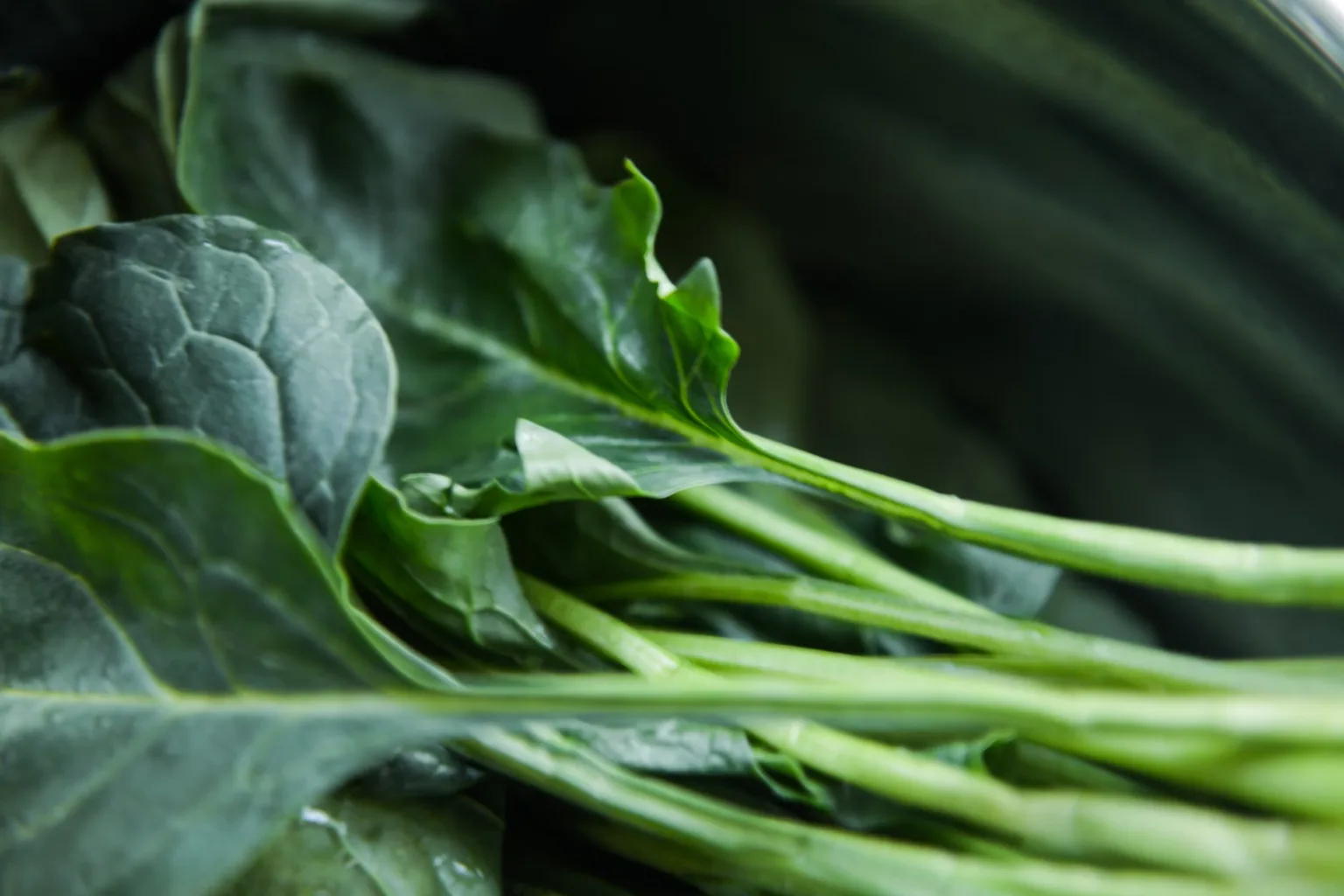
Kale is a leafy vegetable in the Brassicaceae family. Types include curly, purple and Tuscan kale, also known as dinosaur kale. Its leaves are often firm and can feel tough or chewy, particularly when raw. The central stem may be more fibrous than the leaf and can be removed if preferred. This profile describes general uses for fresh kale leaves; leaf shape and texture vary by type and by leaf.
When to use it
Use kale when you want to add leafy greens to soups, stews, pasta dishes, stir-fries or side dishes. Tender leaves can also be eaten raw in salads; briefly massaging them helps soften them. For crisp baked leaves, choose leaves that can be dried well after washing. If the leaves are large or have a tough central rib, remove it or cook it before adding the leaves.
How to use it
Separate the leaves and rinse them well before preparing them; if they have soil on them, you can soak them in cold water for a few minutes and dry them afterward. Cut out or remove the central stem if it is tough. To sauté, chop the leaves and cook them with oil and garlic; you can also add them to soups, stews, pasta or fried rice. For a salad, slice the leaves thinly and massage them briefly to soften them. They can also be baked until crisp. Add leaves later than stems, since leaves generally soften sooner.
Flavour and texture
Kale leaves have a firm texture and can be rough or chewy when raw; the central stems may be tough. Flavor and texture vary by type and leaf maturity. Brief massaging can soften leaves for salad, while cooking makes them more tender. If thoroughly dried before baking, the leaves can become crisp.
How to choose it
Choose firm, fresh-looking leaves without damaged areas or yellow or brown patches. Color varies by type and may be deep green or purple, so do not judge every variety by one shade. Check that the leaves are not wilted and avoid produce with visible deterioration. When buying loose leaves, inspect the stems and leaf surfaces as well.
Storage
Store fresh leaves unwashed in a bag or container in the refrigerator and wash them just before use. A paper towel in the container can help absorb moisture. If the leaves are in good condition and stored properly, they may keep for up to a week or longer. Refrigerate cooked kale and use it within four days; discard leaves that have deteriorated.
Substitutions
Kale types such as curly, Tuscan and purple kale can replace one another in many preparations. Leaf shape and firmness differ, so adjust the cutting and check texture as the food cooks. Do not assume that every other leafy green will give the same result; it may take a different amount of time to soften.
Common mistakes
Do not wash leaves long before storing them, as excess moisture can encourage deterioration. Do not expect the central stem to soften as quickly as the leaf: remove it if tough or cook it first. In salads, firm leaves can be too chewy if they are not sliced thinly or massaged. For crisp baked leaves, dry them well after washing.
Safety and allergens
Rinse leaves well with water before use and use clean utensils to prepare them. Keep fresh leaves and cooked kale refrigerated. Refrigerate cooked leftovers and use them within four days; discard leaves or prepared food that show signs of deterioration.
Culinary uses
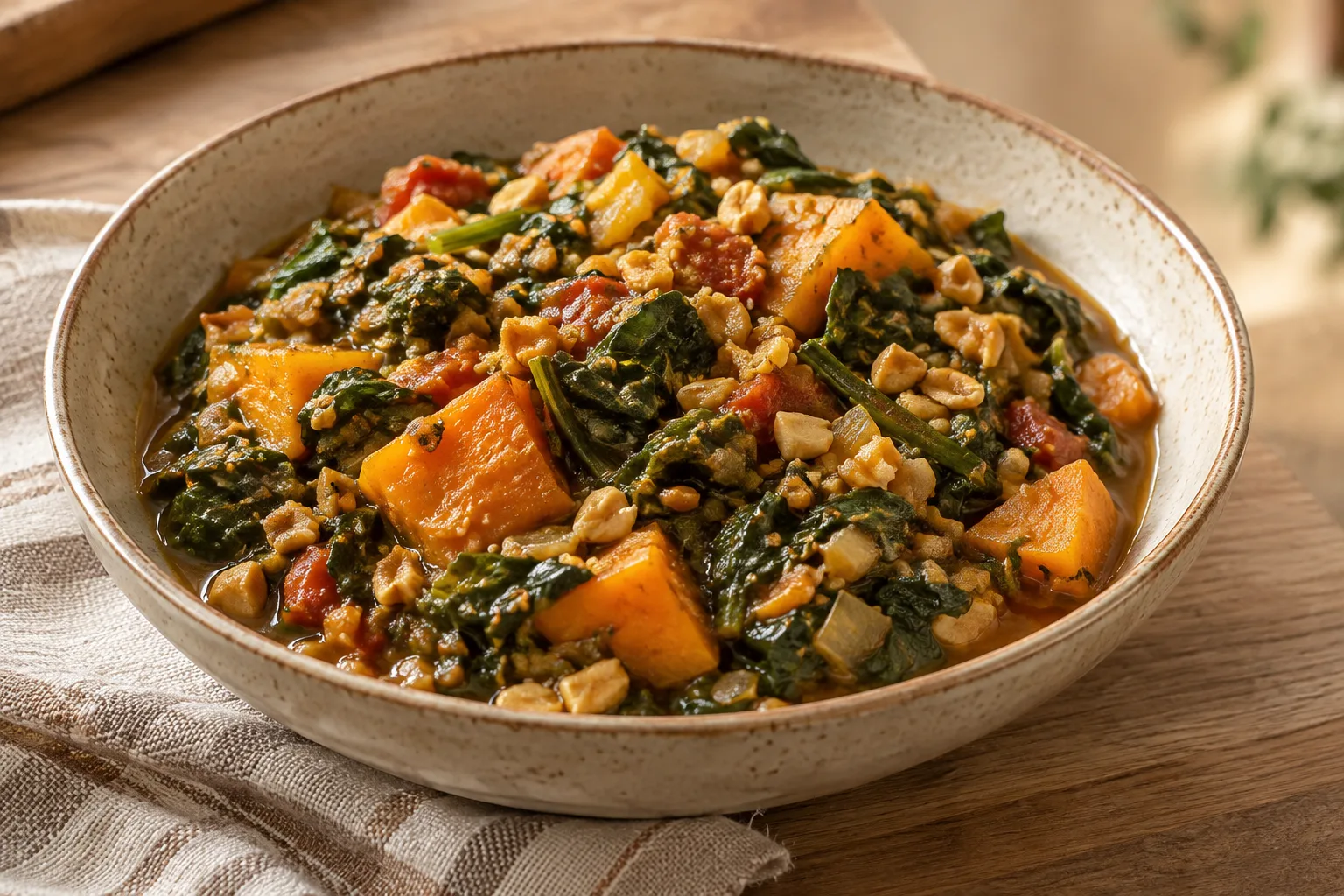
- Leafy vegetable for soups, stews and pasta dishes
- Cooked side dish or raw salad green
Recommended techniques
- Sautéing
- Baking until crisp
- Massaging briefly for raw salads
- Adding to soups and stews
Pairs well with
- Garlic and olive oil
- Pasta, rice and other vegetables
- Lemon juice or vinegar
Frequently asked questions
Should I remove the central stem?
Not always. If it is tough or fibrous, remove it; the leaves generally soften sooner than the stem.
Can kale be eaten raw?
Yes. Tender leaves can be added to salads; thin slicing and brief massaging can improve their texture.
How should fresh kale be stored?
Keep it unwashed in the refrigerator and wash it just before use. In good condition and stored properly, it may keep for up to a week or longer.
Ingredient allergens
Allergen listThere are no verified associations for these ingredients yet.
Estimated nutrition
- Fat
- 0 g
- Saturates
- 0 g
- Carbohydrate
- 3.45 g
- Sugars
- 0 g
- Fibre
- 2.3 g
- Protein
- 2.3 g
- Salt
- 0.08 g
Sources and review
Automatically researched, cross-checked and validated content. Sources consulted:
- ¿Por qué la muerte es origen de miedos y tabúes? doi.org/10.64628/aao.fccyk3qj3
- Usos culinarios apropiados de las variedades de plátano verde barraganete, dominico y maqueño, en la gastronomía ecuatoriana. | Revista de Gastronomía y Cocina doi.org/10.70221/rgc.v4i2.97
- Regionalismo y centralismo culinario en un manuscrito huancaíno del siglo XIX : influencias y sabores | OpenAlex openalex.org/W2981277873
- Chucrut - Wikipedia, la enciclopedia libre es.wikipedia.org/wiki/Chucrut
- Para la ciudadanía www.aesan.gob.es/para-la-ciudadania
- Cómo utilizar kale (col rizada) | Colorado State University Extension extension.colostate.edu/resource/como-utilizar-kale-col-rizada/
- Kale | UNL Food | Nebraska food.unl.edu/article/kale/
- Tipos de col: variedades y características | Fine Dining Lovers www.finedininglovers.es/explorar/noticias/tipos-de-col-variedades-y-caracteristicas
- Exploring the World of Leafy Greens: A Comprehensive Guide to Kale and – Crucible Cookware cruciblecookware.com/es-es/blogs/consejos-e-inspiracion-para-utensilios-de-cocina-cocinar-y-…
- - YouTube www.google.com/goto?url=CAESZgHrOzAVPP5UoDxHmq_d2TbmhUg0IJ6CWjfBqCPjuZw99dHxD-zLieEUxd-mni1W…
- - YouTube www.youtube.com/watch?v=k8FvHZc99D8
- Tipos de col: 6 variedades y su diferencia con el repollo agricolacampolor.com/tipos-de-col/
- “La otra” col: de Saboya | CocinaSinReceta.com www.google.com/goto?url=CAESkgEB6zswFWC0GvBMb2CjmO_PNFePM8CJZP6093AJ6iriXnVqJp9hjsDVr-YdmUGm…
- Frutos silvestres de uso tradicional en la alimentación: evaluación de su valor nutricional, compuestos bioactivos y capacidad antioxidante | OpenAlex openalex.org/W105533840