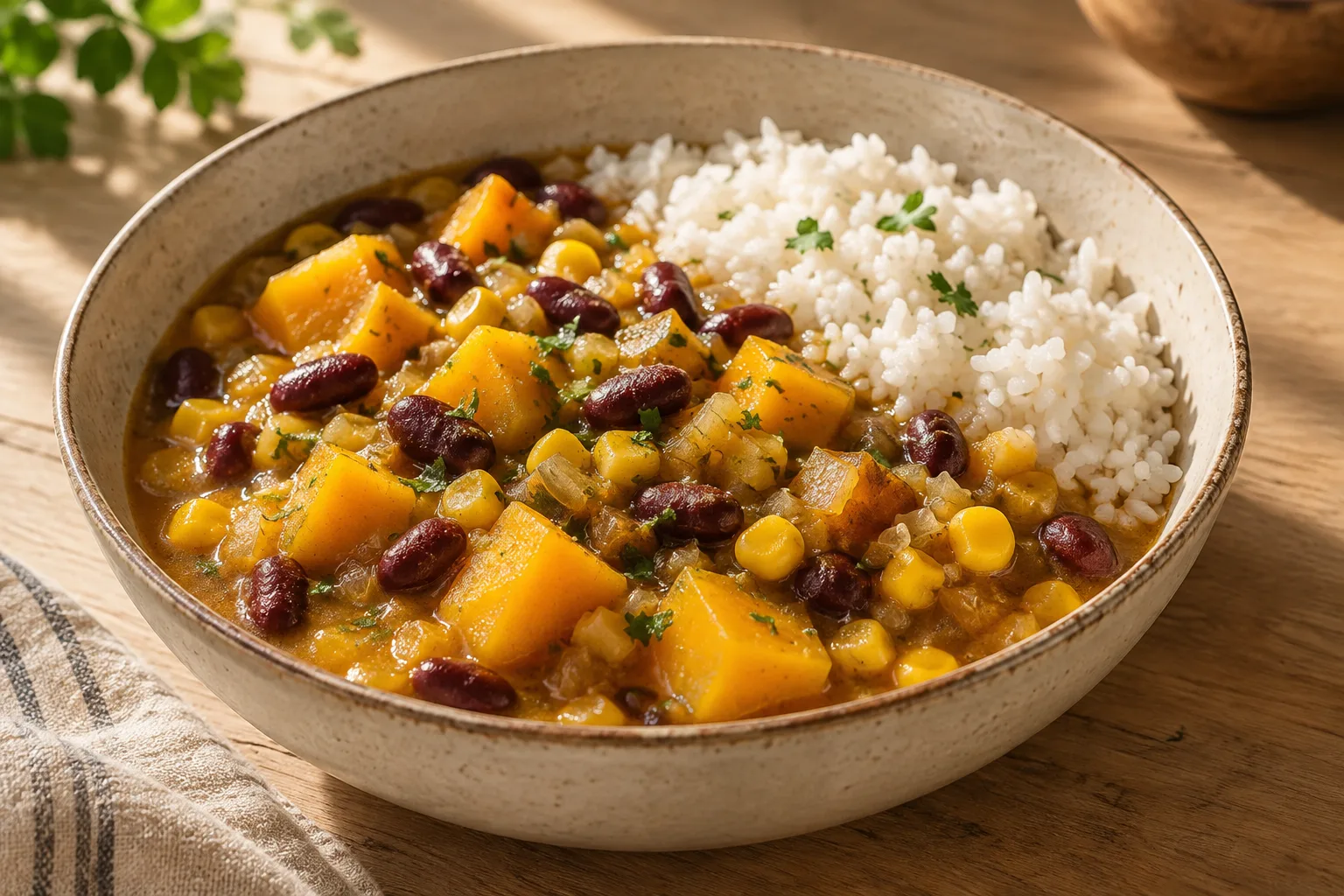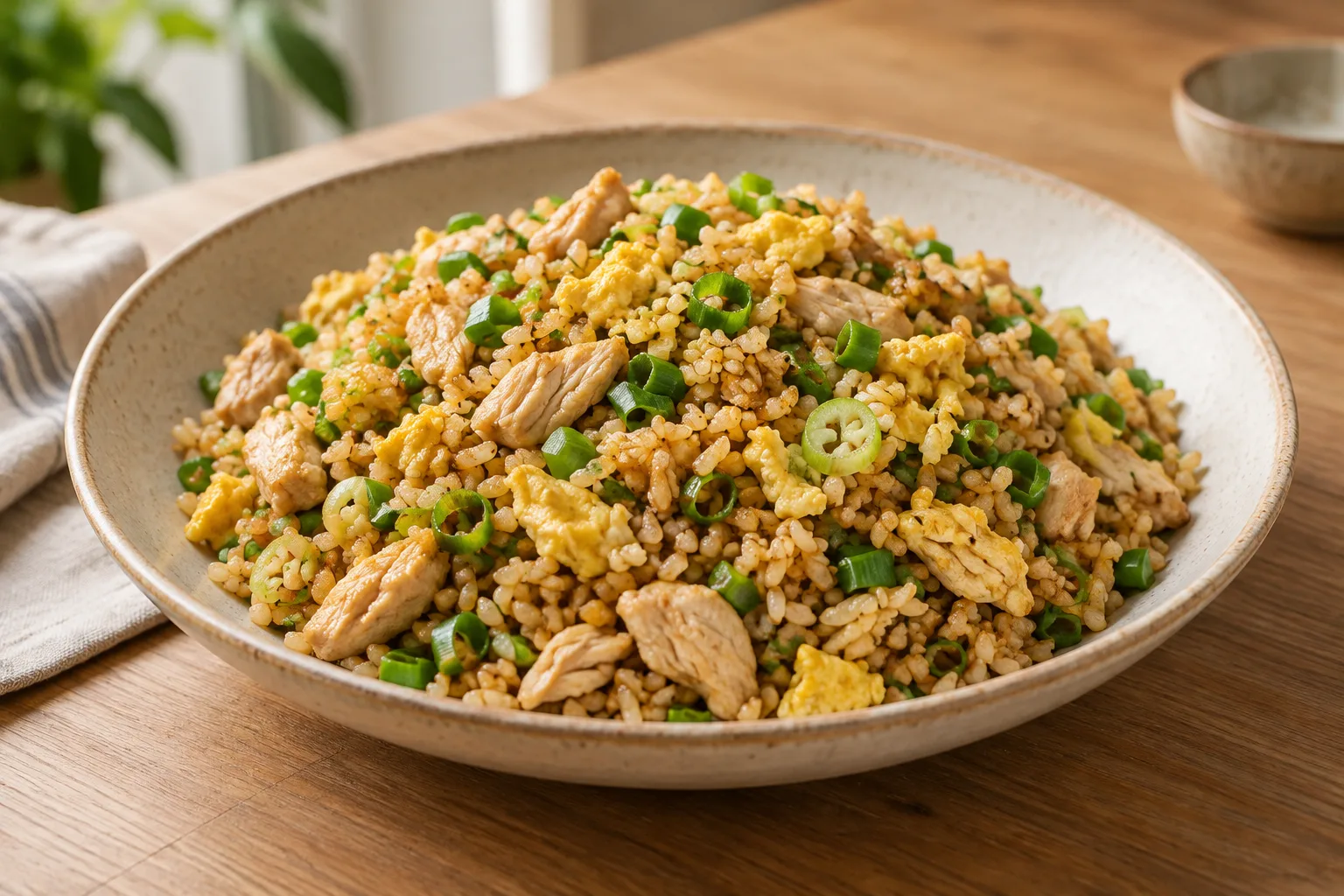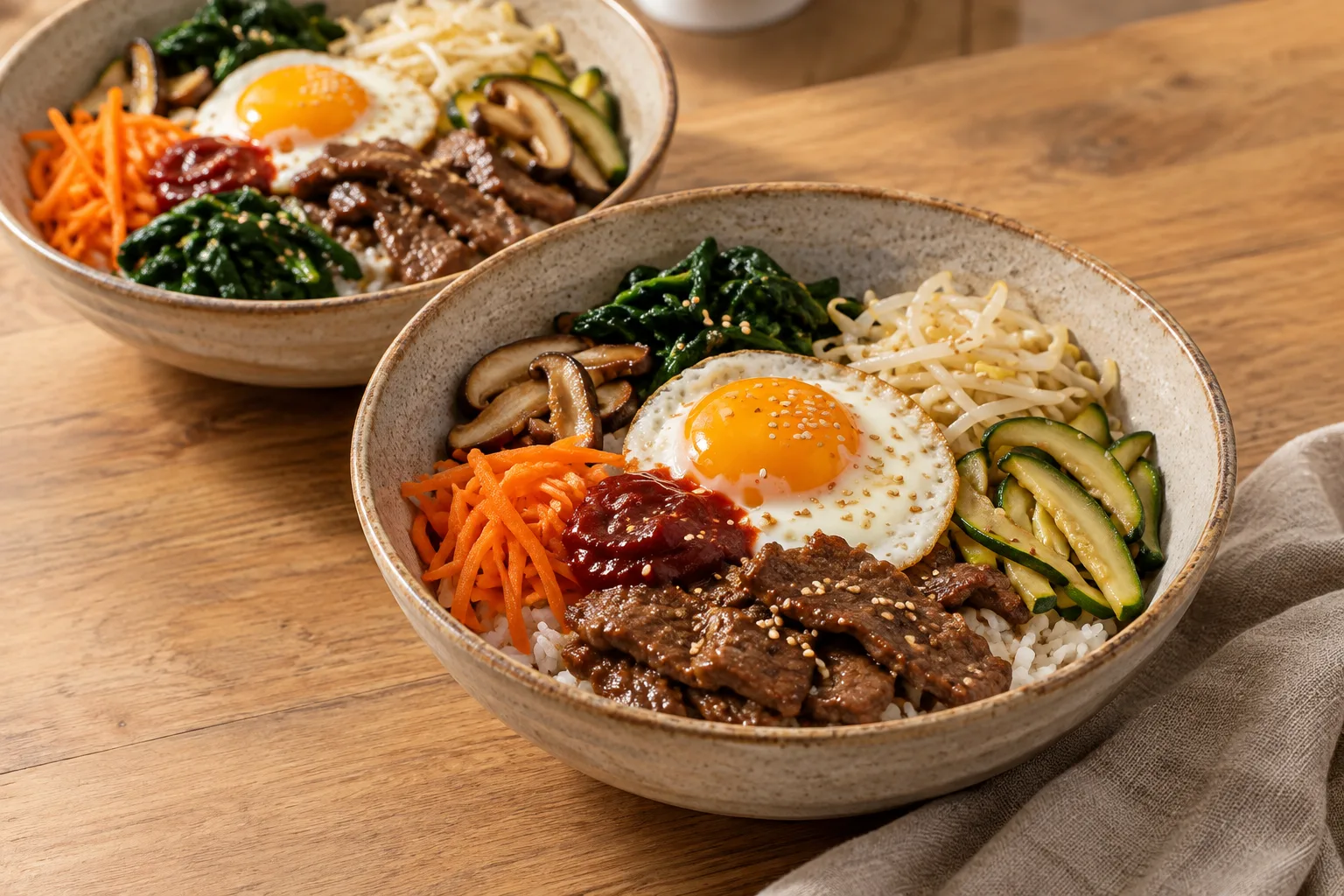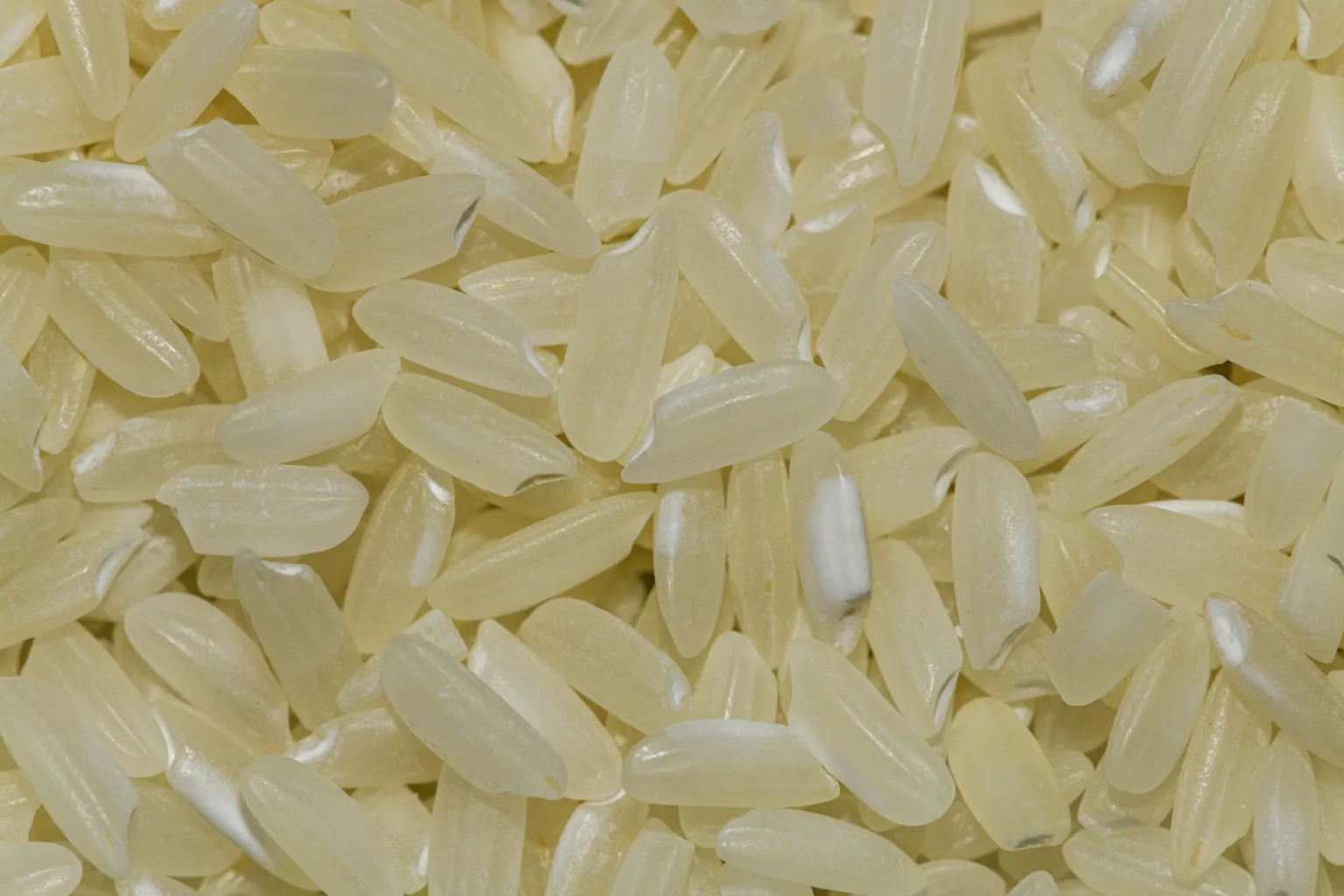
- Category
- Grains, flour and pasta
- State
- Fresh
- Usual unit
- cup
What it is
Cooked rice is rice prepared with water, commonly by boiling or steaming. The term does not identify a particular variety: it can be made from long-, medium- or short-grain rice, white or brown rice, and other types. Long-grain rice tends to cook up light and separate; medium grains are generally tender and somewhat sticky, while short grains are usually stickier. As a result, cooked rice can differ in appearance and consistency without necessarily being improperly prepared. It can be served as a base or side, or used as an ingredient in other savory or sweet recipes.
When to use it
Use cooked rice when you want a simple base to serve with vegetables, protein or sauce, or when a recipe calls for an already-cooked grain in a stir-fry. It can also be used in rice pudding and other sweet preparations. Choose the texture for the dish: long-grain rice tends to remain separate, while medium- and short-grain types are generally more tender and sticky. If a recipe depends on a particular consistency, consider what kind of rice was cooked before adding it.
How to use it
Gently fluff the grains with a fork if serving the rice as a side and you want an airy texture. For a stir-fry, add cooked rice to the pan with vegetables and the other ingredients specified by the recipe; depending on the preparation, cooked rice can also go into baked dishes or soups. For a creamy result, such as rice pudding, combine it with milk and spices and stir as directed by the recipe. Match its use to the grain type: long-grain rice is generally more separate, while medium or short grain can be stickier. For a prepared or packaged product, consult its label and local official food-safety recommendations for storage guidance.
Flavour and texture
Its flavor is usually mild, so it works with savory or sweet ingredients. Texture depends on grain type and cooking: long-grain rice tends to be light and separate; medium grain, tender and somewhat sticky; and short grain, stickier. Brown rice is generally chewier and has a nuttier character than white rice.
How to choose it
When buying prepared cooked rice, choose a product with intact packaging and check its storage information and label instructions. If cooking rice at home, choose the grain type to suit the texture you want. Before storing dry rice, check it for insects or discoloration.
Storage
For prepared or packaged cooked rice, consult the label and local official food-safety recommendations. Storage guidance for dry rice does not establish how to store cooked rice. No storage period or temperature for cooked rice is specified here; do not infer one from information about uncooked rice.
Substitutions
You can switch the type of cooked rice, but the dish’s texture may change: long-grain rice tends to be more separate, while medium and short grains are more tender and sticky. Brown rice also tends to be chewier than white rice. Choose the type that best suits the result the recipe calls for.
Common mistakes
Do not assume all cooked rice has the same consistency: grain type and preparation both matter. Choosing short-grain rice when you want separate grains, or long-grain rice when you want a sticky texture, can change the result. Do not treat dry-rice storage guidance as advice for cooked rice.
Safety and allergens
For prepared or packaged cooked rice, consult the label and local official food-safety recommendations. No storage times or temperatures are given here; advice for dry rice should not be treated as instructions for cooked rice.
Culinary uses
- Base o acompañamiento para platos salados
- Ingrediente para salteados, guisos y postres
Recommended techniques
- Hervir
- Cocinar al vapor
- Saltear arroz ya cocido
Pairs well with
- Verduras y salsas en salteados
- Leche y especias en preparaciones dulces
Frequently asked questions
Why is some cooked rice stickier than other rice?
Grain variety and size affect texture. Long-grain rice tends to stay more separate, while medium- and short-grain rice are generally more tender and sticky.
Can cooked rice be used in a stir-fry?
Yes. Already-cooked rice can be added to a stir-fry with vegetables and other ingredients, following the recipe’s method.
Can I use cooked brown rice instead of white rice?
Yes, although the texture may differ: brown rice tends to be chewier and have a nuttier character.
Ingredient allergens
Allergen listThere are no verified associations for these ingredients yet.
Estimated nutrition
- Fat
- 0.34 g
- Saturates
- 0.05 g
- Carbohydrate
- 21.3 g
- Sugars
- 0.73 g
- Fibre
- 1.8 g
- Protein
- 3.99 g
- Salt
- 0.01 g
Sources and review
Automatically researched, cross-checked and validated content. Sources consulted:
- The Essential Glossary of Cooking Terms for the Culinary Arts - Escoffier www.escoffier.edu/blog/culinary-arts/the-essential-glossary-of-cooking-terms-for-the-culinar…
- Storing White Rice | USU extension.usu.edu/preserve-the-harvest/research/storing-white-rice
- Arroz - Wikipedia, la enciclopedia libre es.wikipedia.org/wiki/Arroz
- Nutrition After Your Transplant - Health Online healthonline.washington.edu/sites/default/files/record_pdfs/Nutrition-After-Your-Transplant-…
- Culinary Alchemy - Open PRAIRIE openprairie.sdstate.edu/cgi/viewcontent.cgi?article=1013&context=english_pubs
- Arroz con Leche 2010 (Rice Pudding) - lacocina.utsa.edu/oaxaca-al-gusto-2010-arroz-con-leche-rice-pudding/
- All About Cooking Rice | UNL Food | Nebraska food.unl.edu/article/nutrition-education-program-nep/all-about-cooking-rice/
- El Arroz: Tipos de Arroz - Ybarra en tu cocina ybarraentucocina.com/recetas/el-arroz-tipos-de-arroz/
- Is Rice Good For You? - Kendall Reagan Nutrition Center www.chhs.colostate.edu/krnc/monthly-blog/is-rice-good-for-you/
- Rice • The Nutrition Source nutritionsource.hsph.harvard.edu/food-features/rice/
- Para la ciudadanía www.aesan.gob.es/para-la-ciudadania
- Arroz. Tipos y usos en la cocina. ¿Cuáles son y cómo usarlos en cada receta? www.abc.es/recetasderechupete/arroz-lo-que-todavia-no-sabes-sobre-el/26260/