- Category
- Pulses
- State
- Dry
- Usual unit
- cup
What it is
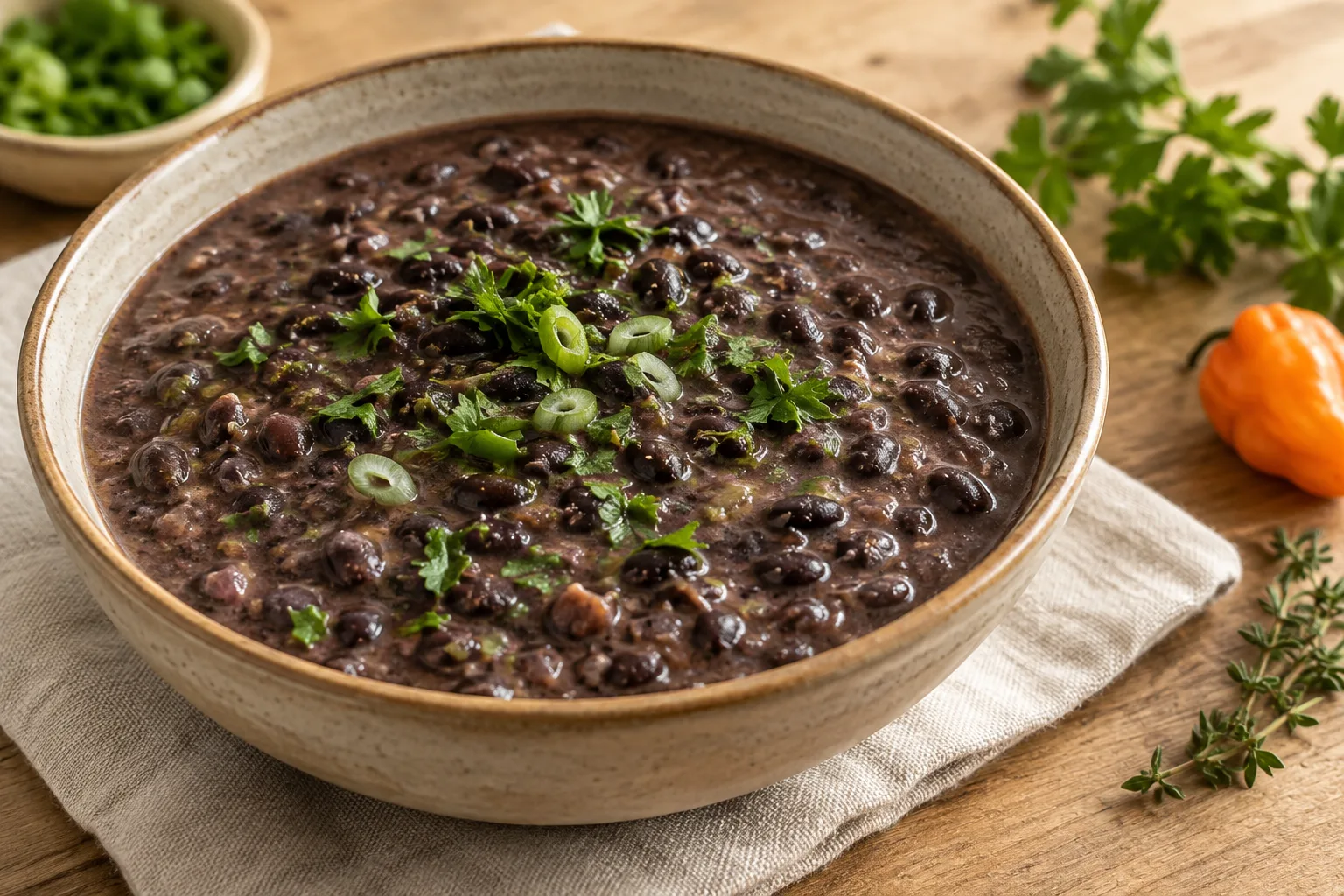
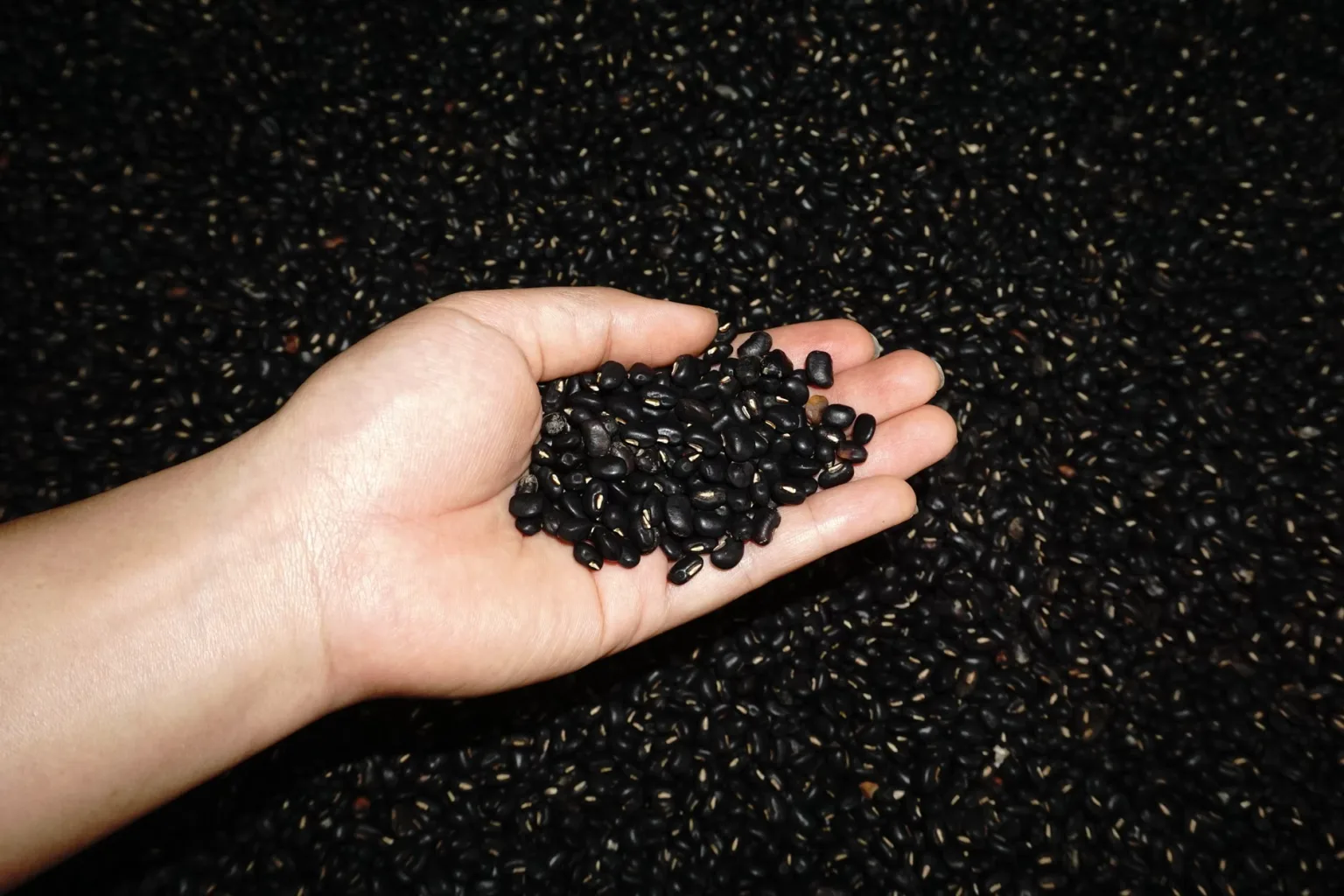
Dried black beans are the dehydrated seeds of a black variety of common bean, Phaseolus vulgaris. They are sold uncooked and need hydration and cooking before eating. Starting with dry beans lets you season them as they cook and reserve some of the cooking liquid to adjust the consistency of soups or purées. Across several cuisines, they are served whole with rice, added to soups and stews, or mashed for refried-style dishes and fillings. Seed size and shape can vary, so the finished texture and cooking time are not identical for every batch.
When to use it
Use them when you want a legume that can be cooked with aromatics and made into the base of a soup or stew, or served alongside rice. Once cooked, they also work as a filling for arepas and tortillas, or can be mashed into a creamy preparation. Because they are sold dry, plan ahead for soaking and cooking; when there is not enough time to cook from dry, cooked or canned black beans are a convenient alternative.
How to use it
Pick out any foreign material and rinse the beans. For easier planning, soak them covered with water; then drain and cover with fresh water in a pot. Simmer until tender, checking the texture rather than relying on one fixed cooking time: it can vary with the bean type and age. Add aromatics such as garlic, onion, or bay leaf if you like. Serve the beans whole with rice, add them to soup or stew, or mash them with a little cooking liquid for a thick, creamy mixture.
Flavour and texture
Once cooked, black beans are tender and hearty, with a creamy texture that works well both whole and mashed. Their mild flavor pairs well with aromatic seasonings and more assertive ingredients such as garlic, cumin, and chile. Cooking liquid can add body to soup or help adjust a mash; add only as much as needed to reach the texture you want.
How to choose it
Choose a package labeled dried black beans and look for clean, intact seeds. Size and shape can vary between varieties, so do not expect every bean to look identical. Avoid packages with visible signs of dampness, dirt, or damage, and check the package for storage and preparation directions.
Storage
Close the package securely after use and keep the beans dry so they do not become damp. Check the package for storage directions and avoid keeping it beside liquids or wet foods. Once cooked, handle the beans with clean utensils and follow the storage instructions for the container or recipe you are using.
Substitutions
Cooked or canned black beans can replace dried beans that would otherwise be cooked from scratch, but the method changes because they are already hydrated and cooked. Adjust the recipe's liquid and salt when adding them. Previously cooked dried black beans can also stand in for canned black beans; add liquid gradually until the desired consistency is reached.
Common mistakes
Do not assume every batch of dried beans will soften in the same amount of time: variety and age can make a difference. Check that they are tender before serving, and do not add them dry to a recipe that does not allow for hydration and cooking. When mashing the beans, add liquid gradually so the result does not become too loose.
Safety and allergens
Rinse the beans before preparation, use clean utensils, and cook them thoroughly until tender. Follow the package directions for preparation and store cooked beans according to the instructions for your recipe or container.
Culinary uses
- Main ingredient in soups and stews
- Side dish, rice accompaniment, or filling for tortillas and arepas
Recommended techniques
- Sort, rinse, soak, then simmer in fresh water until tender
- Mash cooked beans for a thick, refried-style preparation
Pairs well with
- Rice
- Garlic, onion, cumin, oregano, and cilantro
Frequently asked questions
Do dried black beans need soaking?
Soaking is a practical way to prepare the beans before cooking. If you do not soak them, cooking time may vary; check that they become tender.
How can I tell when they are cooked?
Check the texture: the beans should be tender and yield when pressed. Cooking time can vary with the beans' variety and age.
How can I serve black beans?
Serve them whole with rice, add them to soups and stews, or mash them for a filling or creamy side dish.
Ingredient allergens
Allergen listThere are no verified associations for these ingredients yet.
Estimated nutrition
- Fat
- 7.01 g
- Saturates
- 1 g
- Carbohydrate
- 22.04 g
- Sugars
- 0.3 g
- Fibre
- 8.1 g
- Protein
- 8.23 g
- Salt
- 0.54 g
Sources and review
Automatically researched, cross-checked and validated content. Sources consulted:
- La diabetes y la alimentación: Cómo planificar y cocinar comidas sabrosas y saludables | CAES Field Report fieldreport.caes.uga.edu/publications/C1364-08-SP/la-diabetes-y-la-alimentacion/
- El “lujo culinario”: elites, cocina y poder en el espacio Atlántico | OpenAlex openalex.org/W4408399161
- - YouTube www.youtube.com/watch?v=d5INubdNX6s
- Healthy Adults New | Healthy Family Connecticut | College of Agriculture, Health & Natural Resources/Extension | University of Connecticut healthyfamilyct.cahnr.uconn.edu/adults/
- USDA National Nutrient Database for Standard ... courses.washington.edu/bonephys/calist.pdf
- Frijoles negros, las mejores y más deliciosas recetas gastroamantes.com/frijoles-negros/
- SOCIAL SCIENCE PERSPECTIVES ON MANAGING ... ageconsearch.umn.edu/bitstream/113863/2/H005730.pdf
- Frijol negro - Wikipedia, la enciclopedia libre es.wikipedia.org/wiki/Frijoles_negros
- Caraotas venezolanas: qué son, dónde encontrarlas en España y en qué recetas usarlas www.directoalpaladar.com/ingredientes-y-alimentos/caraotas-venezolanas-que-donde-encontrarla…
- Frijoles negros fáciles | Recetas | Cook for Your Life www.cookforyourlife.org/es/recetas/frijoles-negros-basicos/