- Category
- Vegetables
- State
- Fresh
- Usual unit
- unit
What it is
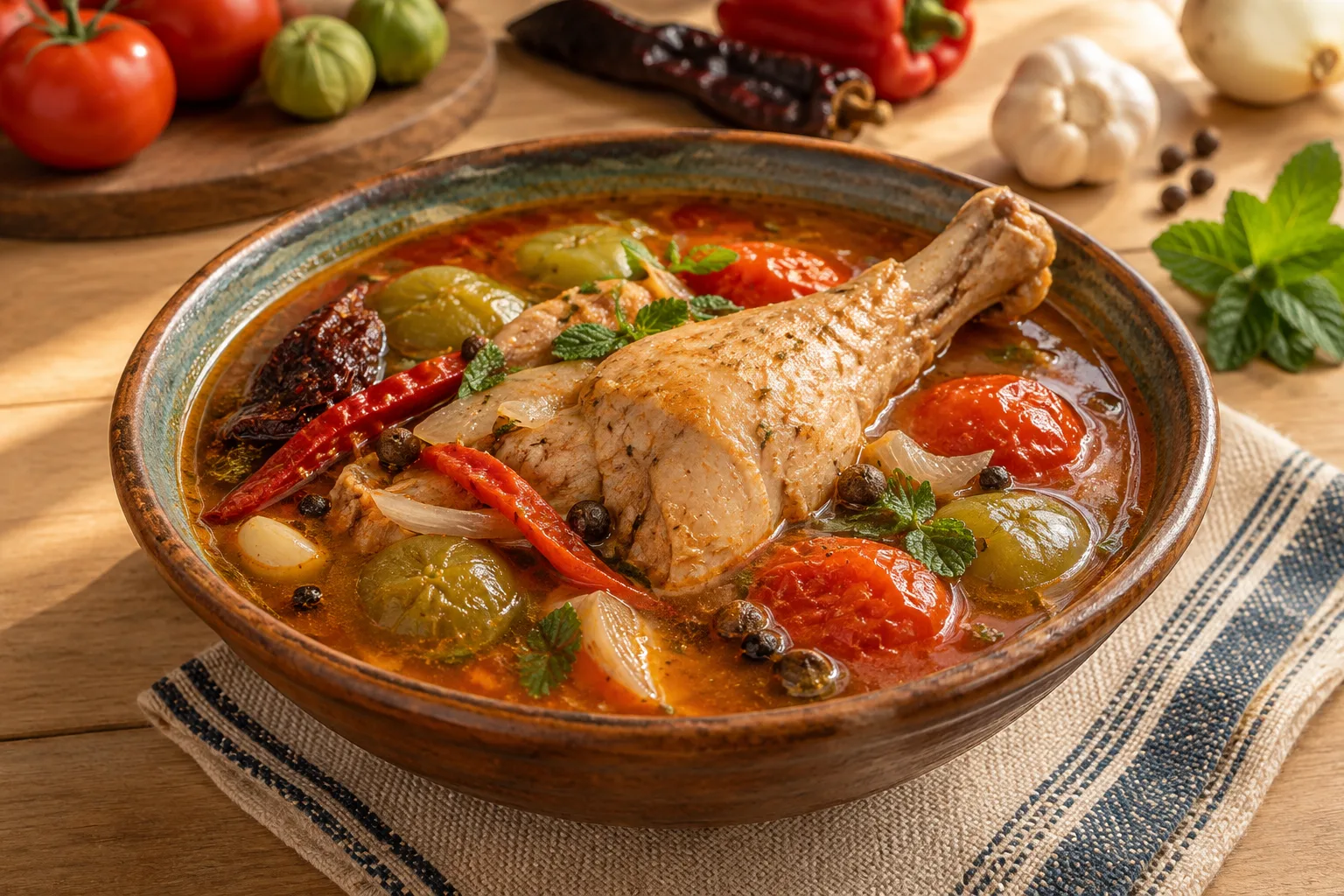
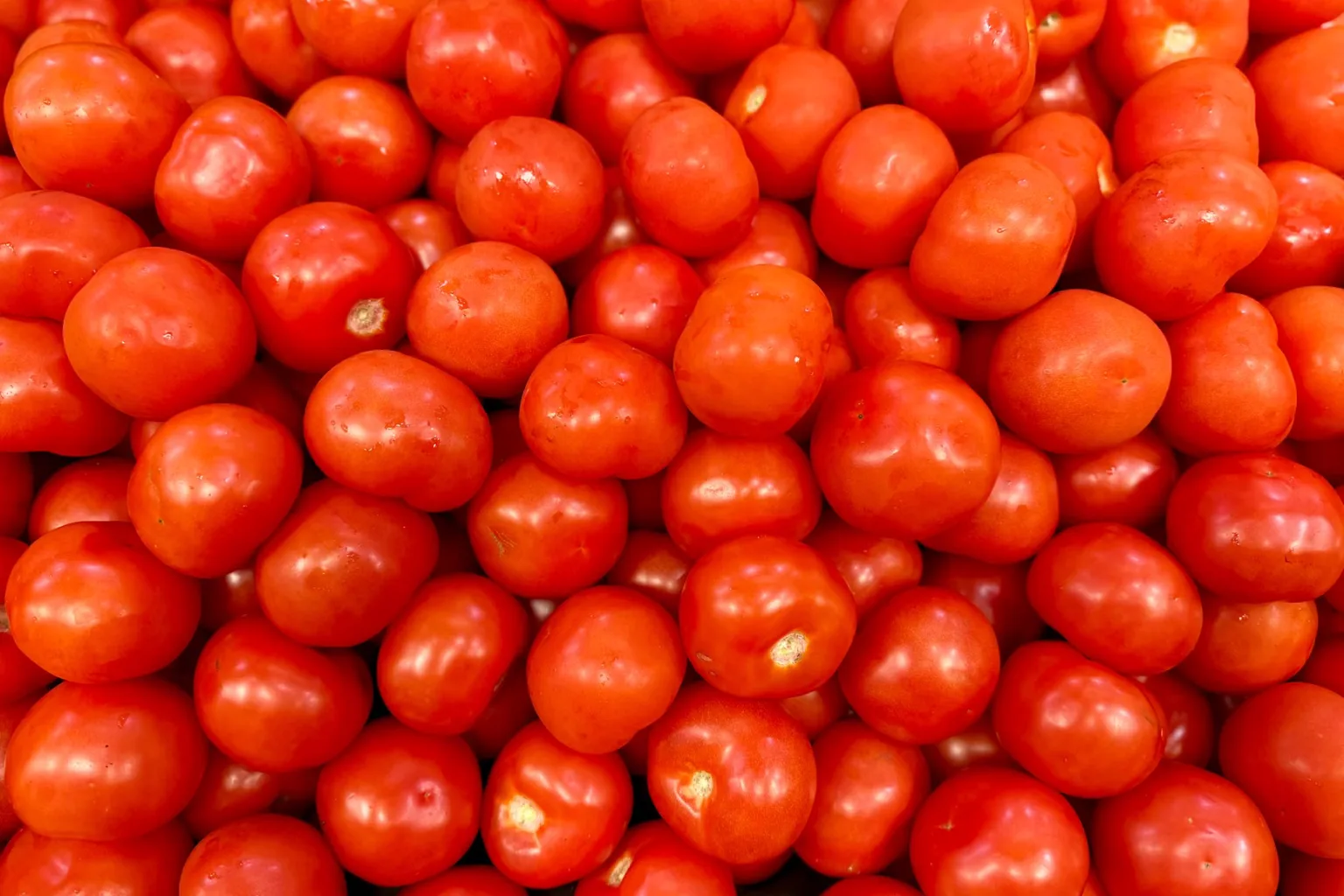
A red tomato is the ripe fruit of the plant Solanum lycopersicum. Botanically it is a fruit, but in the kitchen it is commonly treated as a vegetable. Tomatoes come in many sizes and shapes: some have firm, abundant flesh, while others are softer and juicier. Tomatoes suitable for slicing and eating fresh can also be cooked; denser-fleshed types generally make thicker sauces than large, juicy slicing tomatoes. The name “red tomato” describes its color, not one specific variety or a uniform flavor. Variety and ripeness affect both texture and taste, so the best choice depends on how you plan to use it.
When to use it
Choose red tomatoes when you want freshness and juiciness in salads, sandwiches or other uncooked dishes, or when you need pulp for a sauce, soup or stew. For slicing and serving, choose a texture that suits the dish; for a thick sauce, a firmer-fleshed type can help. Large, juicy tomatoes work well in recipes where extra liquid is welcome. Variety and ripeness influence flavor and texture, so not every tomato will behave the same way or work in the same proportions.
How to use it
Before eating or preparing tomatoes, gently rinse them under cold running water, and use clean hands, surfaces and utensils. Slice or dice them for salads and sandwiches, or chop them into soups, stews and sauces. For a cold preparation, blend them with other ingredients as desired. To cook them, simmer in a pan or pot and adjust the consistency for the amount of juice they release. Tomatoes can also be frozen whole or in pieces for later use in cooked dishes. They lose firmness after thawing, so they are not the best choice for serving as raw slices once defrosted.
Flavour and texture
Flavor can balance sweetness with fresh acidity, but it varies with variety and ripeness. Texture varies too: some tomatoes have abundant flesh and less juice, while others are tender and watery. Firmer-fleshed types are useful when a thicker sauce is wanted; juicier tomatoes add liquid to salads, soups and blended preparations.
How to choose it
Choose tomatoes that look firm and ripe for the use you have in mind. If you want a substantial sauce, consider a type with abundant, firm flesh; for slices, pick a fruit with a texture you enjoy. Do not judge a tomato by color alone: variety, size, flesh and juiciness also affect how it works in a dish.
Storage
Handle tomatoes gently to avoid bruising, and check their condition before use. For longer keeping, tomatoes can be frozen whole or in pieces in suitable containers; once thawed, they will be soft and are best used in cooked dishes. For packaged tomato products, follow the storage directions on the label and observe any product-specific instructions.
Substitutions
Canned tomatoes or crushed tomatoes can replace fresh tomatoes in sauces and stews. Adjust the liquid and quantity to suit the product and the recipe. Tomato purée or paste has a different consistency, so add it gradually and adjust to taste.
Common mistakes
Using a very juicy variety when you expect a thick sauce can leave the dish too loose. Another mistake is expecting frozen tomatoes to stay firm after thawing; they are better suited to cooking. Wash fresh tomatoes before preparing them.
Safety and allergens
Gently rinse tomatoes under cold running water before eating or preparing them. Use clean hands, surfaces and utensils. For home canning, use a tested preservation recipe and follow its directions; do not improvise the process.
Culinary uses
- Fresh salad ingredient
- Base for sauces, soups and cooked dishes
Recommended techniques
- Slice or dice for raw dishes
- Cook slowly into sauces, soups or stews
- Blend or crush for cold preparations
- Freeze for later use in cooked dishes
Pairs well with
- Onion
- Sweet pepper
- Olive oil
- Fresh herbs
Frequently asked questions
Is a tomato a fruit or a vegetable?
Botanically, a tomato is a fruit; in cooking, it is commonly used as a vegetable.
Which tomatoes work well for a thick sauce?
Firmer-fleshed types, including some Roma-style tomatoes, generally make thicker sauces than large, juicy slicing tomatoes.
Can fresh tomatoes be frozen?
Yes. They can be frozen whole or in pieces, but they lose firmness when thawed and are best used in cooked dishes.
Ingredient allergens
Allergen listThere are no verified associations for these ingredients yet.
Estimated nutrition
- Fat
- 0.11 g
- Saturates
- 0.02 g
- Carbohydrate
- 4.01 g
- Sugars
- 2.49 g
- Fibre
- 0.7 g
- Protein
- 0.95 g
- Salt
- 0.03 g
Sources and review
Automatically researched, cross-checked and validated content. Sources consulted:
- En el etiquetado alimentario hay algunas menciones que son obligatorias eletiquetadocuentamucho.aesan.gob.es/obligatoria.html
- Ingredientes para Recetas de Salsa (Spanish) - National Center for Home Food Preservation nchfp.uga.edu/how/can/canning-salsa/ingredients-for-salsa-recipes-spanish/
- Client Challenge doi.org/10.2307/jj.27939689.16
- The Essential Glossary of Cooking Terms for the Culinary Arts - Escoffier www.escoffier.edu/blog/culinary-arts/the-essential-glossary-of-cooking-terms-for-the-culinar…
- Tomate - Wikipedia, la enciclopedia libre es.wikipedia.org/wiki/Tomate
- La historia del tomate en la cocina | Hida hida.es/historia-del-tomate-en-la-cocina/
- Los 6 mejores tipos de tomate y cómo usarlos en cocina mercadosantamariadelacabeza.es/blog/tesoros-gastronomicos/tipos-de-tomate
- Nutrition After Your Transplant - Health Online healthonline.washington.edu/sites/default/files/record_pdfs/Nutrition-After-Your-Transplant-…
- Vamos a Conservar Alimentos: Tomates extension.psu.edu/vamos-a-conservar-alimentos-tomates/
- Making Corn Tortillas and Salsa coloradosph.cuanschutz.edu/docs/librariesprovider151/default-document-library/inventasalsa--…
- Panther Bites: Recipes for Gathering Season - Florida Tech News+ news.fit.edu/campus/panther-bites-recipes-for-gathering-season/
- Para la ciudadanía www.aesan.gob.es/para-la-ciudadania
- Introduction to post-harvest food handling | Servicio de Extensión de OSU extension.oregonstate.edu/es/catalog/em-9870-introduction-post-harvest-food-handling
- Le Jeune Chef Catering Menu www.pct.edu/media/3671/download