- Category
- Pulses
- State
- Paste
- Usual unit
- g
What it is
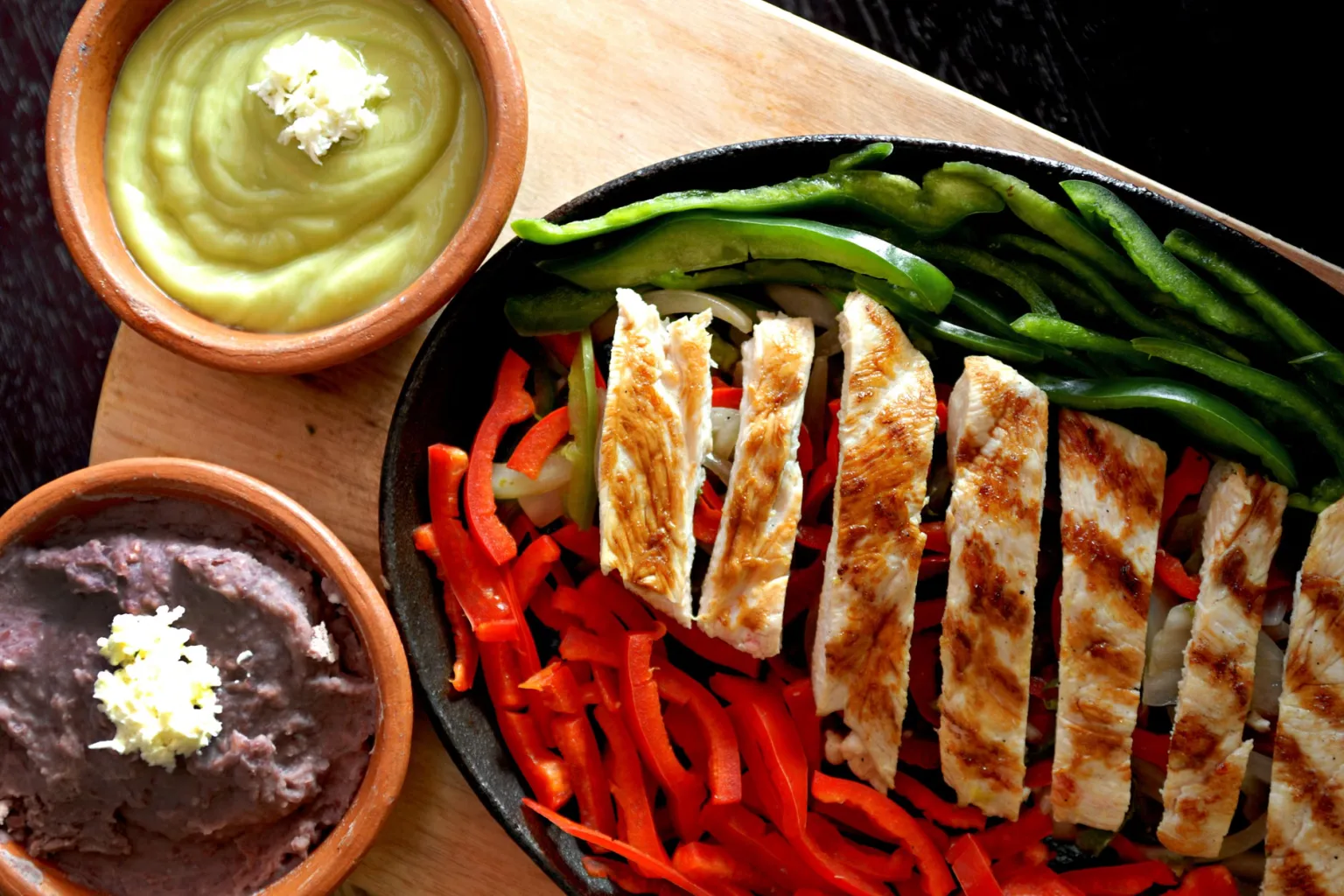
Refried beans are a preparation of cooked beans mashed or puréed and cooked in a pan with oil or lard. Onion is often added; some versions also include garlic, chile or other seasonings. The finished texture can be rustic and chunky or smooth and thick. Although the name may suggest that the beans are fried twice, the preparations described cook mashed beans with fat; recipes and use of the term vary. Pinto, black, red and other beans can be used, so there is no single color or seasoning profile. The prepared beans work as a side dish, a dip, or a filling, and their thickness can be adjusted during cooking.
When to use it
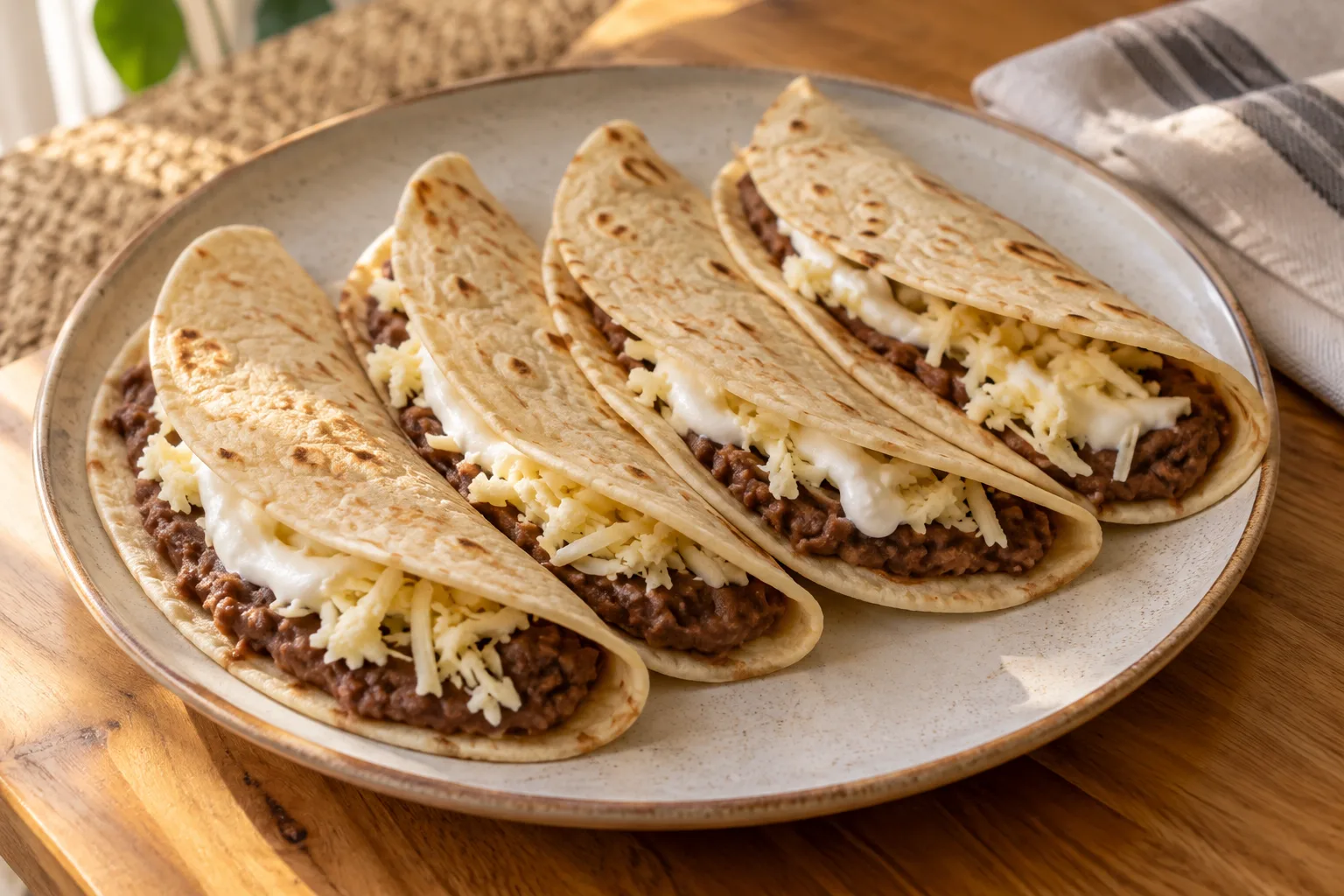
Use refried beans when you want a creamy side or a filling that stays on a tortilla. They work in tacos, tostadas, molletes and other tortilla-based dishes, and can also be served with tortilla chips as a dip. Pair them with rice, vegetables or meat, or use them to add substance to a simple meal. Choose a looser consistency for serving alongside other foods and a firmer paste for spreading or filling. You can adjust the thickness as they cook by adding liquid or letting excess moisture evaporate.
How to use it
Start with cooked beans. If desired, soften chopped onion and garlic in oil or lard, then add the beans with a little cooking liquid or broth. Mash as they heat and stir so the mixture does not stick. Cook until it reaches the thickness you want: add liquid gradually if it is too firm, or let moisture evaporate if it is too loose. Use a masher or spoon for a rustic texture, or purée or press the beans through a food mill for a smoother result. Season to taste with salt, chile or other seasonings, and serve as a side, dip or filling. Canned cooked beans can also be used; drain and rinse them before cooking if appropriate for the recipe.
Flavour and texture
Flavor varies with the bean variety, cooking fat and seasonings. The beans can taste mild and earthy, with stronger onion, garlic or chile notes when those ingredients are added. Texture ranges from a smooth purée to a rustic mixture with pieces. Cooking until drier makes a firmer paste; adding broth or water creates a creamier, looser consistency.
How to choose it
For prepared refried beans, check the label to see which beans and cooking fat are used and whether seasonings have been added. Products may be sold in cans or other packaging, and consistency varies by recipe and brand. Choose a texture to suit your purpose: firmer beans for spreading or filling, and a looser style for serving alongside other foods.
Storage
Store commercial products according to the package directions, since formats and instructions can differ. After opening, or if homemade beans will not be served soon, transfer them to a clean container, cover and refrigerate promptly. Avoid leaving them at room temperature for extended periods. Reheat thoroughly, stirring as they warm; add a little water or broth if they have thickened.
Substitutions
Substitute cooked and mashed black, pinto, red or bayo beans, adjusting the liquid and seasonings to get the consistency you want. A purée of cooked beans gives a similar base, though it will not have the flavor from cooking with fat. For a less rich result, use less oil or lard and add broth gradually.
Common mistakes
Adding all the liquid at once can leave the beans too loose and require extra cooking to thicken. Mashing thoroughly removes the rustic texture, while leaving too many beans whole can make the mixture less cohesive. Stir as they cook so they do not stick, and adjust the seasoning at the end, especially when starting with already-seasoned beans.
Safety and allergens
Handle beans and utensils cleanly. Refrigerate leftovers and follow package directions for commercial products. Do not eat a product if its packaging is damaged or it shows unusual signs of spoilage.
Culinary uses
- Guarnición
- Relleno para tacos, tostadas y otros platos
- Crema para untar o dip
Recommended techniques
- Machacar o triturar frijoles ya cocidos
- Sofreír con aceite o manteca y aromáticos
- Ajustar la consistencia con líquido
Pairs well with
- Tortillas, totopos y tacos
- Arroz y verduras
- Cebolla, ajo y chiles
Frequently asked questions
Which beans are used for refried beans?
Cooked pinto, black, red or bayo beans can be used. The variety changes the color and flavor, but the basic method is to mash the beans and cook them with fat.
Do refried beans have to be completely smooth?
No. Leave them rustic and chunky or purée them for a smoother finish. Add liquid gradually to adjust the thickness.
How are refried beans served?
Serve them as a side or dip, or use them as a filling or base for tacos, tostadas and other tortilla-based dishes. They pair well with rice and vegetables.
Ingredient allergens
Allergen listThere are no verified associations for these ingredients yet.
Estimated nutrition
- Fat
- 2.31 g
- Saturates
- 0.77 g
- Carbohydrate
- 18.5 g
- Sugars
- 0 g
- Fibre
- 5.4 g
- Protein
- 6.92 g
- Salt
- 0.92 g
Sources and review
Automatically researched, cross-checked and validated content. Sources consulted:
- The Essential Glossary of Cooking Terms for the Culinary Arts - Escoffier www.escoffier.edu/blog/culinary-arts/the-essential-glossary-of-cooking-terms-for-the-culinar…
- Using Pinto Beans | New Mexico State University - BE BOLD. Shape the Future. pubs.nmsu.edu/_e/E213/
- ¿Qué son los frijoles? Descubre tipos y variedades-Blog goya.es/blog/que-son-los-frijoles-descubre-sus-tipos-y-variedades
- El Fríjol, El Alimento Que Hace Feliz A Tu Mesa Y A Tu Paladar | SaborUSA www.saborusa.com/blog/el-frijol-el-alimento-que-hace-feliz-a-tu-mesa-y-a-tu-paladar/
- The Happy Kitchen: Community Designed Cooking Classes digital.library.unt.edu/ark:/67531/metadc804956/m2/1/high_res_d/thesis.pdf
- Le Jeune Chef Catering Menu www.pct.edu/media/3671/download
- Frijoles Refritos | Dinner Tonight dinnertonight.tamu.edu/recipe/frijoles-refritos/
- 4JG07PB: International Foods Project - Extension Publications publications.mgcafe.uky.edu/sites/publications.ca.uky.edu/files/4jg07pb.pdf
- Digestive System: The Food Tube (5th Grade) coloradosph.cuanschutz.edu/docs/librariesprovider151/default-document-library/4-digestive-sy…
- Legumes: Are they good for your heart? - Harvard Health www.health.harvard.edu/heart-health/legumes-are-they-good-for-your-heart
- Fríjoles refritos | Gastronomía & Cía www.gastronomiaycia.com/frijoles-refritos/
- - YouTube www.youtube.com/watch?v=pf3FIhRp6cY
- Frijoles refritos | www.cocinista.es www.cocinista.es/web/es/recetas/cocina-internacional/america/frijoles-refritos.html
- Así debes condimentar los frijoles refritos para que queden buenísimos usando sólo este ingrediente www.directoalpaladar.com/cultura-gastronomica/asi-debes-condimentar-frijoles-refritos-queden…
- Frijoles refritos - Wikipedia, la enciclopedia libre es.wikipedia.org/wiki/Frijoles_refritos