Food Culture: Understanding Municipal Markets
A guide to reading a municipal market as a place of food supply, conversation, culinary memory, and urban change—without turning it into a postcard.
An editorial home built from real recipe additions, seasonality and our methodology.
Asparagus, peas, broad beans, artichokes and tender greens signal spring. Learn to read the seasonal calendar flexibly, choose vegetables in good condition and organize storage without treating seasonality as a rigid rule.
Available content that can be reviewed from the recipe collection.
A guide to reading a municipal market as a place of food supply, conversation, culinary memory, and urban change—without turning it into a postcard.
Plan from what you already have, choose meal structures rather than a rigid calendar, and leave room for leftovers, schedule changes, and surprises.
Fat does more than add richness: it can act as a cooking medium, transfer heat, and help form emulsions. This guide focuses on observing food and adjusting technique rather than treating general rules as universal promises.
A practical guide to reducing risk when buying, transporting, storing, and serving perishable milk and dairy foods, while being clear about what these measures cannot solve.
A practical guide to cooking identified, edible mushrooms: careful cleaning, a roomy pan, browning, pairings and uses for different textures.
A flexible method for planning a week of homemade snacks, turning that plan into a focused shopping list, and doing only the advance work that makes afternoons easier.
A simple way to arrange, check and clean the refrigerator without turning it into a display: stable zones, visible food, closed containers and an easy rotation routine.
A practical guide to choosing, cutting, cooking, storing, and using pumpkin seeds with less waste and more options for everyday cooking.
Choosing the right tool, reading it properly, and recording decisions turns measurement into a clear, repeatable kitchen routine.
Artichoke season changes with origin and variety. Learn to read signs of freshness, refrigerate them without damaging them, and decide when to cook them.
Controlling fermentation means guiding a microbial transformation so that acidity, aromas, gas, alcohol, or texture develop predictably. It also means recognising that preservation and safety are not automatic: they depend on the method, the acidity achieved, and suitable practices.
The safe way to use cooked legumes starts by distinguishing dried pulses from ready-cooked products, then preventing cross-contamination and storing prepared food correctly.
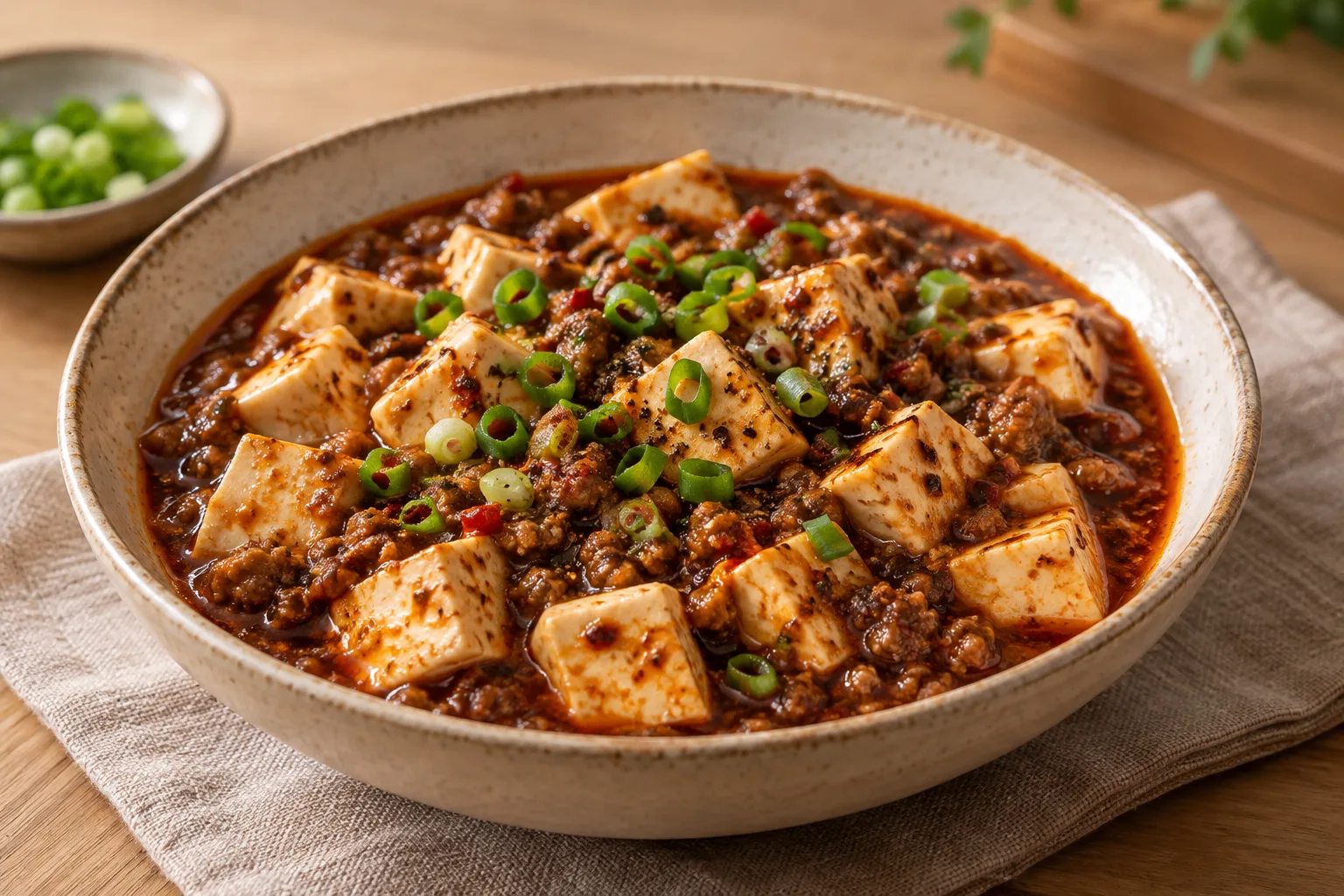
Tender tofu and minced pork in a savory sauce with doubanjiang, ginger, and Sichuan pepper. Serves 4; timings are estimates.
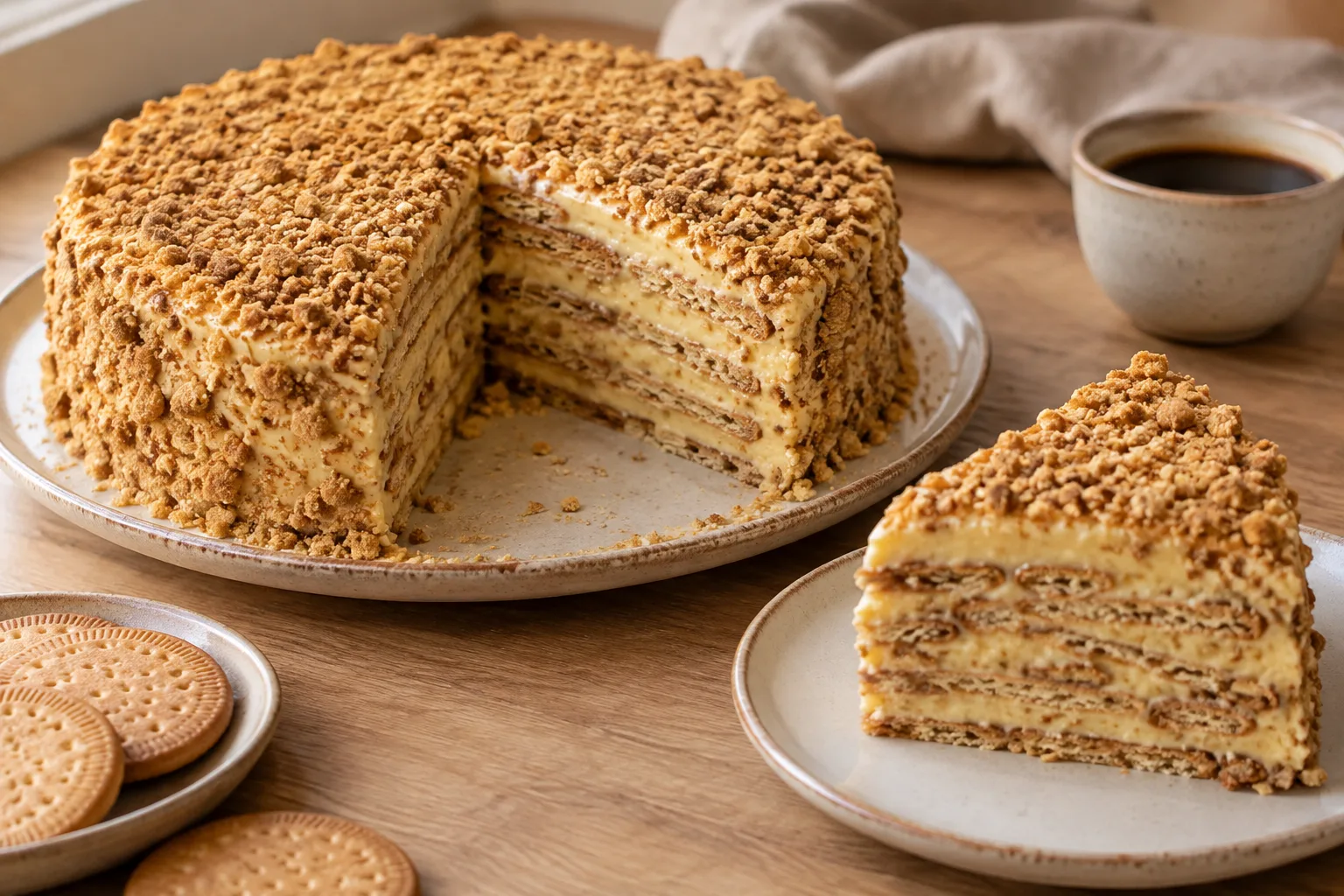
View recipeA no-bake Portuguese cake made with Maria biscuits dipped in coffee and layers of buttercream with egg yolks. Serves 6; allow about 30 minutes to prepare and 3 hours to chill.
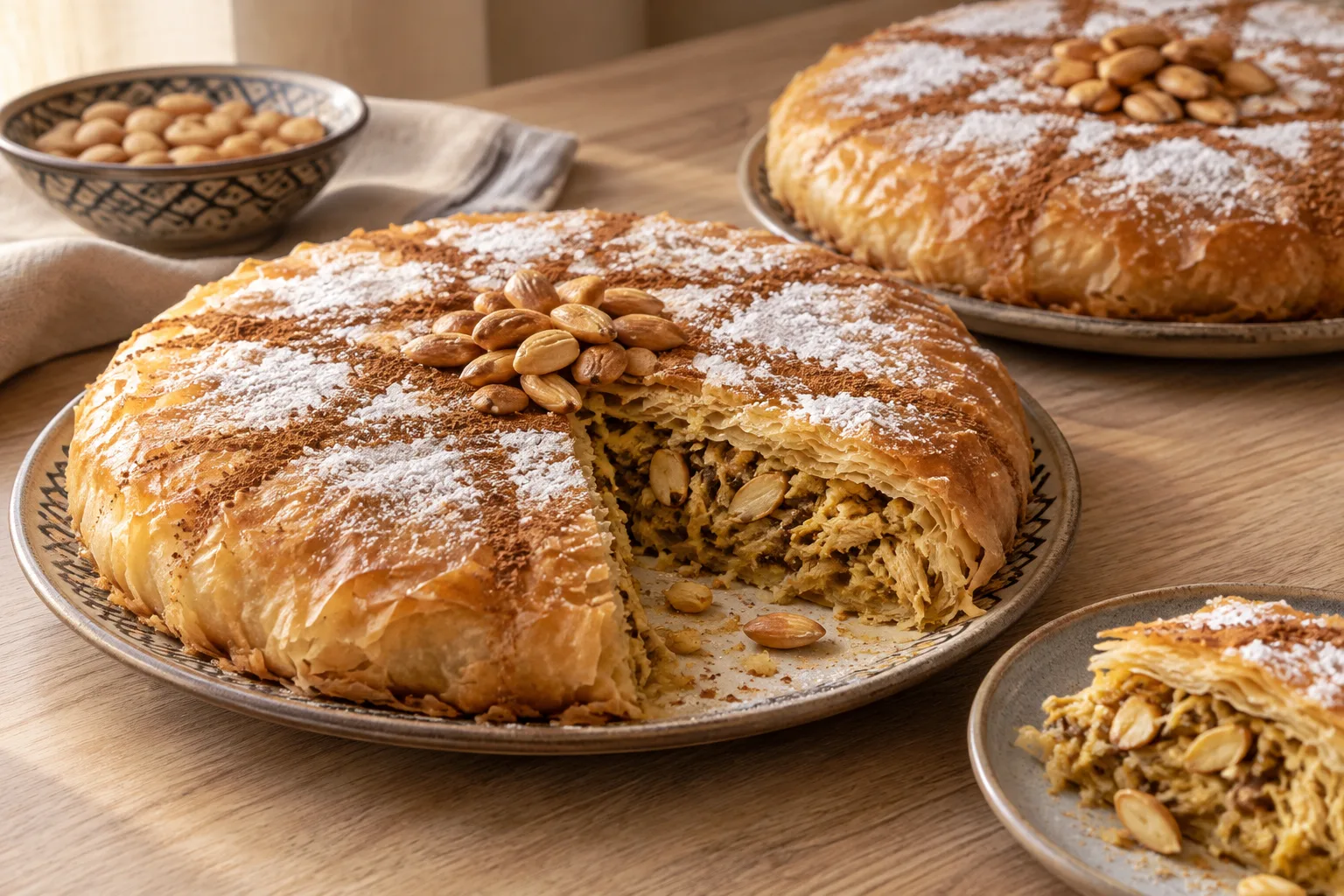
View recipeA crisp filo pastry pie filled with spiced chicken, onion and sweet almonds. Makes 2 pastillas for 8 people.
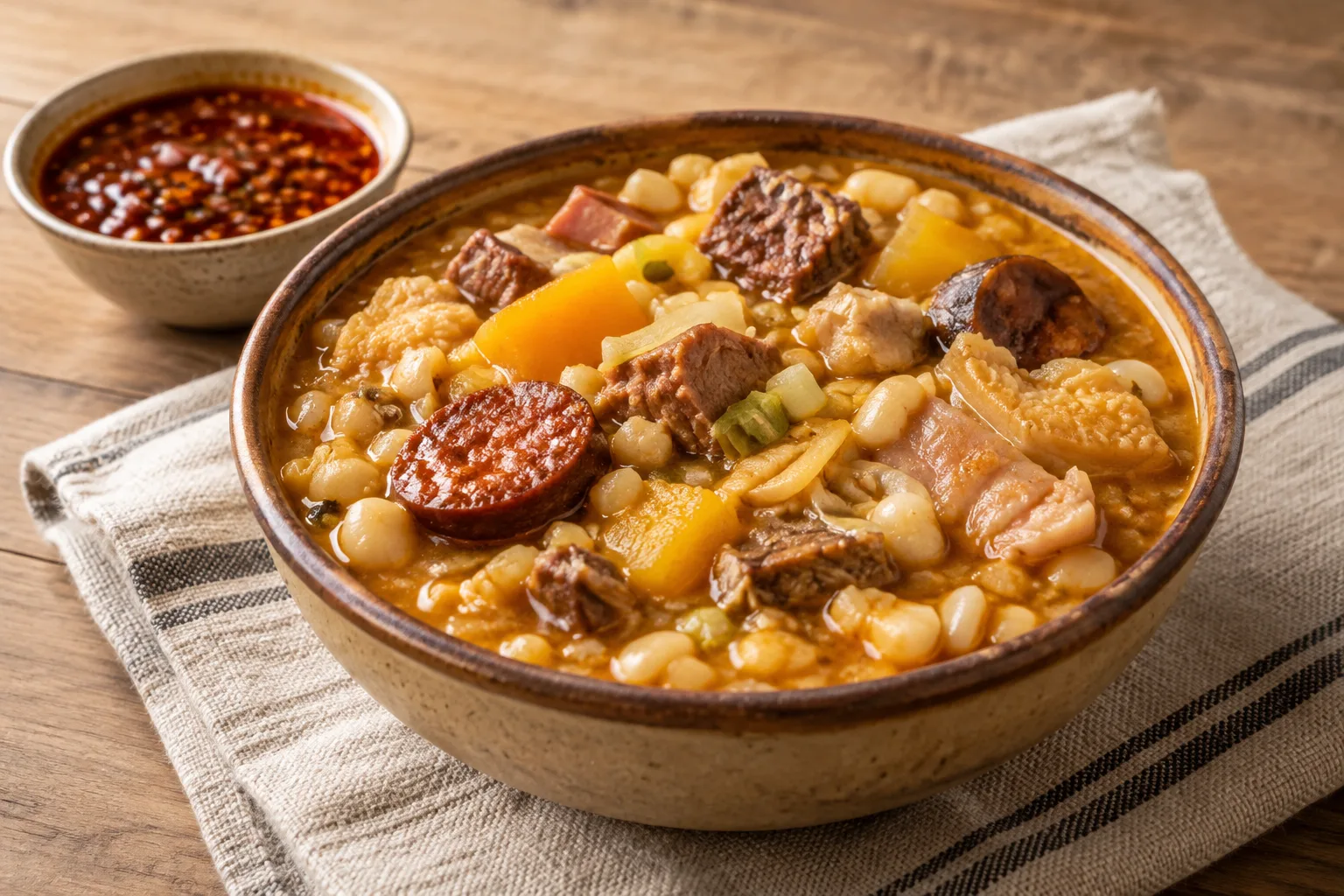
View recipeA thick Argentine stew of white corn, beans, squash and assorted meats, served with a red pepper sauce. Makes about 8 servings; hands-on time and yield are approximate.
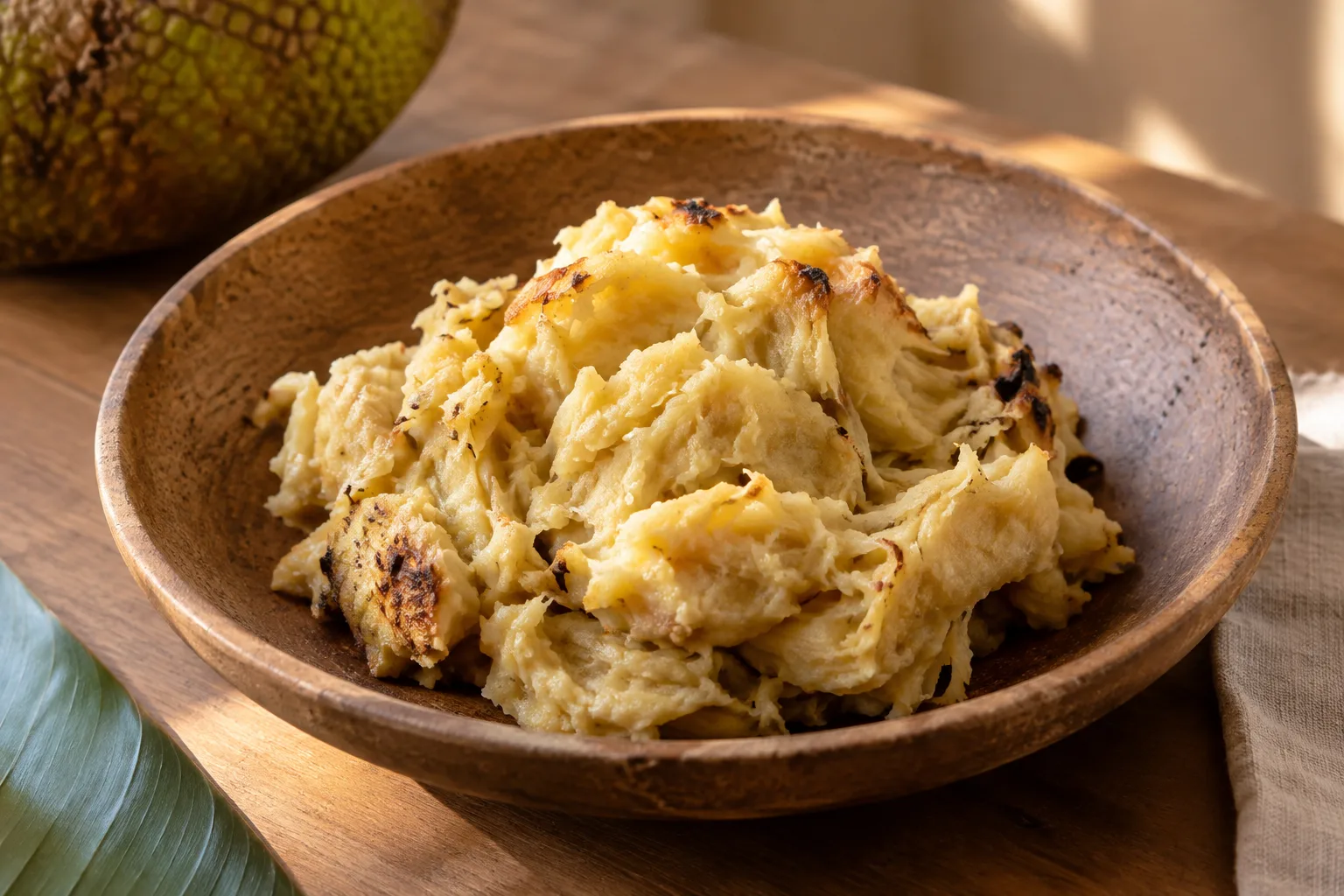
View recipeVery ripe breadfruit, roasted over an open fire and pounded. Hands-on preparation is estimated at 15 minutes; roasting is guided by a visible cue rather than a fixed time.
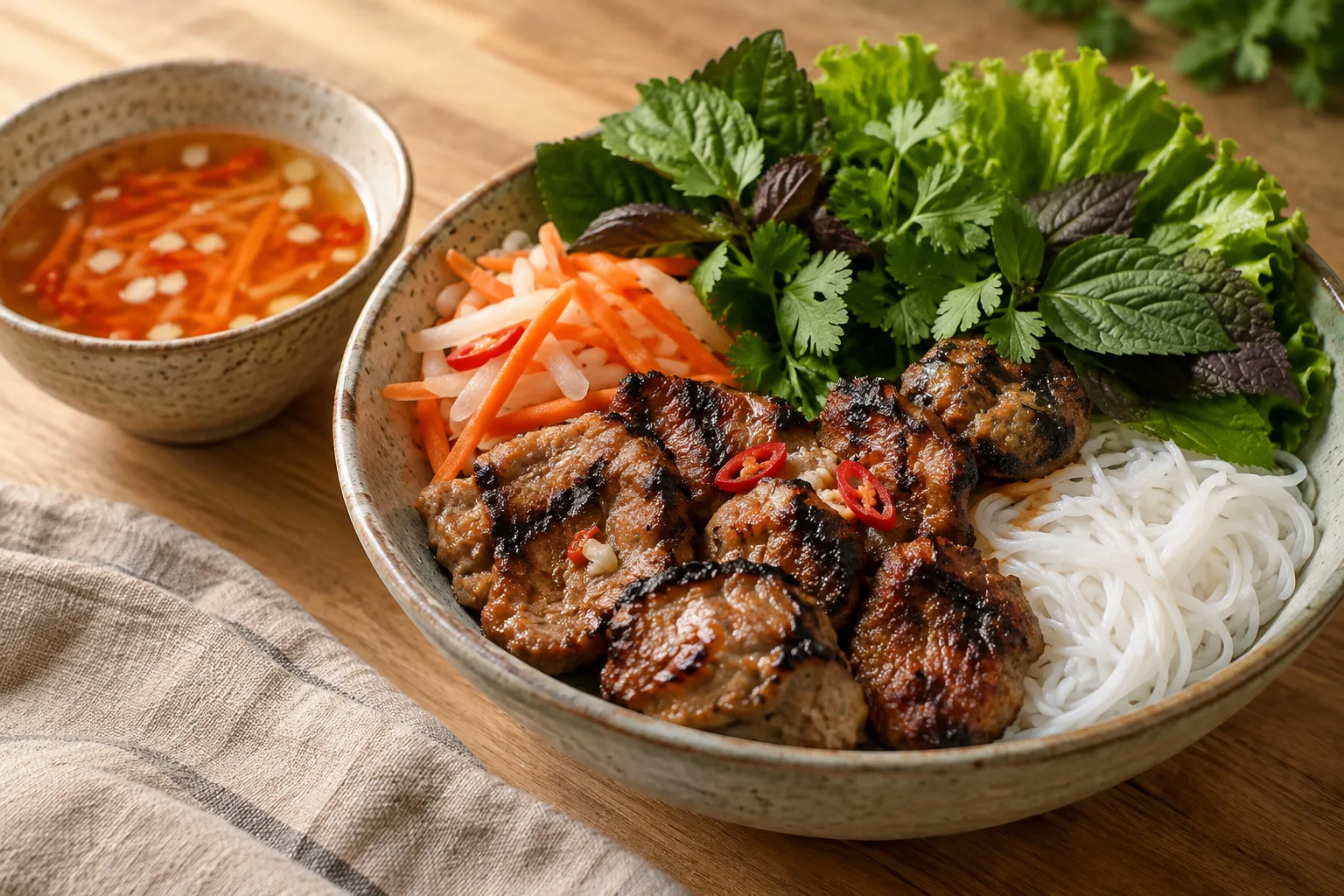
View recipeGrilled pork, rice noodles, pickled vegetables and fresh herbs, served with a sweet-and-sour fish sauce. Serves 4; times are approximate.
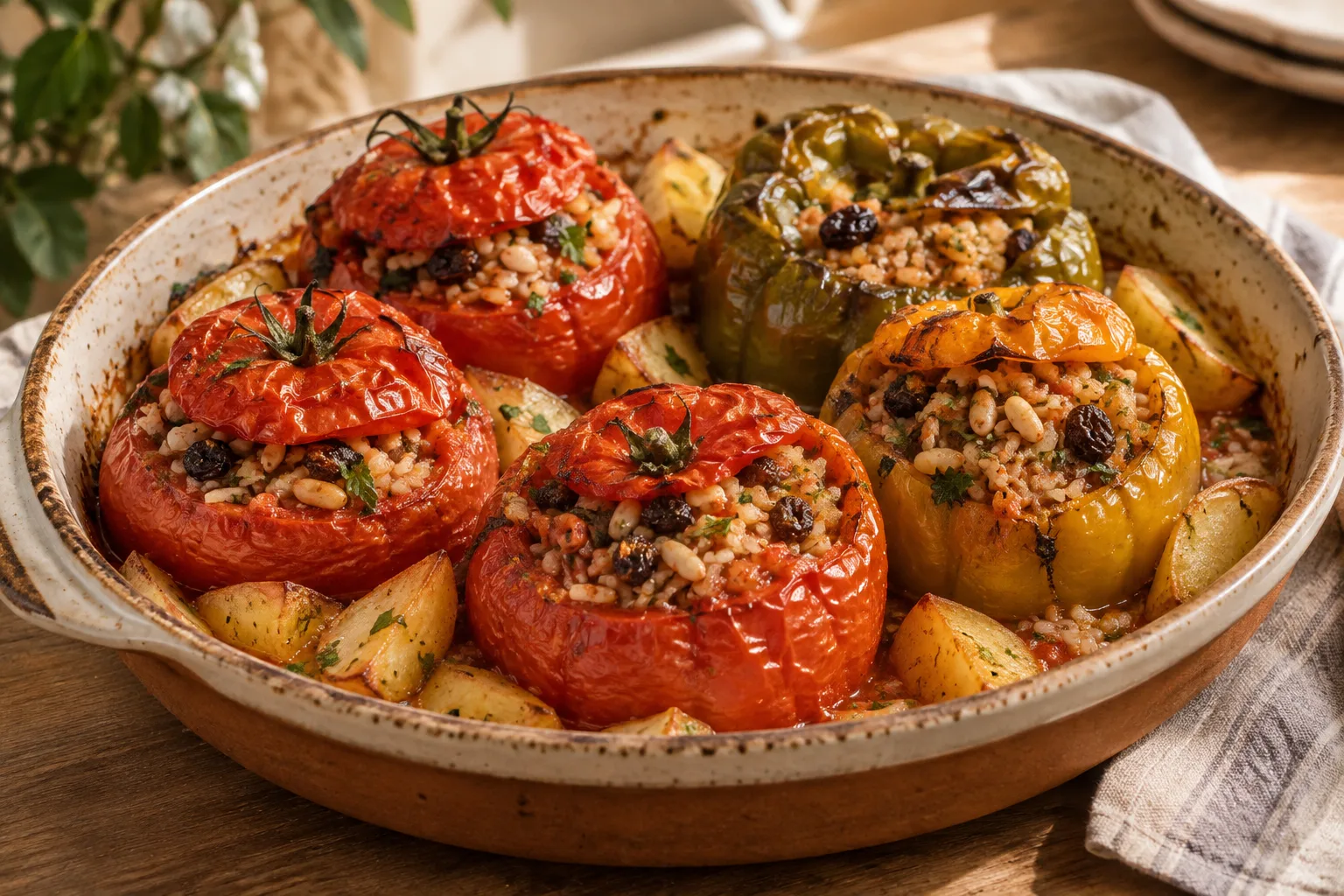
View recipeTomatoes and peppers filled with rice, herbs, pine nuts and raisins, baked with potatoes. Serves 4; estimated preparation: 30 minutes; oven time: 1 hour 30 minutes.
View recipeBaked meringue, crisp outside and tender inside, topped with whipped cream, strawberries, raspberries, and kiwi.
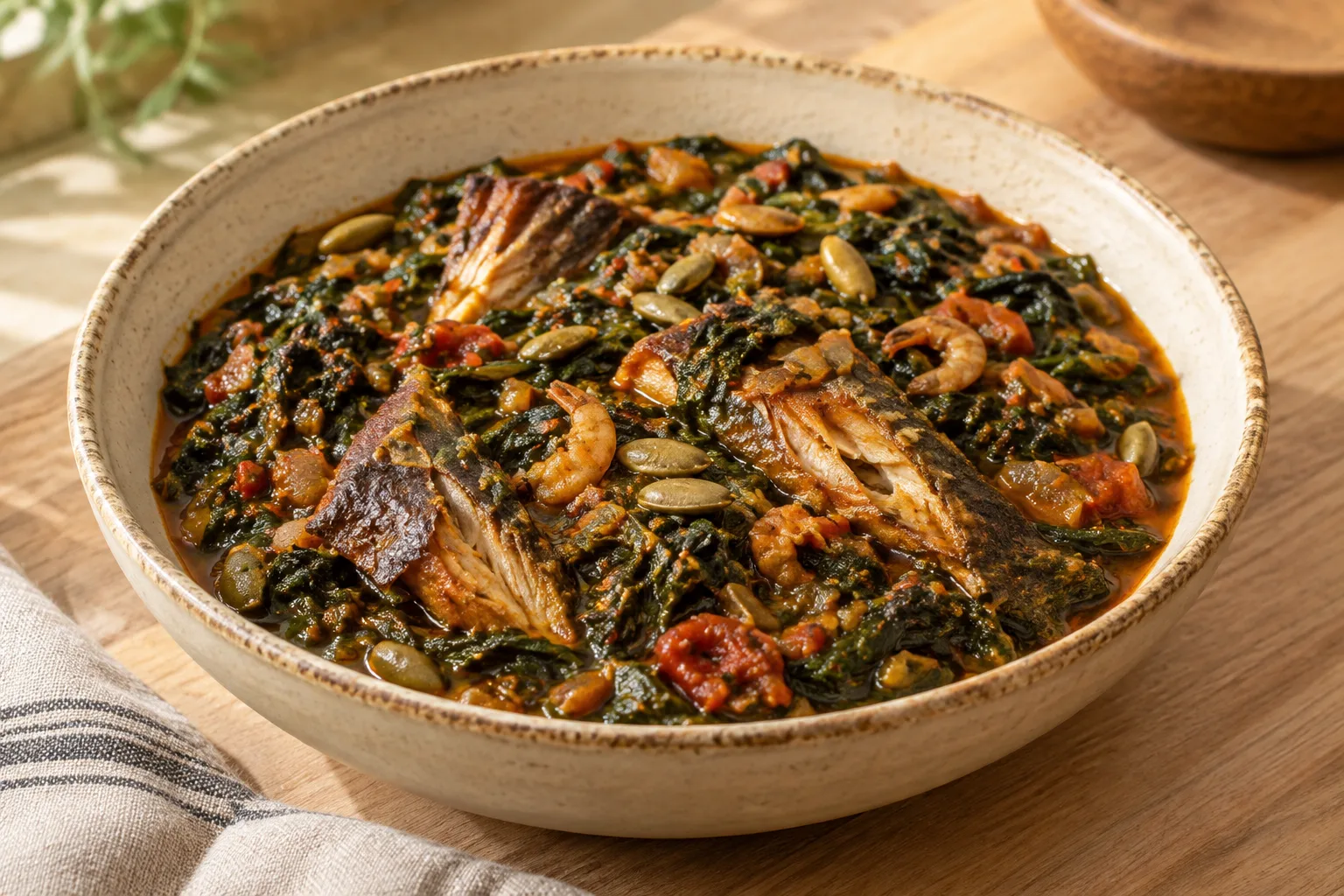
View recipeA thick stew of cocoyam leaves with tomato, red palm oil, smoked fish and pumpkin seeds. Makes 4 servings; approximate preparation time: 25 minutes, cooking time: 50 minutes.
View recipe