Ripe Vegetables: How to Store Them and Put Them to Use
A practical guide to deciding what to cook first, what to freeze, and how to turn ripe but usable vegetables into simple meals—without confusing preservation with food safety.
Articles and guides about Waste reduction: cooking ideas, explanations and tips researched and checked by KitchenPause.
Choose herbs for the food you plan to cook and for what is abundant where you shop, rather than following a universal calendar. Learn how to store tender and sturdy-stemmed herbs, and how to use surplus by freezing or drying it.
Available content that can be reviewed from the recipe collection.
A practical guide to deciding what to cook first, what to freeze, and how to turn ripe but usable vegetables into simple meals—without confusing preservation with food safety.
Cool leftovers promptly, store them in portions, and decide whether to refrigerate or freeze them. Once properly stored, rice can become a stir-fry, salad, or bowl—but reheating cannot undo poor handling.
A practical guide to organizing, storing, and using small amounts of sauce without mistaking refrigeration or freezing for safe canning.
Turn suitable vegetable trimmings into a versatile cooking base, portion broth for real uses, and avoid mistaking tidy storage habits for a safety guarantee. We also explain why home-canning soup calls for special caution.
Soft or unusually sweet fruit can still be useful. Choose what to make—from smoothies and compotes to savory dishes—without confusing ripeness with spoilage.
When a vegetable is ripe or beginning to soften, decide promptly whether to cook, freeze, or dry it. This guide outlines household options and their limits without confusing preservation with food safety.
A practical guide to making use of leftover sauces: choosing between refrigeration and freezing, handling commercial products, and understanding why home canning should never be improvised.
Turn suitable vegetable trimmings into a versatile cooking base, then portion stock for soups, rice dishes, stews and sauces. This practical guide separates kitchen ideas from what the available evidence cannot establish about safe storage.
Lemon, orange, mandarin, and grapefruit peel can bring aroma and new possibilities to the kitchen. Simple ways to use it without mistaking a creative idea for a safe preserving method.
How to cool, refrigerate, freeze, and use cooked rice while keeping food-safety limits separate from texture improvements.
A practical method for sorting, storing and repurposing barbecue meat, vegetables, bread and side dishes into new meals while prioritising safe storage and the best use of each texture.
A practical way to decide which mature vegetables to use now, which to freeze, and when to discard them, with attention to hygiene and food waste.
Fresh boerewors grilled until browned all over and served in four portions.
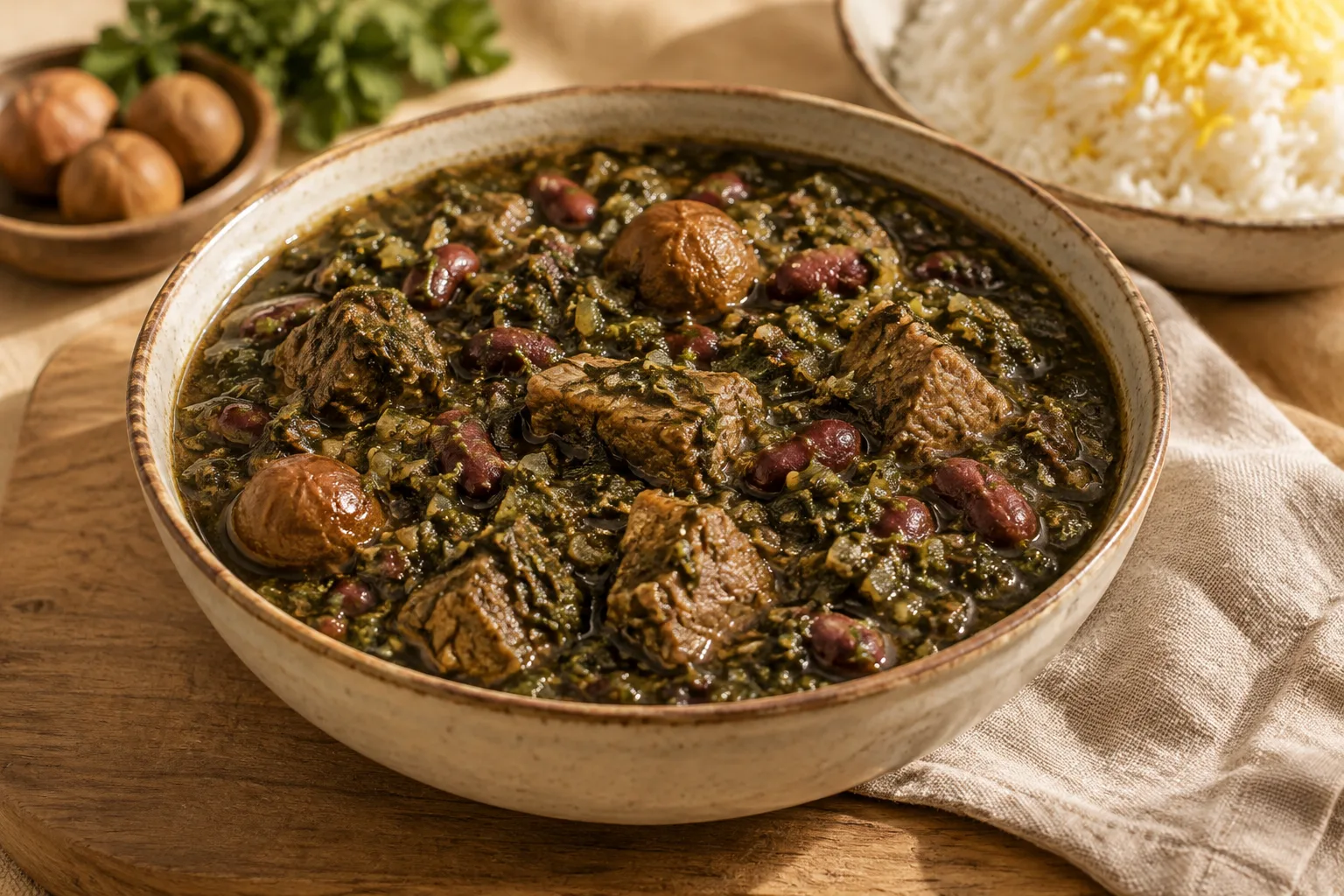
View recipeAn Iranian stew of lamb or beef with fresh herbs, red kidney beans and dried limes, slowly cooked until the meat is tender.
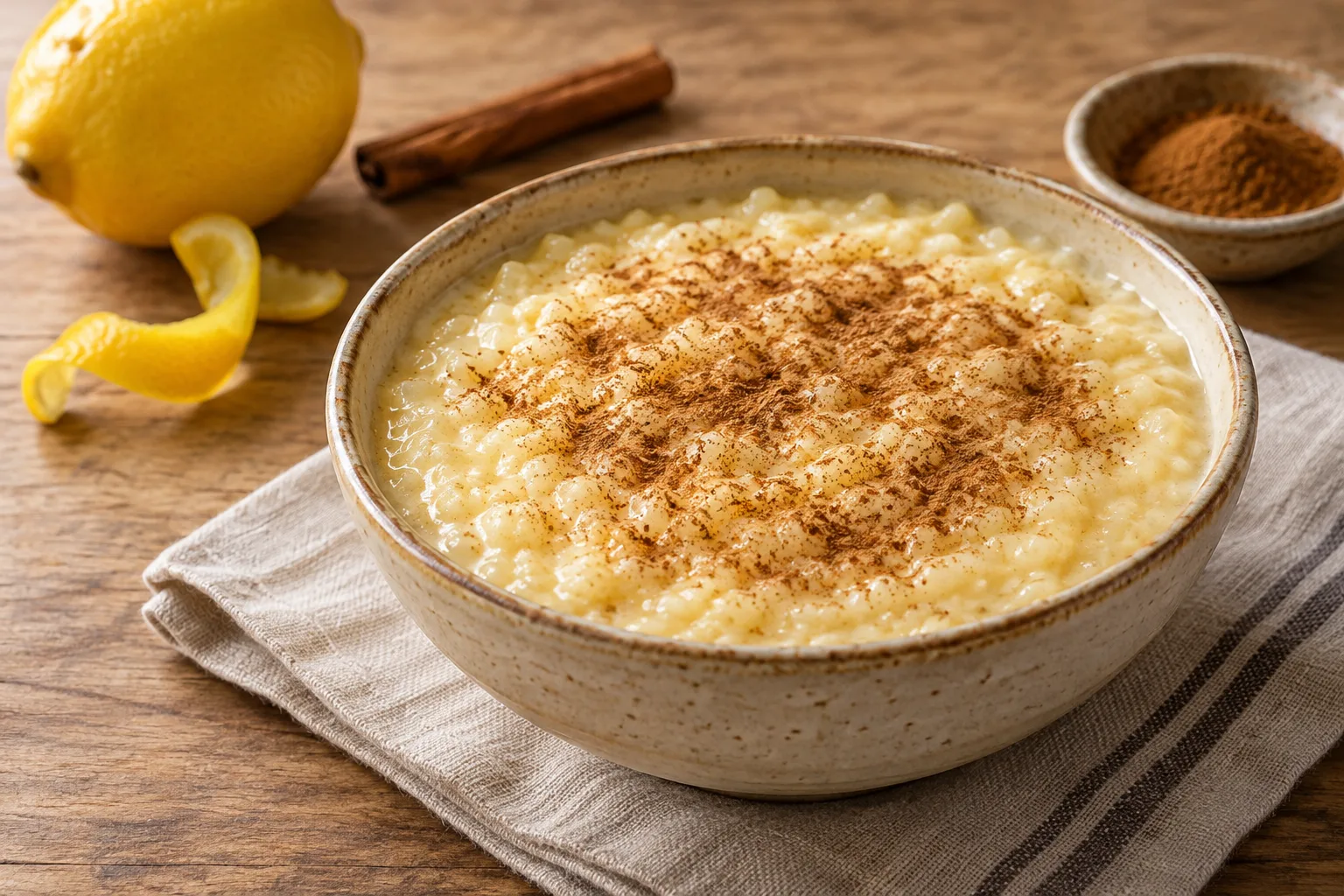
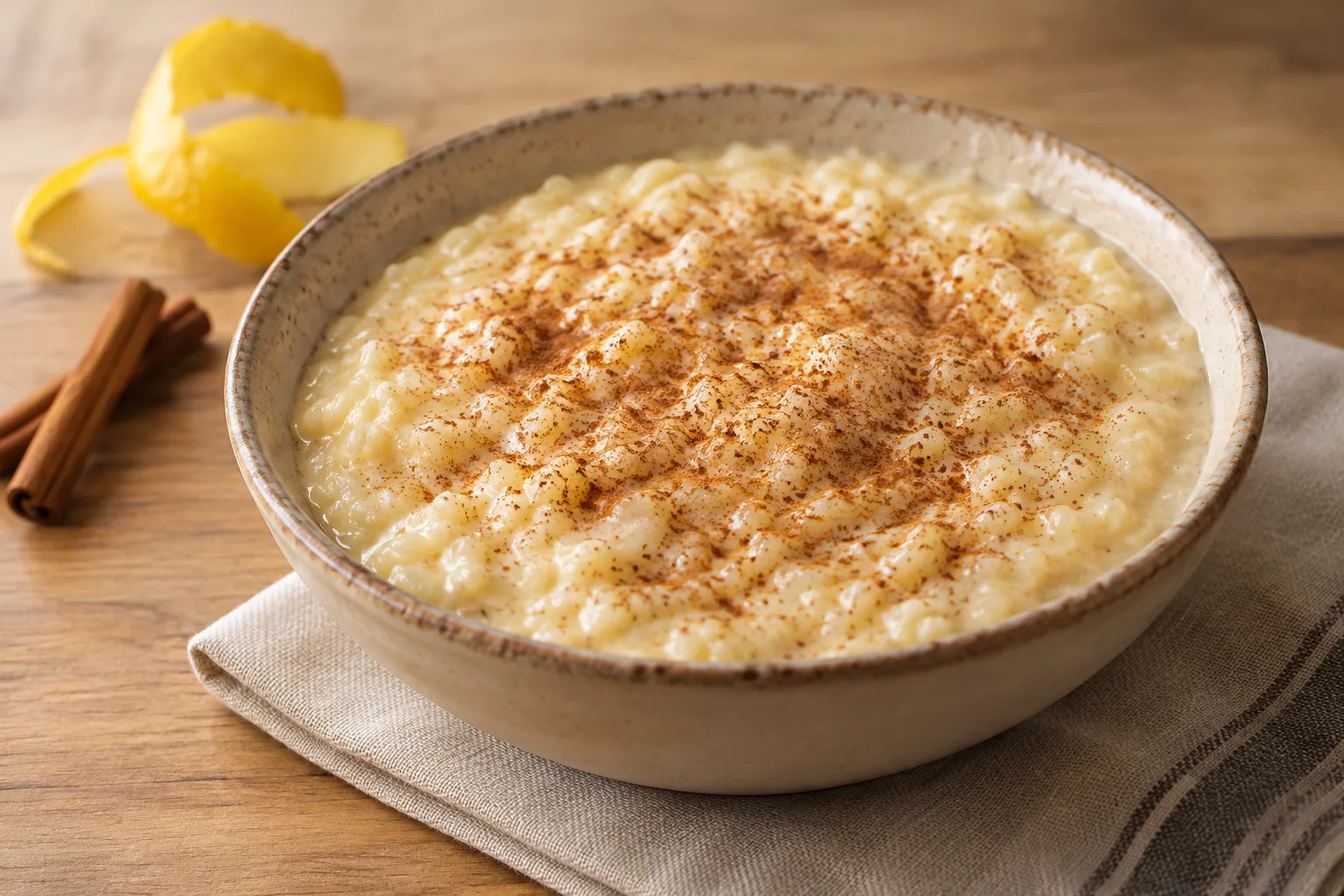
View recipeA Portuguese rice dessert cooked in milk scented with lemon and cinnamon, enriched with egg yolks and finished with ground cinnamon.
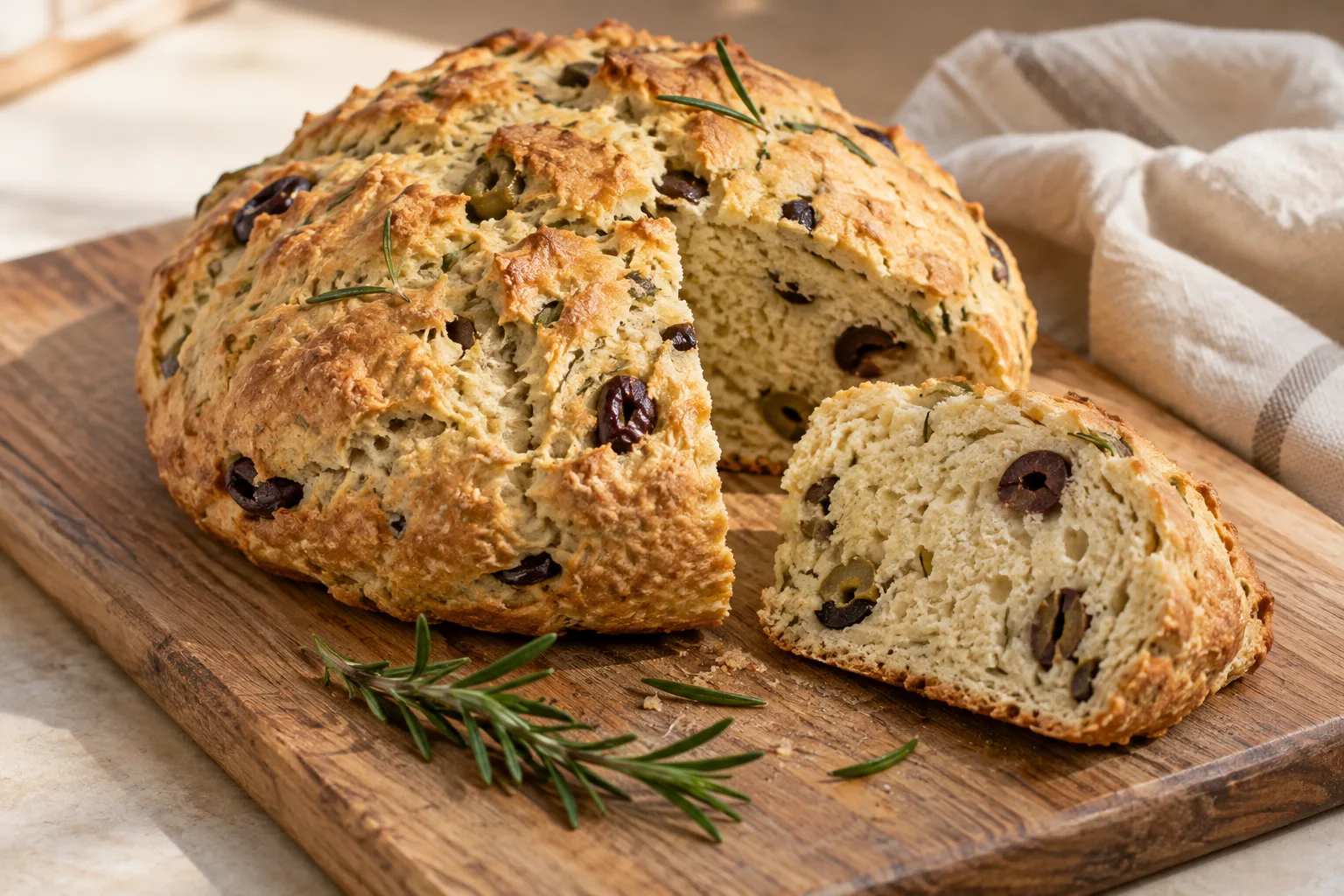
View recipeA simple Australian bread made with self-raising flour, olives and rosemary; this version is baked and served freshly made.
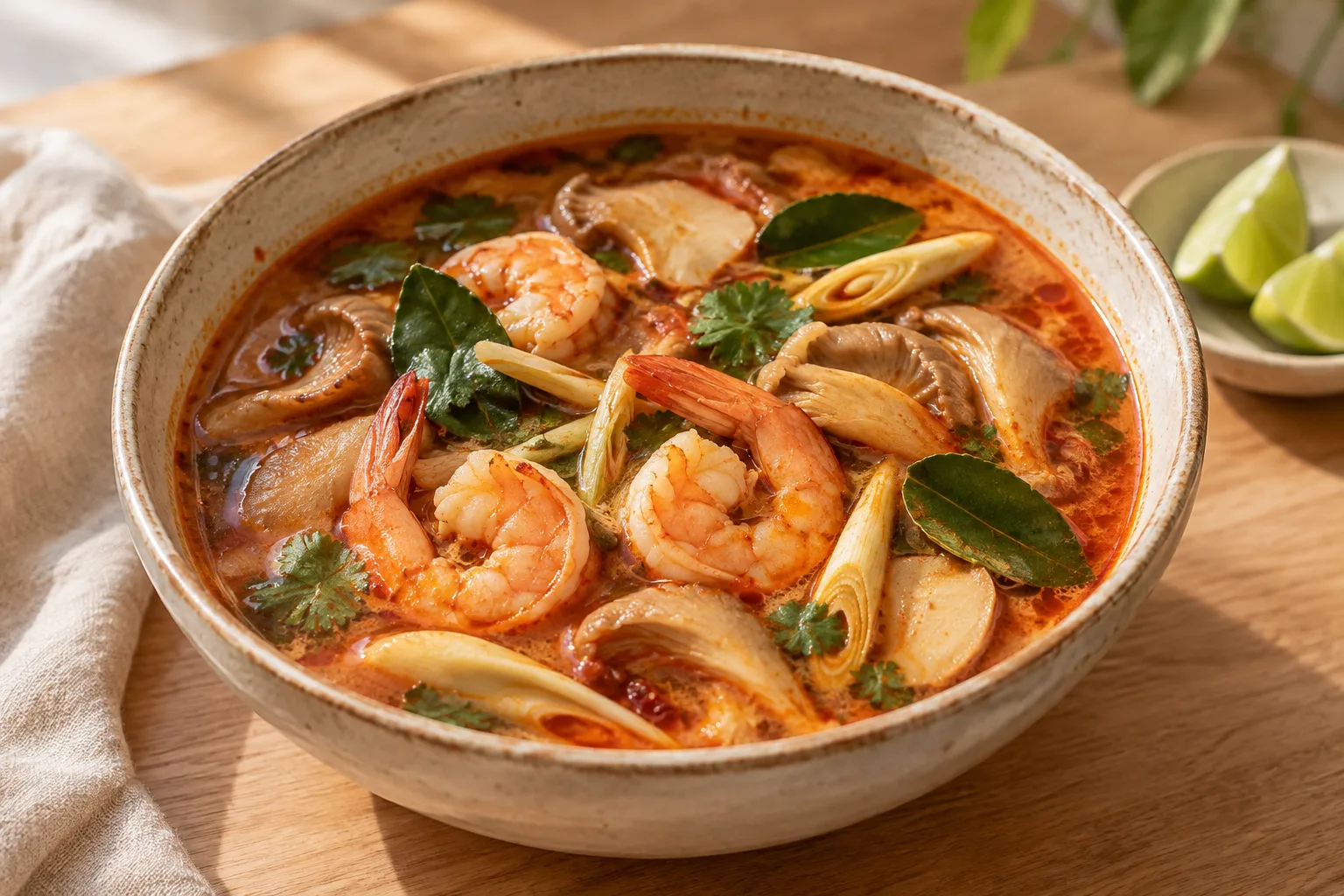
View recipeA sour-and-spicy Thai shrimp and mushroom soup scented with galangal, lemongrass and makrut lime leaves. It includes homemade nam prik pao paste.
View recipeSpiced-potato-stuffed flatbread made with a soft dough and cooked on a griddle until golden.
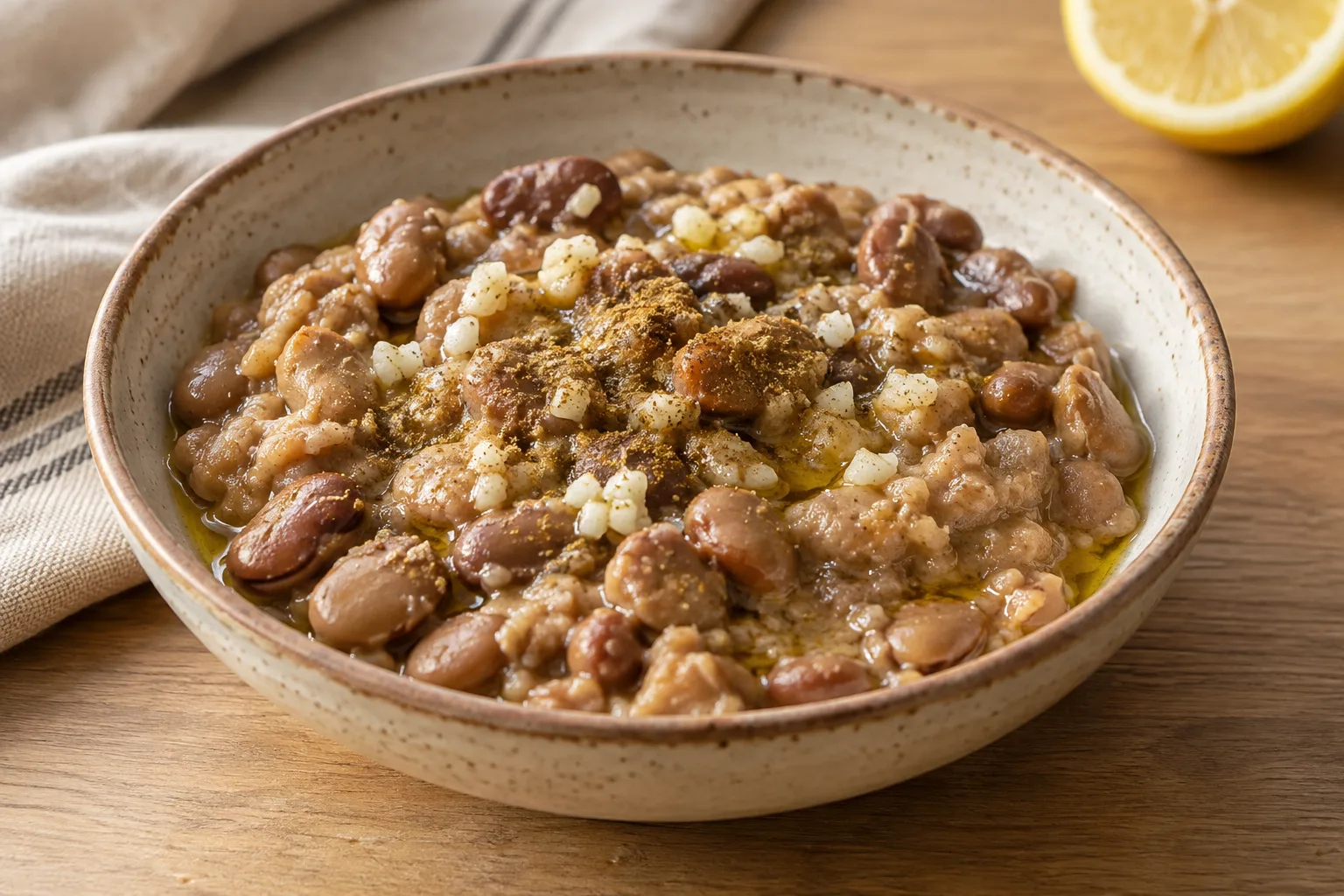
View recipeCooked fava beans, partly mashed and dressed with garlic, lemon, cumin, and olive oil.
View recipeCreamy Portuguese rice pudding cooked with milk infused with lemon and cinnamon, enriched with egg yolks and butter.
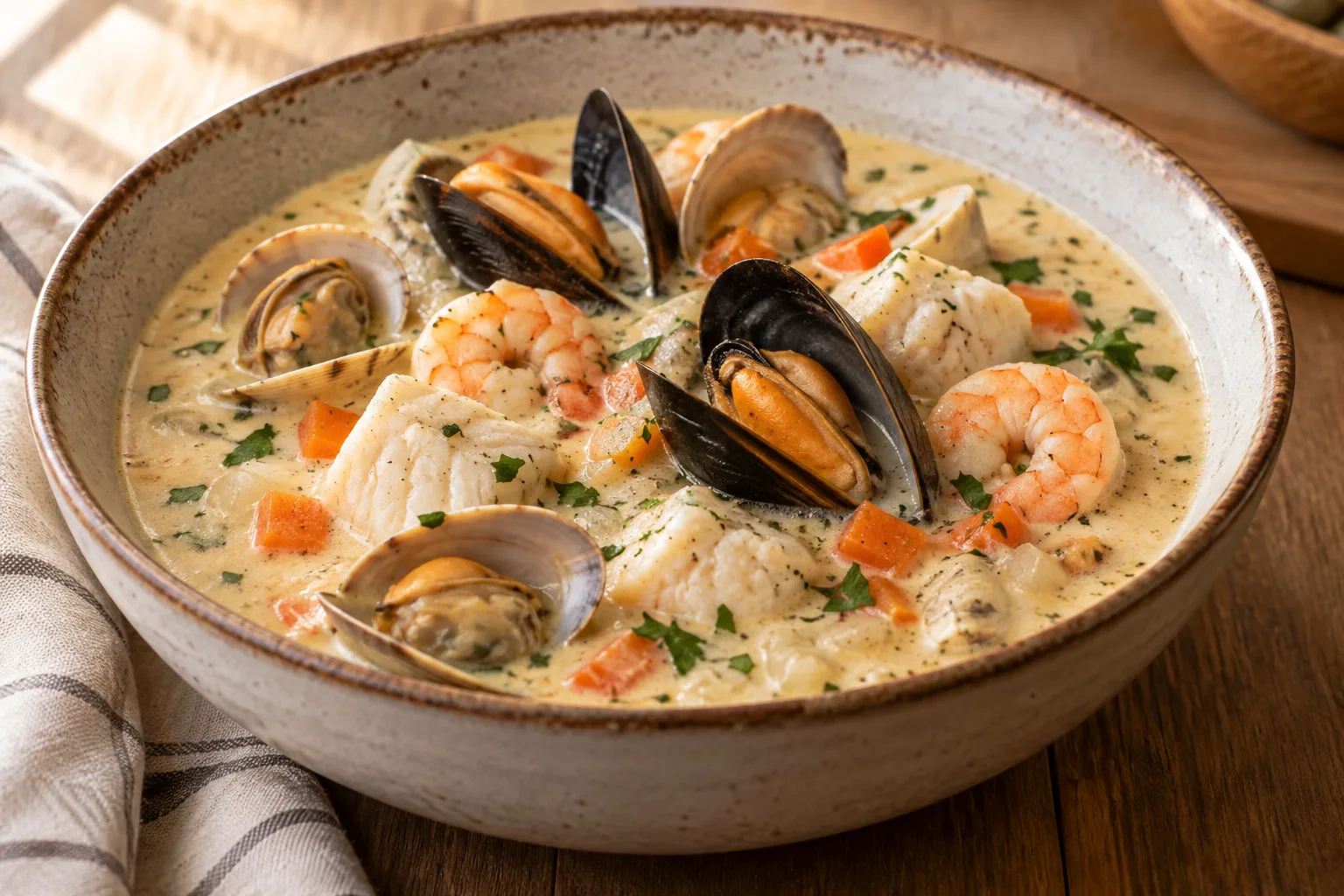
View recipeCreamy chowder for 4, with clams, mussels, prawns and white fish. Total time stated by the reference source: 35 minutes.
View recipe