What Happens During Baking—and How to Control It
Ovens do not cook every food in the same way: size, composition, pan and oven all affect the result. Learn what to watch for and how to manage the process without relying on one universal baking time.
Articles and guides about Technique: cooking ideas, explanations and tips researched and checked by KitchenPause.
Choose herbs for the food you plan to cook and for what is abundant where you shop, rather than following a universal calendar. Learn how to store tender and sturdy-stemmed herbs, and how to use surplus by freezing or drying it.
Available content that can be reviewed from the recipe collection.
Ovens do not cook every food in the same way: size, composition, pan and oven all affect the result. Learn what to watch for and how to manage the process without relying on one universal baking time.
Learn to control the heat, read the pan, and adapt sofrito to the dish—without confusing a cooked base with a raw seasoning paste.
Learn how to set up your steamer, arrange the food and recognize what the steam is doing—without relying on one universal cooking time.
Dry-toasting can intensify and change the aroma of some spices, but the gap between warming and scorching can be brief. Learn how to choose the right form, read the cues, and stop the heat in time.
Learn to manage the cut, heat and visual cues that build a flavorful sofrito without relying on a rigid recipe.
Use the sauce’s movement, its coating on a spoon, and its taste to judge when to stop reducing—without relying on a fixed time or concentrating it too far.
Toasting can make some spices’ aromas more noticeable, but it is neither essential nor governed by one universal time or color. Learn how to choose a method, read the cues, and stop before burnt notes develop.
Rest is not one pause with one universal timer: it can relax dough after rounding or support hydration before further mixing. Learn to distinguish these stages, read the dough, and adapt the process to the product.
Learn to recognize a controlled simmer, track changes in texture and flavor, and decide when to stop without relying on a fixed time or a universal consistency.
Learn to read color, texture and the behavior of a topping to reach the finish you want—without relying on a universal timer or mistaking a browned surface for a cooked center.
Learn to plan a slow-cooked dish, choose ingredients, and manage liquid without relying on universal timings. Includes texture cues and safety guidance for using a slow cooker.
Learn to read browning, texture and the behavior of different toppings so you can finish dishes without relying on a universal timer or mistaking a toasted surface for a cooked interior.
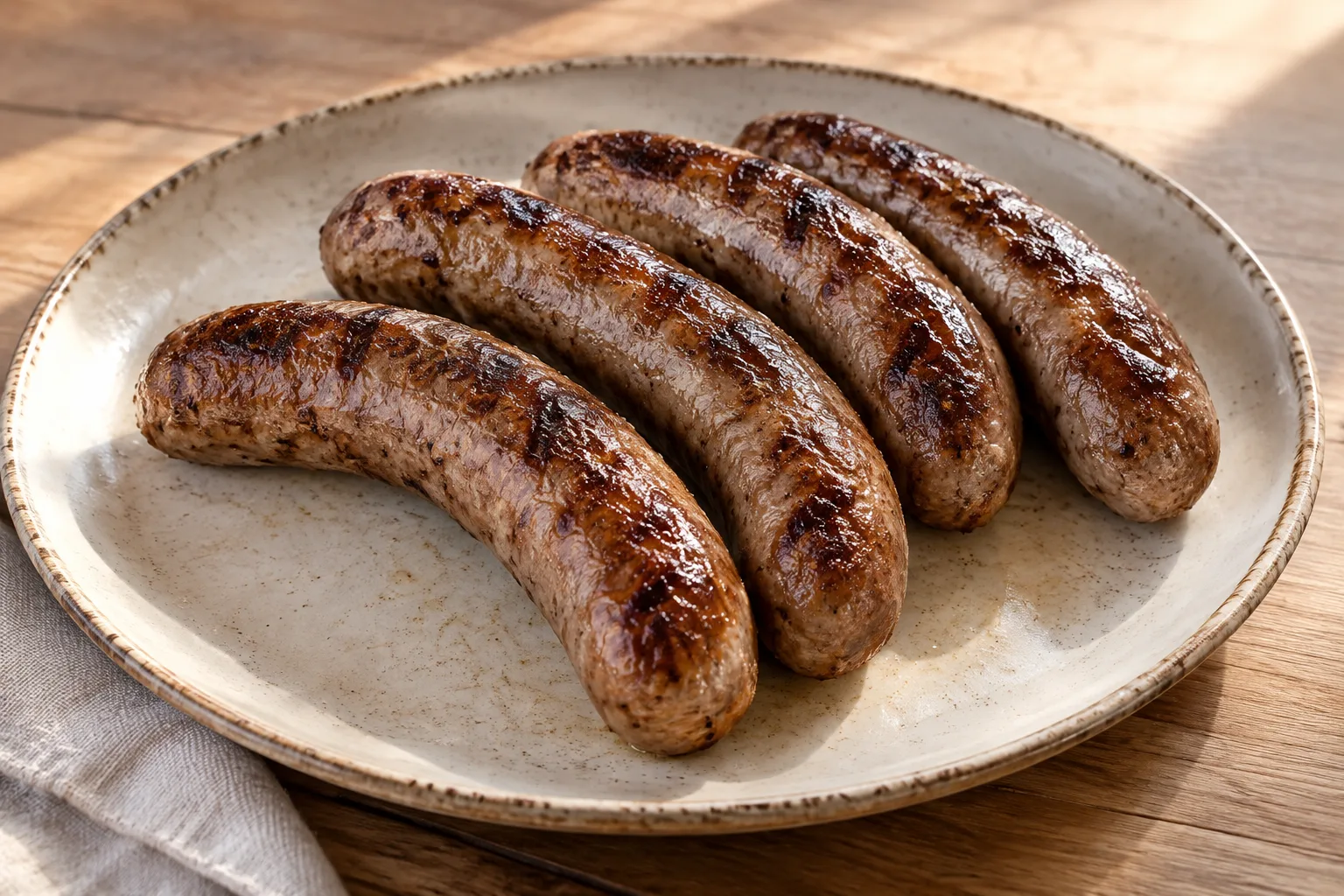
Fresh boerewors grilled until browned all over and served in four portions.
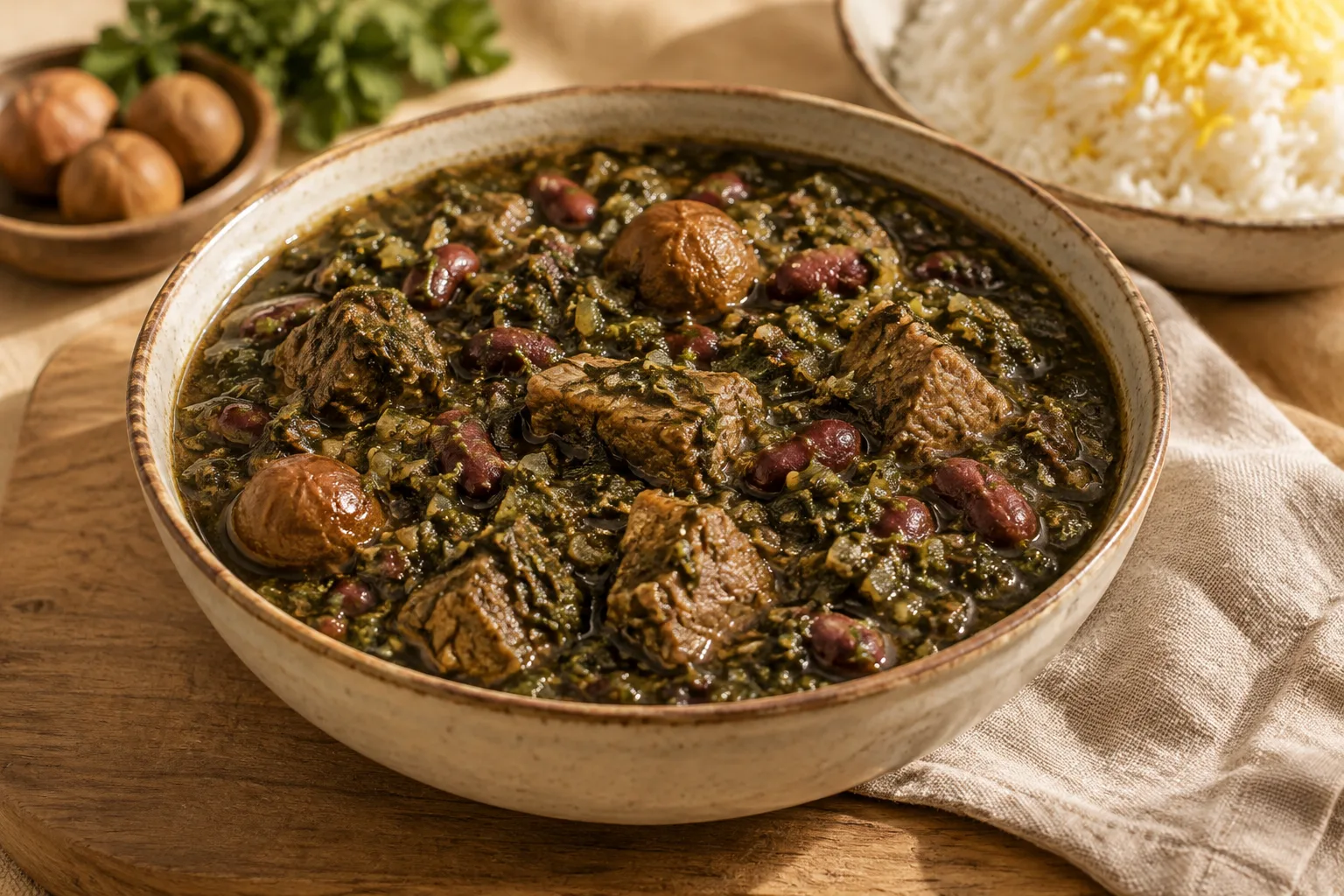
View recipeAn Iranian stew of lamb or beef with fresh herbs, red kidney beans and dried limes, slowly cooked until the meat is tender.
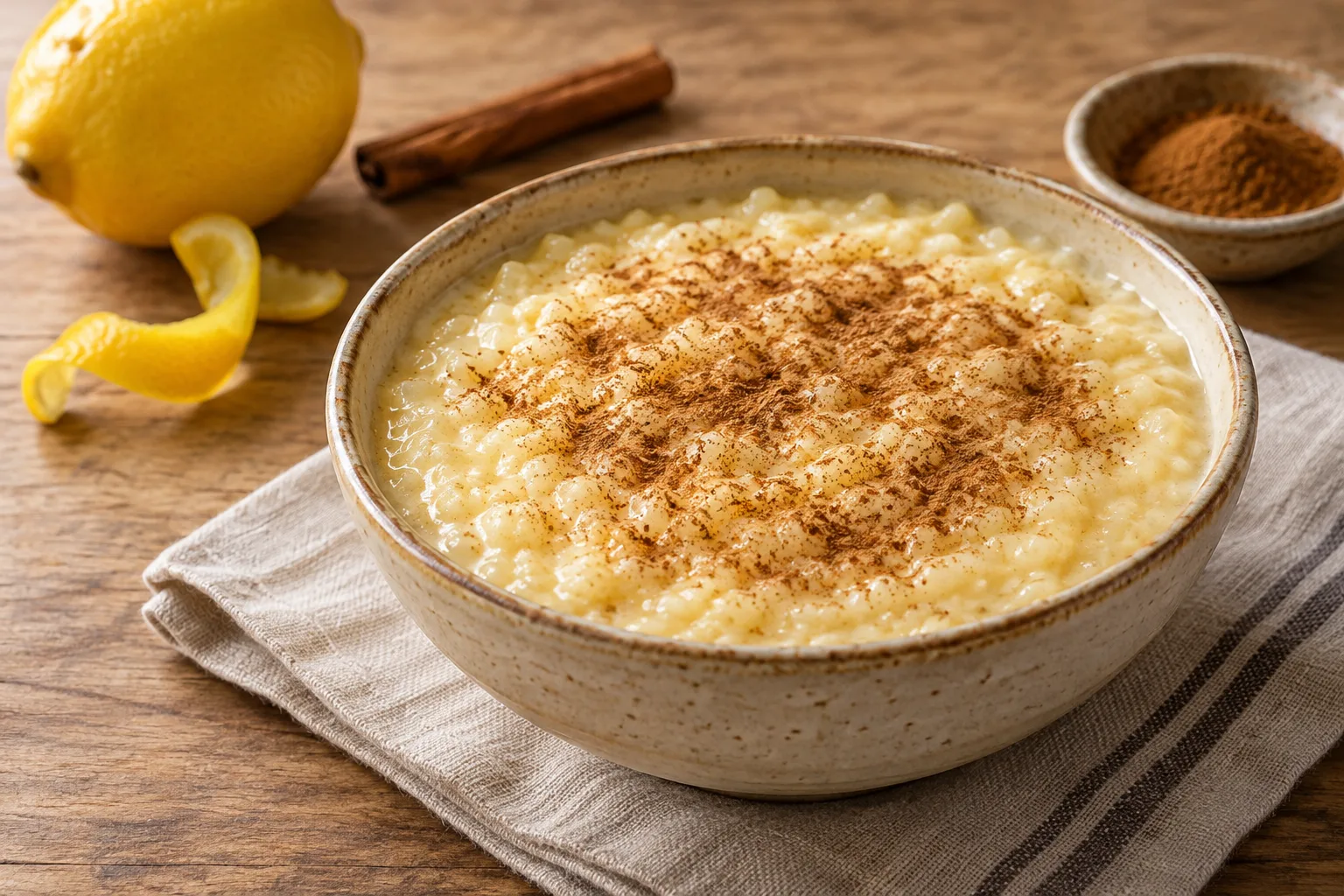
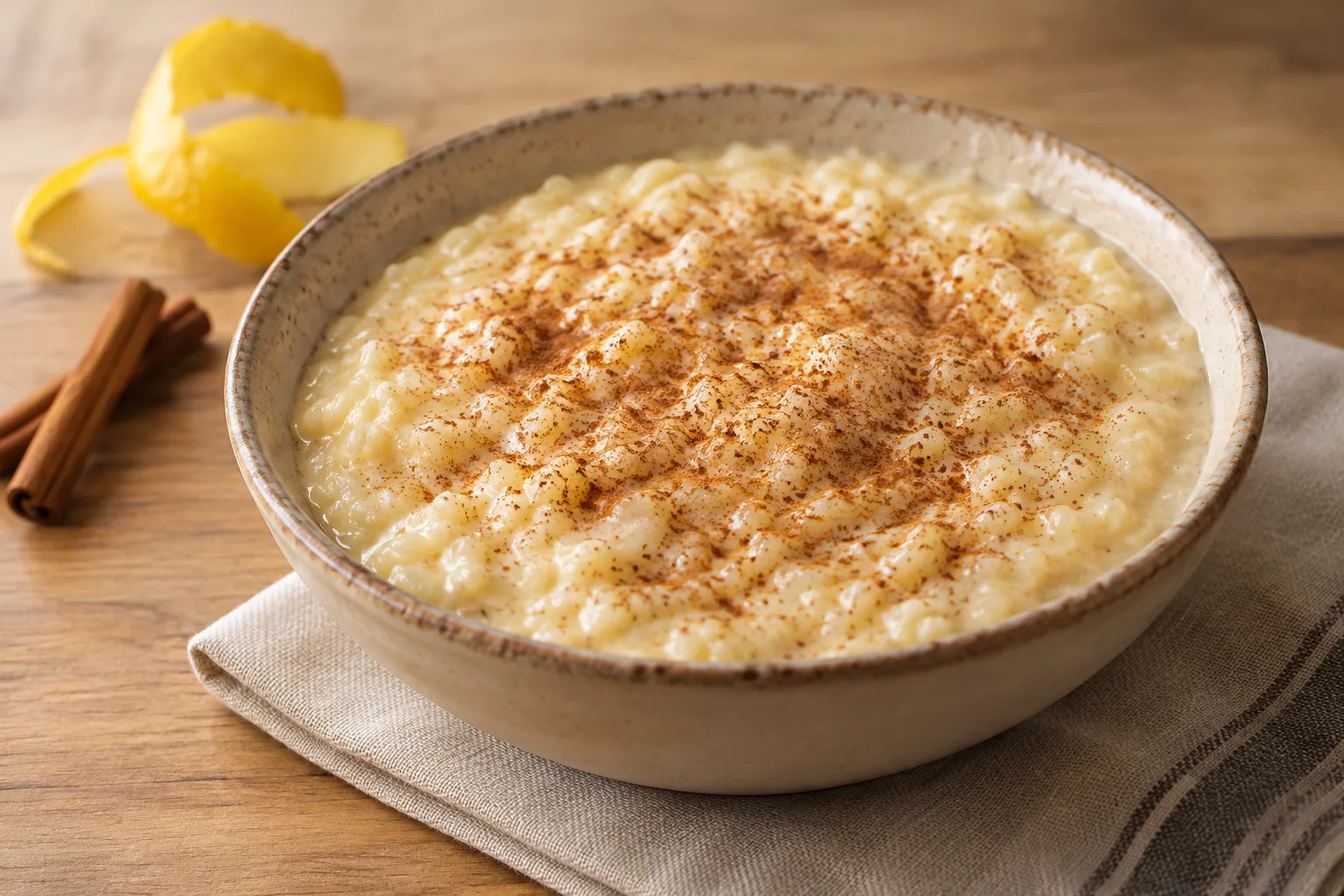
View recipeA Portuguese rice dessert cooked in milk scented with lemon and cinnamon, enriched with egg yolks and finished with ground cinnamon.
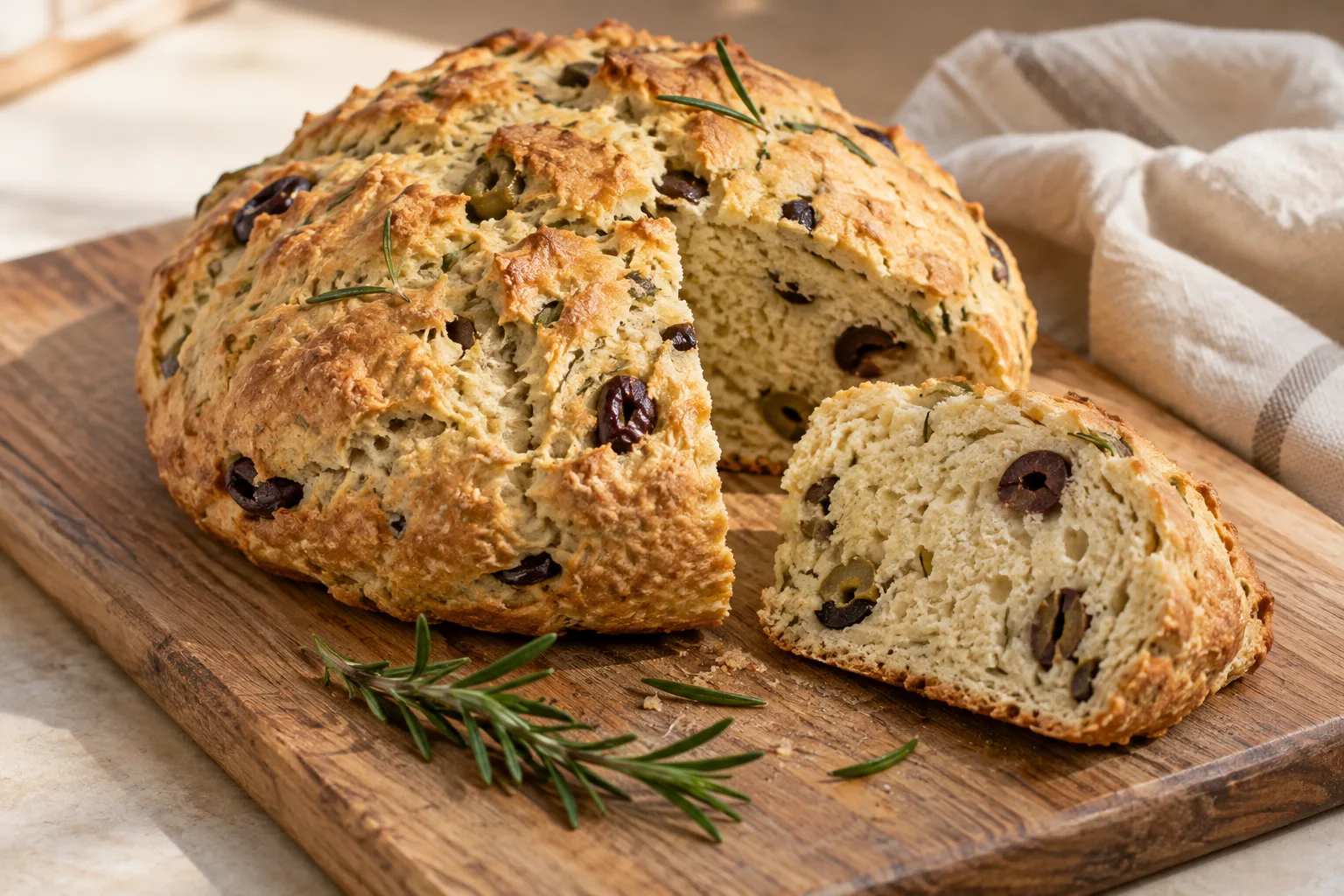
View recipeA simple Australian bread made with self-raising flour, olives and rosemary; this version is baked and served freshly made.
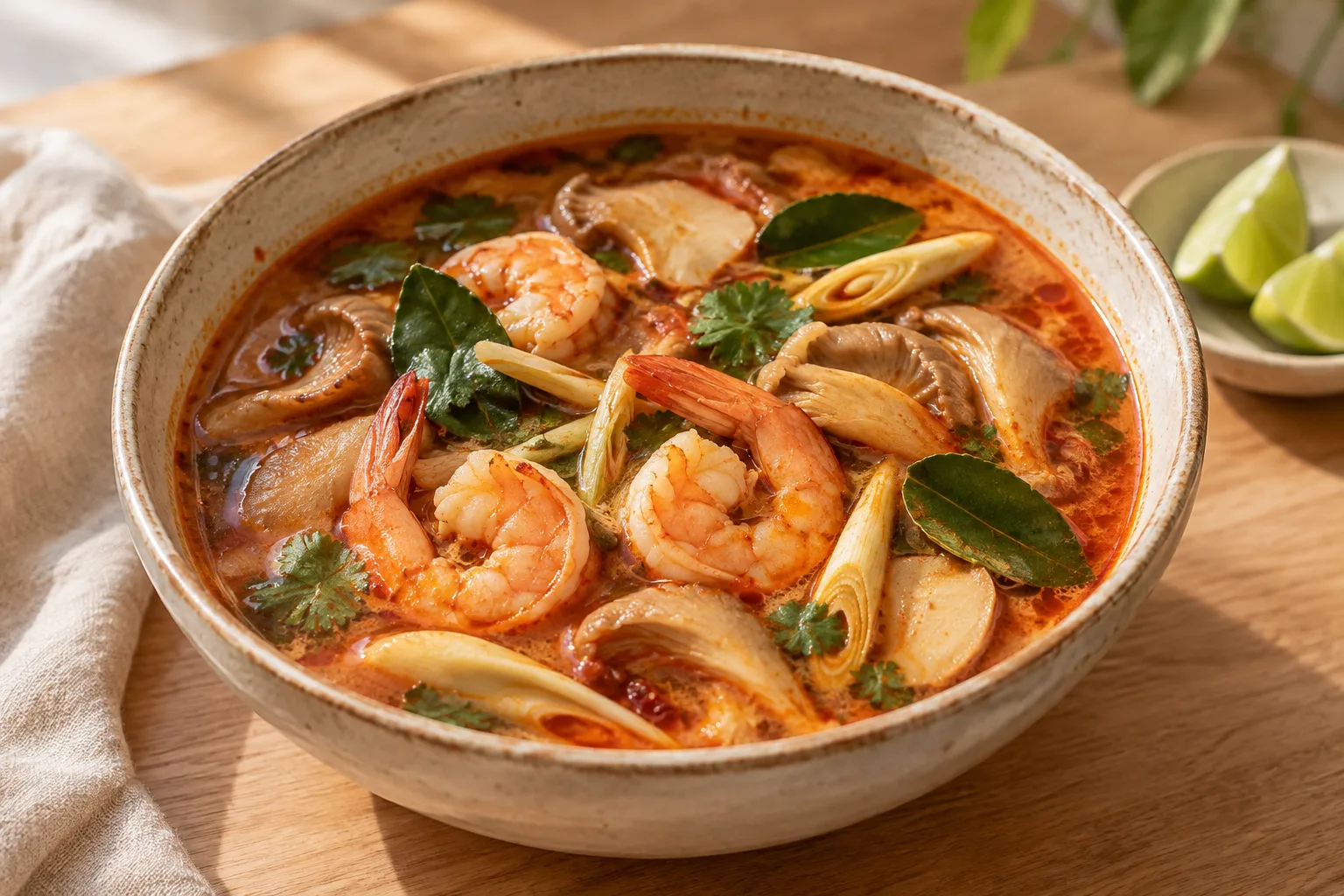
View recipeA sour-and-spicy Thai shrimp and mushroom soup scented with galangal, lemongrass and makrut lime leaves. It includes homemade nam prik pao paste.
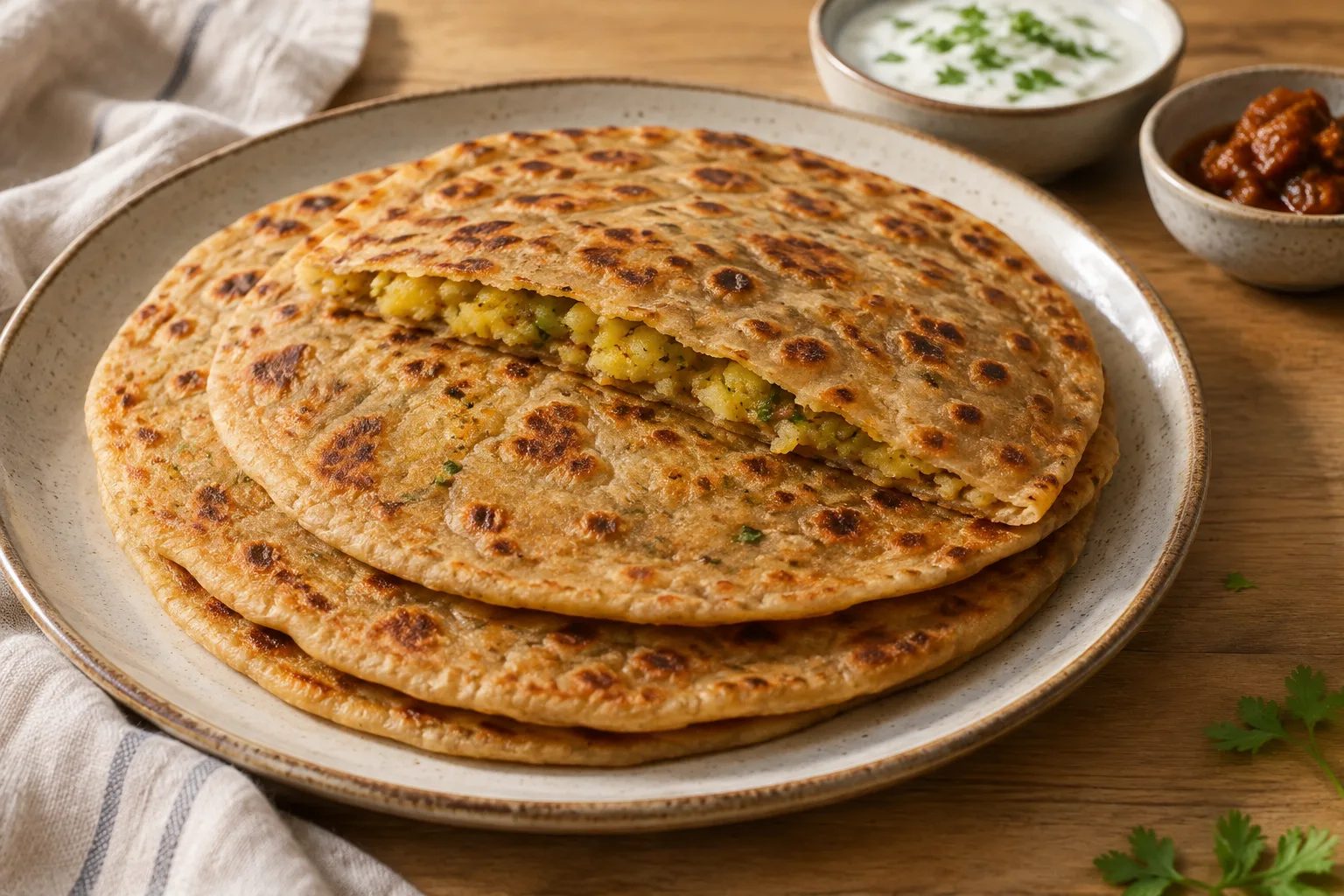
View recipeSpiced-potato-stuffed flatbread made with a soft dough and cooked on a griddle until golden.
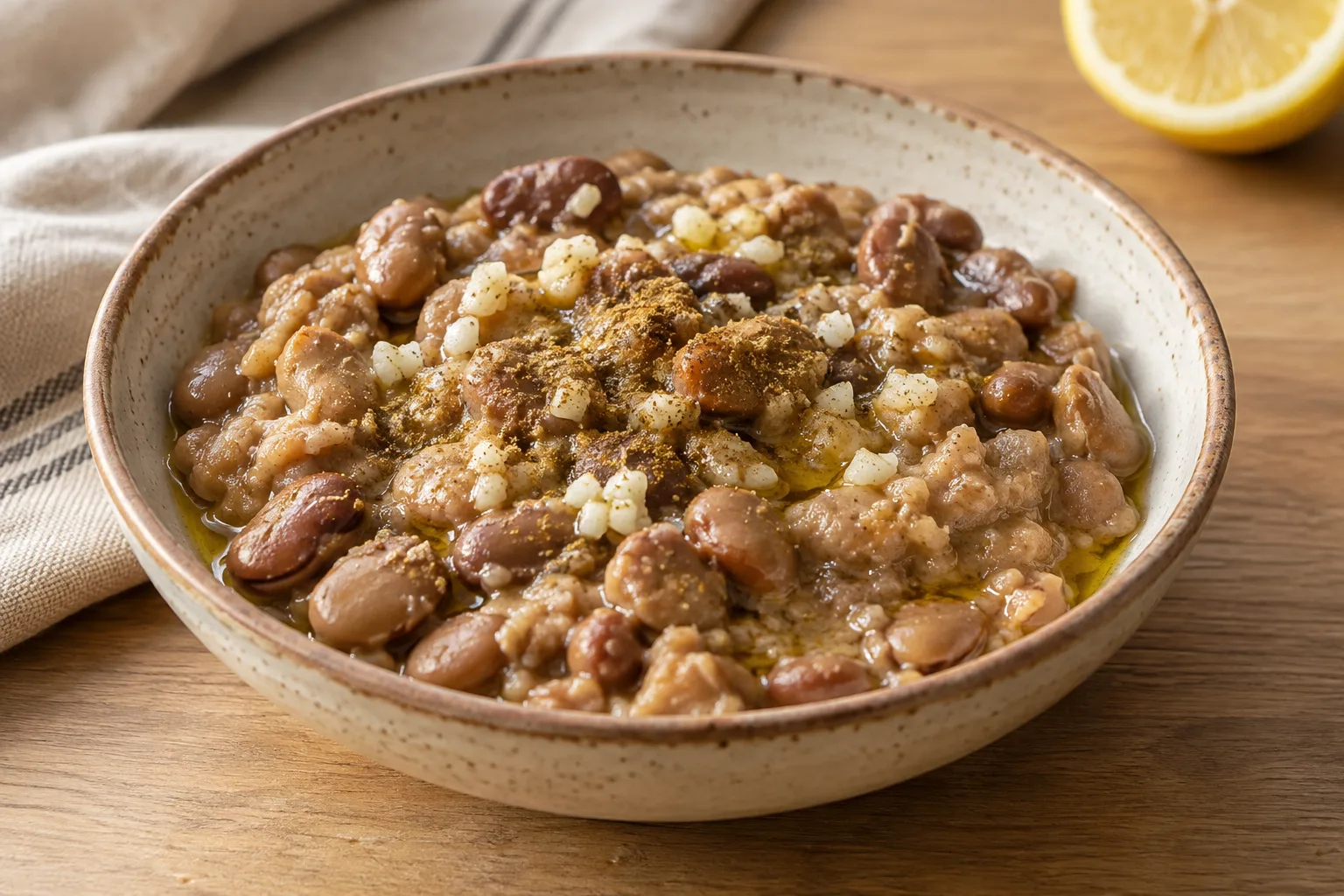
View recipeCooked fava beans, partly mashed and dressed with garlic, lemon, cumin, and olive oil.
View recipeCreamy Portuguese rice pudding cooked with milk infused with lemon and cinnamon, enriched with egg yolks and butter.
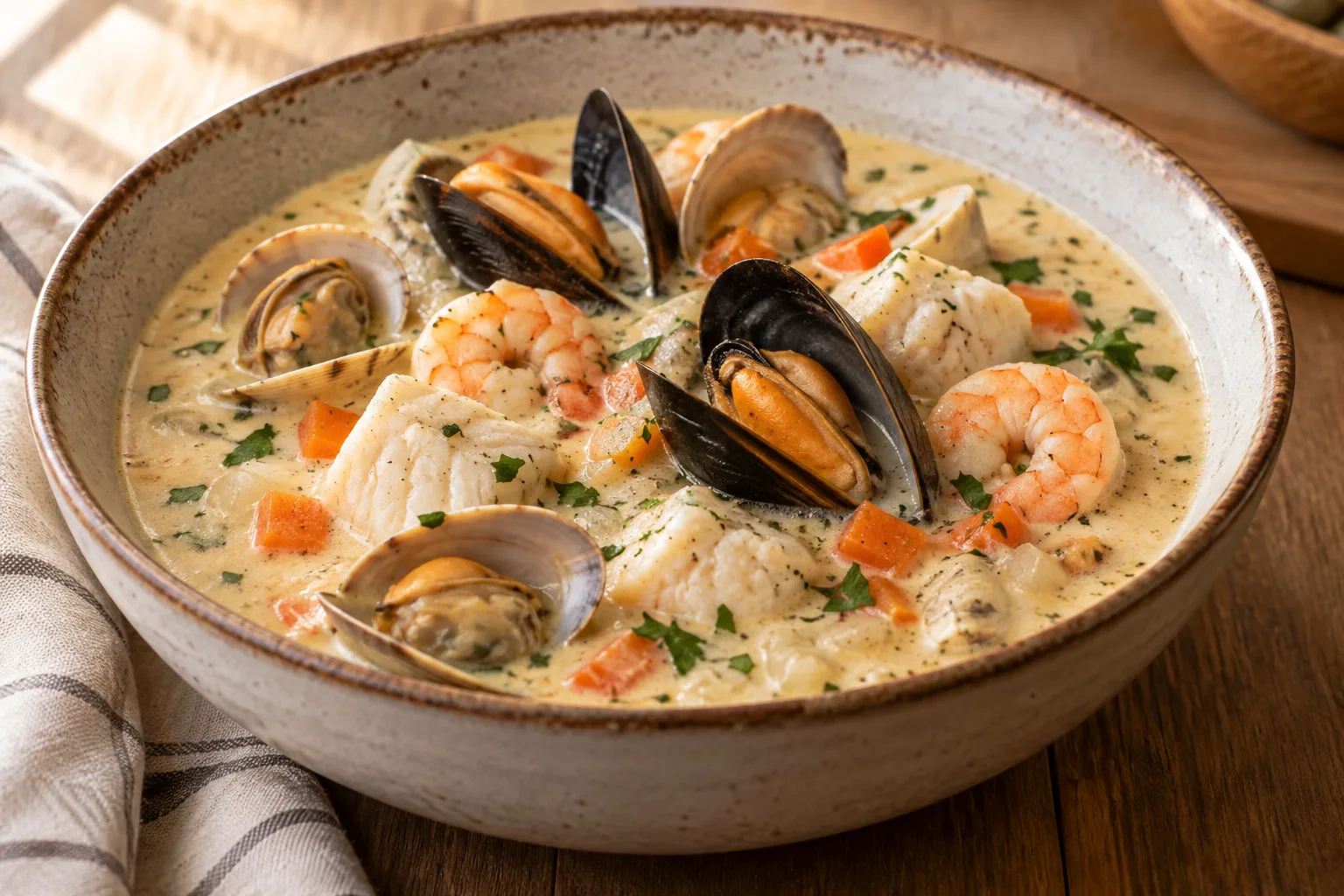
View recipeCreamy chowder for 4, with clams, mussels, prawns and white fish. Total time stated by the reference source: 35 minutes.
View recipe