
First steps
The fundamentals of learning to substitute ingredients
Learn to assess a substitution by considering an ingredient’s role, the cooking method, and observable signs in the recipe—without relying on universal equivalencies.
Articles and guides about First steps: cooking ideas, explanations and tips researched and checked by KitchenPause.

Choose herbs for the food you plan to cook and for what is abundant where you shop, rather than following a universal calendar. Learn how to store tender and sturdy-stemmed herbs, and how to use surplus by freezing or drying it.
Available content that can be reviewed from the recipe collection.
Learn to assess a substitution by considering an ingredient’s role, the cooking method, and observable signs in the recipe—without relying on universal equivalencies.

Tell the difference between a sauce that tastes too sour and one that simply needs better balance. Taste first, decide what you want to change, and adjust gradually: softening perceived acidity is not the same as neutralizing some of the acid.

A practical guide to defining a portion for your dish, measuring quantities consistently, and dividing food sensibly without confusing weight, volume, or dietary advice.

Learn when to reduce, add a thickener, or use ingredients already in the sauce—while keeping flavor, intended use, and an important tomato-canning exception in mind.

Learn to choose between reducing, adding starch, or puréeing ingredients by reading the sauce’s texture and considering how each method changes flavour and appearance. A sauce for serving and one intended for canning require different precautions.

Learn to distinguish acidity that dominates from a lack of brightness or a sauce that is simply too concentrated. Choose a small adjustment for the result you want, then taste again before changing the whole batch.

Learn to adjust pan heat by watching how the food responds: prepare your station, begin thoughtfully, and change the intensity according to what is happening rather than relying on a universal number.

Learn to recognize when a knife needs attention, distinguish honing from sharpening, and choose a cautious response based on the blade and the tool.

Organize your prep, choose an appropriate heat level, and adjust by watching the food—without relying on universal timings or dramatic flames.

Tasting during cooking helps you notice how flavor, aroma and texture change, then adjust seasoning gradually. Learn what to observe, when to taste again and what this practice can—and cannot—tell you.

A knife that catches or crushes a tomato may need attention. Learn to distinguish honing from sharpening, choose a compatible tool, and know when to stop.

A clear routine for choosing the right tool, weighing solids, measuring liquids, and spotting where measurement errors can creep in.

Fresh boerewors grilled until browned all over and served in four portions.
View recipe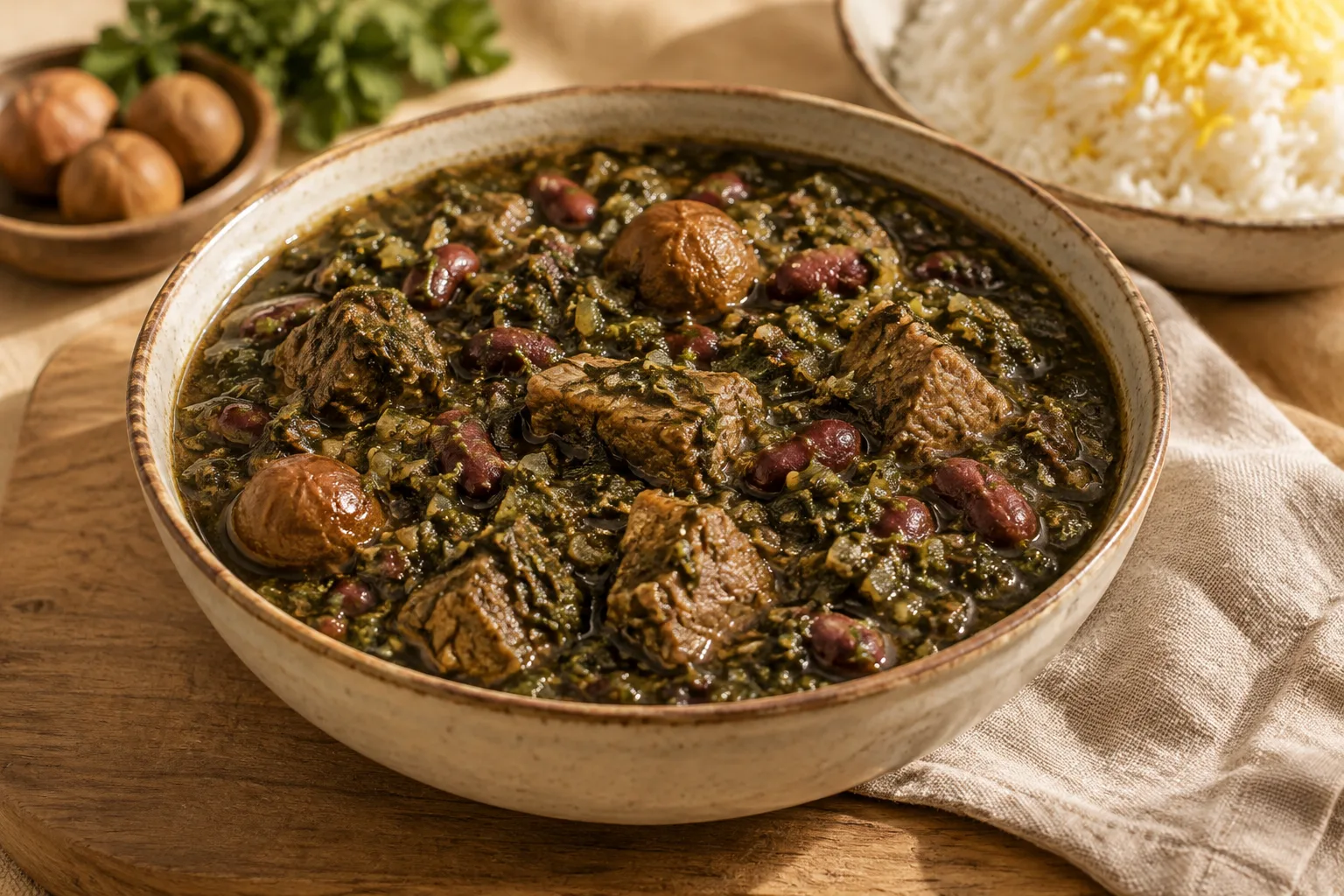
An Iranian stew of lamb or beef with fresh herbs, red kidney beans and dried limes, slowly cooked until the meat is tender.
View recipe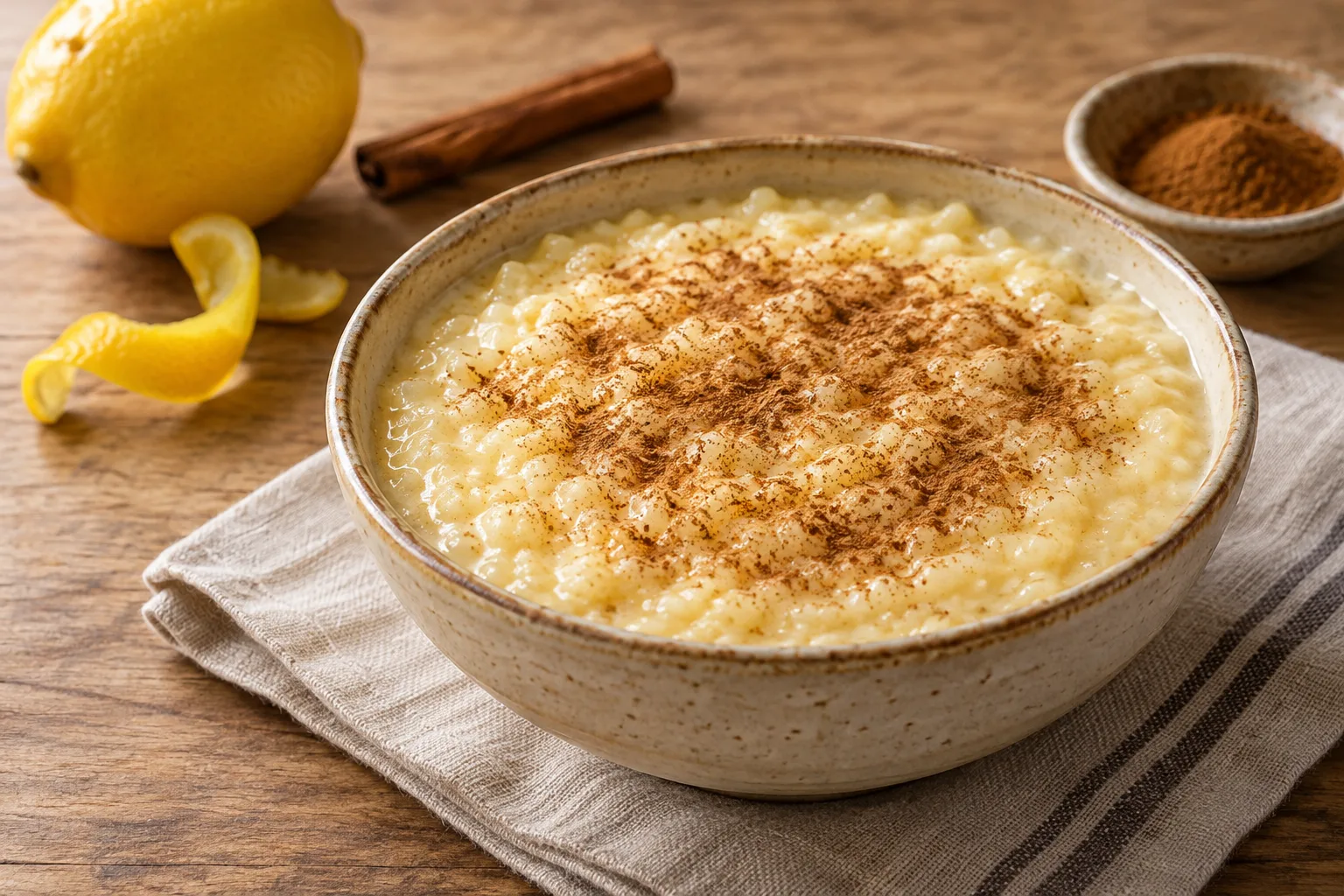
A Portuguese rice dessert cooked in milk scented with lemon and cinnamon, enriched with egg yolks and finished with ground cinnamon.
View recipe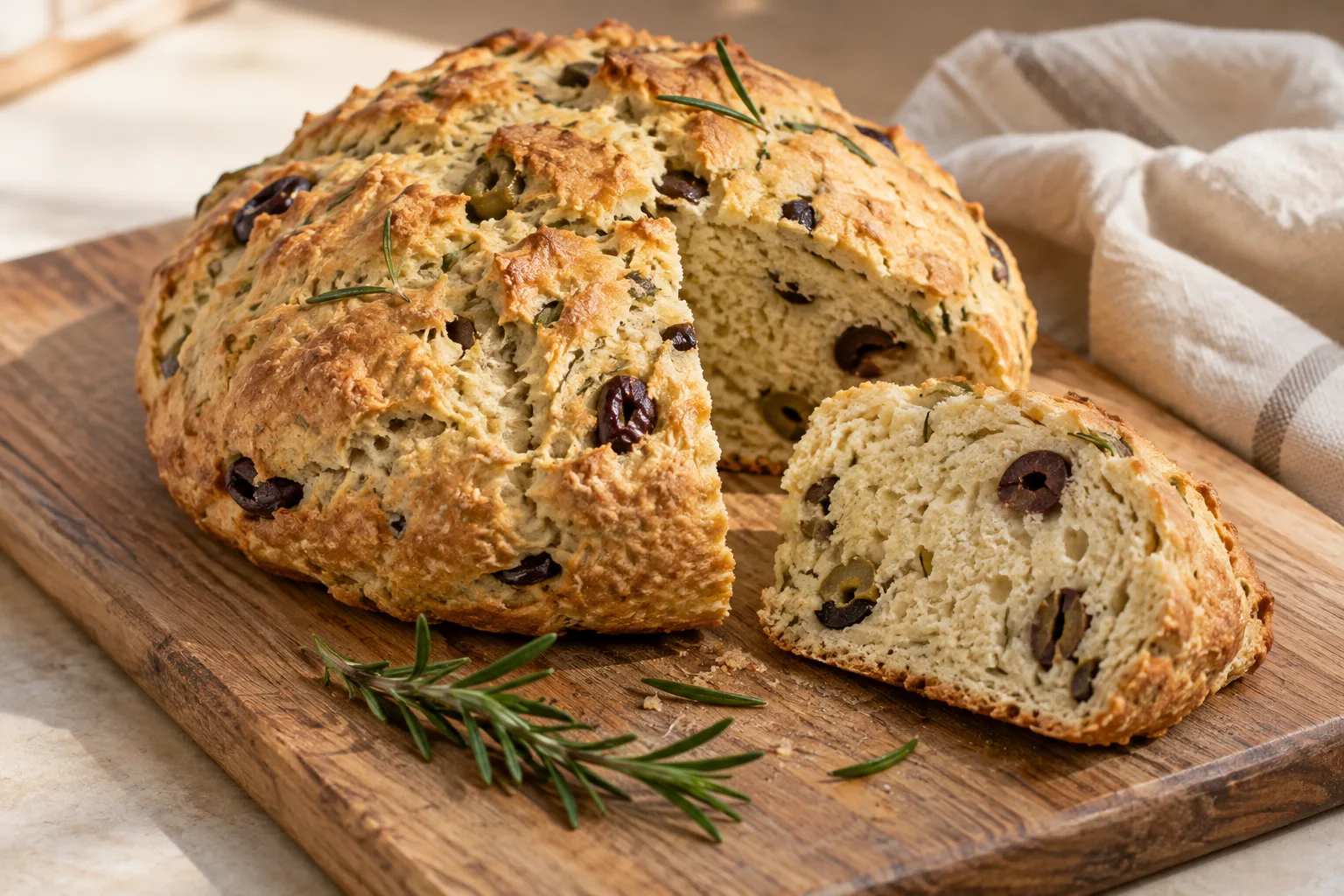
A simple Australian bread made with self-raising flour, olives and rosemary; this version is baked and served freshly made.
View recipe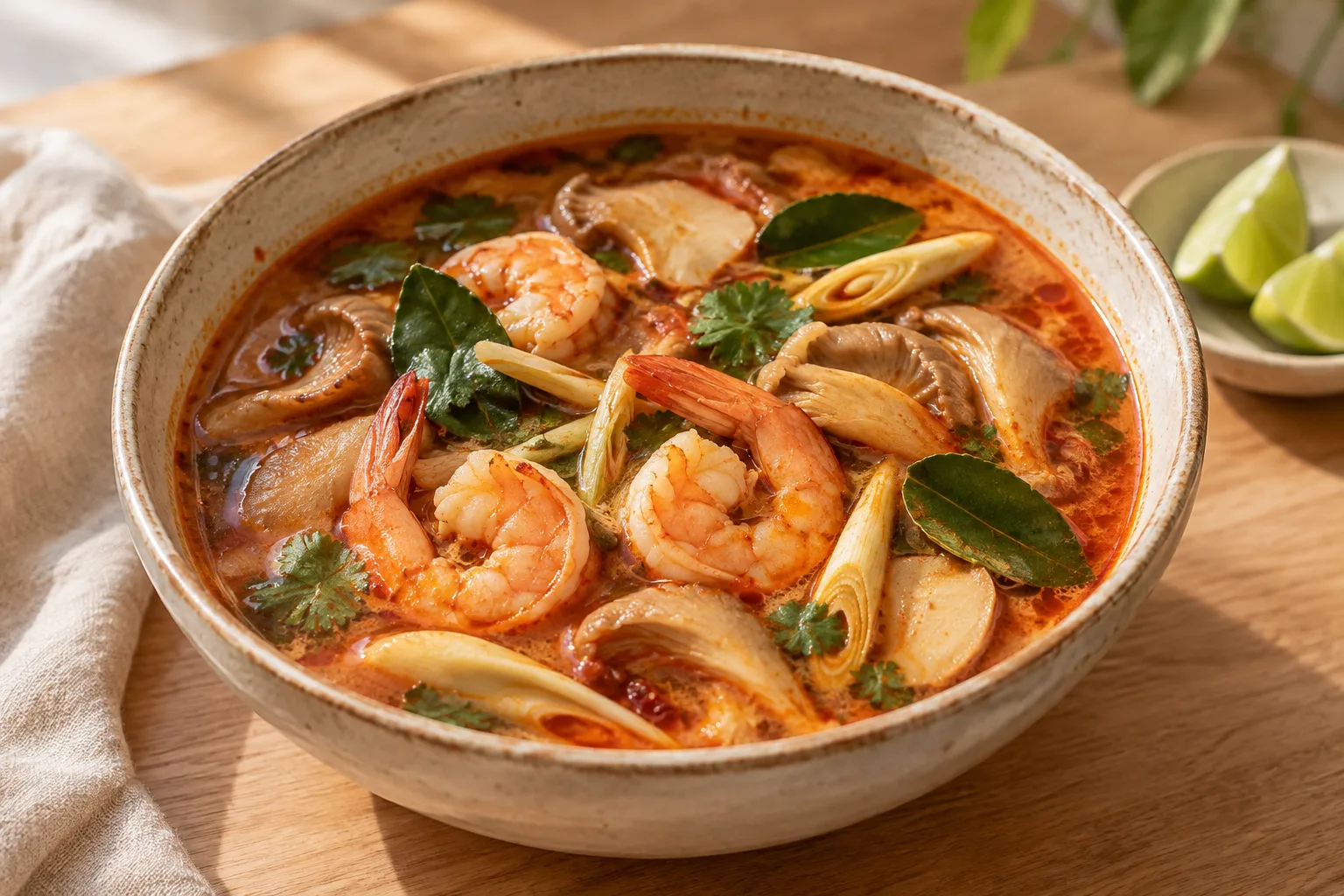
A sour-and-spicy Thai shrimp and mushroom soup scented with galangal, lemongrass and makrut lime leaves. It includes homemade nam prik pao paste.
View recipe
Spiced-potato-stuffed flatbread made with a soft dough and cooked on a griddle until golden.
View recipe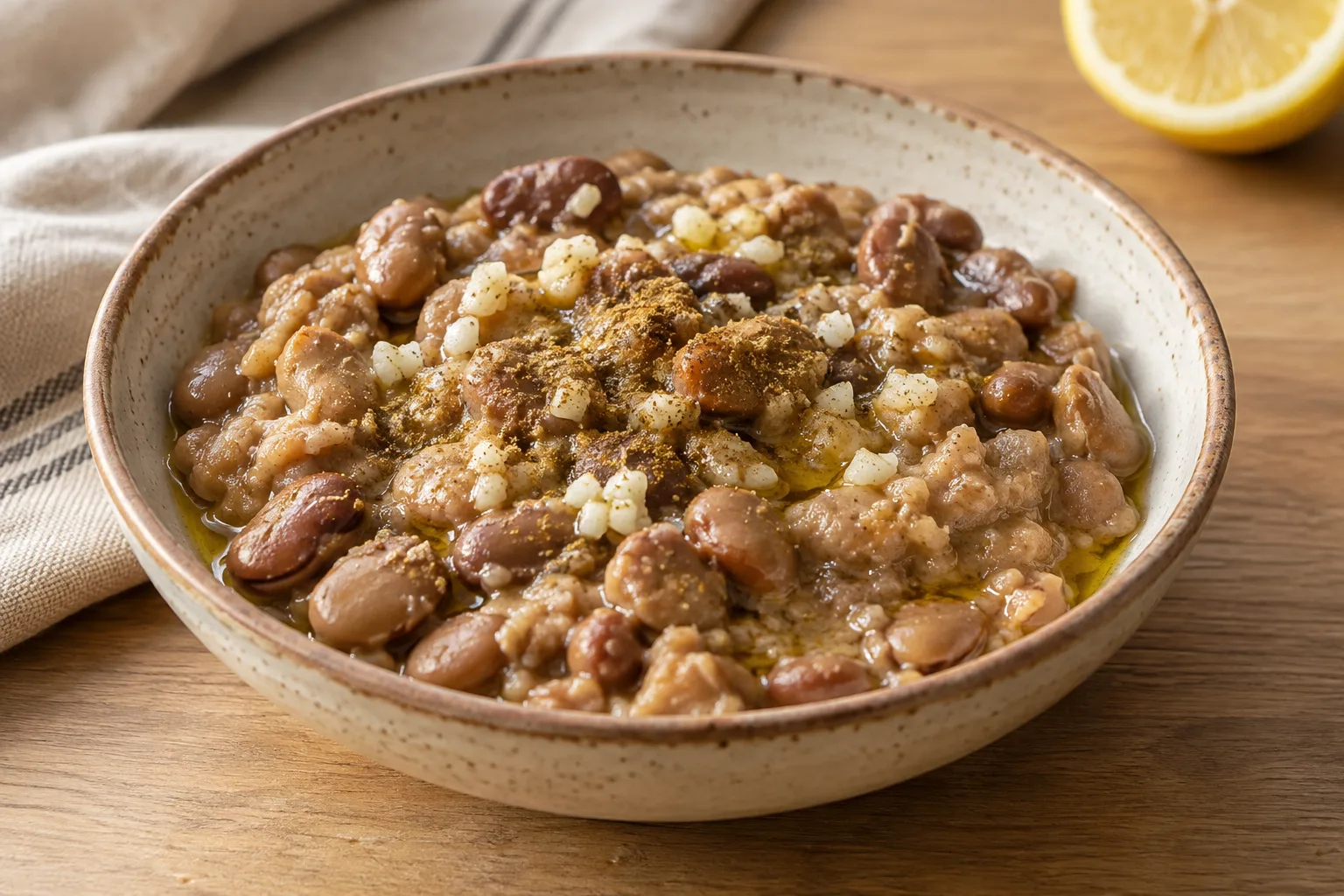
Cooked fava beans, partly mashed and dressed with garlic, lemon, cumin, and olive oil.
View recipe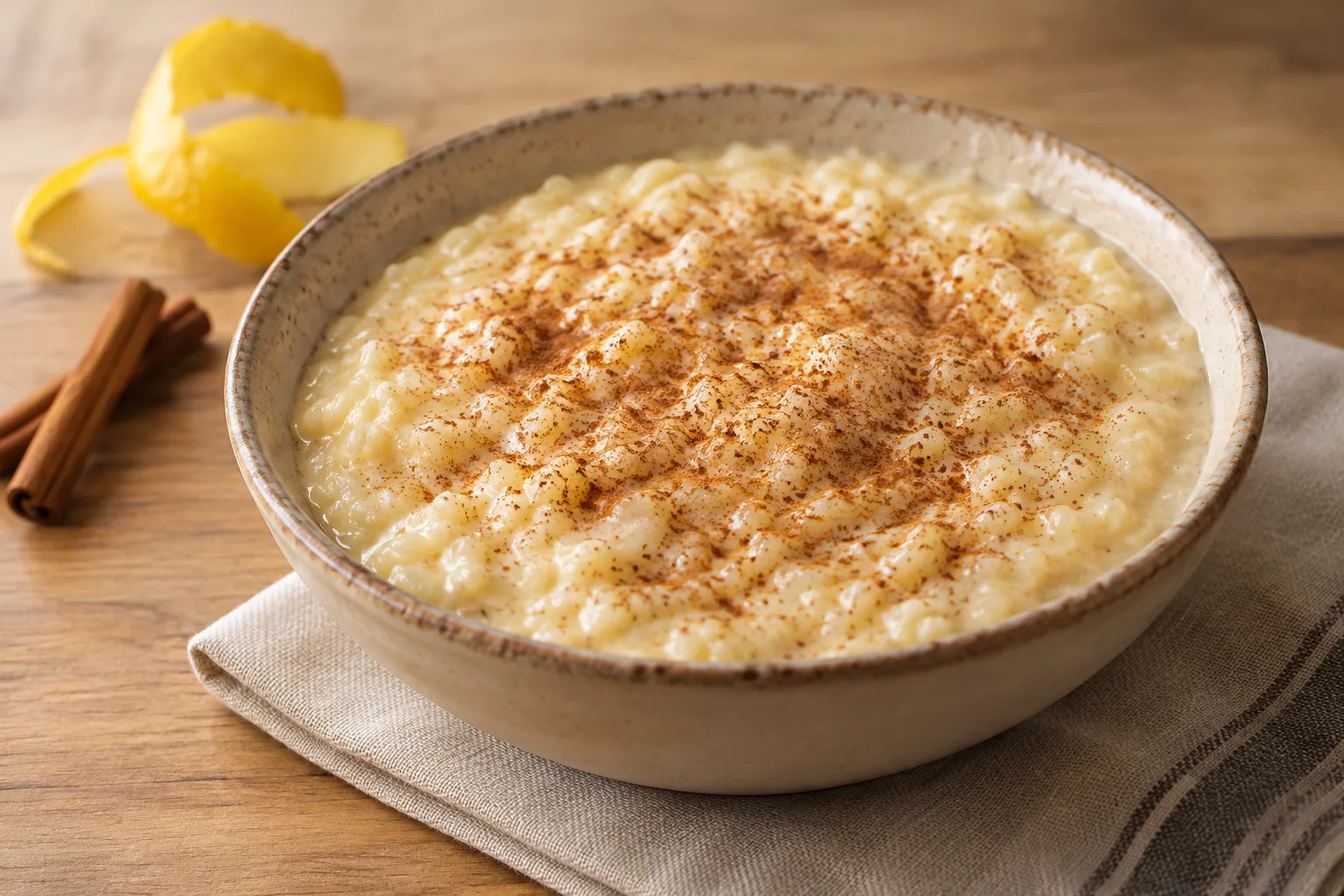
Creamy Portuguese rice pudding cooked with milk infused with lemon and cinnamon, enriched with egg yolks and butter.
View recipe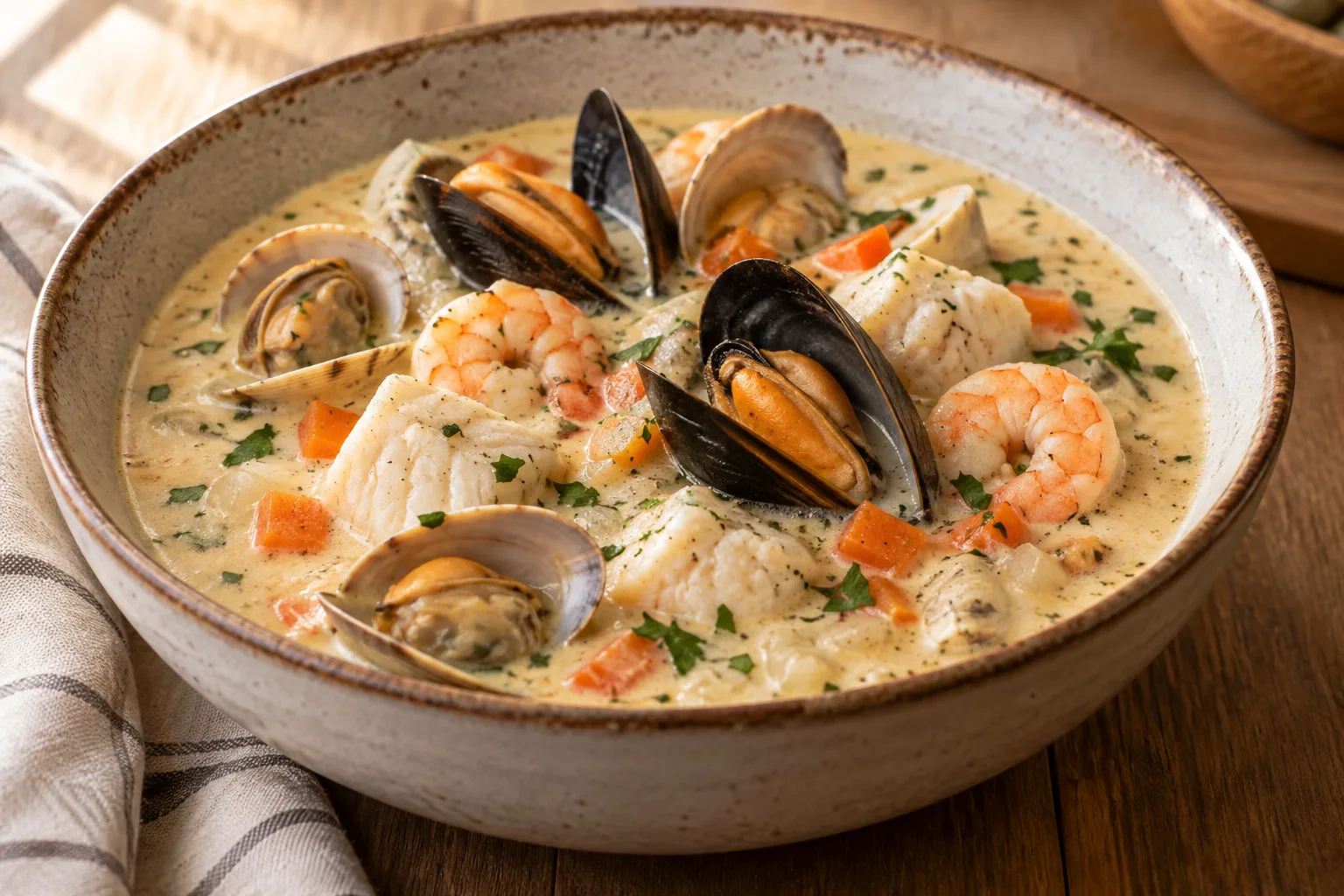
Creamy chowder for 4, with clams, mussels, prawns and white fish. Total time stated by the reference source: 35 minutes.
View recipe