- Category
- Pulses
- State
- Canned
- Usual unit
- cup
What it is
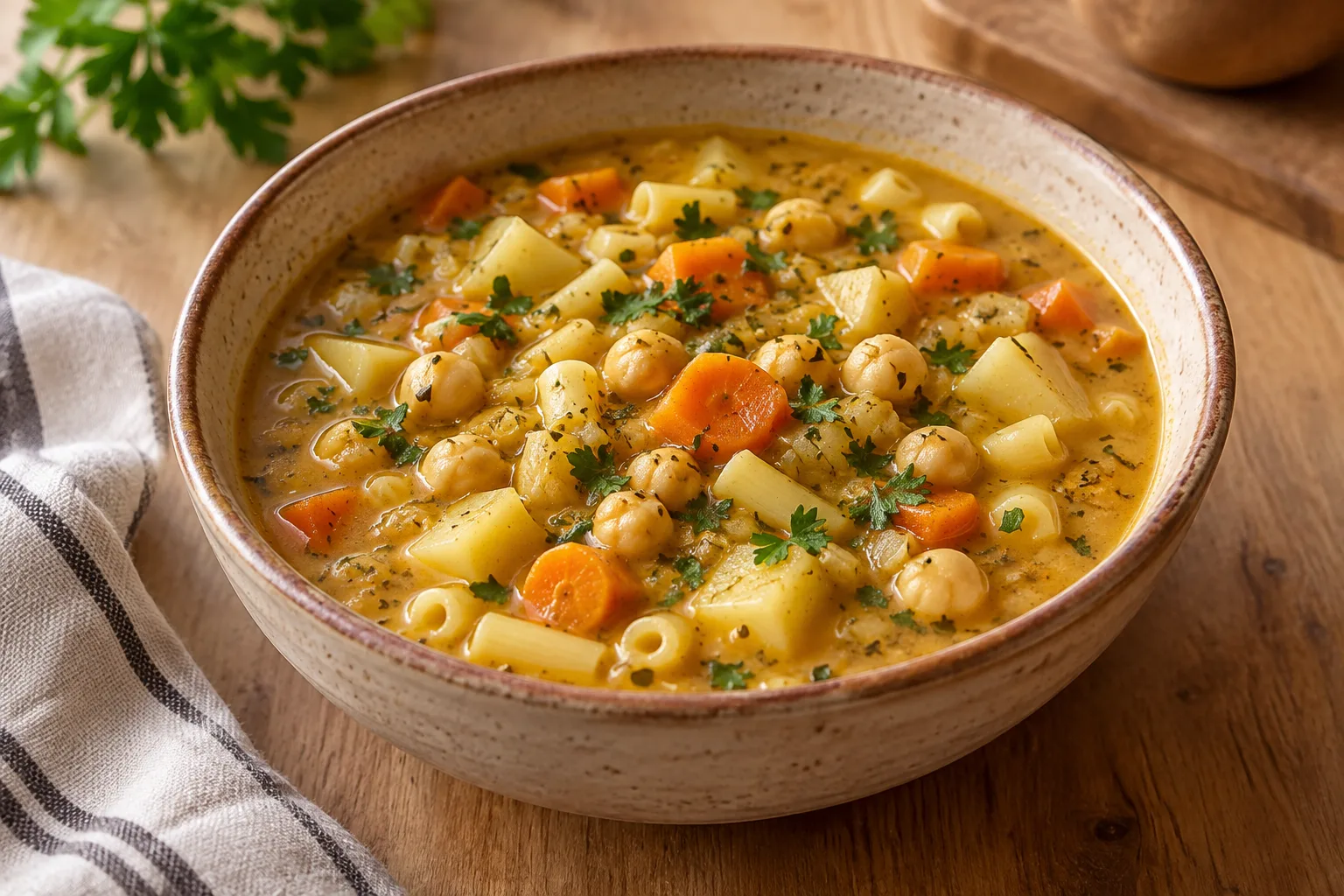
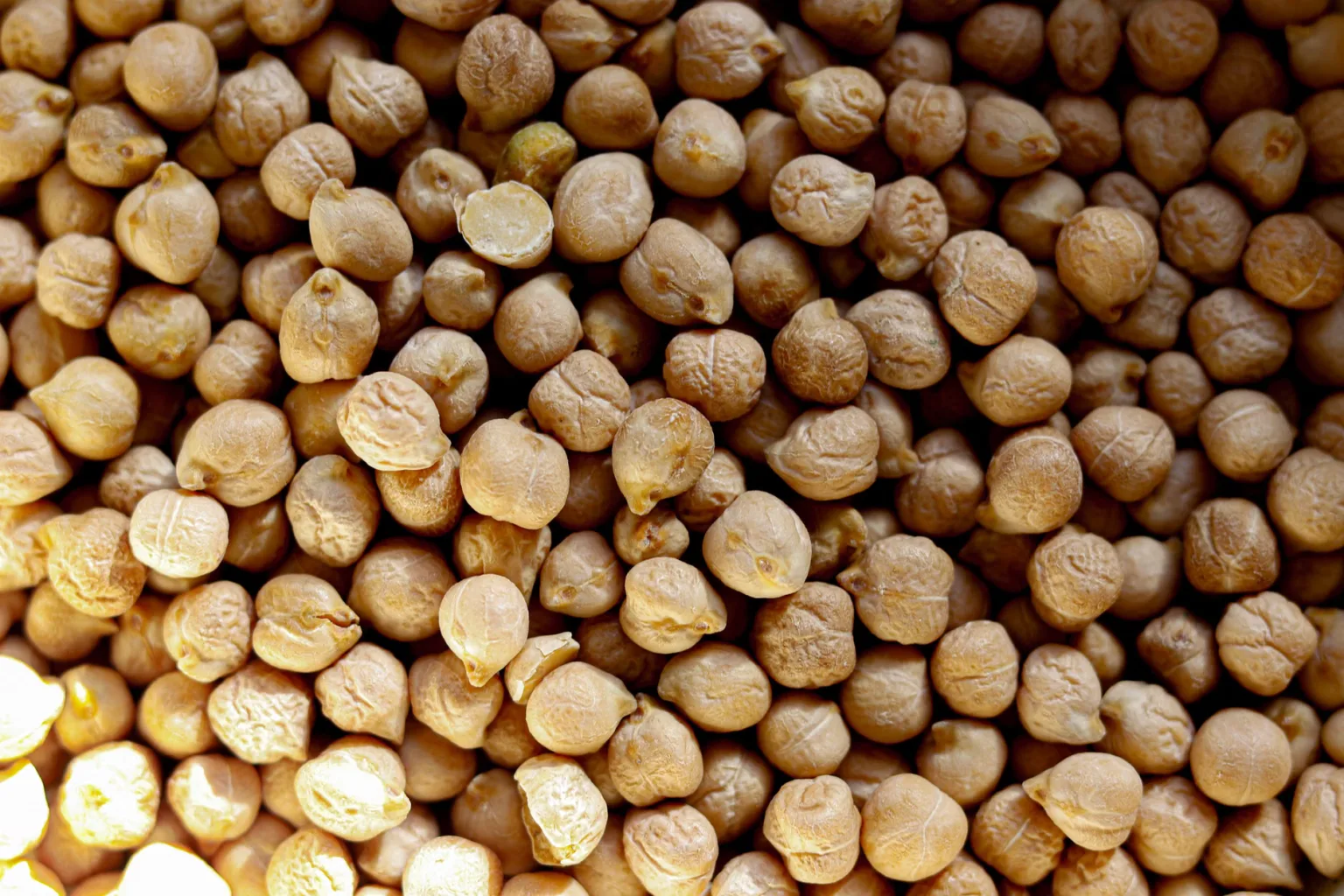
Canned chickpeas are chickpeas preserved in a sealed container, usually with liquid. They are legumes and offer a convenient way to keep chickpeas ready to add to a dish without starting with dried pulses. A particular product may include ingredients beyond chickpeas, so check the ingredient list and allergen information on the package. Some canned foods can be eaten with little further preparation, while others are intended to be used in a recipe; follow the manufacturer's directions. Chickpeas have a mild flavor and a texture that can remain whole in a stew or become smooth when mashed or puréed. Their convenience makes them useful for everyday cooking, from hearty potajes to salads and hummus-style preparations.
When to use it
Use canned chickpeas when you want to add legumes to a meal without beginning with dried chickpeas. They work in soups, potajes and stews, and can also be added to salads or served as a side. For a creamy dish, mash or purée them for a hummus-style preparation. In recipes with tomato, onion, pepper, garlic or spices, chickpeas add substance and complement the flavors of the sautéed vegetables. Canned chickpeas are also useful when you need a legume that can be added to a dish with little advance preparation. Check the package for any particular directions before using them.
How to use it
Read the package before opening, especially the ingredient list, allergen information, and storage and use directions. Add chickpeas to a soup, potaje or vegetable stew; for a salad, combine them with ingredients such as tomato, onion and pepper. For a purée, blend them with the ingredients specified in your recipe, such as garlic, lemon or tahini if called for. They can also be sautéed or fried with garlic and onion as part of a hot dish. The canning liquid may affect a recipe's consistency, so decide how much to use based on the result you want. If you do not use the whole contents, transfer the remainder to a covered container and refrigerate it. Follow the product label for any additional instructions.
Flavour and texture
Canned chickpeas generally have a mild, slightly nutty flavor, though the exact product can vary with its ingredients and processing. They are tender enough to eat whole in salads and stews, or can be mashed to make a creamy purée. The consistency and flavor of the canning liquid can also influence the finished dish.
How to choose it
Compare package ingredient lists and directions because product composition can differ. Check that the package is intact, and read the date and storage information before buying. If you need to avoid a particular ingredient, review the allergen information rather than relying on the product name alone.
Storage
Store an unopened can according to the storage directions on its label. After opening, transfer any unused chickpeas to a covered container and keep them in the refrigerator rather than leaving them exposed. Check the manufacturer's directions for storage and duration; there is no single time limit that applies to every canned product.
Substitutions
You can replace canned chickpeas with dried chickpeas that have been soaked and cooked beforehand, or with chickpeas cooked at home. The dried option requires preparation before it can go into the recipe and may change the time needed to make the dish. Adjust the liquid and consistency to suit the product you choose.
Common mistakes
Do not assume every can contains chickpeas and nothing else: check the ingredients and allergen information. Another common mistake is adding all the canning liquid without considering how it may change the dish's consistency. If you save some for later, do not leave it uncovered; follow the label and store the remainder covered in the refrigerator.
Safety and allergens
Read the package for ingredients, allergen information, and product-specific storage and use directions. Follow any particular instructions on the label, since recommendations can vary by product and presentation.
Culinary uses
- Ingredient for soups, stews and potajes
- Base for hummus and other purées
- Addition to salads and side dishes
Recommended techniques
- Add to soups or stews
- Mash or purée for hummus-style preparations
- Combine with vegetables in salads or potajes
- Sauté or fry with aromatics
Pairs well with
- Tomato, onion and pepper
- Garlic, cumin and bay leaf
- Spinach and olive oil
- Chorizo or pork in hearty stews
Frequently asked questions
Do canned chickpeas need to be cooked before use?
Some canned foods can be eaten with little further preparation, but directions vary by product. Check the package and follow the manufacturer's instructions.
Can I use canned chickpeas in a salad?
Yes. Combine them with ingredients such as tomato, onion and pepper, or add them to soups and stews.
How should I store leftover canned chickpeas?
Keep the remainder covered in the refrigerator and consult the package for storage and duration guidance for that product.
Ingredient allergens
Allergen listThere are no verified associations for these ingredients yet.
Estimated nutrition
- Fat
- 2.77 g
- Saturates
- 0.21 g
- Carbohydrate
- 22.5 g
- Sugars
- 4.01 g
- Fibre
- 6.4 g
- Protein
- 7.05 g
- Salt
- 0.62 g
Sources and review
Automatically researched, cross-checked and validated content. Sources consulted:
- En el etiquetado alimentario hay algunas menciones que son obligatorias eletiquetadocuentamucho.aesan.gob.es/obligatoria.html
- Client Challenge doi.org/10.2307/jj.27939689.16
- El Garbanzo: Historia, Diseminación Y Usos Culinarios - Restaurante Romero restaurante-romero.es/el-garbanzo-historia-diseminacion-y-usos-culinarios/
- Origen y propiedades de los garbanzos ¡6 BENEFICIOS ÚNICOS! www.lacribadevalseca.com/origen-y-propiedades-de-los-garbanzos/
- USDA FoodData Central libguides.marist.edu/fdc
- Appendix B: Recipes for Disease Prevention – Culinary Medicine opentextbooks.library.arizona.edu/culinarymedicine/back-matter/appendix-b-recipes/
- Processed Foods and Health • The Nutrition Source nutritionsource.hsph.harvard.edu/processed-foods/
- Food Timeline: food history research service libguides.umflint.edu/foodtimeline
- IBD-AID ALLOWABLE FOODS LIST, BY PHASE www.umassmed.edu/globalassets/nutrition/ibdaid-food-list/foods-list-updated-aug-1.2019.pdf
- Para la ciudadanía www.aesan.gob.es/para-la-ciudadania
- Storing Canned Goods | USU extension.usu.edu/preserve-the-harvest/research/storing-canned-goods
- Food & Nutrition | Colorado State University Extension foodsmartcolorado.colostate.edu/how-to-reduce-food-waste-at-home/
- 7 ways to reduce food waste - Mayo Clinic Health System sncs-prod-external.mayo.edu/hometown-health/speaking-of-health/7-ways-to-reduce-food-waste-i…
- Garbanzos: Origen y Características en Cocina Cubana | Recet | Receta Cubana recetacubana.app/glosario/garbanzos