- Category
- Herbs and spices
- State
- Fresh
- Usual unit
- tablespoon
What it is
Savory is an aromatic herb in the Lamiaceae family, used to season food. The name can refer to different varieties, including summer savory (Satureja hortensis) and winter or mountain savory (Satureja montana). Both are sold and used in cooking, although their intensity may differ. Savory is available fresh or dried; this profile focuses on the fresh herb. Its leaves bring an herbaceous, spicy and sometimes mildly peppery character that recalls other Mediterranean herbs. You do not need much: a modest amount adds aroma without masking the other ingredients in a dish.
When to use it
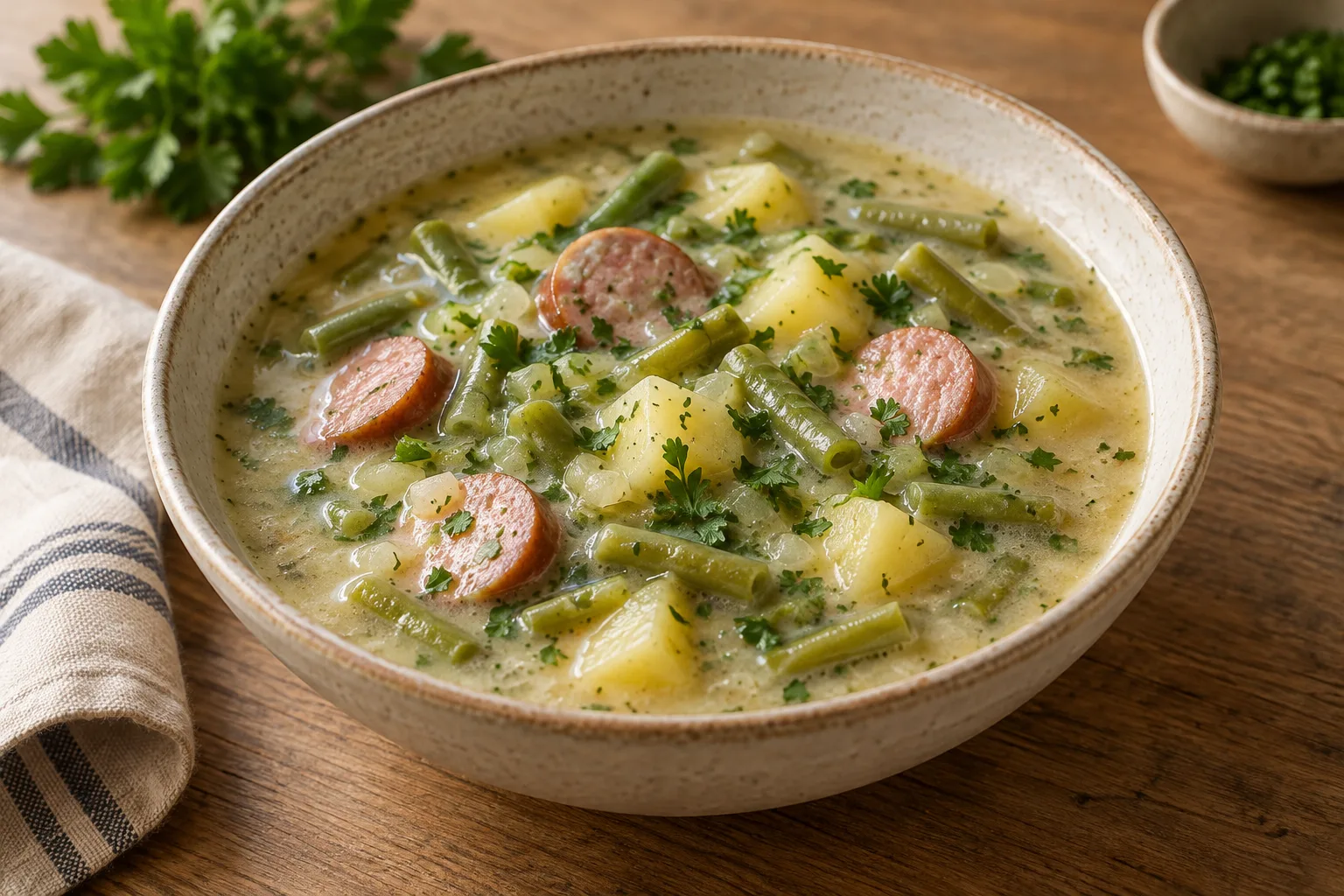
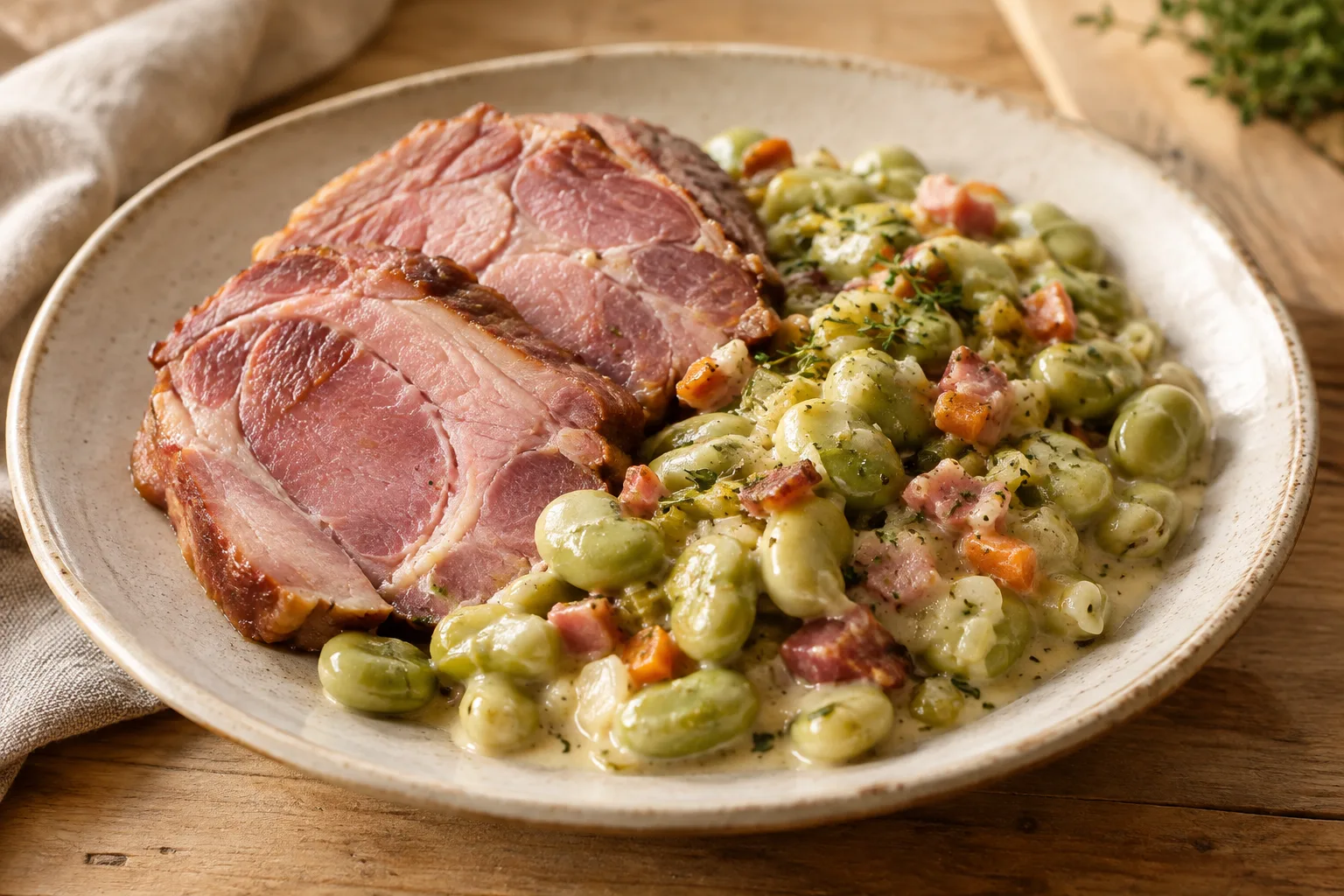
Use savory when you want to add an herbaceous, spicy note to legumes, soups, stews or sauces. It is a familiar match for beans, lentils and chickpeas, and can also complement potatoes, mushrooms and eggs. Because its flavor can be assertive, begin with a little and taste before adding more. Fresh savory can be chopped and added toward the end of cooking; dried savory can go in earlier so its flavor infuses the dish as it cooks. Summer and winter varieties may differ in intensity, so adjust the amount to the savory you have.
How to use it
Rinse fresh savory under running water and dry it carefully before preparation. Strip off the leaves if the stems are too firm for your recipe, then chop the leaves when you want their flavor distributed evenly. Start with a small amount, especially if you are unfamiliar with the variety, and taste before adding more. For legumes, soups and stews, you can add savory during cooking; if using fresh savory and you want a more distinct aroma, stir it in chopped near the end. Dried savory is commonly added during cooking so it can infuse. It is also used in herb blends and to flavor oil or vinegar; do not treat it as a substitute for a safe preservation method.
Flavour and texture
Savory has a strong aroma and an herbaceous, spicy, somewhat peppery flavor; some descriptions also note similarities to thyme or oregano. Its intensity can vary between varieties and between fresh and dried forms. Chopped fresh leaves add a delicate leafy texture, while dried leaves are more concentrated and blend readily into stews and seasonings. Too much can overshadow other flavors, so add it gradually and taste as you go.
How to choose it
Choose fresh savory with clean-looking leaves and no damaged or rotten areas. Avoid wilted bunches or herbs with visible signs of spoilage. If buying cut or packaged savory, check that the packaging is intact and that the product has been kept refrigerated when required. Variety can affect intensity: if the variety is not identified, begin with a small amount and adjust to taste. For dried savory, check the package and the condition of the herb before using it.
Storage
Fresh savory is perishable: store it in a clean refrigerator at 40°F (4°C) or below. Before use, rinse it under running water and discard rotten or badly damaged leaves. Keep the herb separate from raw meat, poultry and seafood, and from utensils that have touched them. The available information does not establish a specific storage life, so check its condition and follow any package directions.
Substitutions
Thyme and oregano can stand in for savory when needed because they share herbaceous or aromatic notes. They are not identical, so the result will change, and oregano may taste more assertive. Start with less than the amount of savory called for, taste and adjust. These swaps aim for a related flavor profile rather than an exact match for every savory variety.
Common mistakes
Adding too much savory at once can make its bold flavor dominate a dish. Start with a little and adjust after tasting. Another common mistake is assuming fresh, dried, summer and winter savory always have the same intensity. Consider timing as well: chopped fresh savory is often added near the end, while dried savory can cook longer to infuse its flavor.
Safety and allergens
Wash your hands before preparing the herb and rinse fresh savory under running water; do not use soap or detergent on fresh produce. Discard rotten leaves and keep perishable fresh savory in a clean refrigerator at 40°F (4°C) or below. Keep it separate from raw meat, poultry, seafood and their utensils to reduce cross-contamination.
Culinary uses
- Seasoning for legumes, soups and stews
- Aromatic herb for meat, fish, vegetables and sauces
Recommended techniques
- Chop fresh leaves and add near the end of cooking
- Add dried savory during cooking so its flavor can infuse
- Use sparingly in herb mixtures, marinades or flavored oil and vinegar
Pairs well with
- Beans, lentils and chickpeas
- Potatoes and mushrooms
- Eggs
- Thyme, rosemary, bay leaf and oregano
Frequently asked questions
What does savory taste like?
It has an herbaceous, spicy flavor often described as mildly peppery. Its intensity varies by variety and by whether it is fresh or dried.
What foods pair well with savory?
It pairs particularly well with beans, lentils and chickpeas. It can also season soups, stews, potatoes, mushrooms, eggs and sauces.
When should I add savory while cooking?
Chopped fresh savory can go in near the end for a more distinct aroma. Dried savory can be added during cooking so its flavor has time to infuse.
Ingredient allergens
Allergen listThere are no verified associations for these ingredients yet.
Estimated nutrition
- Fat
- 0 g
- Saturates
- 0 g
- Carbohydrate
- 0 g
- Sugars
- 0 g
- Protein
- 0 g
- Salt
- 0 g
Sources and review
Automatically researched, cross-checked and validated content. Sources consulted:
- Client Challenge doi.org/10.2307/jj.27939689.16
- Culinary Institute of America | World's Premier Culinary College www.ciachef.edu/
- Institute of Culinary Education | Ranked #1 Top Culinary School in America www.ice.edu/
- University Culinary Services | Kent State University www.kent.edu/dining
- Janice Bluestein Longone Culinary Archive | University of Michigan Library www.lib.umich.edu/collections/collecting-areas/special-collections/janice-bluestein-longone-…
- Selecting and Serving Produce Safely | FDA go.unl.edu/handlinggroceries
- Nutrition.gov libguides.lsco.edu/nutrition
- Home Page - National Center for Home Food Preservation nchfp.uga.edu/
- ¿Qué es la ajedrea y cómo se usa? www.cocinista.es/web/es/enciclopedia-cocinista/especias-de-la-a-a-la-z/ajedrea.html
- La ajedrea, la planta que mejora la digestión y es fácil de cultivar bordas.garden/es/la-ajedrea-la-hierba-mediterranea-que-mejora-la-digestion-y-embellece-el-ja…
- Ajedrea. La especia manchega que da un giro a tus guisos tradicionales www.abc.es/recetasderechupete/ajedrea-la-especia-manchega-que-da-un-giro-a-tus-guisos-tradic…
- La ajedrea, el condimento del Mediterráneo - Bio Eco Actual www.bioecoactual.com/2016/03/10/la-ajedrea-el-condimento-del-mediterraneo-por-fidel-pascual/
- Ajedrea | PAPRIMUR paprimur.es/productos/ajedrea/