Caramelization: practical decisions guided by color and aroma
Distinguish caramelization from other kinds of browning, learn which signs to watch, and decide when to take sugar off the heat without relying on a universal number.
An editorial home built from real recipe additions, seasonality and our methodology.
Asparagus, peas, broad beans, artichokes and tender greens signal spring. Learn to read the seasonal calendar flexibly, choose vegetables in good condition and organize storage without treating seasonality as a rigid rule.
Available content that can be reviewed from the recipe collection.
Distinguish caramelization from other kinds of browning, learn which signs to watch, and decide when to take sugar off the heat without relying on a universal number.
The label matters more than the name. Learn what distinguishes concentrated Greek-style yogurt, how to compare products, and how to use its texture without assuming every tub is the same.
A family cookbook may preserve techniques and tastes, but also clues about who cooked, how knowledge travelled, and what changed over time. This guide offers a curious, careful way to read one.
Plan from what you already have, check what local markets are offering, and prepare components you can combine in different ways. The season can inspire the menu without turning it into a rigid calendar.
A practical guide to comparing formats, choosing with care, storing grated Parmesan without promising a universal shelf life, and using it in hot and cold dishes.
Ripeness and intended use shape how pears should be prepared. Learn how to choose fruit for fresh eating, freezing, or canning, limit browning, and avoid improvising with preservation methods.
Market cuisine is a way of planning food around ingredient availability and quality. Its recent history connects with culinary debates of the 1970s, but a flexible idea should not be mistaken for a single tradition or a fixed set of rules.
A practical guide to preventing cross-contamination, thawing and cooking chicken thoroughly, and handling leftovers carefully at home.
A chef’s knife is a versatile tool for preparing many ingredients, but it does not replace every other knife. Learn which cuts it handles well, when to choose a different blade, and how to work with greater control.
Uneven cuts, an overcrowded pan, or overly high heat can change an onion’s texture. Learn to adapt your preparation to the onion and the dish, without relying on rigid rules.
A careful guide to choosing unsweetened almond milk and deciding where it may fit, without assuming it replaces dairy milk in every recipe.
Dry-toasting can intensify and change the aroma of some spices, but the gap between warming and scorching can be brief. Learn how to choose the right form, read the cues, and stop the heat in time.
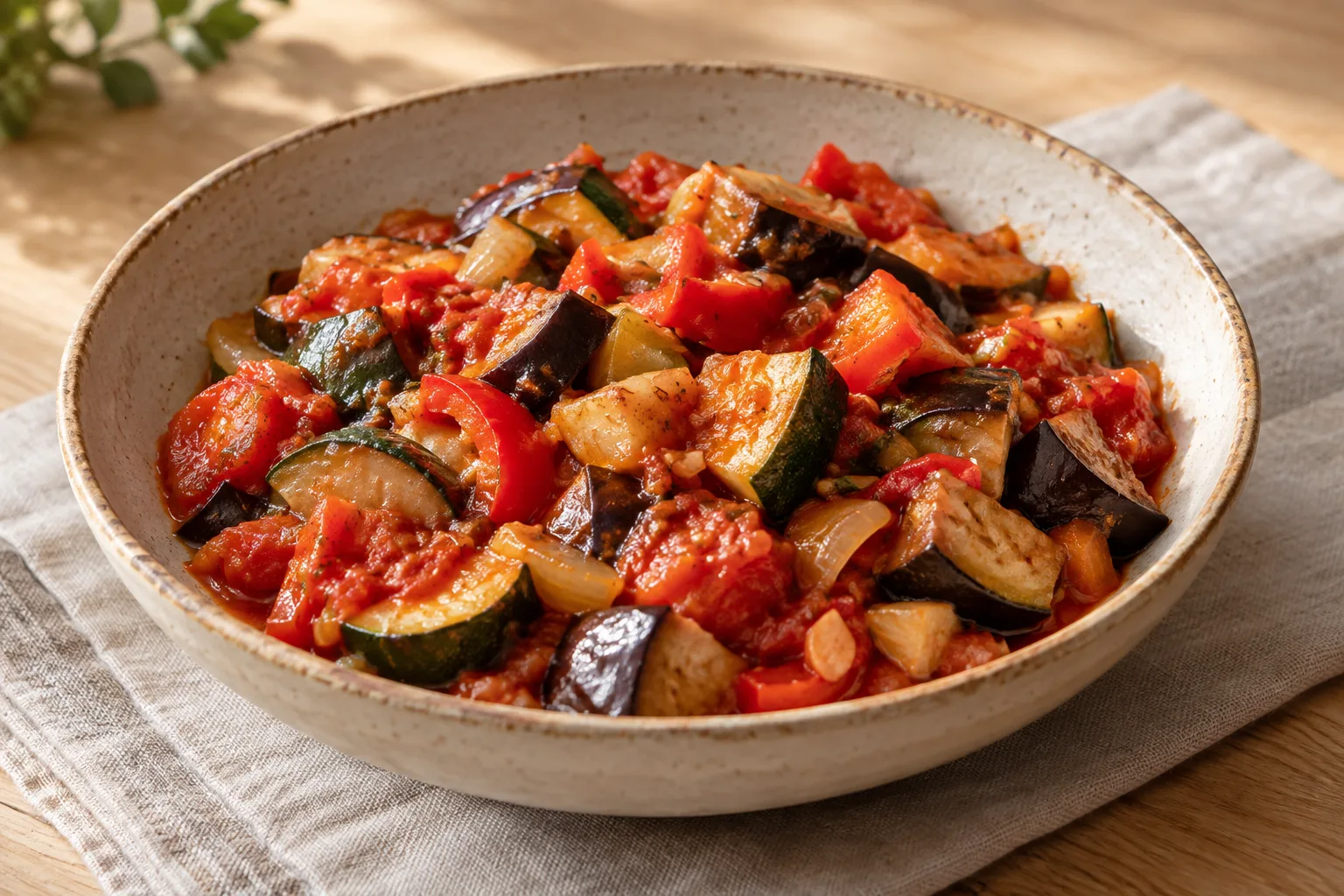
A Provençal stew of eggplant, zucchini, bell pepper, tomato, onion, and garlic, cooked separately and combined at the end. Serves 4; timings are approximate.
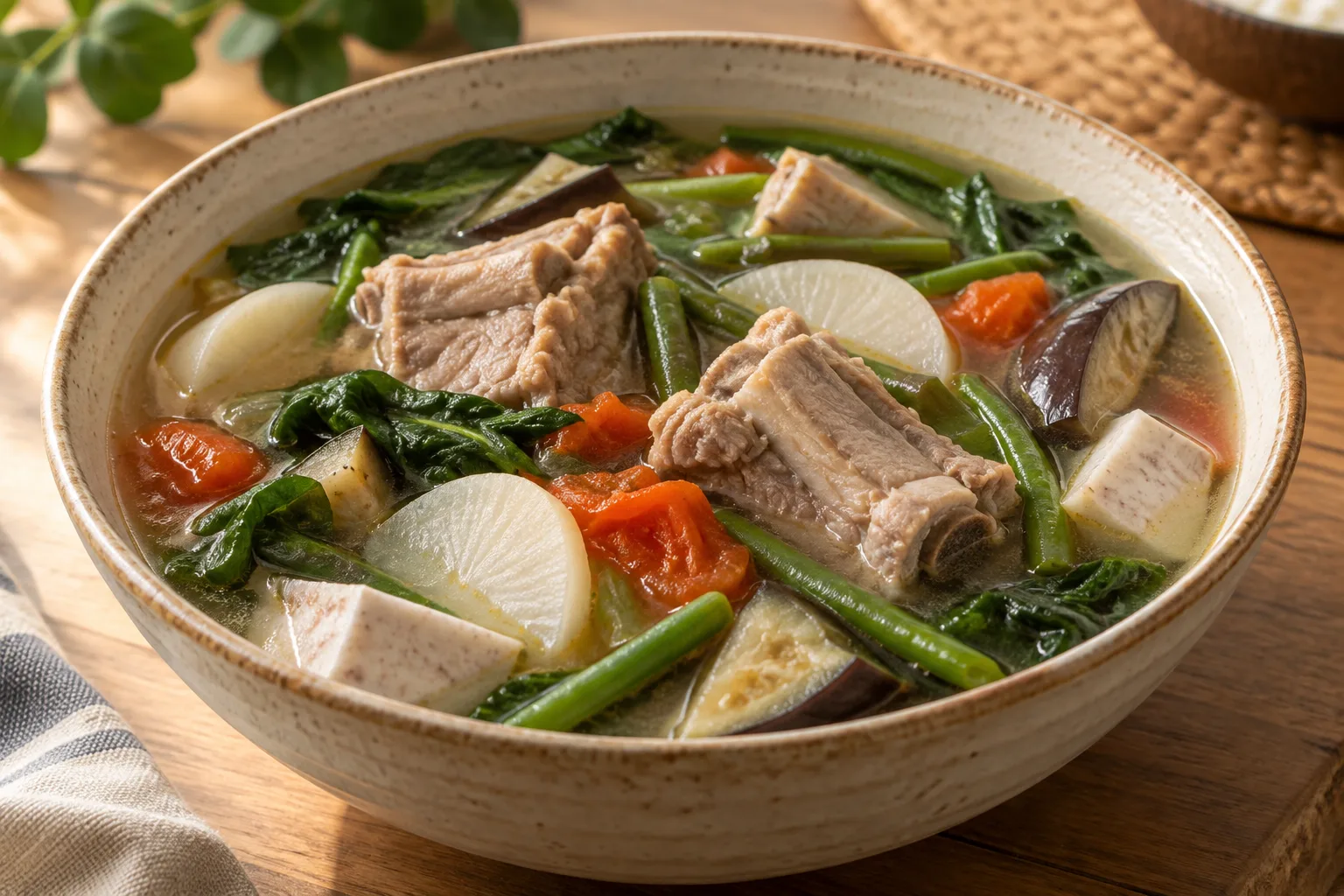
View recipeA sour Filipino soup with pork ribs, tamarind, and vegetables. Makes 6 servings; timings are estimates.
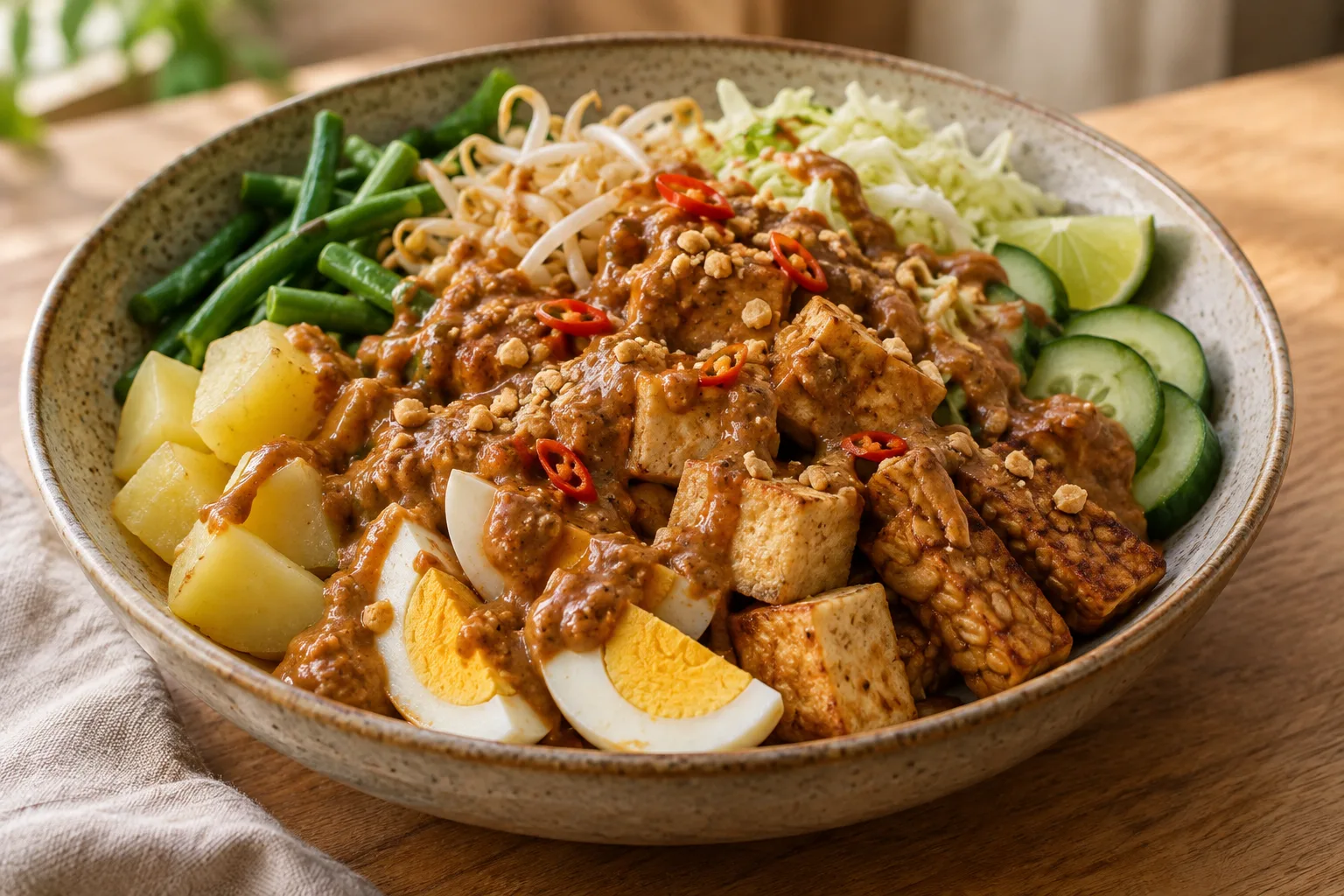
View recipeA warm Indonesian salad of vegetables, potatoes, egg, tofu and tempeh, served with peanut sauce. Serves 4; timings are approximate.
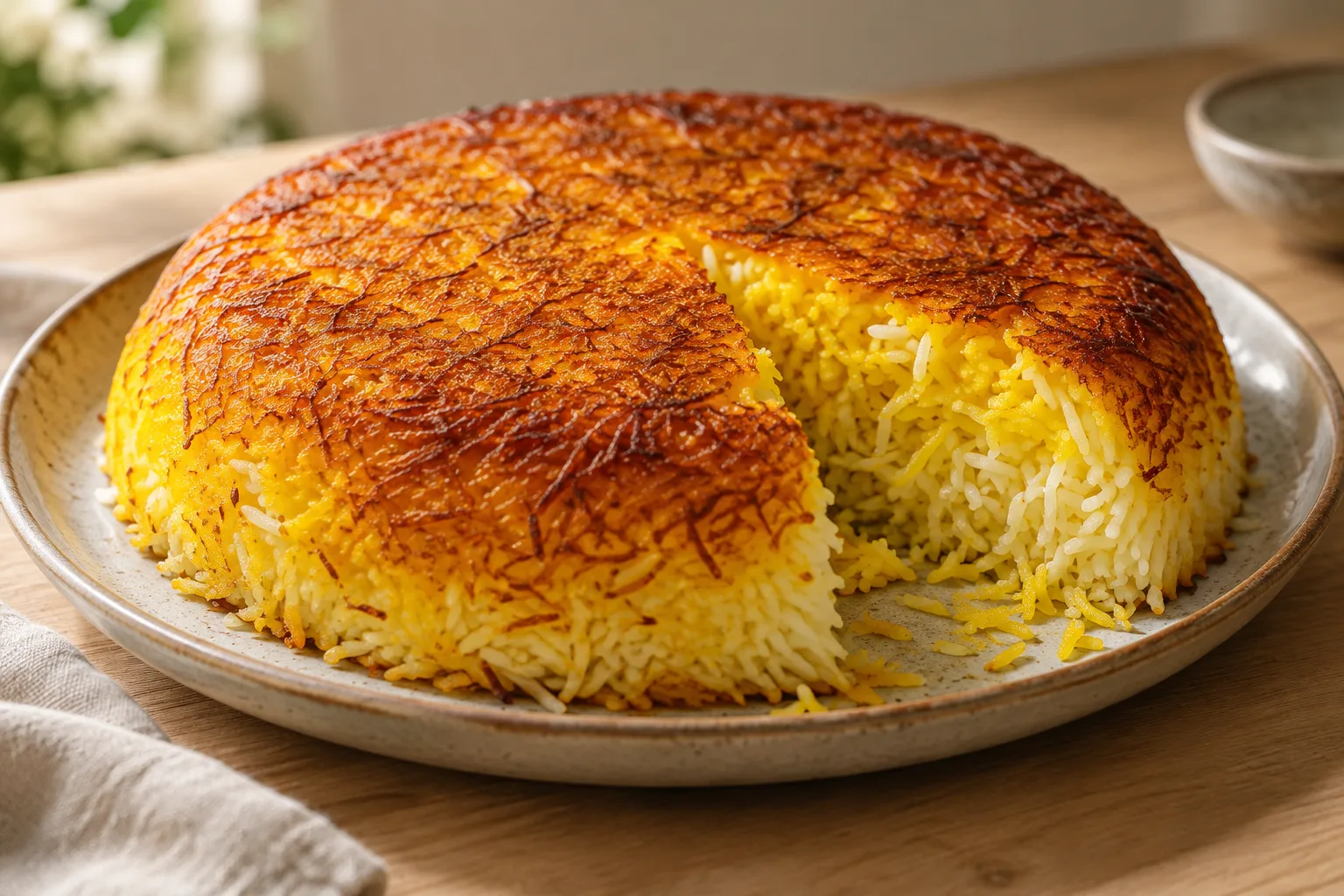
View recipeBasmati rice with a golden, crisp saffron-and-yogurt base. Makes about 4 servings; timings are approximate, and the initial cooking time may vary with the rice.
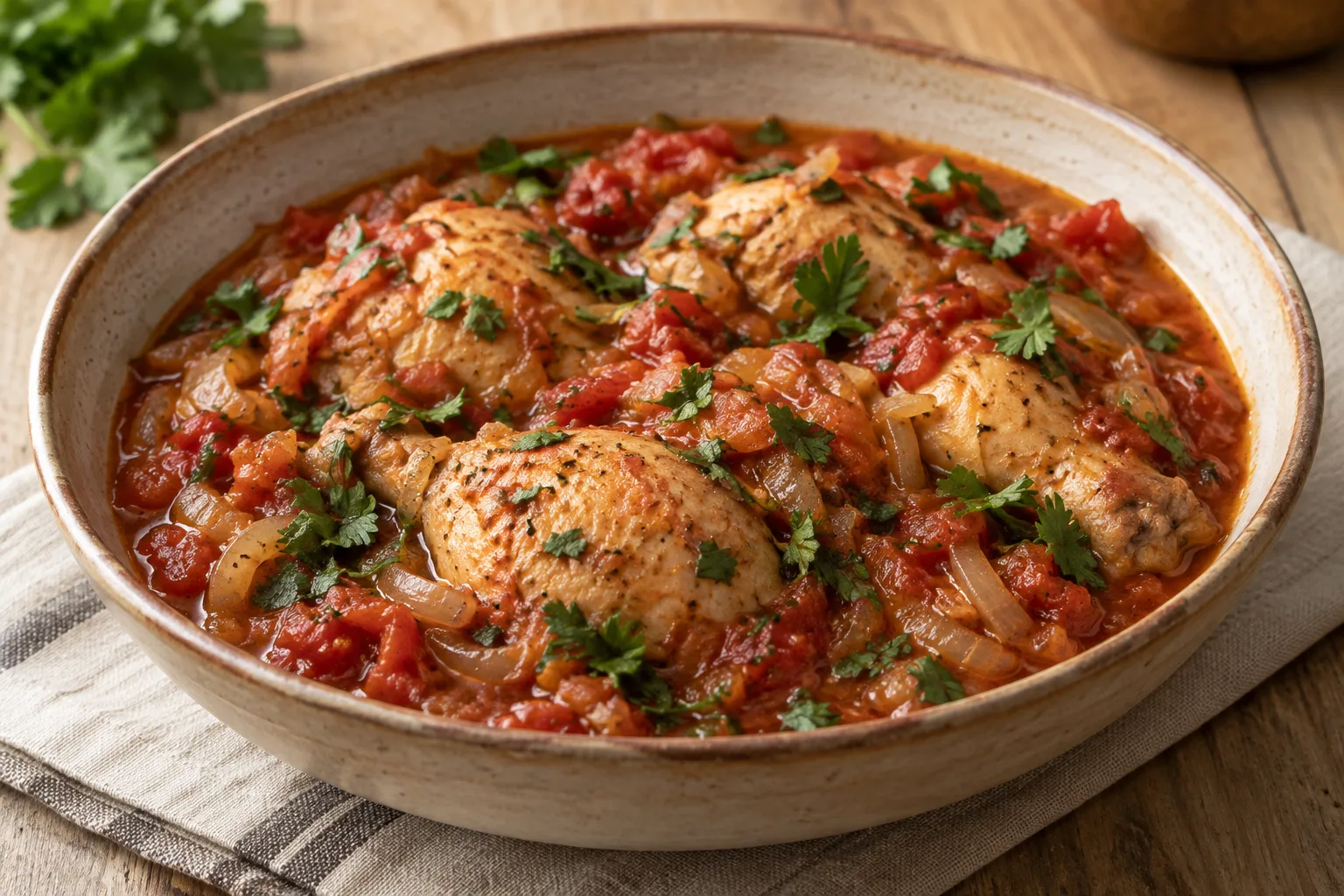
View recipeA Georgian chicken stew slowly cooked with onion, tomato, garlic, and coriander. Serving size and preparation time are estimates.
View recipeA generous platter of red beans, rice, ground beef, crispy pork belly, chorizo, blood sausage, egg, ripe plantain, arepa, and avocado. Serves 4; timings are approximate.
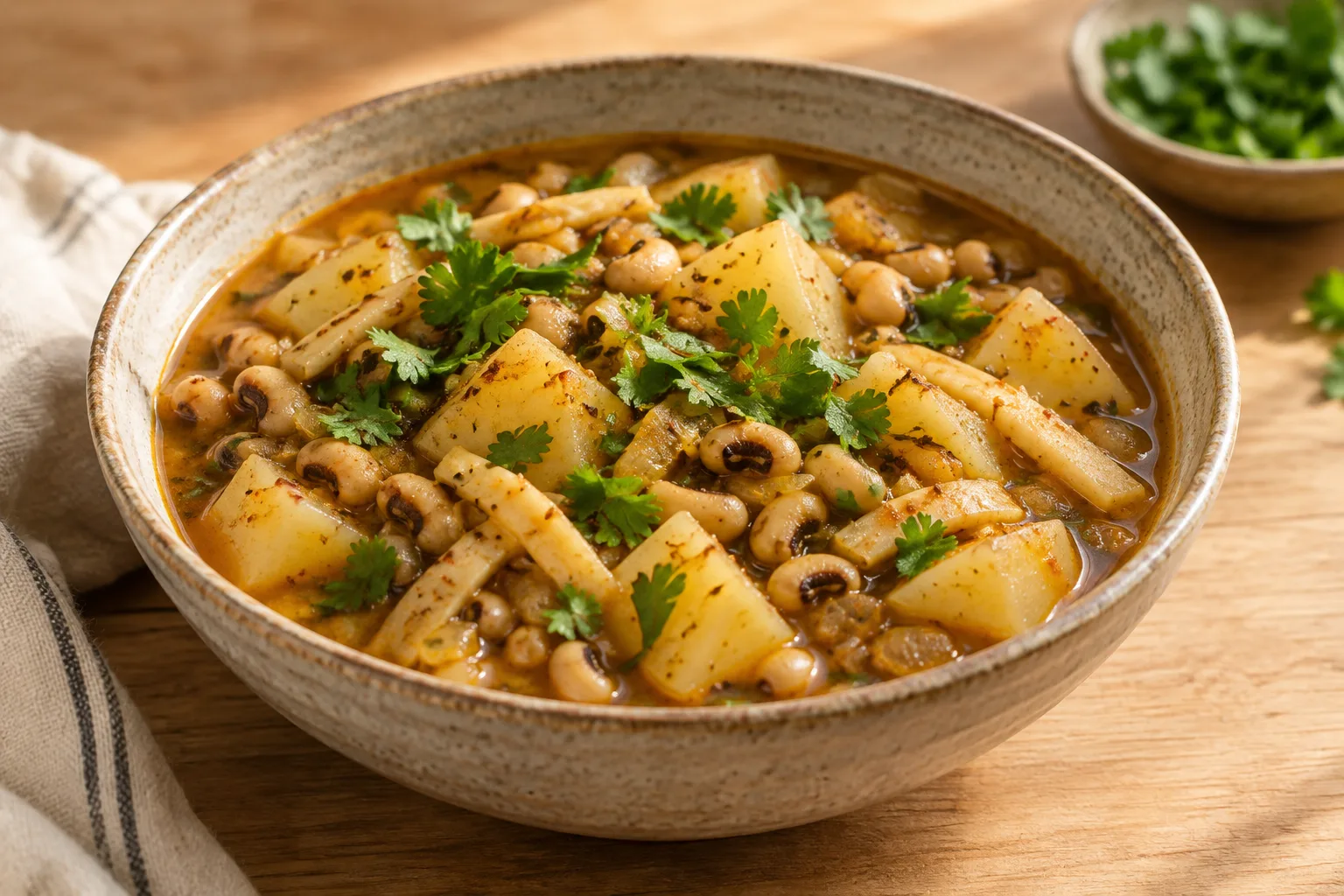
View recipeA Nepali stew of potatoes, bamboo shoots and black-eyed beans, seasoned with spices in a gently tangy broth.
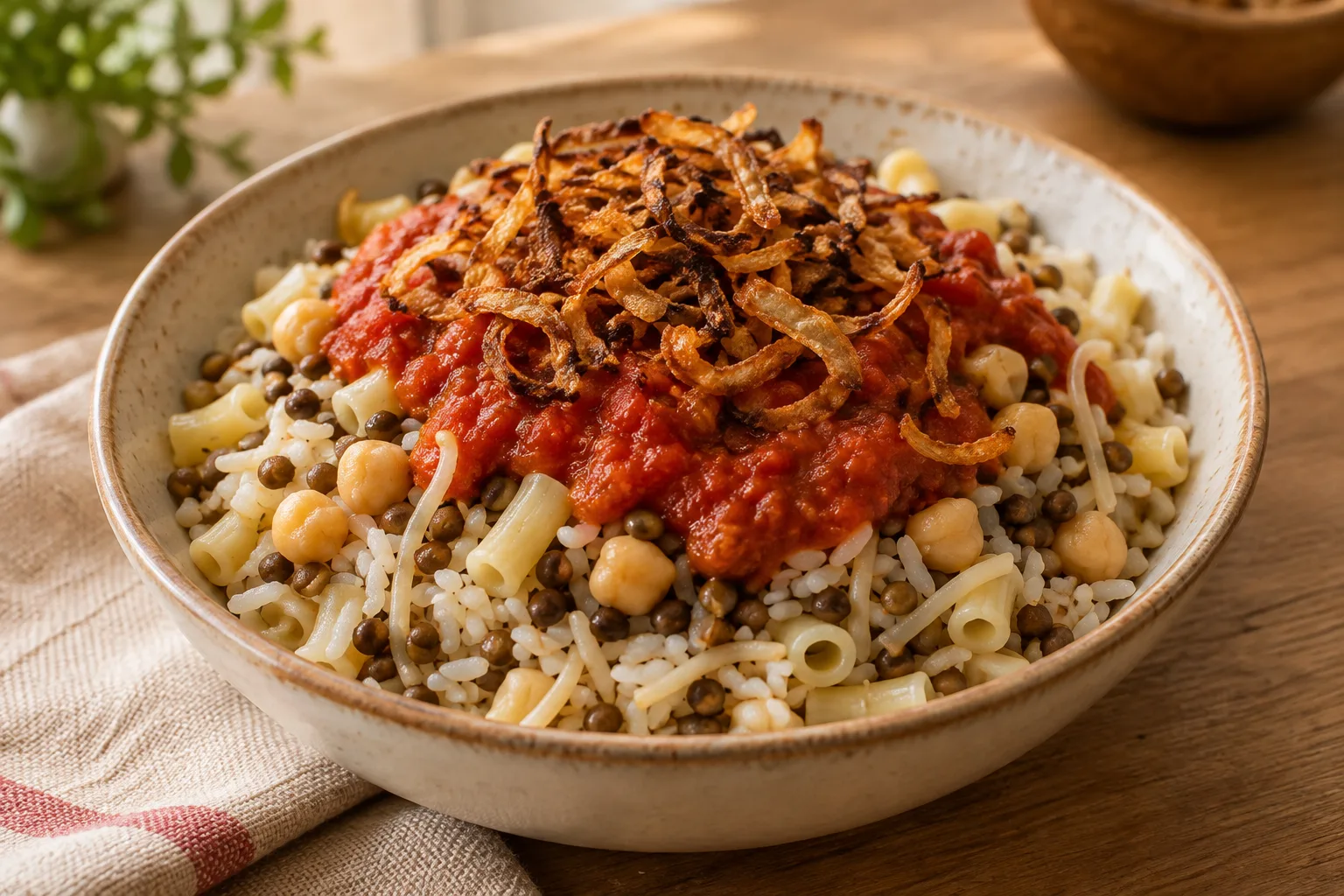
View recipeAn Egyptian dish of rice, lentils, chickpeas and pasta, served with spiced tomato sauce and fried onion. Makes 2 servings; times are approximate.
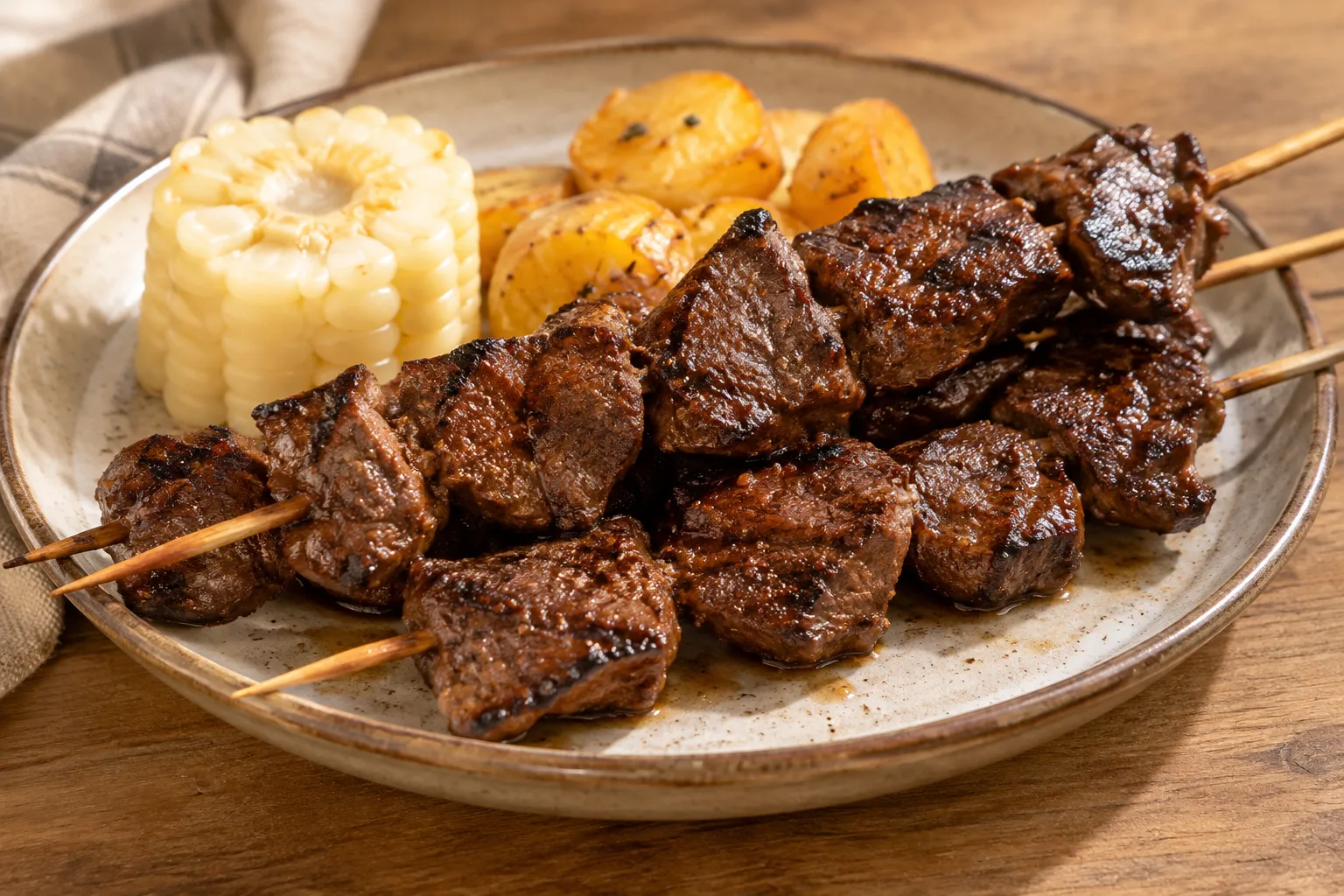
View recipeBeef heart skewers marinated with ají panca, garlic, vinegar, and spices, then grilled. Serves 4; estimated preparation time: 35 minutes, plus at least 12 hours of resting and about 10 minutes of cooking.
View recipe