Kitchen notebook

KitchenPause Magazine

An editorial home built from real recipe additions, seasonality and our methodology.

Seasonal produce

Spring in the basket: choosing and storing seasonal vegetables

Image generated by the Kitchenpause team

Asparagus, peas, broad beans, artichokes and tender greens signal spring. Learn to read the seasonal calendar flexibly, choose vegetables in good condition and organize storage without treating seasonality as a rigid rule.

Latest additions

Latest additions

Available content that can be reviewed from the recipe collection.

Image generated by the Kitchenpause team
World cuisine

Slovenia’s Culinary Atlas: Alpine Pastures, Adriatic Shores and Regional Tables

Slovenia’s varied landscapes meet in a compact culinary world shaped by Alpine, Mediterranean, Karst and Pannonian settings, as well as long exchange with neighbouring countries. Buckwheat žganci, filled doughs, stews, cured meats, coastal fish and layered pastries reveal how local ingredients, seasons and household traditions give dishes distinct regional identities.

Read →
Image generated by the Kitchenpause team
World cuisine

Russian Culinary Atlas: Grains, Soups, Regional Traditions, and Shared Tables

Russia’s food traditions span Eastern Europe and North Asia, shaped by local ingredients, communities, and changing histories. Rye and other grains, soups, preserved vegetables, fish, dumplings, and filled pastries appear in varied regional cuisines. Blini, pelmeni, and tea are familiar points of reference, but no single dish or menu represents the country’s many culinary traditions.

Read →
Image generated by the Kitchenpause team
World cuisine

Réunion’s Creole Table: Curries, Condiments and Shared Island Traditions

In the Indian Ocean island of Réunion, Creole cooking brings together French, Chinese, Malagasy, Indian, Mauritian and East African influences. Rice, grains and sauced dishes sit alongside spicy relishes and snacks such as samoussas, bouchons and bonbons piments. Family recipes vary, while Cilaos is especially associated with its lentils. Meals may be shared at home, outdoors or around evening food stalls.

Read →
Image generated by the Kitchenpause team
World cuisine

Paraguayan Cuisine: Cassava, Corn, and a Meeting of Culinary Traditions

Paraguay’s food reflects exchanges among Cario-Guaraní, Spanish, and later immigrant traditions. Cassava and corn shape breads, cakes, porridges, and soups, often alongside cheese, milk, eggs, and meat. Dishes such as mbejú, chipa, sopa paraguaya, and vori vori show how shared ingredients become distinct preparations. Asado, tereré, and foods associated with Holy Week and family occasions add social dimensions to this varied cuisine.

Read →
Image generated by the Kitchenpause team
World cuisine

Palau’s Island Foodways: Taro, the Sea, and a Changing Pantry

Palauan food brings together taro and other root crops, fish and shellfish, coconut, and ingredients carried through regional exchange and colonial history. Taro is both nourishment and a marker of social value, while everyday preparations, ceremonial exchange, community farming, and newer adaptations reveal a food culture shaped by island environments and continuing change.

Read →
Image generated by the Kitchenpause team
World cuisine

Panama at the Table: Corn, Roots, Rice, and Cultural Exchange

Panamanian food reflects the varied landscapes and histories of an isthmus between the Caribbean and Pacific. Corn, rice, cassava, ñame, plantains, poultry, pork, and seafood appear in everyday meals and festive preparations. Sancocho, tamales, coconut-rich dishes, rice stews, and fried snacks take different forms across the country and among communities. Rather than a single fixed style, Panama’s culinary life is a meeting of local ingredients, family practice, migration, and regional variation.

Read →
Image generated by the Kitchenpause team
World cuisine

Norwegian Foodways: Coast, Countryside, Preservation and Seasonal Tables

Norwegian food reflects a varied landscape of long coastlines, fjords, mountains, forests and limited farmland. Fish, lamb and game sit alongside potatoes, root vegetables, bread and dairy, while drying, salting, smoking, pickling and fermentation preserve seasonal produce. Everyday packed lunches and open sandwiches share the table with regional dumplings, autumn stews and Christmas dishes. These practices vary across places and households, and coexist with contemporary international influences.

Read →
Image generated by the Kitchenpause team
World cuisine

Dutch Foodways: Delta Landscapes, Everyday Cooking, and Regional Specialties

Dutch food reflects a low-lying delta shaped by farming, dairy, fishing, trade, and migration. Bread, potatoes, vegetables, cheese, and fish appear in everyday meals, while winter mashes and thick pea soup sit alongside fried café snacks, market foods, and seasonal baking. Local specialties—from Limburg asparagus to Zeeland samphire and cherries in the Betuwe and Kromme Rijn—show why the country’s food culture is more varied than a single national menu.

Read →
Image generated by the Kitchenpause team
World cuisine

Montenegro at the Table: Mountain Kitchens, Adriatic Shores, and Shared Balkan Traditions

Montenegrin food reflects close contrasts between mountain settlements, the Adriatic coast, and the Lake Skadar basin. Cornmeal, potatoes, dairy, cured meats, seasonal greens, berries, freshwater fish, and seafood appear in preparations shaped by local landscapes and household knowledge. Kačamak, Njeguši pršut, northern lamb dishes, coastal buzara, and black risotto offer distinct points of entry into a cuisine connected to wider Balkan and Mediterranean foodways.

Read →
Image generated by the Kitchenpause team
World cuisine

Latvian Foodways: Rye, Seasonal Produce, and Shared Traditions

Latvian cuisine reflects the country’s Baltic coastline, farms, forests, rivers, and lakes. Rye bread, potatoes, barley, pork, dairy, fish, berries, and mushrooms form a varied pantry shaped by the seasons and by food traditions shared across the region. Fermentation, smoking, pickling, and baking preserve ingredients and create familiar tastes, while dishes such as grey peas with bacon, cold beet soup, Jāņi caraway cheese, and Kurzeme’s sklandrausis show how particular preparations connect with occasions and places without standing for the whole cuisine.

Read →
Image generated by the Kitchenpause team
World cuisine

Liberia’s Culinary Atlas: Rice, Cassava, Greens, and Coastal Flavors

Liberian cooking draws on rice, cassava, plantains, leafy vegetables, palm products, fish, and meat, brought together in everyday meals and celebratory dishes. Rice may be served plain with a stew, cooked as jollof, or made into flour for bread; cassava becomes distinct pounded staples such as dumboy and geebee. Soups and stews vary in their greens, proteins, texture, and heat. Documented examples include geebee among Gio and Mano communities in Nimba, dumboy in Grand Bassa and Rivercess, and coastal fish markets and smoking practices around Monrovia. These traditions sit within Liberia’s varied communities and a history of regional and transatlantic exchange.

Read →
Image generated by the Kitchenpause team
World cuisine

Haitian Cuisine: Creole Pantry, Shared Meals, and Regional Specialties

Haitian cooking brings together Indigenous Caribbean, African, European, and Levantine influences, shaped over generations into a distinctive Creole food culture. Rice, beans, corn, cassava, breadfruit, vegetables, meat, and seafood appear in varied everyday and celebratory meals, seasoned with herbs, aromatics, citrus, and peppers. Joumou soup has a particular place in Independence Day observance, while regional specialties such as Grand’Anse tonmtonm, Artibonite lalo, and northern cashew dishes show that no single menu represents every Haitian community.

Read →
Recipes

Recipes to enjoy

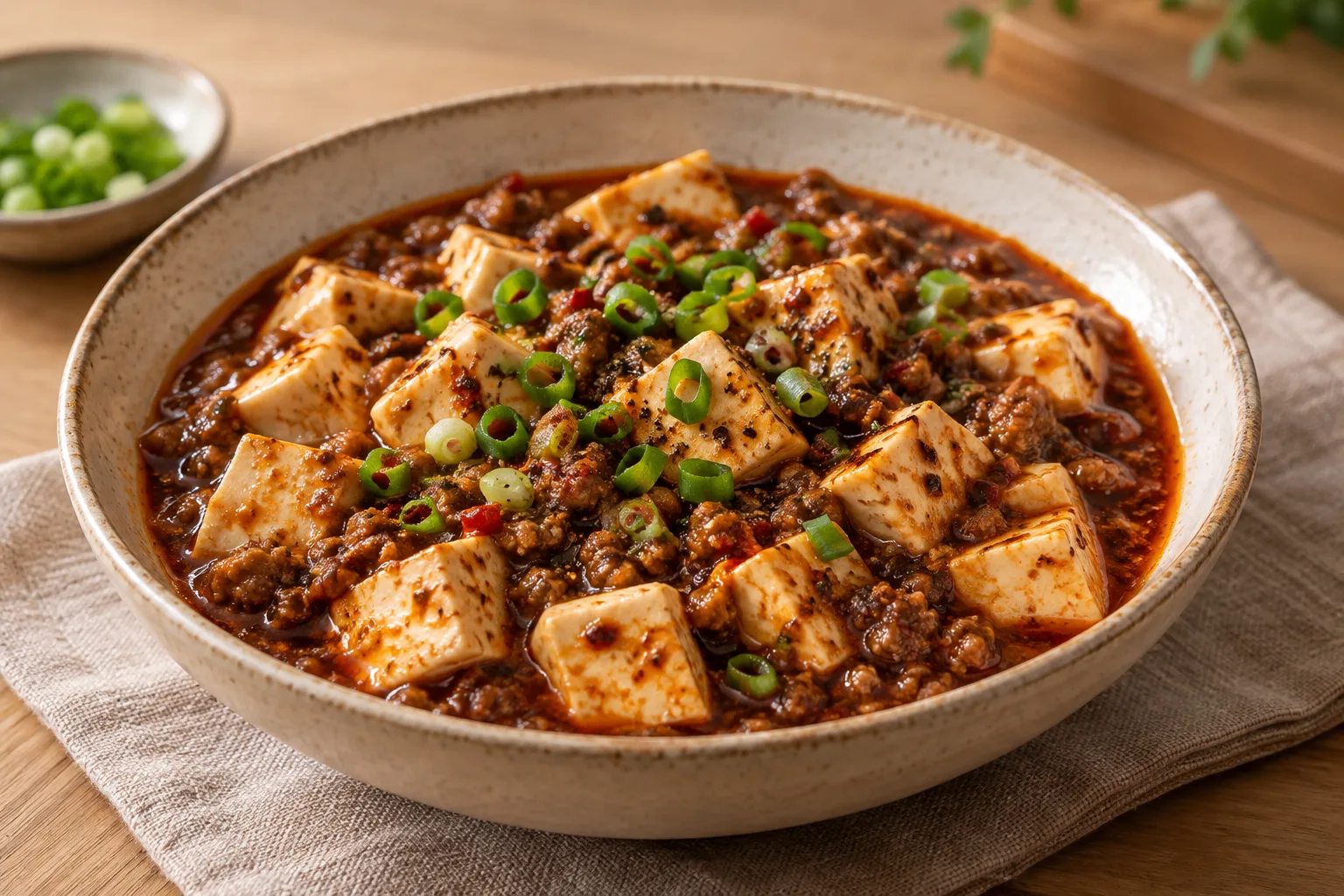
Mapo tofu
Image generated by the Kitchenpause team
35 minIntermediate

Mapo tofu

Tender tofu and minced pork in a savory sauce with doubanjiang, ginger, and Sichuan pepper. Serves 4; timings are estimates.

View recipe
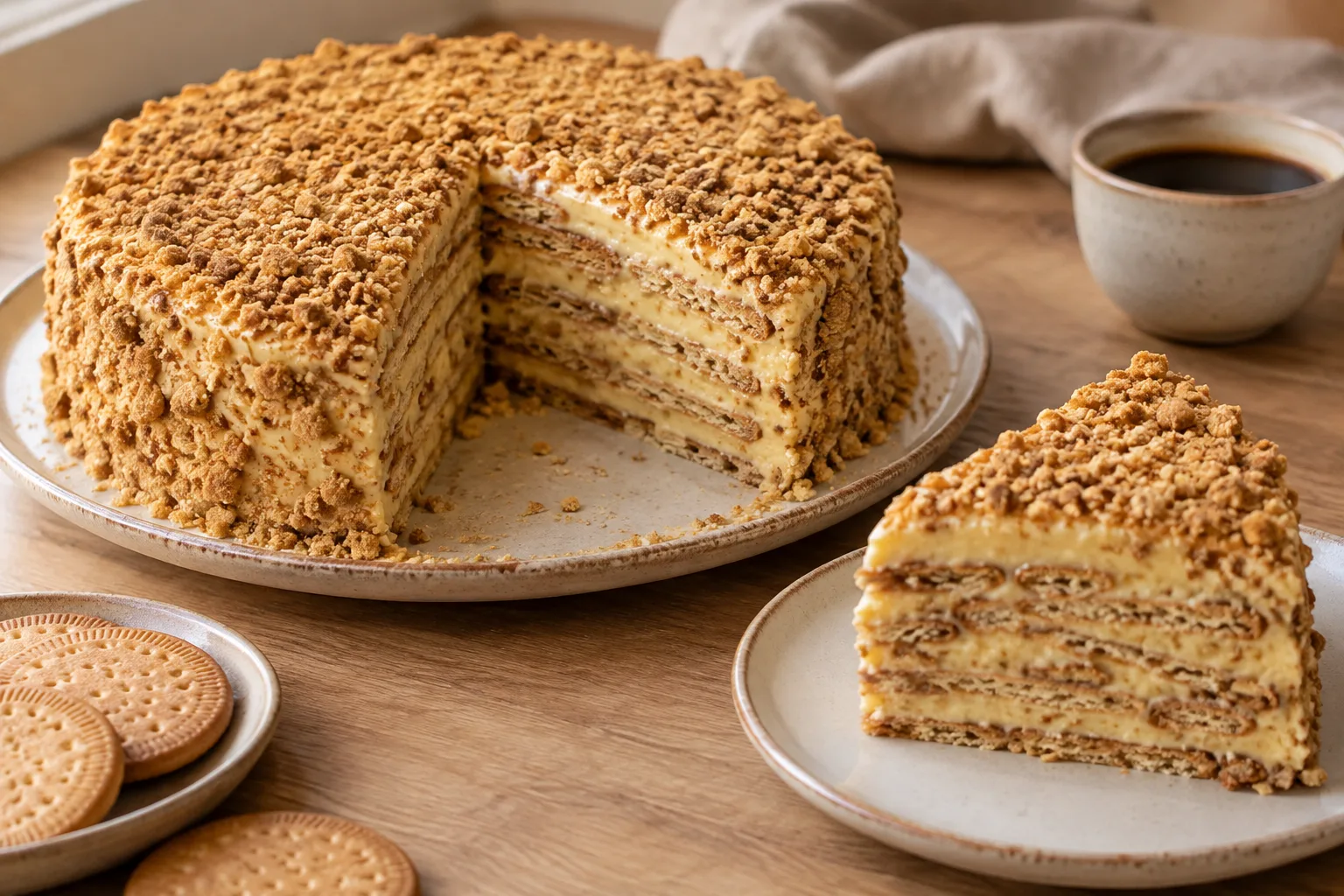
Bolo de bolacha
Image generated by the Kitchenpause team
210 minEasy

Bolo de bolacha

A no-bake Portuguese cake made with Maria biscuits dipped in coffee and layers of buttercream with egg yolks. Serves 6; allow about 30 minutes to prepare and 3 hours to chill.

View recipe
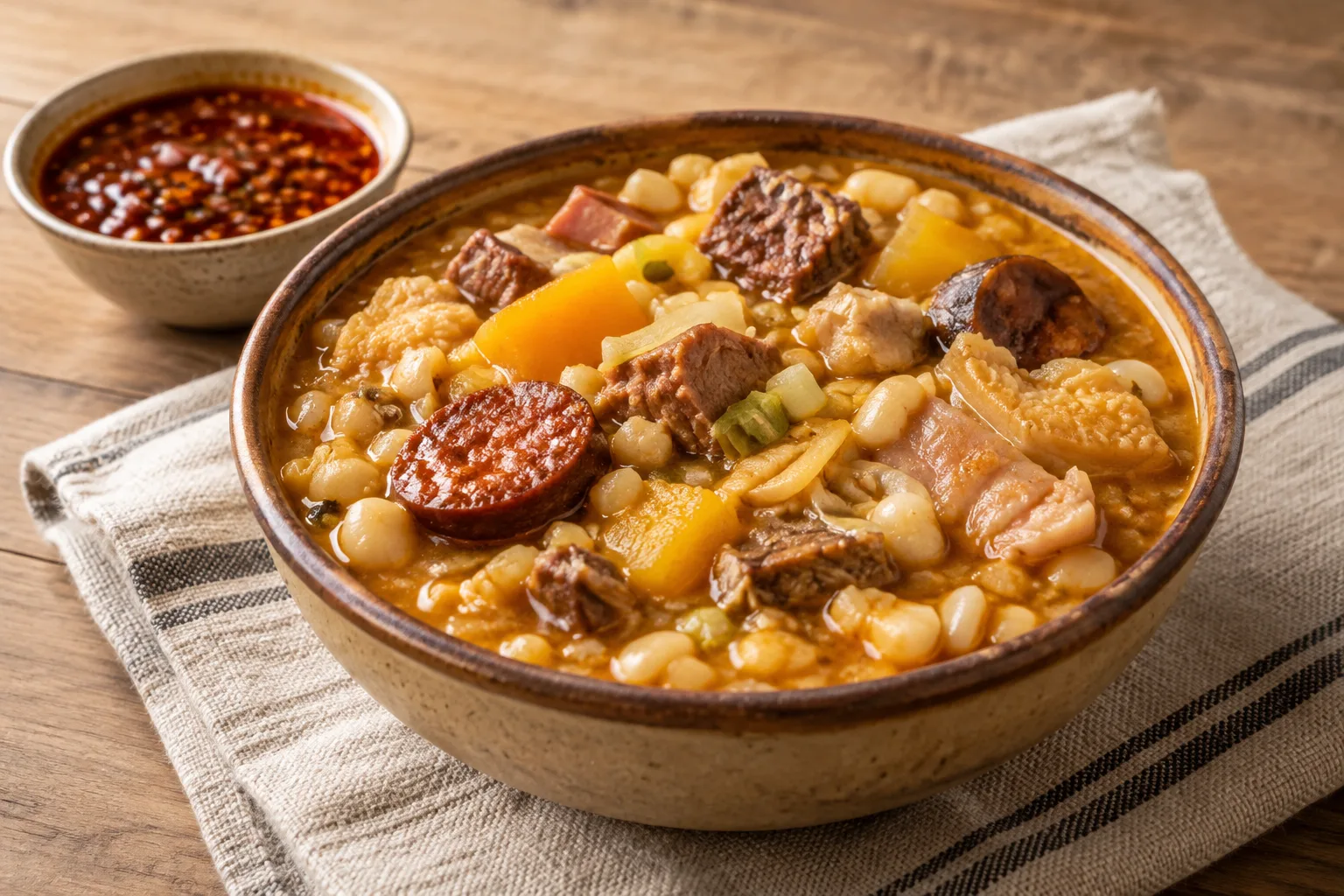
Argentine locro
Image generated by the Kitchenpause team
670 minAdvanced

Argentine locro

A thick Argentine stew of white corn, beans, squash and assorted meats, served with a red pepper sauce. Makes about 8 servings; hands-on time and yield are approximate.

View recipe
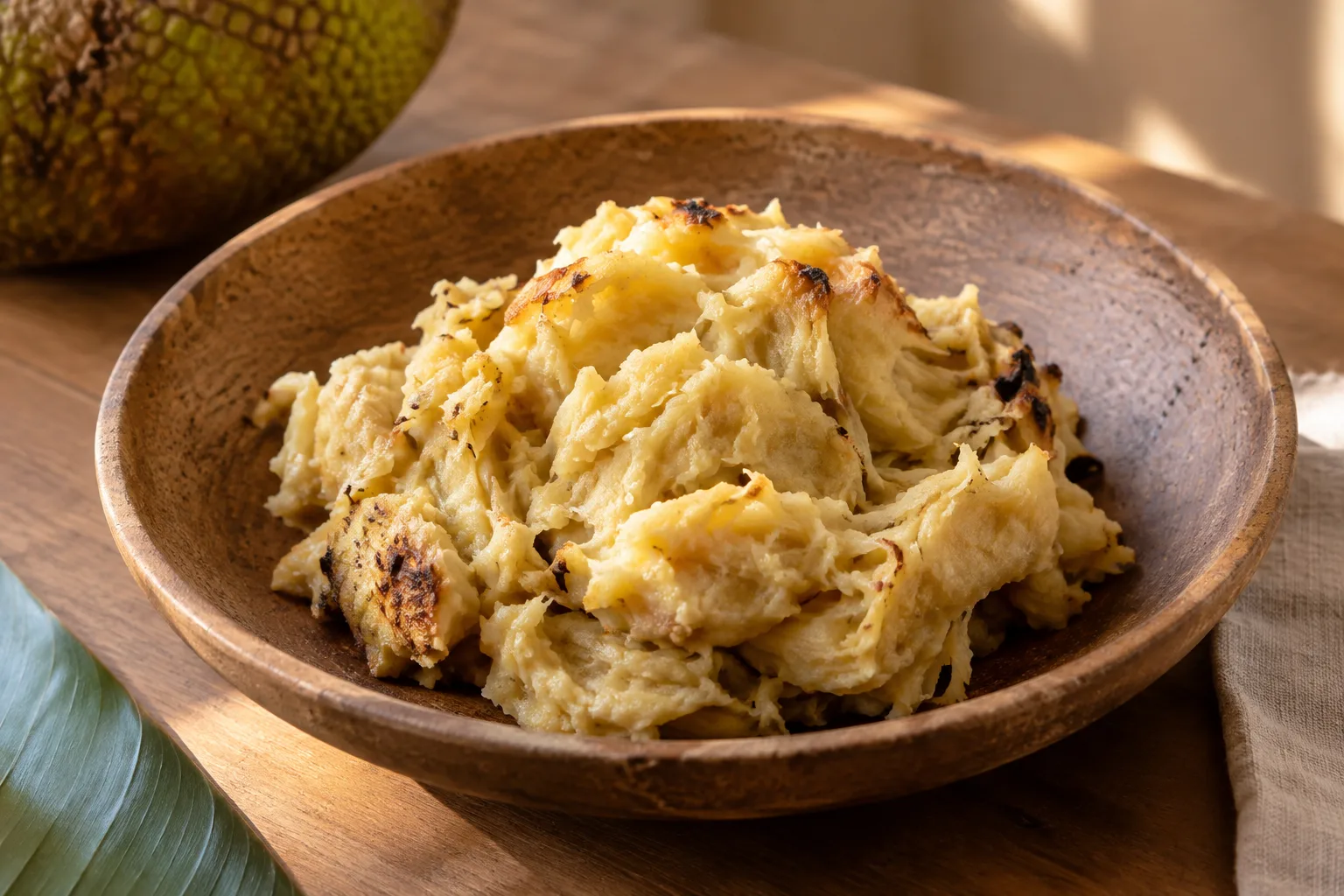
Pohnpei Lihli
Image generated by the Kitchenpause team
15 minIntermediate

Pohnpei Lihli

Very ripe breadfruit, roasted over an open fire and pounded. Hands-on preparation is estimated at 15 minutes; roasting is guided by a visible cue rather than a fixed time.

View recipe
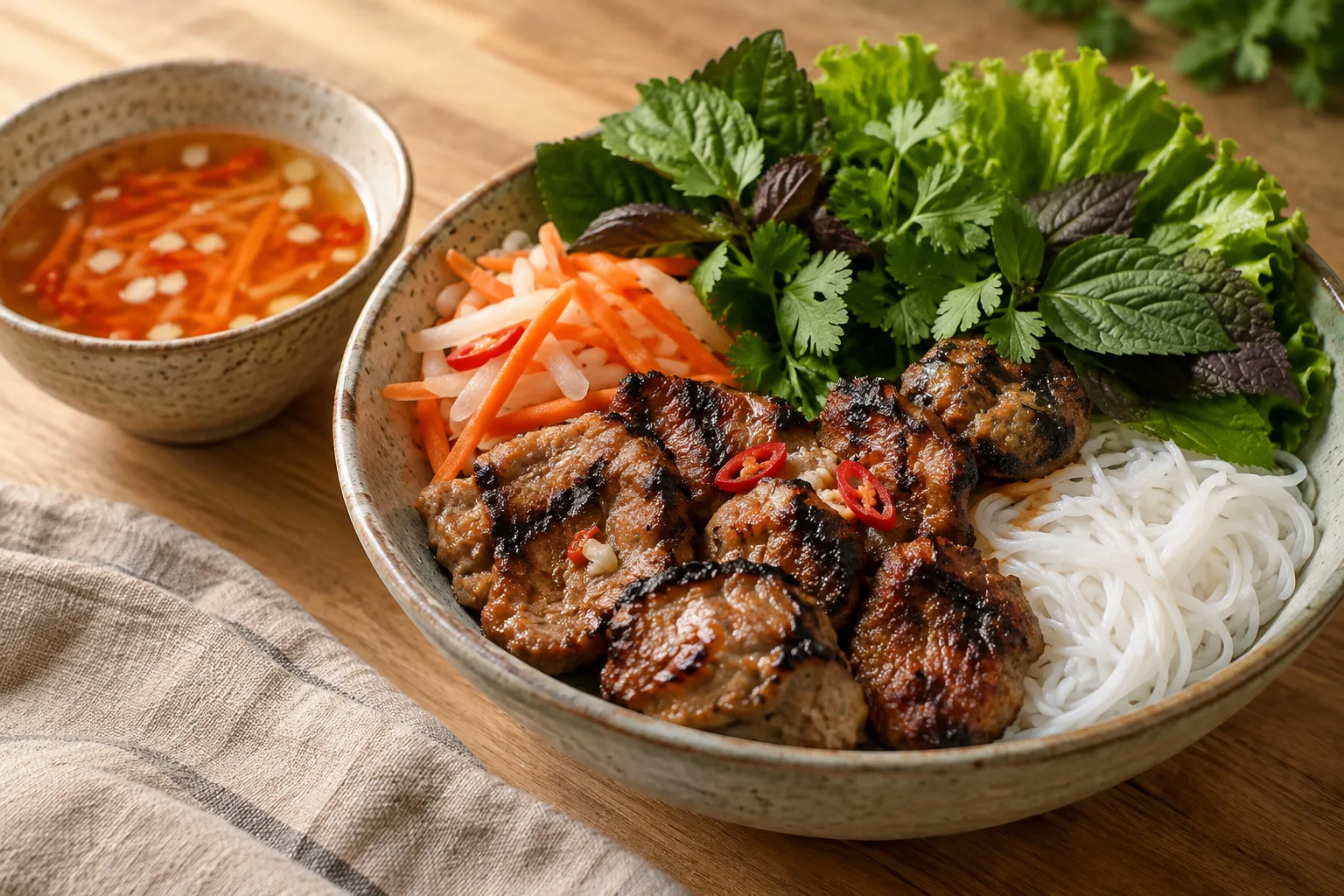
Vietnamese bún chả
Image generated by the Kitchenpause team
200 minIntermediate

Vietnamese bún chả

Grilled pork, rice noodles, pickled vegetables and fresh herbs, served with a sweet-and-sour fish sauce. Serves 4; times are approximate.

View recipe
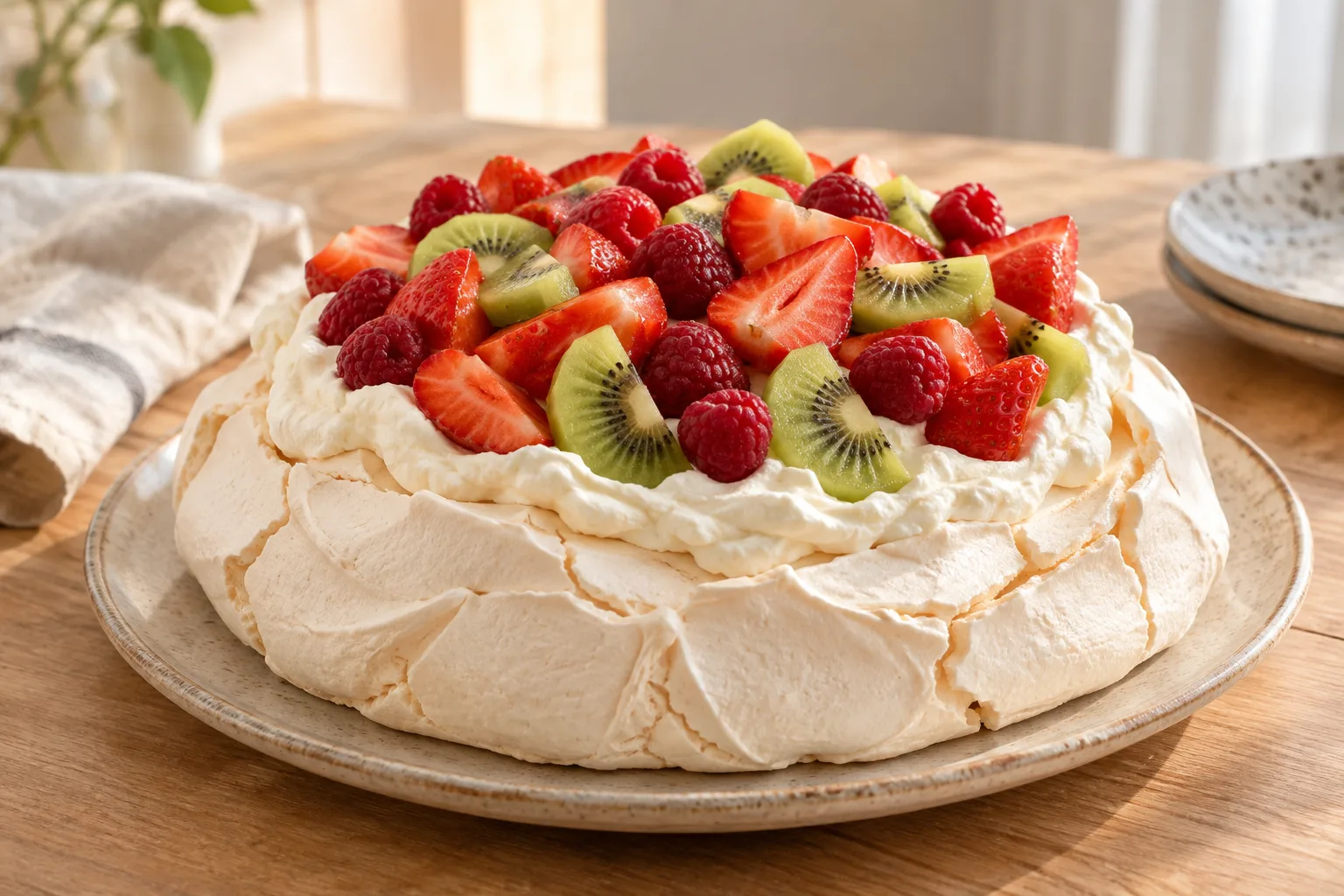
New Zealand Pavlova
Image generated by the Kitchenpause team
345 minIntermediate

New Zealand Pavlova

Baked meringue, crisp outside and tender inside, topped with whipped cream, strawberries, raspberries, and kiwi.

View recipe
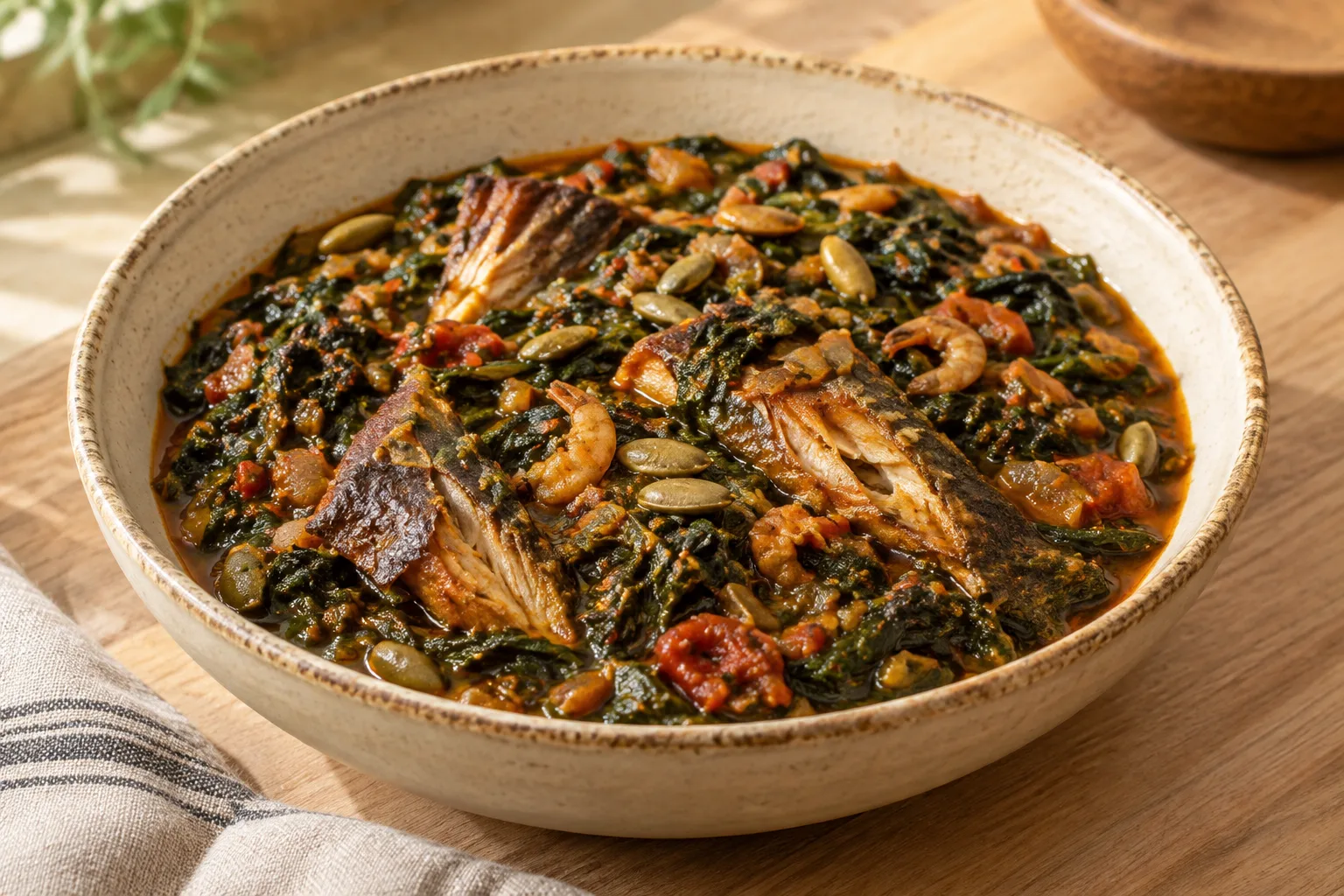
Ghanaian Kontomire Stew
Image generated by the Kitchenpause team
75 minIntermediate

Ghanaian Kontomire Stew

A thick stew of cocoyam leaves with tomato, red palm oil, smoked fish and pumpkin seeds. Makes 4 servings; approximate preparation time: 25 minutes, cooking time: 50 minutes.

View recipe

We use session and security technologies to provide our features. Only with your permission do we load Google Analytics to measure visits and Google Maps on Contact. Choose separately, reject or accept both.

Withdraw either permission here. Withdrawing analytics reloads the page to unload the running tag.

Cookie policy